

Stenamma sequoiarum
- Scientific Name
- Stenamma sequoiarum
- Tribe
- Stenammini
- Subfamily
- Myrmicinae
- Author
- Wheeler, 1917
- Distribution
- Found in 1 countries
Stenamma sequoiarum Overview
Stenamma sequoiarum is an ant species of the genus Stenamma. It is primarily documented in 1 countries , including United States of America. Detailed taxonomic data and occurrence records can be further explored via authoritative databases such as AntWeb or the Global Biodiversity Information Facility (GBIF).
Stenamma sequoiarum
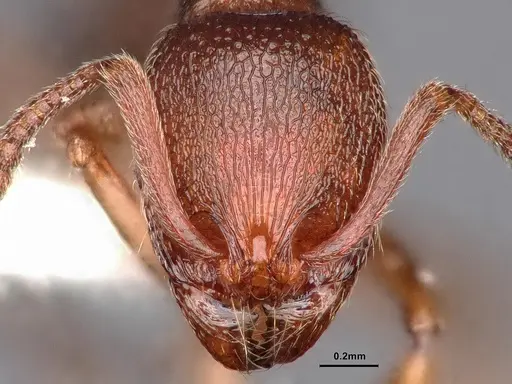
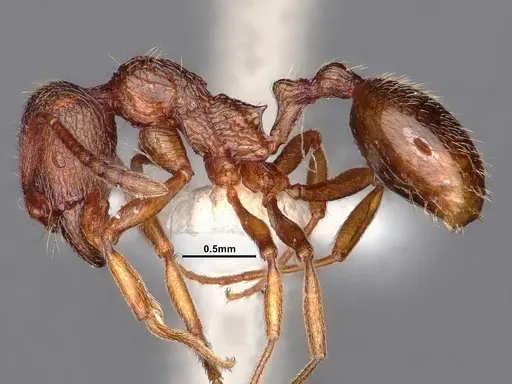
Stenamma sequoiarum is a small, cryptic ant native to the western United States, particularly California. Workers measure 3-3.5mm and queens reach about 4.3mm. They have a distinctive appearance with a light brown to reddish brown head and thorax, while the gaster is brown to blackish with a darker transverse band across the middle. Their eyes are notably small for a Stenamma species, containing only 4-5 ommatidia in workers. The epinotum (the section between the thorax and abdomen) features two well-developed spines, and the body surface has coarse rugulose sculpturing that gives them a somewhat roughened appearance [1].
This species was originally described from colonies nesting under stones in coastal redwood forests around Mount Tamalpais, near San Francisco [1]. It belongs to the diecki species group and the brevicorne clade [2][3]. These ants are part of a genus that has been undergoing taxonomic revision, and S. sequoiarum remains one of the lesser-studied North American species, with limited information available about their specific care requirements in captivity.
Quick Summary
- Difficulty: Medium
- Origin & Habitat: Western United States, primarily California with some records from Washington. Found in redwood forests, oak woodland, pine forest, and chaparral. Nests under stones among large redwood trees and in redwood litter [1][4].
- Colony Type: Unknown colony structure. Single-queen colonies are typical for most Stenamma species, but specific data for S. sequoiarum is lacking.
- Size & Growth:
- Queen: 4.3 mm [1]
- Worker: 3-3.5 mm [1]
- Colony: Unknown, likely small to moderate based on typical Stenamma colony sizes
- Growth: Moderate, inferred from related species
- Development: 6-10 weeks estimated based on typical Myrmicinae development at room temperature (Direct development data unavailable for this species, estimates based on genus-level patterns for temperate forest ants)
- Antkeeping:
- Temperature: Keep at room temperature, roughly 18-22°C. As a species from the temperate western U.S., they likely prefer cooler conditions than tropical ants. A gradient allowing cooler areas around 18°C and warmer spots up to 22°C is recommended.
- Humidity: Moderate to high humidity. In nature they inhabit damp forest floors under stones in redwood forests. Keep the nest substrate consistently moist but not waterlogged, with some drier areas available.
- Diapause: Likely yes, as a temperate species from California, they probably require a winter rest period. However, specific diapause requirements are unconfirmed.
- Nesting: Provide a naturalistic setup with moist substrate and stones or similar cover. In captivity, a Y-tong (AAC) nest or plaster nest with good moisture retention works well. They prefer tight, enclosed spaces typical of forest-floor ants.
- Behavior: These are shy, cryptic ants that likely forage primarily in leaf litter and under objects rather than in open areas. They probably prey on small invertebrates like springtails and other micro-arthropods. Workers are not aggressive and will likely flee rather than engage threats. Their small size (under 4mm) means escape prevention is important, they can squeeze through small gaps. Temperament is generally calm and non-aggressive.
- Common Issues: escape prevention is critical due to their tiny size, use fine mesh and tight-fitting lids, slow growth rate may frustrate beginners expecting rapid colony development, wild-caught colonies may have parasites or struggle to adapt to captivity, limited information makes troubleshooting difficult, much is based on inference from related species, they may be sensitive to drying out and require consistent moisture
Housing and Nest Setup
Stenamma sequoiarum is a forest-floor ant that naturally nests under stones in damp, shaded environments. For captivity, provide a setup that mimics these conditions. A Y-tong (AAC) nest or plaster nest works well, both hold moisture and provide the dark, enclosed spaces these ants prefer. The nest chambers should be appropriately scaled to their small size, with narrow passages rather than large open spaces.
Keep the outworld simple, a small foraging area with moist substrate works fine. Since they are small and somewhat shy, avoid large open spaces where they may feel exposed. Provide some hiding spots like small pieces of bark or leaves in the foraging area. A water tube for drinking and sugar water/honey as an optional energy source should be available, though their primary diet will likely be small live prey. [1][4]
Feeding and Diet
Based on typical Stenamma behavior and their small size, these ants are likely predators of small invertebrates. They probably feed on springtails, tiny soil mites, and other micro-arthropods found in leaf litter. In captivity, offer small live prey such as flightless fruit flies (Drosophila), small mealworms, and most importantly, springtails.
Sugar sources may be accepted occasionally, you can offer a drop of diluted honey or sugar water, but don't rely on these as primary food. Protein from small live prey is likely essential for brood development. Feed small amounts of prey 2-3 times per week, adjusting based on how quickly the colony consumes it. Remove any uneaten prey after 24-48 hours to prevent mold.
Temperature and Seasonal Care
As a species from the temperate western United States, Stenamma sequoiarum likely prefers cooler conditions than many common ant pets. Aim for temperatures in the range of 18-22°C, with a slight gradient allowing the ants to choose their preferred spot. Room temperature (around 20°C) is likely ideal.
Regarding winter dormancy: while not directly studied for this species, most temperate ants benefit from a reduced activity period during winter. Consider providing a cooler period (around 10-15°C) for 2-3 months during winter, mimicking natural seasonal cycles. However, since they come from California's relatively mild climate, a full hibernation may not be necessary, a simple reduction in temperature and feeding frequency during winter months should suffice. [3]
Behavior and Colony Dynamics
Stenamma ants are known for their cryptic, secretive lifestyle. Workers are not particularly aggressive and will typically retreat rather than defend. They forage in a leisurely manner, searching through leaf litter and soil for small prey rather than running actively in the open.
Colony growth is likely moderate, don't expect the rapid expansion you might see from species like Lasius or Camponotus. The first workers (nanitics) will be smaller than mature workers and may take several weeks to appear. Be patient with founding colonies, disturbing them frequently can cause stress. Once established, colonies may reach several hundred workers over a year or two.
Handling and Observation
These ants are not suitable for those who want to frequently observe active foraging or dramatic behaviors. They are subtle ants that prefer dark, enclosed spaces and will likely remain in their nest most of the time. Observation is best done during feeding times or when the colony is moved to a new nest.
When you need to move or inspect the colony, do so gently and minimize exposure to bright light, which they likely find stressful. Use red light or work in dim conditions when possible. Because of their small size, handle them with extra care, they can easily be crushed or lost. Transfer entire nest sections rather than picking up individual ants when possible.
Frequently Asked Questions
How long does it take for Stenamma sequoiarum to produce first workers?
Direct data is unavailable for this species, but based on typical Myrmicinae development, expect 6-10 weeks from egg to first worker at optimal room temperature (around 20°C). Founding colonies require patience, the queen will lay eggs, and the first nanitic workers will emerge after several weeks without any intervention from you.
What do Stenamma sequoiarum ants eat?
They likely accept small live prey, especially springtails and flightless fruit flies. This is based on typical Stenamma diet preferences and their small size. Offer protein prey 2-3 times weekly. Sugar sources like diluted honey may be accepted occasionally but should not be the primary food.
Can I keep Stenamma sequoiarum in a test tube?
A test tube can work for a founding colony, but these ants prefer themoisture-retaining environments of a Y-tong or plaster nest. If using a test tube, ensure the water reservoir is adequate and consider adding a small layer of substrate. Once the colony reaches 10-20 workers, consider moving to a more suitable nest.
Do Stenamma sequoiarum ants sting?
As Myrmicinae ants, they have a stinger, but given their small size and cryptic nature, they are not considered aggressive and stings are unlikely. Their small stinger would cause minimal pain even if they did use it. These ants are more likely to flee than to defend.
Are Stenamma sequoiarum good for beginners?
This species is not ideal for complete beginners due to limited available care information and their specific habitat requirements (cool, damp conditions). However, antkeepers with some experience should be able to keep them successfully. The main challenges are providing proper humidity and being patient with slow growth.
How big do Stenamma sequoiarum colonies get?
Colony size data is not available for this specific species, but based on related Stenamma species, colonies likely reach several hundred workers at maturity. They are not among the largest ant species, and you should not expect supercolonies.
Do Stenamma sequoiarum need hibernation?
Direct data is lacking, but as a temperate species from the western U.S., they likely benefit from a cooler winter period. A reduction to around 10-15°C for 2-3 months during winter is recommended, though a full hibernation may not be necessary given California's mild climate.
Why are my Stenamma sequoiarum dying?
Common causes include: drying out (they need consistent moisture), overheating (keep below 22°C), stress from excessive disturbance, and poor nutrition (ensure adequate small live prey). Wild-caught colonies may also carry parasites. Review humidity levels, temperature, and feeding schedule before considering other factors.
When should I move my colony to a formicarium?
Move from a founding setup (test tube) to a proper nest when the colony reaches roughly 20-30 workers or the test tube becomes cramped. A Y-tong or plaster nest with moisture capabilities works well. Make the transition gradually, connecting the old setup to the new nest.
Can I keep multiple Stenamma sequoiarum queens together?
This has not been documented for this species. Most Stenamma appear to be single-queen (monogyne) colonies. Combining unrelated queens is not recommended as it may result in aggression. If you acquire a colony, assume it is single-queen unless you observe otherwise.
References

This caresheet is licensed under CC BY-SA 4.0 .
CASENT0005821
View on AntWeb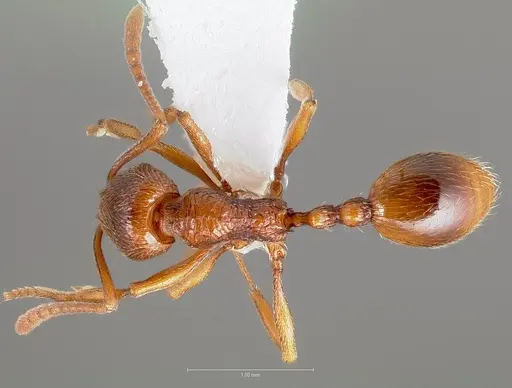
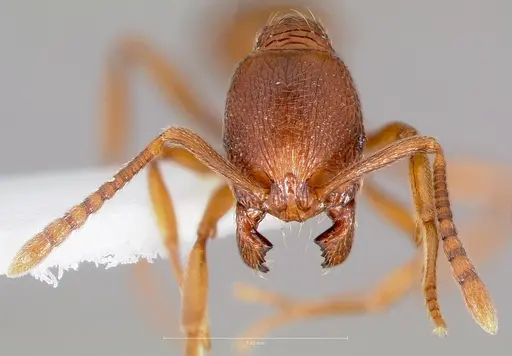
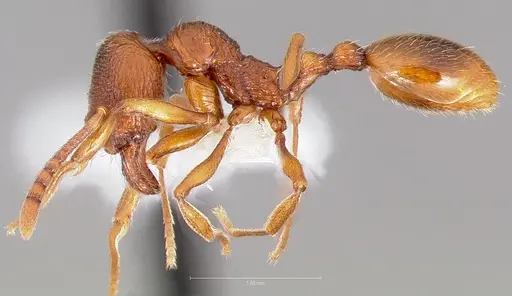
CASENT0884232
View on AntWeb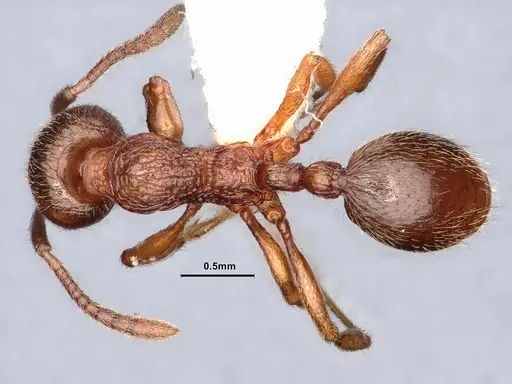
Literature
Loading...Loading products...