

Stenamma picopicucha
- Scientific Name
- Stenamma picopicucha
- Tribe
- Stenammini
- Subfamily
- Myrmicinae
- Author
- Branstetter, 2013
- Distribution
- Found in 2 countries
Stenamma picopicucha Overview
Stenamma picopicucha is an ant species of the genus Stenamma. It is primarily documented in 2 countries , including Honduras, Nicaragua. Detailed taxonomic data and occurrence records can be further explored via authoritative databases such as AntWeb or the Global Biodiversity Information Facility (GBIF).
Stenamma picopicucha
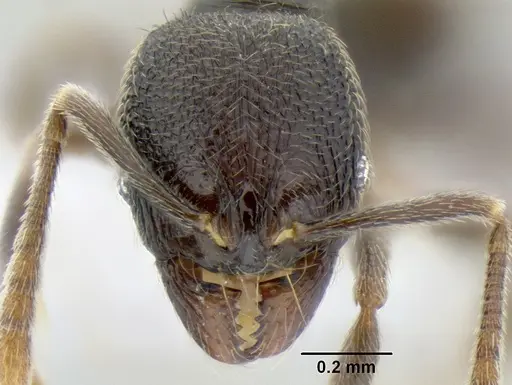
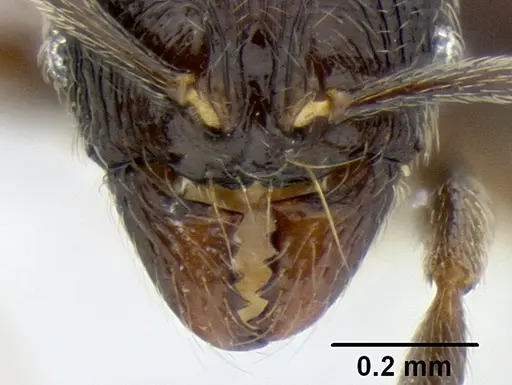
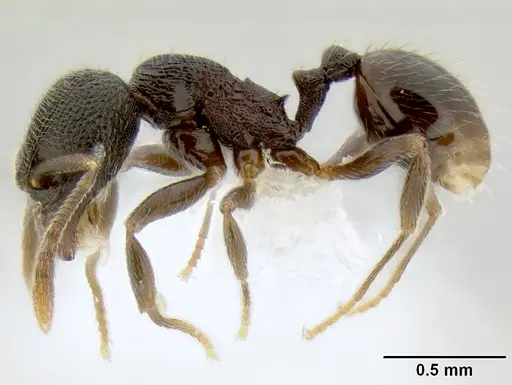
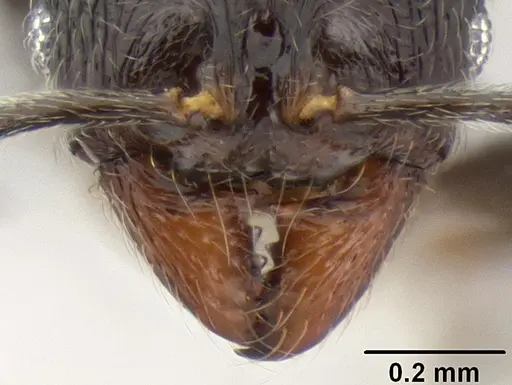
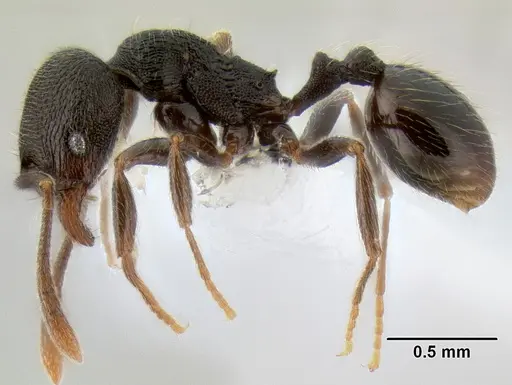
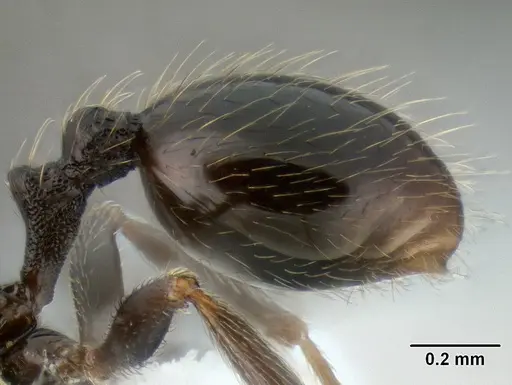
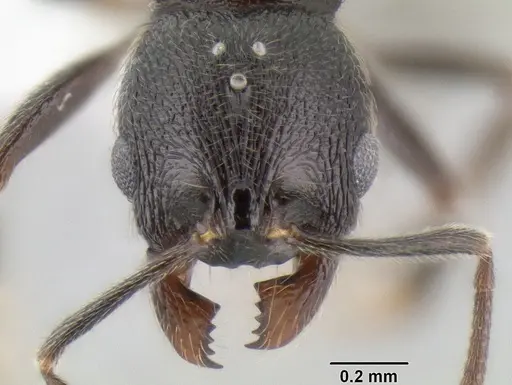
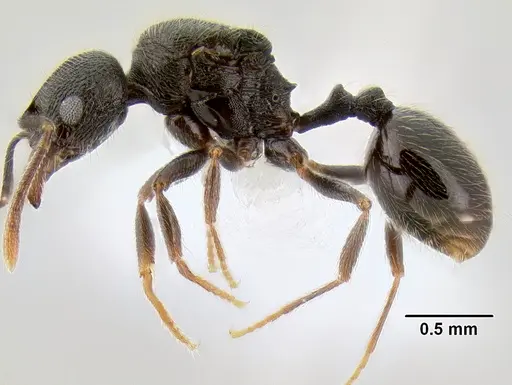
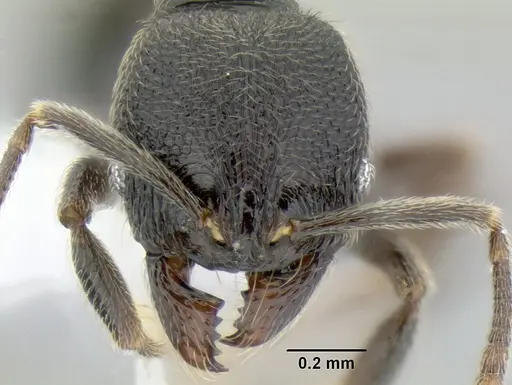
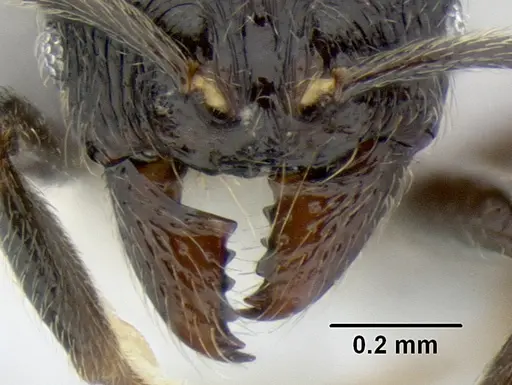
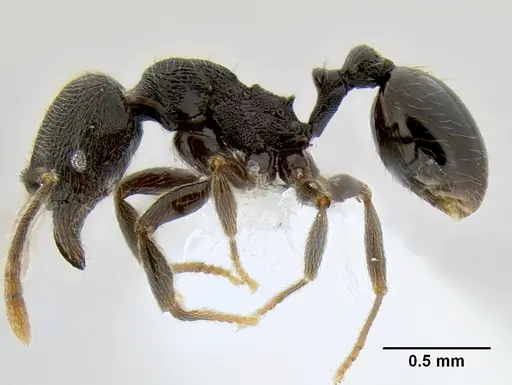
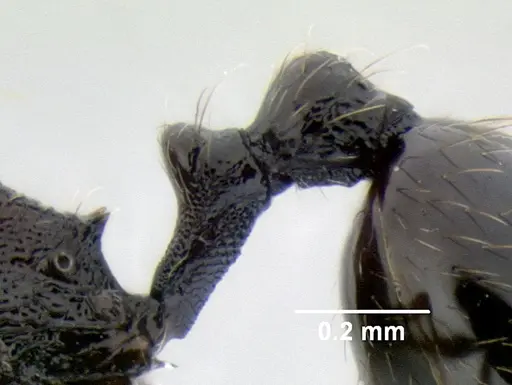
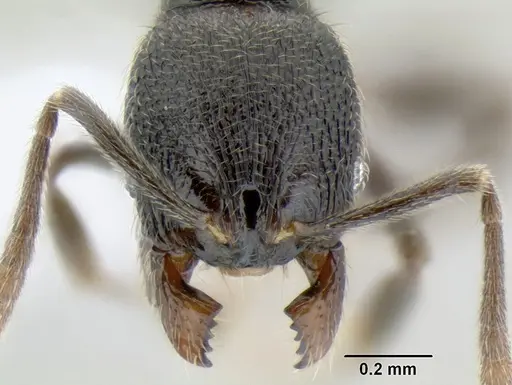
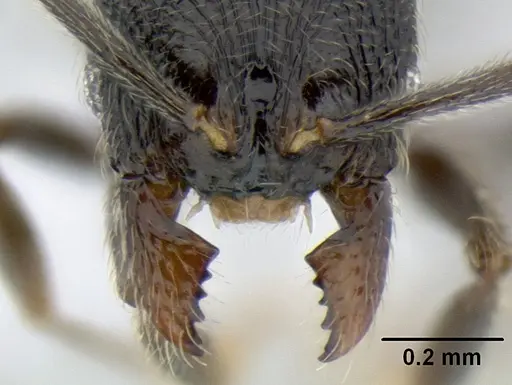
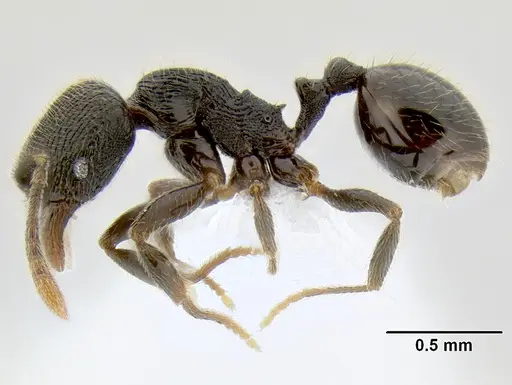
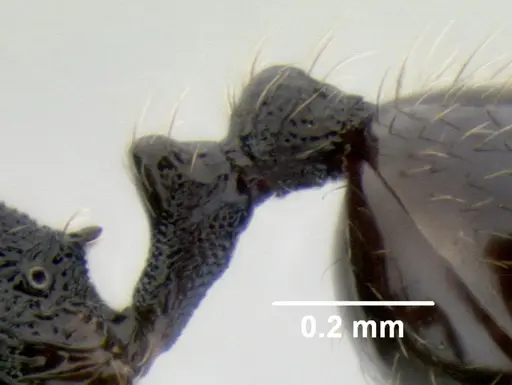
Stenamma picopicucha is a small ant species with a dark brown to brown body, measuring around 0.59-0.69mm in head length for workers [1]. This species belongs to the Stenamma genus, known as 'leaf litter ants' because they live in the decomposing vegetation on the forest floor. Workers have distinctive features including six teeth on their mandibles and a unique bilayered pilosity (layer of hairs) on their gaster, a layer of long upright hairs plus a sparser layer of short flat hairs [1]. The species was formally described in 2013 by Michael Branstetter as part of a comprehensive revision of the Middle American Stenamma clade [1].
What makes S. picopicucha particularly interesting is how little we know about it despite its relatively recent discovery. Nests have never been found in the wild, and males have never been collected, meaning we don't know how these ants reproduce or form colonies [2]. Queens have been found in leaf litter samples, suggesting they nest within the forest floor layer rather than underground. This species is a true cloud forest specialist, living in one of the most threatened habitats in Central America.
Quick Summary
- Difficulty: Expert
- Origin & Habitat: This species is native to Central America, specifically found in Honduras and Nicaragua [1]. It lives at high elevations between 1400-2300 meters in montane wet forest habitats, particularly cloud forest and dwarf forest [2]. The cloud forest environment is characterized by constant mist, high humidity, and cool temperatures due to the elevation. These ants are collected by sifting through leaf litter on the forest floor, though a few specimens have been found on cookie bait cards, indicating they will come to sugar baits [2].
- Colony Type: Unknown, colony structure has not been documented. Queens have been found in leaf litter samples, but no nests have ever been located [2]. Based on related Stenamma species, colonies are likely small with a single queen, but this remains unconfirmed.
- Size & Growth:
- Queen: 0.63-0.71mm head length (estimated from worker proportions) [1]
- Worker: 0.59-0.69mm head length,0.71-0.84mm mesosoma length [1]
- Colony: Unknown, no mature colonies have been documented [2]
- Growth: Unknown
- Development: Unknown, no developmental data exists for this species (Based on related Stenamma species from similar habitats, development likely takes 2-4 months at optimal temperatures. Related leaf-litter ants typically produce small colonies of fewer than 100 workers.)
- Antkeeping:
- Temperature: Cool conditions required, aim for 15-20°C. This species comes from high-elevation cloud forests where temperatures remain cool year-round [2]. Do not keep warm, overheating will stress and likely kill colonies.
- Humidity: Very high humidity required, think constantly damp forest floor. The cloud forest environment maintains near-saturation humidity. Keep the nest substrate consistently moist but not waterlogged, with good ventilation to prevent mold while retaining moisture.
- Diapause: Likely yes, based on high-elevation origin and related Stenamma species from similar habitats. Expect a winter rest period of 2-3 months at cooler temperatures (around 10-15°C). This species experiences seasonal temperature variations at 1400-2300m elevation.
- Nesting: Natural nesting occurs within leaf litter and topsoil layers, queens likely nest in small chambers within the forest floor debris [2]. In captivity, a naturalistic setup with moist soil/leaf litter mixture works best. Y-tong or plaster nests with very small chambers may also work, but provide a moisture reservoir.
- Behavior: These are shy, cryptic ants that prefer to stay hidden in leaf litter. Workers are small and not particularly aggressive, they will flee rather than fight when disturbed. They are not known to sting. Foraging occurs primarily within the substrate rather than on open surfaces. Escape risk is moderate, workers are small but not particularly agile climbers. They may accept sugar baits in captivity based on bait card collections [2].
- Common Issues: no established captive husbandry, this species has never been kept in captivity and no care protocols exist, high humidity requirements make mold prevention challenging, cool temperature needs conflict with typical room temperature housing, virtually no information on founding behavior or colony development, extremely limited distribution makes wild collection difficult, cloud forest habitat destruction threatens wild populations
Why This Species Is Challenging to Keep
Stenamma picopicucha is not a species for beginners, in fact, it's barely suitable for experts because we know almost nothing about how to keep it alive. This ant was only described in 2013,and researchers have never found a nest in the wild [1]. We don't know how queens found colonies, how many workers a mature colony has, what their exact dietary needs are, or how long development takes. The entire body of captive husbandry knowledge for this species is essentially空白. Keeping S. picopicucha successfully would require careful experimentation and careful documentation of what works. If you're looking for a rewarding challenge species, this is one, but expect high failure rates while you figure out the basics. This is truly a species for antkeepers who enjoy the process of discovery as much as the end result.
Housing and Environment
Given that this species lives in cloud forest leaf litter at 1400-2300m elevation, you need to replicate cool, perpetually damp conditions. Room temperature is likely too warm, aim for 15-20°C in the nest area. A cooling setup or climate-controlled cabinet may be necessary. Humidity should be very high, think the dampness you feel when turning over a log in a misty forest. The substrate should feel consistently moist but water should not pool. Good ventilation is critical to prevent mold while maintaining humidity. For housing, a naturalistic setup with a deep layer of moist soil mixed with leaf litter fragments works best, this mimics their natural forest floor habitat. Alternatively, a small plaster or Y-tong nest with a water reservoir can work, but ensure chambers are appropriately sized for these tiny ants. [2]
Feeding and Diet
Dietary requirements are not well documented, but some inferences can be made. Specimens have been collected from cookie bait cards, suggesting they will accept sugar sources [2]. As a leaf-litter ant in the Stenamma genus, they likely forage for small arthropods and honeydew in the wild. In captivity, offer small live prey appropriate to their size, springtails, fruit flies, and other tiny arthropods. Sugar water or honey can be offered occasionally. Start with small amounts and observe acceptance. Given how little we know, document what your colony accepts and what they ignore, this information would be valuable for the antkeeping community.
Seasonal Care and Overwintering
Based on their high-elevation origin, expect this species to require a winter cool period. At 1400-2300m in Honduras and Nicaragua, temperatures drop significantly during the dry season months. Provide a diapause period of 2-3 months at around 10-15°C, cooler than typical hibernation but appropriate for a species from a perpetually cool cloud forest. Reduce feeding during this period and allow the colony to slow down. The transition into and out of diapause should be gradual over 1-2 weeks. Watch for signs of stress, if workers appear sluggish but the colony is active, temperature may be too warm. If the colony becomes completely inactive for extended periods, they may be too cold. [2]
Understanding the Knowledge Gaps
Before attempting to keep this species, understand that you're entering nearly unexplored territory. No scientific papers document the captive care of Stenamma picopicucha. We don't know: founding behavior (whether queens seal themselves in like most Myrmicinae or must forage), exact temperature and humidity tolerances, development time from egg to worker, colony size at maturity, or even whether they can be kept in standard formicaria. The few things we do know come from museum specimens and field collections: they're found in leaf litter at high elevation, they're small (workers around 0.6mm head length), and they have been collected in sugar baits. Everything else requires careful observation and experimentation. Consider this a research project as much as a pet-keeping endeavor. [1][2]
Frequently Asked Questions
Is Stenamma picopicucha suitable for beginners?
No, this species is absolutely not suitable for beginners. It has never been kept in captivity, we have no established care protocols, and it requires very specific cool, humid conditions that are difficult to maintain. This is an expert-level species that requires significant experience with difficult ant species.
How do I keep Stenamma picopicucha?
We don't actually know, no one has successfully kept this species in captivity. Based on its cloud forest origin, provide temperatures of 15-20°C, very high humidity, and a naturalistic setup with moist substrate. Start with small live prey and sugar sources, and carefully document what works.
What do Stenamma picopicucha ants eat?
Based on related species and the fact they were collected on sugar bait cards, they likely eat small arthropods and honeydew in the wild. In captivity, offer tiny live prey like springtails and fruit flies, plus occasional sugar water or honey. Acceptance is unconfirmed.
Where does Stenamma picopicucha live?
This species is found only in Honduras and Nicaragua at elevations of 1400-2300 meters. It lives in cloud forest and dwarf forest habitats, specifically in the leaf litter on the forest floor. Nests have never been found, researchers only know the species exists from specimens sifted from leaf litter.
How big do Stenamma picopicucha colonies get?
Unknown, no mature colonies have ever been documented. Based on related Stenamma species, colonies are likely small with probably fewer than 100 workers. This is one of many fundamental questions about this species that remains unanswered.
Do Stenamma picopicucha ants sting?
Stenamma ants are not known for having functional stingers. They are small, cryptic ants that prefer to flee rather than fight. If threatened, they may bite but this is not medically significant.
What temperature do Stenamma picopicucha ants need?
Keep them cool, around 15-20°C. This species comes from high-elevation cloud forests where temperatures remain cool year-round. Room temperature is likely too warm and will stress or kill colonies. Consider using a cooling setup or climate-controlled enclosure.
How long does it take for Stenamma picopicucha to develop from egg to worker?
Unknown, no developmental data exists for this species. Based on related Stenamma species from similar habitats, development likely takes 2-4 months at optimal temperatures, but this is purely an estimate.
Do Stenamma picopicucha need hibernation?
Likely yes, based on high-elevation origin. Provide a winter rest period of 2-3 months at cooler temperatures around 10-15°C. This mimics the seasonal temperature variations they experience in their cloud forest habitat.
Can I keep multiple Stenamma picopicucha queens together?
Unknown, colony structure has not been documented. No information exists on whether this species is monogyne (single queen) or polygyne (multiple queens). Combining unrelated queens is not recommended given how little we know about their social structure.
Why is Stenamma picopicucha so rare in the antkeeping hobby?
This species was only described in 2013,has an extremely limited range in Honduras and Nicaragua, and lives in hard-to-access cloud forest habitats. No one has successfully kept it in captivity, and there are no established breeding programs. It remains a species known only from museum specimens.
What makes Stenamma picopicucha different from other ants?
This species represents a frontier of antkeeping knowledge. It is one of the few ant species whose basic biology, nesting, colony structure, development, remains completely undocumented. For antkeepers interested in discovery and research, this species offers the opportunity to document captive care for a species that has never been kept before.
References

This caresheet is licensed under CC BY-SA 4.0 .
CASENT0606709
View on AntWeb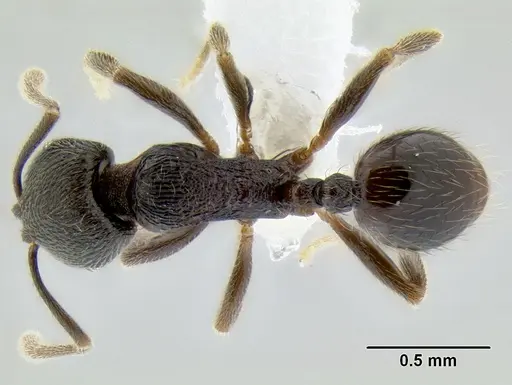
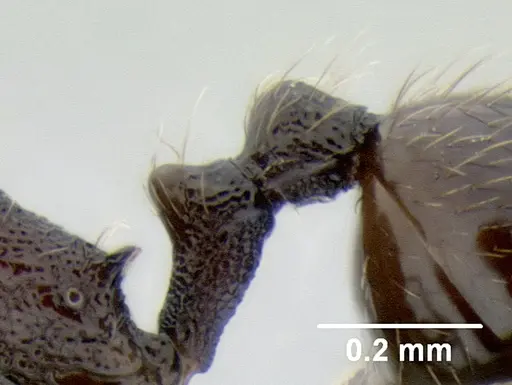
CASENT0621347
View on AntWeb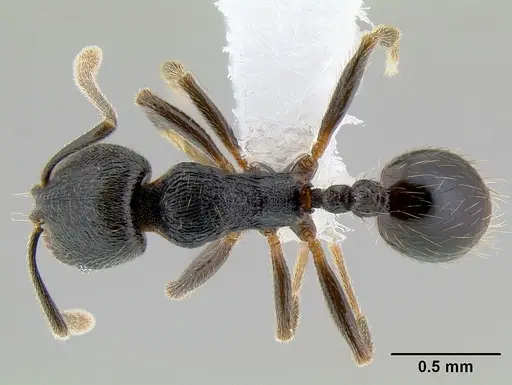
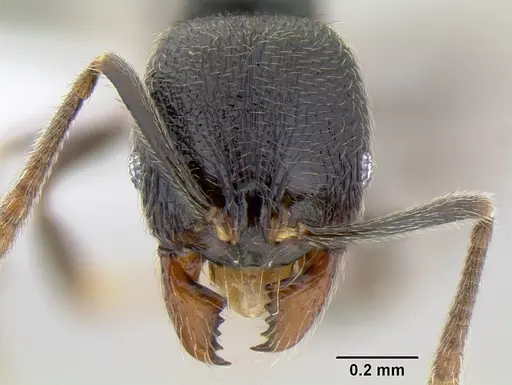
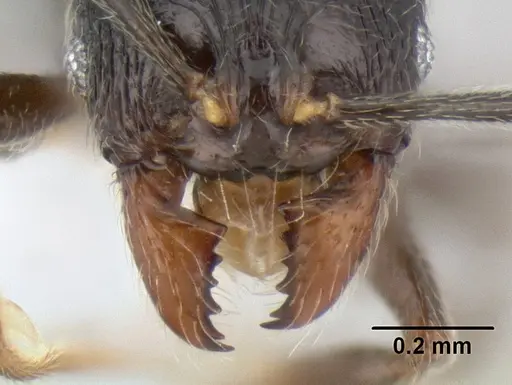
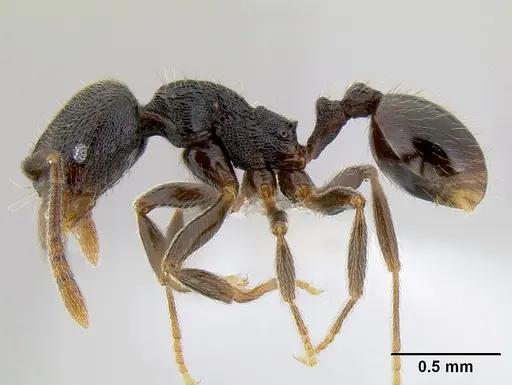
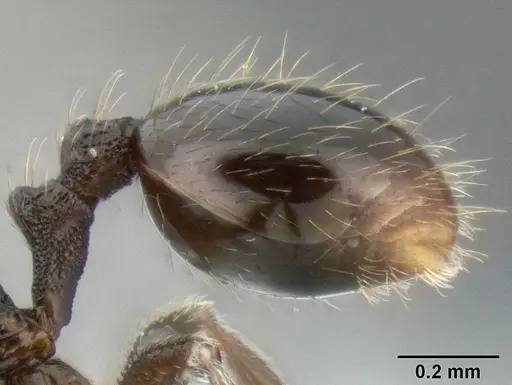
CASENT0621356
View on AntWeb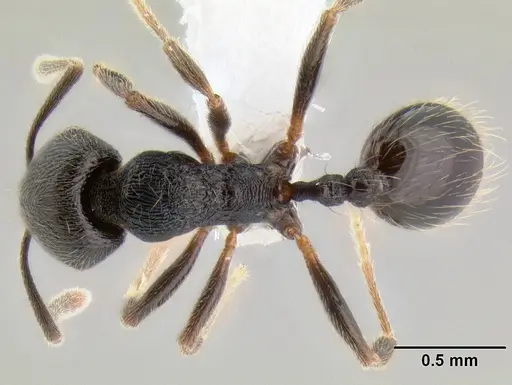
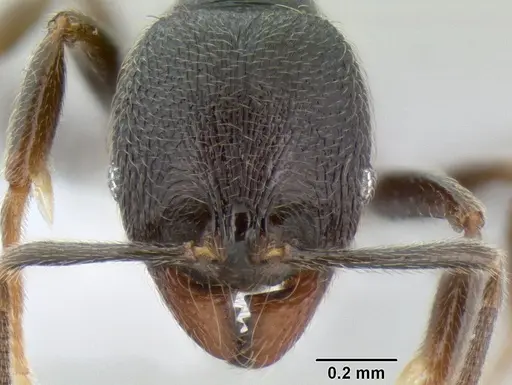
CASENT0621374
View on AntWeb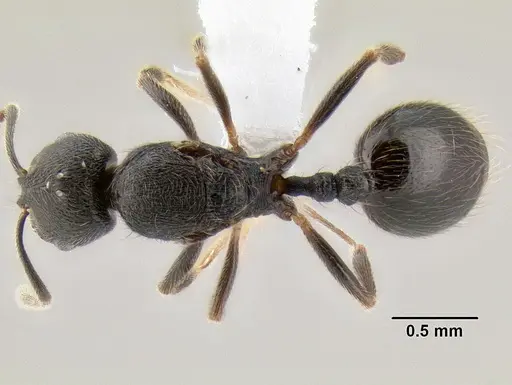
CASENT0622155
View on AntWeb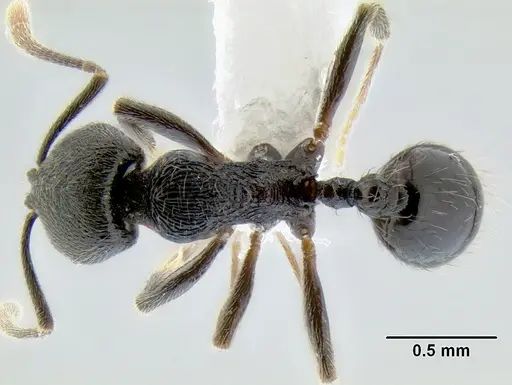
CASENT0622753
View on AntWeb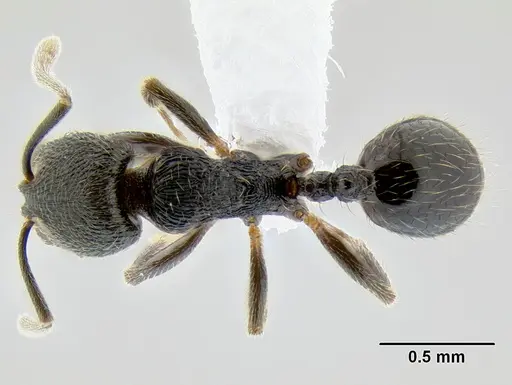
Literature
Loading...Loading products...