

Stenamma petiolatum
- Scientific Name
- Stenamma petiolatum
- Tribe
- Stenammini
- Subfamily
- Myrmicinae
- Author
- Emery, 1897
- Distribution
- Found in 2 countries
Stenamma petiolatum Overview
Stenamma petiolatum is an ant species of the genus Stenamma. It is primarily documented in 2 countries , including Spain, Italy. Detailed taxonomic data and occurrence records can be further explored via authoritative databases such as AntWeb or the Global Biodiversity Information Facility (GBIF).
Stenamma petiolatum
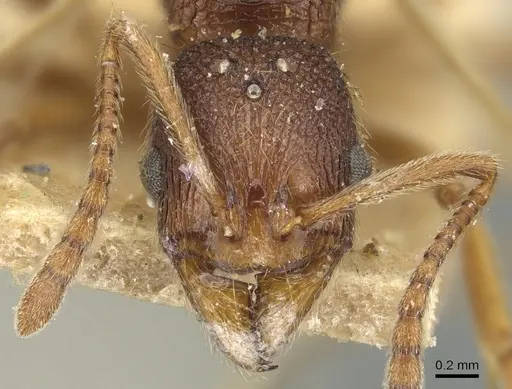
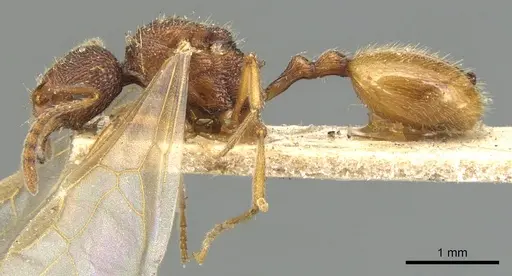
Stenamma petiolatum is a distinctive ant species known for its relatively large size and slender build compared to other European Stenamma. Workers measure 4.8-5.0mm and queens reach 5.4-5.7mm, making them some of the larger members of this genus [1]. They have a rusty ferrugineous coloration and stand out due to the presence of standing hairs on their legs and scapes, a unique feature among European Stenamma species which typically only have flatlying hairs [1][2]. This species is an Italian endemic, with confirmed records from central and southern Italy, though some unconfirmed records exist from Malta, Croatia, Slovenia, and Corsica [1].
What makes S. petiolatum particularly interesting is how little we know about it. Despite being described in 1897,it remains one of the rarest and most poorly collected ant species in Europe. It has been found in soil samples at moderate altitudes (around 750m in Corsica) and appears to be a very discreet, ground-nesting species [3][2]. The male caste has never been definitively described.
Quick Summary
- Difficulty: Medium
- Origin & Habitat: Stenamma petiolatum is native to the Palearctic region, primarily found in Italy with confirmed records from Lazio (Isola del Liri), Campania, and Sicily [1]. Unconfirmed records exist from Malta, Croatia, Slovenia, and Corsica, but these may represent misidentified specimens [1]. The species appears to prefer moderate altitudes in vegetated areas, in Corsica it was found at 750m altitude near Zonza in soil samples [3]. It belongs to the Stenamma westwoodiii species-group and is associated with woodland and vegetated habitats [4].
- Colony Type: Single-queen colonies (monogyne) are confirmed based on typical Stenamma genus patterns, though colony structure has not been directly studied for this species. No ergatoid replacement reproductives have been documented. Colonies remain small, likely under 100 workers based on related species in the genus.
- Colony: Monogyne
- Founding: Claustral
- Size & Growth:
- Queen: 5.4-5.7mm [1]
- Worker: 4.8-5.0mm [1]
- Colony: Likely under 100 workers based on typical Stenamma colony sizes, this genus does not produce large colonies
- Growth: Moderate, development timeline is unconfirmed but likely 6-10 weeks from egg to worker based on related species
- Development: 6-10 weeks (estimated based on typical Stenamma development) (Direct development data does not exist for this species. Estimates based on genus-level patterns for temperate Myrmicinae.)
- Antkeeping:
- Temperature: Keep at room temperature, roughly 18-22°C. This species comes from temperate Italy and surrounding regions, so it does not need high heat. Avoid temperatures above 25°C.
- Humidity: Moderate humidity around 50-60%. These are ground-nesting ants from temperate regions that experience seasonal variation. Keep the nest substrate lightly moist but allow some drying between waterings.
- Diapause: Yes, this is a temperate Palearctic species. Provide a winter rest period of 8-12 weeks at temperatures around 10-15°C, similar to other European Stenamma species.
- Nesting: Ground-nesting species. In captivity, a naturalistic setup with soil or a Y-tong/plaster nest works well. They prefer dark, quiet locations and are not aggressive escape artists.
- Behavior: Stenamma petiolatum is a calm, non-aggressive species. Workers are modest foragers that likely hunt small prey rather than scavenging openly. They are not known to sting, Myrmicinae can sting but Stenamma are not particularly defensive. Escape risk is moderate, workers are around 5mm so standard formicarium barriers are adequate. Colonies are small and quiet, making them suitable for observation but not impressive display ants.
- Common Issues: very limited availability, this species is rarely kept in captivity and may be impossible to obtain, slow growth and small colony sizes mean keepers need patience, poorly understood specific care requirements due to lack of captive breeding data, wild-caught colonies may have parasites or fail to adapt to captive conditions, hibernation is required but timing and duration must be carefully managed
Housing and Nest Preferences
Stenamma petiolatum is a ground-nesting species that in nature creates small nests in soil, typically under stones or in shaded vegetated areas. For captivity, a naturalistic setup with a soil chamber works well, as does a Y-tong (AAC) or plaster nest with narrow chambers scaled to their moderate size. These ants prefer dark, quiet locations and will not thrive in brightly lit or heavily trafficked areas of your ant room. The nest should have a water reservoir to maintain moderate humidity without flooding. Because colonies remain small, you do not need large formicaria, a small to medium setup is sufficient. Escape prevention is straightforward since workers are around 5mm and cannot squeeze through standard barrier gaps. [1][3][2]
Feeding and Diet
Based on typical Stenamma feeding behavior, S. petiolatum likely preys on small invertebrates like springtails, mites, and tiny insects. They are not large predators but are active hunters in the leaf litter layer. In captivity, offer small live prey such as fruit flies, pinhead crickets, and small mealworms. Sugar sources like diluted honey or sugar water may be accepted, though many Stenamma species focus primarily on protein. Feed small amounts of protein 2-3 times per week and provide sugar water continuously if accepted. Remove uneaten prey after 24-48 hours to prevent mold.
Temperature and Seasonal Care
This species does well at standard room temperature in most homes, aim for 18-22°C. Since it originates from temperate Italy and surrounding regions, it does not require heating cables or warm setups. However, provide a temperature gradient so ants can choose their preferred zone. During winter, this species requires a diapause (hibernation period) of 8-12 weeks at 10-15°C. This can be provided by moving the colony to a cool basement, garage, or refrigerator (if using a test tube setup). Reduce feeding during this period and keep the nest slightly moist but not wet. The hibernation period is essential for colony health and likely triggers reproductive cycles. [1]
Colony Development
Stenamma petiolatum colonies remain small throughout their life, likely never exceeding 50-100 workers. This is typical for the genus, they are not large colony formers. Queens are claustral founders, meaning they seal themselves in a small chamber and raise the first brood alone using stored fat reserves. The first workers (nanitics) will be smaller than mature workers. Development from egg to worker likely takes 6-10 weeks at optimal temperatures, but this is estimated based on related species since no specific data exists for this species. Growth is slow compared to many common ant species, so patience is essential.
Behavior and Temperament
This is a calm, non-aggressive species that avoids confrontation. Workers are modest foragers that search for prey in the nest vicinity rather than forming large foraging trails. They are not known to sting aggressively, though they possess a stinger as members of the subfamily Myrmicinae. Escape risk is moderate, at 4.8-5.0mm, they are not tiny escape artists but standard barrier methods should still be used. Colonies are quiet and unobtrusive, making them interesting for observers who enjoy watching subtle ant behavior rather than dramatic displays. They are primarily nocturnal or crepuscular in activity.
Frequently Asked Questions
Is Stenamma petiolatum suitable for beginners?
This species is not ideal for beginners due to its rarity in the antkeeping hobby and the limited information available about its specific care requirements. Additionally, colonies grow slowly and remain small, which can be frustrating for those expecting visible progress. If you are interested in Stenamma species, consider more commonly kept relatives like Stenamma debile which has better-documented care guidelines.
How long does it take for Stenamma petiolatum to produce first workers?
The exact timeline is unconfirmed for this species, but based on typical Stenamma development patterns, expect 6-10 weeks from egg to first worker at room temperature (around 20°C). The queen will seal herself in and raise the first brood alone. Remember that this is an estimate, actual development may vary.
Do Stenamma petiolatum ants sting?
As members of the subfamily Myrmicinae, they possess a stinger. However, Stenamma species are not known for aggressive stinging behavior. They are calm ants that will more likely flee than defend. The sting, if used, would likely cause mild irritation at most.
What do Stenamma petiolatum eat?
Based on typical genus behavior, they likely prey on small invertebrates. In captivity, offer small live prey like fruit flies, small crickets, and springtails. Sugar water or honey water may be accepted occasionally. Feed protein 2-3 times per week and remove uneaten prey promptly.
How big do Stenamma petiolatum colonies get?
Colonies remain small, likely under 100 workers at maturity. This is typical for the genus Stenamma, which are not large colony formers. Do not expect impressive worker numbers, instead, appreciate their subtle behavior and elegant appearance.
Does Stenamma petiolatum need hibernation?
Yes, this is a temperate Palearctic species that requires a winter diapause. Provide 8-12 weeks of temperatures around 10-15°C during winter. This can be accomplished by moving the colony to a cool basement, garage, or by placing test tubes in a refrigerator. Reduce feeding during this period.
Can I keep multiple Stenamma petiolatum queens together?
This species is confirmed as monogyne (single-queen colonies). Combining unrelated queens is not recommended and has not been documented. In nature, only one queen is present per colony.
Why is Stenamma petiolatum so rarely kept?
This species is extremely rare in the wild and has rarely been collected even by professional entomologists. There are very few confirmed specimens in museums. Additionally, its distribution is limited to southern Europe, making wild collection difficult. It is essentially unavailable in the antkeeping hobby.
What makes Stenamma petiolatum different from other Stenamma?
S. petiolatum is one of the larger European Stenamma species and is easily recognized by the presence of standing (erect) hairs on its legs and scapes, a unique feature among European Stenamma which typically only have flatlying hairs. It also has a distinctly slender body and elongated petiole [1][2].
References

This caresheet is licensed under CC BY-SA 4.0 .
CASENT0904149
View on AntWeb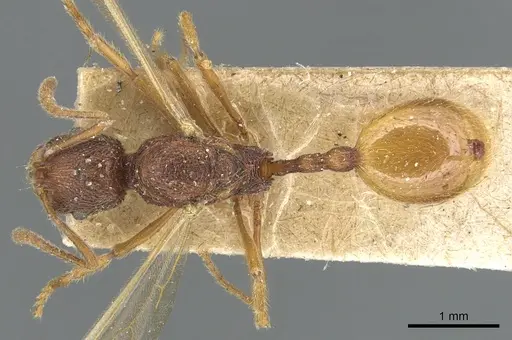
Literature
Loading...Loading products...