

Stenamma pelophilum
- Scientific Name
- Stenamma pelophilum
- Tribe
- Stenammini
- Subfamily
- Myrmicinae
- Author
- Branstetter, 2013
- Distribution
- Found in 3 countries
Stenamma pelophilum Overview
Stenamma pelophilum is an ant species of the genus Stenamma. It is primarily documented in 3 countries , including Guatemala, Honduras, Mexico. Detailed taxonomic data and occurrence records can be further explored via authoritative databases such as AntWeb or the Global Biodiversity Information Facility (GBIF).
Stenamma pelophilum
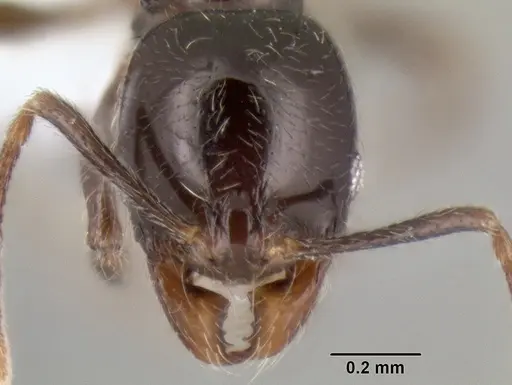
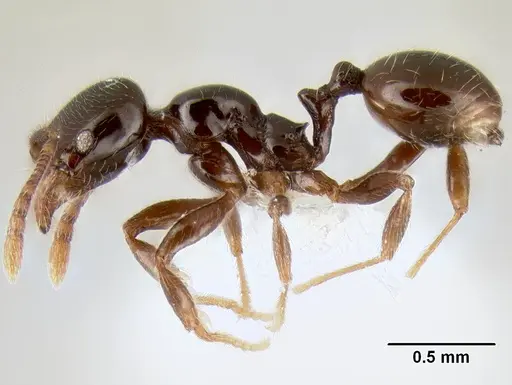
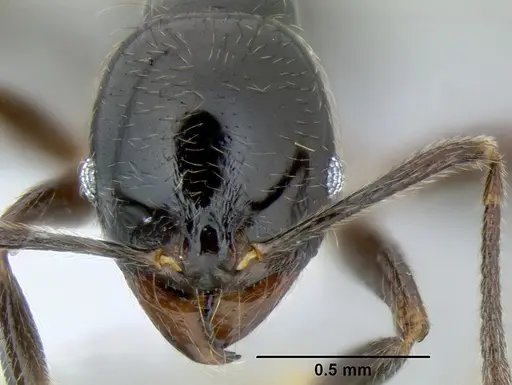
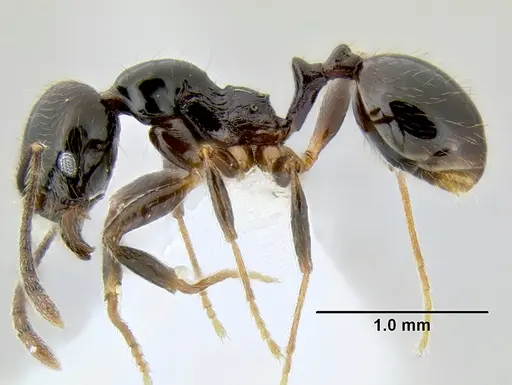
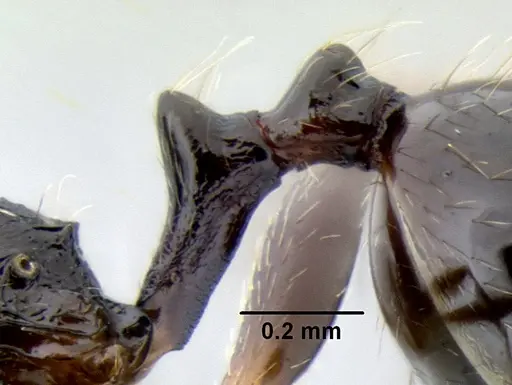
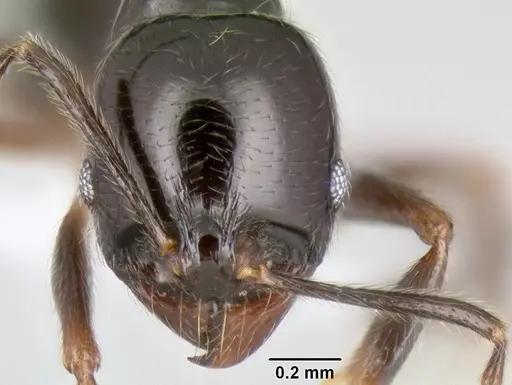
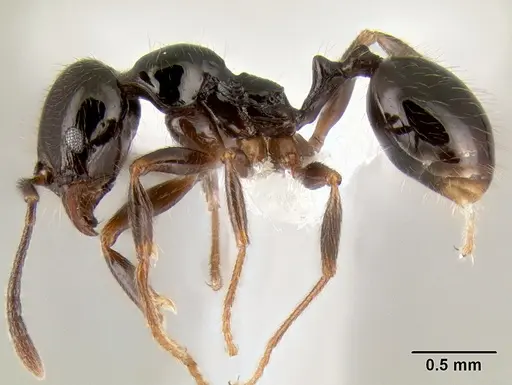
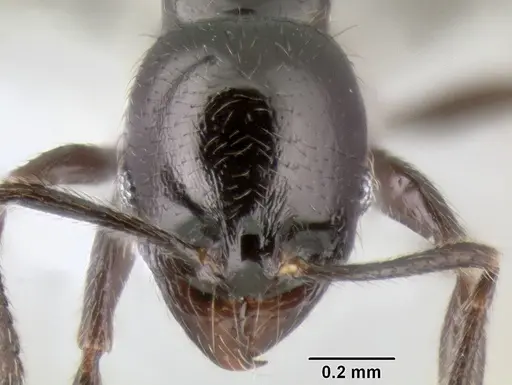
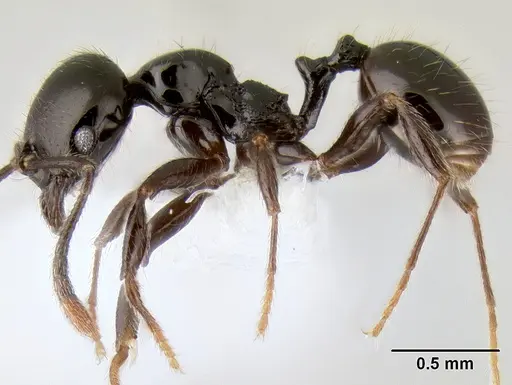
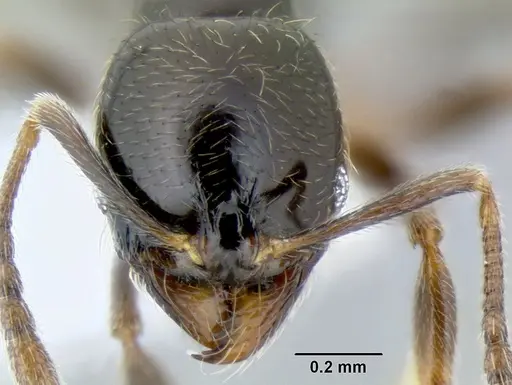
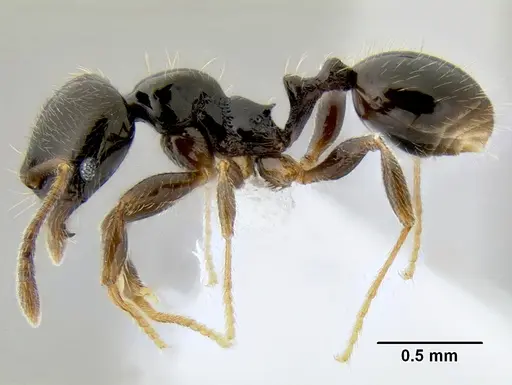
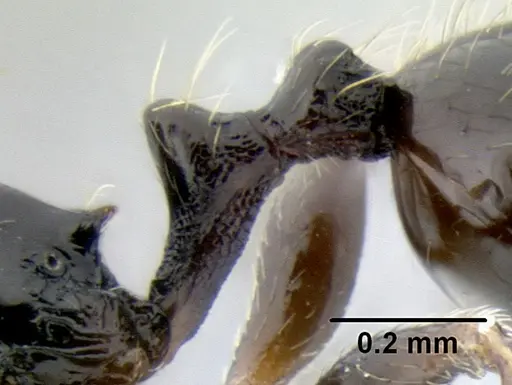
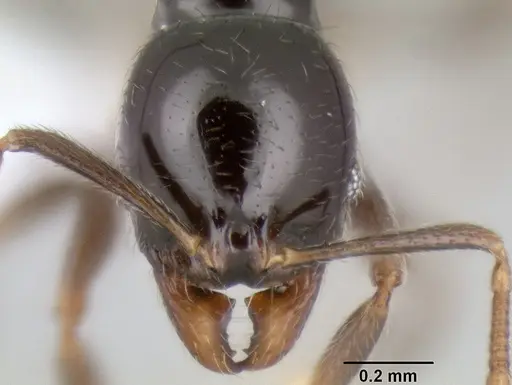
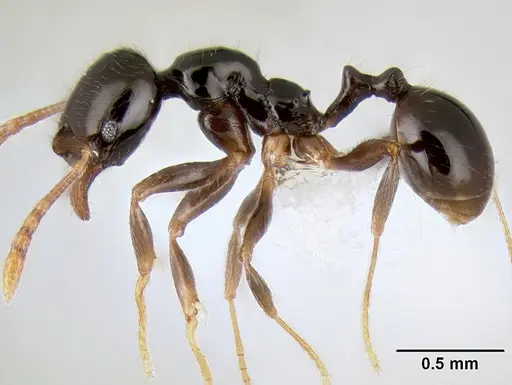
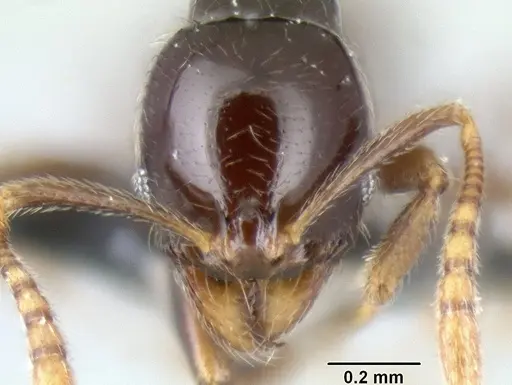
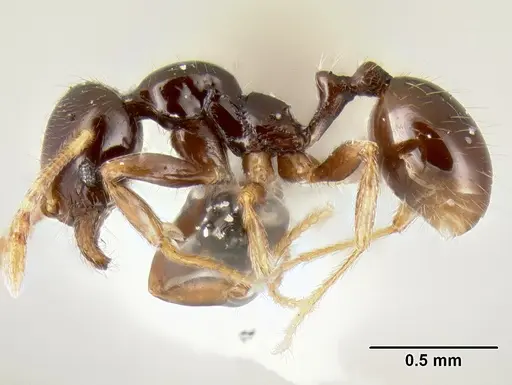
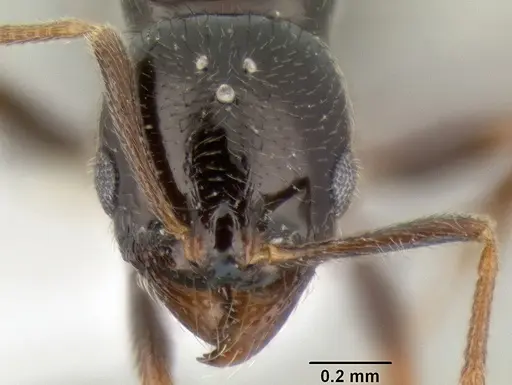
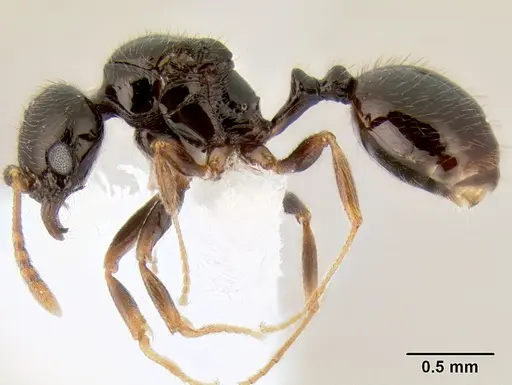
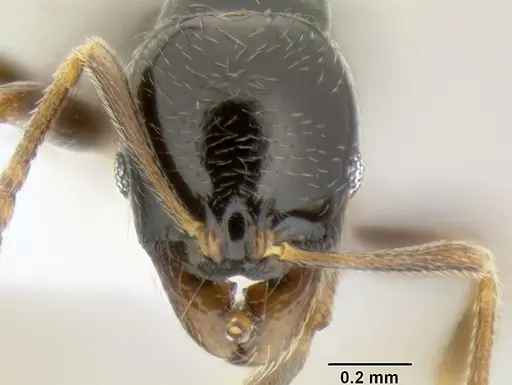
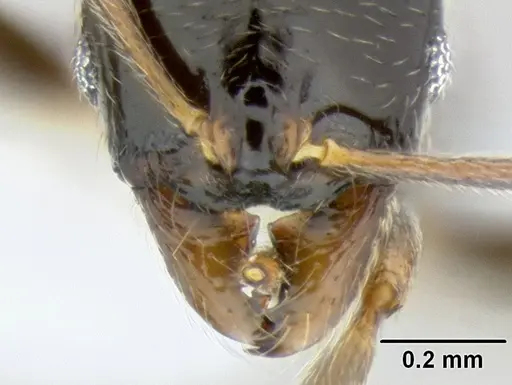
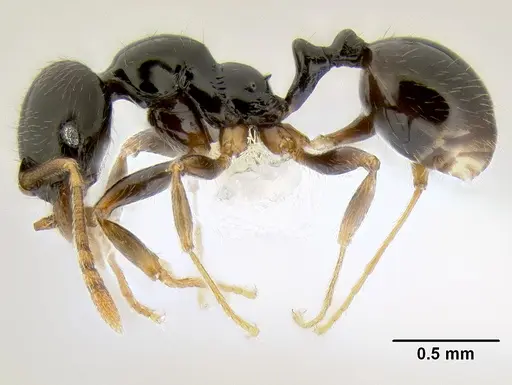
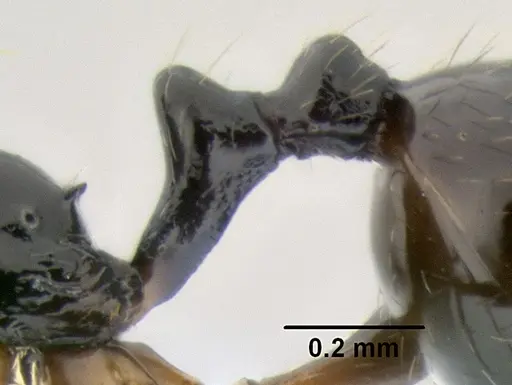
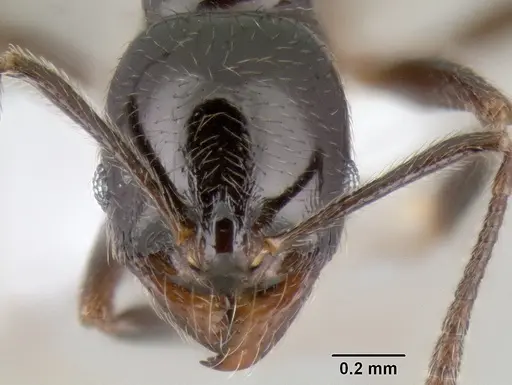
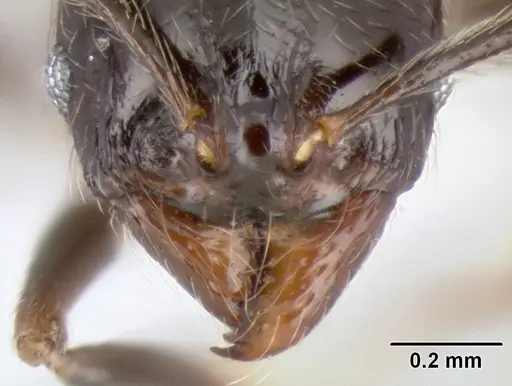
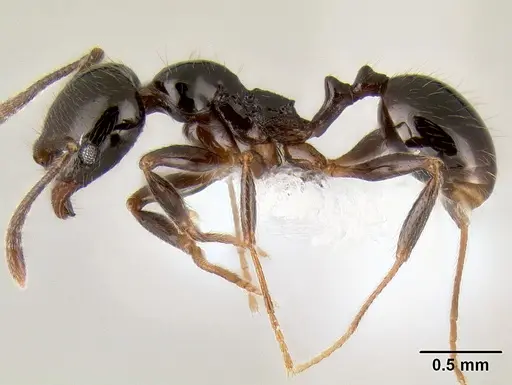
Stenamma pelophilum is a small to medium-sized ant with dark brown to black, shiny integument [1]. Workers measure roughly 0.59-0.68mm in head length, making them one of the smaller Stenamma species [1]. The species gets its name from the Greek words for 'mud lover', pelophilum refers to its unique nesting habit of building nests in clay or mud banks along streams [2].
This species inhabits montane wet forests at elevations between 1000 and 1800 meters, ranging from eastern Mexico through Guatemala to Honduras [1]. Workers are slow-moving and forage solitarily, typical behavior for the genus. Nests are simple structures with tiny, nearly invisible entrances about 2mm in diameter leading to small chambers [2]. When disturbed, queens will quickly evacuate the nest carrying brood, demonstrating active escape behavior.
Quick Summary
- Difficulty: Medium
- Origin & Habitat: Montane wet forests of eastern Mexico to Honduras, elevations 1000-1800m [1]. Found nesting in clay banks along streams or on steep slopes [1].
- Colony Type: Single-queen colonies documented. Nests contain one dealate queen with 35-46 workers [2].
- Colony: Monogyne
- Size & Growth:
- Queen: Queens measured at 0.63-0.69mm head length [2]
- Worker: Workers 0.59-0.68mm head length,0.51-0.60mm head width [1]
- Colony: Known colonies contain 35-46 workers [2]. Likely smaller colonies typical of Stenamma genus.
- Growth: Unknown, no documented development times available
- Development: Unconfirmed, no direct development data available for this species (Based on typical Stenamma patterns and tropical montane habitat, expect development of several months at room temperature)
- Antkeeping:
- Temperature: Keep at moderate temperatures typical of tropical montane forests. Aim for roughly 20-24°C, avoiding extremes [3].
- Humidity: High humidity is essential, this species comes from wet forest environments. Keep nest substrate consistently moist but not waterlogged. Provide a water tube and mist occasionally.
- Diapause: Unlikely, as a tropical species from montane Honduras, they probably do not require a true diapause. However, they may experience reduced activity during cooler periods.
- Nesting: This species naturally nests in clay/mud banks. In captivity, provide a naturalistic setup with moist substrate (soil or clay mixture). A Y-tong or plaster nest with high humidity also works well. The key is maintaining consistently damp substrate.
- Behavior: Workers are slow-moving and forage solitarily, typical of Stenamma species [2]. They are not aggressive and likely have a mild temperament. When nest chambers are disturbed, the queen immediately evacuates followed by workers carrying brood, this escape behavior should be considered when handling. Escape risk is moderate given their small size, standard barriers should suffice but fine mesh is recommended.
- Common Issues: high humidity requirements mean mold can be a problem if ventilation is poor, slow growth may frustrate beginners expecting rapid colony development, wild-caught colonies may be difficult to locate and acquire due to specialized habitat, disturbance causes rapid queen evacuation, handle gently during nest checks, tropical montane origin means they may not tolerate temperature extremes or dry conditions
Natural History and Distribution
Stenamma pelophilum is found exclusively in the Neotropical region, ranging from eastern Mexico (Atlantic slope states including Hidalgo, Oaxaca, Queretaro, San Luis Potosi, Tamaulipas, Veracruz) through Guatemala to Honduras [1][3]. This species occupies a narrow elevational band between 1000 and 1800 meters in montane wet forests [2].
The species was first described in 2013 by Michael Branstetter based on specimens collected from Honduras and Guatemala [1]. Most specimens have been collected using Winkler or Berlese extraction methods from sifted leaf litter, indicating they are primarily ground-dwelling litter ants. However, the discovery of actual nests in clay banks along streams revealed their unique nesting biology, they are true mud-bank nesters, unlike most Stenamma species that nest in rotting wood or under stones [2].
The name 'pelophilum' literally means 'mud lover' or 'earth lover' in Greek, chosen specifically for this nesting preference [2].
Housing and Nest Setup
Because this species naturally nests in clay banks, you should replicate those conditions in captivity. A naturalistic setup works best, use a container filled with a moist clay/soil mixture that allows them to excavate chambers. The substrate should stay damp but not become waterlogged.
Alternatively, a Y-tong (AAC) nest or plaster nest with high humidity can work well. The key requirement is maintaining consistent moisture in the nest area. Provide a water tube connected to the nest to ensure constant humidity. Because they come from wet forest environments, expect to mist the nest area occasionally and monitor for drying.
The tiny nest entrances (about 2mm in the wild) suggest they prefer tight, enclosed spaces. Avoid large, open foraging areas. A small outworld connected to the nest chamber is sufficient for feeding. [2]
Feeding and Diet
Like other Stenamma species, these ants are likely generalist foragers that collect small invertebrates and honeydew. In captivity, offer small protein sources such as fruit flies, small crickets, and other tiny insects. Sugar water or honey can be offered as an energy source, though acceptance may vary.
Feed small prey items a few times per week, removing uneaten items to prevent mold. Because workers are slow-moving foragers, they may struggle to compete with faster ants in multi-species setups. Their small size means prey items should be appropriately sized, nothing larger than the workers themselves. [2]
Temperature and Seasonal Care
As a tropical montane species from Honduras, Stenamma pelophilum prefers moderate temperatures rather than extreme heat. Keep the nest area at roughly 20-24°C. Avoid temperatures above 28°C or below 15°C.
Since they come from elevations of 1000-1800m where temperatures are cooler than typical tropical lowlands, they may not tolerate high heat well. A room-temperature environment (around 21-23°C) is likely ideal. If your room is warmer, ensure good ventilation and consider whether additional cooling is needed.
Diapause requirements are unclear, being tropical, they probably do not need a true hibernation period. However, you may notice reduced activity during cooler months. Do not force them into cold conditions. [3][2]
Behavior and Handling
Workers are slow-moving and forage individually, rather than in trails or groups [2]. This calm foraging style means they are not aggressive and unlikely to sting. When their nest is disturbed, the queen will quickly evacuate followed by workers carrying brood, this is their primary defense mechanism [2].
When caring for this species, avoid sudden disturbances to the nest. Work gently and slowly when checking on colonies. If you need to move or transport a colony, do so with extreme care to prevent queen evacuation and brood abandonment.
Their small size (under 1mm) means escape prevention is important. Use fine mesh on any openings and ensure all connections are secure. However, they are not strong climbers like some other Myrmicinae, so standard barriers are usually adequate.
Frequently Asked Questions
How long does it take for Stenamma pelophilum to produce first workers?
The exact egg-to-worker timeline is unconfirmed for this species. Based on typical Stenamma genus patterns and their tropical montane origin, expect development to take several months. Patience is required, this is not a fast-growing species.
Can I keep multiple Stenamma pelophilum queens together?
Single-queen colonies have been documented in the wild, and there is no evidence this species is polygynous. Combining unrelated queens is not recommended and has not been studied.
What size colony do Stenamma pelophilum colonies reach?
Known natural colonies contain 35-46 workers. The genus typically produces smaller colonies (under 100 workers), so expect modest colony sizes even when established.
Do Stenamma pelophilum ants sting?
Stenamma ants have functional stingers but are not aggressive. Given their small size and calm temperament, stinging is unlikely. They will flee rather than engage when threatened.
Are Stenamma pelophilum good for beginners?
This species is not ideal for beginners. Their specialized habitat requirements (high humidity, mud-bank nesting), slow growth, and the difficulty of acquiring wild colonies make them a more advanced species. They require more attention to humidity and nest conditions than common beginner species.
What temperature range is best for Stenamma pelophilum?
Keep them at moderate temperatures between 20-24°C. As a tropical montane species from 1000-1800m elevation, they prefer cooler conditions than typical tropical ants and may not tolerate heat well. Room temperature is usually appropriate.
Do Stenamma pelophilum need hibernation?
Diapause is unlikely for this tropical species. They probably do not require a cold period. However, they may naturally reduce activity during cooler periods, simply maintain stable room temperature without forcing cold conditions.
Why is my Stenamma pelophilum colony declining?
Common causes include: too dry conditions (they need consistently moist substrate), temperature stress (too hot or too cold), disturbance causing queen evacuation, or insufficient small prey. Check humidity levels first, this species is sensitive to drying.
What should I feed my Stenamma pelophilum colony?
Offer small live prey such as fruit flies, small crickets, and other tiny insects. Small sugar sources like honey water or sugar water can be offered occasionally. Prey should be appropriately sized for their tiny workers.
When should I move Stenamma pelophilum to a formicarium?
Wait until the colony is established with at least 20-30 workers. For founding colonies in test tubes, ensure the water tube is maintained and the colony is healthy before considering any move. They prefer naturalistic setups with moist clay/soil substrate.
References

This caresheet is licensed under CC BY-SA 4.0 .
CASENT0604622
View on AntWeb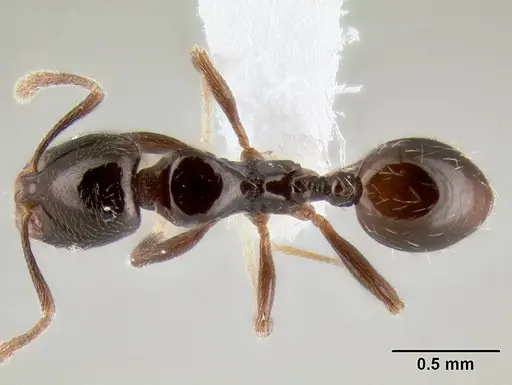
CASENT0605428
View on AntWeb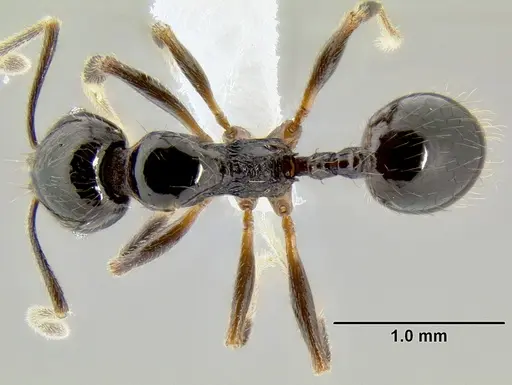
CASENT0605452
View on AntWeb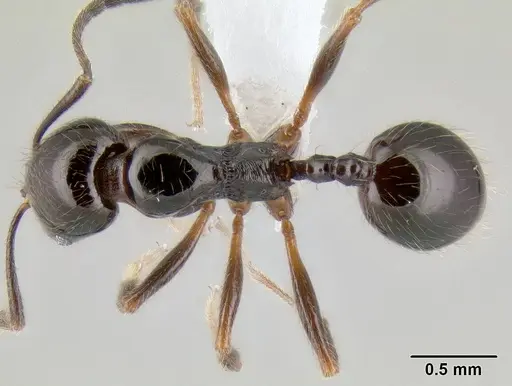
CASENT0605516
View on AntWeb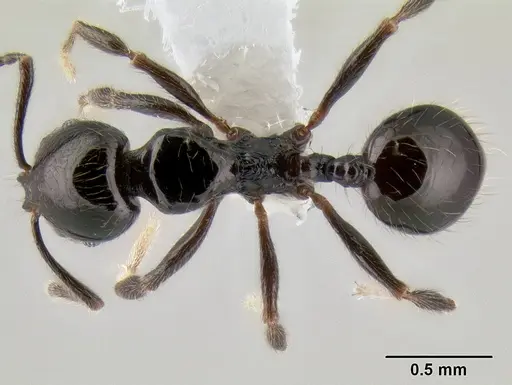
CASENT0605613
View on AntWeb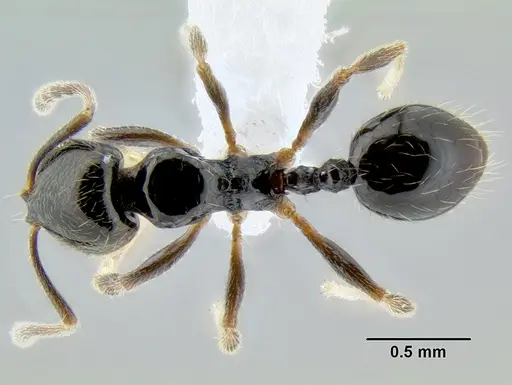
CASENT0606223
View on AntWeb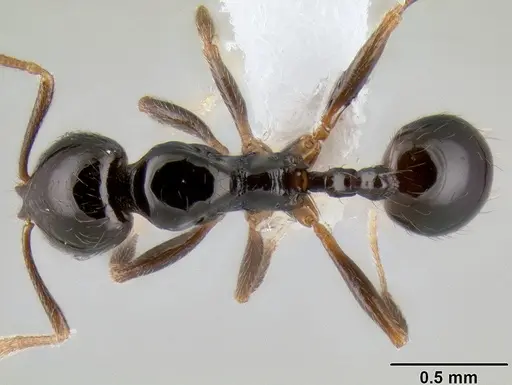
CASENT0620146
View on AntWeb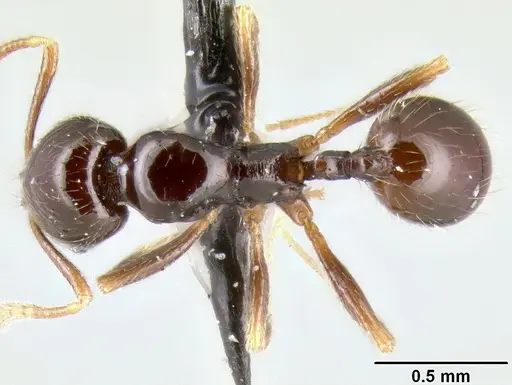
CASENT0622334
View on AntWeb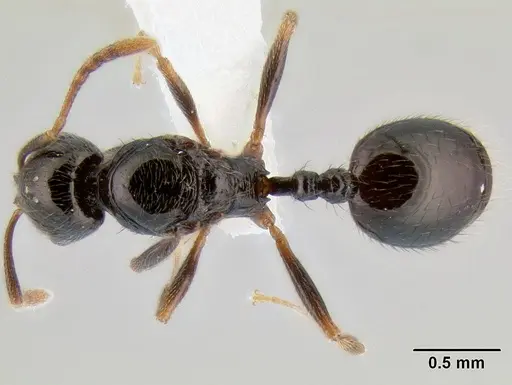
CASENT0622838
View on AntWeb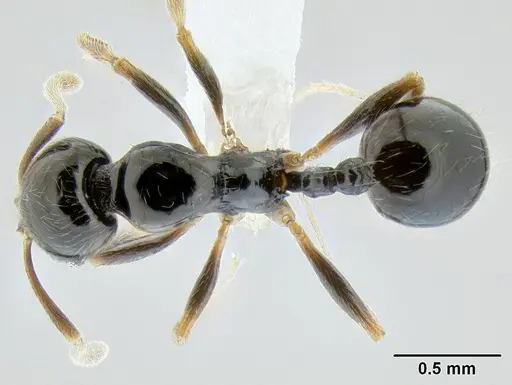
CASENT0622846
View on AntWeb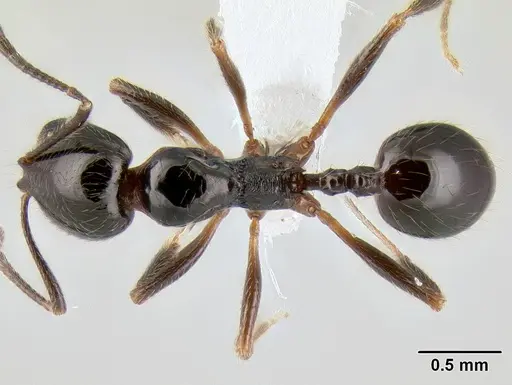
Literature
Loading...Loading products...