

Stenamma ochrocnemis
- Scientific Name
- Stenamma ochrocnemis
- Tribe
- Stenammini
- Subfamily
- Myrmicinae
- Author
- Branstetter, 2013
- Distribution
- Found in 4 countries
Stenamma ochrocnemis Overview
Stenamma ochrocnemis is an ant species of the genus Stenamma. It is primarily documented in 4 countries , including Guatemala, Honduras, Mexico. Detailed taxonomic data and occurrence records can be further explored via authoritative databases such as AntWeb or the Global Biodiversity Information Facility (GBIF).
Stenamma ochrocnemis
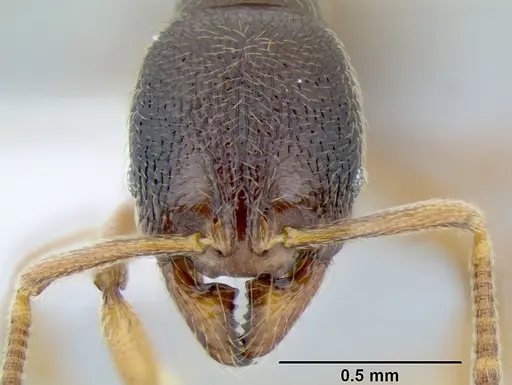
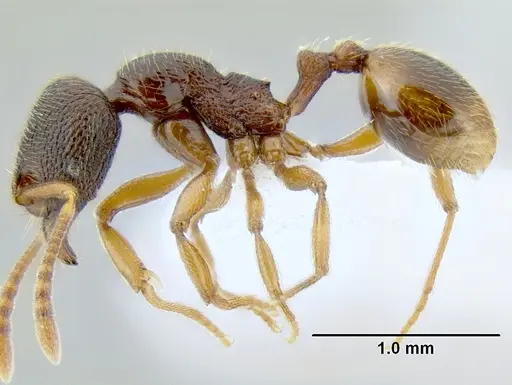
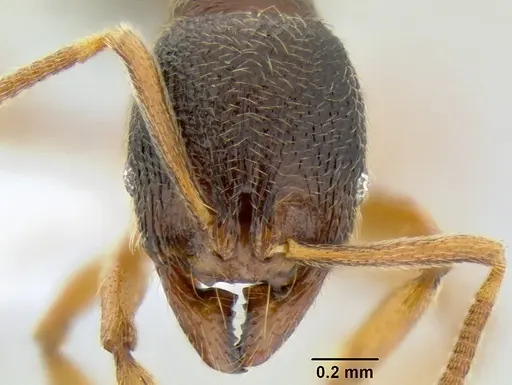
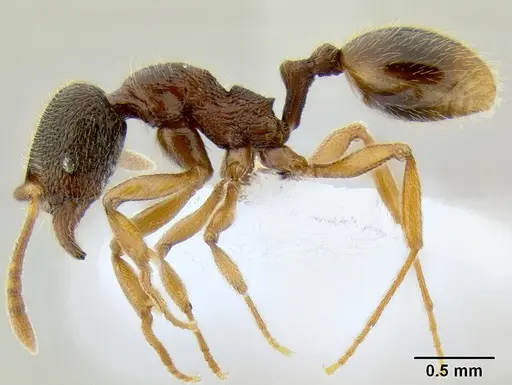
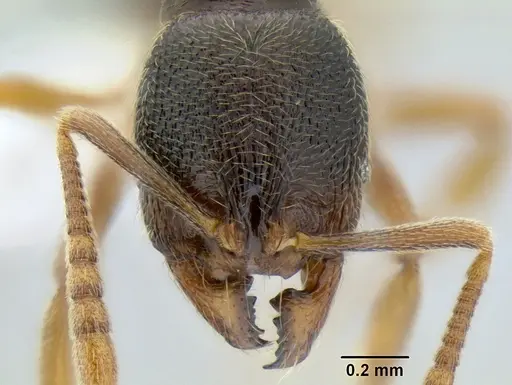
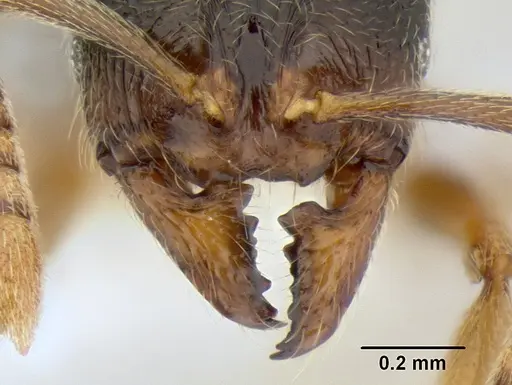
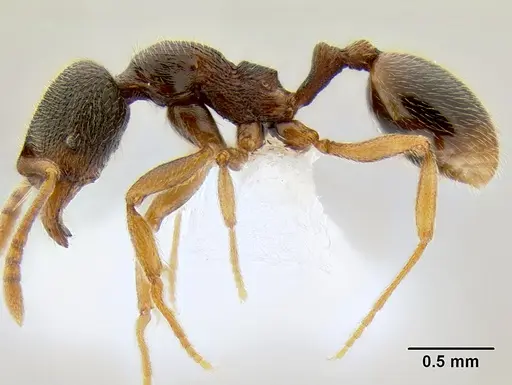
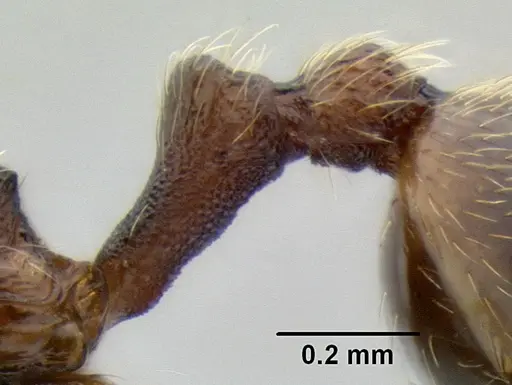
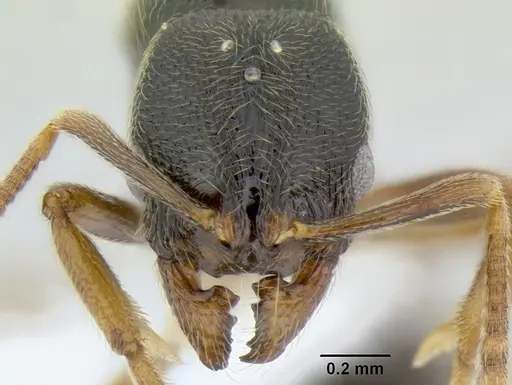
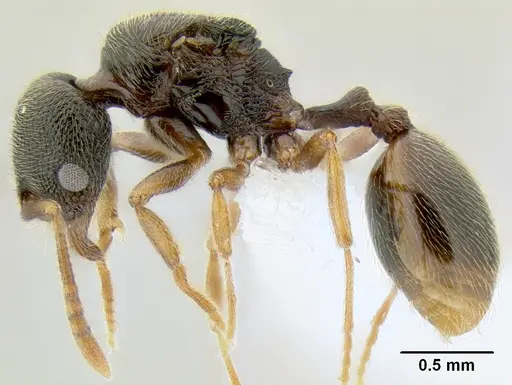
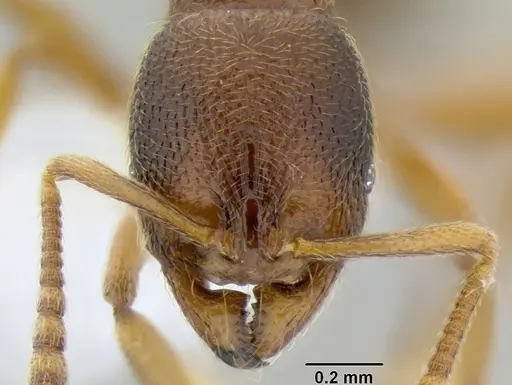
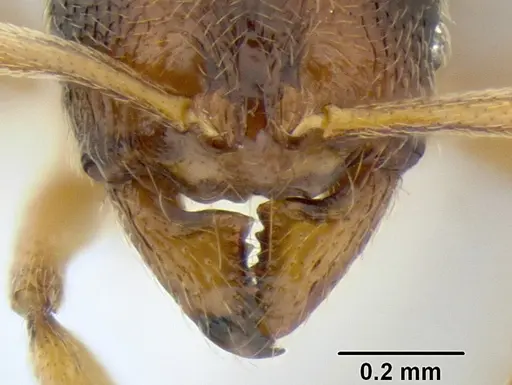
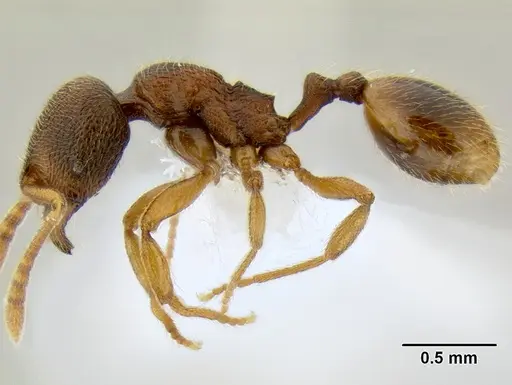
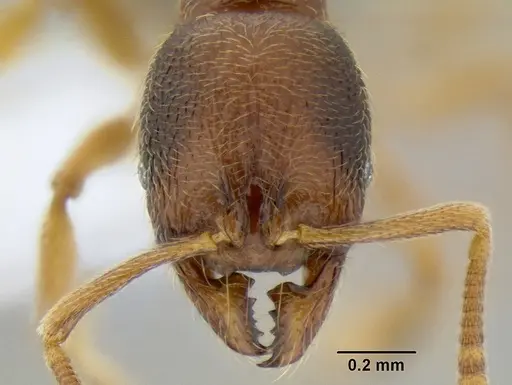
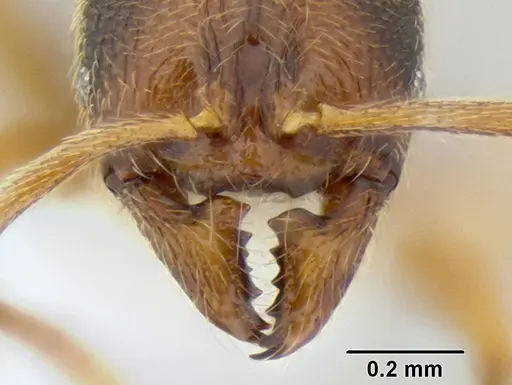
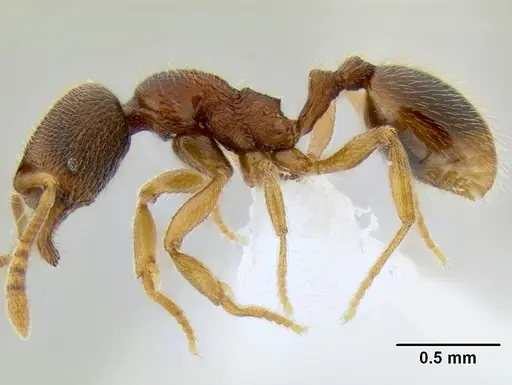
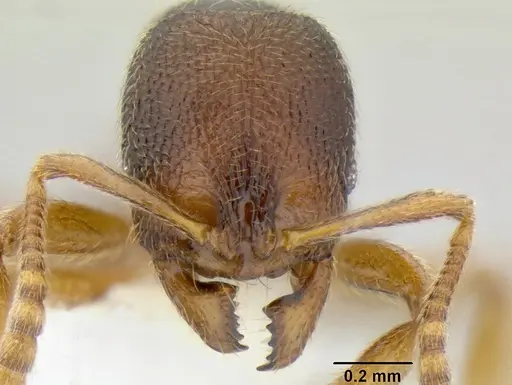
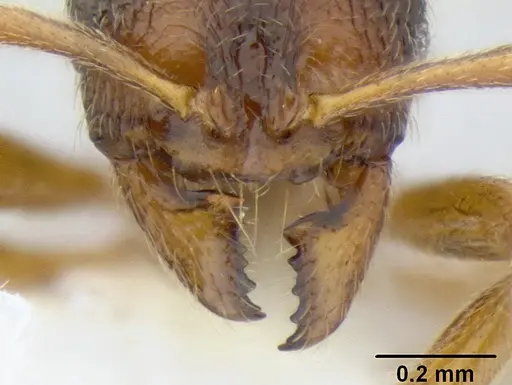
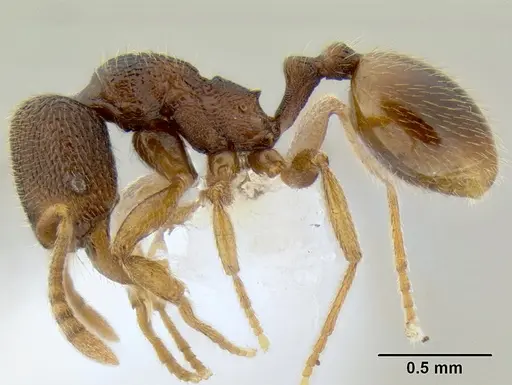
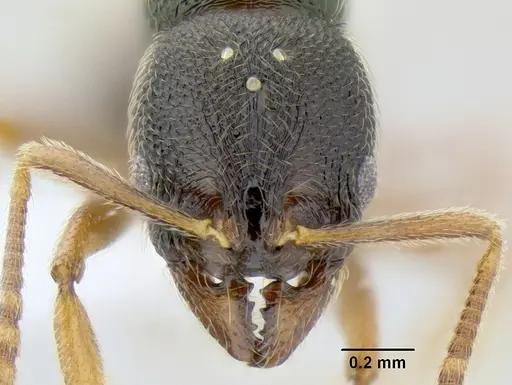
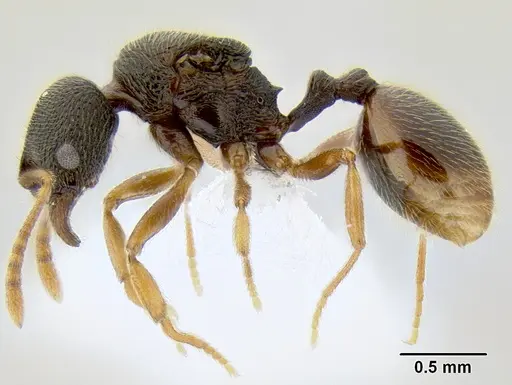
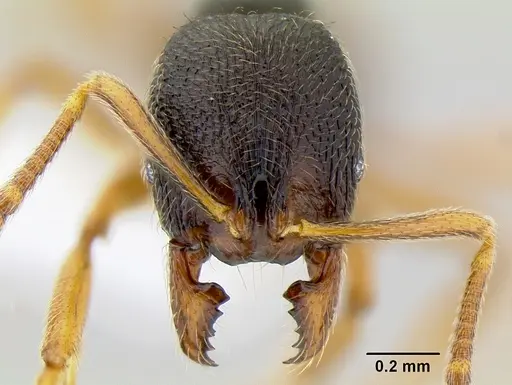
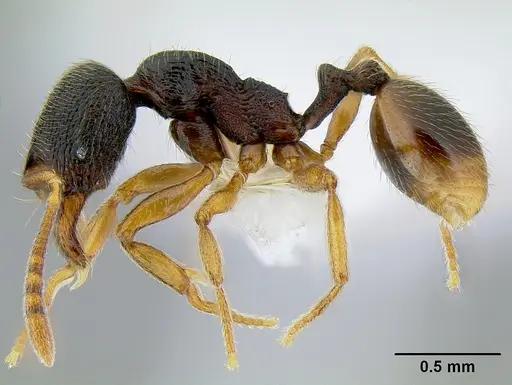
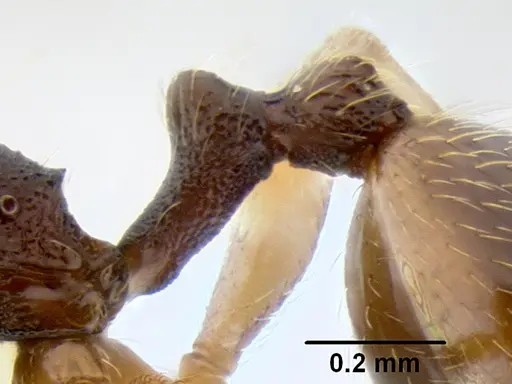
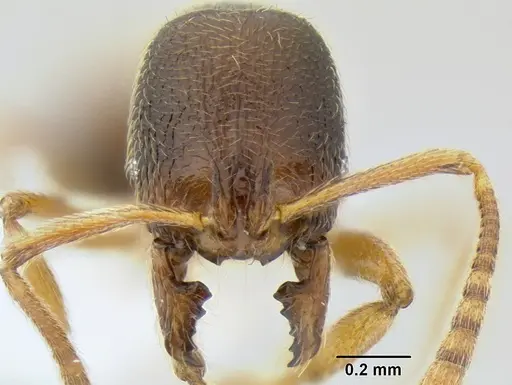
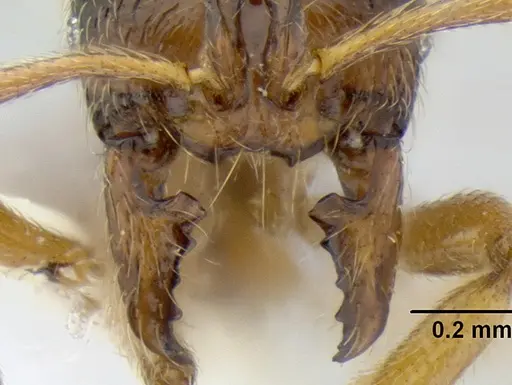
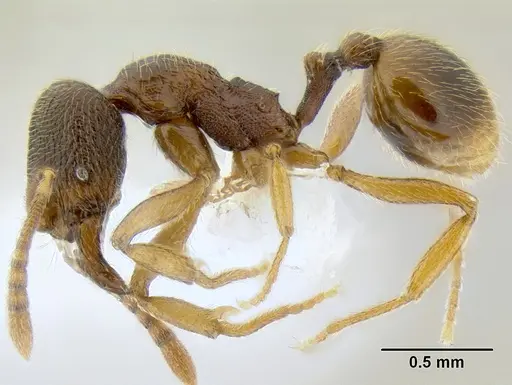
Stenamma ochrocnemis is a small to medium-sized ant native to the cloud forests of southern Mexico, Guatemala, Honduras, and Nicaragua. Workers measure 0.63-0.83mm in head length with a distinctive appearance: their body is dark red-brown to orange-brown, but their legs are noticeably lighter yellow-brown, giving them their scientific name which means 'light-colored legs' in Greek [1]. This species is a high-elevation specialist found between 1600-2750 meters, with most collections around 2000m elevation in wet montane forests including cloud forest, oak forest, and mixed hardwood forests [2]. Workers are typically found in sifted leaf litter from the forest floor, though they have also been attracted to cookie baits and occasionally nest under rocks [2]. The genus Stenamma contains cryptic ants that live in forest floor habitats, making them challenging but rewarding to keep.
Quick Summary
- Difficulty: Medium
- Origin & Habitat: High-elevation wet montane forests of southern Mexico through Honduras (1600-2750m), primarily cloud forest and oak forest habitats [2][1]
- Colony Type: Likely single-queen colonies based on typical Stenamma genus patterns. Colony size is not well documented but likely small (under 500 workers) given their leaf-litter dwelling habits.
- Colony: Monogyne
- Founding: Claustral
- Size & Growth:
- Queen: Approximately 0.72-0.85mm head length based on queen measurements in original description [2]
- Worker: 0.63-0.83mm head length (small to medium) [1]
- Colony: Unknown but estimated under 500 workers based on typical Stenamma colony sizes
- Growth: Moderate, inferred from typical Stenamma development patterns
- Development: Estimated 6-10 weeks based on related Stenamma species development (Development time is not directly documented for this species. High-elevation tropical origin suggests moderate growth rate at cooler temperatures than typical tropical ants.)
- Antkeeping:
- Temperature: Keep around 18-22°C, this species comes from cool high-elevation cloud forests and does not tolerate heat well. Room temperature or slightly below is ideal
- Humidity: High humidity required, think damp forest floor. Keep the nest substrate consistently moist but not waterlogged. These ants naturally live in wet montane environments [2]
- Diapause: Not required in the traditional sense, but a slight cooling period (15-18°C) during winter months may benefit the colony given their high-elevation origin. More research needed.
- Nesting: Prefers tight, humid chambers. Test tubes with cotton and a water reservoir work well, or small acrylic nests with moist substrate. They are leaf-litter dwellers so a naturalistic setup with damp soil and leaf litter is ideal [2]
- Behavior: These are cryptic, slow-moving ants that spend most of their time in the nest or foraging through substrate. They are not aggressive and pose no threat to keepers. Workers are small and may escape through small gaps, excellent escape prevention is essential. They prefer to forage in darkness and are rarely seen out in the open.
- Common Issues: escape prevention is critical due to their tiny worker size, high humidity requirements can lead to mold if ventilation is poor, slow growth may frustrate beginners expecting rapid colony development, they are rarely available in the antkeeping hobby since they're cryptic leaf-litter dwellers, high-elevation origin means they may not tolerate standard room temperatures, keep cool
Housing and Nest Setup
Stenamma ochrocnemis is a leaf-litter dwelling ant that requires high humidity and tight, enclosed spaces. Test tubes with a water reservoir work well for founding colonies, the queen will seal herself into a humid chamber and raise her first workers there. For established colonies, small acrylic nests or naturalistic setups with damp soil work best. These ants are tiny (workers under 1mm) and can squeeze through surprisingly small gaps, so escape prevention must be excellent. Use tight-fitting lids and consider fluon barriers on any openings. A layer of damp leaf litter in the outworld mimics their natural forest floor habitat and gives them foraging material [2].
Temperature Requirements
This species is a high-elevation cloud forest ant, so it prefers cooler temperatures than most tropical ants. Keep the nest area at 18-22°C, avoid temperatures above 25°C as this species is not heat tolerant. Room temperature is often ideal. If you need to warm the nest, use a very gentle heat source like a heating cable on one side of the enclosure to create a slight gradient. Never place the nest in direct sunlight or on a hot heating mat. The cool mountain origin of this species means they may struggle in warm households during summer [2]
Humidity and Moisture
Stenamma ochrocnemis comes from wet montane forests where humidity is constantly high. Keep the nest substrate consistently moist but not waterlogged, the substrate should feel damp to the touch. A water tube attached to the nest provides a constant moisture source. Mist the outworld occasionally and consider adding damp leaf litter or moss to help maintain humidity. Good ventilation is still important to prevent mold, but avoid excessive airflow that dries the nest. These ants naturally live in cloud forest floor litter where moisture is constant [2]
Feeding and Diet
Like other Stenamma species, these ants are likely omnivorous with a preference for small protein sources. Offer small live prey like fruit flies, springtails, or tiny crickets. They may also accept sugar water or honey occasionally. In the wild, they forage through leaf litter catching small invertebrates. Feed small amounts of protein 2-3 times per week and keep a constant sugar water source. Remove uneaten prey after 24 hours to prevent mold. Their small size means even tiny prey items are substantial meals for them [2]
Colony Development
Stenamma ochrocnemis colonies likely grow slowly compared to many common ant species. A newly mated queen will seal herself in a claustral chamber and raise her first workers (nanitics) on stored fat reserves. The first workers will be smaller than normal workers. Expect 6-10 weeks from egg to first worker at optimal temperatures (around 20°C). Colony size likely maxes out at a few hundred workers given their cryptic leaf-litter lifestyle. Patience is key with this species, don't expect rapid growth like you might see with species like Lasius or Camponotus
Seasonal Care
As a high-elevation tropical species, Stenamma ochrocnemis does not experience true cold winters in its native habitat. However, the cloud forests it inhabits are cooler than lowland tropics, and temperatures may fluctuate seasonally. During winter months in captivity, you can reduce temperatures slightly (to around 15-18°C) for a few months, but this appears to be a cooling period rather than true hibernation. Do not let temperatures drop below 10°C. Monitor colony activity, if workers become less active but remain alive, this is normal seasonal behavior. Avoid major temperature swings year-round [2]
Frequently Asked Questions
How long does it take for Stenamma ochrocnemis to raise their first workers?
Expect 6-10 weeks from egg to first worker at optimal temperatures around 20°C. This is an estimate based on related Stenamma species, as specific development data for S. ochrocnemis is not documented. The first workers (nanitics) will be smaller than normal workers
Can I keep Stenamma ochrocnemis in a test tube?
Yes, test tubes work well for founding colonies. Use a test tube with a water reservoir and cotton plug, keeping it horizontal so the queen can seal herself into a humid chamber. The small chamber size mimics the tight spaces these ants naturally nest in within leaf litter [2]
What temperature do Stenamma ochrocnemis ants need?
Keep them cool, around 18-22°C is ideal. This species comes from high-elevation cloud forests and does not tolerate heat well. Room temperature is often perfect. Avoid temperatures above 25°C
Do Stenamma ochrocnemis ants sting?
No, this species is not known to sting. As a Myrmicinae ant, they have a stinger but Stenamma species are docile and not aggressive toward keepers. They are cryptic ants that prefer to flee rather than fight
Are Stenamma ochrocnemis good for beginners?
This species is rated medium difficulty. While not aggressive, they require specific conditions (high humidity, cool temperatures) that may challenge beginners. Their slow growth and tiny size also require patience. They are also rarely available in the antkeeping hobby
How big do Stenamma ochrocnemis colonies get?
Colony size is not well documented, but based on typical Stenamma species, colonies likely reach a few hundred workers at most. They are cryptic leaf-litter ants that don't form large colonies like some other genera
What do Stenamma ochrocnemis eat?
They likely accept small live prey like fruit flies, springtails, and tiny crickets. They may also occasionally take sugar water or honey. Feed small protein items 2-3 times per week with constant sugar water available
Do Stenamma ochrocnemis need hibernation?
No true hibernation is required, but a slight cooling period (15-18°C) during winter months may benefit the colony given their high-elevation cloud forest origin. This is more of a seasonal cool period than active hibernation
Why are my Stenamma ochrocnemis dying?
Common causes include: temperatures too warm (above 25°C), low humidity causing desiccation, escape through tiny gaps, mold from poor ventilation, or stress from excessive disturbance. Check that your setup maintains cool, humid conditions and that there are no small gaps for escape
Where is Stenamma ochrocnemis found in the wild?
This species lives in wet montane forests from southern Mexico through Honduras and Nicaragua, at elevations between 1600-2750 meters. Most specimens have been collected from cloud forest and oak forest leaf litter at around 2000m elevation [2][1]
References

This caresheet is licensed under CC BY-SA 4.0 .
CASENT0603793
View on AntWeb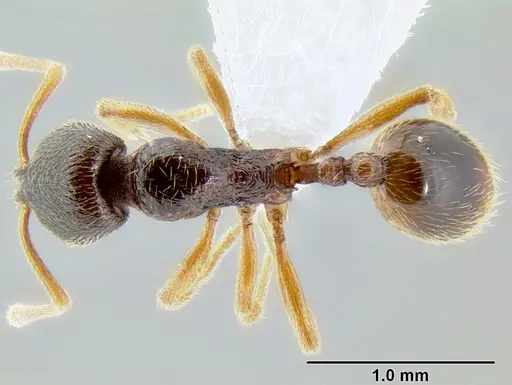
CASENT0603800
View on AntWeb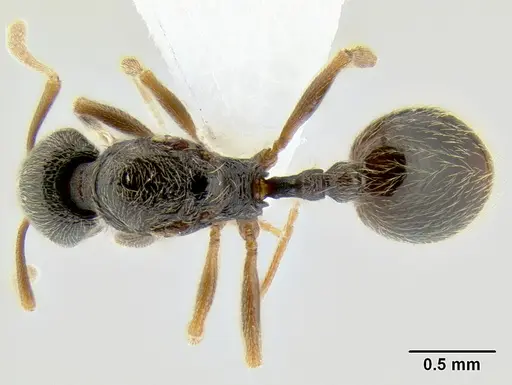
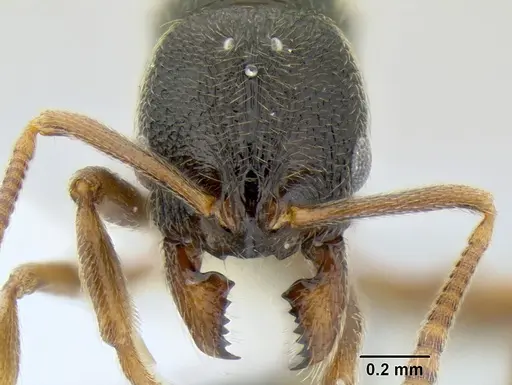
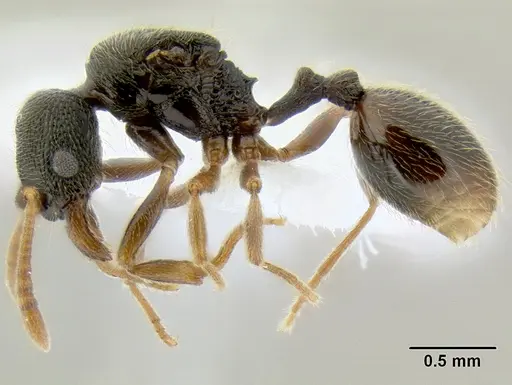
CASENT0603884
View on AntWeb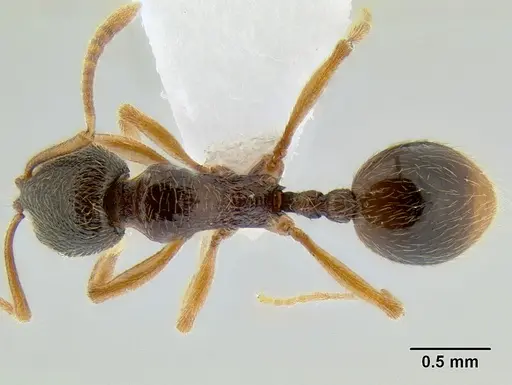
CASENT0605044
View on AntWeb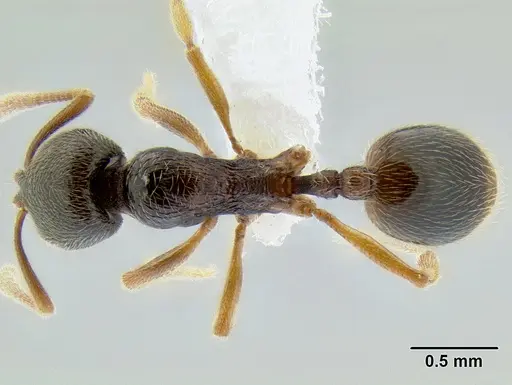
CASENT0605057
View on AntWeb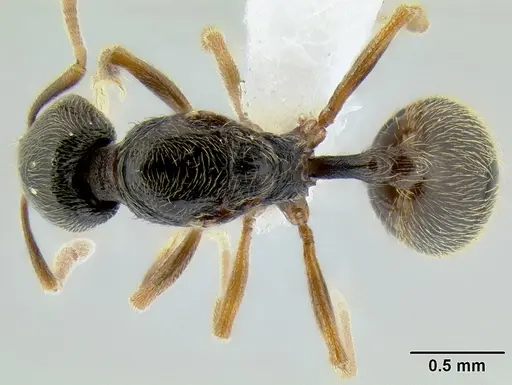
CASENT0605066
View on AntWeb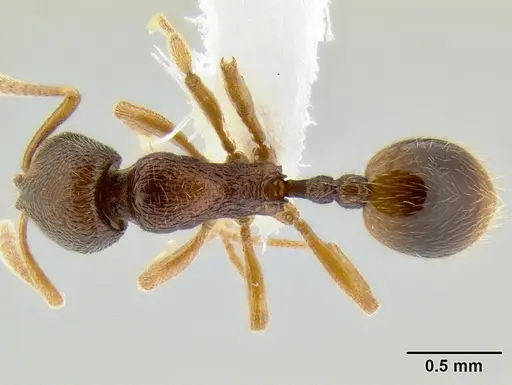
CASENT0605129
View on AntWeb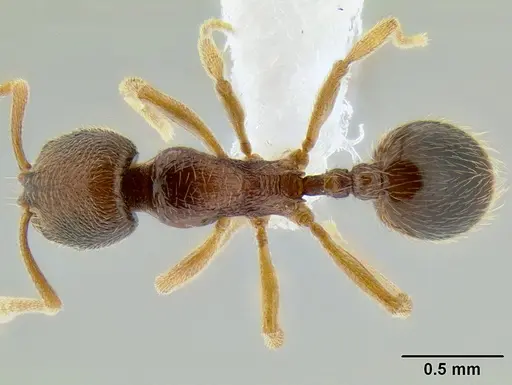
CASENT0605175
View on AntWeb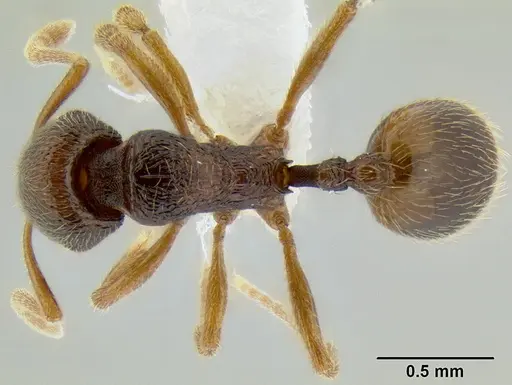
CASENT0621449
View on AntWeb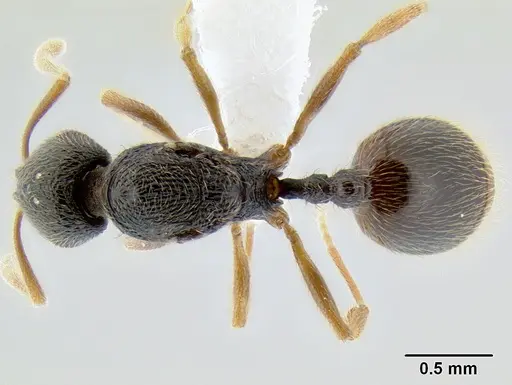
CASENT0621468
View on AntWeb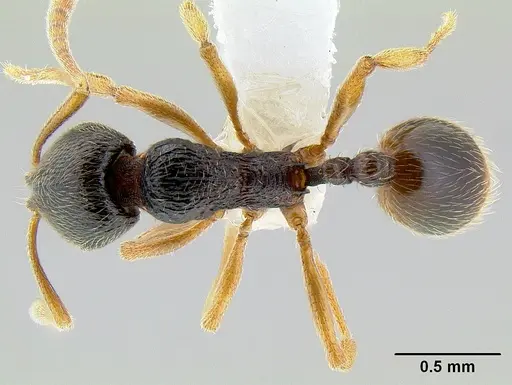
CASENT0622160
View on AntWeb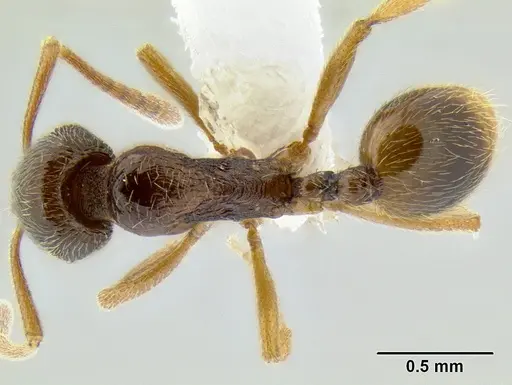
Literature
Loading...Loading products...