

Stenamma nanozoi
- Scientific Name
- Stenamma nanozoi
- Tribe
- Stenammini
- Subfamily
- Myrmicinae
- Author
- Branstetter, 2013
- Distribution
- Found in 1 countries
Stenamma nanozoi Overview
Stenamma nanozoi is an ant species of the genus Stenamma. It is primarily documented in 1 countries , including Honduras. Detailed taxonomic data and occurrence records can be further explored via authoritative databases such as AntWeb or the Global Biodiversity Information Facility (GBIF).
Stenamma nanozoi
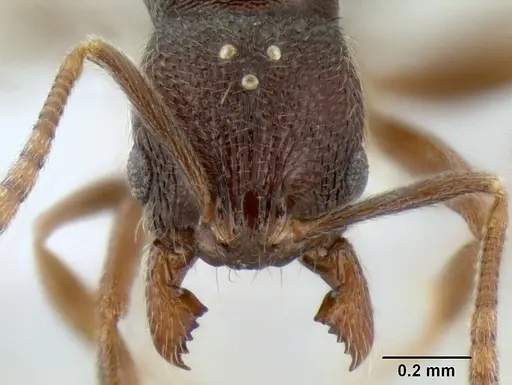
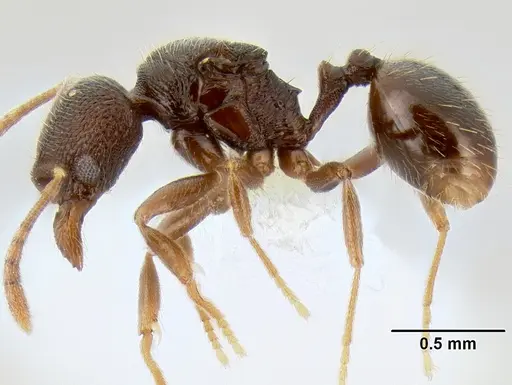
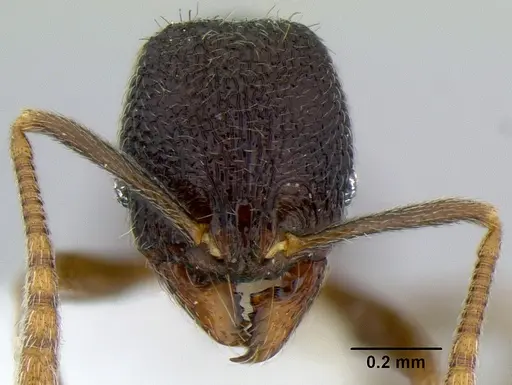
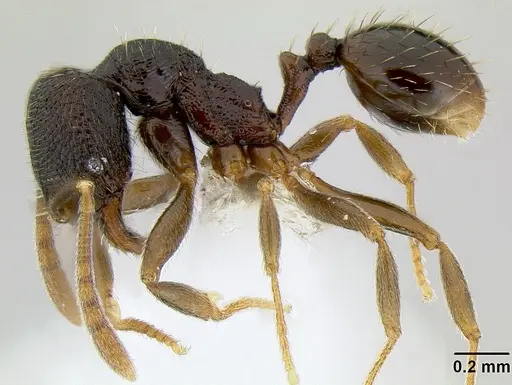
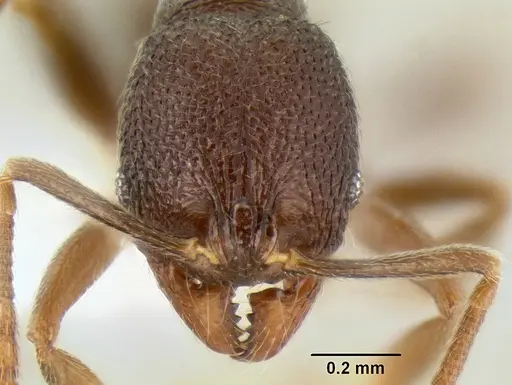
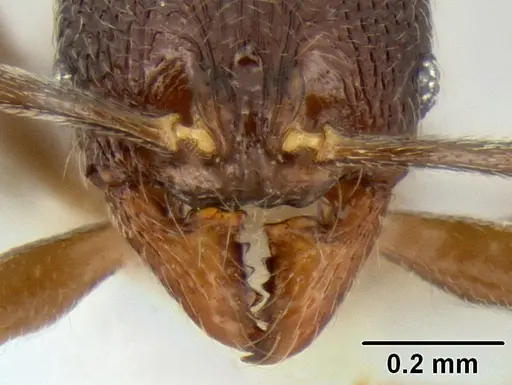
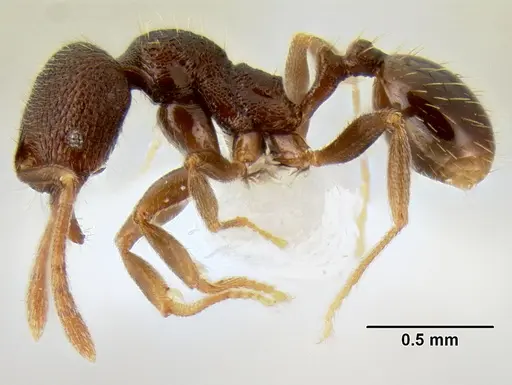
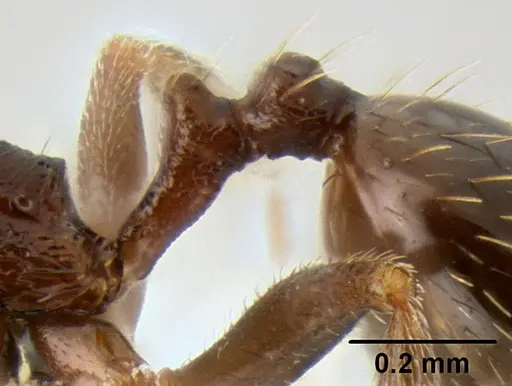
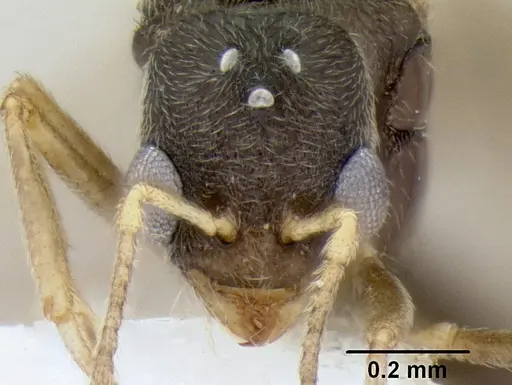
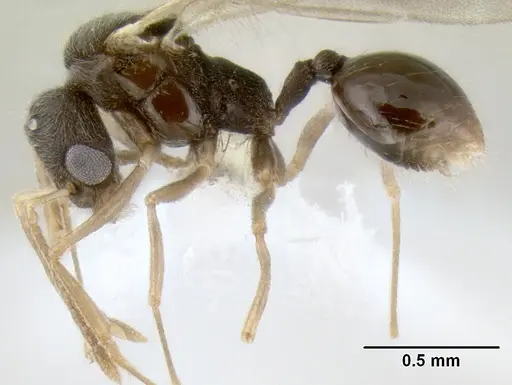
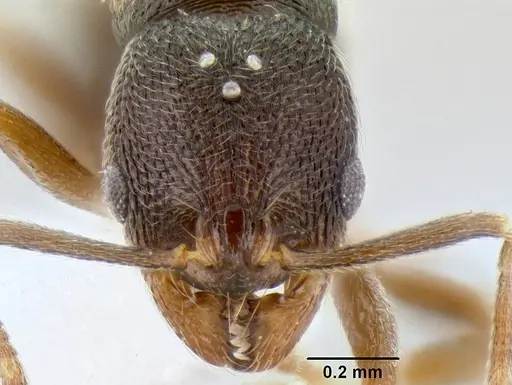
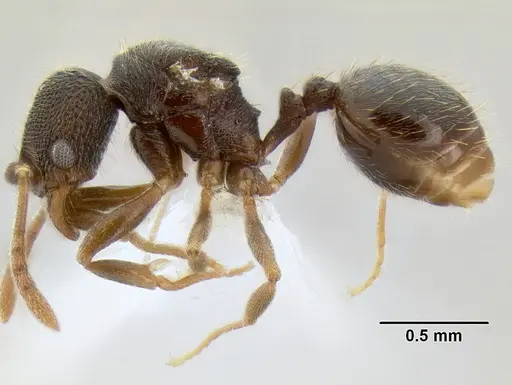
Stenamma nanozoi is a small ant species native to Honduras, where it lives in lowland wet forests at elevations between 0-600 meters [1]. Workers measure just 0.49-0.56mm in head width, making them one of the smaller Stenamma species [1]. Their body is dark red-brown to brown with a distinctly sculptured face featuring rugoreticulate patterns, and they have relatively large oval eyes for the genus with 4-5 ommatidia [1]. The gaster displays a unique double layer of pilosity, stout suberect setae mixed with sparse appressed hairs [1].
This species is part of the Stenamma MAC (Middle American Clade) and represents a tropical lineage within a genus that more commonly occupies temperate regions [2]. All known collections come from sifted leaf litter on the forest floor, indicating they are cryptic ground-nesting ants that thrive in humid, shaded microhabitats [1]. Their small size and secretive nature make them a challenging but rewarding species for experienced antkeepers interested in Neotropical ants.
Quick Summary
- Difficulty: Expert
- Origin & Habitat: Honduras, lowland wet tropical forests (0-600m elevation), collected from leaf litter on the forest floor [1][2]
- Colony Type: Unknown colony structure, founding and queen behavior unstudied in this species
- Size & Growth:
- Queen: 0.51-0.58mm head width (estimated from worker proportions) [1]
- Worker: 0.49-0.56mm head width,0.56-0.63mm head length [1]
- Colony: Unknown, no colony size data available
- Growth: Unknown, no development timing data available
- Development: Unknown, estimated 6-10 weeks based on typical Myrmicinae development at tropical temperatures (No direct development data exists for this species. Estimates based on related Stenamma species and tropical Myrmicinae patterns.)
- Antkeeping:
- Temperature: Keep at 24-28°C, they are a tropical species from lowland Honduras [2]. A gentle gradient allowing cooler areas around 22°C is recommended.
- Humidity: High humidity is essential, these ants live in wet forest leaf litter. Keep nest substrate consistently moist but not waterlogged, with humidity around 70-85%. Mist the outworld regularly.
- Diapause: No diapause required, being a tropical species, they do not need a winter rest period [2]
- Nesting: Natural nesting occurs in leaf litter and soil. In captivity, they do well in naturalistic setups with moist soil or in Y-tong/plaster nests with high humidity. Tight chambers scaled to their tiny size work best.
- Behavior: This is a cryptic, secretive ant species that forages primarily in leaf litter. Workers are small and likely slow-moving. They are not aggressive and will avoid confrontation. Escape prevention is critical due to their tiny size, they can squeeze through standard mesh barriers. They likely forage individually for small prey and honeydew.
- Common Issues: tiny size makes escape likely without fine mesh barriers, high humidity requirements can lead to mold if ventilation is poor, no available information on their diet, experimental feeding required, slow growth and cryptic nature make colony monitoring difficult, wild-caught colonies may have parasites from leaf litter habitat
Housing and Nest Setup
Stenamma nanozoi requires high-humidity housing that mimics their wet forest floor habitat. A naturalistic setup with moist soil and leaf litter works well, or you can use a Y-tong (AAC) nest with a water reservoir to maintain humidity. The chambers should be small and tight, these are tiny ants that feel exposed in large open spaces. Provide a water tube for drinking and mist the outworld regularly to maintain humidity around 75-85%. Avoid drying out the nest substrate, as this species is adapted to consistently moist conditions. Use excellent escape prevention, their small size means they can slip through standard barriers that work for larger ants. [1]
Feeding and Diet
The natural diet of S. nanozoi is not documented, but Stenamma species are typically generalist predators and scavengers that eat small invertebrates and honeydew. In captivity, you should offer small live prey like springtails, fruit flies, and tiny crickets. Sugar sources like honey water or sugar water may be accepted, though this is speculative. Start with small live prey items and observe acceptance. Given their tiny worker size, prey should be appropriately sized, no larger than the ant itself. Feed every 2-3 days, removing uneaten prey to prevent mold. [1]
Temperature and Humidity
As a tropical lowland species from Honduras, S. nanozoi requires warm temperatures in the range of 24-28°C [2]. Room temperature may be sufficient if your home is within this range, otherwise use a heating cable on one side of the nest to create a gentle gradient. Never let temperatures drop below 20°C for extended periods. Humidity is critical, maintain 70-85% relative humidity by keeping the nest substrate moist and misting regularly. These ants come from wet forests and will not tolerate dry conditions. However, balance humidity with adequate ventilation to prevent mold growth.
Colony Establishment
Since colony founding behavior has not been documented for this species, you should assume claustral founding (queen seals herself in and lives off stored fat) as is typical for Myrmicinae. Provide a founding chamber with moist substrate and leave the queen undisturbed for 4-8 weeks. Do not attempt to feed during this period. Once workers emerge, begin offering tiny prey items. Growth is likely slow given their small worker size and the limited data on this species. Be patient, colonies may take months to establish and reach even 20-30 workers. Monitor for mold and maintain humidity consistently.
Behavior and Temperament
S. nanozoi is a cryptic, secretive ant that avoids open spaces and confrontation. Workers are small and likely forage individually through leaf litter rather than forming visible trails. They are not defensive and pose no threat to keepers. However, their tiny size makes them excellent escape artists, use fine mesh barriers and check for gaps regularly. The species is poorly studied in captivity, so expect some experimentation to learn their preferences. They are best suited for experienced antkeepers who enjoy observing cryptic species and can maintain consistent high-humidity conditions. [1]
Frequently Asked Questions
How long does it take for Stenamma nanozoi to produce first workers?
The exact development time is unknown, but based on typical Myrmicinae development in tropical conditions, expect 6-10 weeks from egg to worker. Patience is essential as this species likely grows slowly.
What do Stenamma nanozoi ants eat?
Their natural diet is unconfirmed, but Stenamma species typically eat small invertebrates and honeydew. Offer tiny live prey like springtails and fruit flies, plus sugar water. Start with small prey and adjust based on acceptance.
Do Stenamma nanozoi ants need hibernation?
No, being a tropical species from lowland Honduras, they do not require diapause or winter cooling. Keep them warm year-round at 24-28°C.
Are Stenamma nanozoi good for beginners?
No, this species is recommended for experienced antkeepers only. They require high humidity, tiny prey, excellent escape prevention, and have no captive husbandry data. Their cryptic nature makes colony monitoring challenging.
How big do Stenamma nanozoi colonies get?
Colony size is unknown, no colony size data exists for this species. Based on their small worker size and leaf litter habitat, colonies likely remain modest, probably under 100-200 workers.
Can I keep multiple Stenamma nanozoi queens together?
Colony structure is unconfirmed for this species. Do not attempt to combine unrelated queens until more is known about their founding behavior.
What temperature do Stenamma nanozoi need?
Keep them at 24-28°C, they are tropical lowland ants from Honduras. A gentle gradient with a cooler area around 22°C is acceptable. Avoid temperatures below 20°C.
Do Stenamma nanozoi ants sting?
Stenamma belongs to Myrmicinae, which includes many species with stingers. However, this species is small and non-aggressive. They are not considered dangerous to keepers.
Why are my Stenamma nanozoi escaping?
Their tiny worker size (under 1mm) means they can slip through standard barriers. Use fine mesh (at least 0.5mm), check lid seals regularly, and consider applying fluon to nest edges.
When should I move Stenamma nanozoi to a formicarium?
Keep them in a test tube or small container initially. Only move to a formicarium once the colony reaches 30+ workers and shows active foraging. Their high humidity needs make naturalistic setups with moist soil ideal.
References

This caresheet is licensed under CC BY-SA 4.0 .
CASENT0621802
View on AntWeb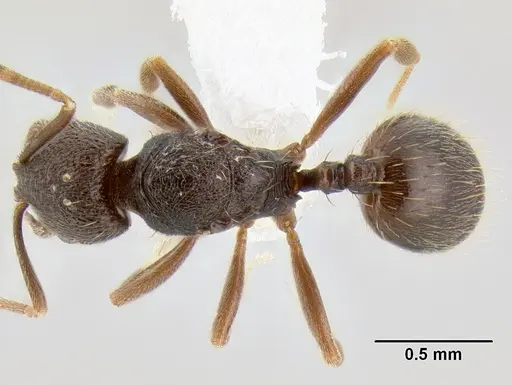
CASENT0621824
View on AntWeb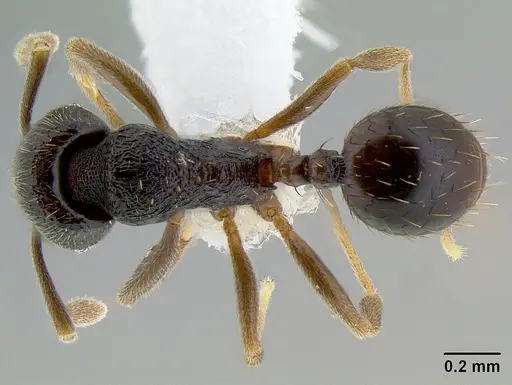
CASENT0621828
View on AntWeb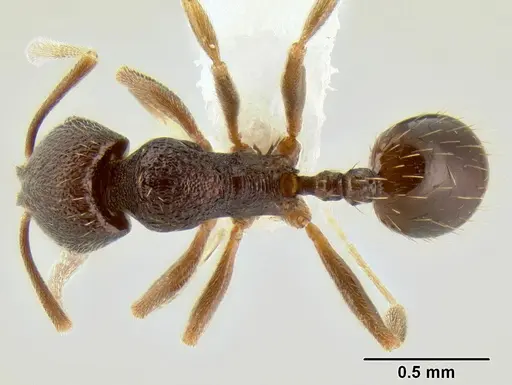
CASENT0622004
View on AntWeb
CASENT0622005
View on AntWeb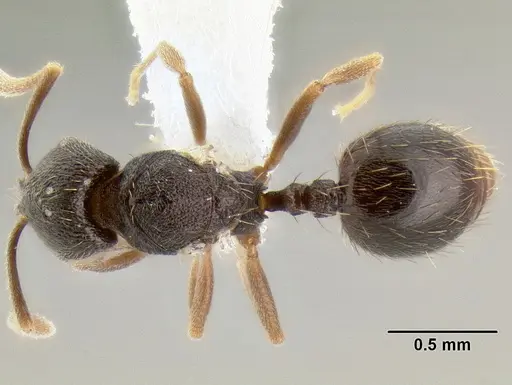
Literature
Loading...Loading products...