

Stenamma meridionale
- Scientific Name
- Stenamma meridionale
- Tribe
- Stenammini
- Subfamily
- Myrmicinae
- Author
- Smith, 1957
- Distribution
- Found in 1 countries
Stenamma meridionale Overview
Stenamma meridionale is an ant species of the genus Stenamma. It is primarily documented in 1 countries , including United States of America. Detailed taxonomic data and occurrence records can be further explored via authoritative databases such as AntWeb or the Global Biodiversity Information Facility (GBIF).
Stenamma meridionale
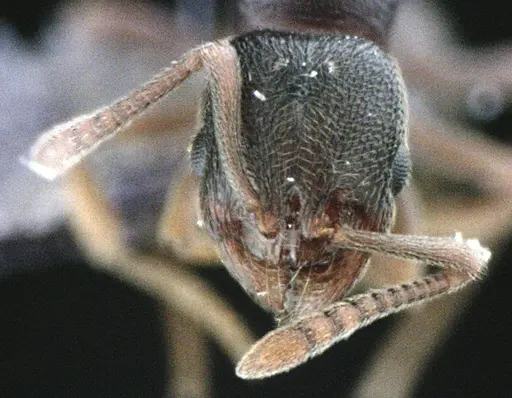
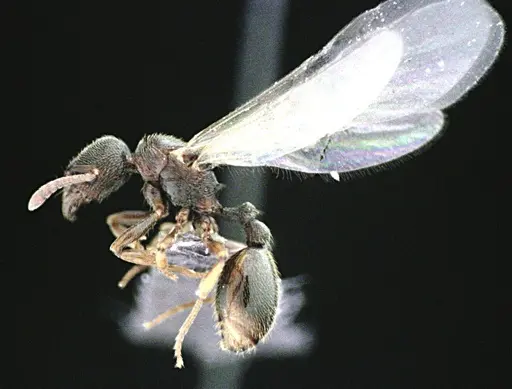
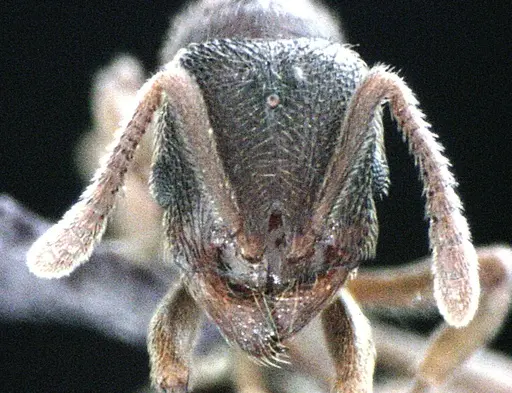
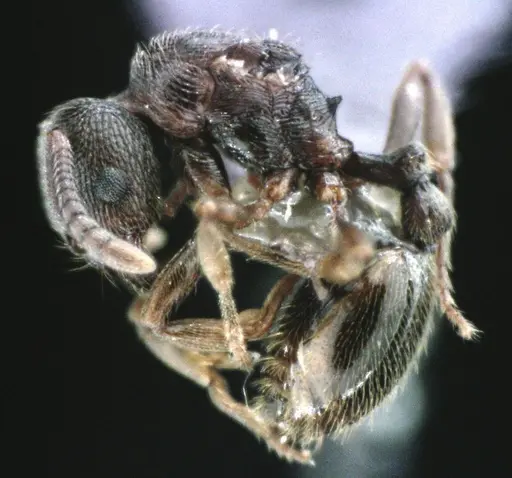
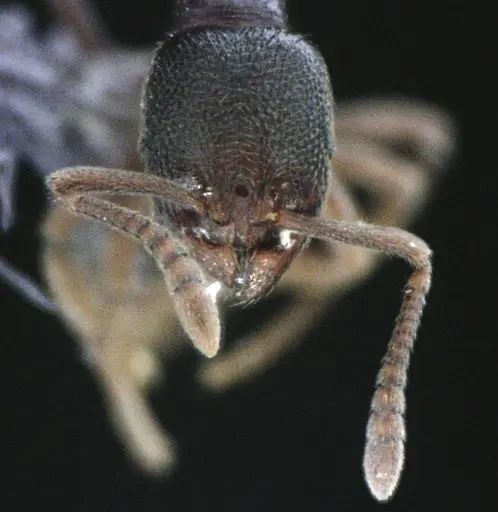
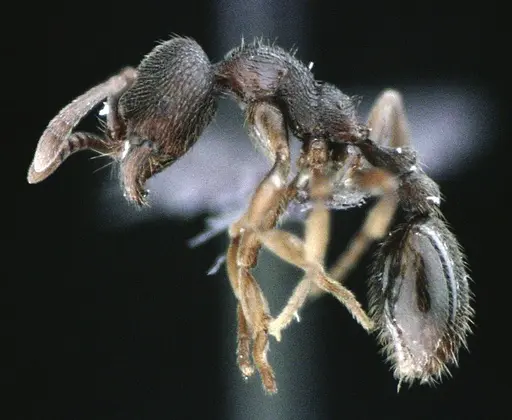
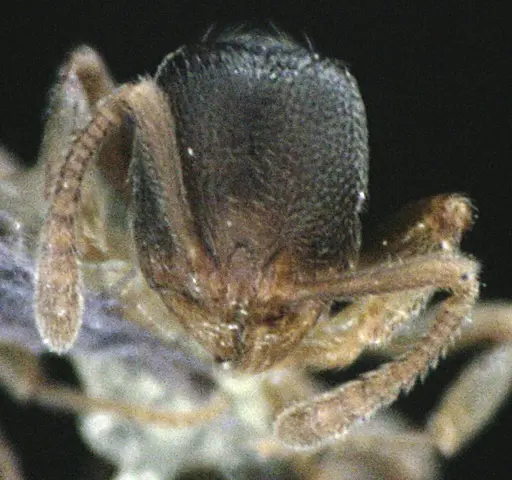
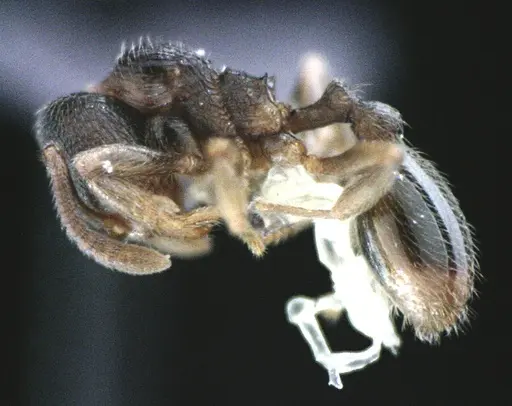
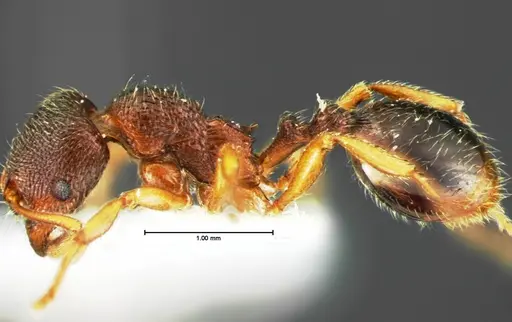
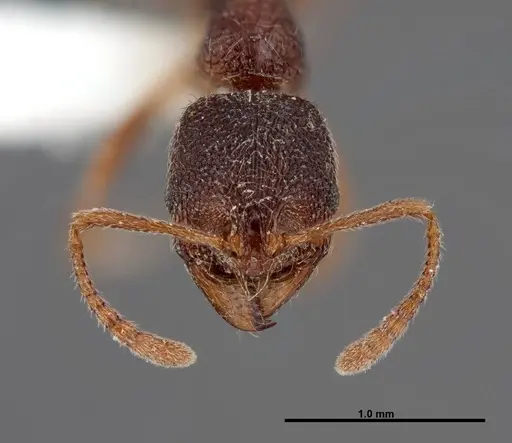
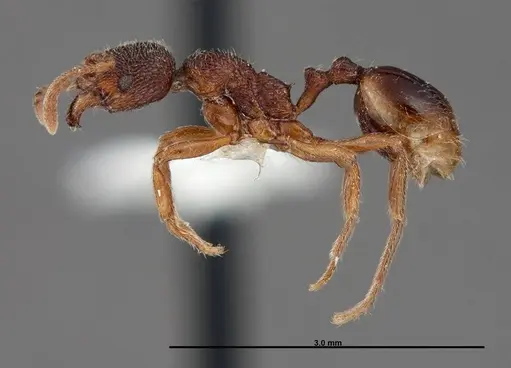
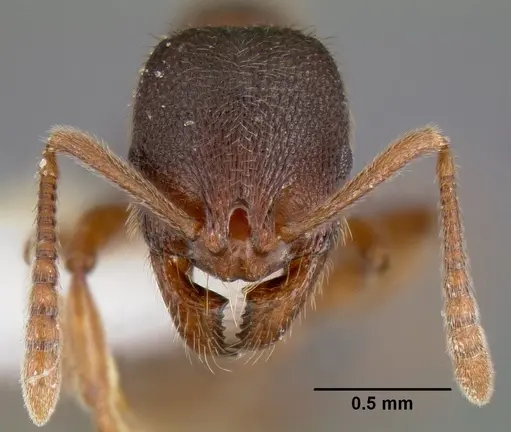
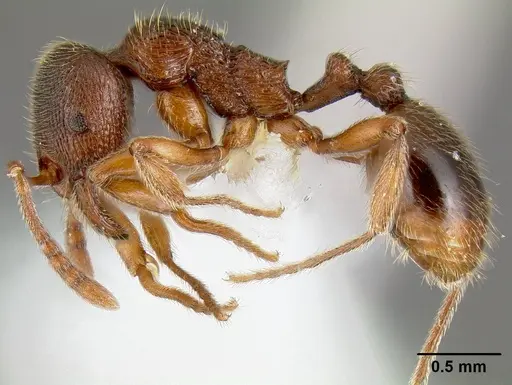
Stenamma meridionale is a small, dark brown forest ant native to the eastern United States. Workers measure 3.4-4 mm with notably large eyes containing 8-10 ommatidia, and a pronounced constriction between the meso- and epinotum. Queens are slightly larger at 4.6 mm. The body is dark brown with a blackish cast, while the head, antennae, legs, and tip of the abdomen are lighter yellowish-brown. This species is a cold-adapted forest floor ant that forms small colonies in hard clay soil, typically nesting 10-15 inches deep. It is one of the more secretive Stenamma species, rarely encountered in large numbers and active mainly during cooler months of the year.
Quick Summary
- Difficulty: Medium
- Origin & Habitat: Eastern United States (Virginia, Missouri, Illinois south to South Carolina and Arkansas). Found in mixed oak-hickory woodlands with heavy leaf litter, nesting in hard clay soil at depths of 10-15 inches [1][2].
- Colony Type: Single-queen colonies. Colonies are small, typically containing fewer than 100 workers. Ergatoid replacement reproductives have not been documented in this species.
- Colony: Monogyne
- Founding: Claustral
- Size & Growth:
- Queen: 4.6 mm [1]
- Worker: 3.4-4 mm [1][3]
- Colony: Up to approximately 55 workers based on field collections [1]
- Growth: Slow, based on small colony sizes and cold-adapted biology
- Development: Estimated 8-12 weeks based on related Stenamma species and temperate climate adaptation (Development is likely slower than tropical species due to cold-adapted ecology. Expect 2-3 months from egg to first worker at optimal temperature.)
- Antkeeping:
- Temperature: Keep cool compared to most ants, aim for 18-22°C. This species is cold-adapted and active during cooler seasons. Avoid temperatures above 25°C [4][5].
- Humidity: Moderate to high. Forest floor species that prefers damp soil conditions. Keep the nest substrate consistently moist but not waterlogged.
- Diapause: Yes, this species requires a winter dormancy period. In the wild, colonies hibernate deep in soil (10-15 inches) at temperatures around 52°F (11°C) [1]. Provide 3-4 months at 5-10°C during winter.
- Nesting: Deep-soil nester. In captivity, use a naturalistic setup with deep soil (at least 4-6 inches) or a plaster/acrylic nest with a thick soil chamber. They prefer dark, humid conditions similar to forest floor soil.
- Behavior: Peaceful, non-aggressive forest ants. Workers are slow-moving and secretive, foraging primarily in leaf litter and under debris. They are cold-season active, meaning you will see more activity in spring and fall than during hot summer months. Workers have a functional stinger as this is a Myrmicinae species. Escape risk is moderate, their small size (under 4mm) means they can slip through small gaps, but colonies are small so escape prevention is manageable.
- Common Issues: colonies are very small and grow slowly, which can frustrate keepers expecting rapid expansion, cold requirements mean this species is not suitable for warm rooms or heated setups, deep nesting means they need proper soil depth or deep nest chambers, shallow setups will stress them, they are rarely available in the antkeeping hobby, making colonies hard to obtain, overheating is a serious risk, temperatures above 25°C can be fatal
Natural History and Distribution
Stenamma meridionale is found across the eastern United States, ranging from southern Illinois and Virginia south to South Carolina, Arkansas, and reportedly Oklahoma [1][6][7]. The most northern documented locality is Oakwood, Illinois, just above the 40th parallel. This species is strongly associated with deciduous forests, particularly mixed oak-hickory woodlands with heavy leaf litter. The original type specimens were collected from Droste Woods in Missouri, a small woodland with large red and white oaks, elm, maple, sassafras, and a dense understory of shrubs. The soil was described as very dark and loose for the top few inches, becoming progressively compact and clay-like below 6-7 inches [1]. Colonies nest deep in hard clay, typically 10-15 inches (25-38 cm) below the surface. This is a cold-climate functional group species, active mainly during cooler months and found at elevations up to 1673m in the Great Smoky Mountains [4][8].
Temperature and Cooling Requirements
This is one of the most important aspects of keeping Stenamma meridionale successfully. Unlike most ant species kept in captivity, this cold-adapted species does not tolerate warm conditions. In the wild, colonies have been found at soil temperatures of 52°F (11°C) during hibernation and 58°F (14°C) during fall foraging activity [1]. Research classifies this species in the "cold climate functional group" and it is active only during cooler sampling dates in field studies [4][5]. Keep the nest area at 18-22°C, room temperature is often too warm. During summer months, you may need to keep them in a cool basement or use cooling methods. Avoid any temperatures above 25°C, as this species is poorly adapted to heat. In winter, provide a proper diapause at 5-10°C for 3-4 months to maintain colony health. A heating cable is NOT recommended and could be fatal if placed near the nest.
Housing and Nest Setup
Stenamma meridionale requires deep soil chambers or nests to thrive. In the wild, colonies nest 10-15 inches deep in hard clay, so shallow setups will cause stress and likely colony failure. A naturalistic setup with a deep soil container (at least 4-6 inches of substrate) works well, or you can use a plaster/acrylic nest with a thick soil chamber. The nest should be kept dark, these are secretive forest floor ants that avoid light. Use a substrate that holds moisture well but does not become waterlogged. A mix of soil and clay works well to mimic their natural hard clay habitat. Because colonies remain small (under 100 workers), you do not need a large outworld, focus on providing proper depth and humidity in the nest area instead. [1]
Feeding and Diet
Like most Myrmicinae ants, Stenamma meridionale is omnivorous. Workers forage in leaf litter for small insects, seeds, and likely tend aphids for honeydew. In captivity, offer a varied diet including small live insects (fruit flies, small crickets, springtails), protein gels or pieces of insects, and sugar water or honey. Feed protein 2-3 times per week and keep a sugar source available at all times. Because colonies are small and workers are slow-moving, offer prey items appropriately sized, tiny insects are better than large ones. Remove uneaten prey after 24-48 hours to prevent mold. [1][3]
Seasonal Care and Diapause
Stenamma meridionale requires a winter dormancy period to remain healthy. In the wild, colonies hibernate deep in soil during winter, found at soil temperatures around 52°F (11°C) [1]. Each fall (around October-November), reduce temperatures gradually to 5-10°C and maintain this for 3-4 months. During this time, the colony will be largely inactive. Do not feed during diapause, but keep the substrate slightly moist, not dry, not frozen. Come spring, slowly warm the colony back to their cool active temperature range. This species is active in spring and fall, less active during summer heat, you may see reduced activity during hot months even without a formal diapause.
Frequently Asked Questions
How long does it take for Stenamma meridionale to raise their first workers?
Expect 8-12 weeks from egg to first worker at optimal cool temperatures. This is slower than many tropical ants due to their cold-adapted biology. The first workers (nanitics) will be smaller than mature workers.
Can I keep Stenamma meridionale in a test tube?
Test tubes are not ideal for this species. They are deep-soil nesters that need substrate depth of at least 4-6 inches. A naturalistic setup with deep soil or a plaster nest with a thick soil chamber is much better for their long-term health.
Do Stenamma meridionale ants sting?
Yes, as a Myrmicinae species they have a functional stinger. However, they are not aggressive and stings are rare. Given their small size and docile nature, they pose minimal sting risk to keepers.
Are Stenamma meridionale good for beginners?
No, this species is not ideal for beginners. Their cold temperature requirements, need for deep nesting substrate, slow growth, and rarity in the hobby make them a challenging species. They are best suited for experienced antkeepers who can provide cool conditions year-round.
How big do Stenamma meridionale colonies get?
Colonies remain small. The largest documented field colonies had around 55 workers, and colonies with 11-19 workers have been found [1]. In captivity, expect maximum colonies of perhaps 50-100 workers. This is a small-colony species.
Do Stenamma meridionale need hibernation?
Yes, they require a winter dormancy period. Provide 3-4 months at 5-10°C during winter, mimicking their natural cycle. In the wild, colonies hibernate deep in soil at around 52°F (11°C) [1].
Why are my Stenamma meridionale not very active?
This is normal behavior for this species. They are cold-season active ants that are most active in spring and fall. During summer heat or if temperatures are too warm (above 22°C), they will be less active. Also, small colonies are naturally less active than large ones.
Where can I get Stenamma meridionale?
This species is rarely available in the antkeeping hobby. It is considered very rare in Indiana and uncommon across its range [9][2]. You would need to find a specialized breeder or catch a queen during nuptial flights (timing is undocumented but likely occurs during cooler spring months).
References

This caresheet is licensed under CC BY-SA 4.0 .
ANTWEB1041510
View on AntWeb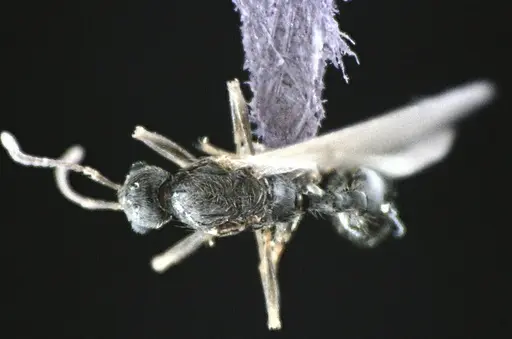
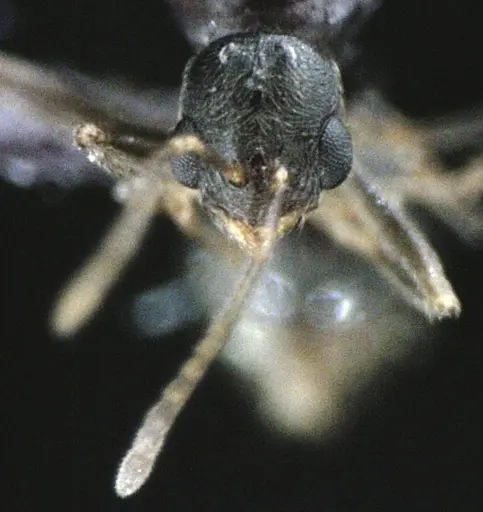
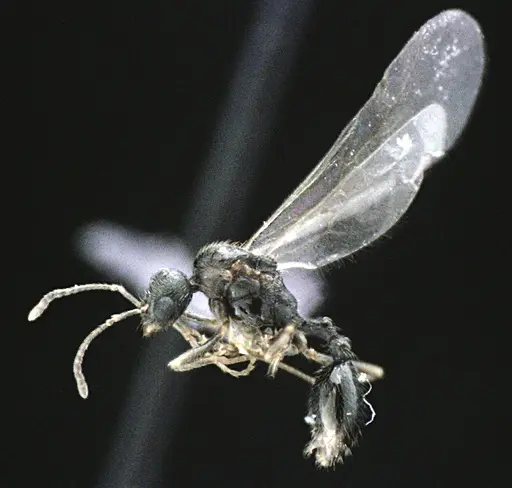
ANTWEB1041511
View on AntWeb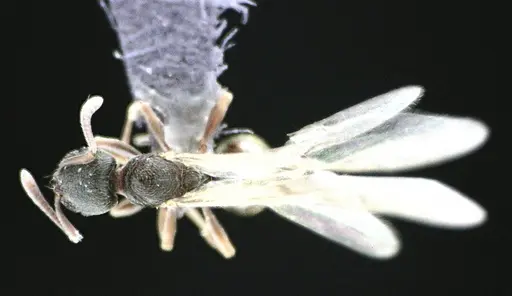
ANTWEB1041512
View on AntWeb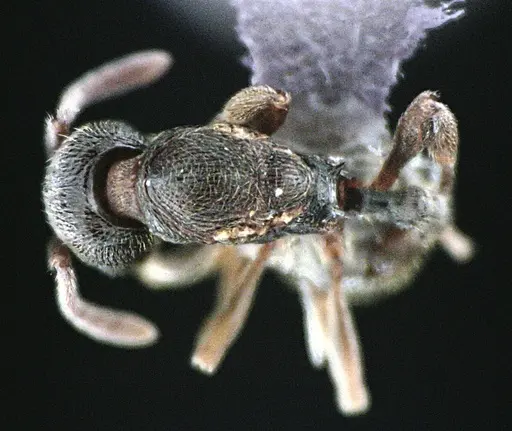
ANTWEB1041513
View on AntWeb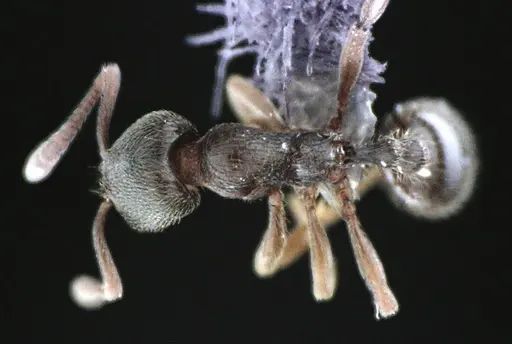
ANTWEB1041514
View on AntWeb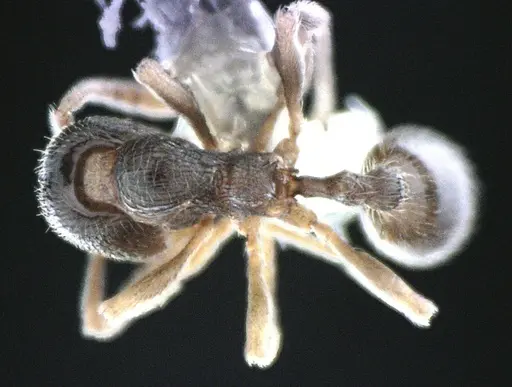
CASENT0103170
View on AntWeb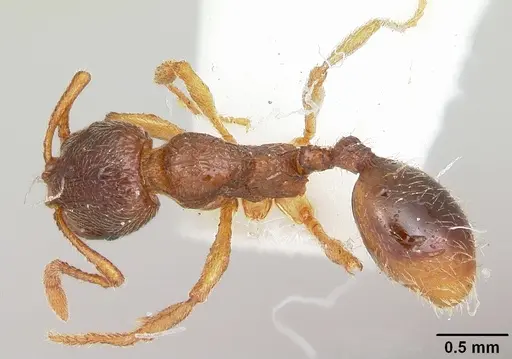
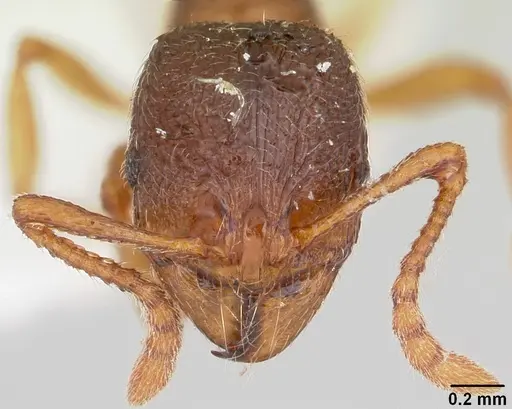
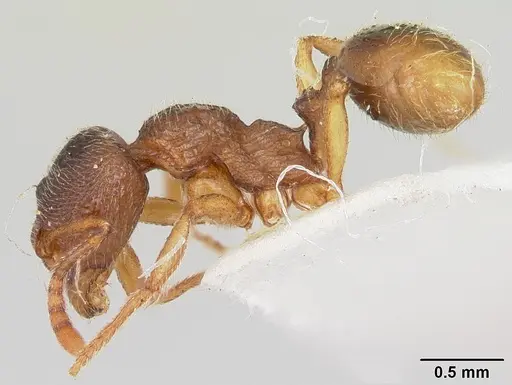
CASENT0105569
View on AntWeb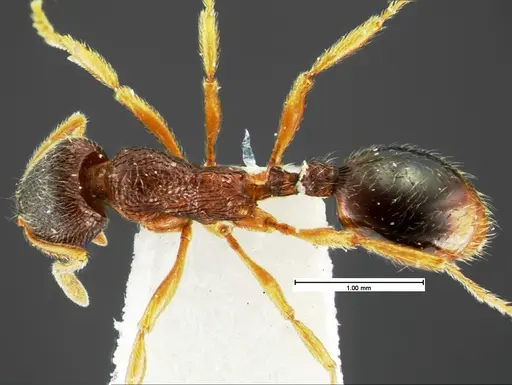
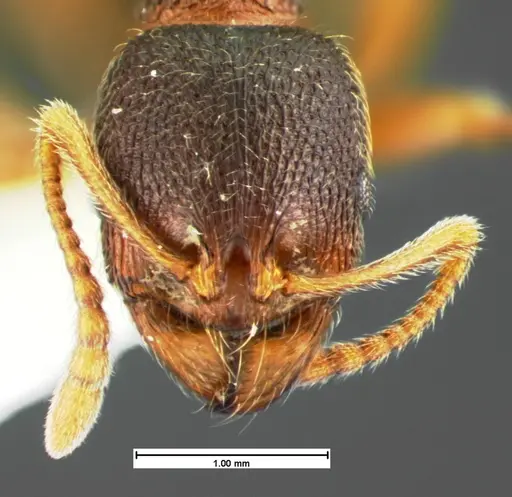
FMNHINS0000062754
View on AntWeb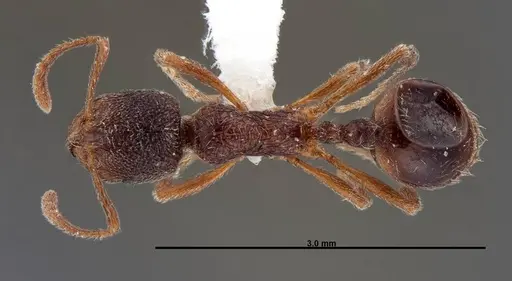
JTLC000006624
View on AntWeb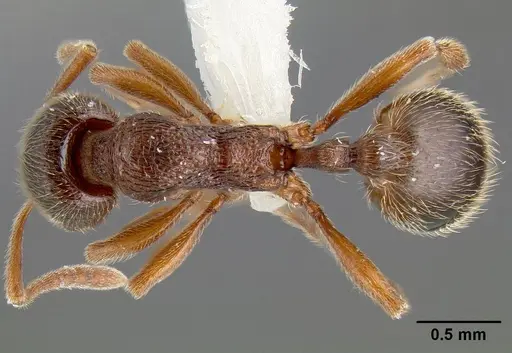
Literature
Loading...Loading products...