

Stenamma megamanni
- Scientific Name
- Stenamma megamanni
- Tribe
- Stenammini
- Subfamily
- Myrmicinae
- Author
- Branstetter, 2013
- Distribution
- Found in 4 countries
Stenamma megamanni Overview
Stenamma megamanni is an ant species of the genus Stenamma. It is primarily documented in 4 countries , including Guatemala, Honduras, Mexico. Detailed taxonomic data and occurrence records can be further explored via authoritative databases such as AntWeb or the Global Biodiversity Information Facility (GBIF).
Stenamma megamanni
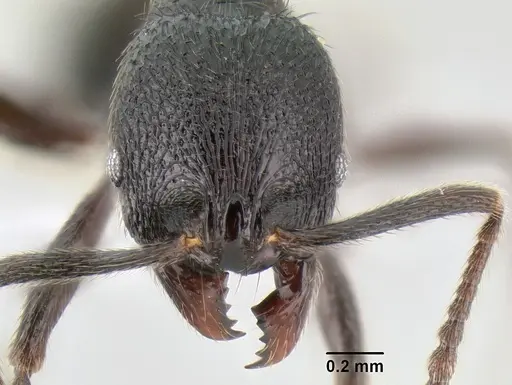
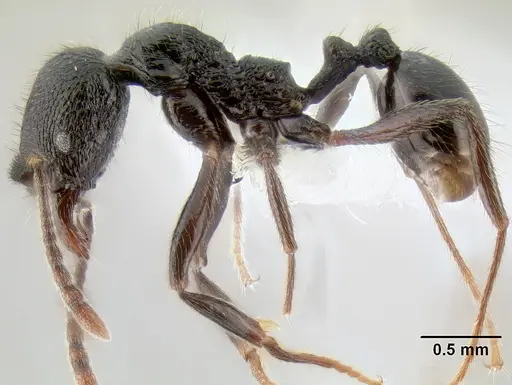
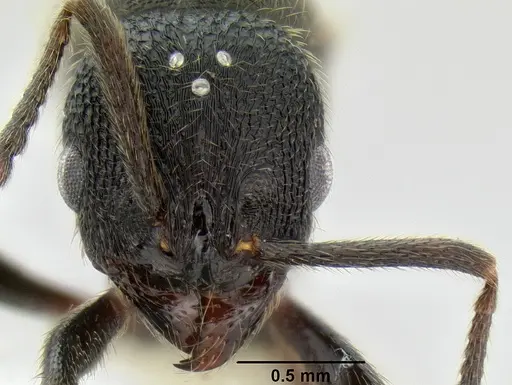
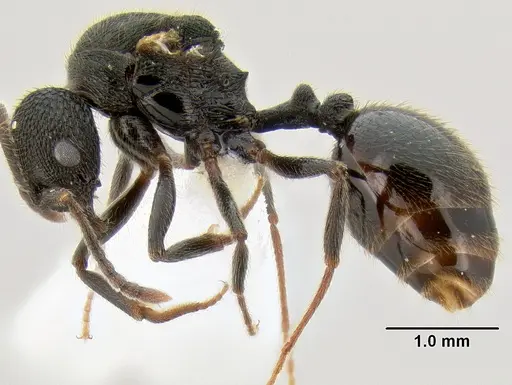
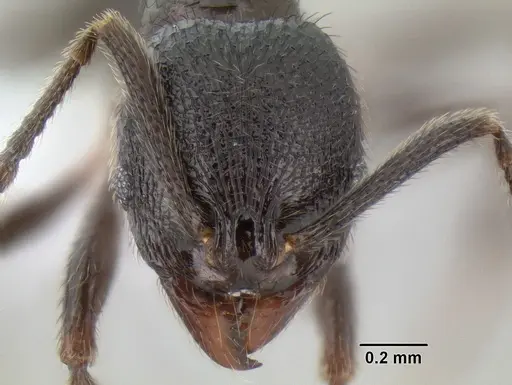
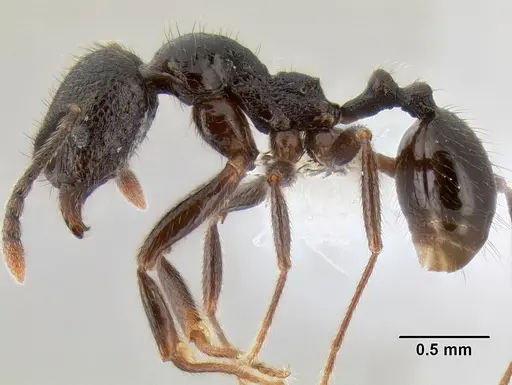
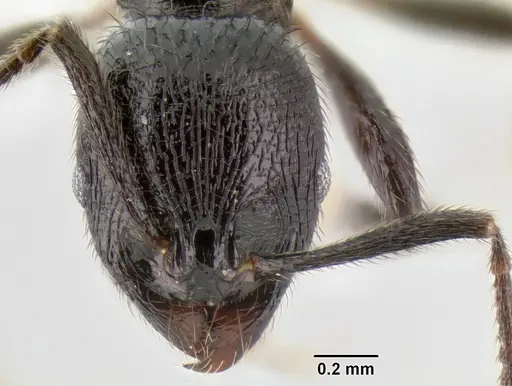
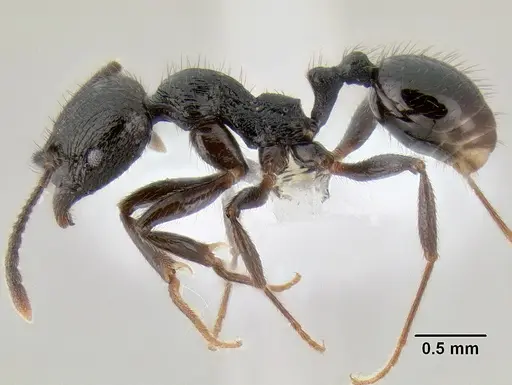
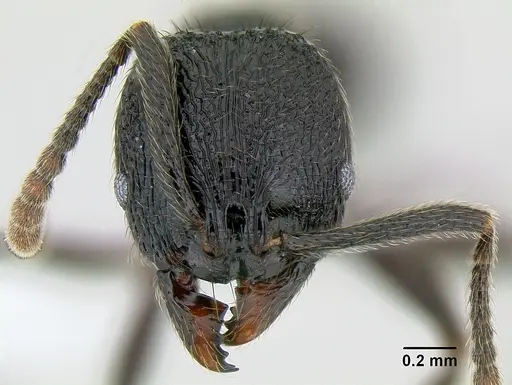
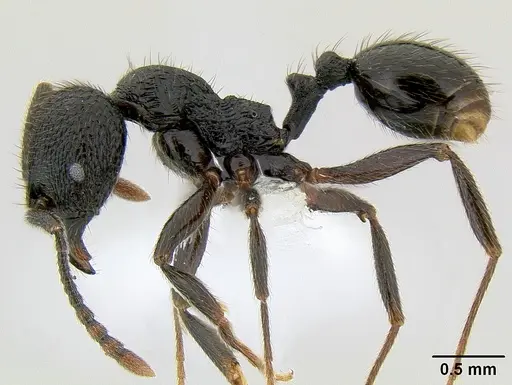
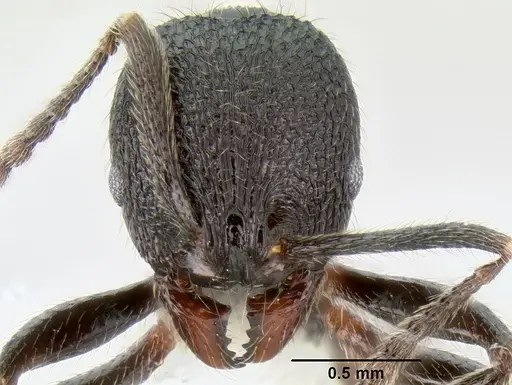
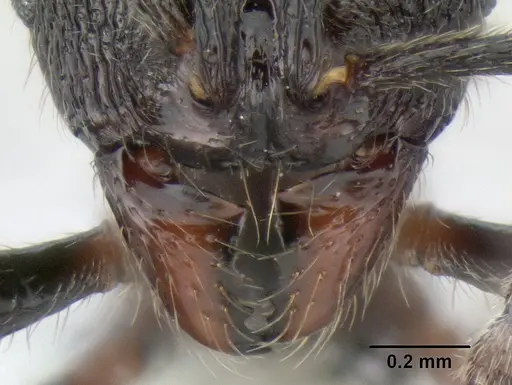
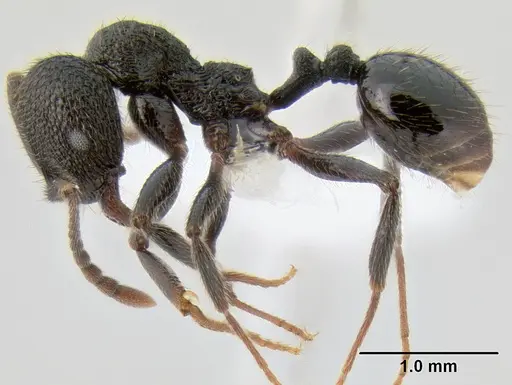
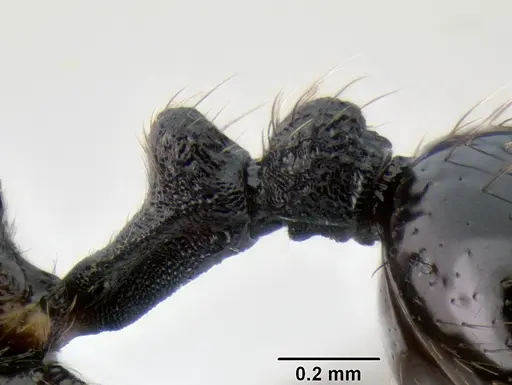
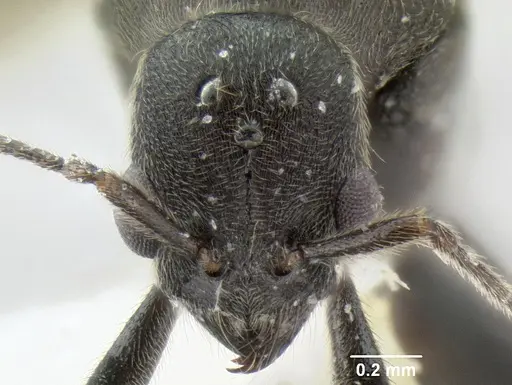
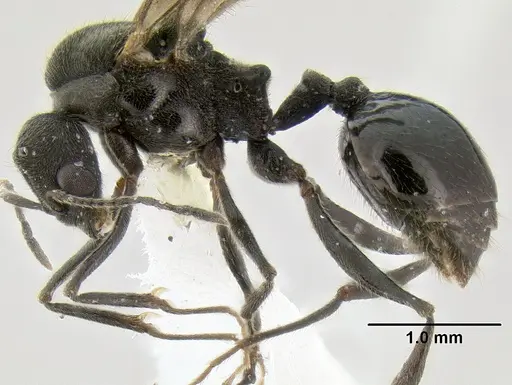
Stenamma megamanni is a medium- to large-sized ant native to the cloud forests of southern Mexico, Guatemala, Honduras, and Nicaragua. Workers are mostly black with robust bodies, reaching about 1mm in head length, while queens are slightly larger at 1-1.1mm. This species has notably large eyes with 8-11 ommatidia, which helps distinguish it from the similar Stenamma manni (which has smaller, reddish-brown workers). The species name 'megamanni' reflects its resemblance to a larger, more robust version of S. manni [1].
What makes S. megamanni particularly interesting is its surprising dominance in local ant communities. In the cloud forests where it lives, this species often becomes the most common ant at baits, even outcompeting normally dominant genera like Pheidole. Nests are large for Stenamma, often containing several hundred workers with multiple chambers extending about 10cm into clay banks or rotting logs [1]. This local abundance and dominance appears to be a recurring trait of this species.
Quick Summary
- Difficulty: Medium
- Origin & Habitat: Native to montane cloud forests in southern Mexico through Nicaragua, at elevations of 700-2800m (most common 1400-2000m). They inhabit wet cloud forest environments including riparian mesophyll forest, oak-pine forest, and areas along streams [1][2].
- Colony Type: Monogyne, single-queen colonies. All excavated nests have had a single dealate queen. Colonies can grow large, with several hundred workers in mature nests [1].
- Colony: Monogyne
- Founding: Claustral
- Size & Growth:
- Queen: 1.01-1.12mm head length [1]
- Worker: 0.93-1.15mm head length (roughly 1mm total body length) [1]
- Colony: Several hundred workers, one excavated nest had about 250 workers with abundant brood [1]
- Growth: Moderate, based on typical Stenamma development patterns
- Development: Estimated 6-10 weeks based on related Stenamma species development (Development time inferred from genus-level data, specific timing for this species not directly studied)
- Antkeeping:
- Temperature: Keep cool at 18-22°C. This is a cloud forest species that prefers stable, cool temperatures typical of high-elevation tropical forests. Avoid overheating, temperatures above 25°C may stress colonies [1][2].
- Humidity: High humidity required, aim for 70-85%. These ants come from constantly damp cloud forest environments. Keep nesting material consistently moist but not waterlogged. Provide a water tube as a humidity source [1].
- Diapause: Not required. As a tropical species from stable cloud forest environments, they do not experience cold winters and do not need a hibernation period. Maintain consistent conditions year-round [1].
- Nesting: Prefers naturalistic setups that retain moisture. They naturally nest in rotting logs, clay banks, under rocks, and in dead bark. In captivity, a moist plaster nest, Y-tong, or naturalistic setup with soil works well. Keep nesting area dark and humid. They do well in setups that mimic their natural stream-bank and forest-floor habitats [1].
- Behavior: Workers are moderately active foragers that search for food individually. They can become locally dominant and are competitive at food sources. Workers are not particularly aggressive but will defend their nests. They have a moderate escape risk due to their small size, use standard barrier methods. Foraging occurs both on the ground and up vegetation. Colonies are peaceful toward queens and maintain single-queen structures [1].
- Common Issues: overheating is a major risk, these cloud forest ants are sensitive to high temperatures and can die quickly above 25°C, colonies may fail if humidity drops too low, their native habitat is constantly damp, slow colony growth can frustrate beginners, expect moderate development speed, not rapid expansion, wild-caught colonies may have parasites or stress from collection, quarantine and monitor closely, they need darkness to thrive, expose nests only for observation, keep nesting area consistently dark
Housing and Nest Setup
Stenamma megamanni does best in setups that replicate its cloud forest home. A naturalistic terrarium with moist soil, rotting wood pieces, and stones works excellently, this gives them the damp, dark environment they naturally nest in. Alternatively, a Y-tong or moist plaster nest provides good humidity control. Whatever setup you choose, keep the nesting area consistently dark, these ants prefer darkness and will be more active when the nest is covered. A water tube attached to the outworld helps maintain humidity. Avoid dry setups entirely, this species will not thrive in arid conditions [1].
Feeding and Diet
In the wild, S. megamanni forages for protein and sugar sources. They're known to dominate cookie baits in their native habitat, showing they readily accept sweet foods. Offer a mix of sugar water or honey as a constant energy source, plus protein-rich foods like small insects (fruit flies, small crickets, mealworms). Feed protein 2-3 times per week, and keep sugar available at all times. Remove uneaten food after 24 hours to prevent mold. Their large colony size means they'll consume more than smaller species, adjust feeding amounts as the colony grows [1][3]
Temperature Management
Temperature control is critical for this species. Keep the nest area between 18-22°C, this matches the cool, stable temperatures of their cloud forest habitat. Room temperature in most homes is acceptable if it falls within this range. If your space runs warmer, use a small cooling method like positioning the nest away from direct heat or using a tiny fan. NEVER use heating pads or cables on this species. Signs of overheating include workers clustering at the coolest parts of the nest, brood dying, or rapid worker mortality. They are far more tolerant of cool temperatures than warm ones [1][2]
Colony Growth and Development
Mature colonies reach several hundred workers, making them relatively large for the genus Stenamma. One excavated field nest had about 250 workers with abundant larvae and pupae across multiple chambers. The colony had 2-3 nest entrances extending about 10cm into the clay bank. In captivity, expect moderate growth, don't expect the rapid expansion seen in species like Pheidole. First workers (nanitics) will be smaller but the colony will gradually produce larger workers as it grows. Be patient with this species, healthy colonies can live for several years [1]
Behavior and Foraging
Workers forage individually rather than in recruitment trails. They're competitive at food sources and will dominate small prey items. Unlike some ants, they don't have dramatic defensive behaviors, they're not particularly aggressive but will protect their nest. Workers are moderately active and will explore the outworld regularly. Their large eyes suggest they may use visual cues for navigation, though this isn't well-studied. Colonies maintain clear separation between nest chambers and foraging areas. The single-queen colony structure means you won't have multiple egg-layers competing for dominance [1]
Frequently Asked Questions
Is Stenamma megamanni good for beginners?
Stenamma megamanni is a medium-difficulty species best suited for keepers with some experience. Their specific humidity and temperature requirements (cool and humid) are more demanding than common temperate species. They're not impossible for beginners, but you'll need to pay closer attention to keeping them cool and moist. The moderate growth rate also requires patience [1].
How long does it take for Stenamma megamanni to produce first workers?
Based on typical Stenamma development, expect first workers (nanitics) in about 6-10 weeks after the queen lays eggs, assuming optimal conditions around 20°C. This is an estimate since specific development timing hasn't been documented for this species. The first workers will be smaller than mature workers but the colony will gradually produce larger individuals.
Do Stenamma megamanni ants sting?
Stenamma megamanni is in the subfamily Myrmicinae, which includes many species with stingers. However, this species is not particularly aggressive and stings are rare in captivity. If threatened, they may use their stinger, but the pain level is mild compared to more defensive species. Handle with care regardless, as any ant can sting if provoked [3].
Can I keep multiple Stenamma megamanni queens together?
No. This species is monogyne, meaning colonies naturally have a single queen. Multiple queens will fight until only one remains. If you're starting a colony from a wild-caught queen, ensure she's alone. In established colonies, only one queen should be present, they're not polygynous like some other ant species [1].
What temperature range is ideal for Stenamma megamanni?
Keep them at 18-22°C. This cloud forest species prefers cool, stable temperatures. Room temperature in most climate-controlled homes works well. Avoid any heating, temperatures above 25°C can be fatal. They're far more tolerant of being slightly cool than warm. A consistent temperature is more important than hitting an exact number [1][2].
How big do Stenamma megamanni colonies get?
Mature colonies reach several hundred workers. One documented field nest had about 250 workers with multiple chambers full of brood. In captivity, with good care, colonies can likely reach similar sizes. This makes them one of the larger Stenamma species in captivity [1].
What do Stenamma megamanni eat?
They accept a varied diet. Offer sugar water or honey constantly for energy, plus protein sources like small insects (fruit flies, crickets, mealworms) 2-3 times weekly. In the wild, they're known to dominate cookie baits, showing they'll readily take sweet foods. Remove uneaten food after 24 hours to prevent mold problems [1].
Do Stenamma megamanni need hibernation?
No. As a tropical species from cloud forests that don't experience cold winters, they don't require a hibernation period. Maintain consistent temperature and humidity year-round. Their native habitat stays relatively stable throughout the year, so dramatic seasonal changes aren't necessary or beneficial [1].
Why are my Stenamma megamanni dying?
The most common causes are overheating (temperatures above 25°C) or low humidity. These cloud forest ants are sensitive to both. Check your temperatures first, if the nest is above 22°C, move to a cooler location. Second, verify the nesting material stays moist. Other possibilities include mold from overwatering or poor ventilation, or stress from too much light exposure. Keep their setup dark and humid [1].
When should I move Stenamma megamanni to a formicarium?
Start them in a test tube setup for founding. Once the colony reaches 30-50 workers and you see consistent brood production, you can consider moving to a larger naturalistic setup. However, they do well in test tubes longer than many species, their need for humidity makes test tubes with water reservoirs a good long-term option. Only move when the current setup is clearly too small [3].
References

This caresheet is licensed under CC BY-SA 4.0 .
CASENT0603924
View on AntWeb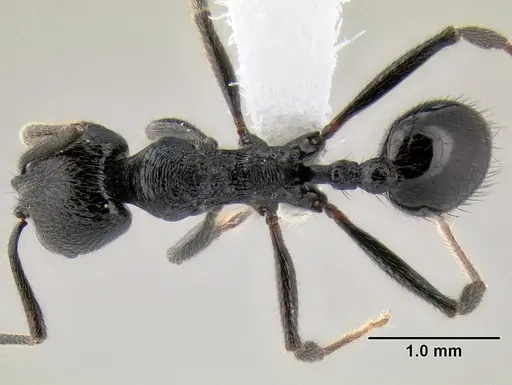
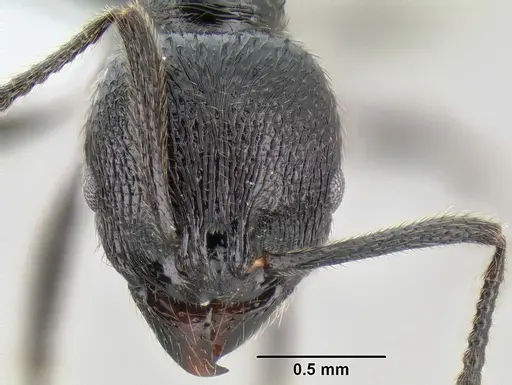
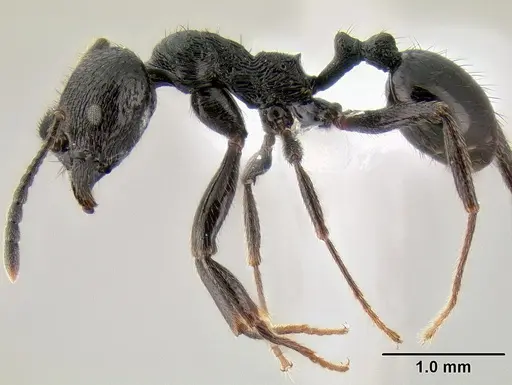
CASENT0603933
View on AntWeb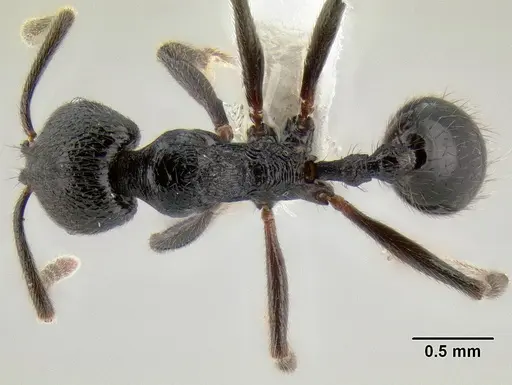
CASENT0604840
View on AntWeb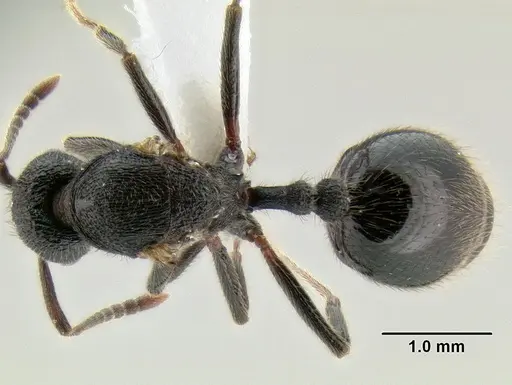
CASENT0606731
View on AntWeb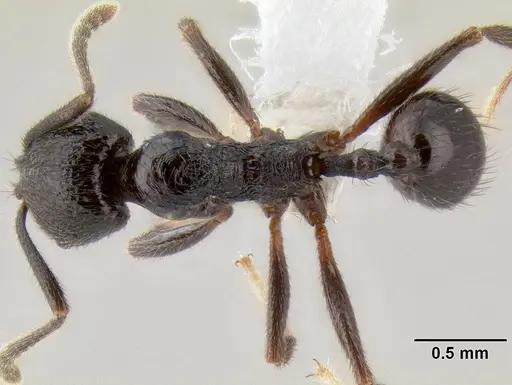
CASENT0606734
View on AntWeb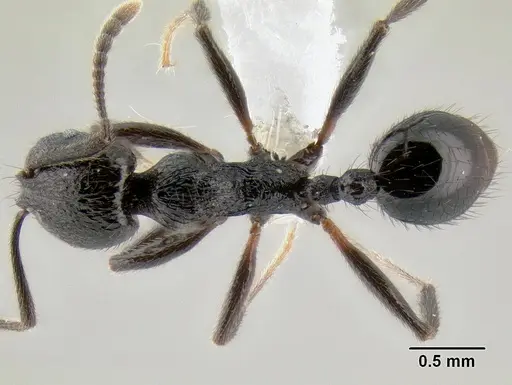
CASENT0621836
View on AntWeb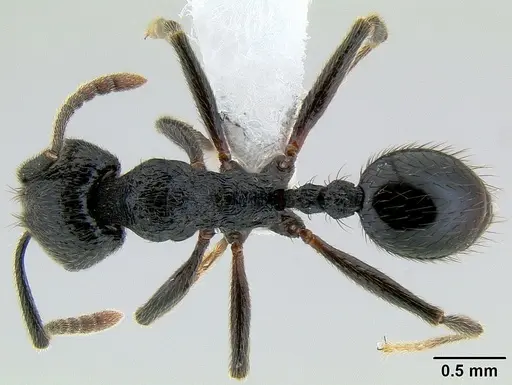
CASENT0622851
View on AntWeb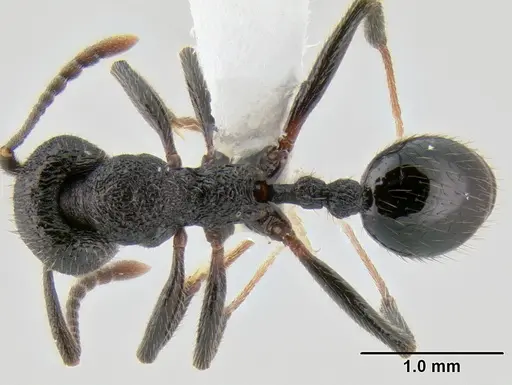
CASENT0622853
View on AntWeb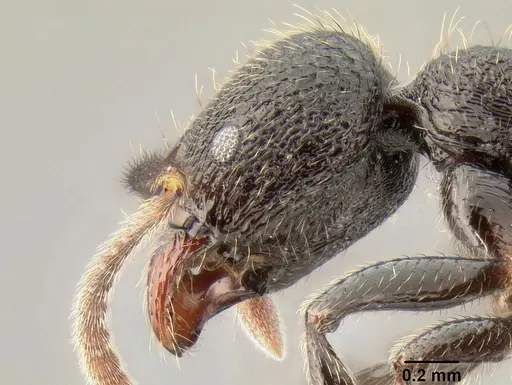
JTLC000007293
View on AntWeb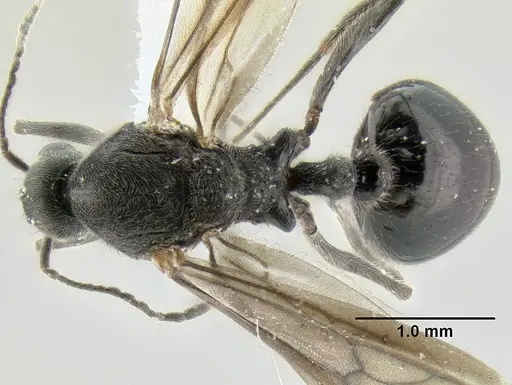
Literature
Loading...Loading products...