

Stenamma maximon
- Scientific Name
- Stenamma maximon
- Tribe
- Stenammini
- Subfamily
- Myrmicinae
- Author
- Branstetter, 2013
- Distribution
- Found in 4 countries
Stenamma maximon Overview
Stenamma maximon is an ant species of the genus Stenamma. It is primarily documented in 4 countries , including Guatemala, Honduras, Mexico. Detailed taxonomic data and occurrence records can be further explored via authoritative databases such as AntWeb or the Global Biodiversity Information Facility (GBIF).
Stenamma maximon
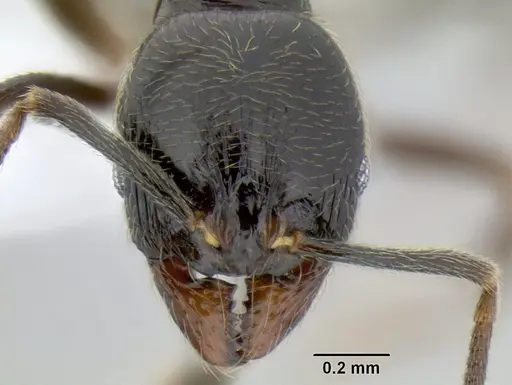
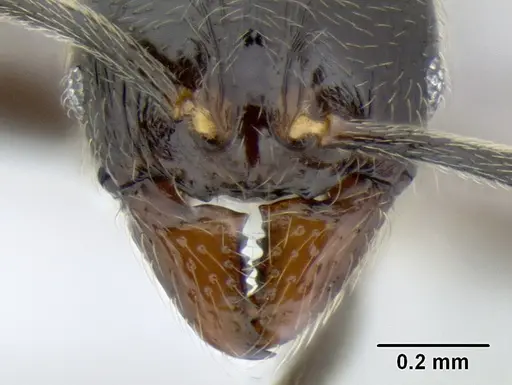
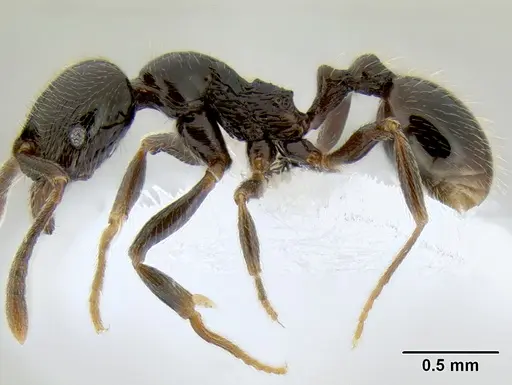
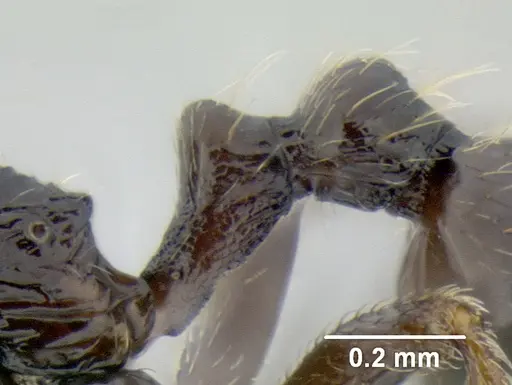
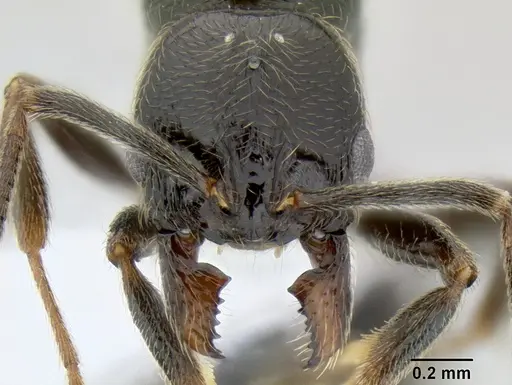
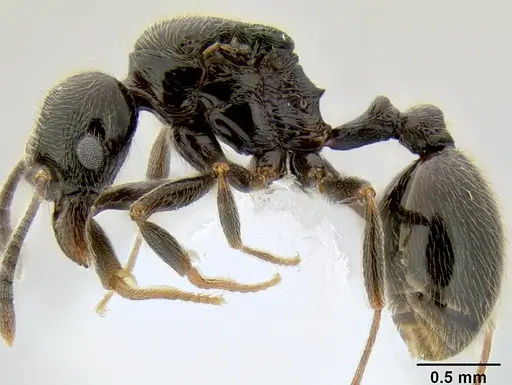
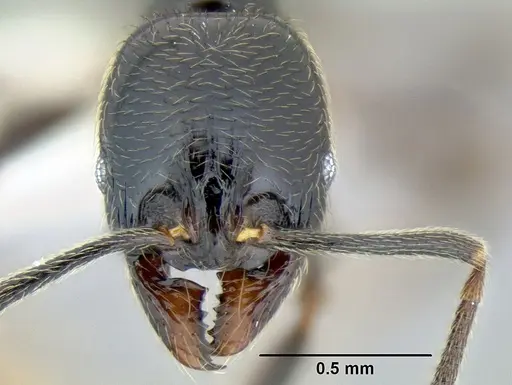
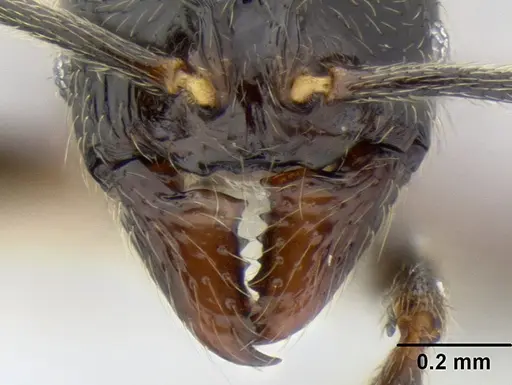
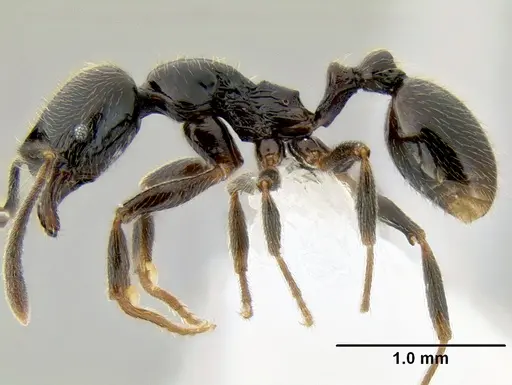
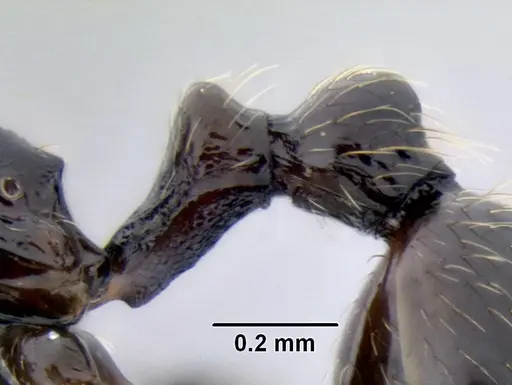
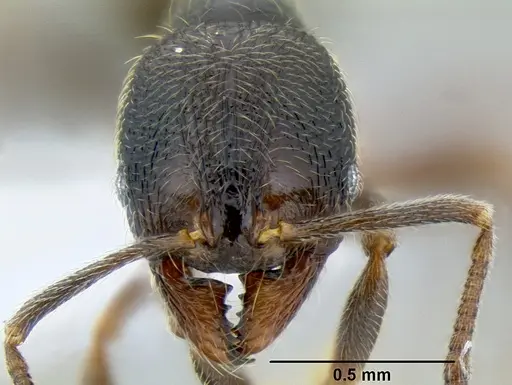
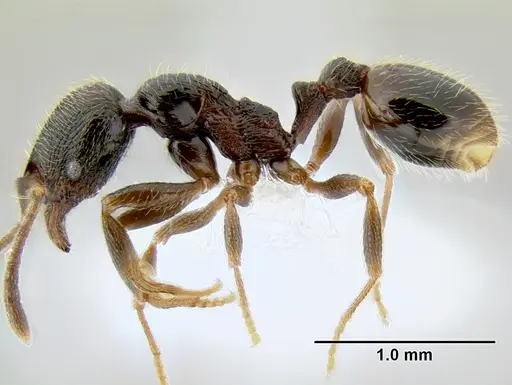
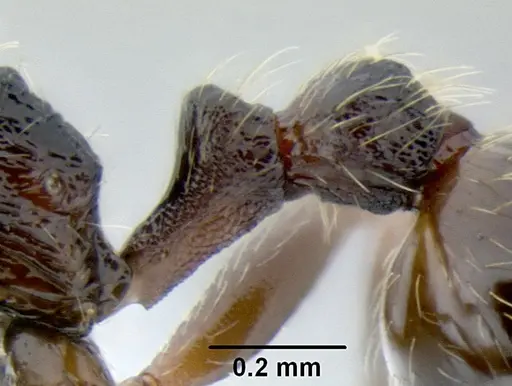
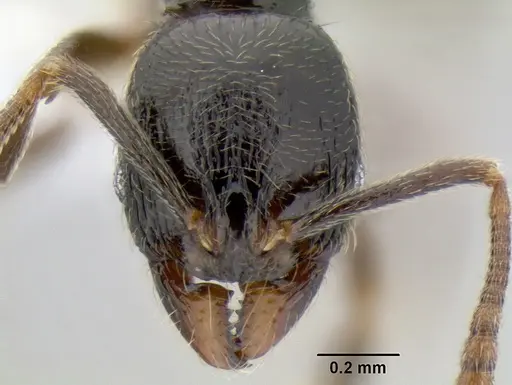
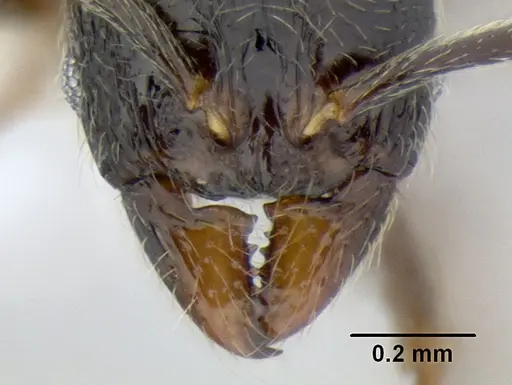
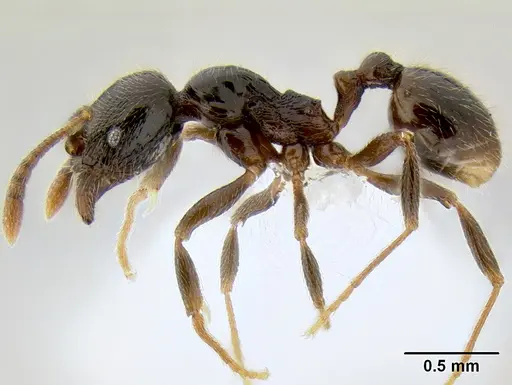
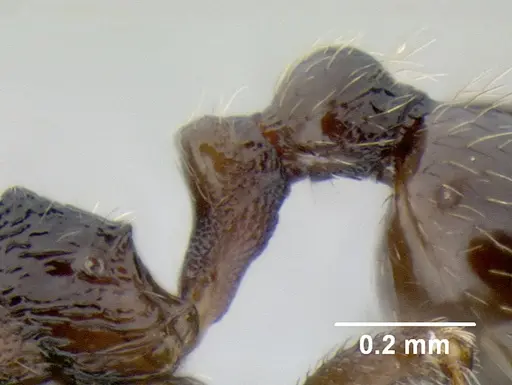
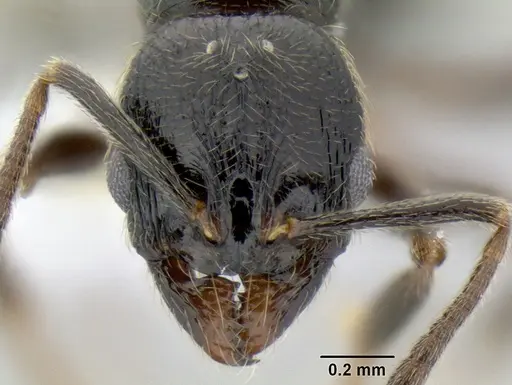
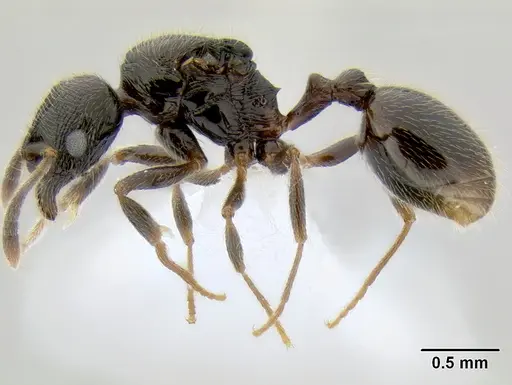
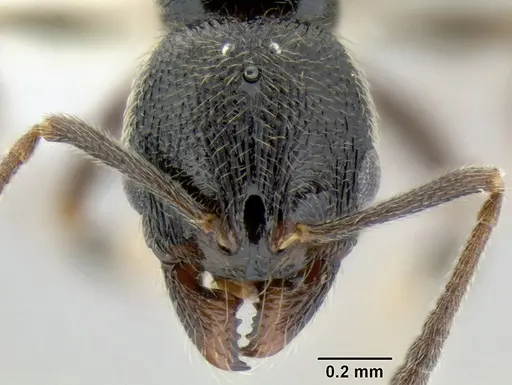
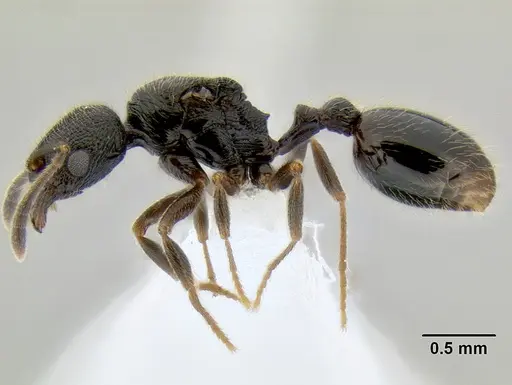
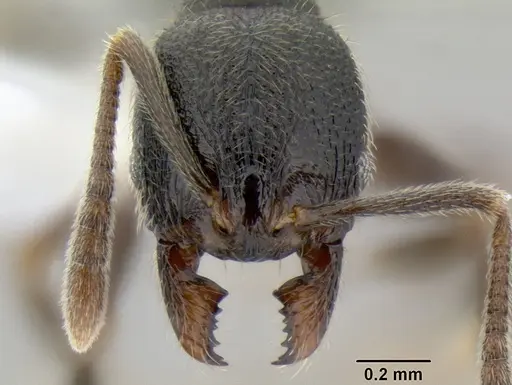
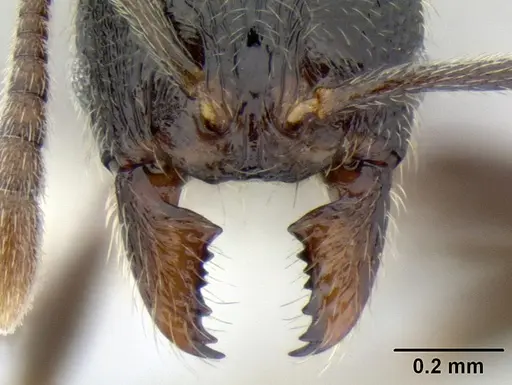
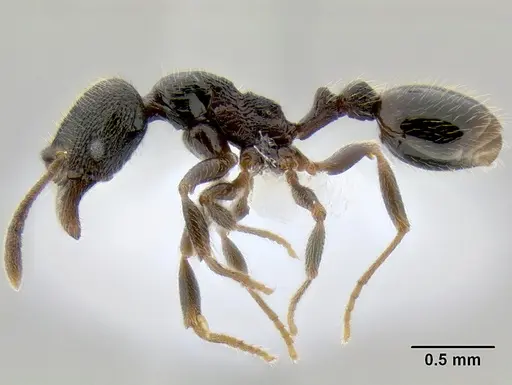
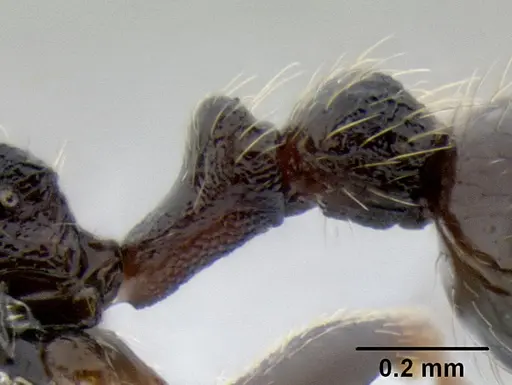
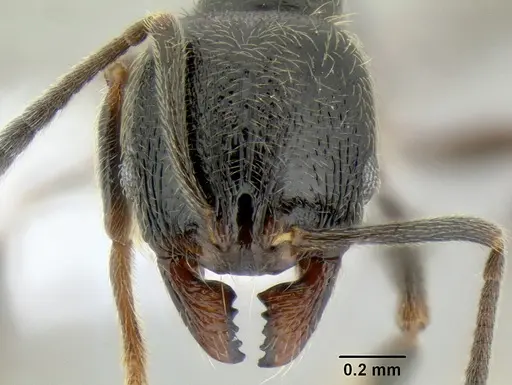
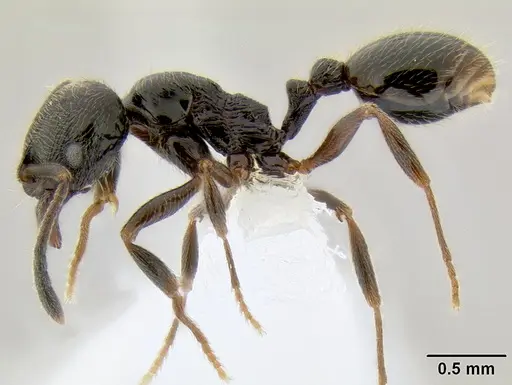
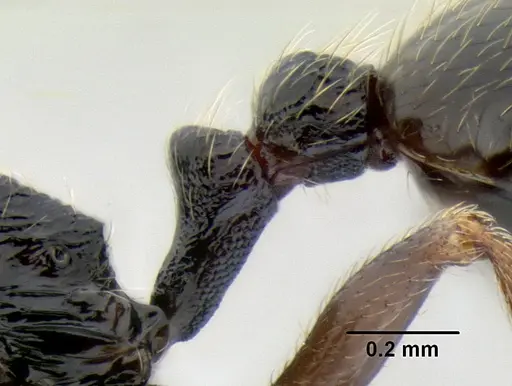
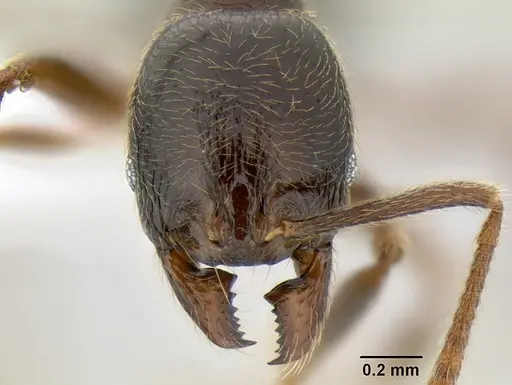
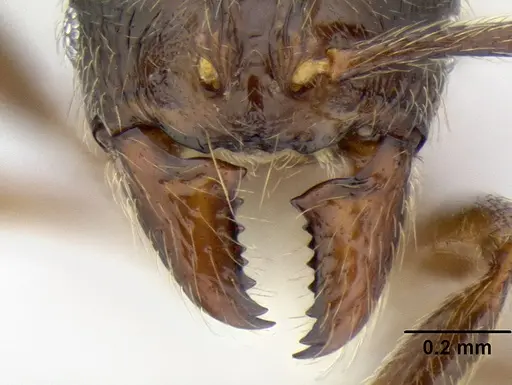
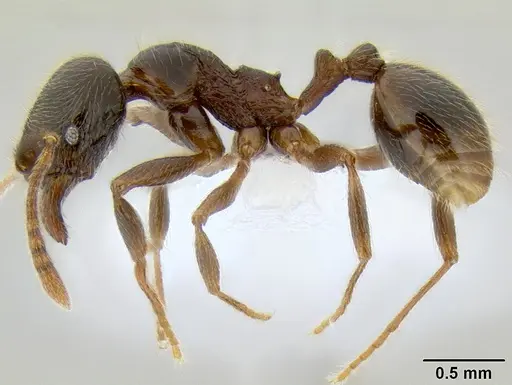
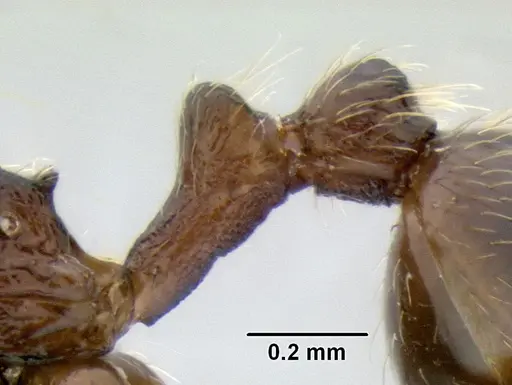
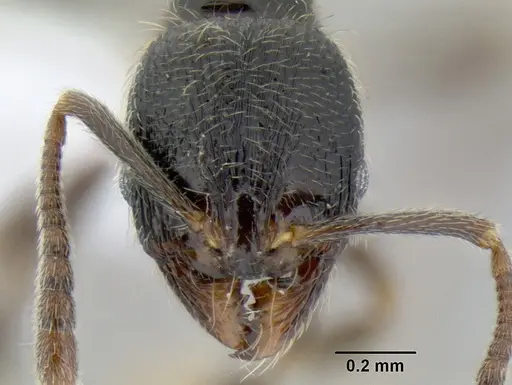
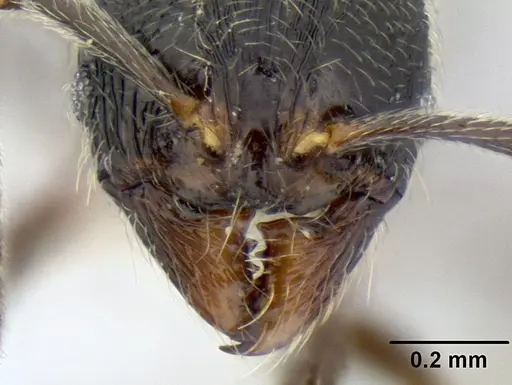
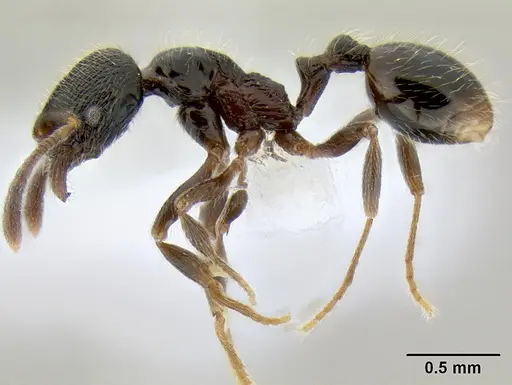
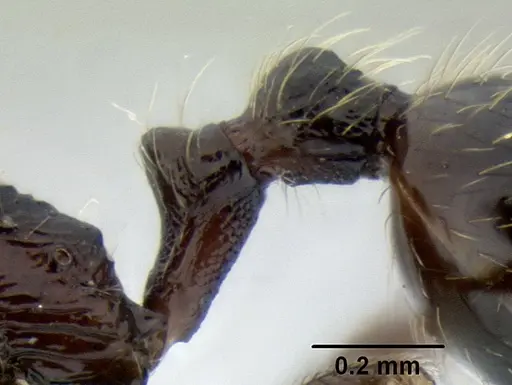
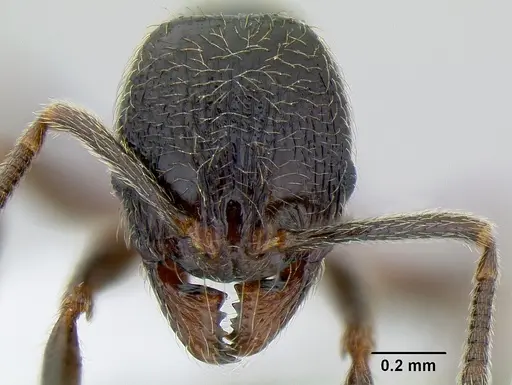
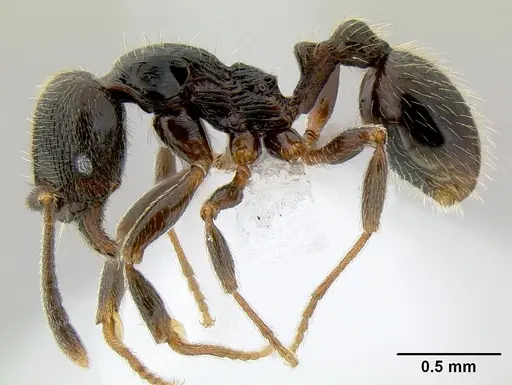
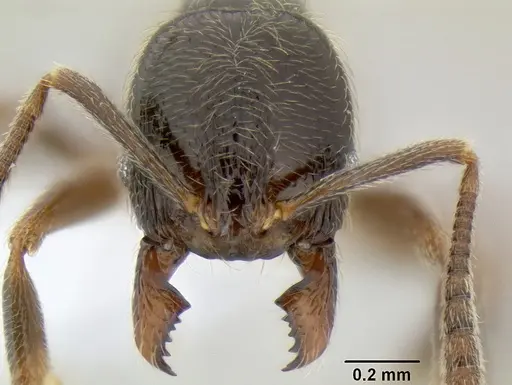
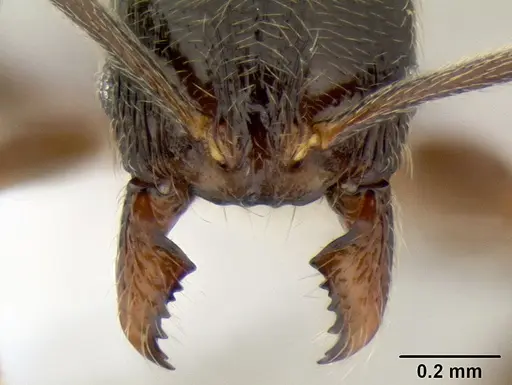
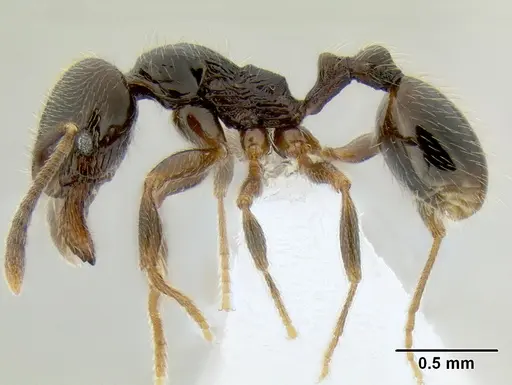
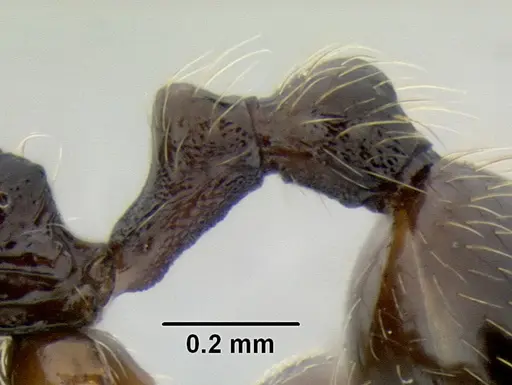
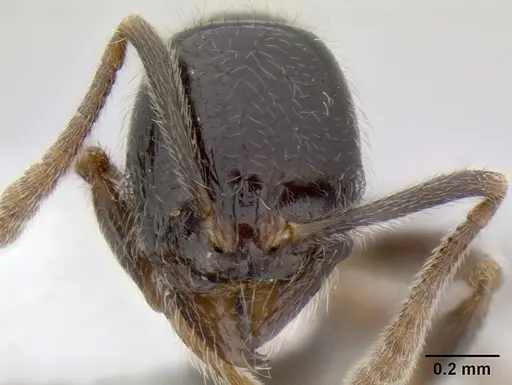
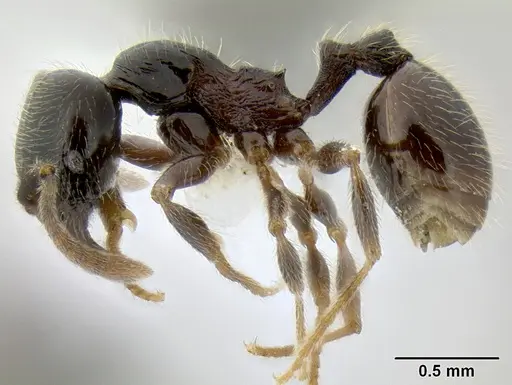
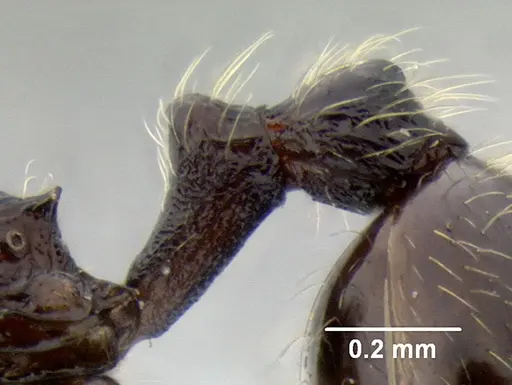
Stenamma maximon is a medium-sized ant species native to the high elevation wet forests of southern Mexico through Honduras. Workers measure 0.67-0.86mm in head length and have a distinctive dark brown to black body with a noticeably bulging postpetiole that appears larger than the petiolar node [1]. This species is one of the most common leaf-litter ants in its range, found at elevations between 1700-2800 meters in cloud forests and wet oak-pine forests [1]. The species was described in 2013 by Michael Branstetter and named after the folk saint Maximón worshipped in highland Guatemala [2].
What makes S. maximon interesting is its dual foraging strategy, while it nests in rotting wood within the leaf litter like many Stenamma species, workers also forage actively on the surface and are commonly attracted to cookie baits [2]. This makes them more observable than many other leaf-litter ants that remain hidden. They represent a great 'window into the forest floor' for antkeepers interested in observing natural foraging behaviors.
Quick Summary
- Difficulty: Medium
- Origin & Habitat: High elevation wet forests of southern Mexico to Honduras, ranging from 1700-2800m in cloud forest, wet oak forest, hardwood forest, and wet oak-pine forest habitats [1][2]
- Colony Type: Likely single-queen colonies (monogyne), typical for the genus Stenamma. Colony size is unknown but related species suggest moderate colonies of several hundred workers.
- Colony: Monogyne
- Founding: Claustral
- Size & Growth:
- Queen: 0.73-0.84mm head length [2]
- Worker: 0.67-0.86mm head length,0.84-1.09mm mesosoma length [1][2]
- Colony: Unknown but estimated 200-500 workers based on similar Stenamma species
- Growth: Moderate, inferred from typical Stenamma development patterns
- Development: Estimated 8-12 weeks at optimal temperature based on genus-level data for similar Myrmicinae (Development time is estimated as no specific study exists for this species. Expect slower growth than tropical species due to highland origin.)
- Antkeeping:
- Temperature: Keep at 18-22°C. This is a high-elevation cloud forest species that prefers cooler temperatures than typical tropical ants. Avoid temperatures above 25°C
- Humidity: High humidity required, aim for 70-85%. These ants come from constantly damp cloud forest leaf litter. Keep the nest substrate consistently moist but not waterlogged
- Diapause: Likely yes, as a high elevation species from a seasonal environment, they probably require a winter rest period. However, specific diapause requirements are unconfirmed.
- Nesting: Natural nesting in small rotting logs and under rocks within leaf litter. In captivity, a naturalistic setup with moist substrate and small chambers works well, or a Y-tong/plaster nest with good moisture retention
- Behavior: Workers are active foragers that search both within leaf litter and on the surface. They are not aggressive and will flee rather than engage. Their moderate size and active foraging make them interesting to observe. Escape risk is moderate, use standard barriers but fine mesh is not critical as they're not among the smallest ants.
- Common Issues: high humidity needs mean mold can be a problem if ventilation is poor, cool temperature requirements can be challenging in warm climates without climate control, slow growth may frustrate beginners expecting fast development, wild-caught colonies may contain parasites that can devastate captive colonies, test tube setups may dry out too quickly, naturalistic or frequently rehydrated setups work better
Housing and Nest Setup
Stenamma maximon does well in naturalistic setups that mimic its leaf-litter habitat. A container filled with moist forest floor substrate (a mix of soil, leaf litter, and small rotting wood pieces) allows workers to forage naturally and creates the humidity they need. Alternatively, a Y-tong (acrylic) nest with moist plaster works well, just ensure the chambers are appropriately sized for these medium-sized ants. Avoid large, open spaces, they prefer tight, enclosed areas. A small outworld for foraging completes the setup. Because they forage on the surface, you'll see them actively hunting and exploring more than many other leaf-litter species. [1][2]
Temperature and Humidity
This is a cool-climate species from high elevation cloud forests. Keep temperatures in the 18-22°C range, this is significantly cooler than most tropical ant species. If your room temperature runs warm, you may need to keep them in a cooler area or use a very gentle cooling method. High humidity is essential: aim for 70-85% relative humidity. The nest substrate should stay consistently moist but never waterlogged. A water reservoir connected to the nest helps maintain moisture over time. Mist the outworld occasionally but focus on keeping the nest area humid. Poor ventilation combined with high humidity causes mold, so ensure some air flow while maintaining moisture. [2]
Feeding and Diet
In the wild, S. maximon workers are generalist foragers that hunt small invertebrates in leaf litter and also scavenge. They are attracted to sweet baits like cookie crumbs in the wild, showing they'll opportunistically feed on carbohydrates [2]. In captivity, offer a varied diet: small live prey like fruit flies, pinhead crickets, or small mealworms for protein, and sugar water, honey, or diluted syrup for carbohydrates. Feed protein 2-3 times per week and keep a constant sugar source available. Remove uneaten prey after 24-48 hours to prevent mold. These ants are active foragers, so they benefit from regular feeding schedules that allow them to hunt.
Colony Development
A mature colony likely reaches several hundred workers over 2-3 years under good conditions. The first workers (nanitics) will be smaller than mature workers, which is normal. Growth is moderate, don't expect the rapid expansion seen in some tropical species. Queens areclaustral founders, meaning they seal themselves in a chamber and raise the first brood without leaving to forage, living off stored fat reserves until workers emerge. The founding process takes several months. Be patient during colony establishment, high elevation species typically develop more slowly than lowland tropics. [2]
Seasonal Care and Winter Rest
As a species from 1700-2800m elevation in seasonal cloud forests, S. maximon likely experiences cooler temperatures and some seasonal variation in the wild. While specific diapause requirements are unconfirmed, it's safest to provide a cooler period during winter months (roughly 10-15°C for 2-3 months). Reduce feeding during this time and keep the nest slightly cooler but not cold. This mimics natural conditions and may help trigger proper seasonal cycles. Do not feed heavily or expect much growth during the winter rest period. [2]
Frequently Asked Questions
Is Stenamma maximon a good beginner ant?
Stenamma maximon is a medium-difficulty species. While not the hardest ant to keep, its specific temperature and humidity requirements (cool, humid conditions) make it better suited for keepers who already have some experience maintaining stable conditions. Beginners might struggle with keeping temperatures low enough and humidity high enough consistently.
What temperature do Stenamma maximon ants need?
Keep them at 18-22°C. This is a high-elevation cloud forest species that prefers cooler temperatures than most ant species. Avoid temperatures above 25°C, as this could stress or kill the colony. If your room is warm, find a cooler location or use careful cooling methods.
How long does it take for Stenamma maximon to raise first workers?
Estimated 8-12 weeks from egg to first worker at optimal temperature (around 20°C). This is slower than many tropical species due to their highland origin. The queen will seal herself in during claustral founding and may take several months before the first nanitic workers emerge.
Can I keep multiple Stenamma maximon queens together?
Not recommended. While Stenamma is typically monogyne (single queen), combining unrelated foundresses has not been documented for this species. It's best to house each queen separately in individual founding setups.
Do Stenamma maximon ants sting?
Stenamma maximon has a functional stinger as a member of the subfamily Myrmicinae. However, they are not aggressive and will typically flee rather than defend. The sting is mild and rarely used unless the ant is directly threatened or handled roughly.
What do Stenamma maximon eat?
They are generalist foragers. Offer small live prey (fruit flies, small crickets, mealworms) for protein and sugar sources (sugar water, honey, or syrup) for carbohydrates. They readily accept both and will actively hunt in the outworld.
How big do Stenamma maximon colonies get?
Colony size is not well documented, but based on related Stenamma species, expect colonies of several hundred workers (likely 200-500) over 2-3 years of development under good conditions.
Do Stenamma maximon need hibernation?
Likely yes. As a high-elevation species from a seasonal environment, they probably benefit from a winter rest period. Provide 2-3 months at 10-15°C in winter with reduced feeding. Specific diapause requirements are unconfirmed, so monitor your colony's behavior.
Why are my Stenamma maximon dying?
Common causes include: temperatures too warm (above 25°C), humidity too low or fluctuating, mold from poor ventilation, or parasites from wild-caught colonies. Check your temperature and humidity first. If the colony was wild-caught, parasites are a common cause of decline.
When should I move Stenamma maximon to a formicarium?
Wait until the colony has at least 20-30 workers before moving to a formicarium. For this species, a naturalistic setup with moist substrate often works better than traditional formicariums anyway. They prefer tight chambers and a humid environment.
References

This caresheet is licensed under CC BY-SA 4.0 .
CASENT0603886
View on AntWeb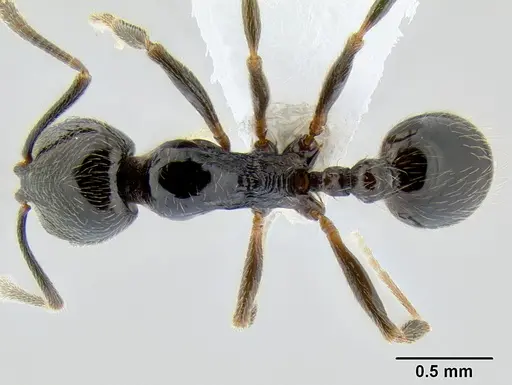
CASENT0604871
View on AntWeb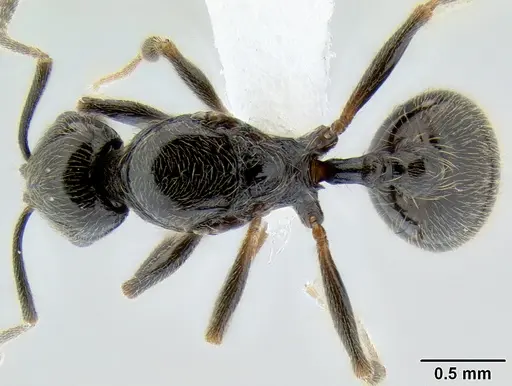
CASENT0604875
View on AntWeb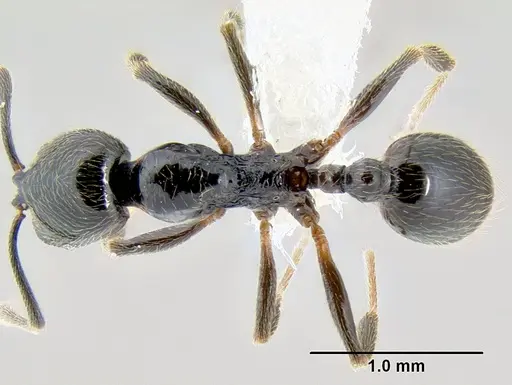
CASENT0605063
View on AntWeb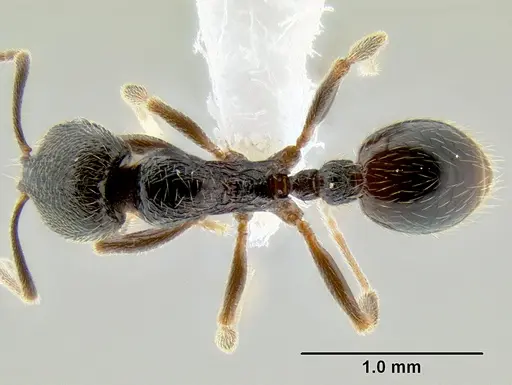
CASENT0605089
View on AntWeb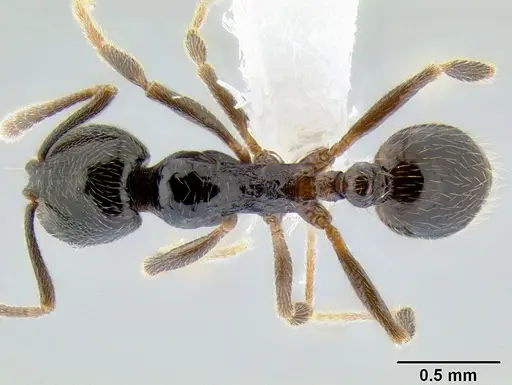
CASENT0605131
View on AntWeb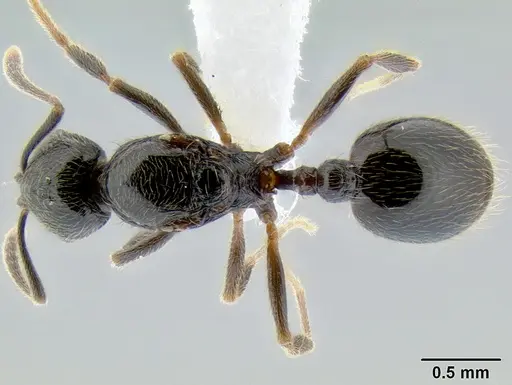
CASENT0605135
View on AntWeb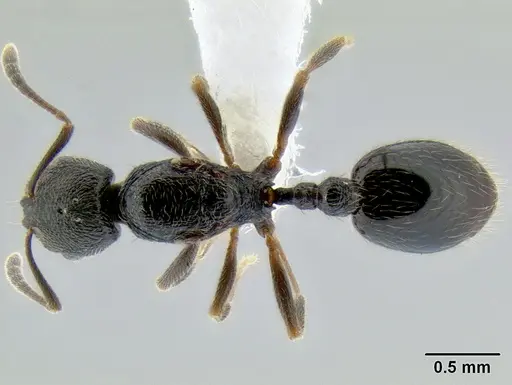
CASENT0605136
View on AntWeb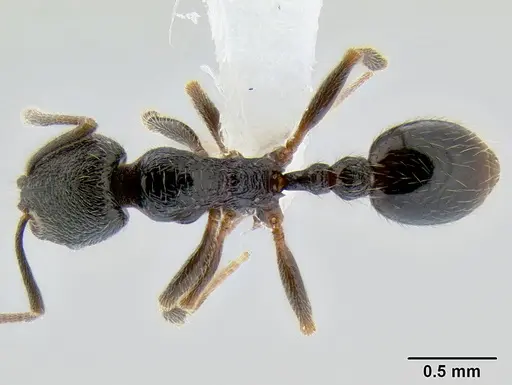
CASENT0605240
View on AntWeb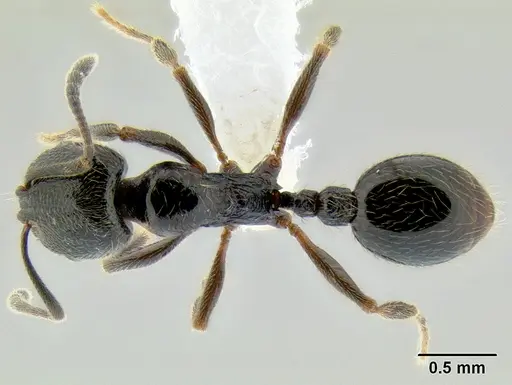
CASENT0605448
View on AntWeb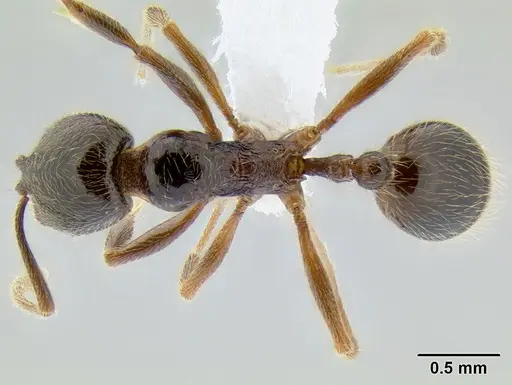
CASENT0606136
View on AntWeb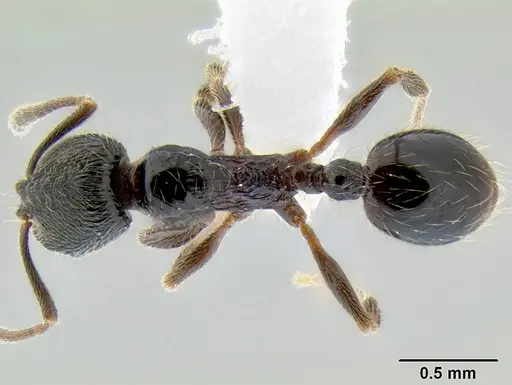
CASENT0621541
View on AntWeb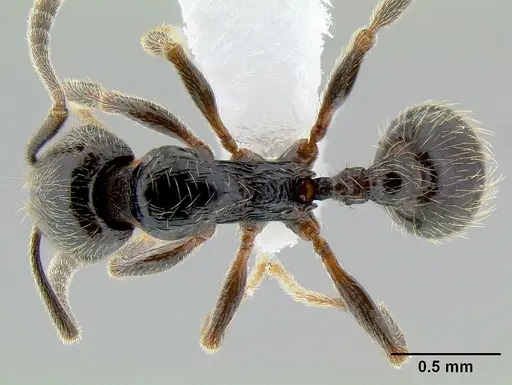
CASENT0621635
View on AntWeb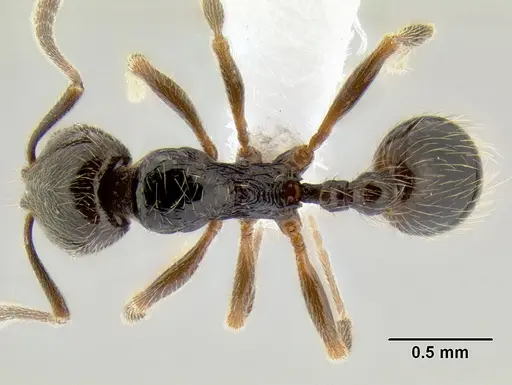
CASENT0623062
View on AntWeb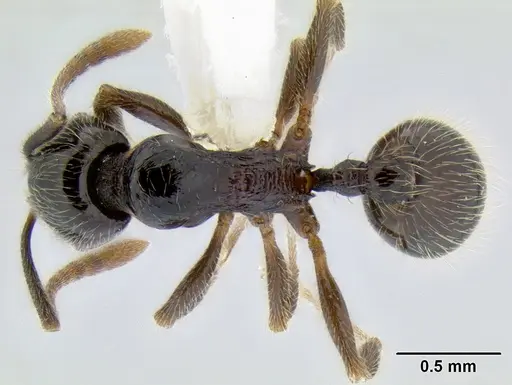
Literature
Loading...Loading products...