

Stenamma lobinodus
- Scientific Name
- Stenamma lobinodus
- Tribe
- Stenammini
- Subfamily
- Myrmicinae
- Author
- Branstetter, 2013
- Distribution
- Found in 1 countries
Stenamma lobinodus Overview
Stenamma lobinodus is an ant species of the genus Stenamma. It is primarily documented in 1 countries , including Mexico. Detailed taxonomic data and occurrence records can be further explored via authoritative databases such as AntWeb or the Global Biodiversity Information Facility (GBIF).
Stenamma lobinodus
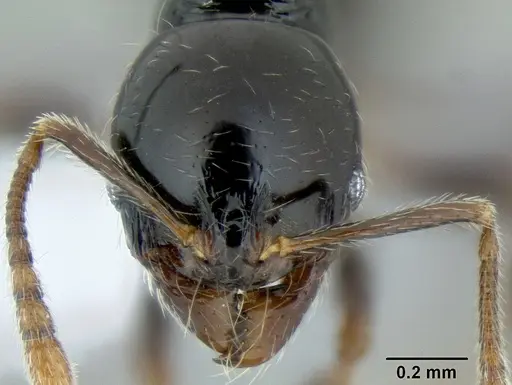
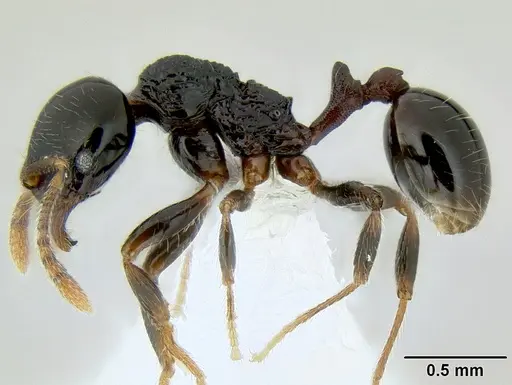
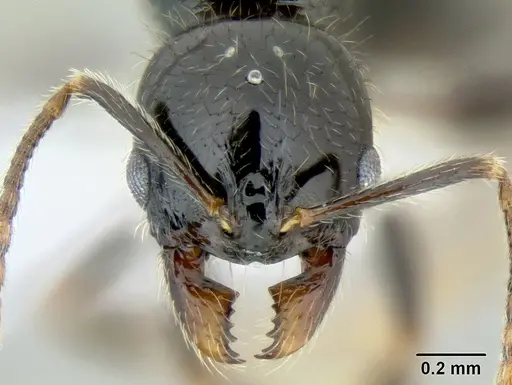
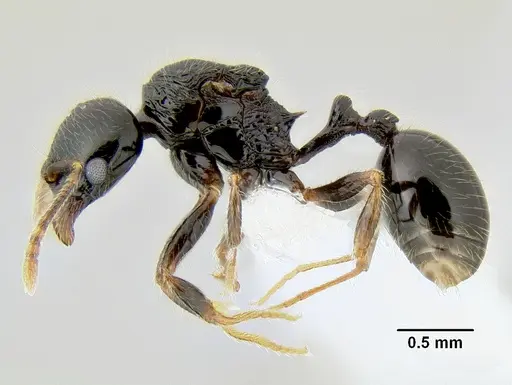
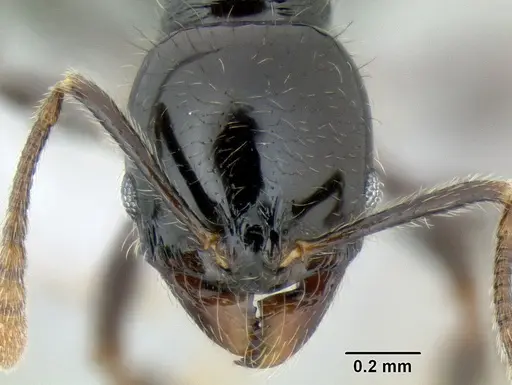
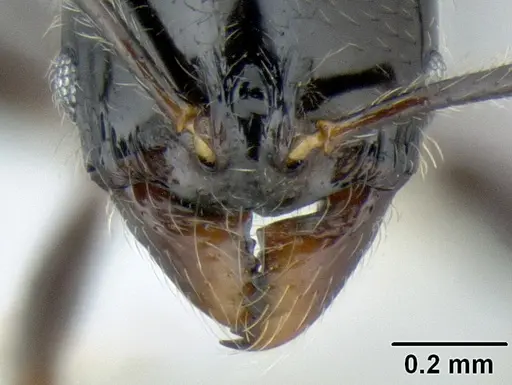
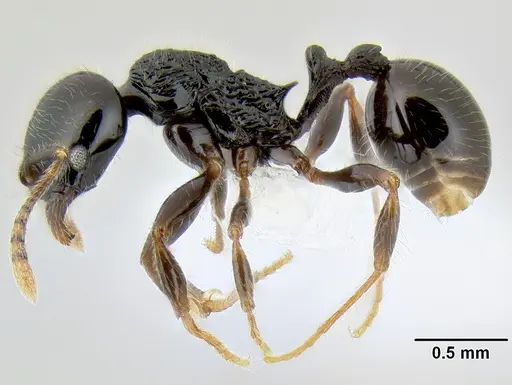
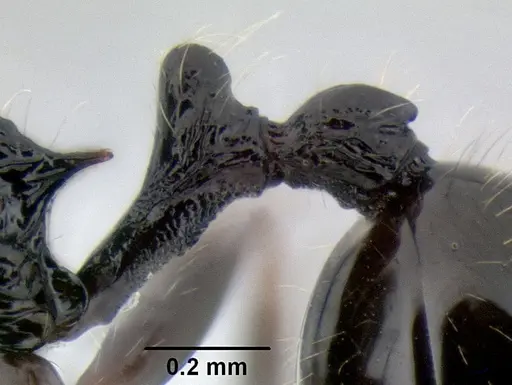
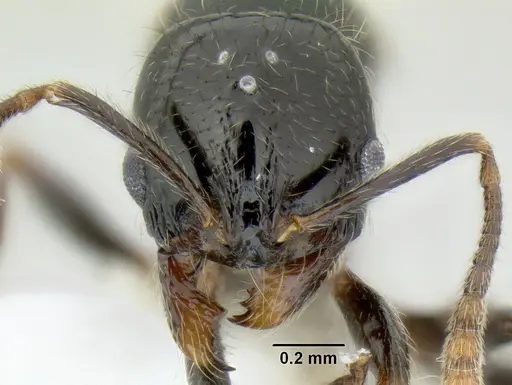
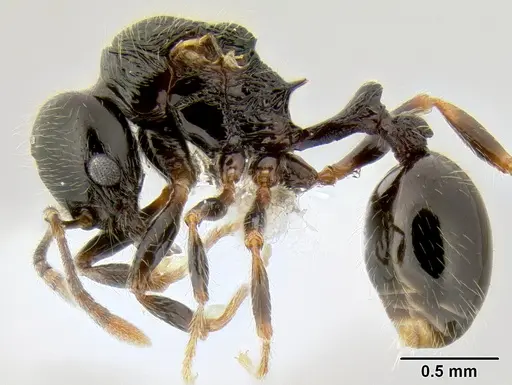
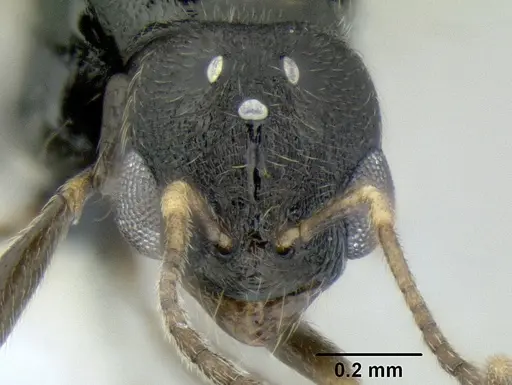
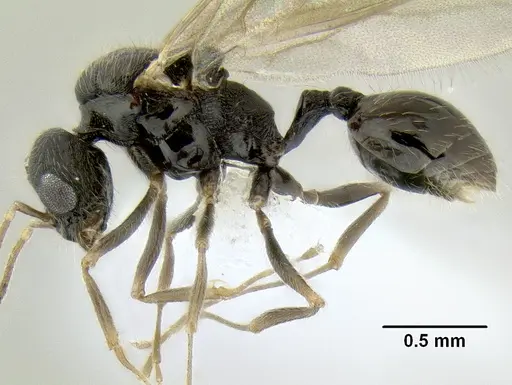
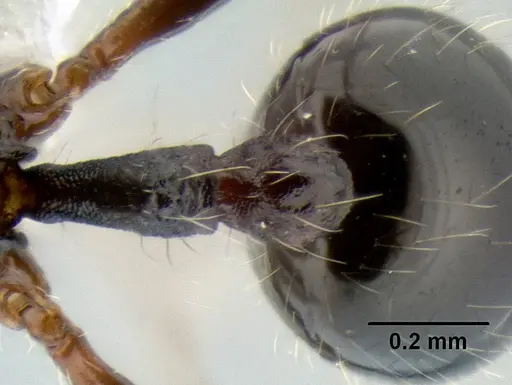
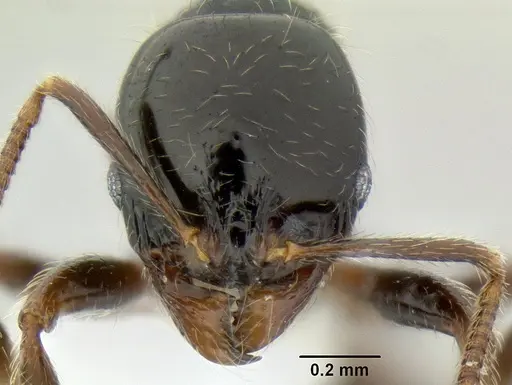
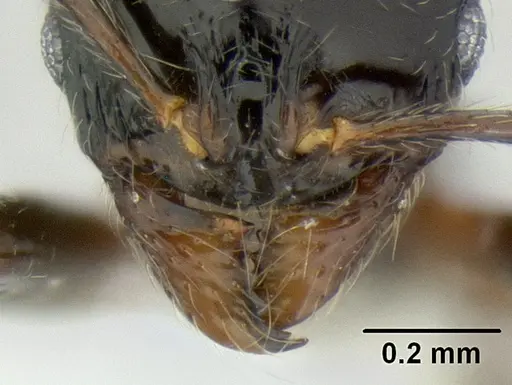
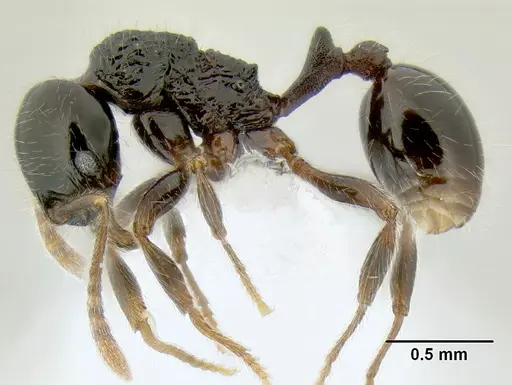
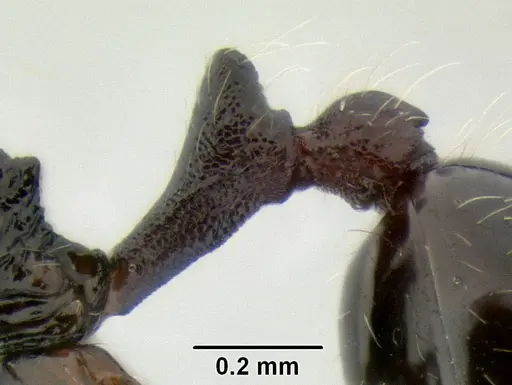
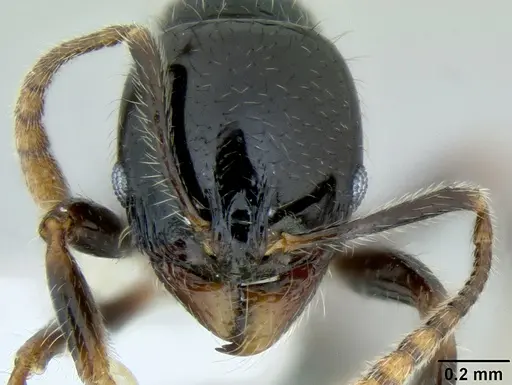
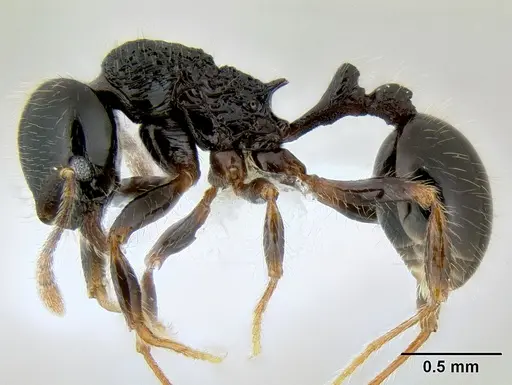
Stenamma lobinodus is a medium-sized ant species native to the montane forests of northeastern Mexico. Workers measure approximately 0.65-0.81mm in head length and have a distinctive appearance: their body is black to brown-black and shiny, with coarse rugose sculpture on the mesosoma. The most recognizable features are the asymmetrical promesonotum (the middle body section slopes differently on each side) and a unique lobe on the postpetiole that projects backward over the abdomen. This species belongs to the lobinodus group, which includes only two other closely related species (S. llama and S. tiburon), all characterized by this unusual postpetiolar lobe. The species name 'lobinodus' literally means 'lobe node' in reference to this distinctive feature [1][2].
This is one of the most poorly known ants in captivity, in fact, no complete nests have ever been collected in the wild. The only known observation of a worker was a single forager seen on a mud/clay bank in the El Cielo reserve, suggesting they may nest in earthen banks similar to their close relative Stenamma diversum. They are mid-elevation specialists, found between 860 and 1620 meters in the Sierra Madre Oriental mountains [1][2].
Quick Summary
- Difficulty: Expert
- Origin & Habitat: Northeastern Mexico (Tamaulipas, Oaxaca, Queretaro, San Luis Potosi) in montane mesophyll forests at elevations of 860-1620m. The type locality is El Cielo Biosphere Reserve in Tamaulipas at 1570m elevation [2][1].
- Colony Type: Unknown, no wild colonies have ever been collected or documented. The colony structure (single queen vs multiple queens) is completely unconfirmed. Based on related Stenamma species, they likely form small colonies with a single queen, but this is entirely speculative.
- Size & Growth:
- Queen: 0.71-0.77mm head length [2], estimated from described specimens
- Worker: 0.65-0.81mm head length [2][1]
- Colony: Unknown, no colony data exists. Based on related Stenamma species, likely under 500 workers
- Growth: Unknown, no development data exists for this species
- Development: Unknown, no direct observations. Estimates based on related Stenamma species suggest 8-12 weeks at optimal temperature, but this is a rough guess (No development data exists for this species. Related Stenamma species typically take 2-3 months from egg to first worker at room temperature)
- Antkeeping:
- Temperature: Keep cool, aim for 18-22°C. This species comes from mid-elevation Mexican forests where temperatures are mild year-round. Avoid overheating
- Humidity: High humidity required, these are forest floor ants from wet montane habitats. Keep the nest substrate consistently moist but not waterlogged. Provide a water tube at all times
- Diapause: Likely required, based on the temperate Mexican distribution, colonies probably need a winter rest period. Reduce temperature to 10-15°C for 2-3 months
- Nesting: Based on the single forager observation and related species, they likely nest in clay banks or soil. In captivity, a naturalistic setup with moist soil and a small chamber system would be most appropriate. Y-tong nests may work if kept very humid
- Behavior: No behavioral observations exist for this species in captivity. In the wild, a single worker was observed foraging on a mud bank, suggesting they are ground-foragers that hunt small invertebrates. Based on related species, they are likely non-aggressive and secretive. Escape risk is moderate, workers are small but not among the tiniest ants. Standard escape prevention (Fluon on edges) should suffice.
- Common Issues: No established captive husbandry, this species has never been kept successfully in captivity, so all care is experimental, No wild colonies available, the only way to establish a colony would be to find a queen during nuptial flights, but flight timing is completely unknown, Slow growth expected, even with proper care, development will likely be slow based on genus patterns, High humidity requirements, these forest ants are prone to mold problems if ventilation is inadequate, Temperature sensitivity, coming from mild montane habitats, they may be sensitive to overheating
Why This Species Is So Challenging
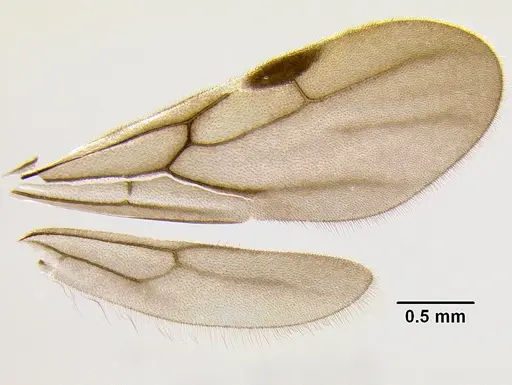
Stenamma lobinodus is one of the rarest ants in the antkeeping hobby, and for good reason: no one has ever collected a complete nest in the wild. Every other ant species in this caresheet has at least some documented colony structure, nesting behavior, or captive observations. Not this one. The only biological data we have comes from a handful of workers and queens preserved in museum collections, plus a single observation of a forager on a mud bank [1][2].
This means you're entering truly uncharted territory. Everything in this caresheet is either inferred from related species (like Stenamma diversum, which has similar morphology and habitat) or based on general Stenamma genus patterns. There's no established husbandry protocol, no success stories to learn from, and no way to verify if your care is working until months or years pass. If you're looking for a species with established care guidelines, this is not it. But if you're interested in pioneering the husbandry of a species that has never been kept before, this could be an exciting challenge [1].
Natural History and Habitat
Stenamma lobinodus is endemic to northeastern Mexico, specifically the Sierra Madre Oriental mountain range. They've been collected in the states of Tamaulipas, Oaxaca, Queretaro, and San Luis Potosi at elevations between 860 and 1620 meters [2][1]. This makes them a mid-elevation specialist, they're not lowland tropical ants, and they're not high-altitude specialists either. They occupy a narrow climatic band.
The type locality (where the first specimens were collected) is El Cielo Biosphere Reserve in Tamaulipas, one of the last remaining cloud forests in northern Mexico. This habitat is characterized by high humidity, dense vegetation, and mild temperatures that rarely get extreme in either direction. The forest floor is typically moist, with leaf litter and decaying wood providing microhabitats for small invertebrates [1].
The only behavioral observation in the wild was a single worker seen foraging on a mud/clay bank bordering a road, this suggests S. lobinodus may nest in earthen banks or similar soil structures, much like the related species S. diversum. Both species share similar body sculpture and coloration, and likely share nesting preferences [1].
Temperature and Care
Based on the montane Mexican habitat, keep these ants cool compared to typical tropical species. Aim for 18-22°C in the nest area, this is warmer than outdoor temperatures at elevation but within their tolerance range. A slight temperature gradient (warmer on one end) allows the colony to self-regulate.
Because no one has kept this species before, start conservative with temperatures. If the colony seems sluggish, you can gradually increase warmth slightly. But avoid the temptation to keep them warm like tropical ants, they're adapted to cooler, more temperate conditions. Room temperature (around 20°C) may actually be ideal.
During winter, reduce temperatures to 10-15°C for 2-3 months to simulate seasonal dormancy. This is based on the temperate Mexican distribution, even though they're not far north, the elevation means colder winters. The colony will likely reduce activity during this period, which is normal [1].
Housing and Nesting
Since we've never observed a nest of this species, we're extrapolating from related species. The forager observation on a mud bank suggests they nest in soil or clay banks, a common pattern in the genus Stenamma. In captivity, a naturalistic setup with moist soil would be the most biologically appropriate choice.
Use a substrate of mixed soils (topsoil and sand) kept consistently moist but not waterlogged. The depth should allow for chamber construction, aim for at least 5-8cm of substrate. You can add small pieces of rotting wood or leaf litter to provide enrichment, but avoid large decorations that take up foraging space.
Alternatively, a Y-tong (acrylic) nest can work if you maintain very high humidity. These ants need moisture, a dry nest will kill them. Place a water tube connected to the nest chamber and check moisture levels daily. However, naturalistic setups are probably better given how little we know about their needs [1][2].
Feeding and Diet
The diet is completely unconfirmed for this species, but based on Stenamma genus patterns, they're likely generalist omnivores that primarily hunt small invertebrates. The related Stenamma diversum is known to nest in similar habitats and likely has similar foraging habits.
For a newly caught queen or small colony, offer small live prey items: fruit flies, springtails, and other tiny arthropods. These ants are small (workers are under 1mm), so prey should be appropriately sized. You can also offer a small drop of diluted honey or sugar water, but acceptance is uncertain, many Stenamma species prefer protein over sugar.
Feed small prey items every 2-3 days, removing any uneaten prey after 24 hours to prevent mold. As the colony grows, you can offer slightly larger prey like small mealworms or cricket legs. But keep portions small, these are not large ants, and they likely maintain small colonies [1][3].
Finding a Queen
Since no captive colonies exist, the only way to establish one would be to catch a queen during nuptial flights. Unfortunately, we have no data on when these flights occur. The related Stenamma species in temperate regions typically have mating flights in summer months, but this is just a guess for S. lobinodus.
If you find a dealate queen in the Mexican wild (during field work in the Sierra Madre Oriental), you would need to house her in a founding setup: a small test tube with a water reservoir, kept dark and undisturbed. Based on typical Stenamma patterns, she would likely seal herself into a chamber and raise the first brood claustrally (living off her stored fat reserves). But again, this is inferred, not confirmed.
This species is not available from any commercial ant suppliers, and establishing a colony would require field work in Mexico, which would also require appropriate collecting permits [1][2].
Frequently Asked Questions
Can I buy Stenamma lobinodus ants?
No, this species is not available in the antkeeping hobby. No captive colonies exist, and they've never been collected in sufficient numbers to establish a breeding population. The only way to obtain this species would be to catch a queen in the wild during nuptial flights in Mexico, but flight timing is completely unknown, and you'd need collecting permits [1][2].
How do I keep Stenamma lobinodus?
No one knows, this species has never been kept in captivity. All care recommendations are experimental guesses based on related species. If you somehow obtain a queen, the safest approach is: keep her in a small, humid test tube setup at 18-22°C, offer small live prey once workers emerge, and maintain high substrate moisture in a naturalistic setup as the colony grows [1].
What do Stenamma lobinodus eat?
Unknown for this specific species, but likely small invertebrates like other Stenamma. Based on genus patterns, they probably hunt springtails, tiny beetles, and other forest floor arthropods. Offer small live prey (fruit flies, springtails) and a small drop of sugar water. Remove uneaten prey after 24 hours [1][3].
Do Stenamma lobinodus ants sting?
Stenamma species are not known for stinging. They are small, secretive ants that rely on stealth rather than defense. However, they may bite if handled roughly. The Myrmicinae subfamily includes many species with stingers, but Stenamma are not particularly aggressive [3].
How big do Stenamma lobinodus colonies get?
Unknown, no colony size data exists. Based on related Stenamma species, they likely reach a few hundred workers at most. The genus is not known for large colonies like some Myrmicinae. Expect slow growth and small colony sizes [1].
What temperature do Stenamma lobinodus need?
Keep them cool: 18-22°C. This species comes from mid-elevation Mexican forests where temperatures are mild. Avoid overheating, room temperature is probably ideal. During winter, reduce to 10-15°C for a dormancy period [1].
Do Stenamma lobinodus need hibernation?
Likely yes, based on the temperate Mexican distribution. Reduce temperatures to 10-15°C for 2-3 months during winter. This simulates the cooler conditions at elevation during the dry season. The colony will likely reduce activity during this time [1].
How long does it take for Stenamma lobinodus to develop from egg to worker?
Unknown, no development data exists for this species. Based on related Stenamma species, expect 8-12 weeks at optimal temperature (around 20°C). But this is a rough estimate with low confidence. Development will likely be slow [1].
Are Stenamma lobinodus good for beginners?
Absolutely not. This is an expert-level species at best, and more accurately, it's a species for pioneering biologists. No captive husbandry protocol exists, no colonies are available, and everything about keeping them is unknown. Start with established species like Lasius, Camponotus, or Tetramorium before attempting something this obscure [1].
Where does Stenamma lobinodus live?
Only in northeastern Mexico, specifically the Sierra Madre Oriental mountains in Tamaulipas, Oaxaca, Queretaro, and San Luis Potosi. They live at mid-elevations (860-1620m) in montane cloud forests. The type locality is El Cielo Biosphere Reserve in Tamaulipas [2][1].
References

This caresheet is licensed under CC BY-SA 4.0 .
CASENT0605571
View on AntWeb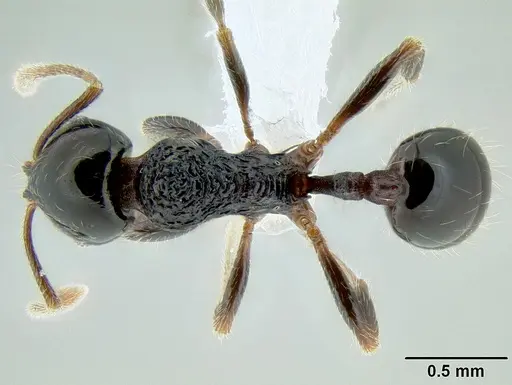
CASENT0605638
View on AntWeb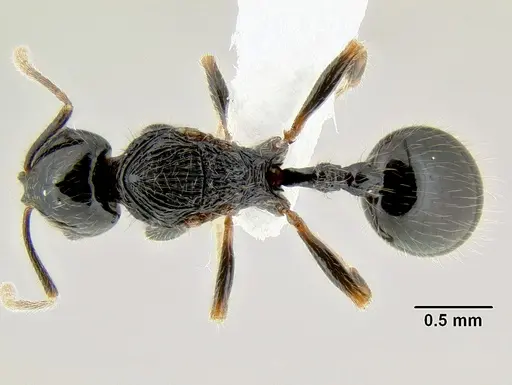
CASENT0605658
View on AntWeb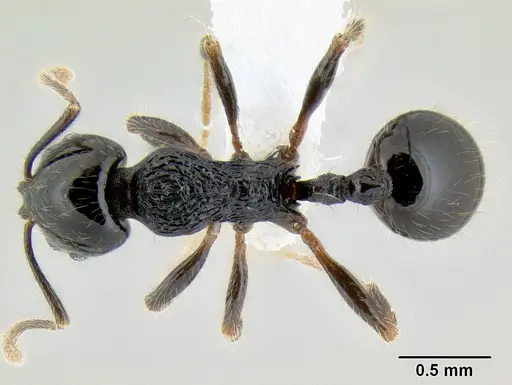
CASENT0605697
View on AntWeb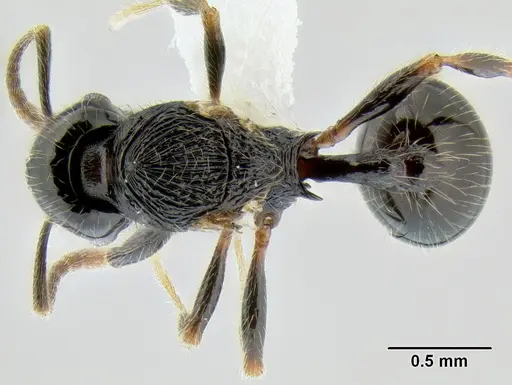
CASENT0605698
View on AntWeb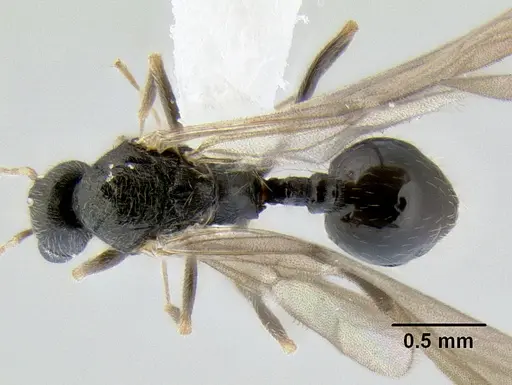
CASENT0605814
View on AntWeb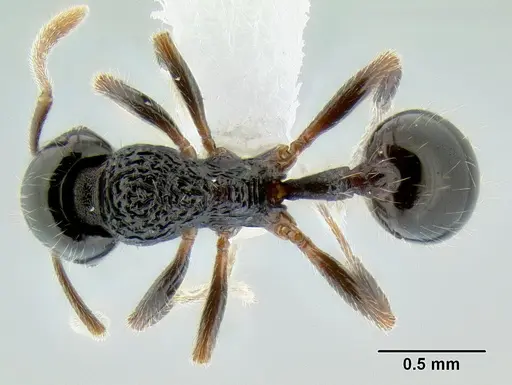
CASENT0622422
View on AntWeb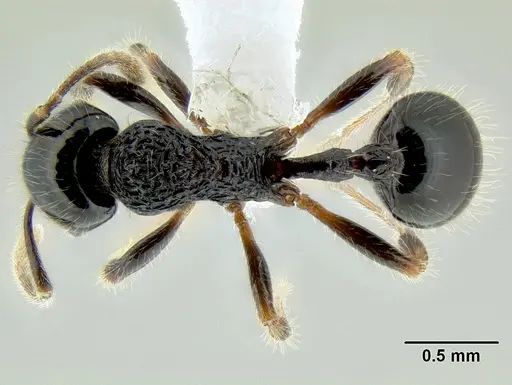
Literature
Loading...Loading products...