

Stenamma llama
- Scientific Name
- Stenamma llama
- Tribe
- Stenammini
- Subfamily
- Myrmicinae
- Author
- Branstetter, 2013
- Distribution
- Found in 2 countries
Stenamma llama Overview
Stenamma llama is an ant species of the genus Stenamma. It is primarily documented in 2 countries , including Guatemala, Mexico. Detailed taxonomic data and occurrence records can be further explored via authoritative databases such as AntWeb or the Global Biodiversity Information Facility (GBIF).
Stenamma llama
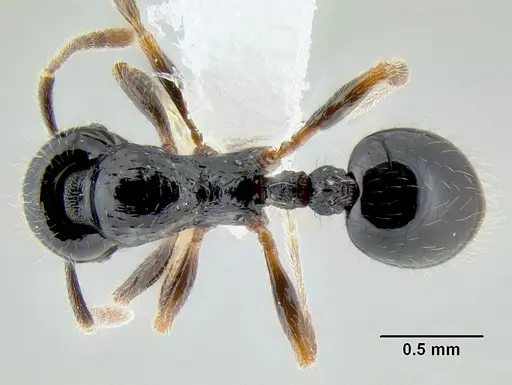
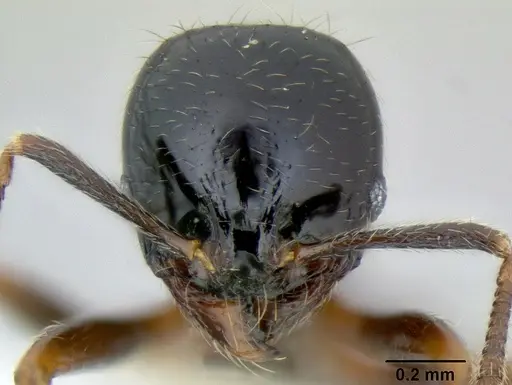
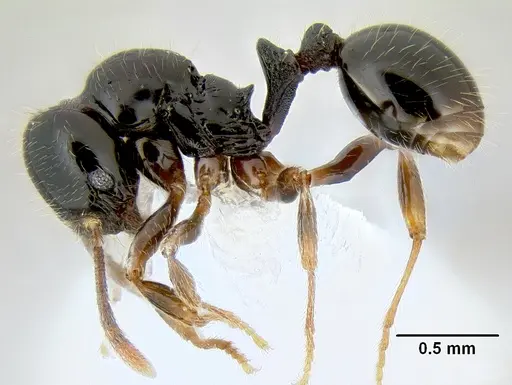
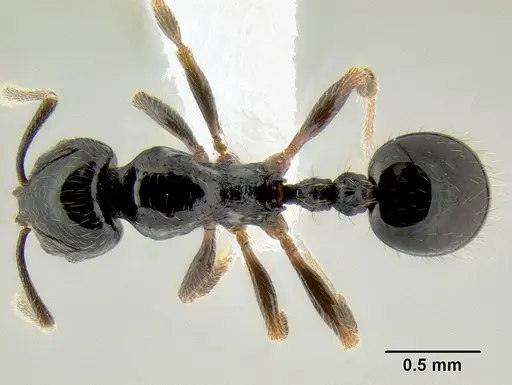
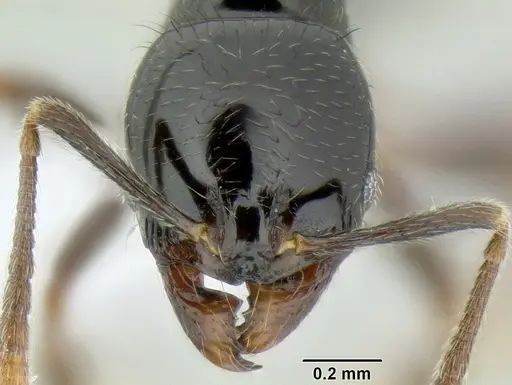
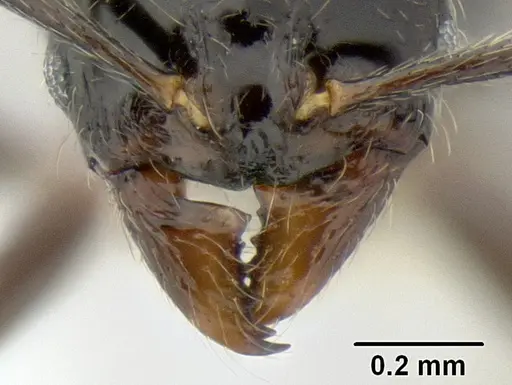
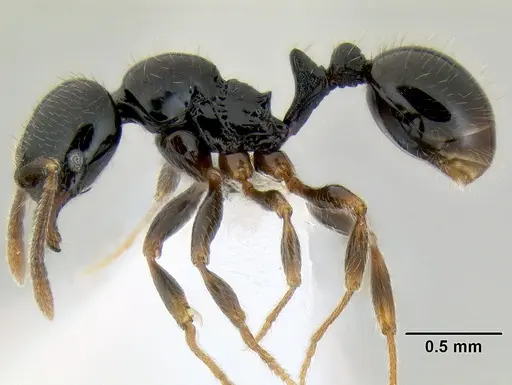
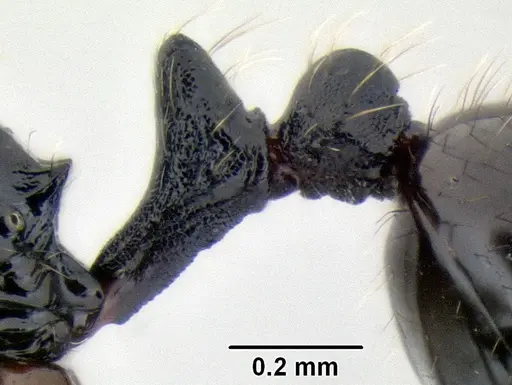
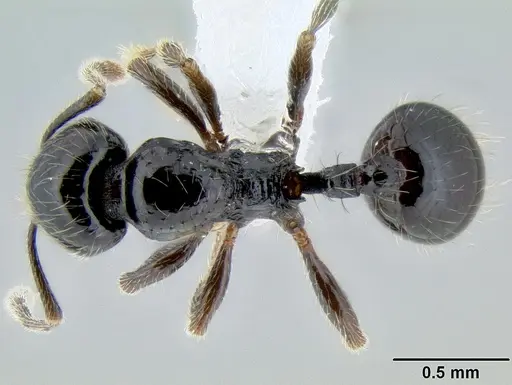
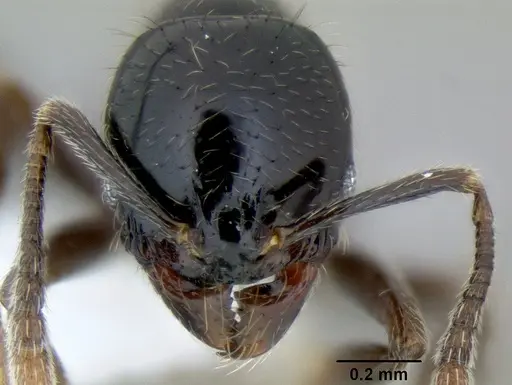
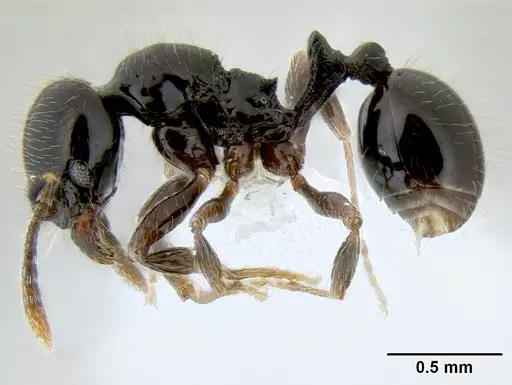
Stenamma llama is a small to medium-sized ant with a dark black to brown-black body and smooth, shiny integument. Workers measure 0.59-0.72mm in head length, making them one of the smaller Stenamma species. The species has a compact mesosoma with a distinctly bulging promesonotum, tall robust petiolar nodes, and short propodeal spines. This is an extremely rare species known only from cloud forests in southern Mexico and Guatemala, living at elevations between 1100m and 1600m. The completely smooth and shiny body surface suggests it nests in very wet microhabitats, likely deep within the forest floor litter [1][2].
What makes S. llama particularly interesting is its extreme rarity, researchers collected only six specimens from over 100 leaf litter samples at the Guatemala site, making it one of the most difficult Stenamma species to find. The species name 'llama' honors the Leaf Litter Arthropods of MesoAmerica (LLAMA) project responsible for its discovery [2].
Quick Summary
- Difficulty: Expert
- Origin & Habitat: Cloud forests of southern Mexico (Oaxaca) and Guatemala at 1100-1600m elevation. All specimens have been collected from sifted leaf litter on the forest floor, except one found at a cookie bait card [1][2].
- Colony Type: Unknown, only worker caste has been described. No queens or colony structure data exists for this species. Based on genus patterns, likely single-queen colonies but this is unconfirmed.
- Size & Growth:
- Queen: Unknown, queen caste has not been described [2]
- Worker: 0.59-0.72mm HL,0.56-0.69mm HW [2]
- Colony: Unknown, only six workers have ever been collected [2]
- Growth: Unknown
- Development: Unknown, no development data exists for this species (Development timeline unconfirmed. Based on related Stenamma species, expect 6-10 weeks at optimal temperature but this is an estimate)
- Antkeeping:
- Temperature: Keep around 18-22°C, this species comes from cool cloud forest elevations and does not tolerate heat well. Avoid temperatures above 25°C [1][2]
- Humidity: High humidity is critical. The smooth, shiny integument indicates nesting in very wet microhabitats. Keep substrate consistently damp but not waterlogged. Aim for 70-85% humidity [2]
- Diapause: Unknown, no data on overwintering requirements. Cloud forests at 1100-1600m experience mild seasonal variation. Consider a cool period around 15-18°C in winter months [1]
- Nesting: Natural nesting is in damp leaf litter on the forest floor. In captivity, use a naturalistic setup with plenty of moist substrate, or a Y-tong/plaster nest with high humidity chambers. Avoid dry conditions entirely [2]
- Behavior: This is a shy, reclusive ant that forages in leaf litter. Workers are small and likely slow-moving. No aggression data exists, but Stenamma species are generally non-aggressive and flee rather than fight. Escape risk is moderate given their small size, use standard barriers [1].
- Common Issues: extreme rarity makes wild collection nearly impossible, you likely cannot acquire this species, high humidity requirements mean colonies easily die from drying out, no colony or queen information exists, keeping this species successfully would be pioneering work, slow growth expected based on genus patterns, beginners may lose patience, lack of captive care information means you're essentially experimenting
Why This Species Is So Challenging
Stenamma llama represents one of the most poorly known ants in the hobby. Scientists have only ever collected six workers from the wild, making this species exceptionally rare even in research collections. The queen caste has never been described, colony structure is completely unknown, and no one has ever successfully kept a colony in captivity. This means keeping S. llama would be genuinely pioneering work with no established protocols to follow. You would be learning through direct experimentation rather than following established care guides. This level of difficulty puts it firmly in the expert-only category, not because the ants are dangerous or aggressive, but because so little is known that success is uncertain even for experienced keepers [2].
Natural History and Habitat
S. llama is a cloud forest specialist found only in southern Mexico and Guatemala at elevations between 1100 and 1600 meters. These are cool, damp montane forests where the ants live deep within the leaf litter layer on the forest floor. The completely smooth and shiny body surface is a key identification feature that also suggests the species nests in very wet microhabitats, likely in permanently damp soil or rotting wood deep within the litter [1][2].
All known specimens come from sifted leaf litter samples, with just one exception found at a cookie bait card. This foraging behavior suggests they do come to sugar sources, but their natural diet is likely small invertebrates and honeydew from root aphids, similar to other Stenamma species. The extreme difficulty in finding them (six workers from over 100 samples) indicates they either live in very small colonies or are simply very good at staying hidden in the litter layer [2].
Temperature and Humidity Requirements
Based on the cloud forest habitat at 1100-1600m elevation, this species clearly prefers cool, stable conditions. Keep temperatures in the range of 18-22°C, avoiding anything above 25°C. A cooling setup or air-conditioned room may be necessary in warm climates. The smooth, shiny integument is a strong indicator of high humidity requirements, this is not a species that tolerates dry conditions. Keep the nest substrate consistently moist but not waterlogged, with humidity around 70-85%. A naturalistic setup with a deep layer of moist substrate works better than dry test tube arrangements [1][2].
For heating, avoid direct heat sources. If you need to create a temperature gradient, use a very gentle approach, perhaps room temperature on one side and slightly cooler on the other. Never place this species near heaters or in direct sunlight. The key is stability rather than warmth, sudden temperature changes would likely stress these sensitive ants.
Housing and Nesting
Given what we know about their natural habitat, a naturalistic setup with deep, moist substrate is the most appropriate choice. Use a container filled with several inches of damp soil or a soil-plaster mixture that holds moisture well. Add leaf litter, small pieces of rotting wood, and other forest floor materials to provide cover and foraging opportunities. The ants will likely nest in the dampest areas of the setup, burrowing into the substrate.
Alternatively, a Y-tong (AAC) nest with narrow chambers can work if you maintain very high humidity, mist the nest regularly and consider using a water reservoir. However, the naturalistic approach is closer to their natural environment and may yield better results. Regardless of setup, ensure excellent escape prevention, while not the smallest ants, they are small enough to squeeze through standard gaps. Use fine mesh on any ventilation holes [2].
Feeding and Diet
Based on the single bait card record and genus patterns, S. llama likely accepts both sugar and protein sources. Offer sugar water or honey occasionally, along with small live prey like fruit flies, pinhead crickets, or tiny mealworms. Given their small size, prey items should be appropriately sized, nothing larger than they can handle. Since they're from leaf litter environments, they may also tend root aphids or feed on honeydew.
Feed small amounts several times per week rather than large meals. Remove uneaten prey after 24-48 hours to prevent mold. The key is variety and consistency, these ants are not well-studied, so offering a range of foods helps you learn what they accept. Start with sugar water and small live prey and adjust based on what disappears [1].
Behavior and Temperament
Stenamma species are generally shy, non-aggressive ants that prefer to flee rather than fight. Workers are small and likely slow-moving, foraging individually through leaf litter rather than patrolling in groups. You probably won't see dramatic territorial behavior or alacrity in foraging, these are subtle ants that work quietly in the background.
No specific defense mechanisms have been documented for S. llama, but Stenamma generally lack powerful stings. They may spray formic acid or simply flee when threatened. Given their rarity and the fact that you'd likely have a small colony, handle them gently and avoid disturbing the nest unnecessarily. The biggest behavioral concern is simply getting them to establish and thrive in captivity, they're not challenging due to aggression [1].
Frequently Asked Questions
Can I keep Stenamma llama in a test tube?
A test tube setup is not ideal for this species. Their natural habitat is damp leaf litter on the forest floor, and the smooth shiny integument indicates they need very high humidity. A naturalistic setup with moist substrate or a well-humidified Y-tong nest would be more appropriate. If you must use a test tube, you'd need to maintain constant moisture and likely still wouldn't provide optimal conditions [2].
How long does it take for Stenamma llama to develop from egg to worker?
This is completely unknown, no development data exists for this species. Based on related Stenamma species and typical Myrmicinae development, you might expect 6-10 weeks at optimal temperature (around 20°C), but this is purely an estimate. The first workers (nanitics) would likely be smaller than normal workers. Without any captive colonies to observe, we simply don't know [2].
Are Stenamma llama ants good for beginners?
No, this species is absolutely not suitable for beginners. It is one of the most poorly known ants in existence, with only six workers ever collected from the wild. No one has documented successful captive breeding. The queen caste hasn't even been described. Keeping this species would require expert-level knowledge and significant risk of failure. If you're interested in Stenamma, consider better-studied species like Stenamma debile or Aphaenogaster fulva instead [2].
Do Stenamma llama ants sting?
Stenamma are Myrmicinae ants, a subfamily that includes many species with functional stingers. However, Stenamma are generally docile and unlikely to sting. Even if they could, their small size means any sting would be negligible. The main concern is not defense, it's getting them to survive in captivity at all [1].
What temperature do Stenamma llama ants need?
Keep them cool compared to most ants, around 18-22°C. They come from cloud forests at 1100-1600m elevation where temperatures are mild year-round. Avoid anything above 25°C. In warm climates, you may need active cooling rather than heating. Stability is more important than hitting a specific number, sudden temperature changes stress these sensitive ants [1][2].
How big do Stenamma llama colonies get?
We don't know. Only six workers have ever been collected, so colony size in the wild is completely unknown. Based on other Stenamma species and their reclusive leaf-litter lifestyle, colonies are probably small, likely under 500 workers. In captivity, you'd be starting from scratch with a single queen (if you could obtain one), so it would take years to reach any significant numbers [2].
Can I keep multiple Stenamma llama queens together?
We don't know, queen behavior has never been documented for this species. Polygyny (multiple queens) has been observed in some Stenamma species, but S. llama is too poorly known to say anything definitive. Unless you obtain expert guidance specific to this species, keeping a single queen is the safer default approach [2].
Why are Stenamma llama so hard to find?
They are genuinely one of the rarest ant species. Researchers collected only six workers from over 100 samples at their known site in Guatemala. This extreme rarity could be due to small colony sizes, very specific microhabitat requirements, or simply limited distribution (known from only two sites total). Either way, wild collection is essentially impossible, this species exists mostly in museum collections as pinned specimens [2].
Do Stenamma llama ants need hibernation?
Unknown. Cloud forests at 1100-1600m in southern Mexico and Guatemala experience mild seasonal variation, so the temperature swings are less extreme than temperate regions. A slight cool period in winter months (around 15-18°C) might be appropriate, but this is speculative. The safest approach is to maintain stable, cool conditions year-round rather than forcing a dramatic diapause [1].
What do Stenamma llama ants eat?
Based on limited data (one specimen at a cookie bait card) and genus patterns, they likely accept sugar sources (honey, sugar water) and small protein (fruit flies, tiny crickets, mealworms). Their natural diet probably consists of small invertebrates and honeydew from root aphids in the leaf litter layer. Offer variety and remove uneaten food to prevent mold [1].
References

This caresheet is licensed under CC BY-SA 4.0 .
Literature
Loading...Loading products...