

Stenamma lagunum
- Scientific Name
- Stenamma lagunum
- Tribe
- Stenammini
- Subfamily
- Myrmicinae
- Author
- Branstetter, 2013
- Distribution
- Found in 1 countries
Stenamma lagunum Overview
Stenamma lagunum is an ant species of the genus Stenamma. It is primarily documented in 1 countries , including Mexico. Detailed taxonomic data and occurrence records can be further explored via authoritative databases such as AntWeb or the Global Biodiversity Information Facility (GBIF).
Stenamma lagunum
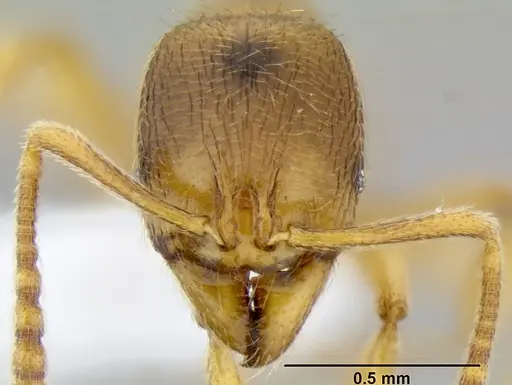
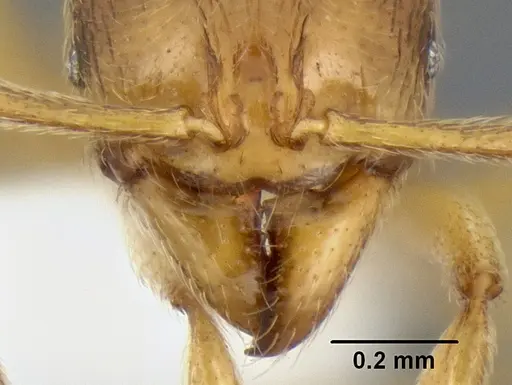
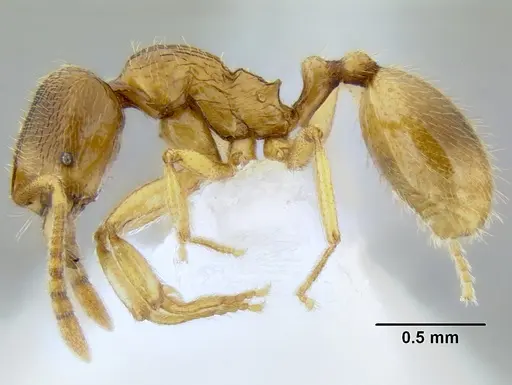
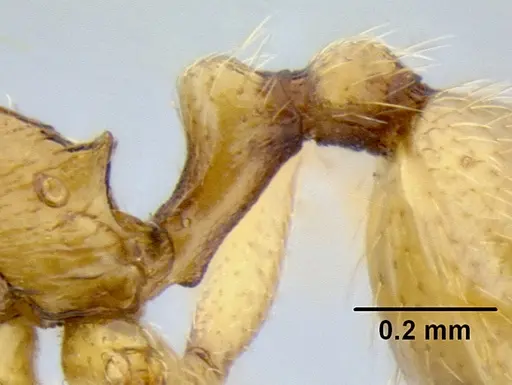
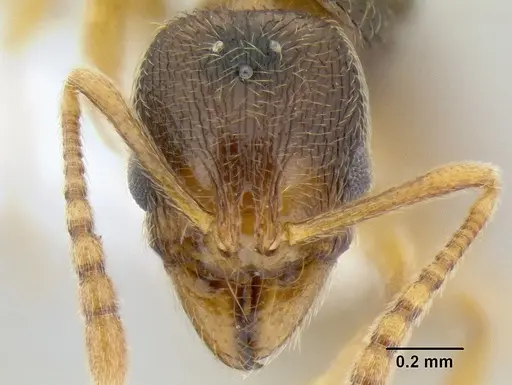
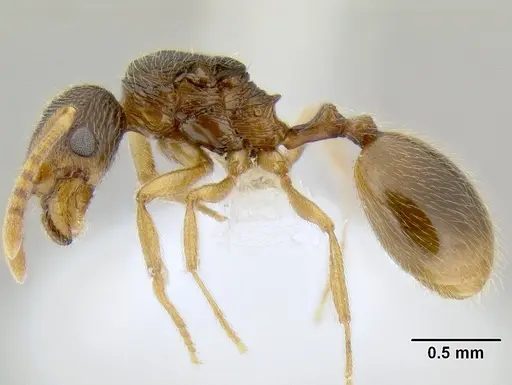
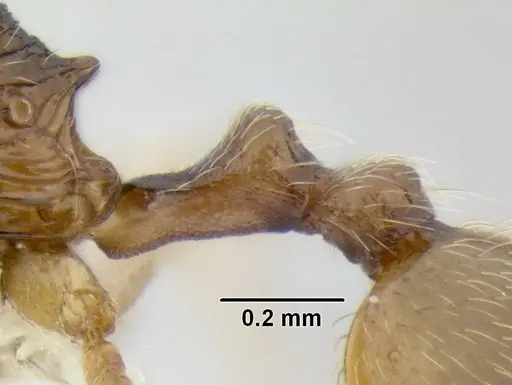
Stenamma lagunum is a tiny ant species native to the mountains of southern Baja California, Mexico. Workers measure just 0.66-0.70mm in head length, making them one of the smaller ant species you'll encounter in the hobby [1][2]. They have a distinctive mottled appearance with pale yellow-brown coloring mixed with patches of darker brown, and their head and body are covered with fine longitudinal ridges (rugulae) [1]. This species lives only in the Sierra La Laguna mountains at high elevations between 1730-1900 meters, where it inhabits damp oak-pine and oak forest habitats [2][3]. Because researchers have only found them by sifting through leaf litter, we know very little about their actual colony behavior in the wild [1].
Quick Summary
- Difficulty: Medium
- Origin & Habitat: High elevations (1730-1900m) in the Sierra La Laguna mountains of Baja California Sur, Mexico. Inhabits mesic oak-pine forest, oak forest, and montane scrub habitats [2][1].
- Colony Type: Colony structure is unconfirmed. Based on typical Stenamma patterns, likely single-queen colonies with claustral founding.
- Size & Growth:
- Queen: 0.71mm HL,0.61mm HW [2], estimated from single specimen
- Worker: 0.66-0.70mm HL,0.55-0.61mm HW [1][2]
- Colony: Unknown, likely small colonies typical of litter-dwelling Stenamma species
- Growth: Unknown, likely moderate based on genus patterns
- Development: 6-10 weeks estimated based on related Stenamma species (No direct development data exists for this species. Estimates based on typical Myrmicinae development at room temperature.)
- Antkeeping:
- Temperature: Keep at 18-22°C. As a high-elevation species from temperate latitudes (23.56°N), they prefer cooler conditions than typical tropical ants. Avoid overheating.
- Humidity: High humidity preferred, they come from mesic (damp) forest leaf litter. Keep substrate consistently moist but not waterlogged. Mist occasionally and provide a water tube.
- Diapause: Unknown, likely requires a cool period during winter given their high-elevation habitat. Proceed with caution.
- Nesting: Use a test tube setup or small acrylic nest. They are tiny litter-dwelling ants that prefer tight spaces. A Y-tong or plaster nest with small chambers works well. Keep nest materials damp.
- Behavior: This species is poorly documented in captivity. Based on genus behavior, they are likely docile and non-aggressive. Workers are tiny (under 1mm) so escape prevention is critical, they can squeeze through standard mesh. Foraging style is typical of litter ants, they likely forage individually for small prey and honeydew. They probably have modest foraging ranges.
- Common Issues: tiny size makes escape likely without fine mesh barriers, high humidity requirements can lead to mold if ventilation is poor, very limited data means care is largely experimental, wild-caught colonies may have parasites from leaf litter habitat, slow growth may cause keepers to overfeed or disturb the colony
Housing and Nest Setup
Because Stenamma lagunum is a tiny leaf-litter species, you'll want to scale their housing accordingly. A standard test tube setup works well for founding colonies, use a small diameter tube since these ants are only about 0.6mm wide [2]. For established colonies, a Y-tong (AAC) nest with narrow chambers or a small plaster nest provides the tight spaces they prefer. The key is keeping the nest material consistently moist since they come from damp forest floor habitats. Avoid large, open spaces in the formicarium, these ants feel safest in compact chambers. Make sure any outworld foraging area has excellent escape prevention because their tiny size means they can slip through gaps that larger ants couldn't [1].
Feeding and Diet
Like most Stenamma species, these ants are likely omnivorous with a preference for small protein sources. In the wild, they probably scavenge tiny insects and arthropods from the leaf litter layer, and may tend aphids for honeydew [1]. For captivity, offer small live prey like fruit flies, pinhead crickets, or tiny mealworms. They will likely accept sugar water or honey as well, though protein should form the bulk of their diet. Feed small amounts every few days and remove any uneaten prey to prevent mold. Because they are so small, even a fruit fly leg is a substantial meal for a worker.
Temperature and Seasonal Care
This is where you'll need to be most careful. Stenamma lagunum comes from high elevations (1730-1900m) in Baja California, where conditions are much cooler than typical tropical ant habitats [2]. Keep the nest at 18-22°C, room temperature is likely ideal. Avoid placing them near heat sources or in direct sunlight, as overheating can be fatal. During winter, you might consider a slight temperature drop to simulate their natural seasonal cycle, though their exact overwintering requirements are unknown. Watch for workers clustering together, if they avoid the heated side of the nest, you're keeping them too warm.
Understanding This Species
It's important to be honest: we know remarkably little about Stenamma lagunum in captivity. Researchers have only ever found them by sifting through leaf litter in the Sierra La Laguna mountains [1]. No one has documented their colony structure, founding behavior, or nuptial flight timing in the scientific literature. This means you're essentially pioneering their care in captivity. Start with conservative parameters, moderate temperatures, high humidity, small prey, and adjust based on how your colony responds. Don't be discouraged if growth seems slow, this appears to be normal for the genus. The fact that you're keeping such a poorly understood species is part of what makes it interesting!
Frequently Asked Questions
How long does it take for Stenamma lagunum to produce first workers?
The exact timeline is unknown since this species has never been bred in captivity. Based on typical Stenamma and Myrmicinae development, expect 6-10 weeks from egg to worker at room temperature (around 20°C). Be patient, these are small ants with naturally slower development.
What temperature do Stenamma lagunum ants need?
Keep them cool compared to most ants, aim for 18-22°C. This high-elevation species from 1730-1900m in Baja California prefers temperatures much lower than typical tropical ants. Room temperature is usually ideal.
Are Stenamma lagunum good for beginners?
No, this species is not recommended for beginners. We have very limited information about their care in captivity, they require specific high-humidity conditions, and their tiny size makes them prone to escape. They are better suited for experienced antkeepers who can experiment with care parameters.
Do Stenamma lagunum ants sting?
Stenamma species are in the subfamily Myrmicinae, which includes many ants with stingers. However, Stenamma are generally docile and their stingers are tiny and not medically significant. These ants are not considered dangerous to humans.
How big do Stenamma lagunum colonies get?
Colony size is unknown, but based on typical litter-dwelling Stenamma species, colonies likely reach a few hundred workers at most. They are small ants with presumably modest colony sizes.
Can I keep multiple Stenamma lagunum queens together?
This has not been documented. The colony structure of this species is unconfirmed. Based on typical Stenamma patterns, they likely form single-queen colonies. Combining unrelated queens is not recommended without evidence they will tolerate each other.
What do Stenamma lagunum eat?
They likely accept small protein sources like fruit flies, tiny crickets, and other micro-arthropods. They probably also consume honeydew and sugar sources. Feed small prey items a few times per week and provide a constant sugar water source.
Why are my Stenamma lagunum dying?
Common causes include: overheating (keep below 22°C), low humidity (they need damp conditions), escape through fine gaps (use tight barriers), and stress from too much disturbance. Also check for parasites, which are common in leaf-litter ants. Review your temperature, humidity, and escape prevention first.
Do Stenamma lagunum need hibernation?
This is unknown. Given their high-elevation habitat in Baja California, they likely experience cooler winters and may benefit from a slight temperature reduction (15-18°C) for 2-3 months. However, their exact overwintering requirements have not been studied.
When will Stenamma lagunum alates appear?
This is completely unknown. Males have never been collected for this species [1]. Nuptial flight timing, if any, has not been documented. You may need to wait and observe your colony for signs of reproductive development.
References

This caresheet is licensed under CC BY-SA 4.0 .
CASENT0622371
View on AntWeb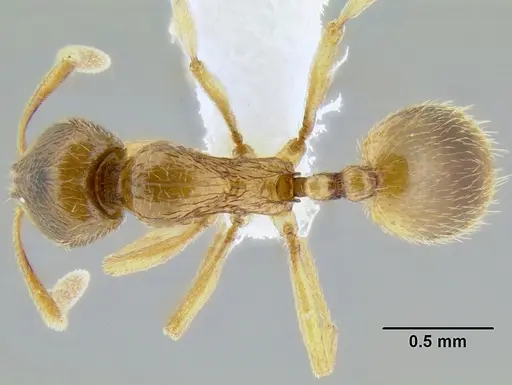
CASENT0622384
View on AntWeb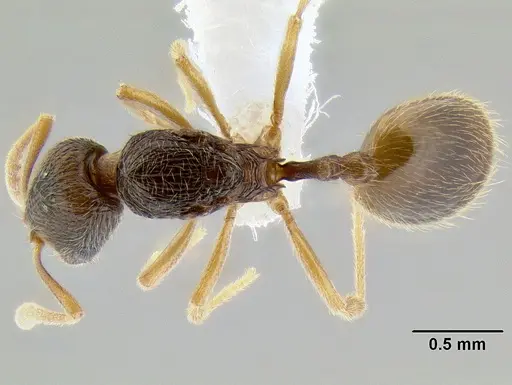
Literature
Loading...Loading products...