

Stenamma jeriorum
- Scientific Name
- Stenamma jeriorum
- Tribe
- Stenammini
- Subfamily
- Myrmicinae
- Author
- DuBois, 1998
- Distribution
- Found in 1 countries
Stenamma jeriorum Overview
Stenamma jeriorum is an ant species of the genus Stenamma. It is primarily documented in 1 countries , including China. Detailed taxonomic data and occurrence records can be further explored via authoritative databases such as AntWeb or the Global Biodiversity Information Facility (GBIF).
Stenamma jeriorum
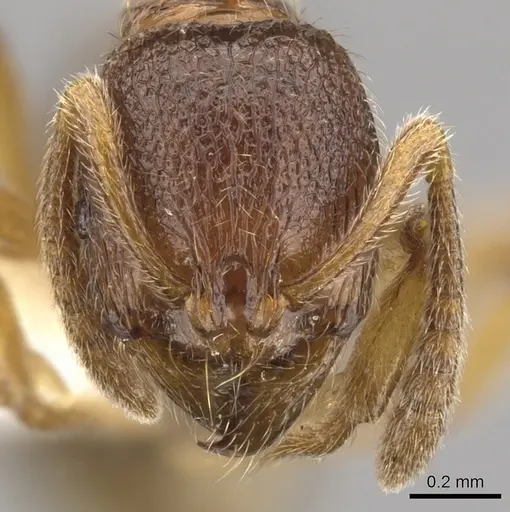
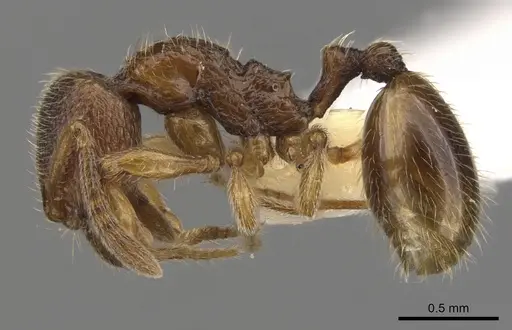
Stenamma jeriorum is a small, cryptic ant species endemic to the mountainous regions of Pakistan. Workers are modest in size with a dark reddish-brown to black coloration, characterized by strongly convex sides of the head, short propodeal spines, and antennal scapes that do not reach the occipital corners [1]. The species belongs to the westwoodii group within the genus Stenamma and is known only from the type locality of Malan Jabba in Pakistan's Swat Valley [2]. These ants inhabit the Palearctic biogeographic region at approximately 34°N latitude, indicating they prefer cooler, temperate conditions [3]. As a member of the Myrmicinae subfamily, they possess a functional stinger for defense.
Quick Summary
- Difficulty: Hard
- Origin & Habitat: Endemic to the Palearctic region of Pakistan, specifically found only at Malan Jabba in the Swat Valley mountains [2]. The type specimens were collected from this high-altitude location in the Hindu Kush mountain range.
- Colony Type: Monogyne (single-queen) colonies are typical for the genus Stenamma. Colony size is expected to remain small, likely under 200 workers based on typical genus patterns.
- Colony: Monogyne
- Size & Growth:
- Queen: Estimated 5-7mm based on genus-level Stenamma morphology
- Worker: Estimated 3-5mm based on genus-level Stenamma morphology
- Colony: Likely under 200 workers based on typical Stenamma colony sizes
- Growth: Slow, Stenamma species typically grow slowly with small colony sizes
- Development: Estimated 8-12 weeks based on related Myrmicinae species in temperate climates (Direct development data unavailable, estimate based on genus patterns for Palearctic species)
- Antkeeping:
- Temperature: Keep at 18-22°C. As a Palearctic species from high-altitude Pakistan, they prefer cooler conditions than tropical ants. Avoid temperatures above 25°C [3].
- Humidity: Moderate to high humidity preferred. Provide moist substrate but ensure good ventilation to prevent mold.
- Diapause: Yes, Palearctic species require a winter dormancy period. Provide 2-3 months of reduced temperatures (5-10°C) during winter months.
- Nesting: In nature, Stenamma species typically nest in soil or rotting wood in shaded forest habitats. In captivity, test tube setups work well for founding colonies, with options to move to Y-tong or naturalistic setups once established.
- Behavior: Stenamma ants are cryptic and secretive, typically nesting in concealed locations. Workers are modest foragers, likely hunting small prey or collecting honeydew. They are not aggressive and will avoid confrontation when possible. Escape risk is moderate, standard barrier methods like Fluon should suffice.
- Common Issues: Very limited scientific data makes captive care recommendations uncertain, Slow growth rate may frustrate keepers expecting rapid colony development, Palearctic species require proper hibernation, failure to provide diapause can weaken colonies, Small colony sizes mean less buffer against mistakes, losses can be devastating, Wild-caught colonies are extremely rare due to limited endemic range
Temperature and Seasonal Care
As a Palearctic species from high-altitude Pakistan, Stenamma jeriorum requires cooler temperatures than most commonly kept ants. Keep the nest area between 18-22°C year-round, with slight variations acceptable. During winter months (roughly November through February in the Northern Hemisphere), you should provide a diapause period by reducing temperatures to 5-10°C. This mimics the natural seasonal cycle they would experience in their mountain habitat. Failure to provide proper hibernation can lead to weakened colonies that fail to thrive over time. Use a refrigerator or cool basement for winter housing, ensuring temperatures stay above freezing but remain consistently cold. Avoid heating the nest during diapause, this is a rest period, not active growth season [3].
Housing and Nest Setup
For founding colonies, a simple test tube setup works well. Ensure the water reservoir is appropriately sized, not too large to risk flooding, but sufficient to maintain humidity for several weeks. Once the colony reaches 20-30 workers, you can consider moving to a Y-tong (AAC) nest or a naturalistic setup with soil substrate. Stenamma ants prefer dark, concealed nesting sites and do not require visible nests to feel secure. Provide a darkness barrier if using an acrylic nest. The outworld should be simple, a small foraging area where you can offer food. Escape prevention is important though not as critical as with tiny species, standard barrier methods like Fluon on container edges work well.
Feeding and Diet
Stenamma ants are likely omnivorous predators, similar to other members of the genus. Offer protein sources such as small insects (fruit flies, small mealworms, crickets) and provide sugar water or honey as an energy source. In the wild, they probably forage for small arthropods and honeydew from aphids. Feed small prey items that match the worker size, avoid offering anything larger than the workers themselves. Remove uneaten prey after 24-48 hours to prevent mold. Sugar water should be available constantly, refreshed every few days. Feed every 2-3 days for established colonies, adjusting based on consumption rates.
Growth and Development
Stenamma species are known for slow colony growth and relatively small colony sizes. You should expect a claustral founding period of several weeks before the first workers (nanitics) emerge, though this specific species has not been directly studied. After founding, growth will be gradual, expect months to reach even 50 workers. Maximum colony size is likely under 200 workers based on typical genus patterns. This slow growth is normal for the species and should not be interpreted as a problem. Avoid the temptation to overfeed in an attempt to speed growth, this typically leads to mold problems rather than faster development. Patience is essential with this species.
Frequently Asked Questions
How long does it take for Stenamma jeriorum to produce first workers?
The exact timeline is unconfirmed for this species, but based on related Stenamma species and Myrmicinae patterns, expect 8-12 weeks from egg to first worker at optimal temperatures around 20°C. The founding queen will remain sealed in her chamber during this time, living off her stored fat reserves.
Do Stenamma jeriorum ants need hibernation?
Yes, as a Palearctic species from high-altitude Pakistan, they require a winter dormancy period. Provide 2-3 months of reduced temperatures (5-10°C) during winter, typically from late autumn through early spring. Failure to provide proper diapause can weaken and eventually kill the colony.
How big do Stenamma jeriorum colonies get?
Colony size is expected to remain relatively small, likely under 200 workers at maturity. This is typical for the Stenamma genus, which consists of cryptic ants that maintain modest colony sizes rather than the large supercolonies seen in some other Myrmicinae.
What do Stenamma jeriorum ants eat?
They are omnivorous predators. Offer small live or dead insects (fruit flies, small mealworms, pinhead crickets) as protein, and provide sugar water or honey consistently. Remove uneaten prey after 24-48 hours to prevent mold issues.
Can I keep Stenamma jeriorum in a test tube?
Yes, test tubes work well for founding colonies. Ensure proper humidity maintenance and avoid flooding the tube. Once the colony reaches 20-30 workers, consider moving to a larger setup like a Y-tong nest or naturalistic terrarium.
Are Stenamma jeriorum ants aggressive?
No, Stenamma ants are cryptic and non-aggressive. They will typically retreat rather than engage in confrontation. Their sting is present (Myrmicinae) but they rarely use it, preferring to escape threats.
Is Stenamma jeriorum suitable for beginners?
No, this species is not recommended for beginners. Scientific data on captive care is extremely limited, growth is slow, and proper hibernation requirements must be met. Additionally, wild-caught colonies are essentially unavailable due to their extremely limited endemic range in Pakistan.
Where is Stenamma jeriorum found in the wild?
This species is endemic to Pakistan, known only from Malan Jabba in the Swat Valley region. It belongs to the Palearctic biogeographic region and represents an extremely limited distribution, one of the most restricted ant species in the region [2][1].
Do Stenamma jeriorum queens fight?
Stenamma species are typically monogyne (single-queen colonies). If you obtain multiple founding queens, they should not be housed together as they are not known to found colonies pleometrotically (multiple queens founding together). Keep each queen in separate setups.
References

This caresheet is licensed under CC BY-SA 4.0 .
CASENT0900947
View on AntWeb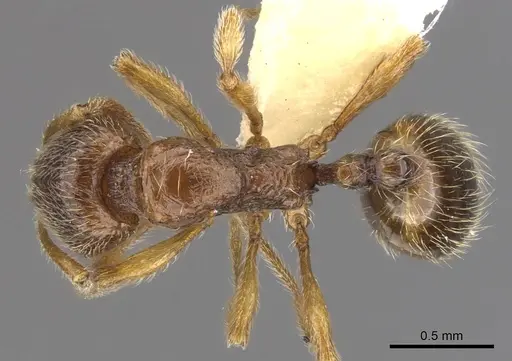
Literature
Loading...Loading products...