

Stenamma impar
- Scientific Name
- Stenamma impar
- Tribe
- Stenammini
- Subfamily
- Myrmicinae
- Author
- Forel, 1901
- Distribution
- Found in 2 countries
Stenamma impar Overview
Stenamma impar is an ant species of the genus Stenamma. It is primarily documented in 2 countries , including Canada, United States of America. Detailed taxonomic data and occurrence records can be further explored via authoritative databases such as AntWeb or the Global Biodiversity Information Facility (GBIF).
Stenamma impar
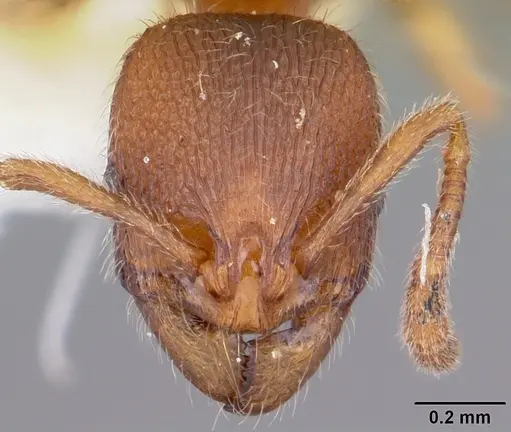
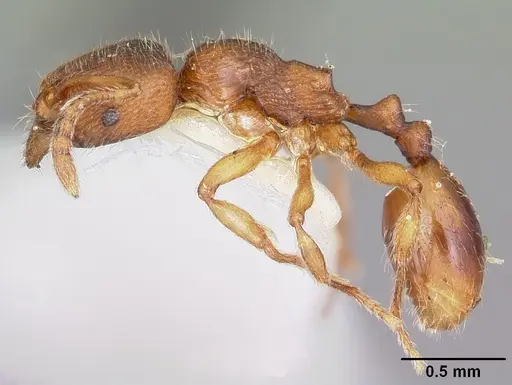
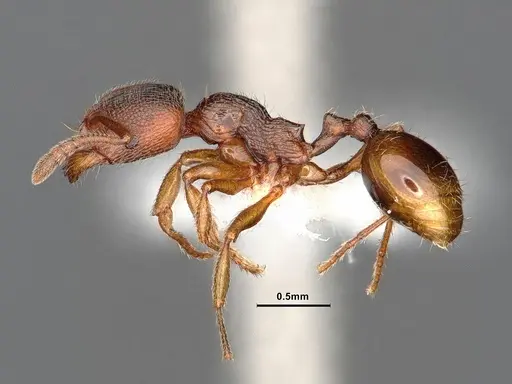
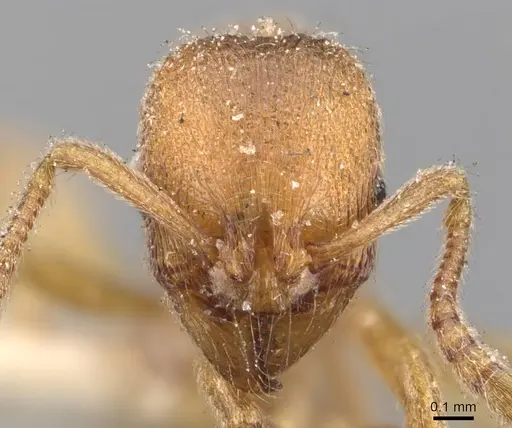
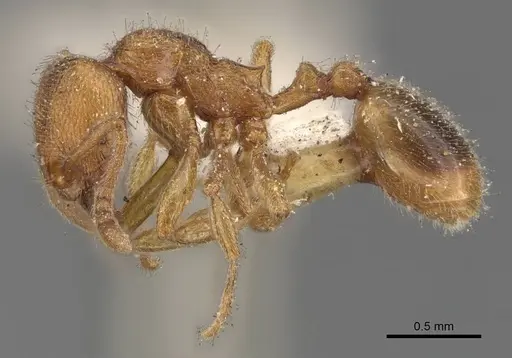
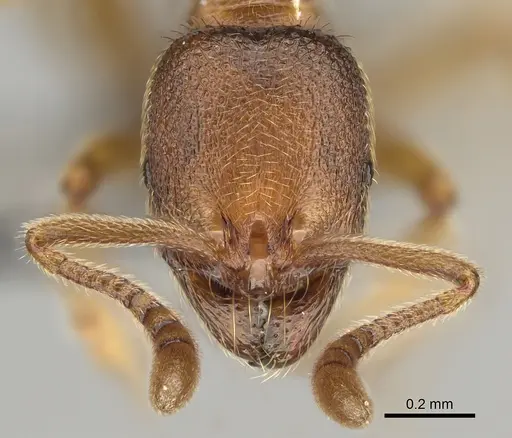
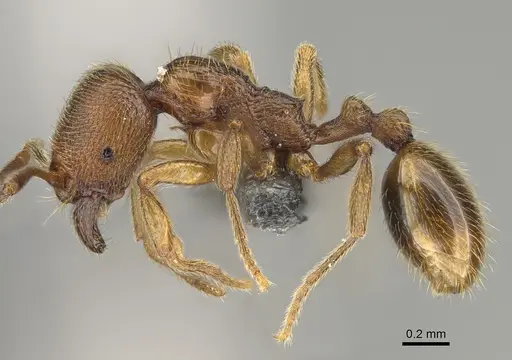
Stenamma impar is a small, slender ant native to eastern North America, ranging from Massachusetts to Georgia and west to North Dakota, Illinois, and Missouri [1]. Workers measure 2.3-2.7mm with a light brown to yellowish-brown body, and the gaster typically displays a distinctive dark transverse band near the middle [1]. The species is characterized by its small eye with only 5-6 ommatidia, a very distinctly angular petiolar node when viewed from the side, and fine body sculpturing [1]. Queens are larger at 3.2-3.5mm and produce winged reproductives in late summer [1]. This is a woodland forest species that forages in leaf litter and is most active during the cooler months from late fall through early spring [2][3].
Quick Summary
- Difficulty: Medium
- Origin & Habitat: Eastern North American forest species found from Massachusetts to Georgia, west to North Dakota, Illinois, and Missouri. Inhabits moist woodland areas, typically in leaf litter and soil, often associated with oak-dominated forests [3][4].
- Colony Type: Monogyne (single-queen) colonies. Each colony typically has one mother queen, with colony sizes ranging from 5 to 109 workers, averaging around 108 individuals in complete colonies [1].
- Colony: Monogyne
- Founding: Claustral
- Size & Growth:
- Queen: 3.2-3.5mm [1]
- Worker: 2.3-2.7mm [1]
- Colony: Up to ~109 workers [1]
- Growth: Slow
- Development: Unknown, likely 8-12 weeks based on typical Stenamma patterns (Larvae commonly overwinter in the nest, which may extend the development timeline [1]. Eggs have been found as late as mid-October in some colonies.)
- Antkeeping:
- Temperature: Keep at room temperature (18-22°C). This is a cold-climate specialist found as far north as Michigan and Quebec, so they prefer cooler conditions than many tropical ants [5]. Avoid temperatures above 25°C.
- Humidity: Moderate to high humidity. In the wild they inhabit moist woodland soils and leaf litter. Keep the nest substrate consistently damp but not waterlogged, with some drier areas for workers to regulate their own moisture needs.
- Diapause: Yes, this species requires a winter hibernation period. In their native range (Michigan, Missouri), colonies experience cold winters. Larvae overwinter in the nest, and reproductives are produced in late summer [1]. Provide a diapause period of 2-3 months at 5-10°C during winter.
- Nesting: Soil-nesting species. In the wild, colonies nest at depths of 4-16 inches (10-40cm) in firm clay soil, typically in a single chamber [1]. Some records suggest they may also nest in rotten wood. For captivity, a naturalistic setup with soil or a plaster/acrylic nest with moisture-retaining substrate works well. Given their deep natural nesting, provide deeper chambers if possible.
- Behavior: Workers are slow-moving and forage on the ground in leaf litter [4]. They are carnivorous, hunting small invertebrates in the forest floor ecosystem [6]. This species is cryptic and secretive, workers are small and blend into their environment. They are not aggressive and pose no stinging threat to keepers. Escape risk is moderate due to their small size, use standard barrier methods. Most active during cooler months (fall through early spring) and less active during hot summer months [2].
- Common Issues: slow colony growth may frustrate keepers expecting rapid development, colonies are small (max ~100 workers), manage expectations for colony size, most active in cool weather, may appear less active during summer months, wild-caught colonies may have parasites that can decimate the colony, very small workers can escape through standard barriers if not careful
Housing and Nest Setup
Stenamma impar is a soil-nesting species that naturally excavates chambers in firm clay soil at depths of 4-16 inches [1]. For captivity, a naturalistic setup with a soil-filled container works best, this allows you to replicate their natural deep-nesting behavior. Alternatively, a plaster or acrylic nest with moisture-retaining substrate can work well. The key is providing consistently damp substrate that mimics the moist woodland soils they inhabit in the wild. Because they nest so deep in nature, giving them deeper chambers (at least a few inches of substrate) helps them feel secure. The outworld should be simple, these are not flashy ants that need elaborate setups. A standard foraging area with leaf litter and small prey items is sufficient.
Feeding and Diet
This species is carnivorous, they hunt and consume small invertebrates found in forest leaf litter [6]. In captivity, offer small live prey such as fruit flies, pinhead crickets, small mealworms, and other tiny arthropods. They are not sugar-feeding specialists like some ants, their diet should be primarily protein-based. You can occasionally offer a drop of diluted honey or sugar water, but don't expect strong acceptance. Feed them small prey items 2-3 times per week, adjusting based on colony size and consumption. Remove any uneaten prey after 24-48 hours to prevent mold issues. Given their small worker size, prey items should be appropriately sized, nothing larger than the ants themselves.
Temperature and Seasonal Care
Stenamma impar is a cold-climate specialist found as far north as Quebec and Michigan [5]. They prefer cooler temperatures than most commonly kept ants, aim for 18-22°C in the nest area. Avoid temperatures above 25°C, as this species is not adapted to tropical heat. During the active season (spring through fall), room temperature is generally suitable. Come winter, they require a proper hibernation period. In their native range, larvae overwinter in the nest [1], so provide 2-3 months at 5-10°C during winter. This can be done in an unheated garage, basement, or refrigerator (if using a dedicated fridge for ant colonies). Do not skip the winter rest period, it's essential for the colony's health and reproductive cycle. Note that this species is most active during cooler months (late fall through early spring) and may appear less active during hot summer months [2].
Colony Founding and Development
In the wild, colonies are founded by a single queen who seals herself in a chamber, this follows the typical claustral founding pattern for Stenamma species. The queen raises the first brood alone using stored fat reserves until workers emerge. Colony growth is slow, the largest wild colonies documented had only about 109 workers [1]. This is a small colony size compared to many commonly kept ants, so don't expect massive colonies. Larvae commonly overwinter in the nest [1], which may extend the development timeline. Eggs have been found in colonies as late as mid-October, suggesting the breeding cycle extends well into fall. Winged reproductives (alates) are produced in late summer, in Michigan, adult alates were found in colonies on August 13 and 19 [1][7]. If your colony produces alates, this indicates the colony is mature and healthy.
Behavior and Temperament
Workers are small, slow-moving, and somewhat cryptic, they don't venture far from the nest and forage quietly in leaf litter [4]. They are not aggressive and pose no threat to keepers. When disturbed, they move slowly rather than fleeing rapidly or attacking. This calm temperament makes them interesting to observe but less exciting than some more active species. They are most active during the cooler months of the year, late fall through early spring, and may reduce activity during hot summer months [2][3]. This is unusual compared to many ants that are most active in summer. Workers forage individually on the ground surface rather than forming large foraging trails. Their small size and cryptic nature mean they're easy to overlook, but patient keepers will enjoy watching their deliberate, methodical movements.
Frequently Asked Questions
How long does it take for Stenamma impar to develop from egg to worker?
The exact development time is unconfirmed for this species, but based on typical Stenamma genus patterns, expect 8-12 weeks from egg to first worker at optimal temperature. The overwintering larval stage in wild colonies may extend this timeline significantly [1].
Can I keep Stenamma impar in a test tube setup?
Test tubes can work for founding colonies and small colonies, but this species naturally nests deep in soil (4-16 inches), so they may do better in a naturalistic setup with soil substrate. If using test tubes, ensure the cotton remains moist and provide a dark cover. Monitor for mold issues.
Do Stenamma impar ants sting?
No, Stenamma impar does not have a functional stinger. As a member of the subfamily Myrmicinae, they lack the ability to sting. They may bite if threatened, but this is not a significant concern for keepers.
How big do Stenamma impar colonies get?
Colony size is small, wild colonies typically reach 100-109 workers at maximum [1]. This is a modest colony size compared to many commonly kept ants. Expect your colony to remain relatively small even when well-established.
Do Stenamma impar need hibernation?
Yes, they require a winter diapause period. This is a cold-climate species native to northern regions (Michigan, Quebec), and larvae overwinter in natural nests [1]. Provide 2-3 months at 5-10°C during winter, either in a cool basement, garage, or refrigerator.
What do Stenamma impar eat?
They are primarily carnivorous, hunting small invertebrates in leaf litter [6]. Feed small live prey like fruit flies, tiny crickets, and small mealworms. They may accept sugar water occasionally but do not rely on it as a food source. Small prey items should be offered 2-3 times per week.
Are Stenamma impar good for beginners?
This species is rated as medium difficulty. They're not ideal for complete beginners because they have specific temperature requirements (prefer cool conditions), require winter hibernation, and grow slowly. However, they're calm and not aggressive. Experienced antkeepers who can provide proper seasonal care will find them rewarding.
Why is my Stenamma impar colony so inactive?
This is normal behavior, Stenamma impar is most active during cooler months (late fall through early spring) and naturally reduces activity during hot summer months [2]. If your colony seems sluggish, check that temperatures aren't too high (keep below 25°C). Also ensure they're not in direct light, as they prefer dark, humid environments.
When will my colony produce alates (reproductives)?
In the wild, winged reproductives are produced in late summer, documented in Michigan colonies during August [1][7]. Your colony needs to be mature (likely 50+ workers) before it has the resources to produce alates. This may take a year or more given their slow growth rate.
Can I keep multiple Stenamma impar queens together?
No. This is a monogyne (single-queen) species with documented single mother queens per colony [1]. Combining unrelated queens is not recommended and would likely result in fighting. Only keep one queen per colony.
References

This caresheet is licensed under CC BY-SA 4.0 .
CASENT0104795
View on AntWeb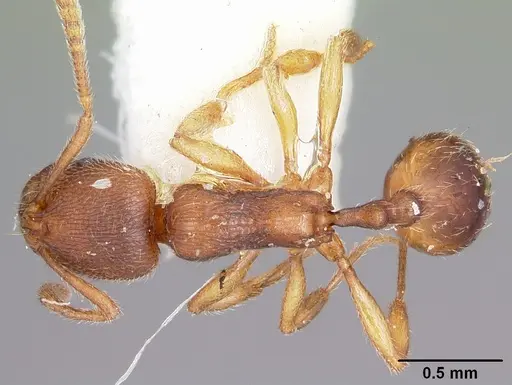
CASENT0105543
View on AntWeb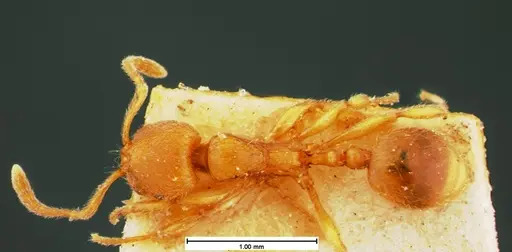
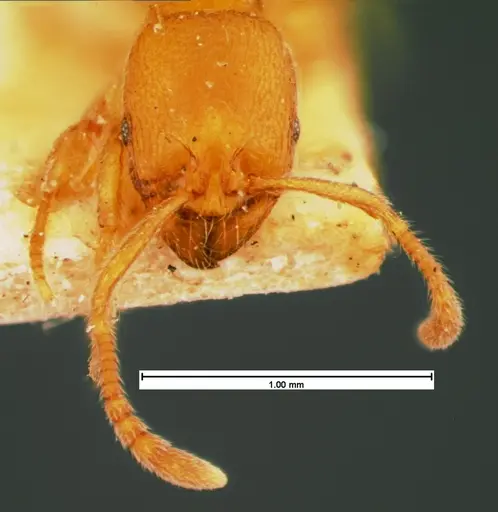
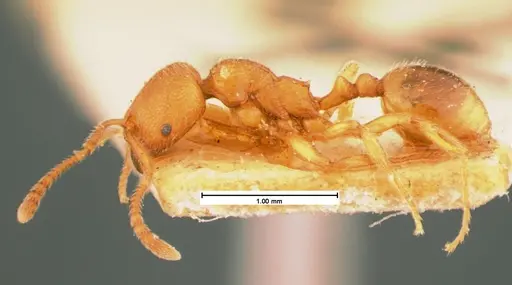
CASENT0884249
View on AntWeb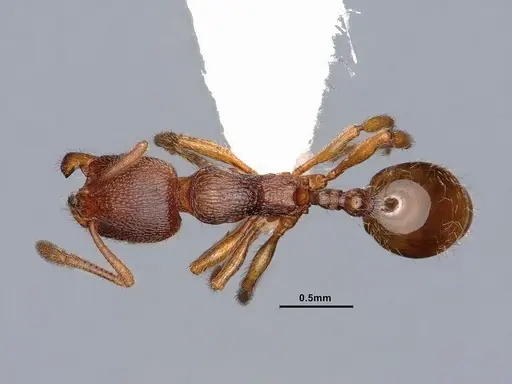
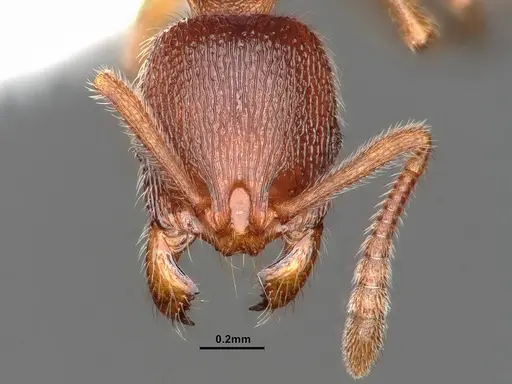
CASENT0907679
View on AntWeb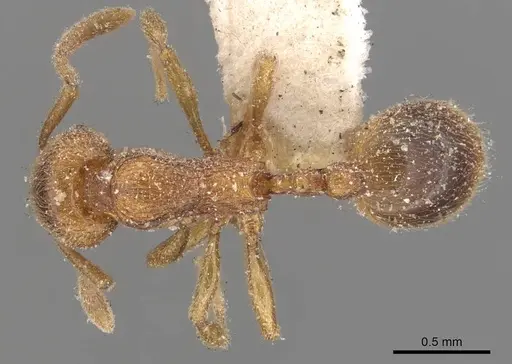
CASENT0923373
View on AntWeb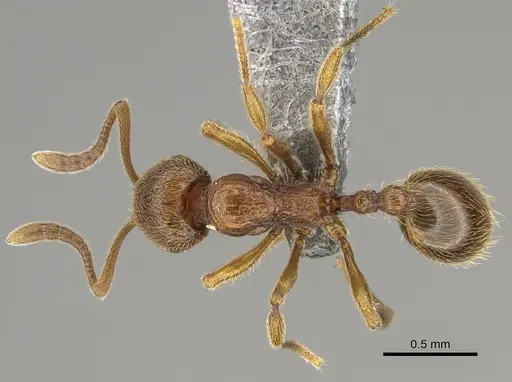
Literature
Loading...Loading products...