

Stenamma ignotum
- Scientific Name
- Stenamma ignotum
- Tribe
- Stenammini
- Subfamily
- Myrmicinae
- Author
- Branstetter, 2013
- Distribution
- Found in 2 countries
Stenamma ignotum Overview
Stenamma ignotum is an ant species of the genus Stenamma. It is primarily documented in 2 countries , including Guatemala, Mexico. Detailed taxonomic data and occurrence records can be further explored via authoritative databases such as AntWeb or the Global Biodiversity Information Facility (GBIF).
Stenamma ignotum
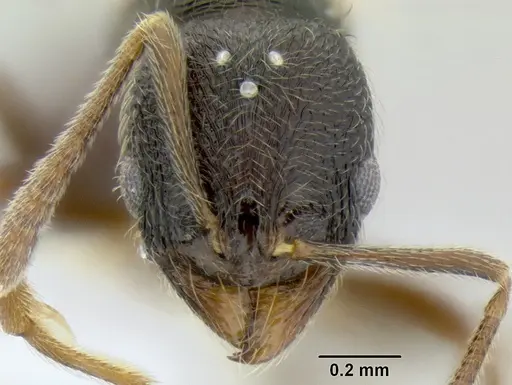
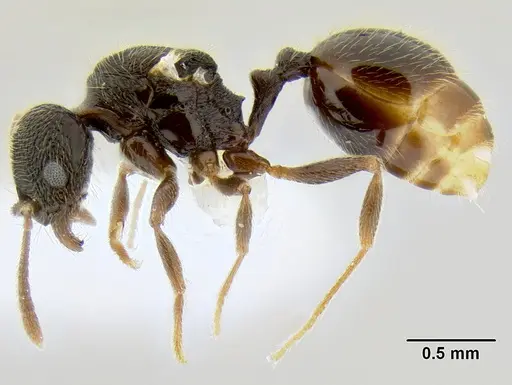
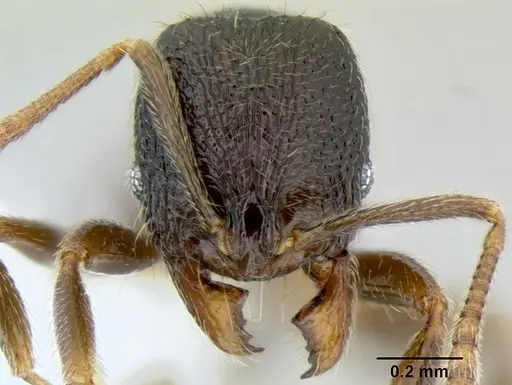
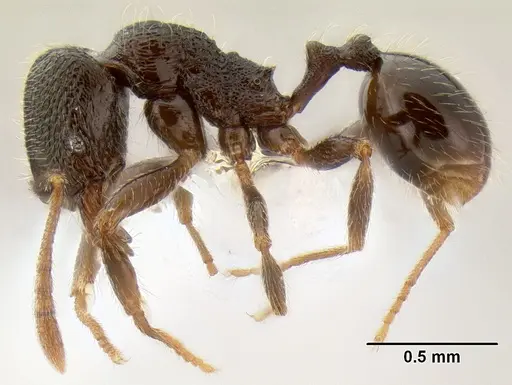
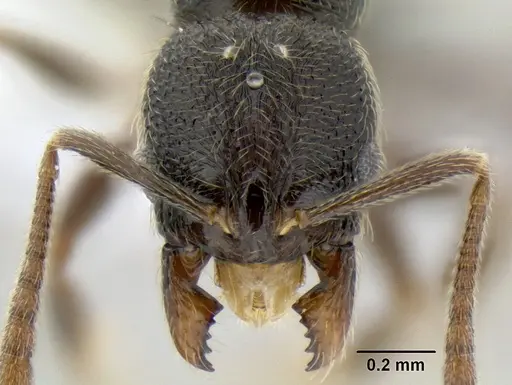
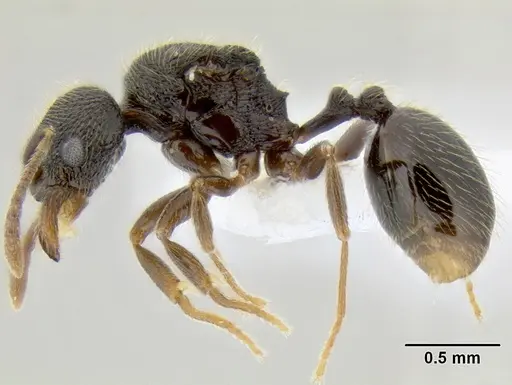
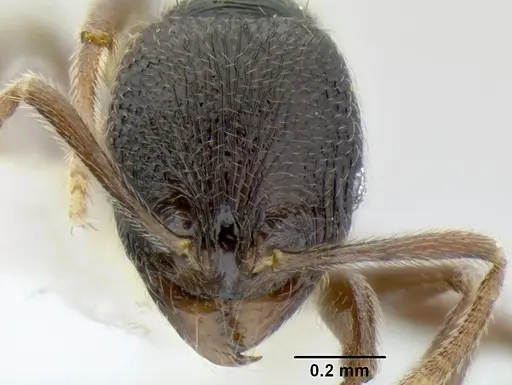
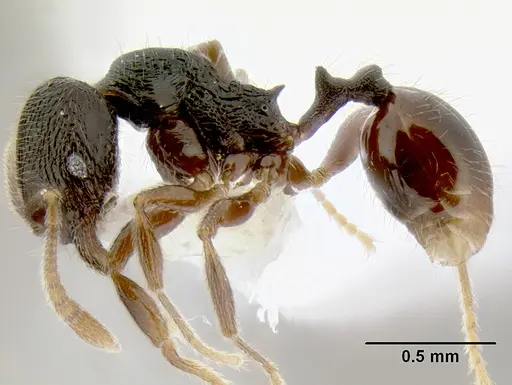
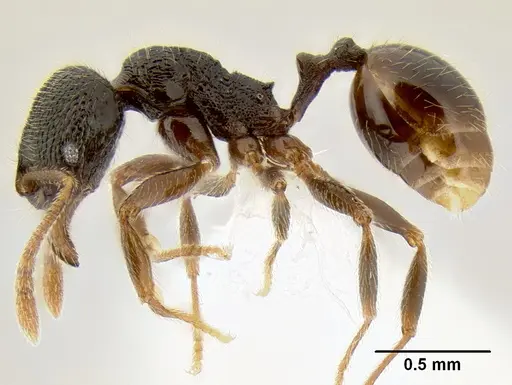
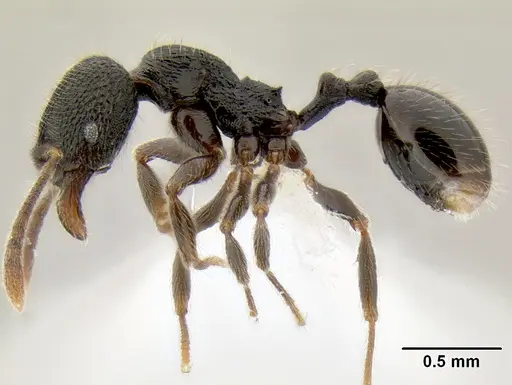
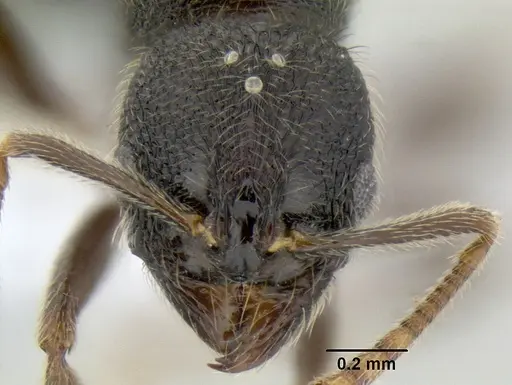
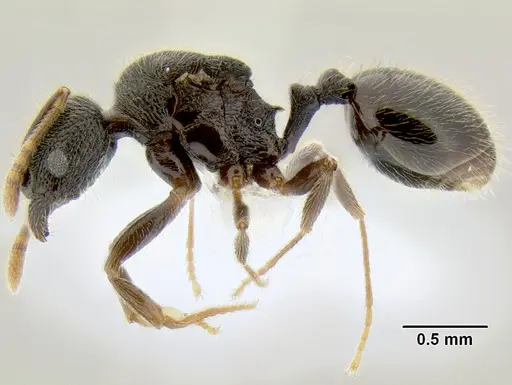
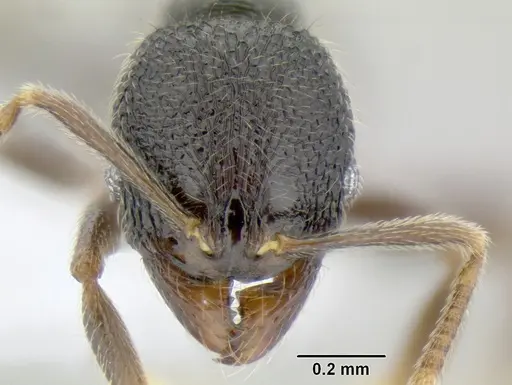
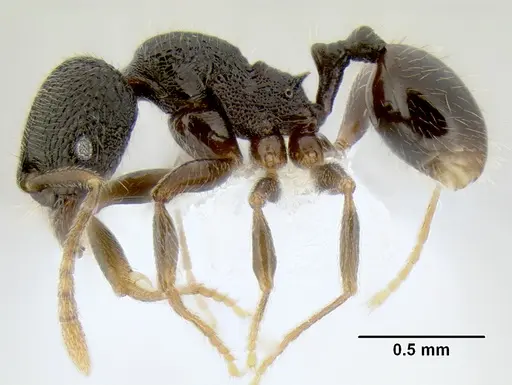
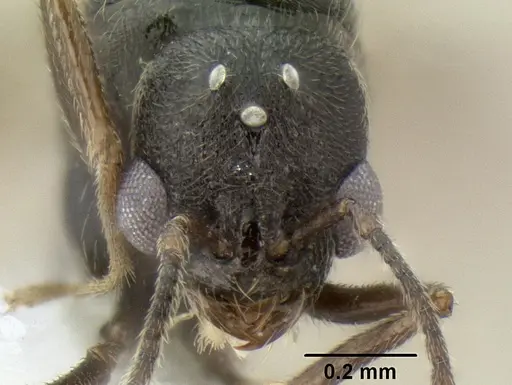
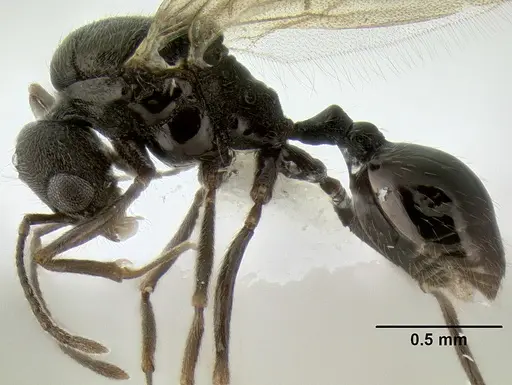
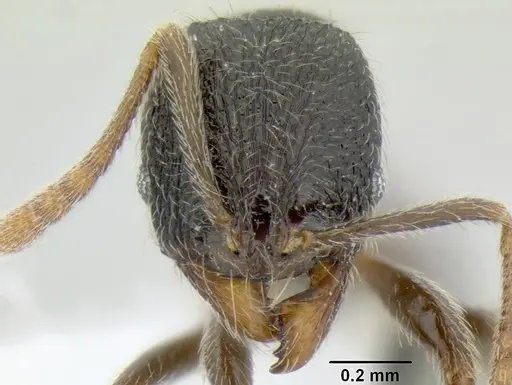
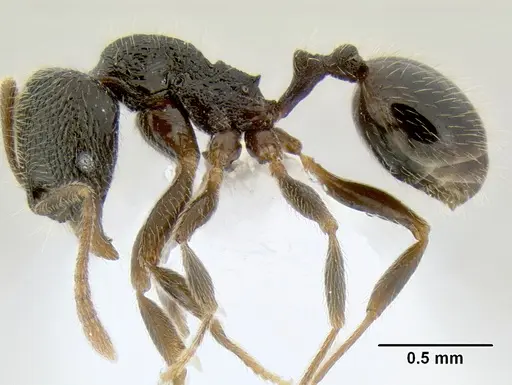
Stenamma ignotum is a small-sized ant species native to the cloud forests of southern Mexico and Guatemala. Workers measure just 0.59-0.68mm in head length, making them one of the smaller ant species you might encounter [1]. Their body is mostly dark brown to brown, with a distinctly sculpted face featuring rugoreticulate (wrinkled net-like) patterns and relatively long, sparse hairs on the abdomen [2]. The species was only formally described in 2013 by Michael Branstetter, making it one of the newer additions to the antkeeping hobby [2].
This species inhabits wet cloud forests at elevations between 500m and 2070m, with most collections occurring above 1000m [2][1]. They nest in leaf litter on the forest floor, with documented nests found underneath rocks and in epiphytes on the ground [2]. Their small size and cryptic lifestyle make them a challenging but rewarding species for experienced keepers interested in Neotropical ants.
Quick Summary
- Difficulty: Expert
- Origin & Habitat: Southern Mexico to Guatemala, specifically in cloud forest, mesophyll forest, and wet oak forest habitats at elevations of 500-2070m, most common above 1000m [2][1]
- Colony Type: Unconfirmed, colony structure has not been directly studied. Based on typical Stenamma patterns, likely single-queen colonies.
- Size & Growth:
- Queen: 0.66-0.74mm head length [1]
- Worker: 0.59-0.68mm head length [1]
- Colony: Unknown, no colony size data available for this species
- Growth: Unknown, no development studies exist for this species
- Development: Estimated 6-10 weeks based on typical Myrmicinae development at optimal temperature (No direct development data exists for this species. Estimates based on related Stenamma species and typical Myrmicinae development timelines.)
- Antkeeping:
- Temperature: Cool conditions recommended, aim for 18-22°C based on their cloud forest habitat at high elevation
- Humidity: High humidity required, think damp forest floor conditions. Keep substrate consistently moist but not waterlogged
- Diapause: Unknown, no studies on overwintering requirements. Given their tropical/cloud forest origin, they likely do not require hibernation but may have seasonal activity patterns
- Nesting: Naturalistic setup with excellent moisture retention works best. In nature they nest under rocks and in epiphytes on the ground [2]. Y-tong or plaster nests with good humidity retention are suitable options.
- Behavior: This is a cryptic, litter-dwelling species that forages in the upper soil layers and leaf litter [2]. They are not aggressive and will avoid confrontation. Their small size means excellent escape prevention is critical, they can easily slip through standard formicarium gaps. Activity level is moderate, they are not particularly active compared to larger species. Workers are docile and unlikely to sting.
- Common Issues: limited data, this is a newly described species with minimal research, so care recommendations are largely inferred, escape prevention is critical due to their tiny worker size (under 1mm), high humidity requirements can lead to mold issues if ventilation is poor, slow growth and small colony sizes may frustrate keepers expecting rapid development, wild-caught colonies may have parasites or fail to adapt to captive conditions
Natural History and Distribution
Stenamma ignotum is found exclusively in the Neotropical cloud forests of southern Mexico and Guatemala, ranging from sea level to over 2000m elevation but most commonly encountered above 1000m [2][1]. Their habitat includes cloud forest, mesophyll forest, and wet oak forest, consistently damp, shaded environments with high humidity [2]. The type locality is in Chiapas, Mexico, at approximately 1520m elevation [1].
Most specimens have been collected by sifting through leaf litter on the forest floor, which gives you an idea of their preferred microhabitat, they live in the damp, decomposing organic matter layer where humidity remains consistently high [2]. They've also been collected from cookie baits and general searching, suggesting they will scavenge for carbohydrate sources when available. Two nests have been documented: one found underneath a rock and another under epiphytes (plants growing on other plants) on the ground, both in montane wet forest [2]. A single stray worker was collected from a mud bank, indicating they sometimes forage in more open areas near water [2].
This species was only described in 2013,which means there is very limited biological data available compared to more established ant species in the hobby. Much of what we know comes from the original species description and specimen collection data.
Housing and Nest Setup
Given their natural history as litter-dwelling ants in cloud forests, you'll need to replicate damp, shaded conditions. A naturalistic setup with a deep layer of moist substrate works well, think forest floor conditions with plenty of organic matter [2]. Y-tong (AAC) nests or plaster nests with good humidity retention are suitable options, as they allow you to maintain the consistent moisture these ants need.
The key is moisture retention without flooding. The substrate should feel damp to the touch but never waterlogged. Since they nest under rocks and in epiphytes in the wild, they appreciate tight, dark spaces that stay humid [2]. Avoid letting the nest dry out, as this species is adapted to constantly moist conditions.
Escape prevention is critical, these are tiny ants with workers measuring under 1mm. Standard formicarium gaps that work for larger species will allow escapes. Use fine mesh barriers and ensure all connections are sealed. A test tube setup can work for founding colonies, but you'll need to monitor humidity carefully as test tubes dry out faster than more substantial nests.
Temperature and Humidity
Based on their cloud forest habitat at high elevation (most common above 1000m), these ants prefer cool to moderate temperatures, think low-to-mid 20s°C at most, with 18-22°C being an ideal target range. Avoid overheating them, as they come from environments where temperatures remain relatively cool and stable year-round.
Humidity is arguably more important than temperature for this species. They inhabit wet forests where humidity stays consistently high [2]. Keep the nest substrate moist but not flooded, and provide a gradient so workers can move between more humid and slightly drier areas. A water reservoir connected to the nest can help maintain humidity. Avoid placing the nest near heating elements or in direct sunlight, as dry conditions will stress the colony.
Feeding and Diet
In the wild, they've been collected from cookie baits, suggesting they will accept carbohydrate sources [2]. However, as with most Stenamma species, they likely primarily hunt small invertebrates in the leaf litter. Feed small protein sources like fruit flies, pinhead crickets, or other tiny arthropods. Sugar water or honey can be offered occasionally, but don't rely on it as a primary food source.
Since this species hasn't been kept in captivity before, be prepared to experiment with what they accept. Start with small live prey items appropriate to their size, anything too large will be ignored. Remove uneaten prey after 24-48 hours to prevent mold issues in the humid setup they require.
Colony Development and Growth
No specific development data exists for Stenamma ignotum. Based on typical Myrmicinae patterns and related Stenamma species, expect development from egg to first worker to take approximately 6-10 weeks at optimal temperature. Queens measure 0.66-0.74mm in head length, making them relatively small [1].
Colony sizes in the wild are unknown, no large colony collections have been documented. Given their small worker size and cryptic lifestyle, colonies likely remain relatively modest in size compared to more visible ant species. Don't expect the rapid growth seen in species like Lasius or Camponotus. Patience is essential with this species.
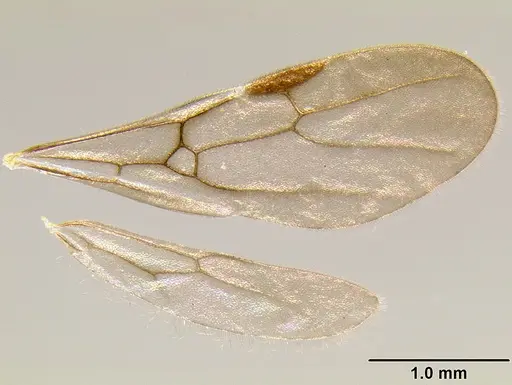
Males have been collected but have not been formally described, indicating reproductive behavior in this species remains poorly studied [3].
Frequently Asked Questions
How long does it take for Stenamma ignotum to raise their first workers?
No specific development data exists for this species. Based on typical Myrmicinae development patterns and related Stenamma species, expect approximately 6-10 weeks from egg to first worker at optimal temperature (around 18-22°C). This is an estimate, actual development time may vary.
What temperature do Stenamma ignotum ants need?
Based on their cloud forest habitat at high elevation, keep them cool, aim for 18-22°C. Avoid overheating and keep them away from direct heat sources. They prefer stable, cool conditions similar to their natural habitat in Mexican and Guatemalan cloud forests.
Are Stenamma ignotum ants good for beginners?
No, this is an expert-level species. It was only described in 2013,meaning there is very limited biological data available. Care recommendations are largely inferred from habitat data rather than captive studies. Their small size, high humidity requirements, and escape risk make them challenging. They are best suited for experienced antkeepers interested in rare Neotropical species.
How big do Stenamma ignotum colonies get?
Colony size is unknown, no large colony data exists for this species. Based on their small worker size and cryptic litter-dwelling lifestyle, colonies likely remain relatively modest. Don't expect large colonies like you might see in Lasius or Formica species.
Do Stenamma ignotum ants sting?
They are not known to be aggressive and are unlikely to sting. As small Myrmicinae, they have stingers but would rather flee than engage. Their tiny size also means any sting would be negligible to humans.
What do Stenamma ignotum ants eat?
They likely hunt small invertebrates in the leaf litter, similar to other Stenamma species. Offer small live prey like fruit flies, springtails, or other tiny arthropods. They have been collected from cookie baits in the wild, suggesting they will occasionally accept carbohydrate sources like sugar water or honey.
Can I keep multiple Stenamma ignotum queens together?
Colony structure is unconfirmed, no studies have documented whether they are single-queen or multi-queen colonies. Based on typical Stenamma patterns, they are likely monogyne (single queen). Do not attempt to combine unrelated queens until more is known about their colony structure.
Do Stenamma ignotum ants need hibernation?
Diapause requirements are unknown. Given their tropical/cloud forest origin in southern Mexico and Guatemala, they likely do not require true hibernation. However, they may have seasonal activity patterns tied to wet/dry seasons in their native habitat. Do not attempt hibernation without more specific data.
How do I identify Stenamma ignotum ants?
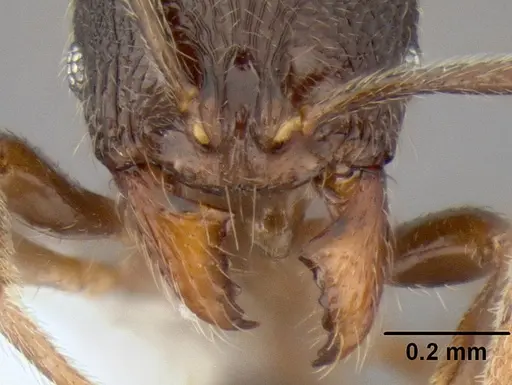
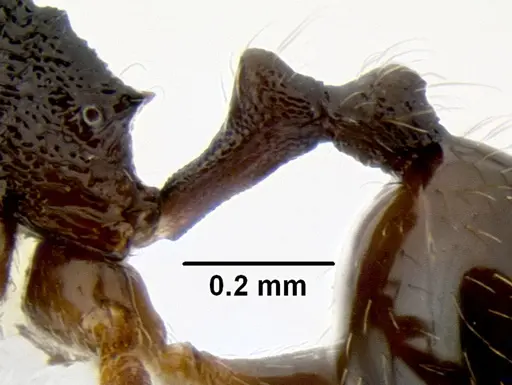
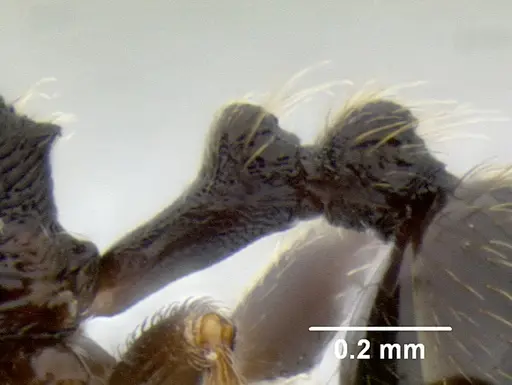
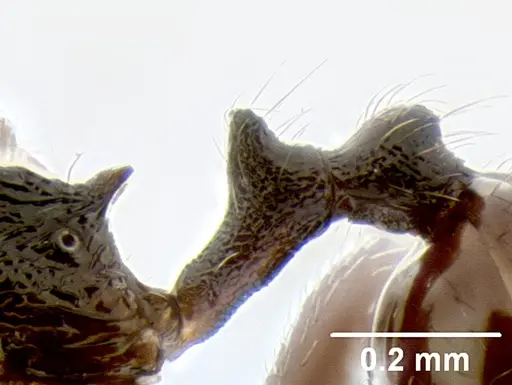
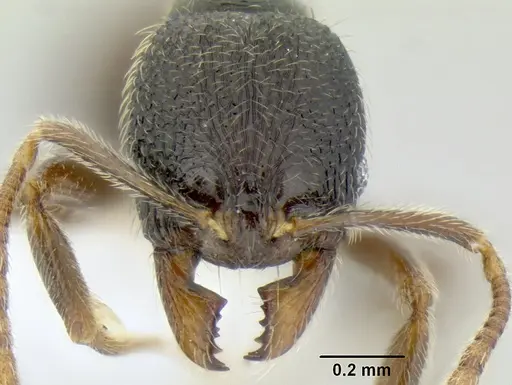
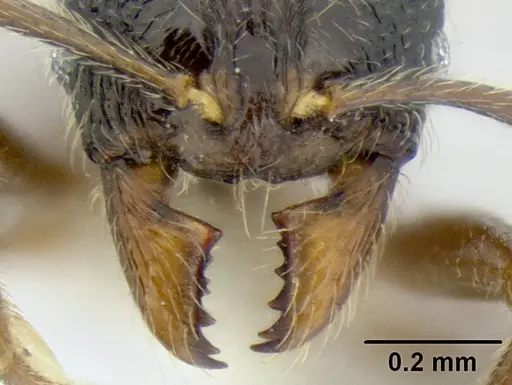
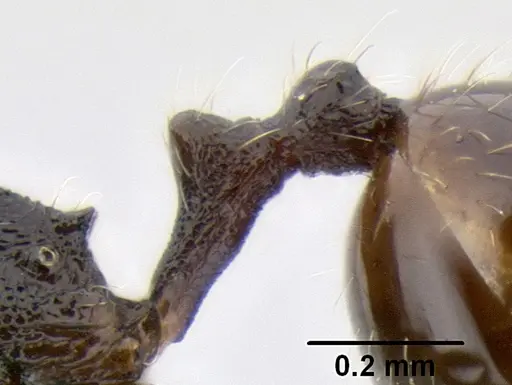
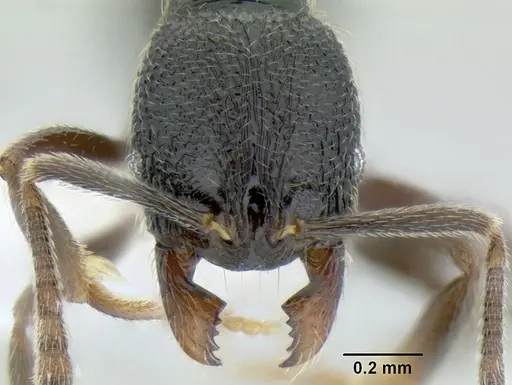
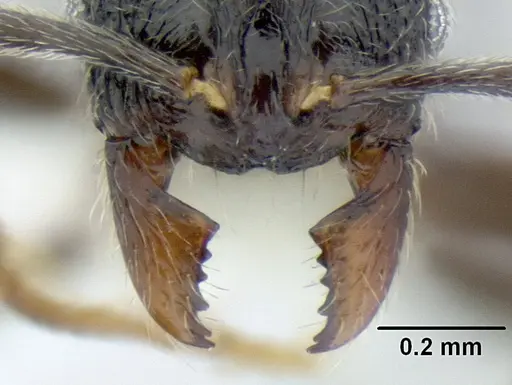
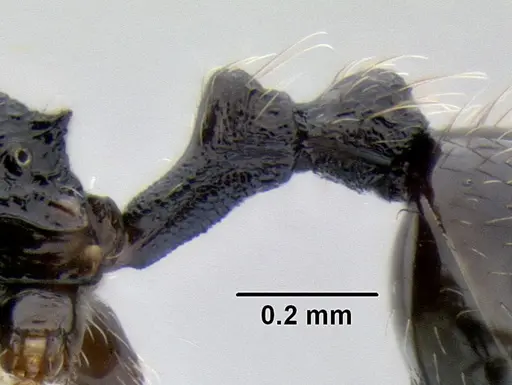
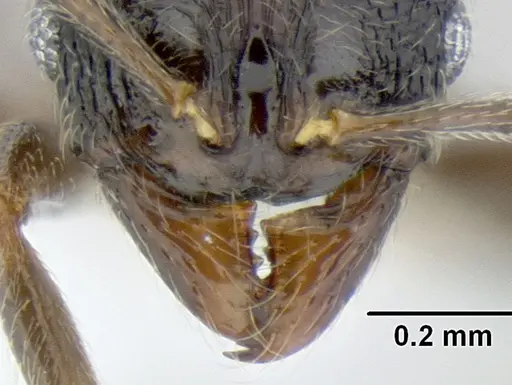
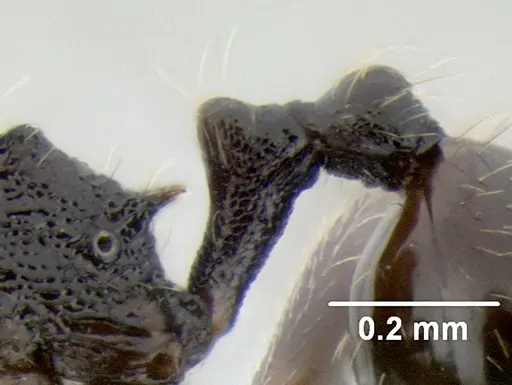
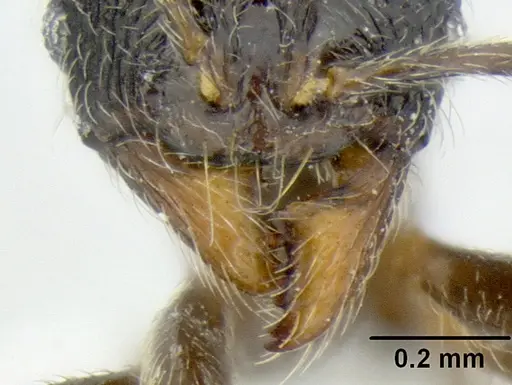
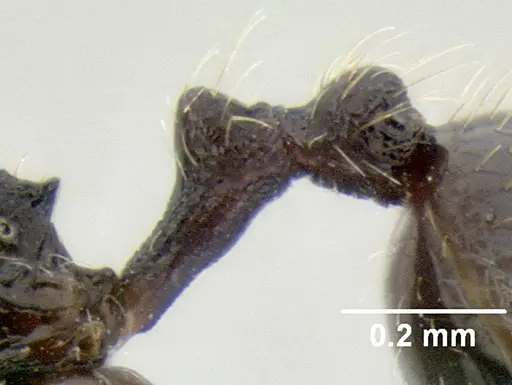
Workers are small (0.59-0.68mm head length) with mostly dark brown to brown coloration. Key identification features include: straight basal margin of the mandible (no notch), a shallow median emargination (notch) on the front of the clypeus, and a distinctly sculpted face with rugoreticulate (wrinkled net-like) patterns [2]. The propodeal spines are short and tuberculate.
Where is Stenamma ignotum found in the wild?
This species is native to the cloud forests of southern Mexico and Guatemala, from sea level to 2070m elevation, most commonly above 1000m [2][1]. They live in wet forest habitats including cloud forest, mesophyll forest, and wet oak forest, typically in leaf litter on the forest floor.
References

This caresheet is licensed under CC BY-SA 4.0 .
CASENT0600182
View on AntWeb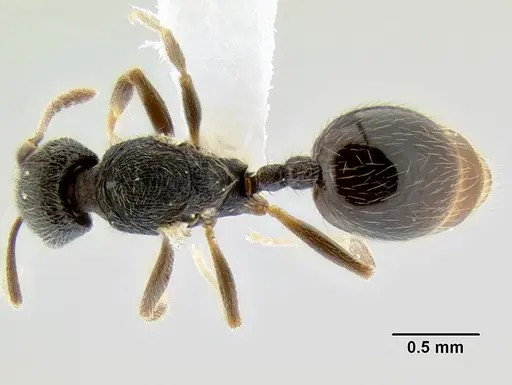
CASENT0603762
View on AntWeb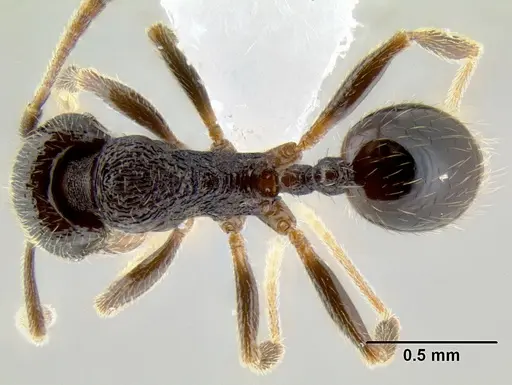
CASENT0603772
View on AntWeb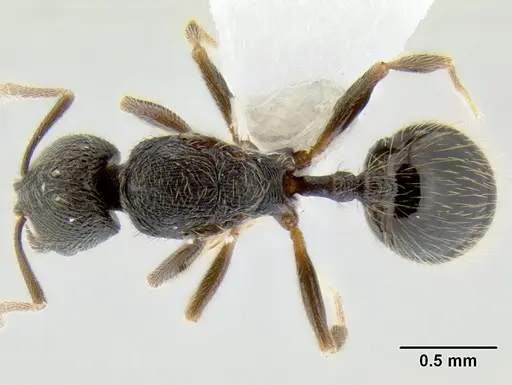
CASENT0604307
View on AntWeb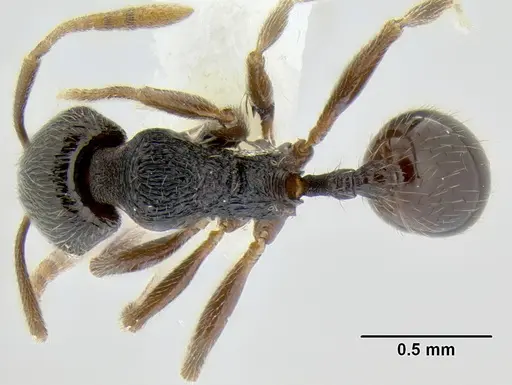
CASENT0604764
View on AntWeb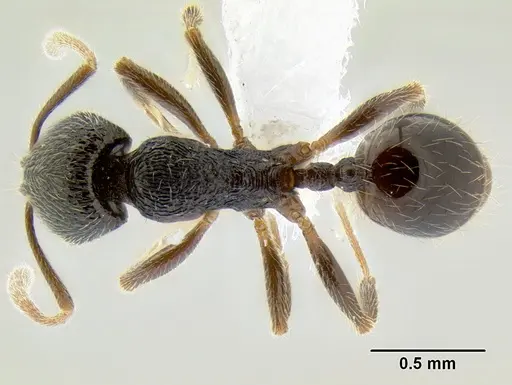
CASENT0604834
View on AntWeb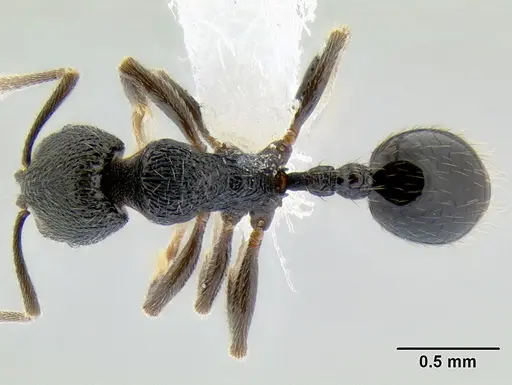
CASENT0605798
View on AntWeb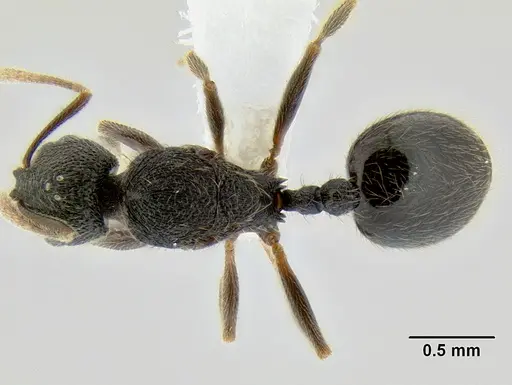
CASENT0605804
View on AntWeb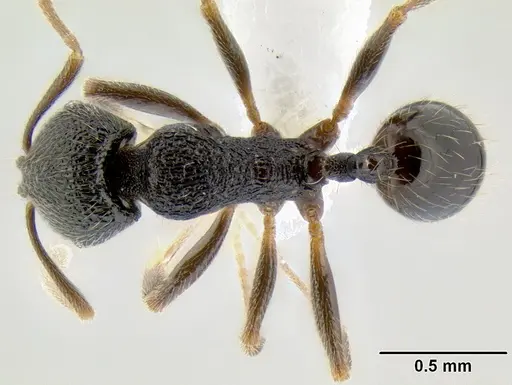
CASENT0607085
View on AntWeb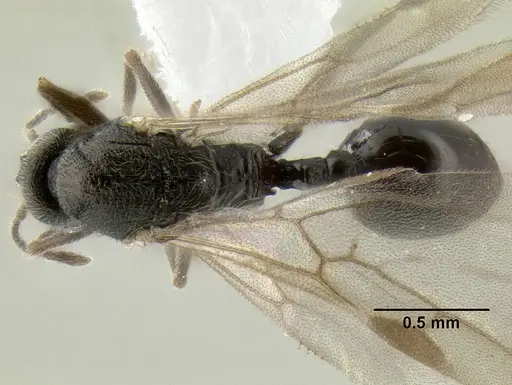
CASENT0620160
View on AntWeb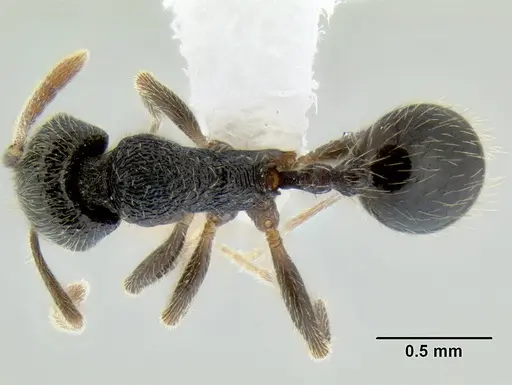
Literature
Loading...Loading products...