

Stenamma hojarasca
- Scientific Name
- Stenamma hojarasca
- Tribe
- Stenammini
- Subfamily
- Myrmicinae
- Author
- Branstetter, 2013
- Distribution
- Found in 3 countries
Stenamma hojarasca Overview
Stenamma hojarasca is an ant species of the genus Stenamma. It is primarily documented in 3 countries , including Guatemala, Honduras, Mexico. Detailed taxonomic data and occurrence records can be further explored via authoritative databases such as AntWeb or the Global Biodiversity Information Facility (GBIF).
Stenamma hojarasca - "Leaf Litter Ant (referring to its habitat)"
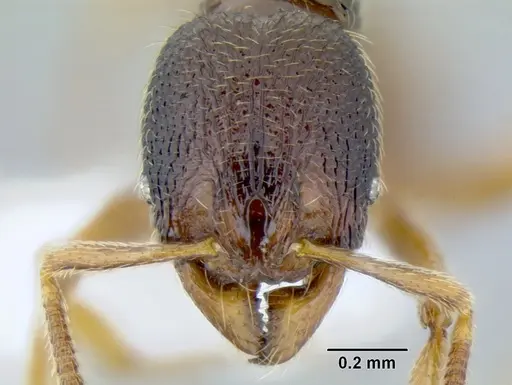
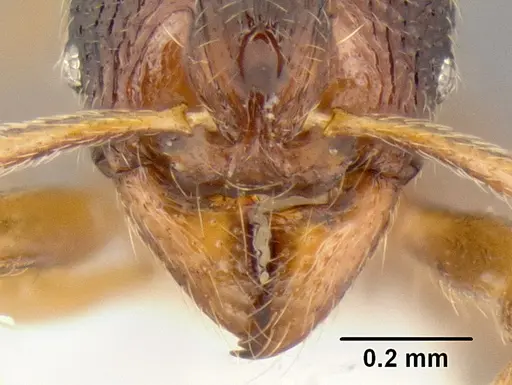
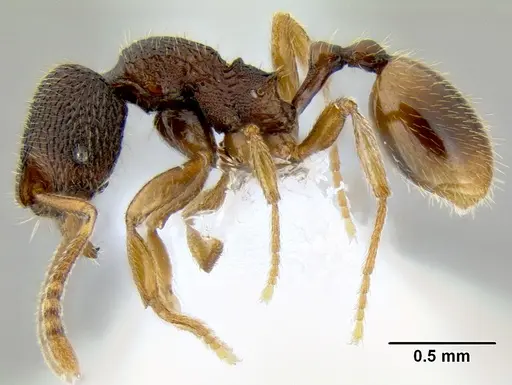
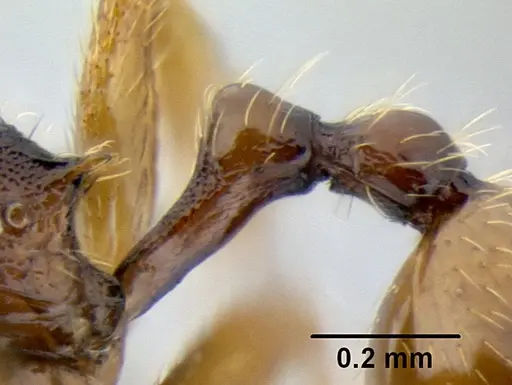
Stenamma hojarasca is a cryptic, small to medium-sized ant species, distinguished by its dark red-brown to orange-brown coloring. Its anterior clypeal margin is undulating with four blunt teeth, and the mandibles have a straight to slightly sinuous basal margin. A unique characteristic is its clearly bilayered gastral pilosity, featuring both suberect and decumbent setae. This species is rarely observed due to its reclusive nature, typically found within sifted leaf litter on forest floors. The specific epithet "hojarasca" is Spanish for leaf litter, directly referencing its primary habitat.
- Difficulty: Medium
- Origin & Habitat: Southern Mexico to Honduras (Belize, Guatemala, Honduras, Mexico). in Montane mesophyll and cloud forest habitats, typically found at elevations between 1100–1550 meters. They are primarily found in sifted leaf litter, but other Stenamma species have been found in logs, rotting branches, under bark, in steep clay or mud banks, under epiphytes, under rocks, and in the ground..
- Colony Type: Monogyne (single queen)., claustral founding.
- Size & Growth:
- Queen: Not specified
- Worker: 0.65-0.76mm
- Colony: Small (dozens to hundreds of workers). Colonies of other Stenamma species vary, some having around a dozen workers, while others can reach several hundred to a thousand.. Slow. Stenamma species generally have small colonies and slow-moving workers. growth.
- Antkeeping:
- Temperature: Prefers cool environments. The genus Stenamma is well-adapted to cool, wet conditions, often peaking in diversity and abundance at mid-elevations between 800–1600 meters where cloud forests are common. Maintain temperatures generally between 18-22°C (64-72°F), avoiding high heat..
- Humidity: High humidity is crucial. Stenamma hojarasca is found in mesic (moderately humid) to wet forest habitats. Maintain humidity levels around 70-90% to mimic their natural cloud forest environment..
- Diapause: Required. 3-4 months at 8-12°C.
- Nesting: Prefers naturalistic setups mimicking leaf litter, rotten wood, or clay banks. Test tube setups with a substrate layer are suitable for founding. For established colonies, nests with natural elements like bark, small logs, or a clay substrate are ideal. As they are cryptic, dim lighting or darkness is preferred for their nest..
- Behavior: Low (towards handler and other ants). They are cryptic and tend to become immobile when disturbed. aggressiveness.
- Common Issues: Dehydration due to insufficient humidity, Mold growth in humid setups if ventilation is poor, Colony stalling or slow growth if temperature/humidity are not optimal, Difficulty observing due to cryptic nature, Mites, particularly in high humidity setups with decomposing organic matter.
Keeping Stenamma hojarasca requires attention to their cryptic nature. These ants are notoriously shy and slow-moving, often becoming immobile when disturbed, making observation challenging. They thrive in setups that mimic their natural leaf litter or soil microhabitats, so providing plenty of natural decor like small pieces of bark or dried leaves can help them feel secure and exhibit more natural foraging behaviors in the outworld.
Humidity is paramount for this species. Hailing from cloud forests, they are accustomed to consistently high moisture levels. Dehydration is a significant risk, so ensure their nest and foraging area maintain high humidity. Using a good quality hydration system or regularly misting parts of their enclosure (away from the colony entrance) can help achieve this. Consider substrates that retain moisture well, such as specific loamy soils or natural clay.
Temperature management is also critical. Unlike many tropical ants that prefer warmth, Stenamma hojarasca thrives in cooler, stable environments. Avoid placing their setup in direct sunlight or near heat sources that could cause temperature fluctuations. A stable room temperature, slightly on the cooler side, is generally more beneficial for their long-term health and colony development. This preference for cooler conditions is unusual compared to many other ant genera.
Their diet in the wild consists of various small arthropods found in leaf litter. In captivity, this translates to a need for a consistent supply of small insect protein. Fruit flies, small mealworms, or chopped crickets are good options. Given their cryptic foraging habits, offering food directly into their foraging area, possibly in a small dish, might be more effective than expecting them to actively hunt across a large outworld.
Stenamma species, including hojarasca, are known for nesting in diverse microhabitats beyond just leaf litter, such as rotting wood, under bark, or even in clay banks. This adaptability suggests that while leaf litter is their namesake habitat, a formicarium offering a mix of substrate options could be beneficial. Experimenting with different nest materials might reveal their preferred nesting sites in a captive environment.
Colony growth for Stenamma hojarasca is generally slow, and colonies tend to remain small compared to more prolific species. Patience is key when keeping these ants. Do not expect rapid expansion or massive colony sizes. Focus on providing stable conditions and a consistent food supply to support healthy, albeit modest, growth over time. Their slow pace is part of their unique charm as a pet ant species.
Frequently Asked Questions
What kind of formicarium is best for Stenamma hojarasca?
For Stenamma hojarasca, a formicarium that replicates their natural environment is ideal. Think about setups that offer high humidity, like an acrylic or glass nest with a good hydration system, or a naturalistic setup featuring a substrate blend of loam, sand, and perhaps some decayed wood or leaf litter. They’re quite cryptic, so a nest where you can easily provide a dark cover is a huge plus for their comfort and security. Don't forget a small outworld with hiding spots!
How often should I feed my Stenamma hojarasca colony?
Stenamma hojarasca colonies are on the smaller side and grow slowly, so they don't require massive amounts of food. Offering a small amount of protein, like a tiny fruit fly or a piece of a mealworm, every 2-3 days should be sufficient. You can also provide a small drop of sugar water or honey-based solution a couple of times a week. Always remove uneaten food promptly to prevent mold.
Do Stenamma hojarasca need diapause?
Yes, Stenamma hojarasca definitely needs a diapause period. Originating from montane cloud forests, they experience cooler conditions seasonally. A diapause of 3-4 months at temperatures between 8-12°C (46-54°F) is crucial for their long-term health and to encourage successful reproduction in the following year. This period allows the queen and colony to rest and re-energize.
Are Stenamma hojarasca aggressive?
Not at all! Stenamma hojarasca are known for their extremely low aggressiveness. They are cryptic ants and tend to freeze or become immobile when disturbed, rather than trying to sting or bite. This makes them fascinating to observe for their unique defense mechanism, though it also means they can be quite shy in the presence of an antkeeper.
What are the common issues faced when keeping Stenamma hojarasca?
The main challenges with Stenamma hojarasca usually revolve around maintaining their specific environmental needs. Dehydration is a significant risk if humidity isn't consistently high. Conversely, too much stagnant moisture can lead to mold, so good ventilation is key. Their slow growth rate can also be a concern for keepers expecting rapid colony expansion, and their cryptic nature means they often hide, making observation tricky.
What kind of prey do Stenamma hojarasca eat?
In their natural habitat, Stenamma hojarasca are primarily detritivores and opportunistic predators, feeding on small arthropods found in the leaf litter. For your colony, offer small insects like fruit flies, freshly killed or frozen and thawed small mealworms, or small pieces of crickets. Make sure the prey items are small enough for them to manage, given their worker size.
How large do Stenamma hojarasca colonies get?
Stenamma hojarasca colonies are on the smaller side, typically numbering in the dozens to possibly a couple of hundred workers. Unlike some other popular ant species, they don't form massive supercolonies. This smaller size makes them a good choice for antkeepers with limited space or those looking for a more manageable colony.
Can Stenamma hojarasca sting?
While Stenamma ants belong to the Myrmicinae subfamily, which includes many stinging species, Stenamma hojarasca workers are not known to possess a sting that is medically significant or noticeable to humans. Their primary defense mechanism is immobility and hiding, rather than aggressive stinging.
Why is my Stenamma hojarasca colony not growing?
Several factors could contribute to slow or stalled growth in your Stenamma hojarasca colony. Check your temperature and humidity levels first, as these are critical. Are they consistently within the optimal range (cool temperatures, high humidity)? Ensure they have a consistent supply of small protein sources. Also, remember that these ants are naturally slow-growing, so patience is a virtue!
What kind of substrate should I use in their outworld?
For Stenamma hojarasca's outworld, a naturalistic substrate is best. A mix of fine sand, loam, and leaf litter or small pieces of decaying wood would replicate their natural forest floor habitat. This also encourages natural foraging behaviors and provides hiding spots, which these cryptic ants appreciate. Keep the substrate slightly moist to maintain ambient humidity.
Is Stenamma hojarasca suitable for beginners?
While not impossible for a dedicated beginner, Stenamma hojarasca might be considered a 'Medium' difficulty species due to their specific needs for high humidity, cooler temperatures, and cryptic nature. Beginners should be prepared to closely monitor environmental conditions and be patient with their slow growth and shy behavior. Experience with more common, hardier species might be beneficial before diving into this one.
How do Stenamma hojarasca queens found a new colony?
Stenamma hojarasca queens are claustral, meaning they seal themselves off in a chamber to raise their first batch of workers. They don't need to forage during this initial period, relying on their stored energy reserves. This makes founding relatively straightforward in a test tube setup, provided the queen has adequate humidity and is left undisturbed.

This caresheet is licensed under CC BY-SA 4.0 .
CASENT0622124
View on AntWeb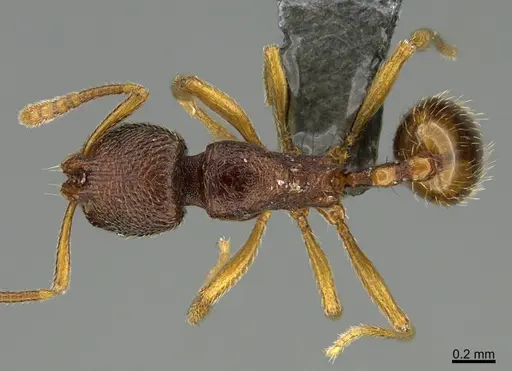
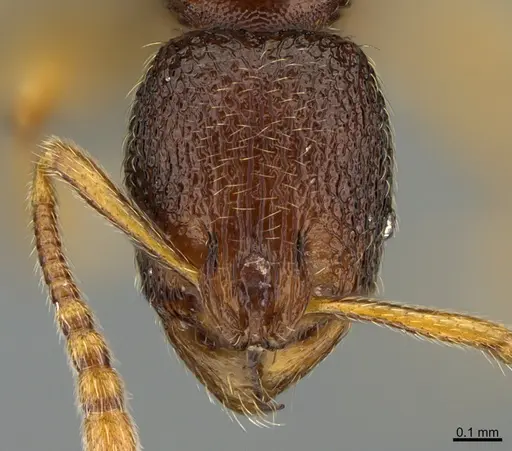
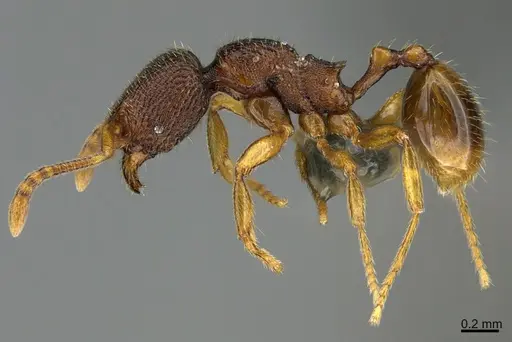
CASENT0622132
View on AntWeb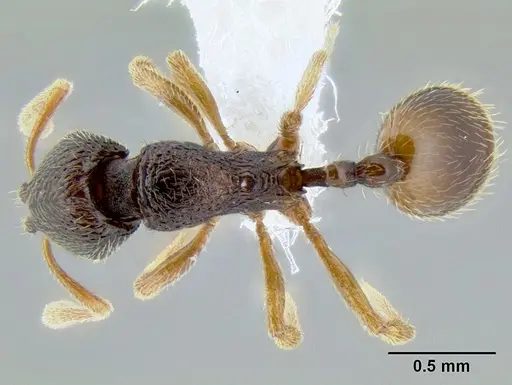
Literature
Loading...Loading products...