

Stenamma excisum
- Scientific Name
- Stenamma excisum
- Tribe
- Stenammini
- Subfamily
- Myrmicinae
- Author
- Branstetter, 2013
- Distribution
- Found in 2 countries
Stenamma excisum Overview
Stenamma excisum is an ant species of the genus Stenamma. It is primarily documented in 2 countries , including Honduras, Mexico. Detailed taxonomic data and occurrence records can be further explored via authoritative databases such as AntWeb or the Global Biodiversity Information Facility (GBIF).
Stenamma excisum
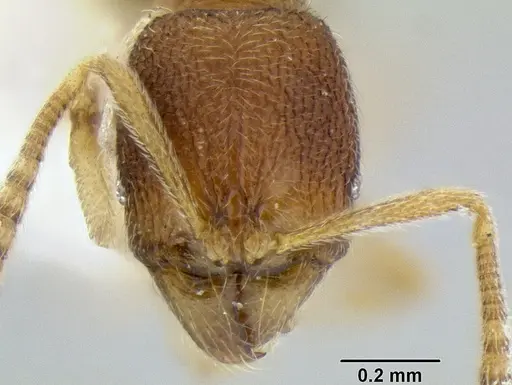
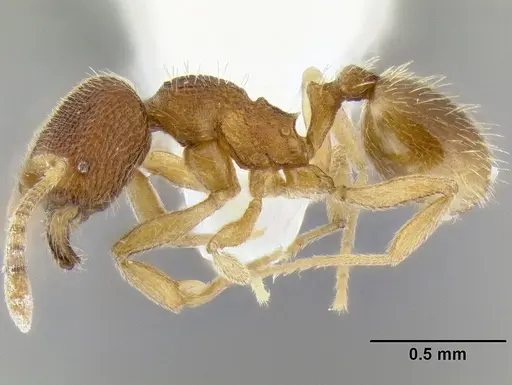
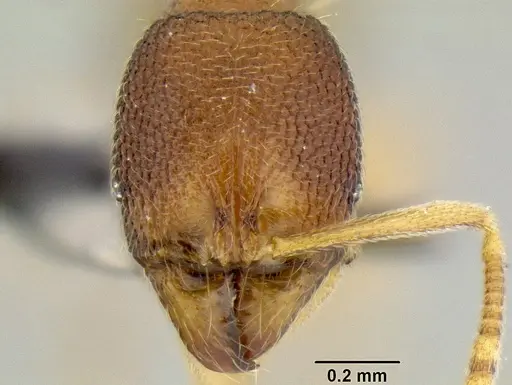
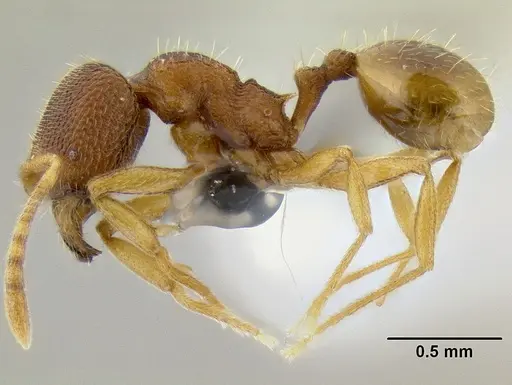
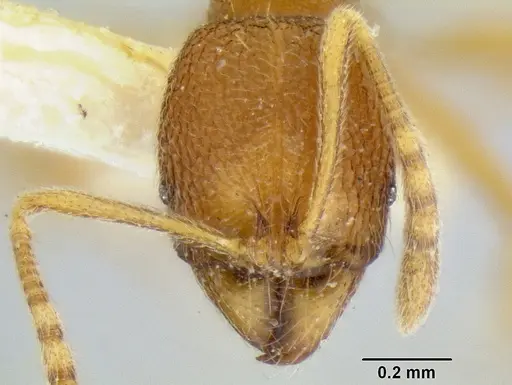
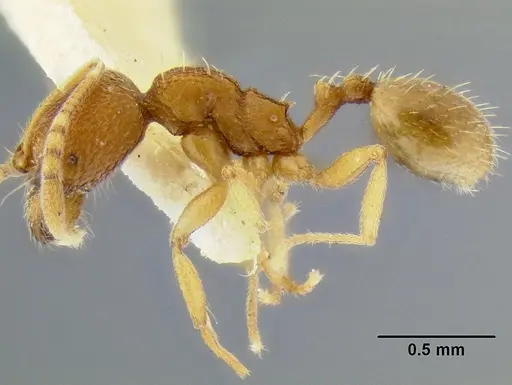
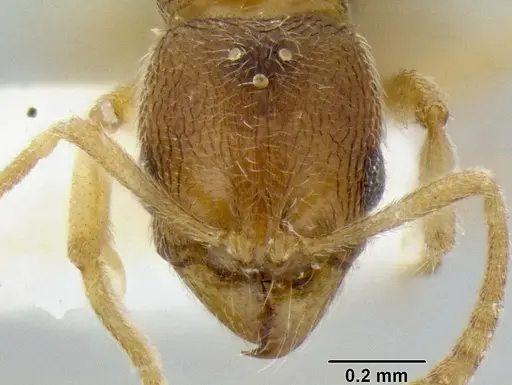
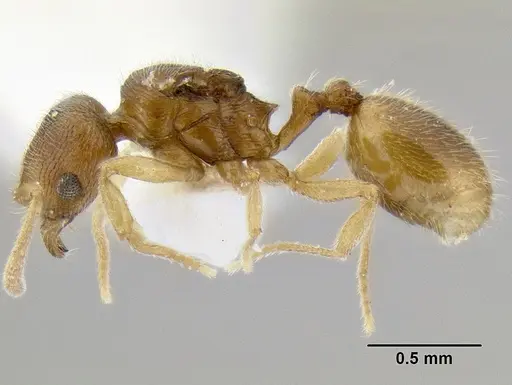
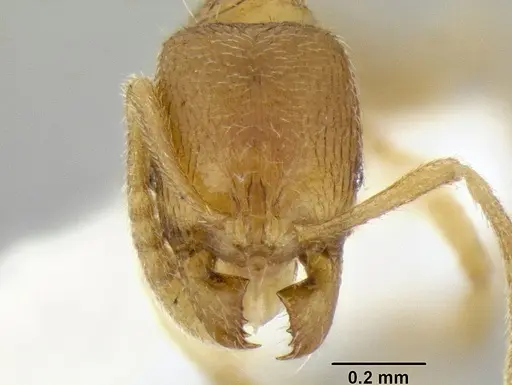
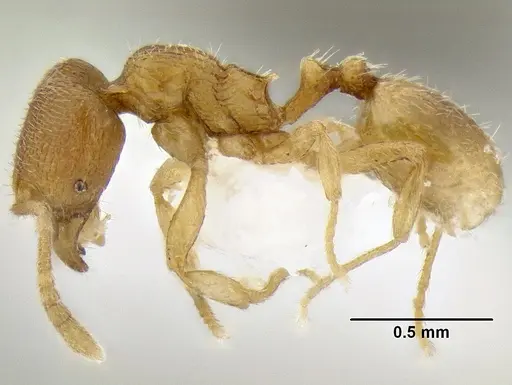
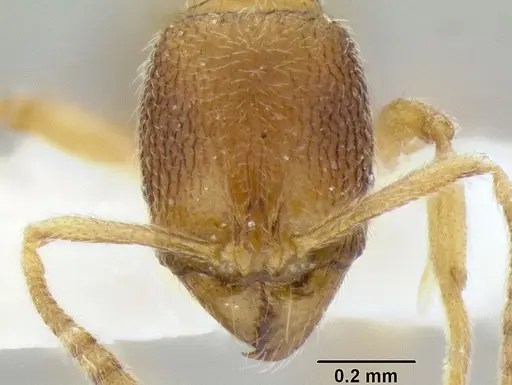
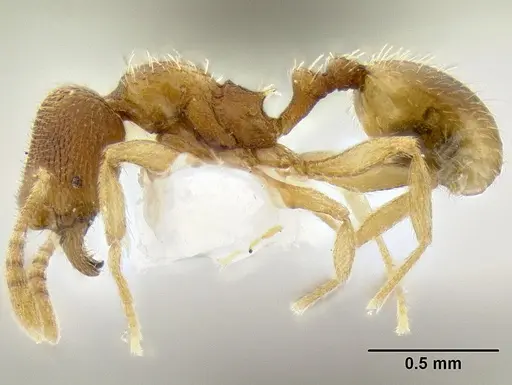
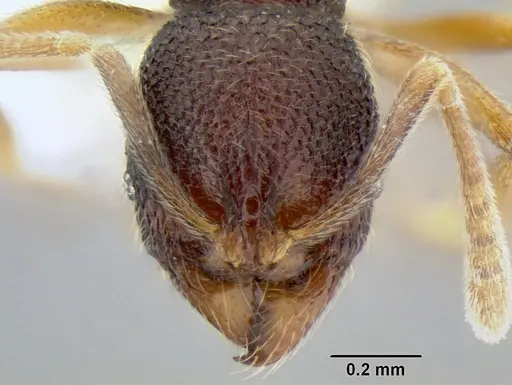
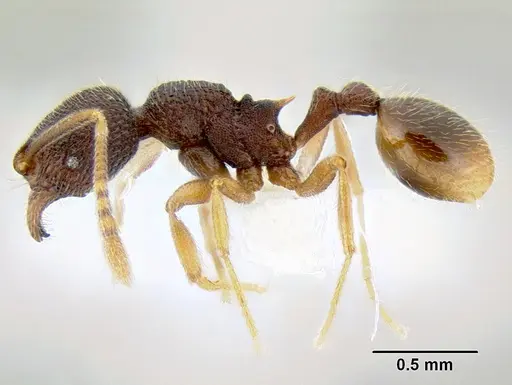
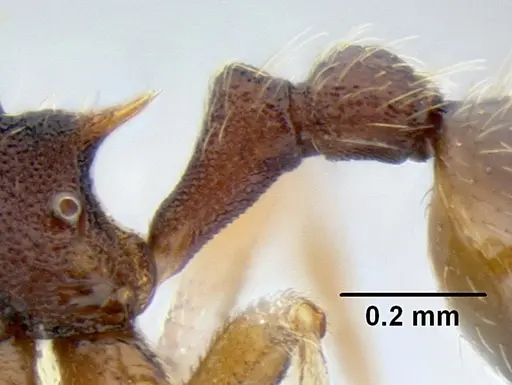
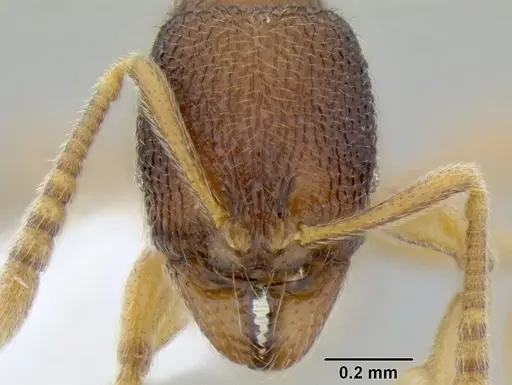
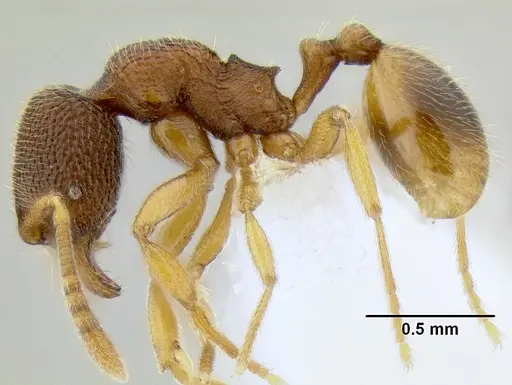
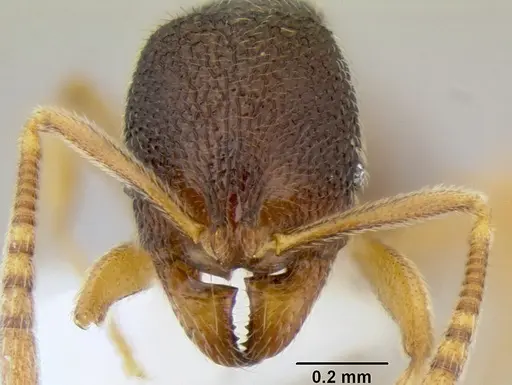
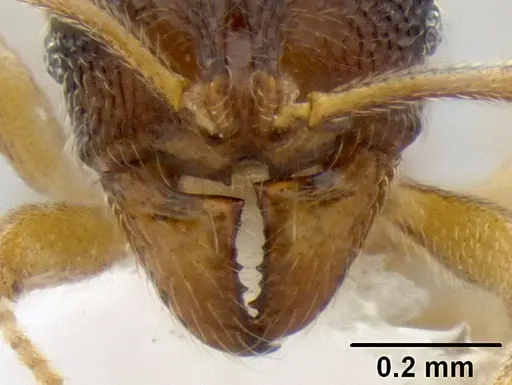
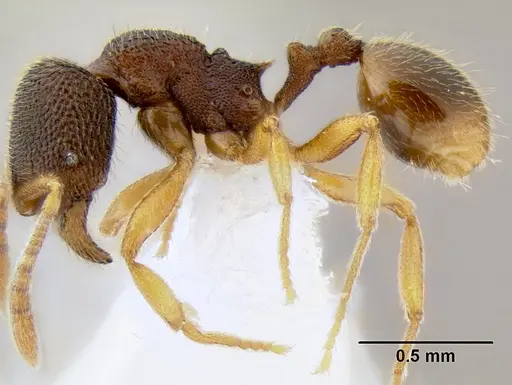
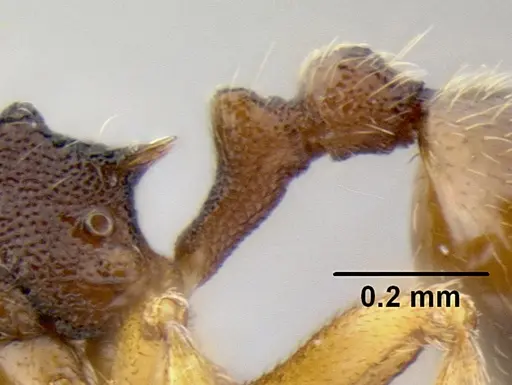
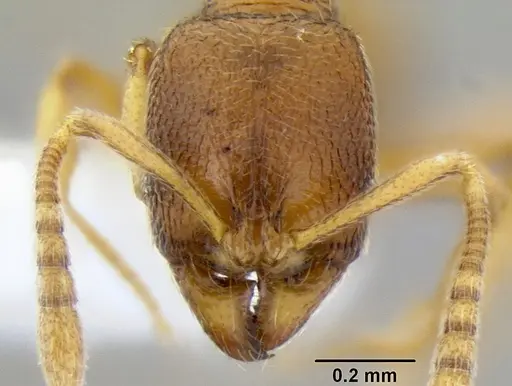
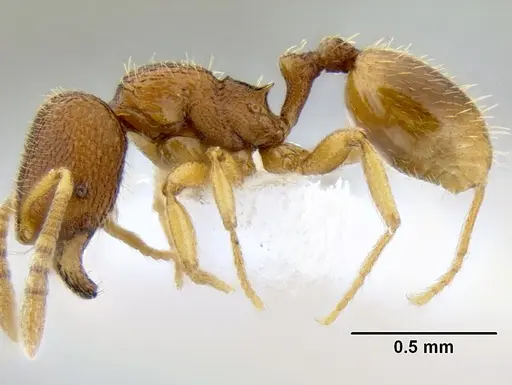
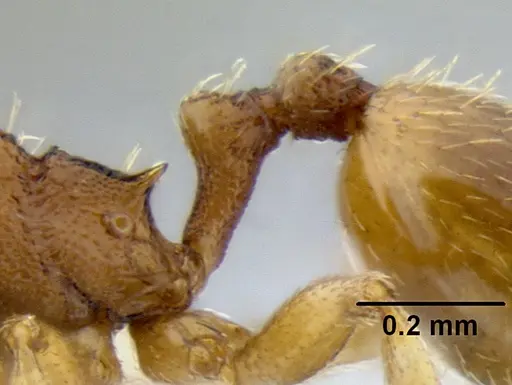
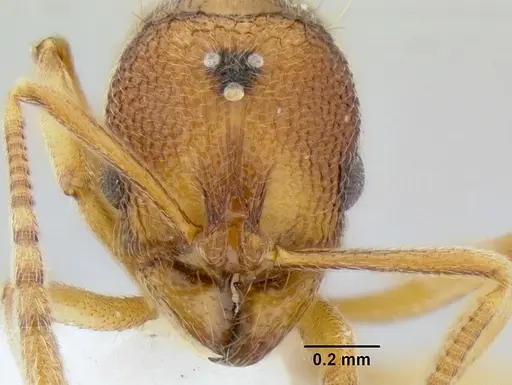
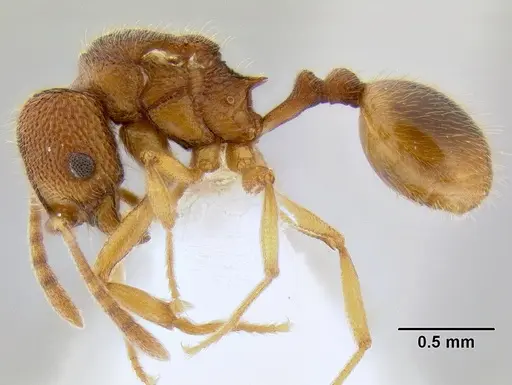
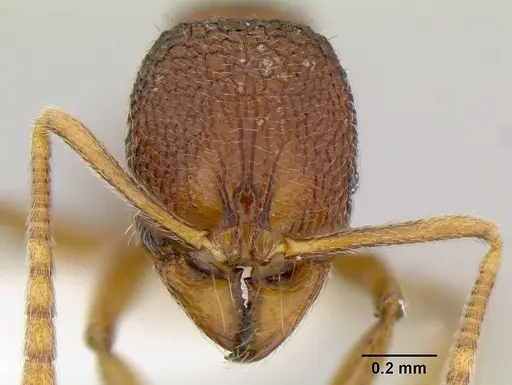
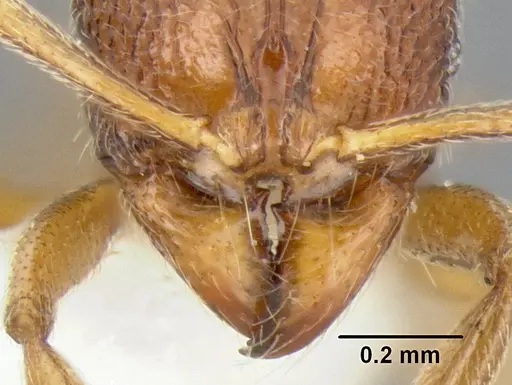
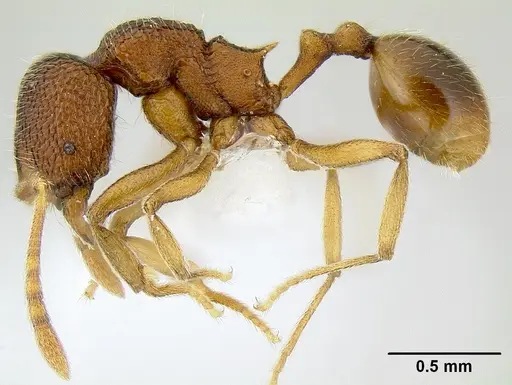
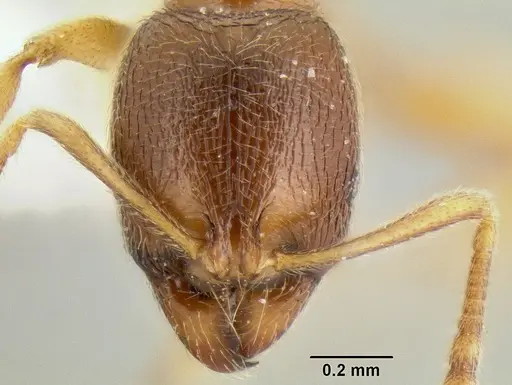
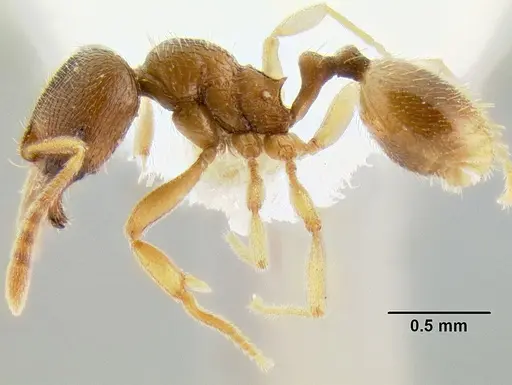
Stenamma excisum is a small, cryptic ant species native to the Atlantic slope of Mexico and Honduras [1]. Workers measure just 0.49-0.73mm in head length, making them one of the smaller ant species you'll encounter [2]. Their body coloration ranges from orange-brown to brown, with a distinctive feature: a deep notch (excision) in the front of their clypeus, this is what gives them their scientific name 'excisum' [2]. They have small eyes with only 2-4 lenses, and their body is densely covered in sculpture patterns [1]. This species is quite rare in collections, known almost entirely from sifted leaf litter samples rather than direct observations [2]. The unique clypeal structure suggests they may have a specialized diet different from other Stenamma species [2].
Quick Summary
- Difficulty: Expert
- Origin & Habitat: Atlantic slope of Mexico to Honduras, found in various wet forest environments including tropical rainforest, cloud forest, disturbed mesophyll forest, pine-oak forest, and riparian wet forest at elevations of 60-2280m [2][1]
- Colony Type: Colony structure is unconfirmed, no documented queen number or colony size data exists for this species. Males have never been collected, suggesting colonies may be small or queens rarely produce sexuals in the wild [2].
- Size & Growth:
- Queen: 0.55-0.73mm head length [2], estimated from measurements
- Worker: 0.49-0.73mm head length [2]
- Colony: Unknown, this species is rarely collected and no colony size data exists
- Growth: Unknown, no development data available
- Development: Unconfirmed, no direct development data exists for this species (Based on typical Stenamma patterns and other Myrmicinae, expect development to take several months. Related species suggest 6-12 weeks at optimal temperatures, but this is a rough estimate.)
- Antkeeping:
- Temperature: Based on their wet forest habitat across a wide elevation range (60-2280m), they likely prefer moderate temperatures, aim for roughly 20-24°C with a gradient if possible. The wide natural elevation range suggests some flexibility, but avoid extremes.
- Humidity: These are wet forest ants, they need high humidity. Keep the nest substrate consistently moist but not waterlogged. Think damp forest floor conditions. Provide a water source and ensure good ventilation to prevent mold while maintaining humidity.
- Diapause: Unknown, no documented overwintering behavior exists. Given their tropical to subtropical range (Mexico to Honduras), they likely have reduced or no diapause requirements, but this is unconfirmed.
- Nesting: In the wild they are found in sifted leaf litter and once under a stone [2]. For captivity, a naturalistic setup with moist substrate (like a mix of soil and leaf litter) works well. Y-tong or plaster nests can work if kept adequately moist. They are tiny, so chambers should be appropriately scaled.
- Behavior: This is a cryptic, litter-dwelling species that forages in the soil layer [2]. They are not aggressive and likely have mild temperament. Their small size (under 1mm) means they can easily escape, excellent escape prevention is essential. They probably forage individually or in small groups rather than forming visible trails. The unique clypeal excision suggests specialized feeding, possibly on soft prey or liquids.
- Common Issues: escape prevention is critical, they are tiny and can squeeze through the smallest gaps, no established husbandry guidelines exist, this is an expert-level species with unconfirmed care requirements, they may have specialized dietary needs related to their unique clypeal structure, high humidity requirements can lead to mold problems if ventilation is poor, wild-caught colonies may be stressed from collection methods and difficult to establish
Appearance and Identification
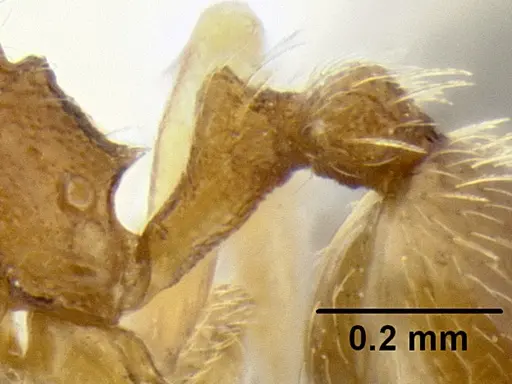
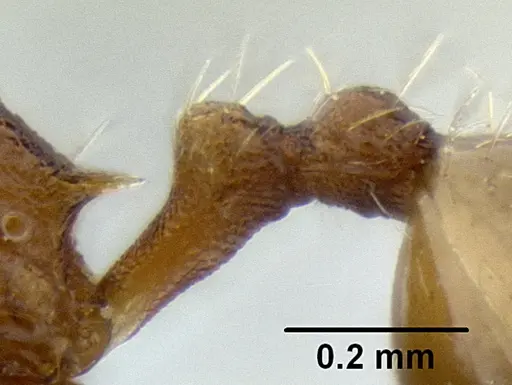
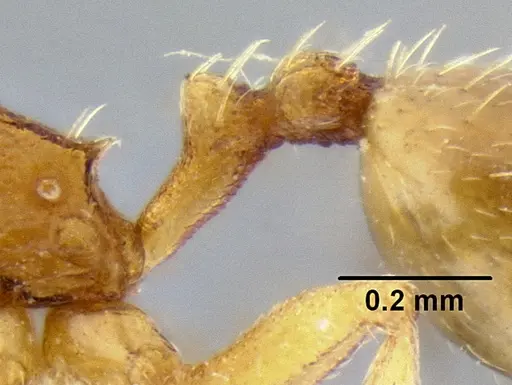
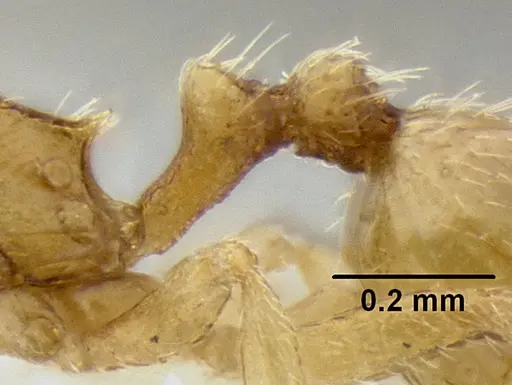
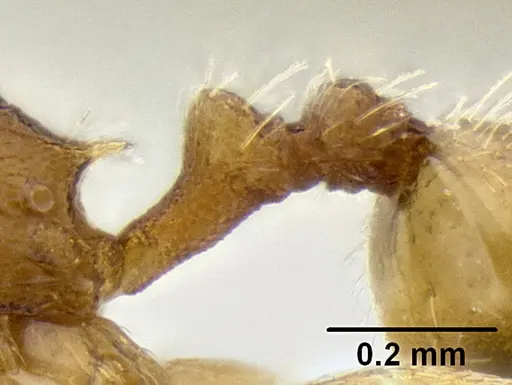
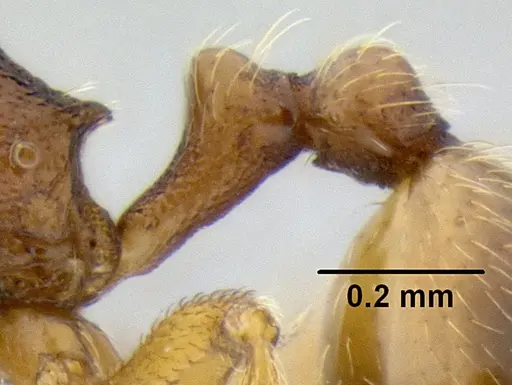
Stenamma excisum is a tiny ant, workers measure just 0.49-0.73mm in head length, making them smaller than many common house ants [2]. Their body is mostly orange-brown to brown in color, and they have a distinctive notch (excision) in the front of their face that sets them apart from other Stenamma species [1]. This unique clypeal feature is so unusual that researchers believe it suggests the species has a specialized diet [2]. They have small eyes with only 2-4 lenses, and their body surface is densely sculpted with ridges and punctures [1]. Queens are slightly larger at 0.55-0.73mm head length and have the standard queen modifications [2]. Males have never been collected, which is unusual and suggests this species may reproduce differently or be rarely observed [2].
Natural Habitat and Distribution
This species lives on the Atlantic slope of Mexico down through Honduras [1]. They are found across a wide elevation range from 60m up to 2280m, which is quite unusual and suggests they can adapt to different conditions [2]. Their habitats include tropical rainforest, cloud forest, disturbed mesophyll forest, pine-oak forest, and riparian wet forest, essentially they prefer wet, forested areas [2]. Almost all specimens have been collected from sifted leaf litter samples using specialized extraction methods (Winkler and Berlese funnels), with only one record of a specimen found under a stone [2]. This makes them one of the most cryptic ant species, they live hidden in the leaf litter layer and are rarely seen by humans [2]. The species forms a complex of several geographic variants that may actually be separate species [2].
Feeding and Diet
The unique clypeal excision in this species strongly suggests dietary specialization different from other Stenamma species [2]. While exact diet is unknown, Stenamma ants are typically predators and scavengers, feeding on small invertebrates and honeydew. Given their tiny size and the clypeal modification, they may specialize in feeding on soft-bodied prey or liquid foods. For captive care, start with small live prey like springtails or fruit fly larvae. Sugar water or honey may be accepted. Since this is speculative, observe your colony's preferences and adjust. Do not overfeed, excess prey can mold and harm the colony.
Temperature and Care
Based on their wide elevation range (60-2280m) in wet forest habitats, these ants prefer moderate temperatures with high humidity. Aim for roughly 20-24°C as a starting point, this covers the range from their lowland to highland collections. A temperature gradient allows the colony to choose its preferred zone. Keep the nest substrate consistently moist like a damp forest floor, but avoid waterlogging. Good ventilation is essential to prevent mold while maintaining humidity. Since this species has never been kept in captivity before, you are essentially pioneering husbandry. Document your observations carefully. [2]
Nesting and Setup
In the wild, Stenamma excisum lives in the leaf litter layer, they are almost exclusively collected from sifted leaf litter samples [2]. One specimen was found under a stone, showing they can use simple ground-level shelters [2]. For captive housing, a naturalistic setup with a deep layer of moist substrate (soil mixed with decaying leaves) mimics their natural environment best. Y-tong or plaster nests can work if you maintain high humidity, but the naturalistic approach may be better since these ants are adapted to the litter layer. The key is providing a moist, dark environment with plenty of floor space relative to their tiny size.
Challenges and Expert-Level Care
This is not a species for beginners. No established husbandry guidelines exist because the species has never been kept in captivity before [2]. Males have never been collected in the wild, which raises questions about their reproduction [2]. The wide geographic variation suggests there may be multiple cryptic species hidden under this name, your colony may have different needs depending on which variant it represents [2]. Excellent escape prevention is mandatory since they are tiny. Be prepared for experimental care and document everything to advance our understanding. This is truly a species for antkeepers who enjoy discovery and experimentation.
Frequently Asked Questions
Is Stenamma excisum a good species for beginners?
No, this is an expert-level species. No established husbandry guidelines exist because the species has never been documented in captivity. Males have never been collected in the wild, suggesting unusual reproduction. You will be pioneering husbandry for this species.
How big do Stenamma excisum colonies get?
Unknown, no colony size data exists in the scientific literature. This species is rarely collected and no one has documented colony sizes. Based on their tiny size and cryptic lifestyle, colonies are likely small, possibly under 100 workers.
What do Stenamma excisum ants eat?
Their unique clypeal structure suggests specialized feeding, but exact diet is unknown. Based on typical Stenamma behavior, they likely eat small invertebrates and honeydew. Start with tiny live prey like springtails or fruit fly larvae. Sugar water may be accepted. Observe your colony's preferences.
Do Stenamma excisum ants need hibernation?
Unknown, no documented overwintering behavior exists. Their range spans Mexico to Honduras, which has mild winters. They likely do not require a true diapause, but a slight cooling period during winter months may be natural. Monitor your colony's activity levels.
Can I keep Stenamma excisum in a test tube?
Test tubes can work for founding colonies if you maintain high humidity, but these ants are adapted to the leaf litter layer and may do better in a naturalistic setup with moist substrate. If using test tubes, ensure the water reservoir is adequate and monitor for drying.
How long does it take for Stenamma excisum to develop from egg to worker?
Unconfirmed, no development data exists for this species. Based on typical Stenamma and other Myrmicinae patterns, expect roughly 6-12 weeks at optimal temperatures (around 20-24°C), but this is a rough estimate. Document your colony's development to contribute to our knowledge.
Do Stenamma excisum ants sting?
Stenamma belongs to the Myrmicinae subfamily, which includes many species with stingers. However, this genus is not known for aggressive stinging. Their small size and cryptic nature suggest they rely on hiding rather than defense. Handle gently regardless.
Where does Stenamma excisum live in the wild?
They live on the Atlantic slope of Mexico through Honduras in wet forest environments at elevations of 60-2280m. They are found in tropical rainforest, cloud forest, pine-oak forest, and riparian wet forests. Almost all specimens come from sifted leaf litter samples, they are one of the most cryptic ant species.
Are Stenamma excisum colonies monogyne or polygyne?
Unknown, no documented colony structure exists for this species. The lack of collected males and rarity of specimens makes it difficult to determine their social structure. This is one of many aspects of their biology that remains unstudied.
What makes Stenamma excisum different from other Stenamma?
The deep median excision in their anterior clypeal margin is unique among Stenamma species and gives them their name 'excisum'. They are also one of the smallest Stenamma species and are cryptically living in leaf litter rather than more visible locations. They form a complex of geographic variants that may represent multiple species.
Is Stenamma excisum available in the antkeeping hobby?
Almost certainly not, this is one of the rarest ant species in collections. They are known almost exclusively from scientific leaf litter samples and have never been documented in the antkeeping trade. Any colony would likely be wild-caught and extremely difficult to establish in captivity.
References

This caresheet is licensed under CC BY-SA 4.0 .
CASENT0126237
View on AntWeb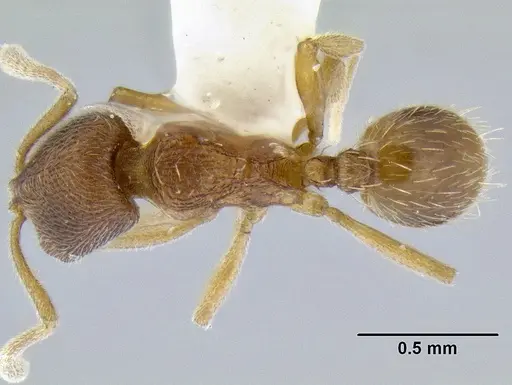
CASENT0126243
View on AntWeb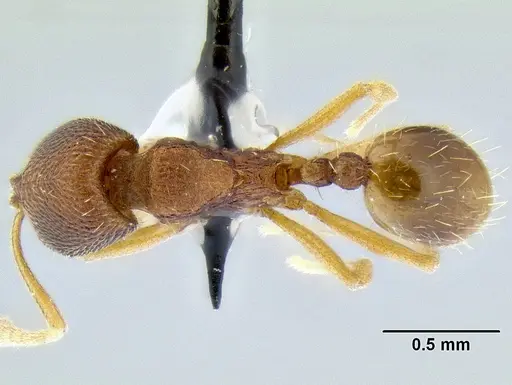
CASENT0126244
View on AntWeb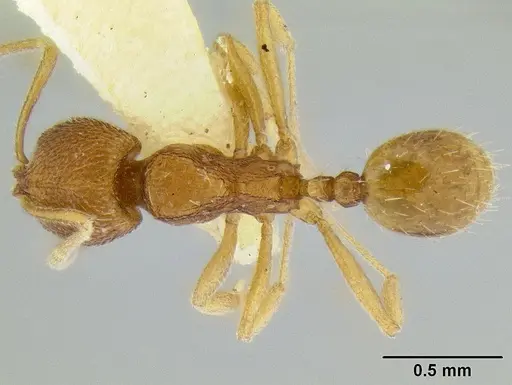
CASENT0194037
View on AntWeb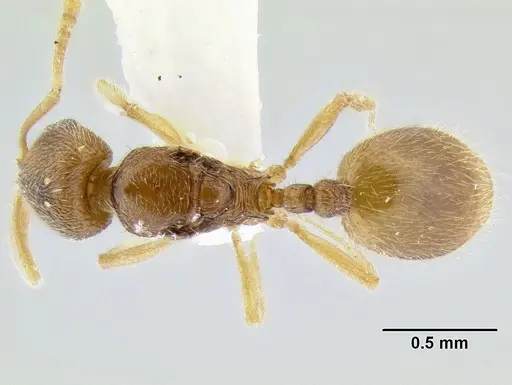
CASENT0194039
View on AntWeb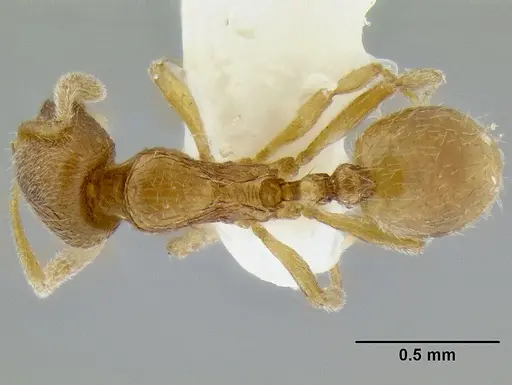
CASENT0194045
View on AntWeb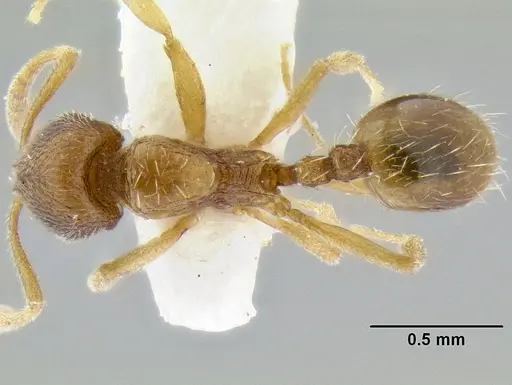
CASENT0605441
View on AntWeb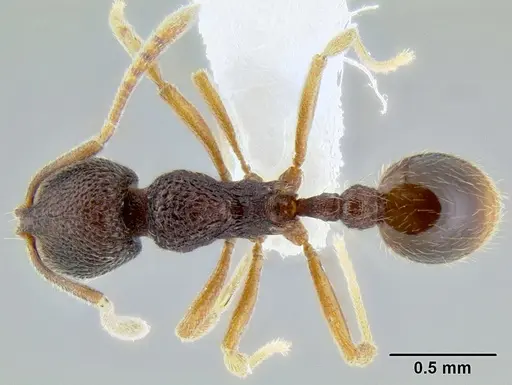
CASENT0605500
View on AntWeb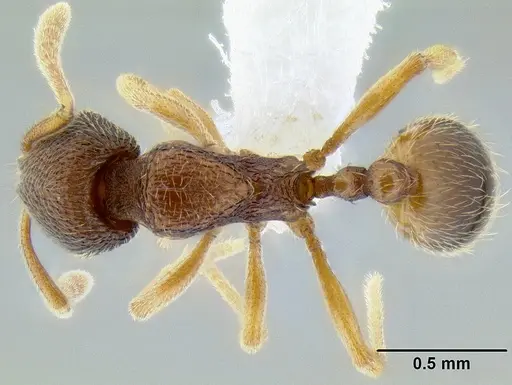
CASENT0605563
View on AntWeb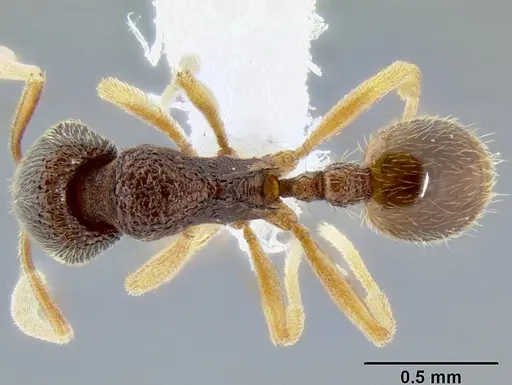
CASENT0605734
View on AntWeb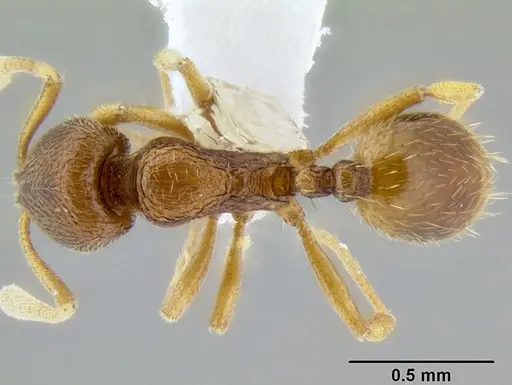
CASENT0621799
View on AntWeb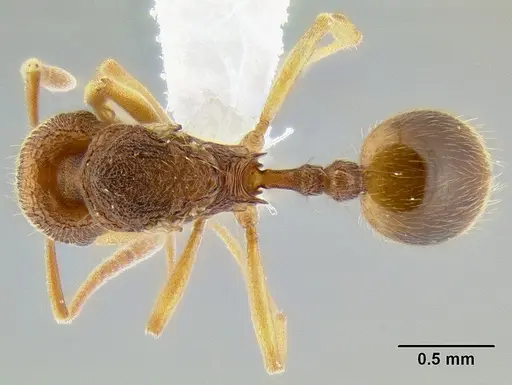
CASENT0621834
View on AntWeb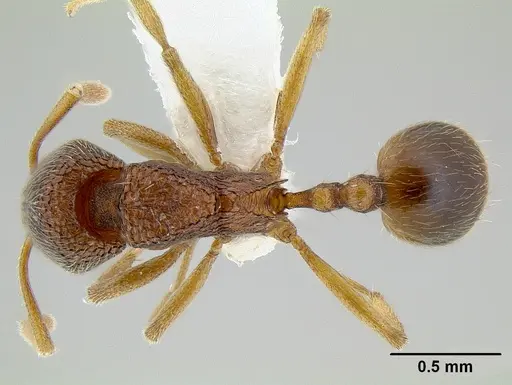
CASENT0622434
View on AntWeb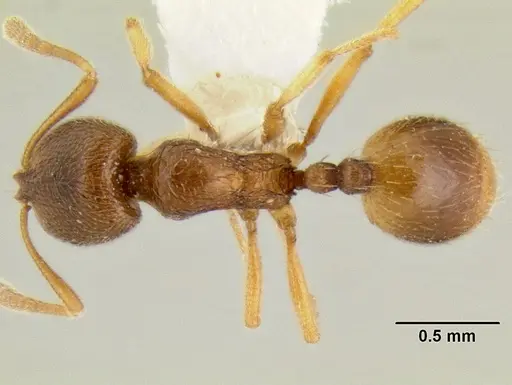
Literature
Loading...Loading products...