

Stenamma exasperatum
- Scientific Name
- Stenamma exasperatum
- Tribe
- Stenammini
- Subfamily
- Myrmicinae
- Author
- Snelling, 1973
- Distribution
- Found in 1 countries
Stenamma exasperatum Overview
Stenamma exasperatum is an ant species of the genus Stenamma. It is primarily documented in 1 countries , including United States of America. Detailed taxonomic data and occurrence records can be further explored via authoritative databases such as AntWeb or the Global Biodiversity Information Facility (GBIF).
Stenamma exasperatum
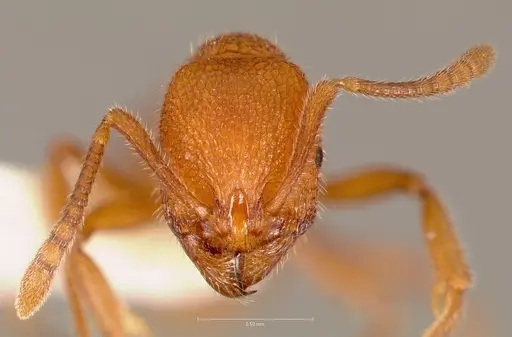
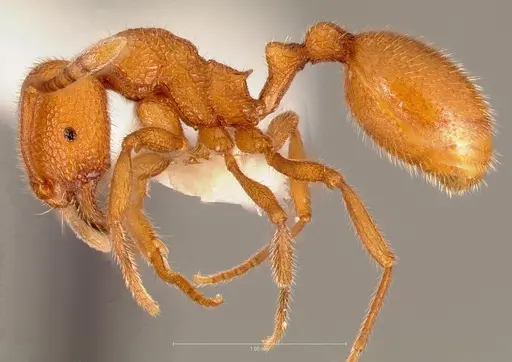
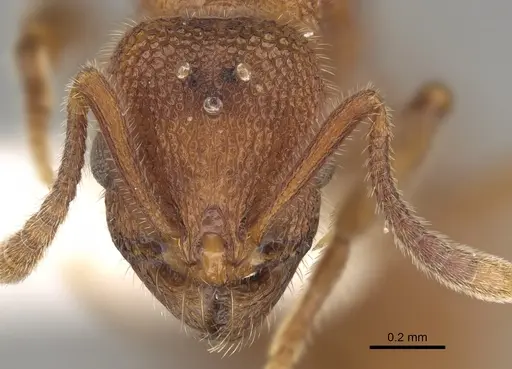
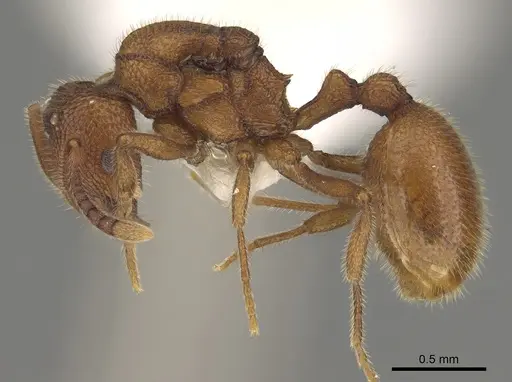
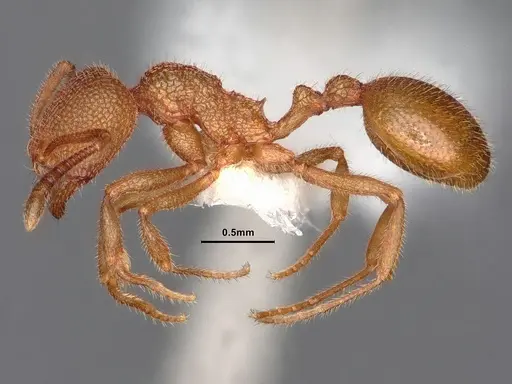
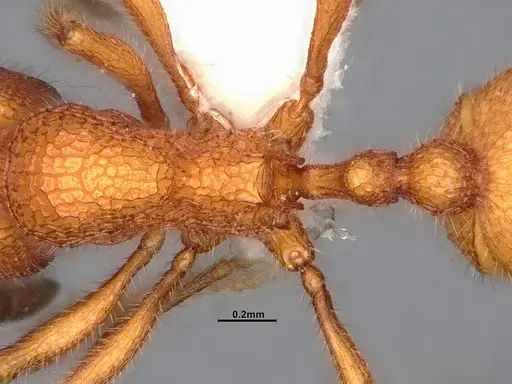
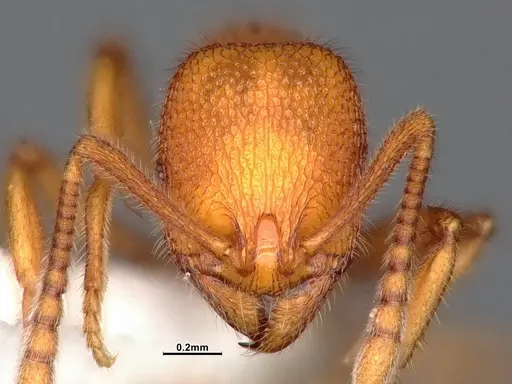
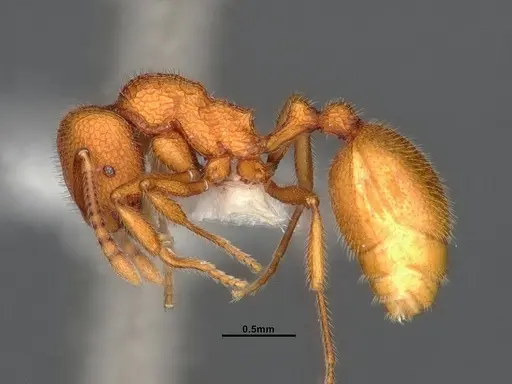
Stenamma exasperatum is a small, yellowish-brown ant species native to California, belonging to the Myrmicinae subfamily. Workers measure 0.70-0.77mm in head width and 1.00-1.13mm in mesosoma length, making them relatively small ants with a distinctive coarse, reticulate sculpturing on the thorax and gaster [1]. The species is closely related to Stenamma heathi, sharing similar clypeal structure and gastric sculpture, but can be distinguished by its more clearly reticulate head and thorax, and fully erect hairs on the scapes and tibiae [2]. This species is known only from California, particularly from the Calaveras Big Trees area in Calaveras County, where it was first collected under a stone in a Sequoiadendron grove [2]. The species name 'exasperatum' reflects the collector's frustration at discovering it was yet another new species after initially thinking it was S. heathi [2].
Quick Summary
- Difficulty: Medium
- Origin & Habitat: Native to California, USA, in the Nearctic biogeographic region [3]. Found in cool, shaded habitats including Sequoiadendron groves and pine-fir forests, typically under stones or in leaf litter [2]. The latitude of approximately 41.28°N indicates a temperate mountain environment [3].
- Colony Type: Colony structure is unconfirmed. Based on related Stenamma species, likely monogyne (single queen) colonies with moderate worker counts.
- Size & Growth:
- Queen: Undescribed in original literature, estimated 5-7mm based on genus patterns
- Worker: 0.70-0.77mm head width,1.00-1.13mm mesosoma length [2]
- Colony: Likely under 500 workers based on typical Stenamma colony sizes
- Growth: Moderate, typical for forest-dwelling Myrmicinae
- Development: Estimated 6-10 weeks at optimal temperature based on genus patterns (Development time inferred from related Stenamma species, specific data unavailable for this species)
- Antkeeping:
- Temperature: Keep at 18-22°C, they prefer cool, stable conditions typical of their shaded forest habitat. Avoid overheating. A slight temperature gradient allows ants to regulate their own exposure.
- Humidity: Moderate to high humidity (50-70%). Their natural habitat under stones and in litter suggests they prefer consistently moist substrate without being waterlogged. Provide a damp nest area with some drier areas for escape.
- Diapause: Yes, as a Nearctic species from California's mountains, they likely require a winter dormancy period. Provide 2-3 months at 5-10°C during winter.
- Nesting: Prefers naturalistic setups with soil or plaster that can hold moisture. Y-tong (AAC) nests also work well. They do well with moderate chamber sizes and prefer tight, enclosed spaces. Keep nest substrate consistently moist.
- Behavior: Stenamma are generally calm, non-aggressive ants with slow, deliberate movement patterns. They are not known for stinging, Myrmicinae have functional stingers but Stenamma are not aggressive defenders. Workers forage individually rather than in raiding columns. Their small size means they can escape through tiny gaps, use fine mesh barriers. They are cryptic and spend much time inside the nest.
- Common Issues: escape prevention is critical due to their tiny size, they can squeeze through standard test tube cotton, colonies may fail if kept too warm, they prefer cool conditions, slow growth can frustrate beginners who overfeed or disturb the colony, wild-caught colonies may contain parasites that can devastate captive colonies, they prefer dark, quiet locations, excessive disturbance causes stress
Housing and Nest Setup
Stenamma exasperatum does well in naturalistic setups with moist soil or plaster substrates, which mimic their natural under-stone nesting habitat. Y-tong (AAC) nests also work well for this species. The nest should have chambers scaled appropriately for their small size, avoid large, open spaces. Keep the nest area consistently moist but not waterlogged. Place the setup in a cool, shaded location away from direct sunlight and vibrations. These ants prefer dark conditions and will be more active if the nest is covered or placed in low-light areas. A small outworld for foraging completes the setup. [2]
Feeding and Diet
Like other Stenamma species, they likely accept small protein sources such as fruit flies, small mealworms, and other tiny arthropods. They probably also consume honeydew from aphids and sugar water or honey as an energy source. Feed small prey items a few times per week, adjusting based on colony size and consumption. Remove uneaten prey after 24-48 hours to prevent mold. Sugar sources should be offered occasionally but are not their primary diet. Their small size means prey items must be appropriately sized, avoid large crickets or other oversized insects.
Temperature and Seasonal Care
Keep the nest at 18-22°C, this cool temperature range reflects their mountain forest habitat in California. Avoid temperatures above 25°C, as overheating can be fatal. A heating cable on one side of the nest can create a gradient, but ensure part of the nest stays cool. During winter (October-March), provide a diapause period at 5-10°C to simulate their natural seasonal cycle. This rest period is important for colony health and may trigger reproductive behavior in spring. Do not feed during diapause but keep the substrate slightly moist. [3]
Behavior and Temperament
Stenamma exasperatum is a calm, non-aggressive species with slow, deliberate movement. Workers are cryptic and spend much time inside the nest, emerging to forage individually rather than in groups. They are not known for stinging and pose no danger to keepers. Their small size means they can escape through remarkably tiny gaps, use fine mesh (at least 0.5mm) on all openings and consider applying Fluon to barrier edges. They do not form large colonies quickly, so patience is required. Avoid disturbing the colony frequently, as they prefer stable, quiet conditions.
Colony Establishment
If you obtain a founding queen, she will likely seal herself in a chamber and raise the first brood claustrally, living off her stored fat reserves until workers emerge. The first workers (nanitics) will be smaller than mature workers. Allow the colony to establish without disturbance, do not check the founding chamber for several weeks. Once workers are present, you can begin offering small prey items. Colony growth will be gradual, with workers living for several years. Multiple queens should not be combined unless pleometrosis is confirmed for this species.
Frequently Asked Questions
How long does it take for Stenamma exasperatum to produce first workers?
Based on typical Stenamma development, expect 6-10 weeks from egg to first worker at optimal temperature (around 20°C). This is a slow process, founding queens need patience. The exact timeline for this species has not been documented.
What temperature is best for Stenamma exasperatum?
Keep them at 18-22°C. They prefer cool conditions matching their native California mountain habitat. Avoid temperatures above 25°C, as overheating can kill the colony. A gentle temperature gradient allows ants to choose their preferred zone.
Do Stenamma exasperatum ants sting?
They are not aggressive and unlikely to sting. As Myrmicinae, they have stingers but Stenamma species are calm and non-defensive. They pose no danger to keepers.
How big do Stenamma exasperatum colonies get?
Based on typical Stenamma colony sizes, expect up to a few hundred workers. They are not large colony formers. Growth is moderate and gradual.
Can I keep multiple Stenamma exasperatum queens together?
Not recommended. Combining unrelated queens of this species has not been documented and could result in fighting. If you obtain multiple foundresses, house them separately.
What do Stenamma exasperatum eat?
They likely accept small live prey like fruit flies and small mealworms, and may consume sugar water or honey. Feed small protein items a few times weekly. Remove uneaten food promptly.
Do Stenamma exasperatum need hibernation?
Yes, as a Nearctic species from California's mountains, they require a winter dormancy period. Provide 2-3 months at 5-10°C during autumn/winter. Keep the substrate slightly moist during this period.
Why are my Stenamma exasperatum escaping?
Their tiny size allows them to squeeze through remarkably small gaps. Use fine mesh (0.5mm or smaller) on all openings and apply Fluon to barrier edges. Check all connections and lid seals regularly.
Is Stenamma exasperatum good for beginners?
They are moderate difficulty. Their slow growth and preference for cool, quiet conditions require patience. They are not aggressive but escape prevention is critical due to their small size.
When should I move my colony to a formicarium?
Wait until the colony has at least 50-100 workers before moving. Stenamma prefer稳定的 conditions, so only relocate if the current setup is inadequate. They do well in naturalistic setups or Y-tong nests.
References

This caresheet is licensed under CC BY-SA 4.0 .
CASENT0005814
View on AntWeb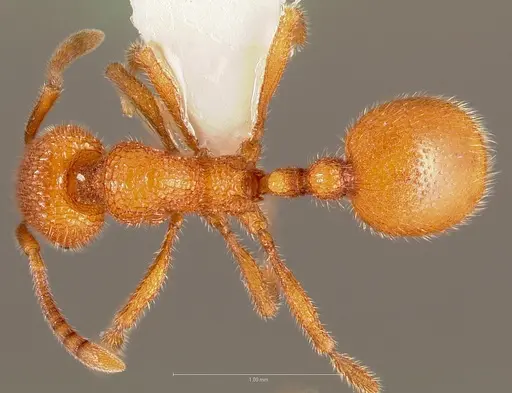
CASENT0863116
View on AntWeb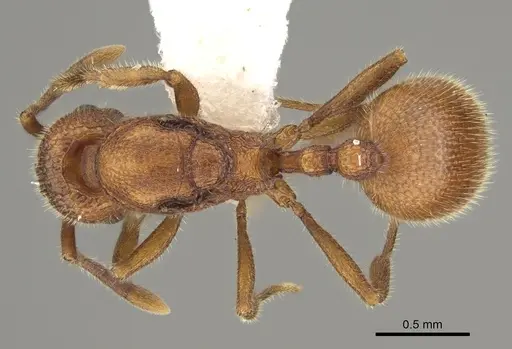
CASENT0884233
View on AntWeb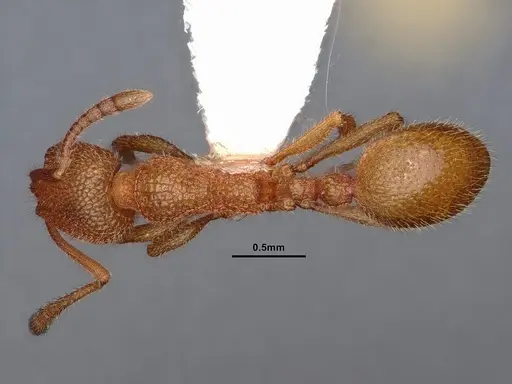
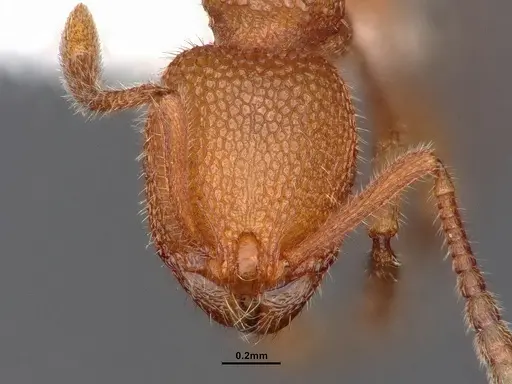
CASENT4032366
View on AntWeb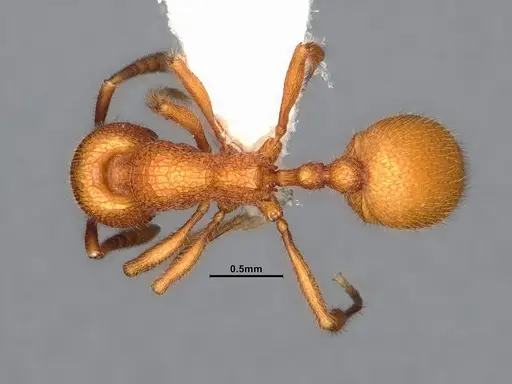
Literature
Loading...Loading products...