

Stenamma dyscheres
- Scientific Name
- Stenamma dyscheres
- Tribe
- Stenammini
- Subfamily
- Myrmicinae
- Author
- Snelling, 1973
- Distribution
- Found in 1 countries
Stenamma dyscheres Overview
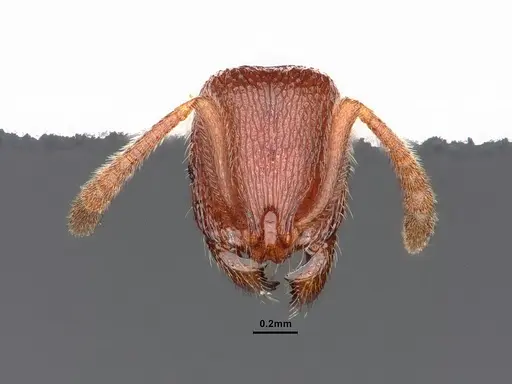
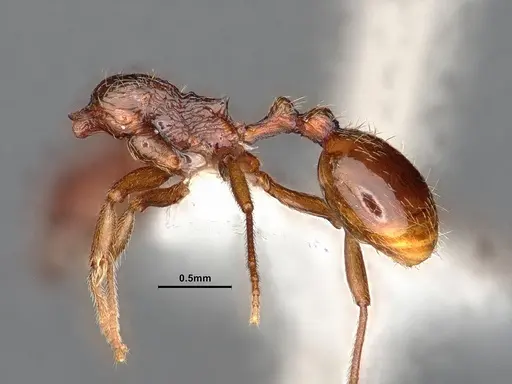
Stenamma dyscheres is an ant species of the genus Stenamma. It is primarily documented in 1 countries , including United States of America. Detailed taxonomic data and occurrence records can be further explored via authoritative databases such as AntWeb or the Global Biodiversity Information Facility (GBIF).
Stenamma dyscheres
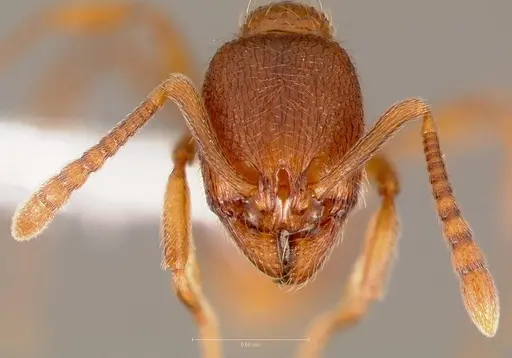
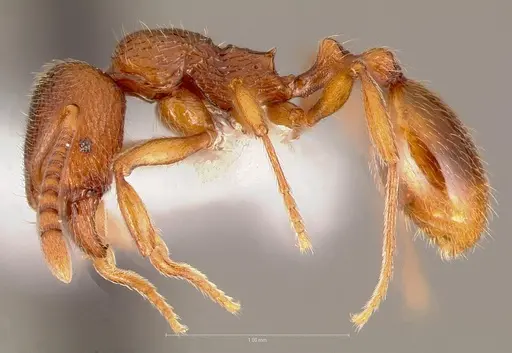
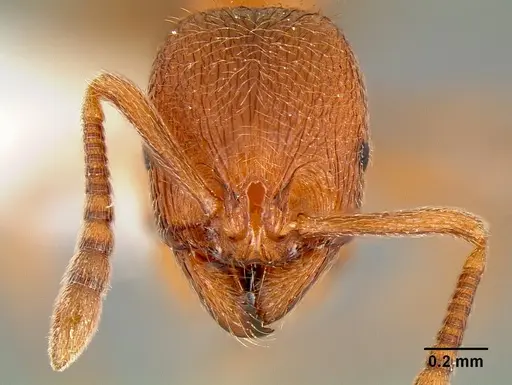
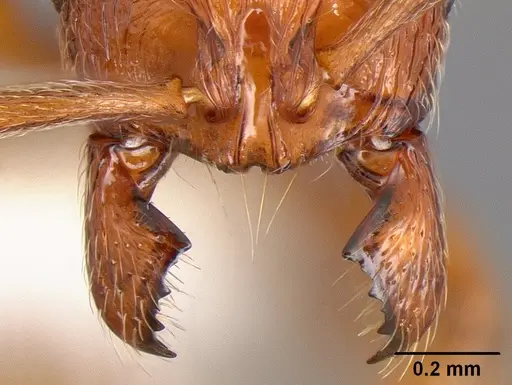
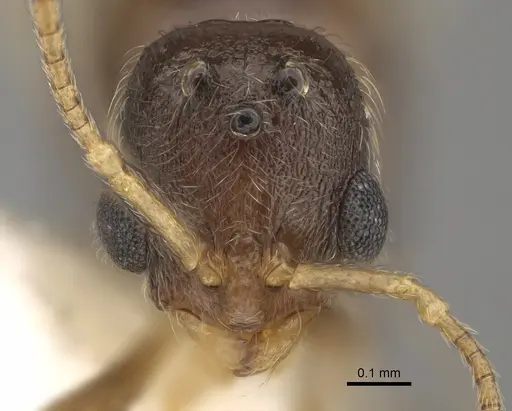
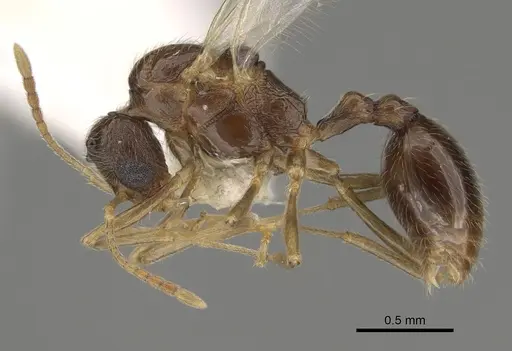
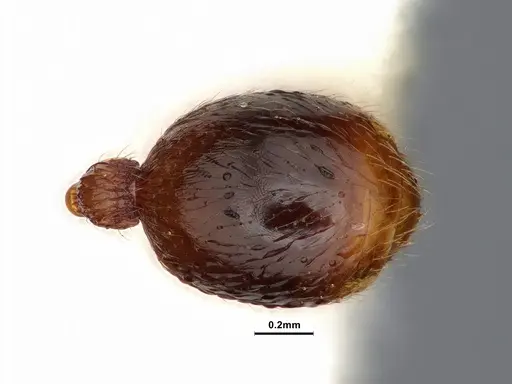
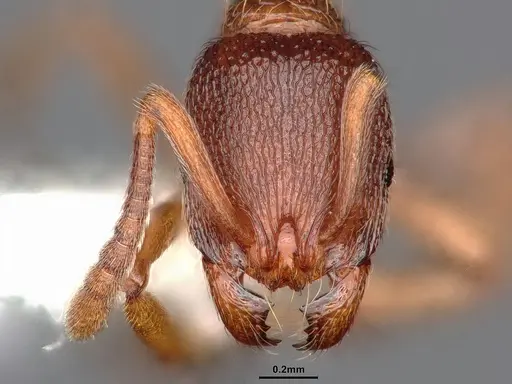
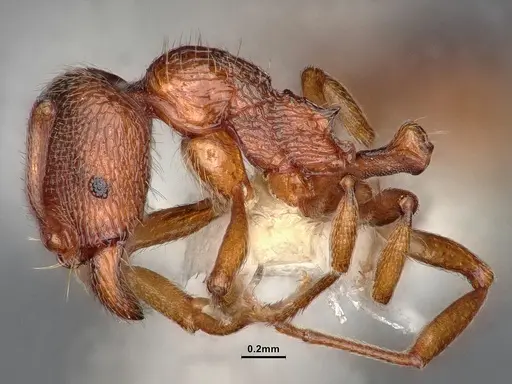
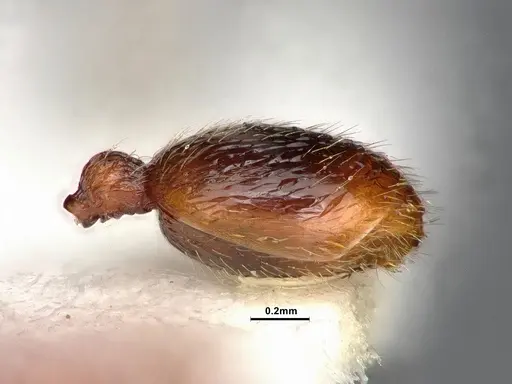
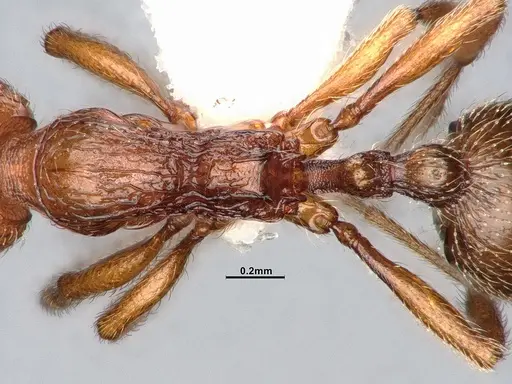
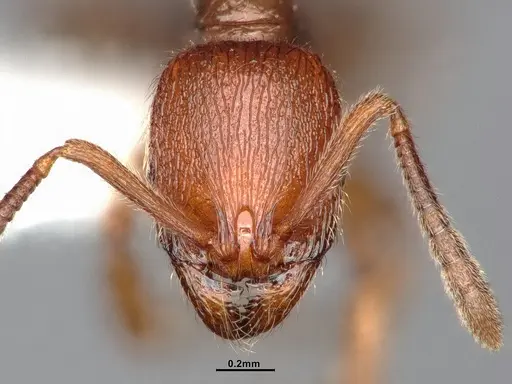
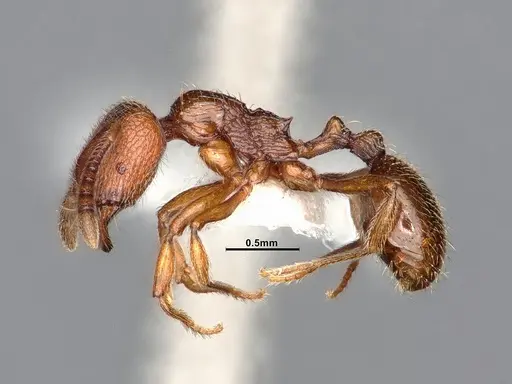
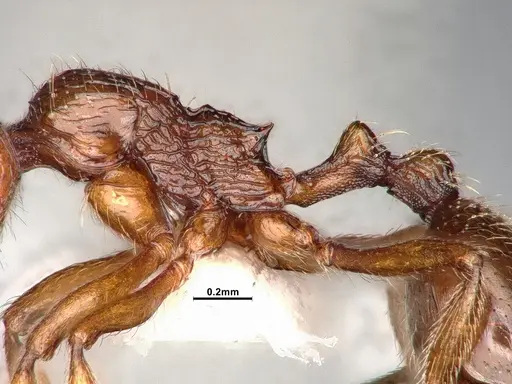
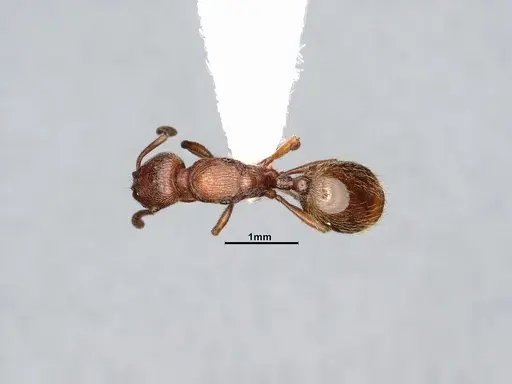
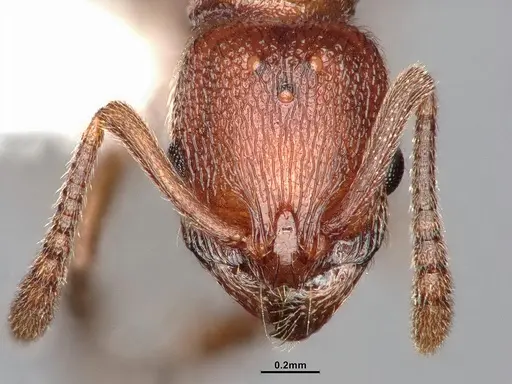
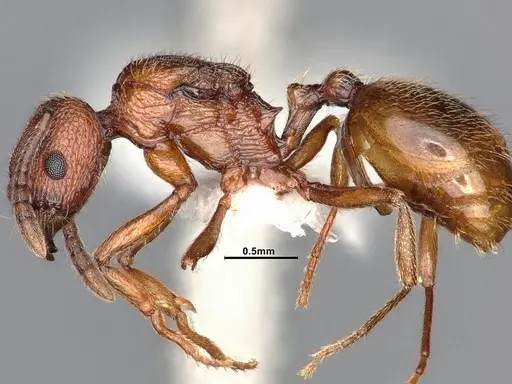
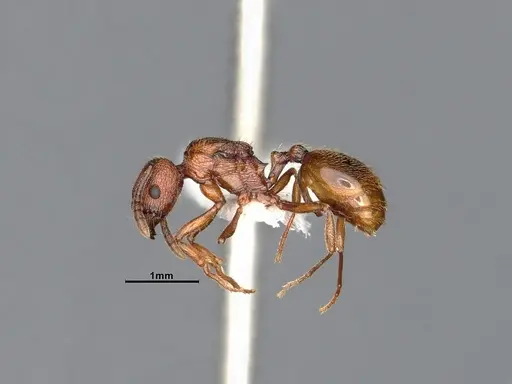
Stenamma dyscheres is a small, reddish-brown ant native to the mountains of California. Workers measure just 0.68-0.90mm, making them one of the smaller ant species you'll encounter [1]. They belong to the diecki species group within the genus Stenamma, which are commonly called leaf litter ants because they live in the damp forest floor environment [2]. The species is notable for its extreme variability, there are two distinct forms that may actually be separate species, with differences in body sculpture and size [1]. Queens are slightly larger at 0.83-0.93mm and have the typical chunky Myrmicinae build. This is a rarely collected species with limited distribution in the Sierra Nevada foothills and Tehachapi Mountains of California [3].
Quick Summary
- Difficulty: Medium
- Origin & Habitat: Native to California, USA, specifically the Sierra Nevada foothills south to Tejon Pass in the Tehachapi Mountains. They inhabit mixed coniferous forests at low to moderate elevations, living in leaf litter and pine duff on the forest floor [1]. This is an extratropical species with a latitude midpoint around 39.43°N [3].
- Colony Type: Colony structure is unconfirmed for this species. Based on related Stenamma species, they likely form single-queen colonies (monogyne). The genus typically shows ergatoid (wingless) replacement reproductives that can take over if the primary queen dies, but this specific behavior has not been documented for S. dyscheres.
- Size & Growth:
- Queen: 0.83-0.93mm [1], estimated from type specimens
- Worker: 0.68-0.90mm [1], directly from species description
- Colony: Unknown, no colony size data exists for this species. Related Stenamma species typically form small colonies of 100-500 workers.
- Growth: Unknown, no development data exists. Based on similar small Myrmicinae, expect moderate growth.
- Development: Estimated 8-12 weeks at optimal temperature, based on genus-level patterns for small Myrmicinae (No direct development studies exist for this species. Temperature will significantly affect development speed.)
- Antkeeping:
- Temperature: Keep around 18-22°C, this species comes from cool mountain forests in California, so they prefer cooler conditions than many ants. Avoid temperatures above 25°C. A slight temperature gradient allows workers to choose their preferred zone.
- Humidity: High humidity is essential, think damp forest floor. Keep the nest substrate consistently moist but not waterlogged. Provide a gradient from damp to slightly drier areas so ants can self-regulate.
- Diapause: Yes, based on their California mountain habitat and Nearctic distribution, they likely require a winter rest period. Reduce temperature to around 10-15°C for 2-3 months during winter.
- Nesting: In captivity, they do well in naturalistic setups that mimic their forest floor habitat. Y-tong (AAC) nests or plaster nests work well. They prefer tight chambers and narrow passages scaled to their tiny size. Avoid tall, open spaces.
- Behavior: These are shy, non-aggressive ants that forage slowly through leaf litter and soil. Workers are small and docile, they will flee rather than fight. They are not known to sting. Escape risk is moderate due to their small size, use standard barrier methods but they are not particularly prone to escaping like some tiny species. They likely forage individually for small prey and honeydew.
- Common Issues: very small size means they can escape through standard mesh, use fine mesh barriers, lack of available care information makes proper husbandry challenging, wild-caught colonies may be stressed or contain parasites since the species is rarely collected, they prefer cool conditions, overheating easily kills colonies, slow growth may frustrate beginners who expect faster development
Housing and Nest Setup
Because of their tiny size, Stenamma dyscheres needs careful housing. Y-tong (AAC) nests or plaster nests work well, both hold humidity while providing appropriate chamber sizes. The chambers should be small and tight-fitting, these ants don't use large open spaces. A naturalistic setup with a soil layer and some leaf litter material can help them feel at home. Keep the nest area consistently moist, these are forest floor ants that need damp conditions. A water reservoir or moisture gradient in the nest helps maintain proper humidity without constant misting. The outworld can be simple since they don't travel far.
Temperature and Seasonal Care
This species comes from cool California mountain forests, so they prefer temperatures on the cooler side. Aim for 18-22°C in the nest area, this is cooler than most tropical ants require. A heating cable on one side of the nest can create a gentle gradient, but be careful not to overheat them. Temperatures above 25°C can be fatal. During winter, they need a diapause period matching their natural cycle. Reduce temperature to 10-15°C for 2-3 months in winter. This rest period is important for their health and may trigger reproductive behavior in spring. Monitor them during this time, they will be less active but not completely dormant. [3]
Feeding and Diet
Stenamma ants are generalist foragers that eat small insects, honeydew, and nectar. In captivity, offer small live prey like fruit flies, pinhead crickets, and springtails. They are tiny, so prey should be appropriately sized, no larger than their own body size. Sugar sources like diluted honey or sugar water are usually accepted, though they may prefer honeydew if available. Feed small amounts 2-3 times per week, removing uneaten food promptly to prevent mold. Since they forage slowly, give them time to find and consume food before offering more.
Behavior and Colony Dynamics
This is a shy, non-aggressive species. Workers are small and will typically flee from threats rather than engage. They are not known to sting and pose no danger to keepers. Colonies grow slowly, don't expect rapid expansion. Workers forage individually through the substrate rather than forming large trails. The colony will likely remain small compared to species like Camponotus or Formica. Their cryptic lifestyle means you won't see constant activity, they are most active in the evening and night hours when humidity is higher. Be patient with these ants, they are a observation species rather than an active display species.
Frequently Asked Questions
How long does it take for Stenamma dyscheres to produce first workers?
The exact timeline is unknown for this species since no development studies exist. Based on typical patterns for small Myrmicinae ants in the Stenamma genus, expect 8-12 weeks from egg to worker at optimal temperature (around 20°C). Growth will be slower at cooler temperatures and faster at warmer temperatures within their safe range.
Can I keep Stenamma dyscheres in a test tube setup?
Test tubes can work for founding colonies, but these tiny ants need very small water reservoirs to prevent flooding. The chambers must be appropriately sized, large test tube chambers may be too big and stressful for them. Consider switching to a small Y-tong or plaster nest once the colony reaches 20-30 workers. Test tubes dry out quickly, so monitor humidity closely.
Do Stenamma dyscheres ants sting?
No, these ants are not known to sting. They are small, docile ants that will flee rather than defend. As Myrmicinae, they technically have a stinger, but it is not used defensively and poses no threat to humans. They are completely safe to handle.
What temperature range is best for Stenamma dyscheres?
Keep them at 18-22°C, which is cooler than most ant species. They come from California mountain forests where temperatures are moderate. Never exceed 25°C, overheating is a common killer of this species. A slight temperature gradient lets workers choose their preferred zone.
Do Stenamma dyscheres need hibernation?
Yes, based on their Nearctic distribution and mountain habitat, they require a winter rest period. Reduce temperatures to 10-15°C for 2-3 months during winter. This diapause is important for colony health and may trigger spring reproduction. Do not skip this, colonies that don't hibernate may decline over time.
How big do Stenamma dyscheres colonies get?
Colony size is unknown for this specific species since no field studies exist. Based on related Stenamma species, colonies likely reach 100-500 workers at maturity. They are not large colony formers like some Myrmicinae. Expect slow, steady growth over several years.
Are Stenamma dyscheres good for beginners?
This species is not ideal for complete beginners due to their specific temperature and humidity requirements, plus the complete lack of species-specific care information. However, intermediate keepers comfortable with cool-climate ants should be able to manage them. The biggest challenges are providing the right cool, damp conditions and being patient with slow growth.
What do Stenamma dyscheres eat?
They are generalist foragers. Offer small live prey (fruit flies, springtails, tiny crickets) as their primary protein source. They also accept sugar sources like diluted honey or sugar water. Feed small amounts 2-3 times weekly and remove uneaten food to prevent mold.
Why is Stenamma dyscheres so rarely kept?
This species has extremely limited distribution in California's mountains and is rarely collected. There is almost no scientific literature on its biology or captive care. Most antkeepers prefer more common species with established care protocols. This makes them a choice for experienced keepers who enjoy the challenge of keeping poorly studied species.
References

This caresheet is licensed under CC BY-SA 4.0 .
CASENT0005813
View on AntWeb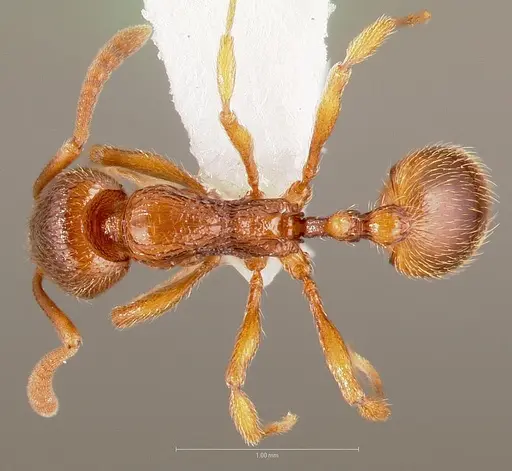
CASENT0106023
View on AntWeb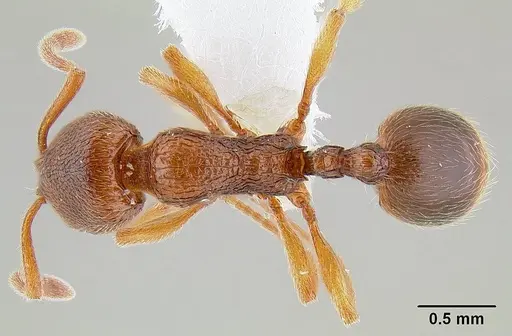
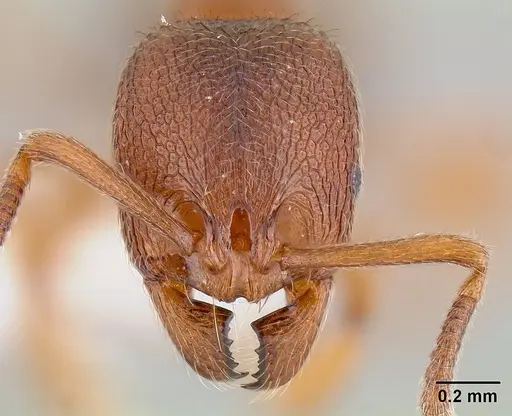
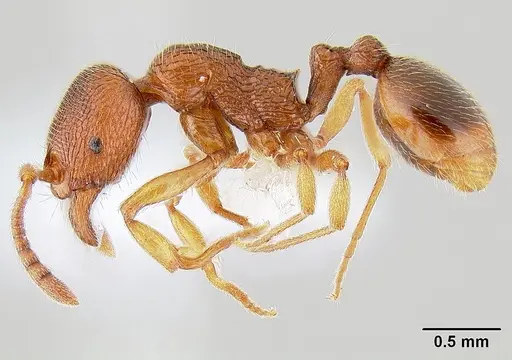
CASENT0126073
View on AntWeb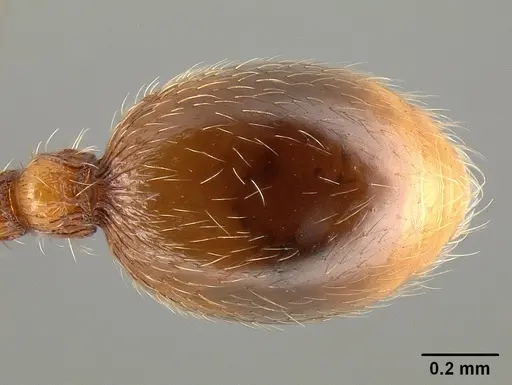
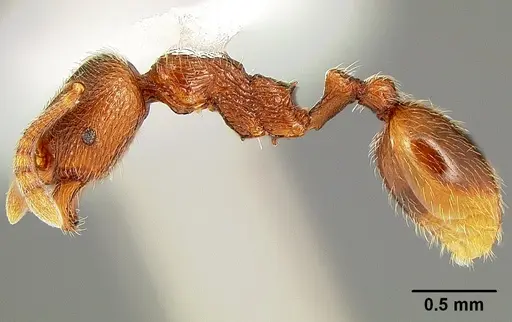
CASENT0126074
View on AntWeb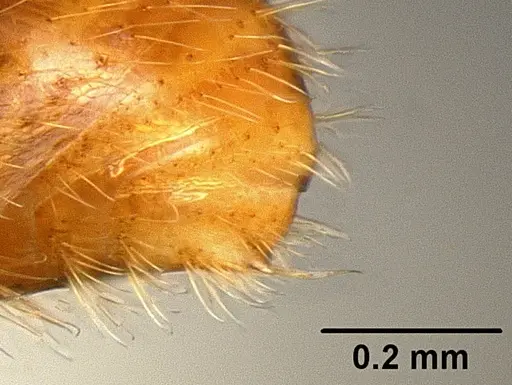
CASENT0171182
View on AntWeb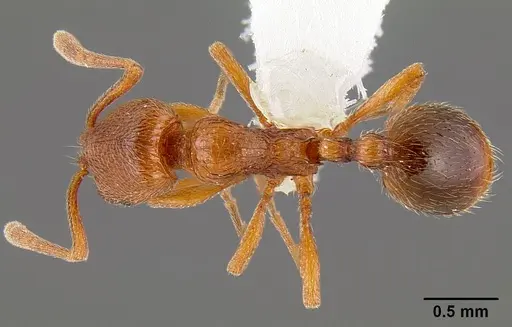
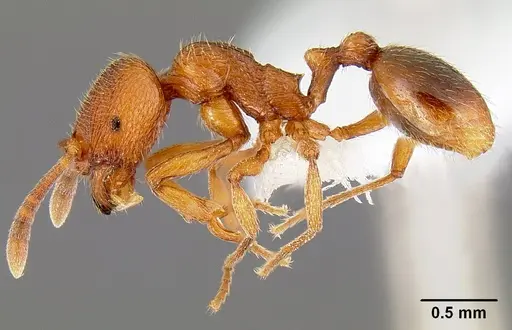
CASENT0862154
View on AntWeb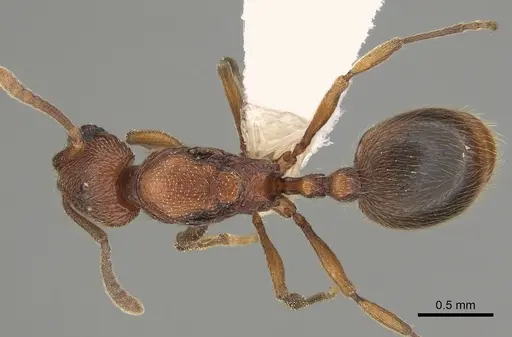
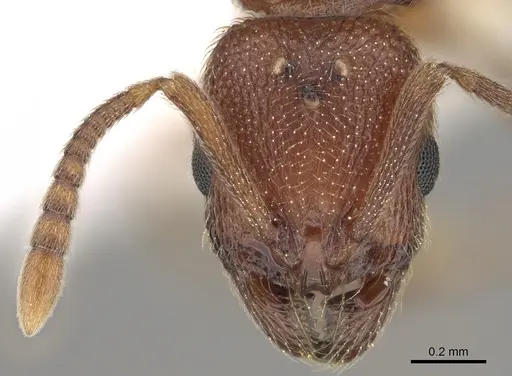
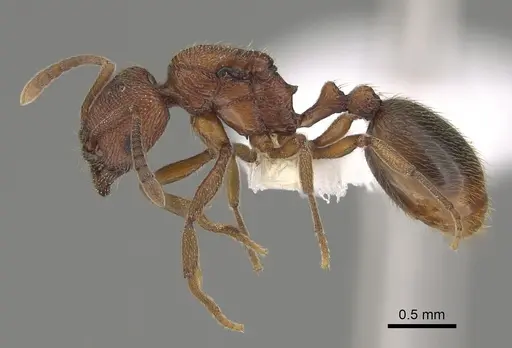
CASENT0863115
View on AntWeb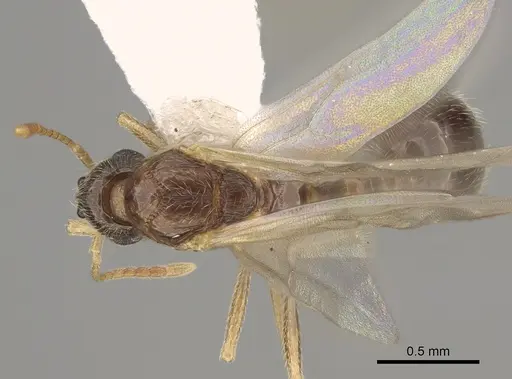
CASENT0884240
View on AntWeb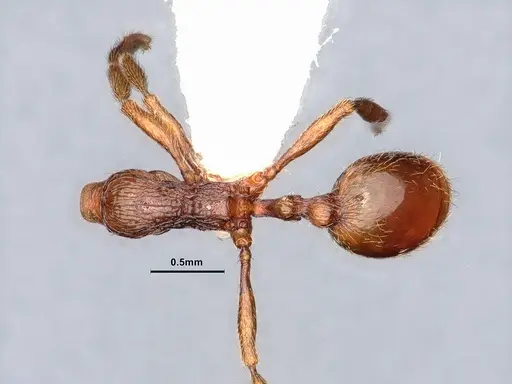
CASENT0884244
View on AntWeb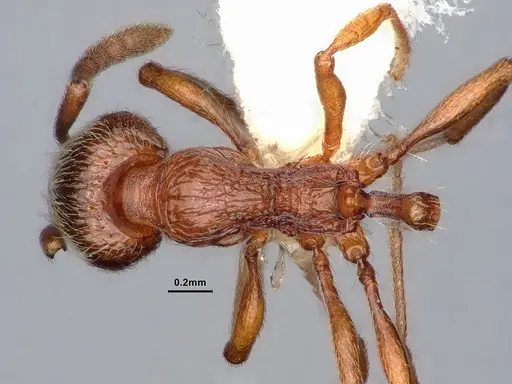
CASENT4031376
View on AntWeb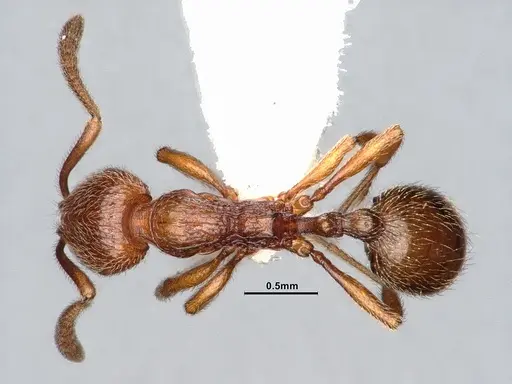
CASENT4031378
View on AntWeb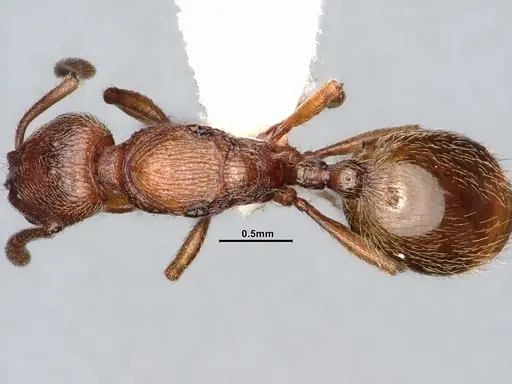
Literature
Loading...Loading products...