

Stenamma crypticum
- Scientific Name
- Stenamma crypticum
- Tribe
- Stenammini
- Subfamily
- Myrmicinae
- Author
- Branstetter, 2013
- Distribution
- Found in 3 countries
Stenamma crypticum Overview
Stenamma crypticum is an ant species of the genus Stenamma. It is primarily documented in 3 countries , including Guatemala, Honduras, Mexico. Detailed taxonomic data and occurrence records can be further explored via authoritative databases such as AntWeb or the Global Biodiversity Information Facility (GBIF).
Stenamma crypticum
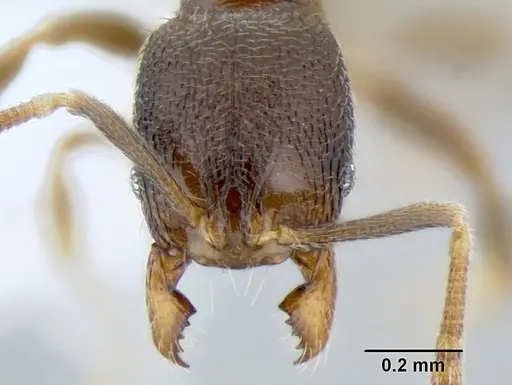
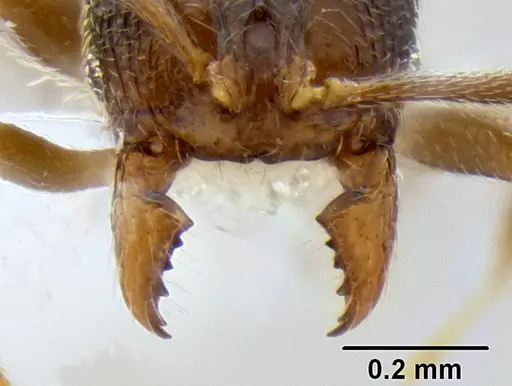
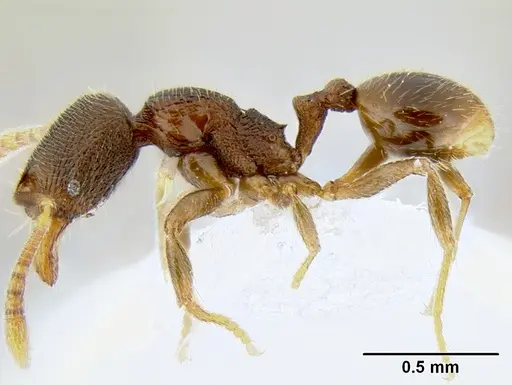
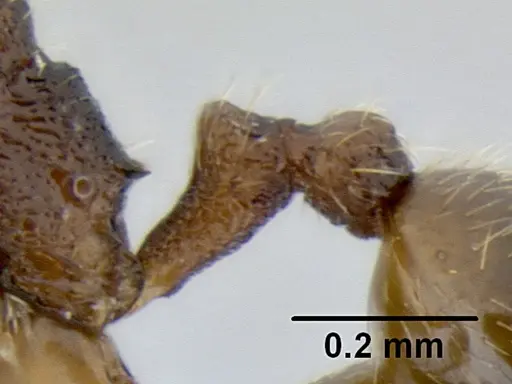
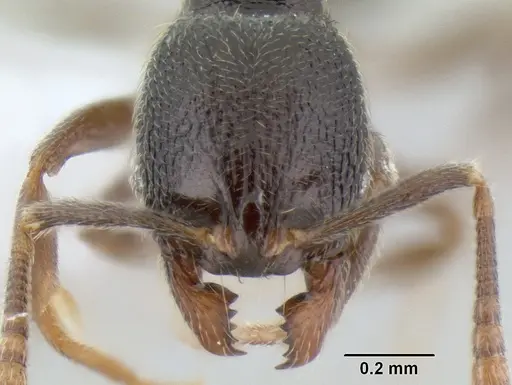
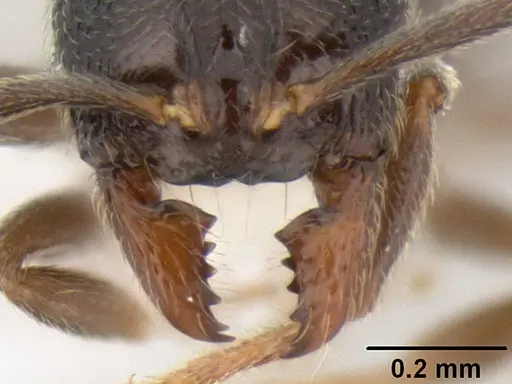
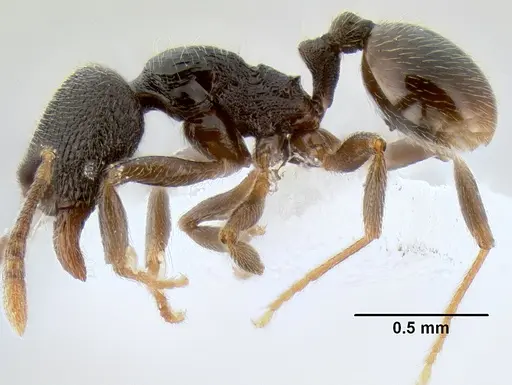
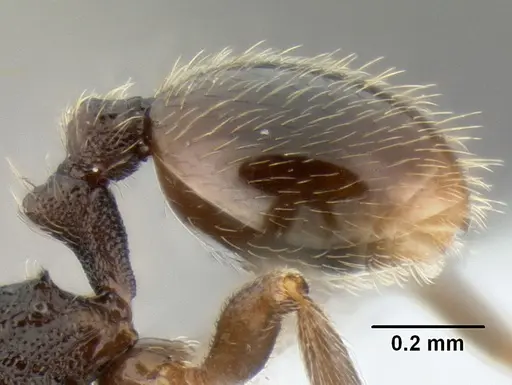
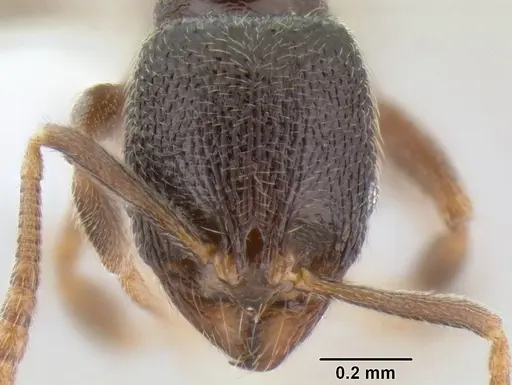
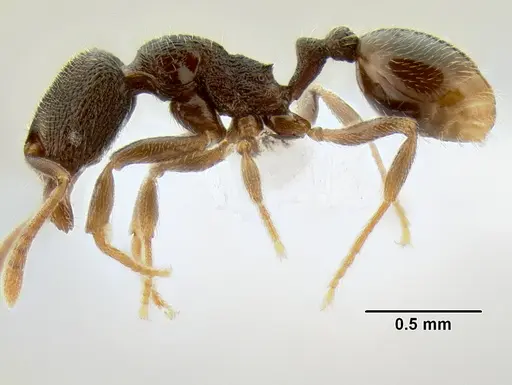
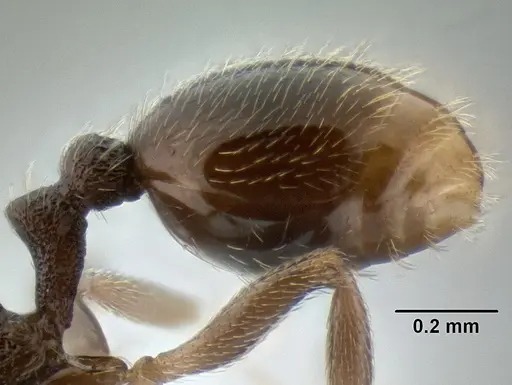
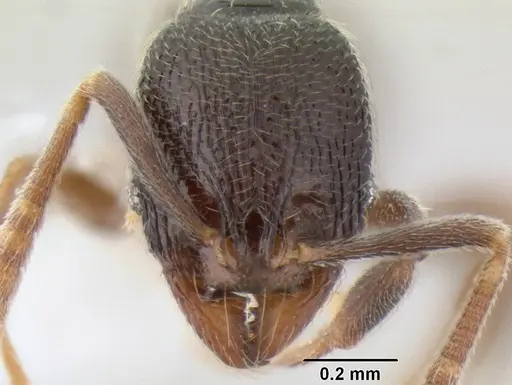
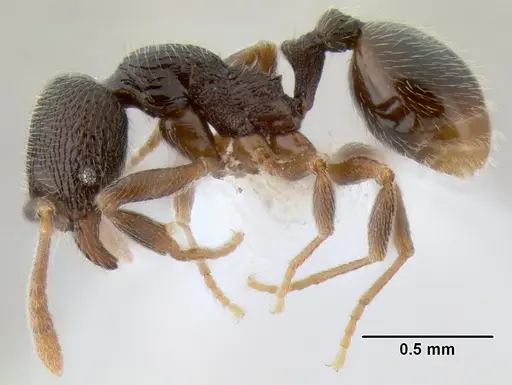
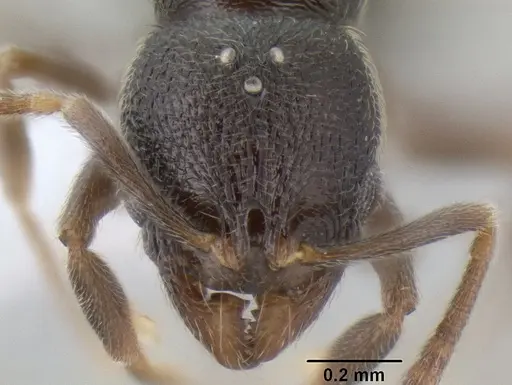
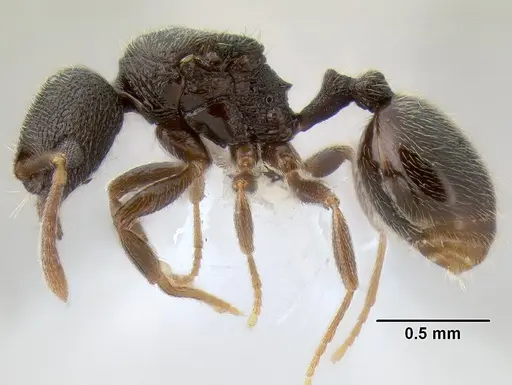
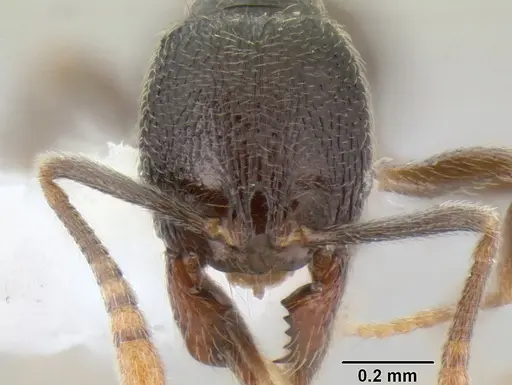
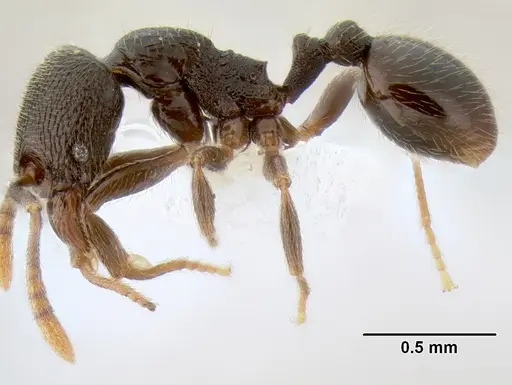
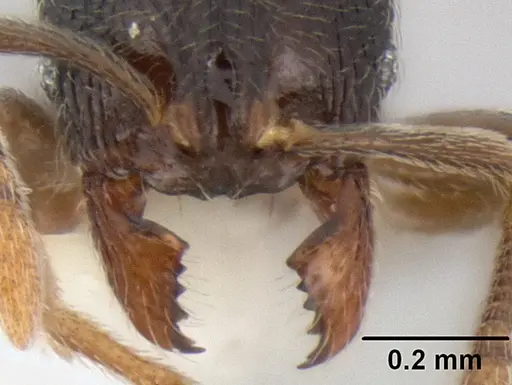
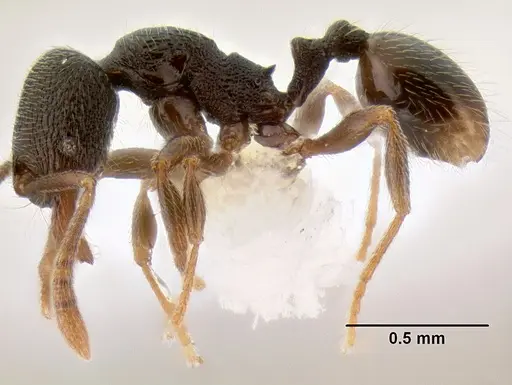
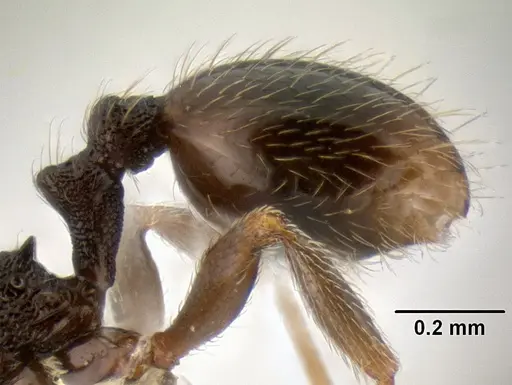
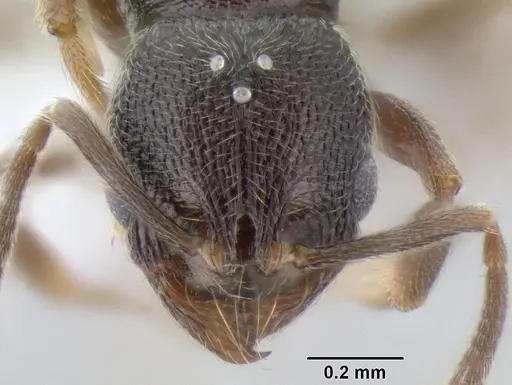
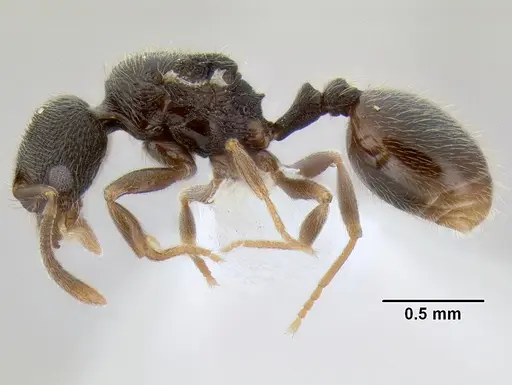
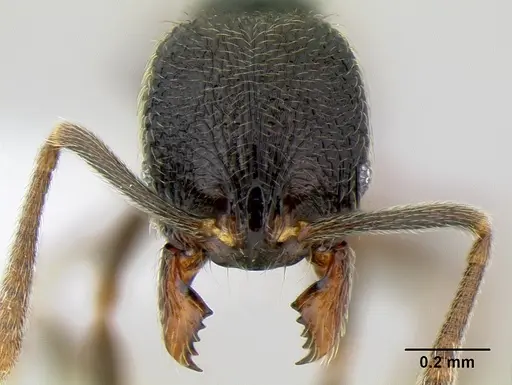
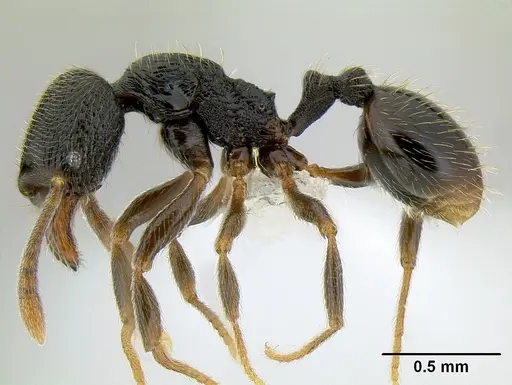
Stenamma crypticum is a small, cryptic ant species native to the cloud forests of Central America. Workers measure just 0.54-0.65mm in head length, making them one of the smaller ant species you'll encounter [1][2]. They have a dark red-brown to brown coloration with distinctive features including a sinuous basal margin on the mandible and a bilayered gastral pilosity, meaning their abdomen has two layers of hairs, a denser underlayer and longer standing hairs on top [1][2]. The species name 'crypticum' literally means 'cryptic' or 'hidden, ' which perfectly describes how difficult they are to find despite being relatively common in the right habitat [3].
This species is a true cloud forest specialist. It lives exclusively in mid- to high-elevation mesic (damp) forests from southern Mexico through Guatemala to Honduras, typically between 1500-2500m elevation [1][2]. Unlike many ants that nest underground, S. crypticum appears to nest within the leaf litter layer itself, queens and workers are commonly found sifted from forest floor samples, but no actual nests have ever been discovered [2]. This makes them a challenging but rewarding species for advanced antkeepers interested in montane forest species.
Quick Summary
- Difficulty: Expert
- Origin & Habitat: Cloud forests of Central America from southern Mexico (Chiapas) through Guatemala to Honduras, at elevations of 900-2800m (most common 1500-2500m). They inhabit cloud forest, mesophyll forest, oak forest, and mixed hardwood forest [1][2].
- Colony Type: Unknown colony structure. Nests have never been found in the wild, but dealate queens and workers are common in leaf litter samples, suggesting colonies are small and nest within the forest floor litter layer [2].
- Size & Growth:
- Queen: 0.59-0.67mm head length [2]
- Worker: 0.54-0.65mm head length (HL),0.45-0.57mm head width (HW) [1][2]
- Colony: Unknown, no colony size data exists in scientific literature [2]
- Growth: Unknown, growth rate has not been studied [2]
- Development: Unknown, development timeline has not been documented. Based on typical Stenamma patterns and related Myrmicinae, estimate 6-10 weeks at optimal temperature (No direct development data exists for this species. Estimates based on genus-level patterns for small Myrmicinae ants from temperate/montane regions.)
- Antkeeping:
- Temperature: Keep cool, they come from high-elevation cloud forests with mild temperatures. Aim for 18-22°C, avoiding temperatures above 25°C. Room temperature (around 20°C) is likely ideal
- Humidity: High humidity required, think damp cloud forest floor. Keep the nest substrate consistently moist but not waterlogged. Provide a humidity gradient so ants can choose their preferred zone
- Diapause: Likely required, as a montane species from temperate latitudes, they probably need a winter rest period. However, specific diapause requirements are unconfirmed
- Nesting: Leaf litter nesting species. In captivity, they do well in naturalistic setups with abundant leaf litter, moss, and small chambers. A Y-tong or plaster nest with a naturalistic outworld works well. They need tight chambers scaled to their tiny size
- Behavior: Very cryptic and shy. As a leaf-litter species, they are likely slow-moving and forage individually or in small groups through the substrate. Their small size and cryptic nature mean they are not aggressive and pose no sting threat. Escape prevention is critical due to their tiny size, they can squeeze through standard test tube cotton. They are likely nocturnal or crepuscular, foraging in the cool, damp conditions of the forest floor.
- Common Issues: tiny size makes escape likely without fine mesh barriers and tight-fitting lids, no colony size data means growth expectations are uncertain, high humidity requirements can lead to mold if ventilation is poor, cool temperature needs may conflict with room temperature in warm climates, no documented founding behavior, claustral vs semi-claustrl is unknown
Natural History and Distribution
Stenamma crypticum is a Central American endemic found from southern Mexico through Guatemala to Honduras [1][2]. The type locality is 2km southeast of Custepec in Chiapas, Mexico, at 1860m elevation, an oak-pine forest zone [2]. This species is strongly associated with cloud forest ecosystems at higher elevations, where it occupies a narrow elevational band between 1500-2500m, though specimens have been collected as low as 900m and as high as 2800m [1][2].
The species was formally described by Michael Branstetter in 2013 as part of a comprehensive revision of the Middle American Stenamma clade [1]. The name 'crypticum' refers to its cryptic nature, these ants are notoriously difficult to find despite being relatively common in the leaf litter [3]. Unlike many ant species that build obvious underground nests, S. crypticum appears to nest entirely within the decomposing leaf litter layer on the forest floor. Researchers consistently collect workers and dealate (wingless, mated) queens by sifting leaf litter, but no actual nests have ever been discovered [2].
There are two documented color variants. The Guatemala variant (from Biotopo Quetzal, Purulhá) has a bulging postpetiole and longer gastral pilosity. The La Union variant (Guatemala and Honduras) is smaller with noticeably thickened suberect gastral hairs [2].
Housing and Nest Setup
Because S. crypticum nests in leaf litter, they need a naturalistic setup that mimics the forest floor. A Y-tong (acrylic) nest with narrow chambers works well, paired with a naturalistic outworld containing leaf litter, small stones, and moss. The key is providing small, tight chambers scaled to their tiny worker size (under 1mm total body length).
Keep the nest substrate consistently moist but not waterlogged. These ants come from constantly damp cloud forest environments, so the substrate should feel damp to the touch at all times. However, avoid standing water, good drainage is important to prevent drowning.
Escape prevention is critical. At only around 0.5mm body length, these ants can squeeze through gaps that would hold back larger species. Use fine mesh on any ventilation holes, ensure all connections are tight, and consider using fluon or other barriers on smooth surfaces. [2]
Temperature and Humidity Requirements
As a cloud forest species from high elevations, S. crypticum needs cool, stable conditions. Keep the nest area at 18-22°C, this is cooler than most tropical ant species require. Room temperature in most homes (around 20°C) should be ideal.
Avoid temperatures above 25°C, as this species is not adapted to tropical heat. In warm climates, you may need to use a small cooling setup or keep them in the coolest part of your home. A heating cable should only be used very gently and on one side of the nest to create a slight gradient.
Humidity should be high, think damp forest floor at all times. Keep the nest substrate consistently moist. A humidity gradient allows the ants to self-regulate by moving between moister and slightly drier areas. Good ventilation is still important to prevent mold, but avoid excessive airflow that would dry out the nest. [1][2]
Feeding and Diet
Stenamma species are typically generalist foragers that collect small insects, honeydew, and other leaf-litter resources. In captivity, offer small protein sources like fruit flies, pinhead crickets, and other tiny arthropods. Due to their small size, prey items should be appropriately sized, very small insects or pre-killed portions.
Sugar sources like honey water or sugar water may be accepted, though leaf-litter ants often prefer honeydew and small prey. Offer a small drop of honey water occasionally and observe whether workers take it. Remove any uneaten food after 24-48 hours to prevent mold.
Feed small amounts 2-3 times per week, adjusting based on colony size and consumption. A established colony may take small prey items daily, while a founding queen needs very little. Always ensure fresh water is available.
Colony Development and Growth
This is one of the least studied ant species in captivity, and almost nothing is known about their colony development. Workers measure just 0.54-0.65mm in head length, making them quite small [1][2]. Queens are only slightly larger at 0.59-0.67mm head length [2].
Based on typical Stenamma and related Myrmicinae patterns, expect slow colony growth. The first workers (nanitics) should emerge roughly 6-10 weeks after founding, but this is purely an estimate since no specific data exists for this species.
Colony size in the wild is unknown, no nests have ever been found [2]. Based on similar leaf-litter Stenamma species, colonies are likely small, probably under a few hundred workers at maturity. This is not a species that will produce massive colonies.
Seasonal Care and Overwintering
As a montane species from high elevations in Central America, S. crypticum likely experiences seasonal temperature variations in the wild. During the winter months (roughly November-March in their range), cloud forests experience cooler and drier conditions.
It is likely that this species requires a winter rest period (diapause), though this has not been specifically documented. Reduce feeding and allow temperatures to drop slightly during winter months, but do not refrigerate. A simple reduction to room temperature (15-18°C) for 2-3 months during winter is probably appropriate.
Do not attempt to breed this species year-round at elevated temperatures. The natural seasonal cycle is important for colony health and likely triggers reproductive behavior.
Frequently Asked Questions
How long does it take for Stenamma crypticum to raise first workers?
The exact development timeline is unknown, no scientific data exists for this species. Based on typical Stenamma and small Myrmicinae patterns, expect first workers (nanitics) approximately 6-10 weeks after the queen lays eggs, at optimal temperature around 20°C. This is an estimate only, as founding behavior has not been directly studied.
What do Stenamma crypticum ants eat?
They are generalist foragers that likely accept small insects and honeydew in the wild. In captivity, offer small protein sources like fruit flies, tiny crickets, or other appropriately-sized arthropods. Small amounts of honey water may be accepted. Feed small amounts 2-3 times per week and remove uneaten food promptly.
Can I keep Stenamma crypticum in a test tube setup?
A test tube setup can work for founding colonies, but escape prevention is critical due to their tiny size. Standard cotton barriers may not be sufficient, consider using fine mesh or fluon on the tube opening. A naturalistic setup with small chambers (Y-tong or plaster nest) is more appropriate for established colonies.
Do Stenamma crypticum ants sting?
No. This is a small, cryptic leaf-litter species with no sting apparatus of concern. They are completely harmless to humans and not aggressive.
What temperature do Stenamma crypticum ants need?
Keep them cool, aim for 18-22°C. This is a cloud forest species from high elevations that is not adapted to heat. Room temperature (around 20°C) is ideal. Avoid temperatures above 25°C.
How big do Stenamma crypticum colonies get?
Colony size is unknown, no wild colonies have ever been found. Based on similar leaf-litter Stenamma species, colonies likely remain small, probably under a few hundred workers at maturity. This is not a species that produces large colonies.
Are Stenamma crypticum ants good for beginners?
No. This is an expert-level species recommended only for experienced antkeepers. There is almost no captive care information available, they require cool high-humidity conditions, their tiny size makes escape likely, and colony development expectations are uncertain.
Do Stenamma crypticum ants need hibernation?
Likely yes, as a montane species, they probably need a winter rest period. Reduce feeding and allow temperatures to drop slightly (to around 15-18°C) for 2-3 months during winter. Do not refrigerate, a simple reduction in room temperature is appropriate.
Why is it called Stenamma crypticum?
The species name 'crypticum' means 'cryptic' or 'hidden' in Latin. This refers to the ant's elusive nature, despite being relatively common in leaf litter samples, no one has ever found a complete nest in the wild [3].
References

This caresheet is licensed under CC BY-SA 4.0 .
CASENT0603755
View on AntWeb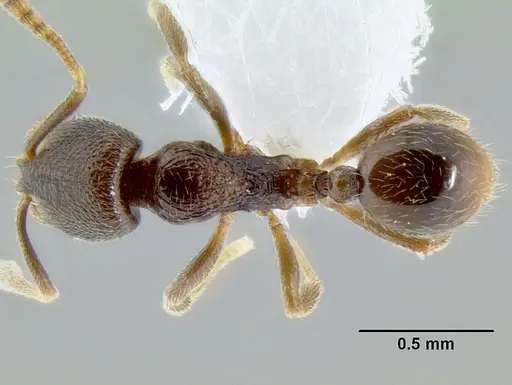
CASENT0603821
View on AntWeb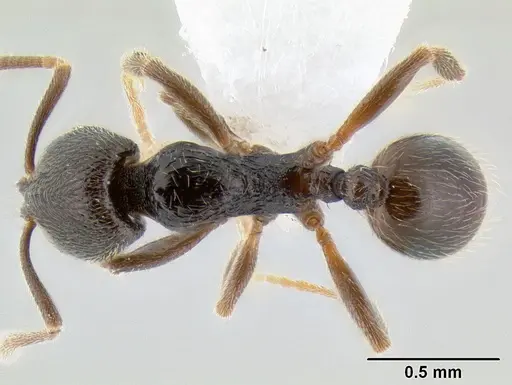
CASENT0604745
View on AntWeb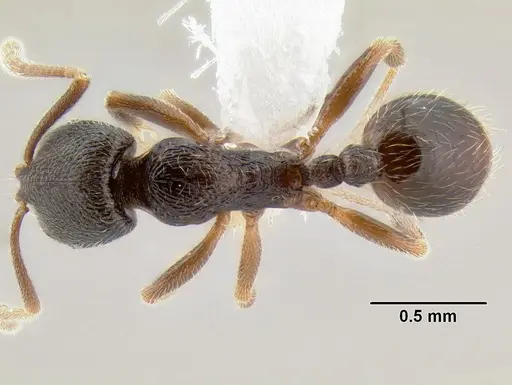
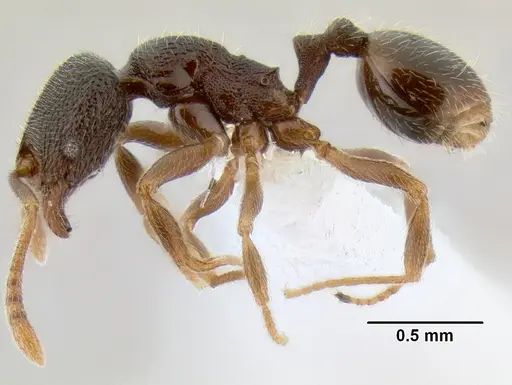
CASENT0604771
View on AntWeb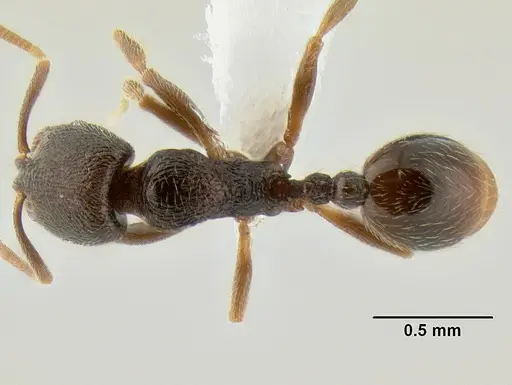
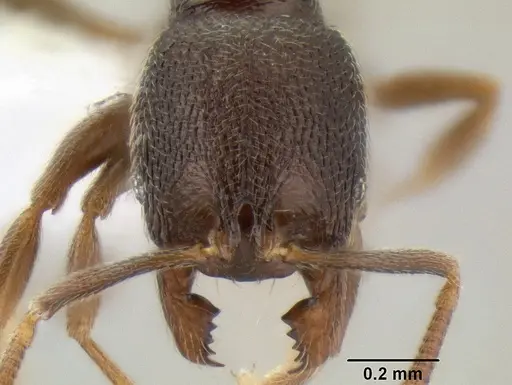
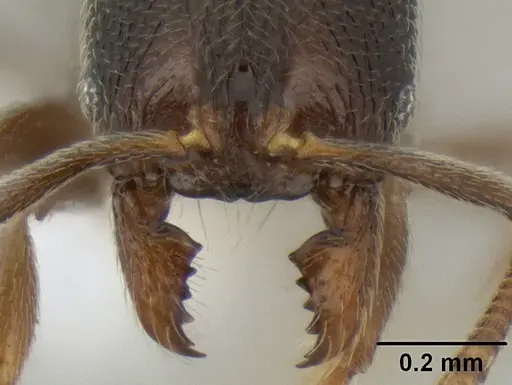
CASENT0604839
View on AntWeb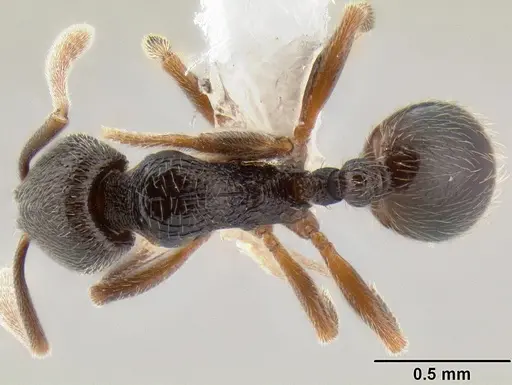
CASENT0604854
View on AntWeb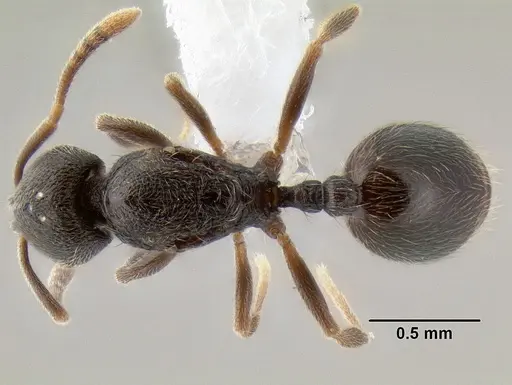
CASENT0604928
View on AntWeb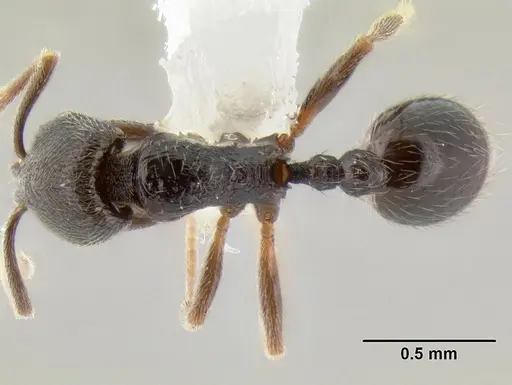
CASENT0604997
View on AntWeb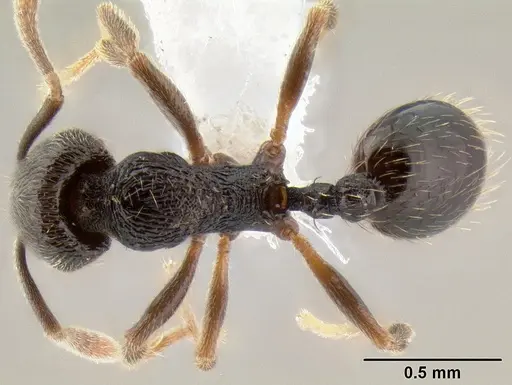
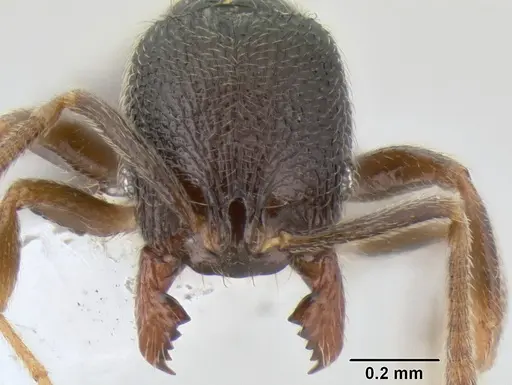
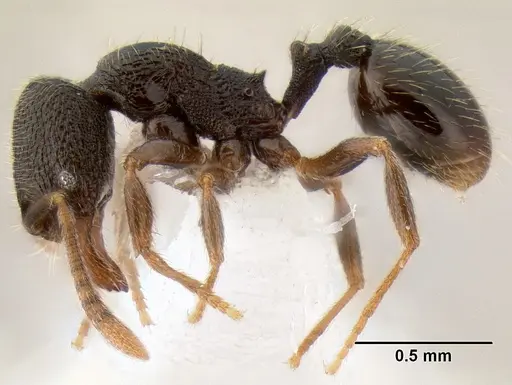
CASENT0605185
View on AntWeb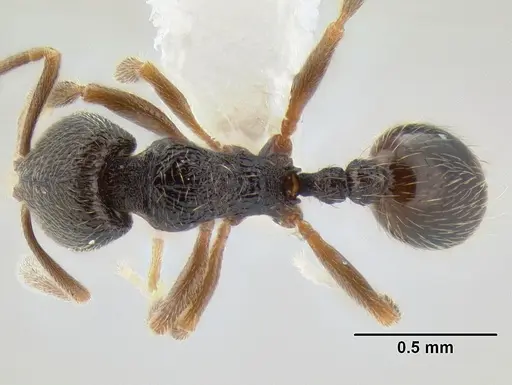
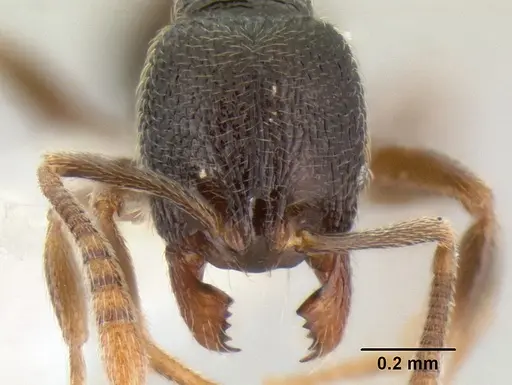
CASENT0605933
View on AntWeb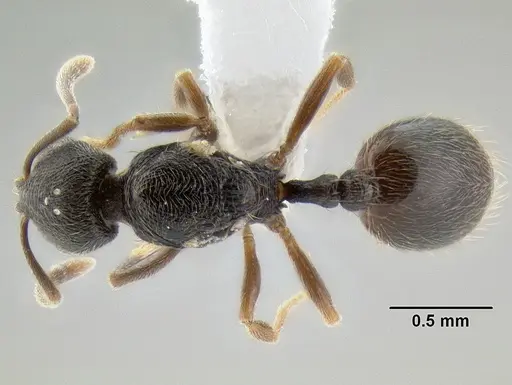
CASENT0621418
View on AntWeb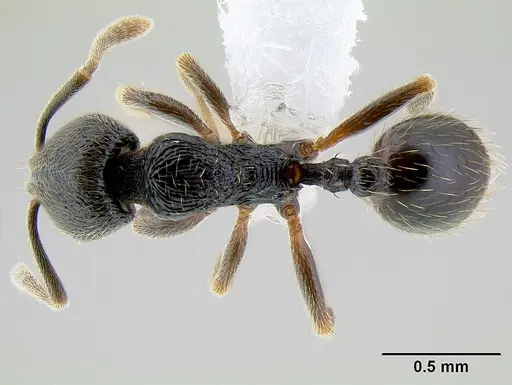
Literature
Loading...Loading products...