

Stenamma chiricahua
- Scientific Name
- Stenamma chiricahua
- Tribe
- Stenammini
- Subfamily
- Myrmicinae
- Author
- Snelling, 1973
- Distribution
- Found in 1 countries
Stenamma chiricahua Overview
Stenamma chiricahua is an ant species of the genus Stenamma. It is primarily documented in 1 countries , including United States of America. Detailed taxonomic data and occurrence records can be further explored via authoritative databases such as AntWeb or the Global Biodiversity Information Facility (GBIF).
Stenamma chiricahua
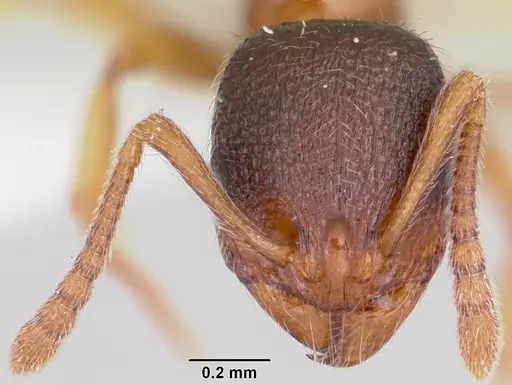
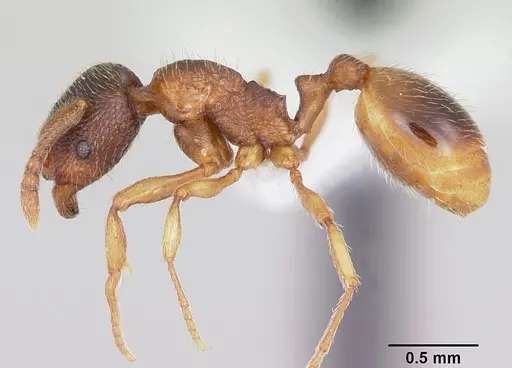
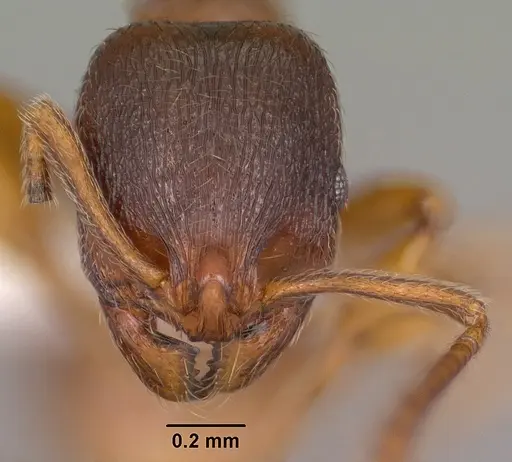
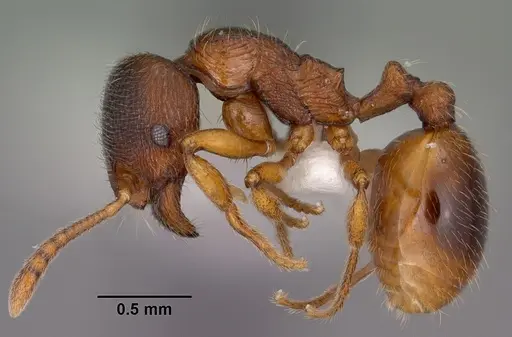
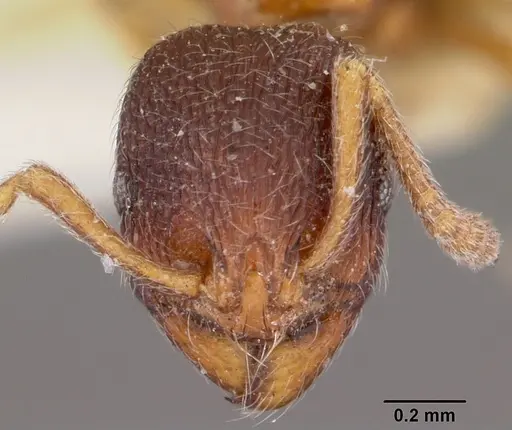
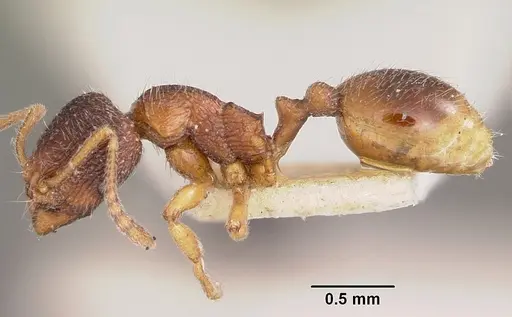
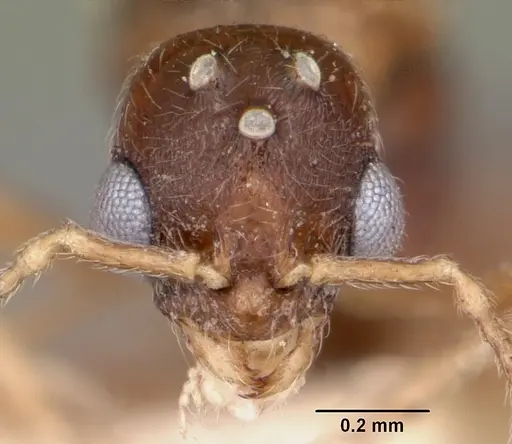
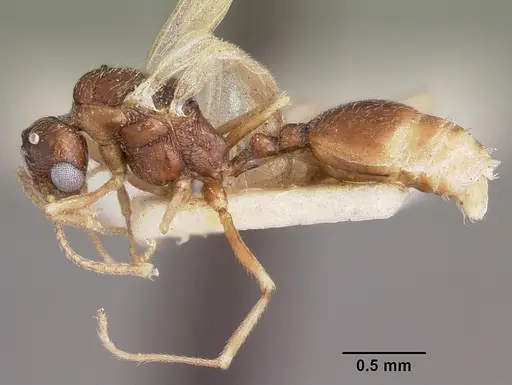
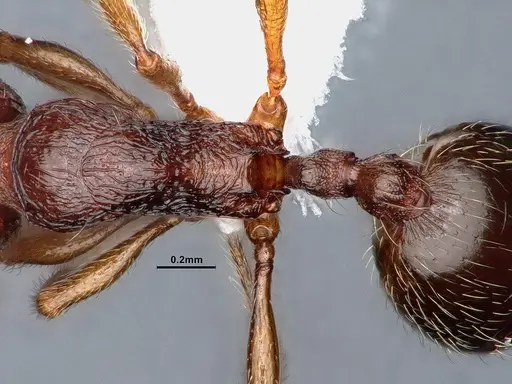
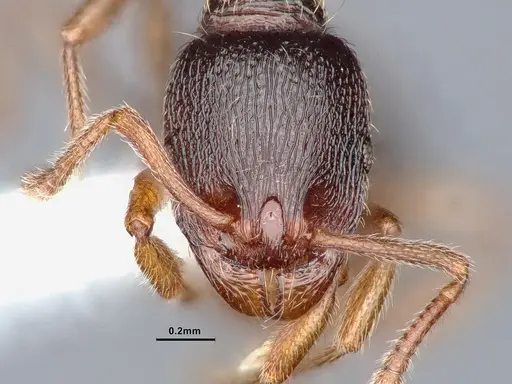
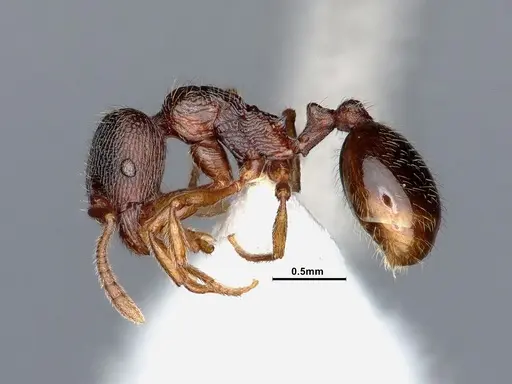
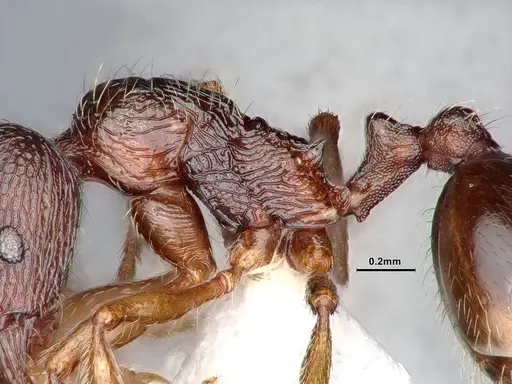
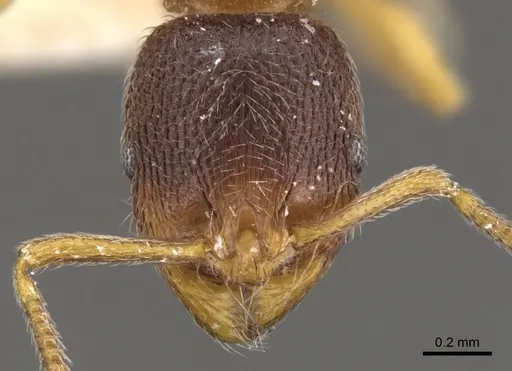
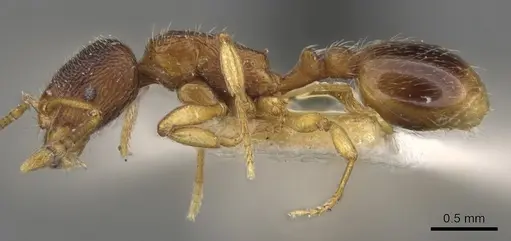
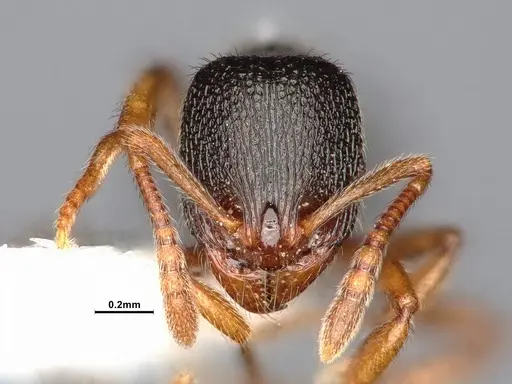
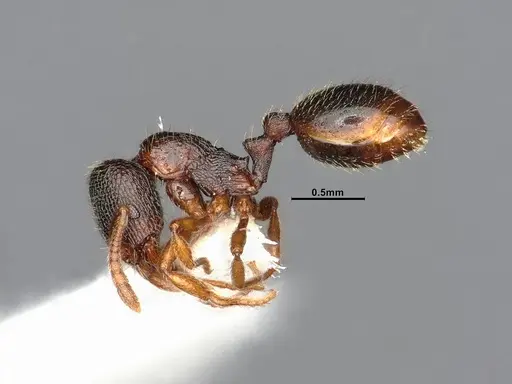
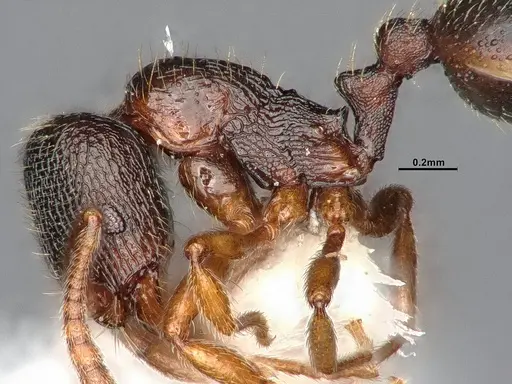
Stenamma chiricahua is a small myrmicine ant native to the mountains of southeastern Arizona in the United States. Workers measure 0.76-0.86mm with a brownish ferruginous body, yellowish legs, and more reddish antennae. They belong to the smithi species group, characterized by a median lobe that projects over the clypeal margin, making them appear truncate when viewed from the front. Queens are slightly larger at 0.77-0.88mm and have the same coloration pattern. This species is known from the Catalina, Chiricahua, and Huachuca Mountains at elevations between 6000-7500 feet [1][2].
Very little has been documented about the biology of this species in the scientific literature. The type specimens were collected from a shaded creek bed, and other records indicate they nest under stones in pine/fir/oak forests. As a member of the Stenammini tribe, they are ground-nesting ants adapted to cooler, higher-elevation habitats in the American Southwest [3].
Quick Summary
- Difficulty: Medium
- Origin & Habitat: Southeastern Arizona, USA, found in the Catalina, Chiricahua, and Huachuca Mountains at 6000-7500 feet elevation. Type locality is Upper Cave Creek in the Chiricahua Mountains. They inhabit shaded creek beds and pine/fir/oak forests, nesting under stones [3][4].
- Colony Type: Colony structure is unconfirmed. Based on related Stenamma species, likely monogyne (single queen) colonies, though this has not been directly documented for this species.
- Size & Growth:
- Queen: 0.77-0.88mm [3]
- Worker: 0.76-0.86mm [3]
- Colony: Unknown, no colony size data has been published for this species
- Growth: Moderate, based on typical Stenamma patterns and temperate climate adaptation
- Development: Estimated 8-12 weeks at optimal temperature based on genus-level data for related species (Direct development data unavailable for this species, estimates based on typical Stenamma genus patterns for temperate mountain species)
- Antkeeping:
- Temperature: Keep at 18-22°C. This species comes from higher elevations in Arizona and prefers cooler conditions than many desert ants. Avoid overheating, they are adapted to the moderate temperatures of shaded mountain habitats [4].
- Humidity: Moderate humidity preferred. Their natural habitat in shaded creek beds suggests they need some moisture but not saturated conditions. Keep the nest substrate lightly moist but allow some drying between waterings.
- Diapause: Yes, as a temperate species from Arizona mountains, they likely require a winter dormancy period. Reduce temperature to around 10-15°C for 2-3 months during winter.
- Nesting: Natural nesting is under stones in shaded areas. In captivity, a naturalistic setup with flat stones or a Y-tong/plaster nest works well. They prefer tight chambers and narrow passages scaled to their small size. Avoid dry, desert-like conditions.
- Behavior: Stenamma chiricahua is a shy, non-aggressive species. Workers are small and relatively slow-moving. They are not known to sting and pose no danger to keepers. As ground-nesting ants, they prefer to stay within the nest and foraging areas rather than climbing. Their small size (under 1mm) means escape prevention is important, they can squeeze through small gaps. They are likely nocturnal or crepuscular foragers, hunting small arthropods in their natural habitat.
- Common Issues: lack of published biology makes captive care uncertain, much is inferred from genus-level data, tiny size means escapes are likely without fine mesh barriers, overheating is a serious risk, they come from cool mountain habitats, slow growth may frustrate beginners expecting rapid colony development, winter dormancy is likely required but specific requirements are unconfirmed
Natural History and Distribution
Stenamma chiricahua is endemic to the sky island mountains of southeastern Arizona, specifically the Catalina, Chiricahua, and Huachuca Mountains. These 'sky islands' are isolated mountain ranges surrounded by desert lowlands, creating unique habitats for species adapted to cooler, more moist conditions. The type specimens were collected from Upper Cave Creek in the Chiricahua Mountains at 6000-7500 feet elevation, in a shaded creek bed environment [3].
This species is part of the smithi species group within Stenamma, characterized by a median lobe that projects over the clypeal margin. They have relatively large eyes compared to some related species, which may be an adaptation to their shaded forest floor habitat [2][1]. The workers are brownish ferruginous with yellowish legs and reddish antennae, providing camouflage in leaf litter and undergrowth [3].
Nothing specific has been published about their colony size, reproductive biology, or behavior in the wild. This is a poorly studied species even in academic research, making captive care somewhat speculative [3].
Housing and Nest Setup
In captivity, Stenamma chiricahua does well in naturalistic setups that mimic their natural under-stone nesting preference. A setup with flat stones placed over moist soil works well, this recreates the shaded, moderately humid conditions they would experience in their natural habitat. The stones should be placed in a way that allows the ants to excavate chambers beneath them if they choose.
Alternatively, a Y-tong (AAC) or plaster nest with narrow chambers scaled to their tiny worker size (under 1mm) provides good humidity control. Whatever nest type you choose, ensure the chambers are appropriately sized, these are small ants that feel secure in tighter spaces. The outworld should be simple and escape-proof, as their small size allows them to squeeze through surprisingly small gaps.
Keep the nest area away from direct sunlight and heat sources. These ants come from cool mountain habitats and can overheat easily. Room temperature (around 20°C) is typically suitable, with no additional heating needed in most homes. [3]
Temperature and Seasonal Care
Stenamma chiricahua requires cooler temperatures than many North American ants. Aim for 18-22°C in the nest area, this matches the moderate temperatures of their mountain habitat in Arizona. They should not be exposed to temperatures above 25°C, as overheating can be fatal.
As a temperate species from higher elevations, they likely require a winter dormancy period. Reduce temperatures to around 10-15°C for 2-3 months during winter (roughly November through February in the Northern Hemisphere). This mimics the cooler temperatures and reduced food availability they would experience in their natural range during winter months.
Avoid placing the colony near heating elements, windows with direct sunlight, or any heat source that could raise temperatures above their tolerance. Their small colony size and slow growth mean they are particularly vulnerable to temperature stress. [4][3]
Feeding and Diet
In the wild, Stenamma species are generalist foragers that hunt small arthropods and scavenge on the forest floor. For captive colonies, offer small protein sources such as fruit flies, small crickets, and other tiny insects. They are small predators that tackle prey much smaller than themselves.
Sugar sources are also typically accepted, a small drop of honey water or sugar water can be offered occasionally. However, protein should form the majority of their diet. Feed small prey items 2-3 times per week, adjusting based on colony size. Remove any uneaten prey after 24-48 hours to prevent mold.
Because of their small size, prey items should be appropriately sized, too large and they cannot subdue or consume it. Fruit flies and small springtails are ideal starter foods for newly established colonies. [3]
Growth and Development
No specific development timeline has been documented for Stenamma chiricahua. Based on typical Stenamma genus patterns for temperate species, expect 8-12 weeks from egg to first worker at optimal temperature (around 20°C). The first workers (nanitics) will be smaller than mature workers.
Colony growth is expected to be moderate rather than rapid. Stenamma species tend to build colonies more slowly than faster-growing genera like Tetramorium or Monomorium. Patience is key, a well-established colony may take 1-2 years to reach 100 workers.
Queen longevity is unknown but likely follows typical Myrmicinae patterns of several years. A healthy founding queen can produce workers for multiple years, slowly expanding the colony size over time. [3]
Frequently Asked Questions
How long does it take for Stenamma chiricahua to produce first workers?
The exact timeline is unconfirmed for this species, but based on typical Stenamma genus patterns for temperate species, expect 8-12 weeks from egg to first worker at optimal temperature (around 20°C). Patience is essential as this is a slow-growing species [3].
What temperature do Stenamma chiricahua ants need?
Keep them at 18-22°C. This species comes from cool mountain habitats in Arizona and is sensitive to overheating. Never expose them to temperatures above 25°C. Room temperature is typically suitable [4].
Do Stenamma chiricahua ants need hibernation?
Yes, a winter dormancy period is likely required. Reduce temperatures to 10-15°C for 2-3 months during winter. This mimics their natural seasonal cycle in the Arizona mountains [3].
What do Stenamma chiricahua ants eat?
They are small predators that accept small insects like fruit flies, tiny crickets, and other micro-prey. Sugar sources like honey water are also typically accepted. Prey should be appropriately sized for their tiny workers [3].
How big do Stenamma chiricahua colonies get?
Colony size data has not been published for this species. Based on related Stenamma species, colonies likely reach several hundred workers at most. Growth is slow and moderate [3].
Are Stenamma chiricahua ants good for beginners?
This species is rated as medium difficulty. While not aggressive, their care is somewhat speculative due to limited published biology. Their temperature requirements and slow growth may challenge newer keepers. Experience with other Stenamma or small Myrmicinae is helpful [3].
Can I keep multiple Stenamma chiricahua queens together?
Colony structure is unconfirmed for this species. Based on related Stenamma species, they are likely monogyne (single queen). Combining unrelated queens is not recommended as it has not been studied for this species [3].
Do Stenamma chiricahua ants sting?
Stenamma ants have functional stingers but are not aggressive and rarely sting. These tiny ants pose no danger to keepers. They are shy and will flee rather than confront threats [3].
What size are Stenamma chiricahua workers?
Workers are very small at 0.76-0.86mm. This is among the smaller ant species kept in captivity. Their tiny size requires fine mesh barriers for escape prevention [3].
Where is Stenamma chiricahua found in the wild?
This species is endemic to the sky island mountains of southeastern Arizona, the Catalina, Chiricahua, and Huachuca Mountains at 6000-7500 feet elevation. They live in shaded creek beds and pine/fir/oak forests [3].
When do Stenamma chiricahua nuptial flights occur?
Nuptial flight timing is unconfirmed for this species. Based on collection data (specimens collected in August), flights likely occur during summer months in the Arizona monsoons [3].
Why are my Stenamma chiricahua ants dying?
Common causes include overheating (keep below 25°C), escape due to small size (use fine mesh), and improper humidity. They are adapted to cool, moist mountain conditions, dry or hot conditions can be fatal. Also ensure they have appropriate-sized prey [3].
References

This caresheet is licensed under CC BY-SA 4.0 .
CASENT0000297
View on AntWeb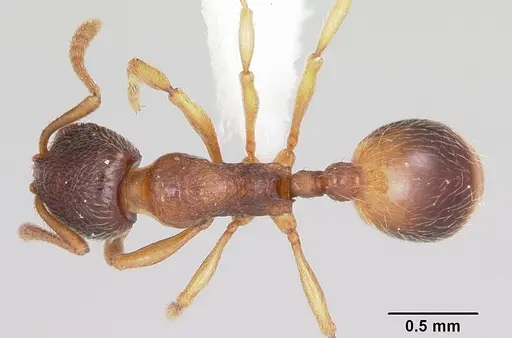
CASENT0104469
View on AntWeb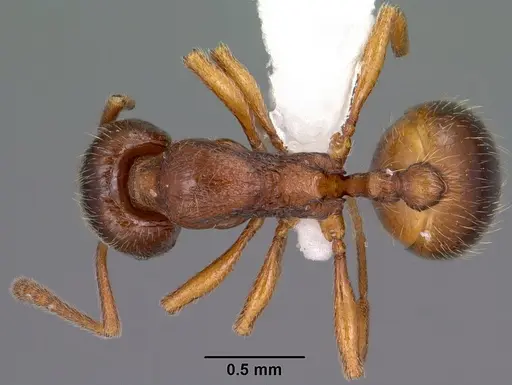
CASENT0104793
View on AntWeb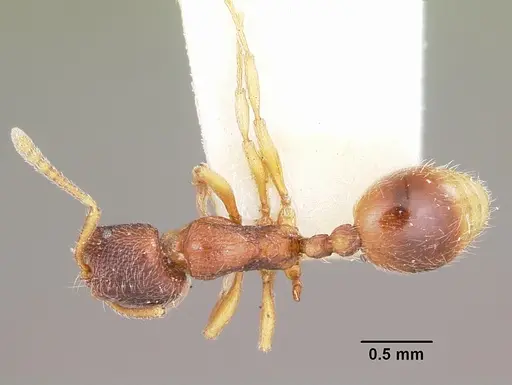
CASENT0104794
View on AntWeb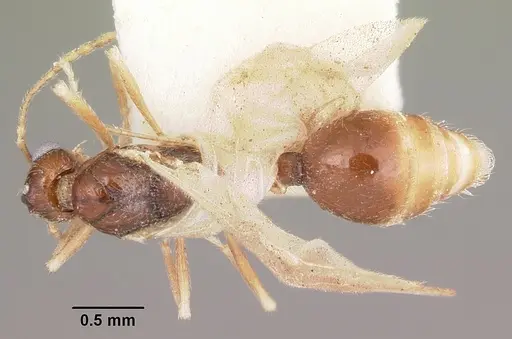
CASENT0884445
View on AntWeb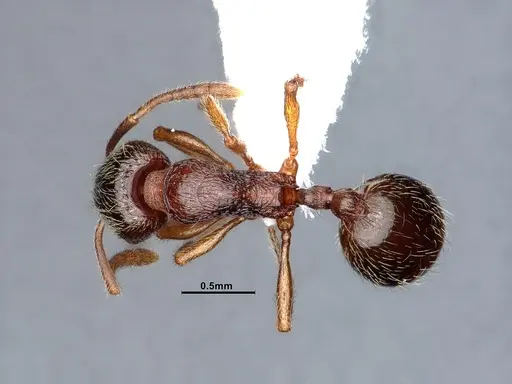
CASENT0900949
View on AntWeb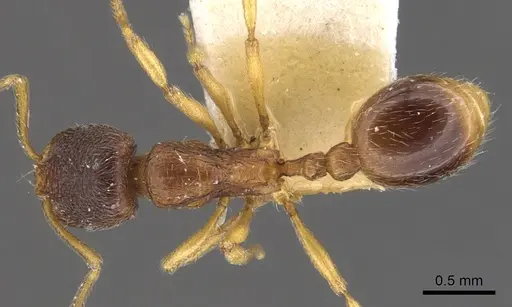
CASENT4031380
View on AntWeb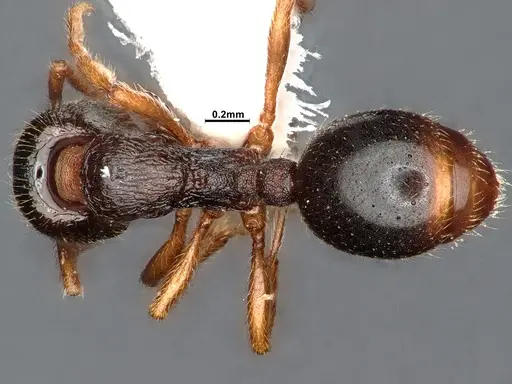
Literature
Loading...Loading products...