

Stenamma brujita
- Scientific Name
- Stenamma brujita
- Tribe
- Stenammini
- Subfamily
- Myrmicinae
- Author
- Branstetter, 2013
- Distribution
- Found in 3 countries
Stenamma brujita Overview
Stenamma brujita is an ant species of the genus Stenamma. It is primarily documented in 3 countries , including Guatemala, Honduras, Mexico. Detailed taxonomic data and occurrence records can be further explored via authoritative databases such as AntWeb or the Global Biodiversity Information Facility (GBIF).
Stenamma brujita
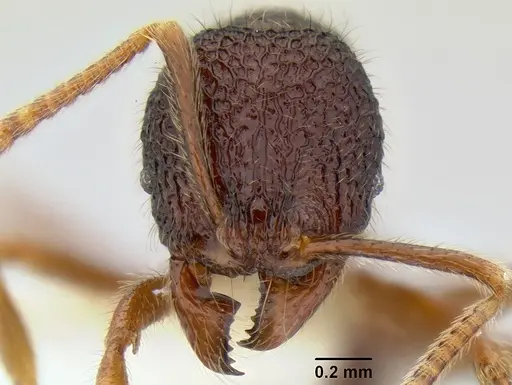
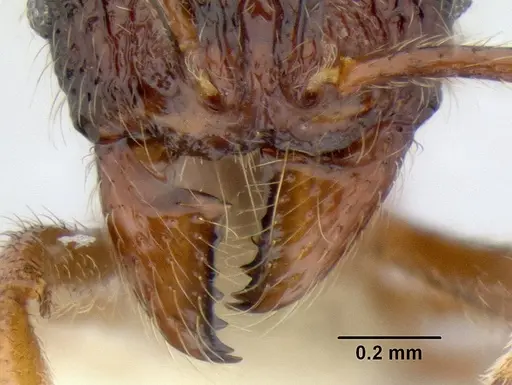
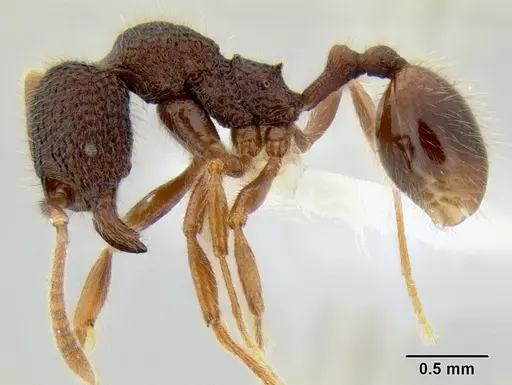
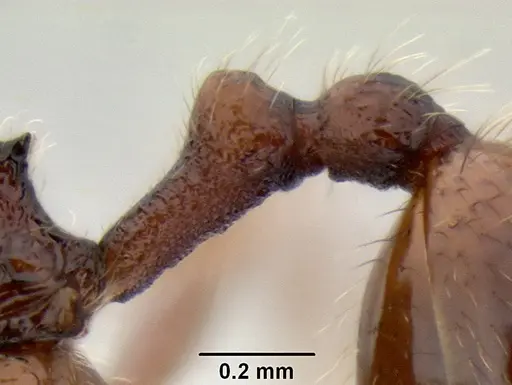
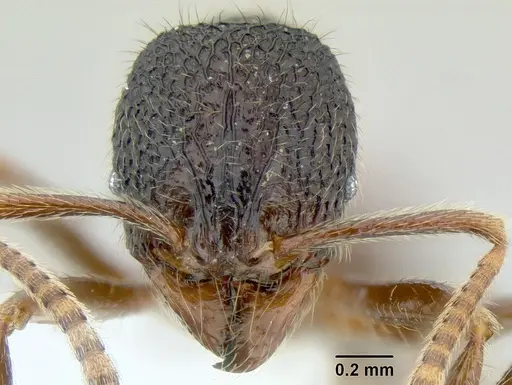
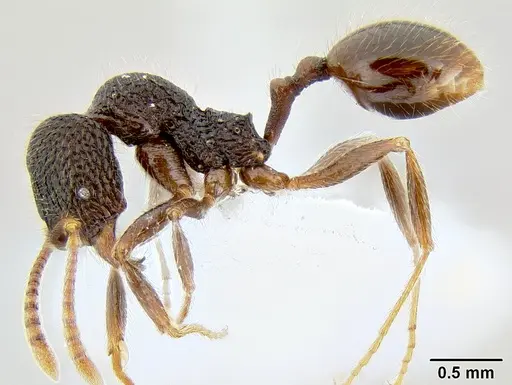
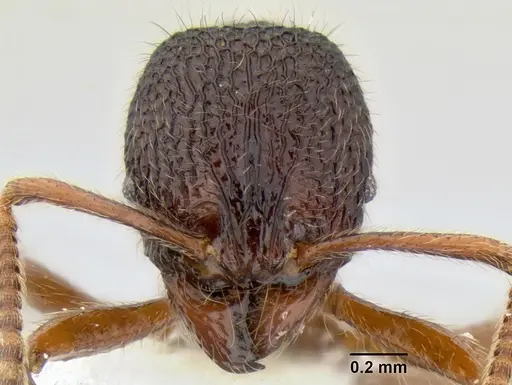
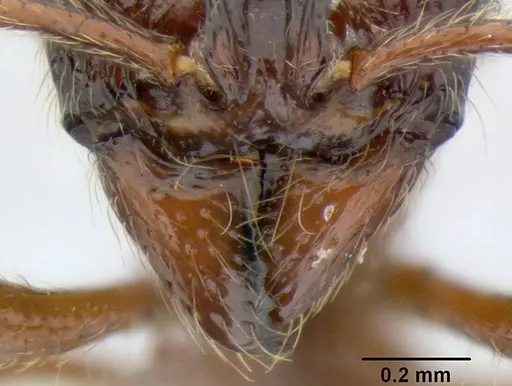
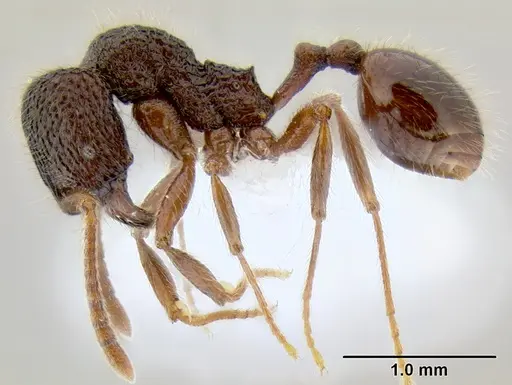
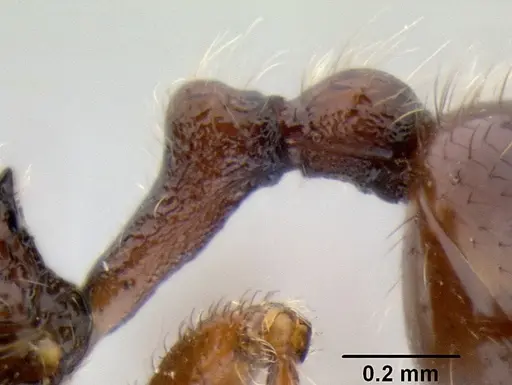
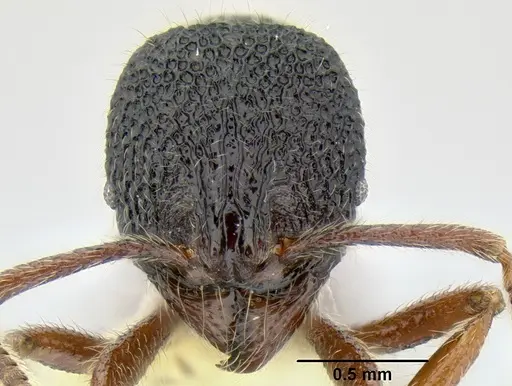
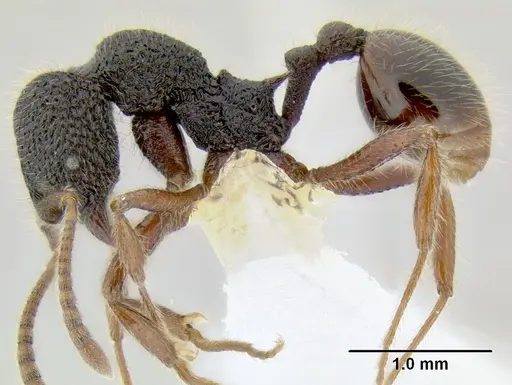
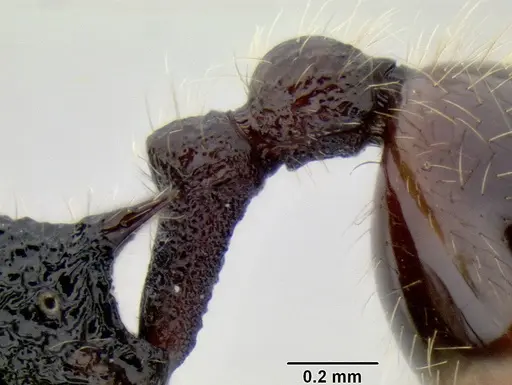
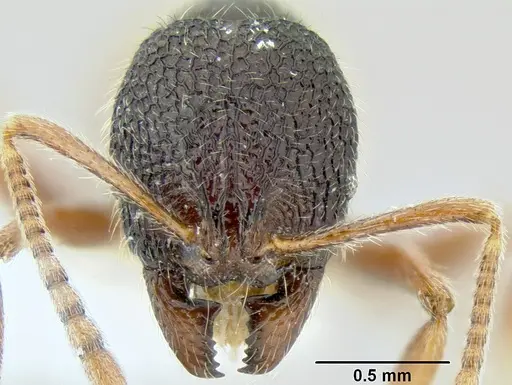
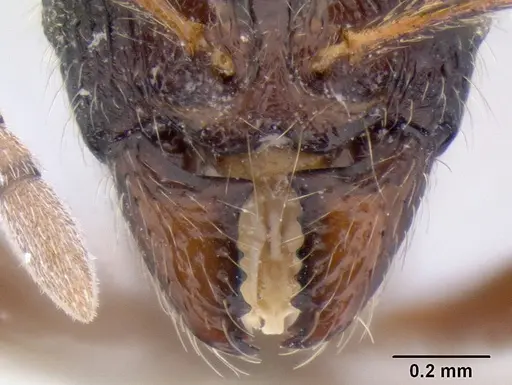
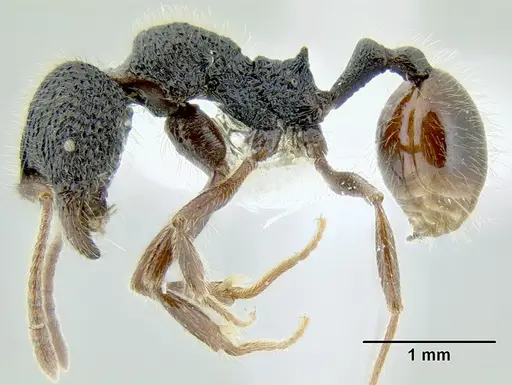
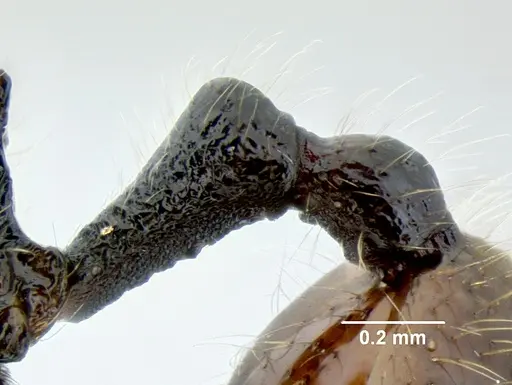
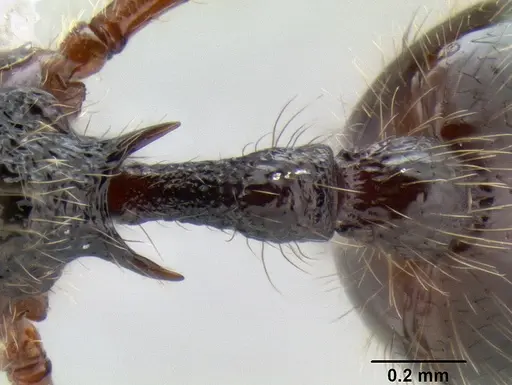
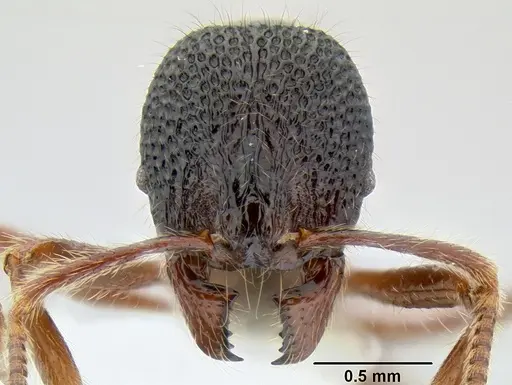
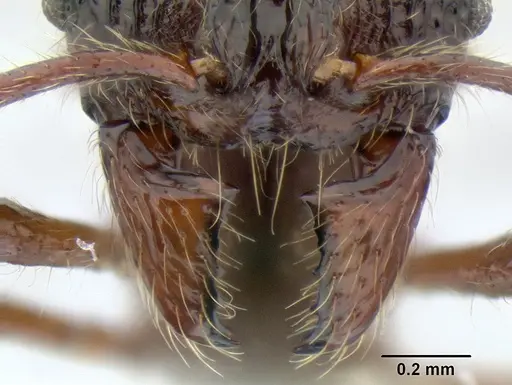
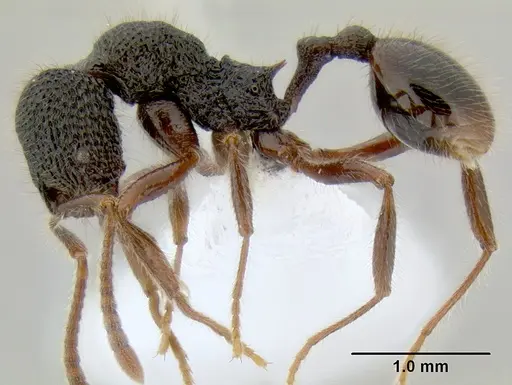
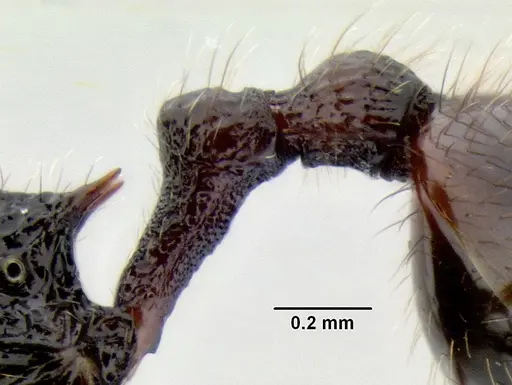
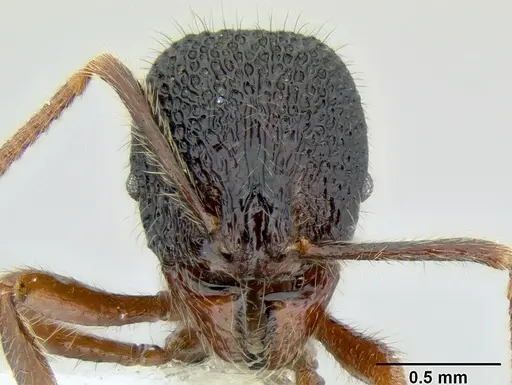
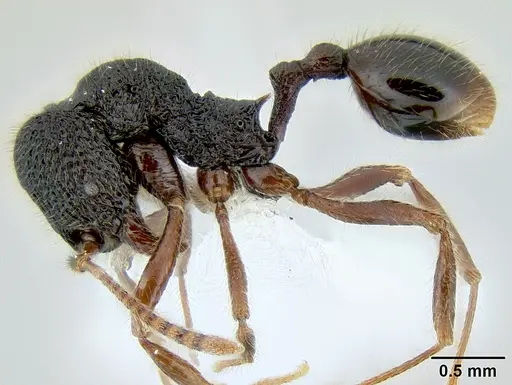
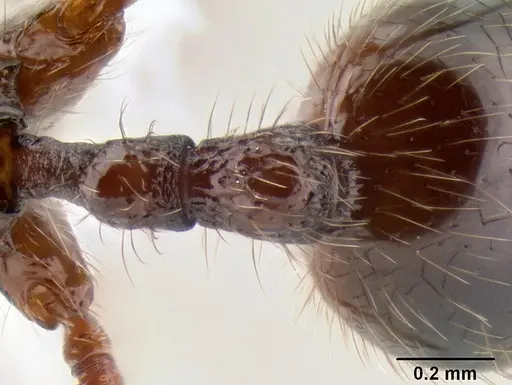
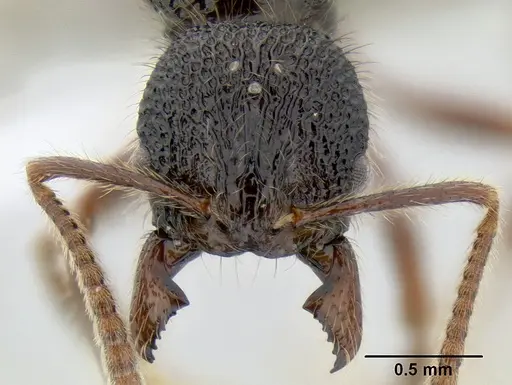
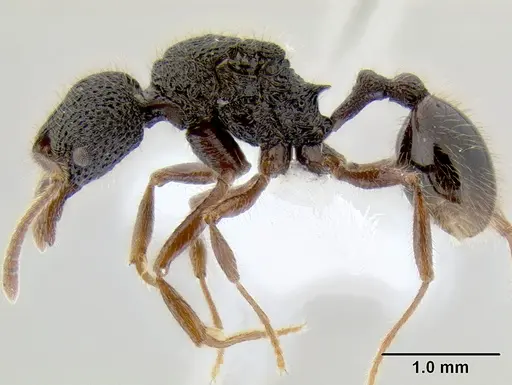
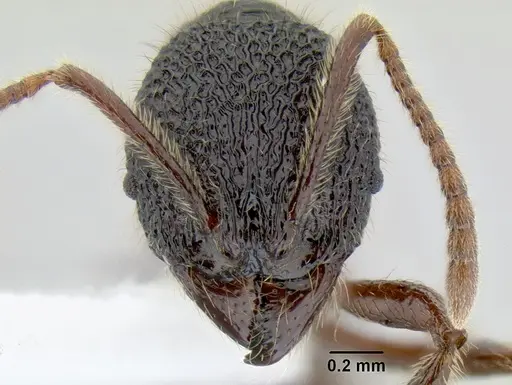
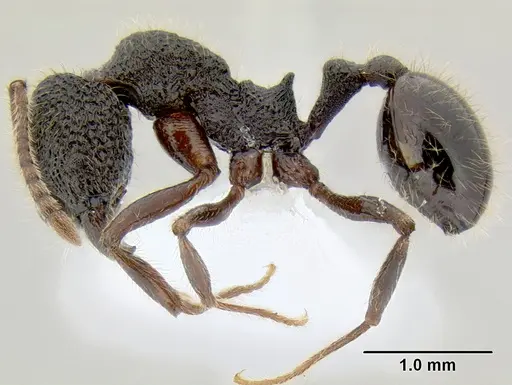
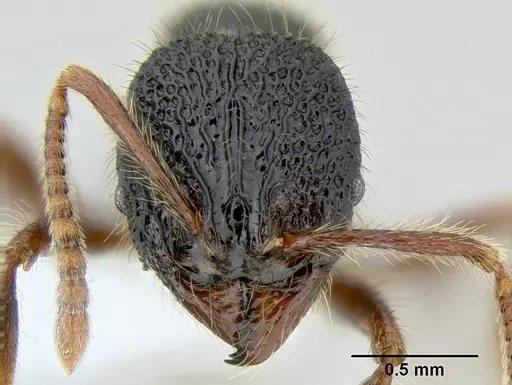
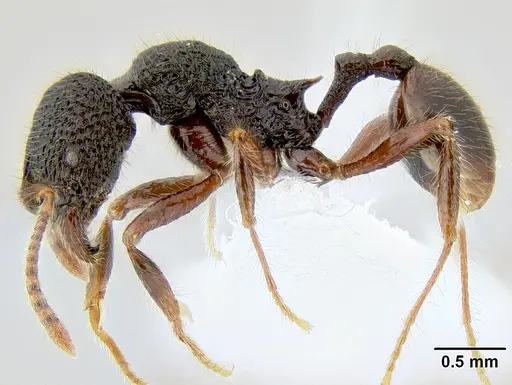
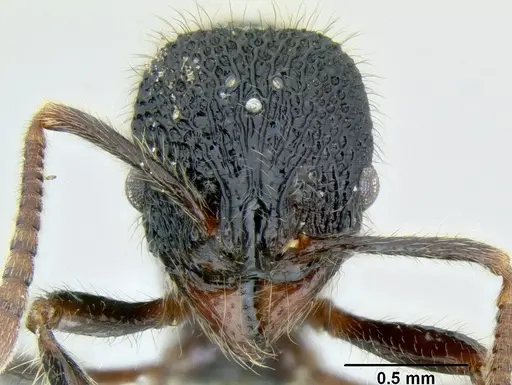
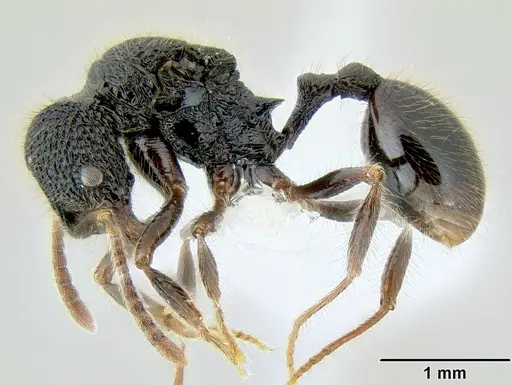
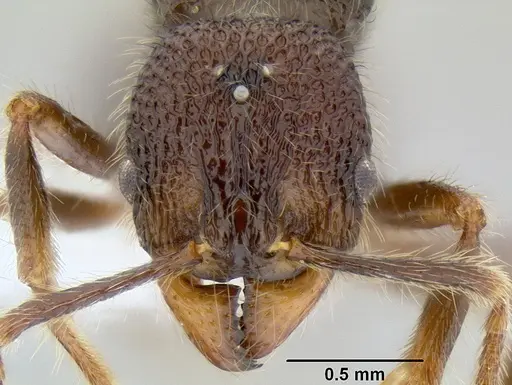
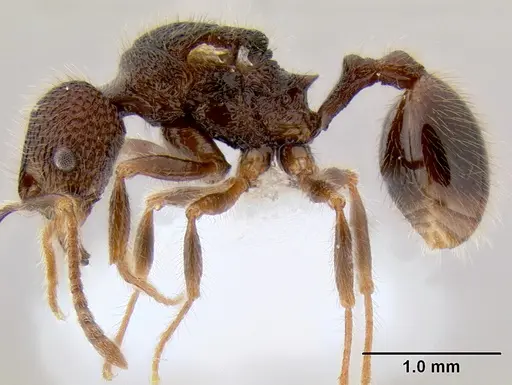
Stenamma brujita is a medium to large-sized ant species native to the wet forests of southern Mexico, Guatemala, and Honduras. Workers measure 0.90-1.20mm in head length and have a distinctive appearance with a mostly black to red-black body, rough foveate sculpture on the head and mesosoma, and relatively small eyes with only 5-7 ommatidia [1]. The species gets its name 'brujita' (Spanish for 'little witch') from its small size, rough sculpturing, and the fact that most specimens are female [2]. Queens are slightly larger at 0.96-1.03mm head length and feature the same distinctive body sculpture [3]. This species is part of the Middle American clade of Stenamma and is known only from leaf litter samples, making it a true forest floor dweller [1].
Quick Summary
- Difficulty: Hard
- Origin & Habitat: Atlantic slope of Mexico to Honduras, in wet forest habitats including lowland rainforest, montane wet forest, cloud forest, pine cloud forest, and oak-pine forest at elevations of 200-1800m, most common at 1000-1500m [1][3]
- Colony Type: Unconfirmed, colony structure has not been directly studied. Based on typical Stenamma genus patterns, likely single-queen (monogyne) colonies.
- Size & Growth:
- Queen: 0.96-1.03mm head length [3]
- Worker: 0.90-1.20mm head length (HL 0.90-1.20,HW 0.77-1.15) [1]
- Colony: Unknown, no colony size data available
- Growth: Unknown, development has not been studied
- Development: Estimated 6-10 weeks based on typical Myrmicinae development patterns (Direct development data unavailable, estimate based on genus-level patterns for related Stenamma species)
- Antkeeping:
- Temperature: Cool conditions required, aim for 18-22°C based on their cloud forest origin at 1000-1500m elevation [1]. Avoid warm conditions.
- Humidity: High humidity needed, these are wet forest leaf litter species. Keep substrate consistently moist but not waterlogged, around 70-80% relative humidity.
- Diapause: Unknown, no specific studies on overwintering requirements. Given their tropical/subtropical origin, they may not require true hibernation but may benefit from a slight cool period.
- Nesting: Leaf litter specialists, prefer naturalistic setups with fine, damp substrate. Y-tong or plaster nests with small chambers work well. They are tiny litter-dwelling ants that need tight spaces scaled to their small size.
- Behavior: Generally calm and non-aggressive. As leaf litter foragers, they search through the substrate for small prey rather than actively hunting on surfaces. Small eyes suggest limited vision. Escape risk is moderate, their small size means they can slip through small gaps, but they are not strong climbers. Likely accepts small live prey and sugar sources.
- Common Issues: high humidity management is critical, too dry and colonies desiccate, too wet and mold becomes a problem, limited availability, this species is rarely available in the antkeeping hobby, escape prevention needed despite small size, use fine mesh barriers, slow growth may frustrate beginners, development is likely slow, wild-caught colonies may have parasites from leaf litter habitat
Natural History and Distribution
Stenamma brujita is found exclusively in wet forest habitats across the Atlantic slope of Central America, ranging from southern Mexico through Guatemala to Honduras [1]. This species occupies a broad elevational range from 200 to 1800 meters, but is most commonly encountered at mid-elevations between 1000 and 1500 meters [1][3]. Their preferred habitats include lowland rainforest, montane wet forest, cloud forest, pine cloud forest, and oak-pine forest [1]. The type locality is in cloud forest at 1550m elevation near La Unión, Zacapa, Guatemala [3].
The species is known only from Winkler and Berlese samples of leaf litter collected from the forest floor, indicating they are true leaf litter specialists that rarely venture onto exposed surfaces [1]. Males have never been collected, suggesting their reproductive biology occurs deep within the leaf litter layer [2]. The species shows considerable variation across its range and may actually comprise multiple cryptic species [1][3]. Three distinct variants have been identified: one in Tamaulipas and Hidalgo with more rugoreticulate sculpture, a very large dark variant in Sierra Juarez and Valle Nacional, and a brown variant in Chiapas with high-domed promesonotum [3].
Temperature and Humidity Requirements
Based on their cloud forest origin at mid-elevations, Stenamma brujita requires cool, stable conditions. Aim for temperatures in the range of 18-22°C, avoiding warmer conditions that would be atypical for their natural habitat [1]. A slight temperature gradient allowing workers to choose their preferred zone is beneficial.
Humidity is critical for this species. As wet forest leaf litter dwellers, they require high ambient humidity, target around 70-80% relative humidity in the nest area. The substrate should remain consistently moist but never waterlogged. Allow some areas to be slightly drier so ants can self-regulate. Mist the outworld occasionally but avoid direct spraying of the nest. Good ventilation is essential to prevent mold while maintaining humidity, stagnant air will cause fungal problems in the dense leaf litter environment they naturally inhabit.
Housing and Nest Preferences
Stenamma brujita is a leaf litter specialist that spends its life in the forest floor environment. In captivity, they do best in naturalistic setups that replicate this microhabitat. A thin layer of moist substrate (coco fiber, peat moss, or a mix) with pieces of decaying leaves, twigs, and small debris provides ideal conditions. The substrate should be loose enough for them to forage through but firm enough to hold tunnels.
Y-tong (AAC) nests or plaster nests with small, tight chambers also work well if humidity is carefully managed. The chambers should be appropriately scaled to their small size, avoid large, open spaces. If using a formicarium, provide a foraging area with a deep layer of litter material. Regardless of nest type, escape prevention is important, while not strong climbers, their small size allows them to slip through tiny gaps. Use tight-fitting lids and consider fluon on container edges.
Feeding and Diet
In their natural leaf litter habitat, Stenamma brujita likely feeds on small invertebrates and arthropods found while foraging through decaying material, plus honeydew from root aphids and other tiny sap-sucking insects. They are considered generalist predators.
In captivity, offer small live prey appropriate to their size: fruit flies, pinhead crickets, small mealworms, and other tiny arthropods. Springtails are an excellent choice given their natural occurrence in the same microhabitat. Sugar sources should be provided occasionally, small drops of honey water or sugar water may be accepted, though some Stenamma species show limited interest in sweets. Offer protein foods 2-3 times per week and keep a sugar source available. Remove uneaten prey promptly to prevent mold.
Colony Development and Growth
Specific development data for Stenamma brujita is not available in the scientific literature. Based on typical Myrmicinae patterns and related Stenamma species, expect development from egg to first worker to take approximately 6-10 weeks under optimal conditions [3]. Queens are relatively large (HL 0.96-1.03mm) suggesting substantial fat reserves for claustral founding, though this has not been directly confirmed.
Colony growth is likely slow compared to faster-growing Myrmicines like Tetramorium or Monomorium. The first workers (nanitics) will be smaller than mature workers. Given their leaf litter microhabitat, colonies probably remain relatively small, likely under a few hundred workers at maturity. Patience is essential when keeping this species. Males have never been collected, suggesting reproductive swarms may occur deep in the leaf litter or at unusual times of year.
Frequently Asked Questions
Is Stenamma brujita good for beginners?
No, this species is not recommended for beginners. It is rarely available in the hobby, has specific humidity and temperature requirements (cool and humid), and colony growth is slow. Limited biological data makes proper care challenging. Consider starting with more common and documented species like Lasius, Tetramorium, or Messor first.
What temperature do Stenamma brujita ants need?
Keep them cool at 18-22°C. This matches their cloud forest origin at 1000-1500m elevation in Mexico and Central America. Avoid warm conditions, they are not heat tolerant and may decline or die in temperatures above 25°C.
How long does it take for Stenamma brujita to produce first workers?
Exact data is unavailable, but based on typical Myrmicinae development, expect 6-10 weeks from egg to worker at optimal temperature. Colony growth is generally slow, so patience is required. The first workers will be smaller nanitics.
Do Stenamma brujita ants sting?
Stenamma belongs to the Myrmicinae subfamily, which includes many species with functional stingers. However, Stenamma ants are generally docile and not known for aggressive stinging behavior. They are small leaf litter foragers that prefer to flee rather than defend.
What do Stenamma brujita ants eat?
They are generalist predators that likely accept small live prey like fruit flies, springtails, and other tiny arthropods found in leaf litter. Occasional sugar sources like honey water may be accepted. Feed protein 2-3 times weekly with sugar available constantly.
Can I keep Stenamma brujita in a test tube?
A test tube can work for founding colonies, but these ants require high humidity which can be difficult to maintain in a simple test tube setup. A naturalistic setup with moist substrate or a small Y-tong/plaster nest with good humidity control is preferable for established colonies.
Do Stenamma brujita need hibernation?
Unknown, no specific studies exist on their overwintering requirements. Given their tropical/subtropical origin in Mexico and Central America, they likely do not require true hibernation. A slight cool period (15-18°C) during winter months may be beneficial but is probably not mandatory.
How big do Stenamma brujita colonies get?
Colony size data is not available in the scientific literature. As leaf litter specialists living in a confined microhabitat, colonies likely remain relatively small, probably a few hundred workers at maximum maturity. Expect slow growth over several years.
Where is Stenamma brujita found in the wild?
Stenamma brujita is native to the Atlantic slope of Mexico, Guatemala, and Honduras. They live exclusively in wet forest leaf litter at elevations of 200-1800m, most commonly between 1000-1500m. The type locality is cloud forest at 1550m in Zacapa, Guatemala.
Why is it called the Little Witch Ant?
The species name 'brujita' is Spanish for 'little witch.' The name references the fact that these ants are small, most specimens are female (as in witch stereotypes), and they have rough sculpturing on their body that resembles the skin depicted on stereotypical witches.
References

This caresheet is licensed under CC BY-SA 4.0 .
CASENT0126254
View on AntWeb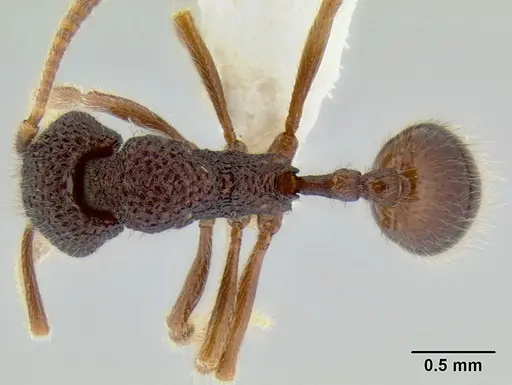
CASENT0603895
View on AntWeb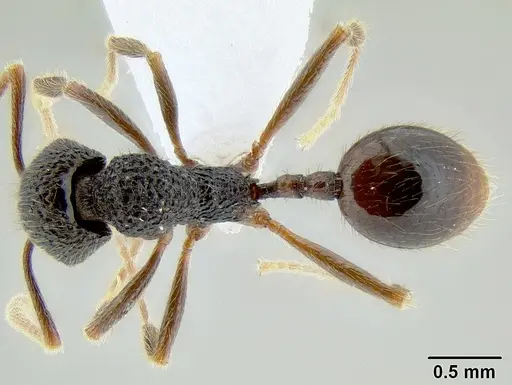
CASENT0603918
View on AntWeb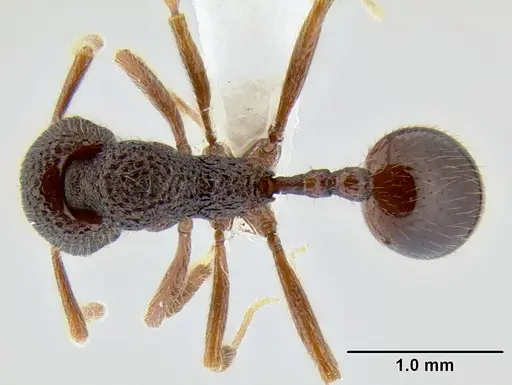
CASENT0604312
View on AntWeb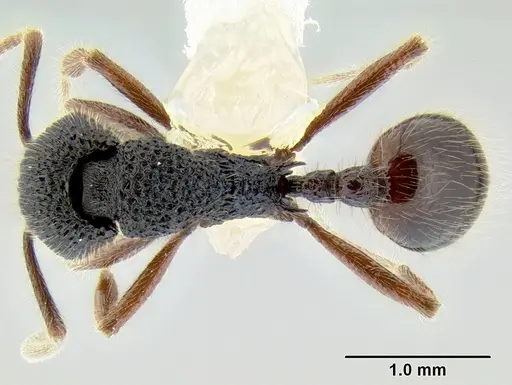
CASENT0604578
View on AntWeb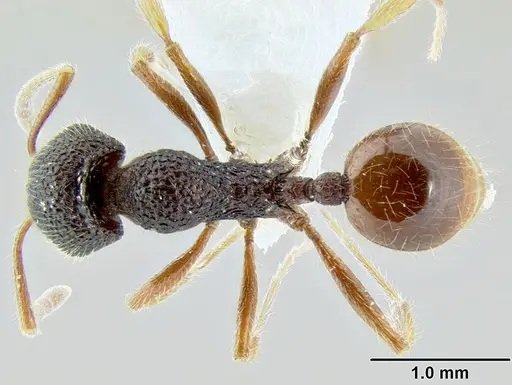
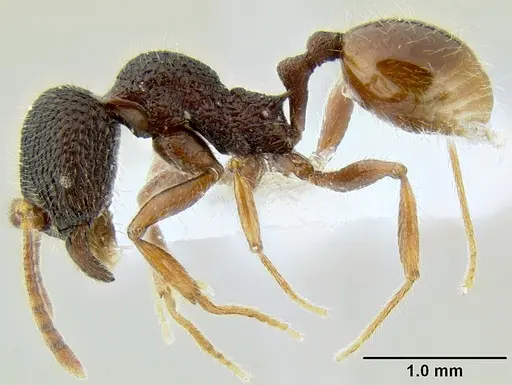
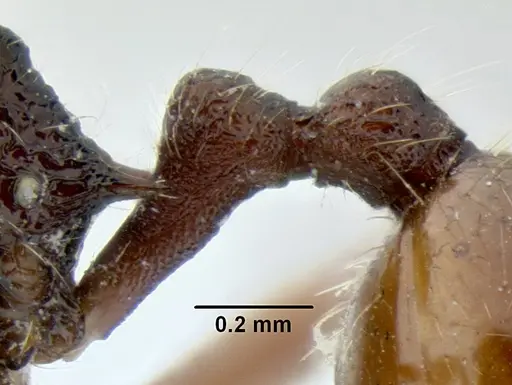
CASENT0604607
View on AntWeb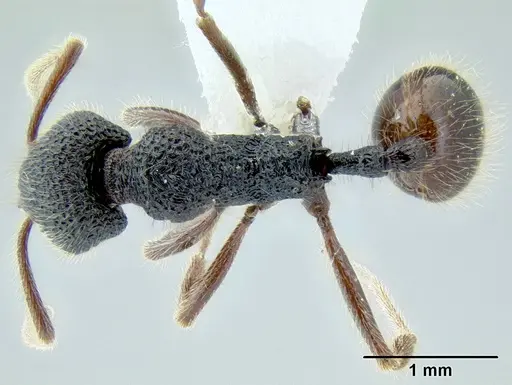
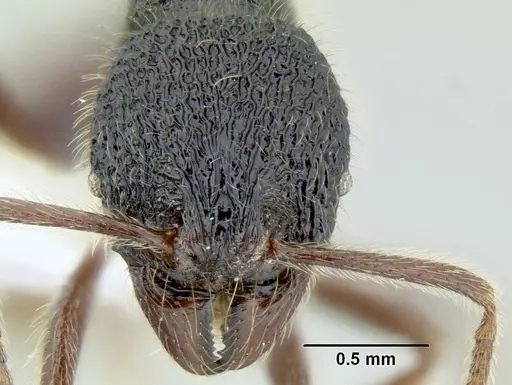
CASENT0604945
View on AntWeb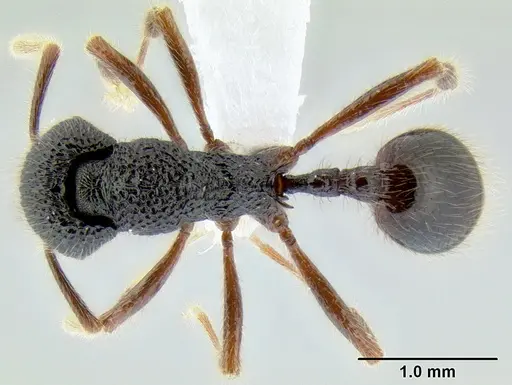
CASENT0604946
View on AntWeb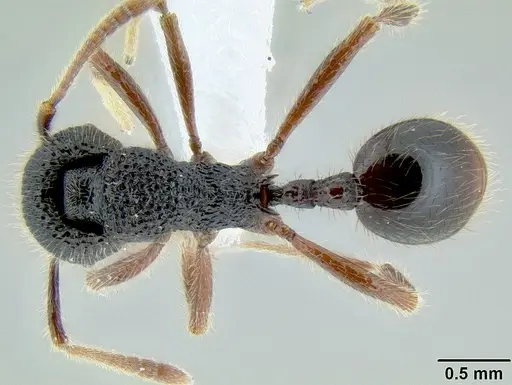
CASENT0604949
View on AntWeb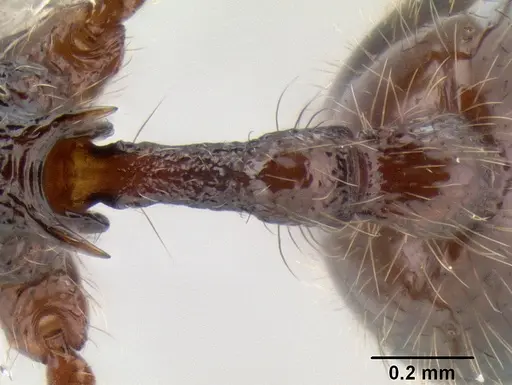
CASENT0604991
View on AntWeb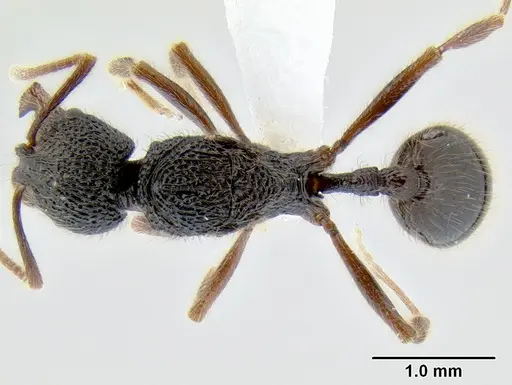
CASENT0605435
View on AntWeb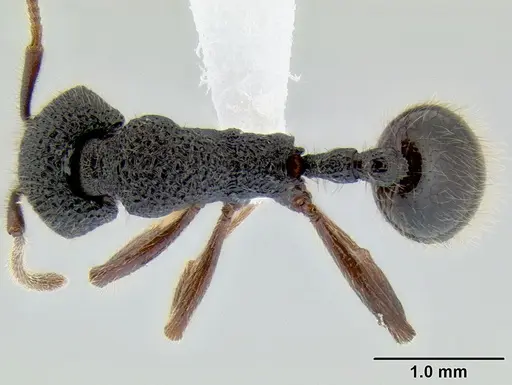
CASENT0621695
View on AntWeb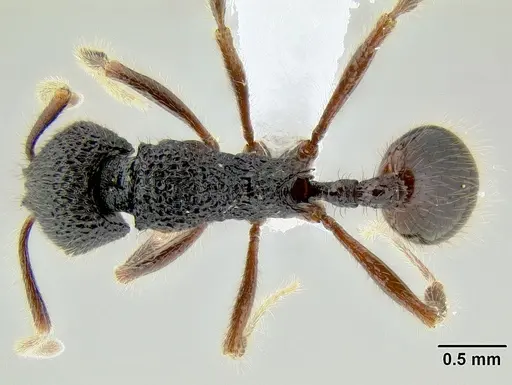
CASENT0621728
View on AntWeb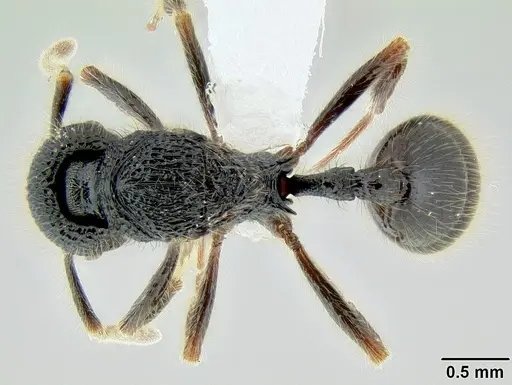
CASENT0621749
View on AntWeb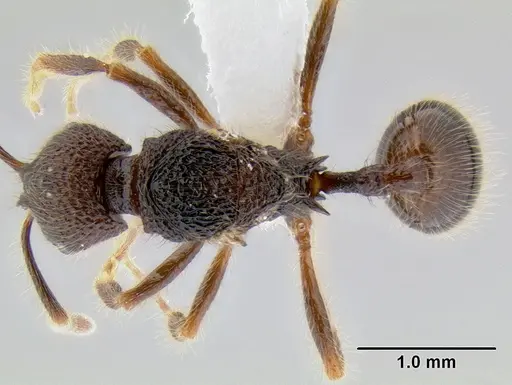
Literature
Loading...Loading products...