

Stenamma brevicorne
- Scientific Name
- Stenamma brevicorne
- Tribe
- Stenammini
- Subfamily
- Myrmicinae
- Author
- Mayr, 1886
- Distribution
- Found in 2 countries
Stenamma brevicorne Overview
Stenamma brevicorne is an ant species of the genus Stenamma. It is primarily documented in 2 countries , including Canada, United States of America. Detailed taxonomic data and occurrence records can be further explored via authoritative databases such as AntWeb or the Global Biodiversity Information Facility (GBIF).
Stenamma brevicorne
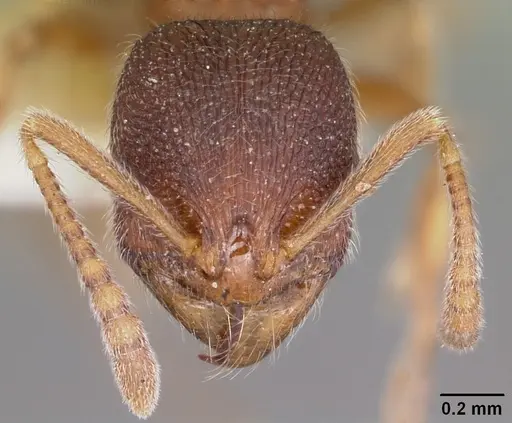
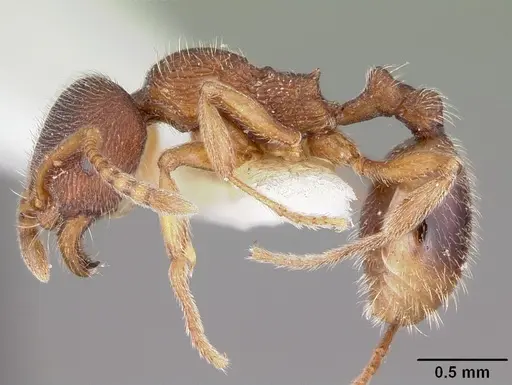
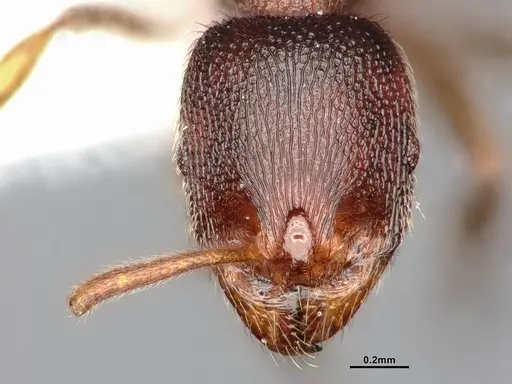
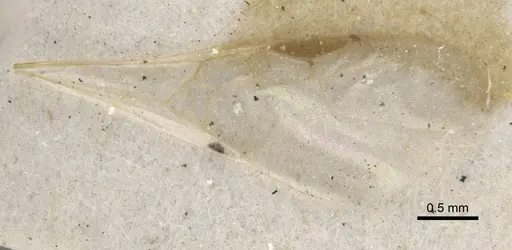
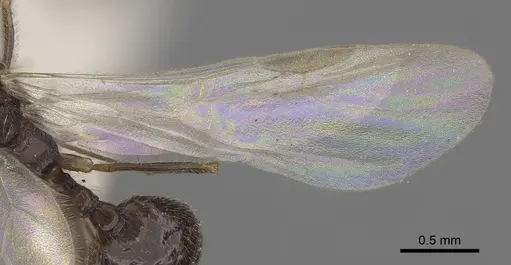
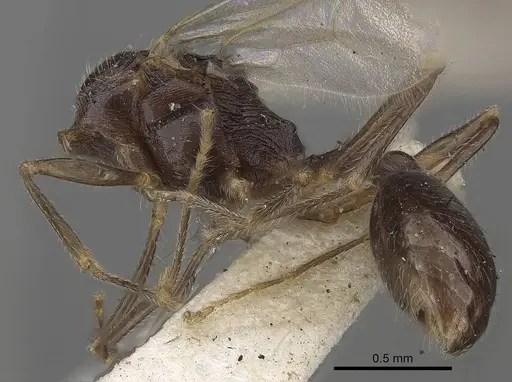
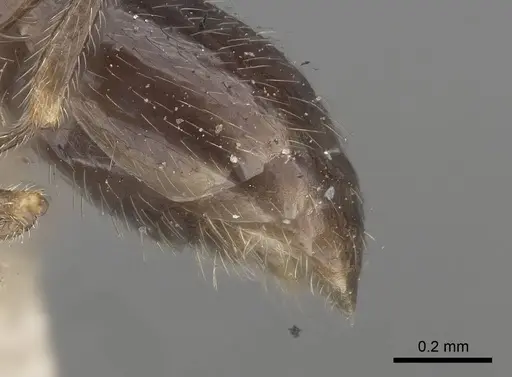
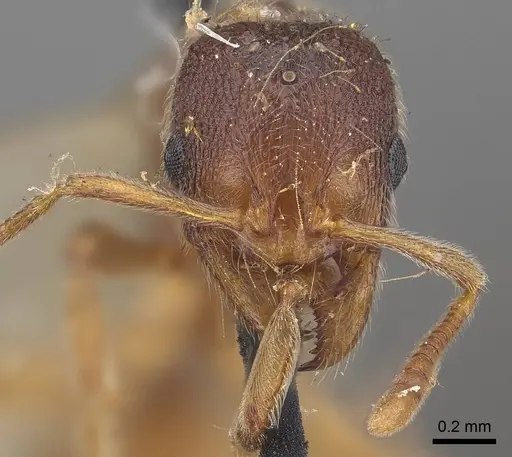
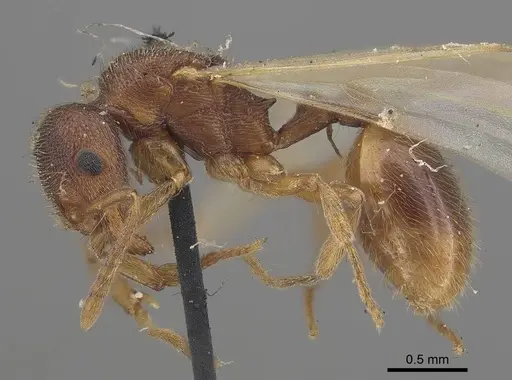
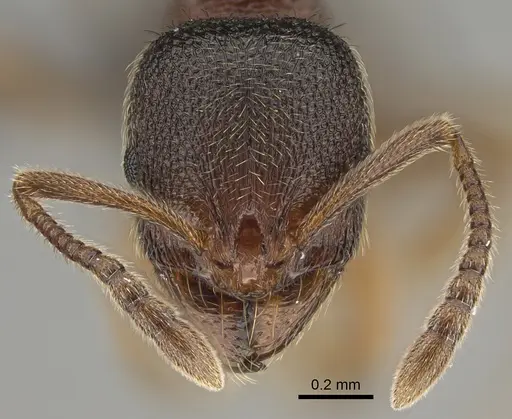
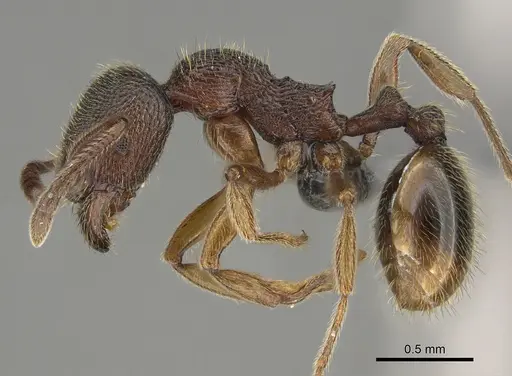
Stenamma brevicorne is a small, cryptic ant native to eastern North America. Workers measure 2.7-3.8mm and are dark brown with a distinctive lighter band across their gaster, giving them a banded appearance [1]. Queens are larger at 3.4-4.2mm [1]. These ants are among the most widely distributed Stenamma species in North America, found from Nova Scotia and Quebec south to Virginia, and west to Nebraska and Minnesota [1][2]. They prefer nesting in moderately dense to dense woodlands with maple, oak, and beech trees, typically under stones, logs, moss, or in rotting wood [1]. Colonies remain small, usually containing only a few dozen to around 100 workers [1]. This species is timid and sluggish, spending most of its time underground or hidden in leaf litter, making them challenging to observe [1].
Quick Summary
- Difficulty: Medium
- Origin & Habitat: Eastern North America, from Nova Scotia, Quebec, and Ontario south to Tennessee and west to Nebraska and Minnesota [1][2]. Found in moist woodlands, forest edges, and occasionally open areas near water. Prefers moderately dense to dense woods with maple, oak, and beech-maple composition [1].
- Colony Type: Monogyne (single-queen colonies). Colonies are small, typically containing a few dozen to approximately 100 workers, with the largest documented colony having 105 workers plus alates [1][3].
- Colony: Monogyne
- Founding: Claustral
- Size & Growth:
- Queen: 3.4-4.2mm [1]
- Worker: 2.7-3.8mm [1]
- Colony: Up to ~100-200 workers in mature colonies [1][4]
- Growth: Slow, colonies remain small
- Development: Estimated 8-12 weeks based on typical Stenamma genus patterns (Development timeline is not directly documented for this species. Based on related Stenamma species and temperate ant development, expect 2-3 months from egg to first worker at optimal temperatures.)
- Antkeeping:
- Temperature: Keep at room temperature (18-22°C). This is a temperate species native to regions with cold winters. They tolerate cooler temperatures better than heat, avoid temperatures above 25°C. A slight temperature gradient is beneficial.
- Humidity: Moderate to high humidity (60-80%). These ants prefer moist forest floor conditions. Keep the nest substrate consistently damp but not waterlogged. They do well with a water tube in test tube setups.
- Diapause: Yes, requires winter hibernation. This species is native to temperate regions with cold winters. Reduce temperature to 5-10°C for 3-4 months during winter (roughly November-February, depending on your location).
- Nesting: Prefers naturalistic setups with soil or moist substrate. In captivity, they do well in test tubes with a dirt setup, or in acrylic/plaster nests with moisture. They are subterranean and prefer dark, humid nest chambers. Avoid dry, exposed setups.
- Behavior: Timid and sluggish. Workers are carnivorous and will hunt small prey like springtails, but they are slow-moving and not aggressive [1][5]. They are hypogaeic (ground-dwelling) and spend most time underground or under cover. Escape risk is low, they are not strong climbers and rarely venture far from the nest. However, their small size means they can slip through small gaps if motivated.
- Common Issues: slow growth, colonies remain small and grow slowly, which can frustrate beginners, sensitive to disturbance, they are timid and may abandon brood if stressed, difficulty finding queens, they are rarely colony-founded and wild colonies are hard to locate, sensitive to drying, they need consistently moist substrate, may not survive hibernation if not properly cooled or if kept too wet
Housing and Nest Setup
Stenamma brevicorne is a subterranean species that prefers dark, humid conditions. Test tube setups work well for founding colonies, use a standard test tube with a water reservoir plugged with cotton, keeping the tube partially wrapped in aluminum foil to block light. For established colonies, a naturalistic setup with moist soil or an acrylic/plaster nest with a water reservoir works best. These ants are not climbers and do not need high outworlds. Keep the nest area humid and dark. A small foraging area with a thin layer of moist substrate is sufficient, they are not active foragers and will mostly stay hidden. [1][2]
Feeding and Diet
Workers are carnivorous and likely predatory on small invertebrates [1][5]. In captivity, they accept small live prey like springtails, fruit flies, and other tiny insects. Offer protein foods 2-3 times per week. Sugar sources may be accepted but are not a primary food source, these ants are not typical honeydew feeders. Some keepers report success with diluted honey or sugar water, but protein should form the bulk of their diet. Feed small amounts that can be consumed within a day or two to avoid mold issues in their humid environment.
Temperature and Seasonal Care
Keep colonies at room temperature (18-22°C). This is a temperate species that tolerates cool conditions better than heat, avoid temperatures above 25°C. During the winter months (roughly November through February), they require a hibernation period at 5-10°C. This can be accomplished by moving the colony to an unheated garage, basement, or refrigerator (not freezer). Do not hibernate them while they are in test tubes with water reservoirs, as condensation and temperature fluctuations can drown them. Transfer to a dry setup before hibernation. The hibernation period is essential for colony health and reproduction. [1][2][4]
Behavior and Observation
Stenamma brevicorne is one of the more cryptic ant species you can keep. Workers are timid, sluggish, and spend most of their time underground or hidden in the substrate [1]. They are not aggressive and will flee rather than fight. You will rarely see dramatic foraging behavior, instead, watch for workers occasionally emerging to grab prey and pull it back into the nest. This species is best suited for keepers who enjoy observing subtle, naturalistic behavior rather than active, visible ants. Their small colony size and slow growth mean they remain manageable in modest setups.
Colony Growth and Reproduction
Colonies remain small throughout their life, typically maxing out around 100-200 workers [1][4]. The largest documented wild colony had 105 workers plus alates [1]. Alate (winged) production occurs from July through September, with winged adults present from August to September [4][2]. Mating flights happen in spring, with males swarming in May and females collected in flight around late May [1][2]. If your colony produces alates, you may observe nuptial flights in spring after hibernation ends.
Finding and Acquiring Queens
Stenamma brevicorne queens are rarely colony-founded by antkeepers because they are difficult to find. The species is not commonly kept in the hobby. If you want to start a colony, your best option is to find a mated queen during nuptial flights in spring (May in most of their range). Look for queens near woodland edges, particularly in areas with moist soil and rotting wood. Alternatively, you may find an established colony by carefully searching under stones, logs, or in leaf litter in wooded areas during spring or summer. These ants are cryptic and colonies are small and hard to detect. [1][2]
Frequently Asked Questions
How long does it take for Stenamma brevicorne to produce first workers?
Based on typical Stenamma genus patterns, expect 8-12 weeks from egg to first worker at room temperature. This species has not been specifically studied for development time, so exact timelines are estimates. Be patient, colonies grow slowly.
Can I keep Stenamma brevicorne in a test tube?
Yes, test tubes work well for founding colonies. Keep the tube humid by ensuring the water reservoir is properly maintained, and wrap most of the tube in foil to keep it dark. However, you will need to eventually move them to a larger setup with soil or a moist nest material as the colony grows.
Do Stenamma brevicorne ants sting?
Stenamma brevicorne is a Myrmicinae ant, and most Myrmicinae species can sting. However, this species is timid and non-aggressive. They are small and their sting would be negligible to humans, more of a minor irritation than anything painful. They will not sting unless handled roughly.
How big do Stenamma brevicorne colonies get?
Colonies remain small, typically only a few dozen to around 100 workers in most colonies. The largest documented wild colonies reached about 200 workers [1][4]. This is not a species that will produce massive colonies.
Do Stenamma brevicorne need hibernation?
Yes, this species requires a winter hibernation period. As a temperate ant native to eastern North America, they need 3-4 months of cold temperatures (5-10°C) during winter. Skip hibernation only if you live in a temperate climate and keep them in an unheated room through winter.
Are Stenamma brevicorne good for beginners?
This species is best suited for intermediate to advanced antkeepers. While not technically difficult, their slow growth, small colony size, and cryptic behavior can be frustrating for beginners expecting visible activity. They also require hibernation. If you are patient and interested in observing subtle, naturalistic ant behavior, they can be rewarding.
What do Stenamma brevicorne eat?
They are carnivorous, feed small live prey like springtails, fruit flies, tiny crickets, or other small insects. Some keepers report accepting sugar water or honey, but protein should be the primary food source. Feed small amounts 2-3 times per week.
Can I keep multiple Stenamma brevicorne queens together?
No, this is a monogyne (single-queen) species. Multiple unrelated queens would likely fight. Only attempt to keep multiple queens together if you are specifically trying pleometrosis (founding together), which has not been documented for this species and carries high risk of queen mortality.
Why are my Stenamma brevicorne dying?
Common causes include: drying out (they need consistently moist substrate), overheating (keep below 25°C), disturbance stress (they are sensitive to vibrations and light), and improper hibernation. Check that your setup maintains humidity without flooding, and that temperatures stay cool. Also ensure they have adequate protein food.
When should I move my colony to a formicarium?
Move them when the test tube becomes crowded or when you see workers avoiding the water chamber. For this slow-growing species, that may take a year or more. When moving, use a setup with moist soil or a hydration system, they are subterranean and need humidity.
References

This caresheet is licensed under CC BY-SA 4.0 .
ANTWEB1041589
View on AntWeb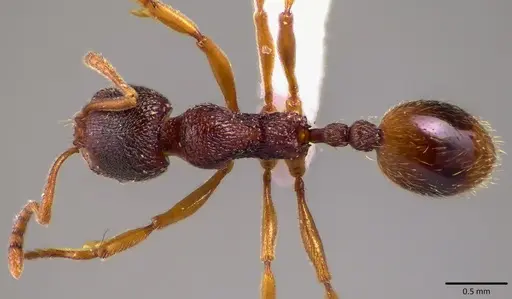
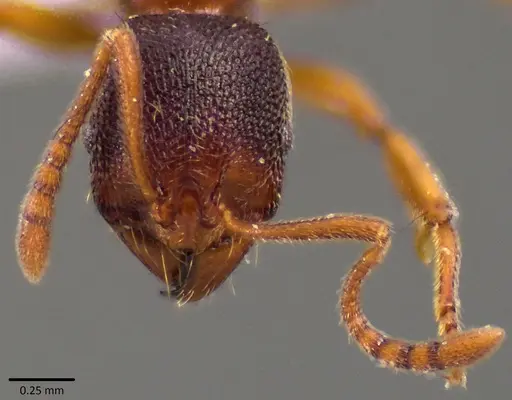
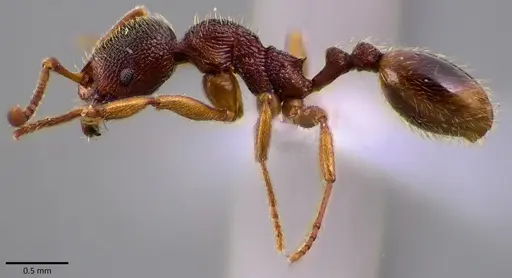
CASENT0104792
View on AntWeb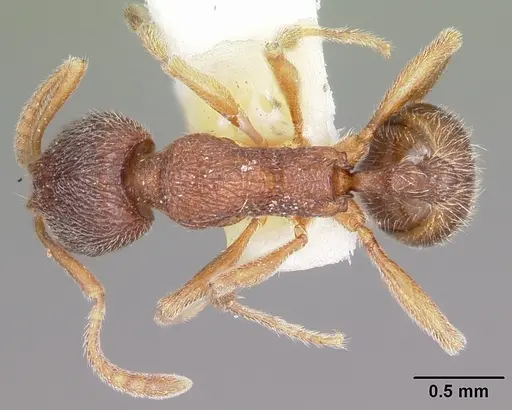
CASENT0885484
View on AntWeb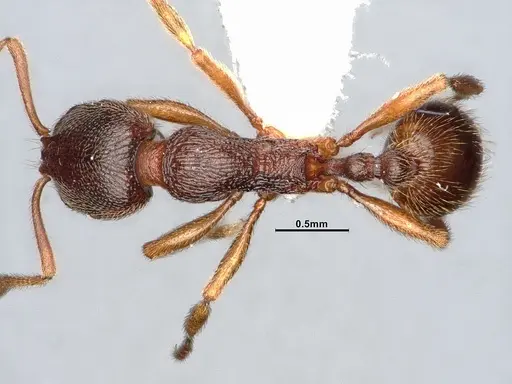
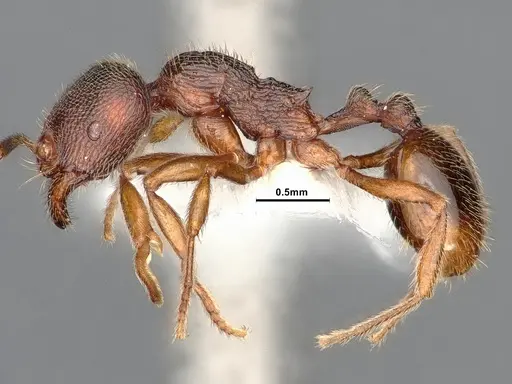
CASENT0900948
View on AntWeb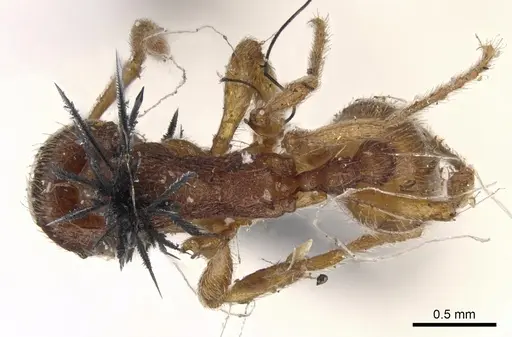
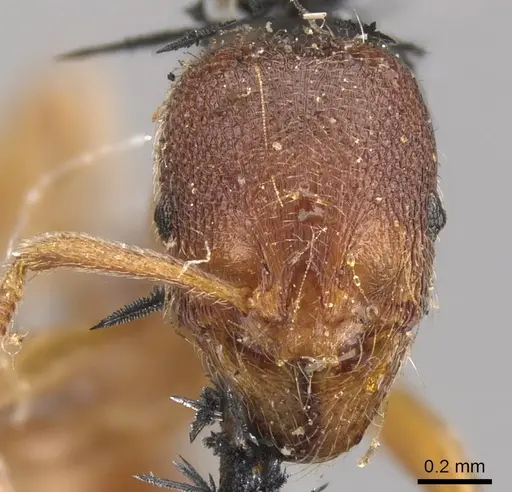
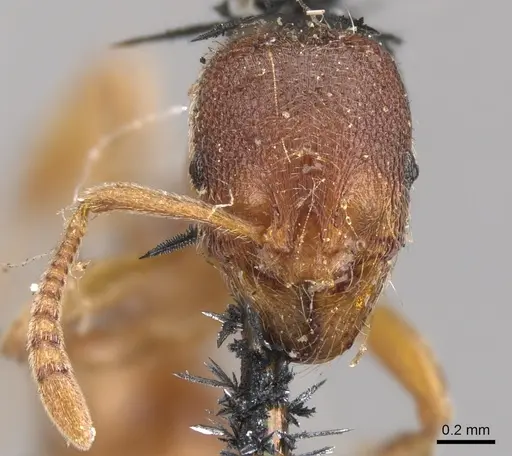
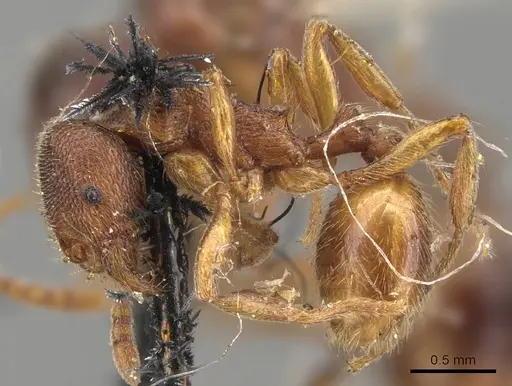
CASENT0919620
View on AntWeb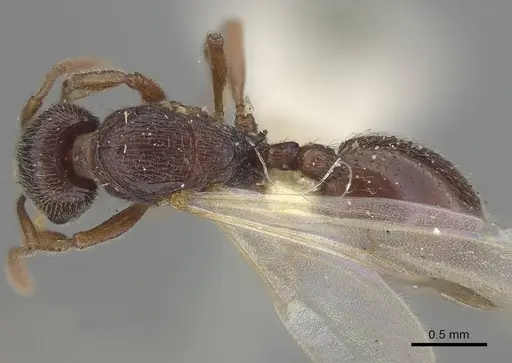
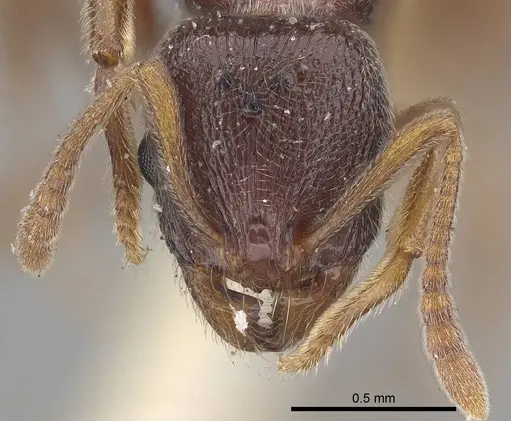
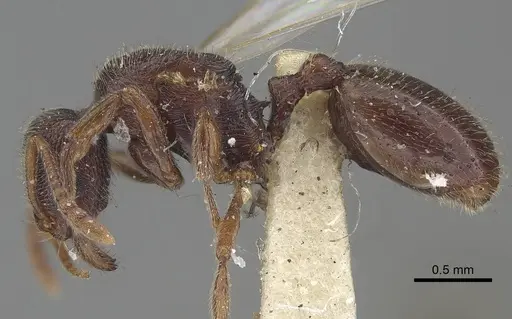
CASENT0919621
View on AntWeb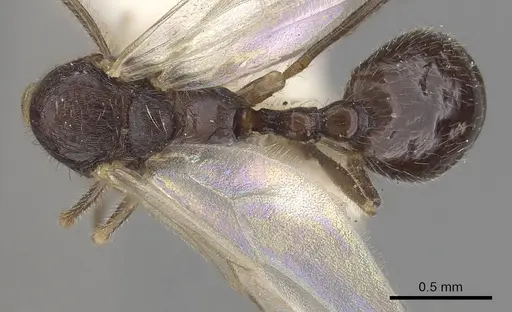
CASENT0919622
View on AntWeb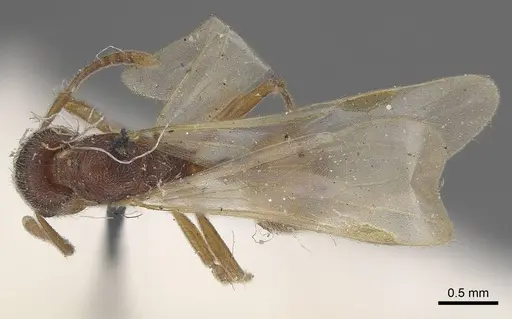
CASENT0923375
View on AntWeb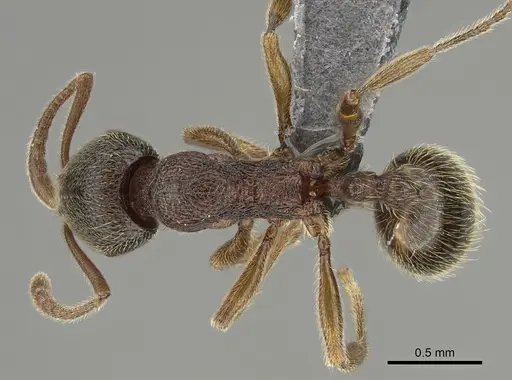
Literature
Loading...Loading products...