

Stenamma atribellum
- Scientific Name
- Stenamma atribellum
- Tribe
- Stenammini
- Subfamily
- Myrmicinae
- Author
- Branstetter, 2013
- Distribution
- Found in 1 countries
Stenamma atribellum Overview
Stenamma atribellum is an ant species of the genus Stenamma. It is primarily documented in 1 countries , including Honduras. Detailed taxonomic data and occurrence records can be further explored via authoritative databases such as AntWeb or the Global Biodiversity Information Facility (GBIF).
Stenamma atribellum
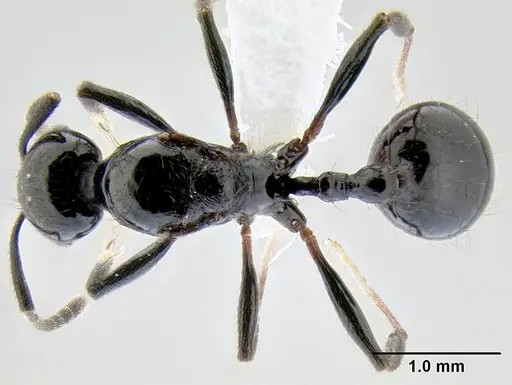
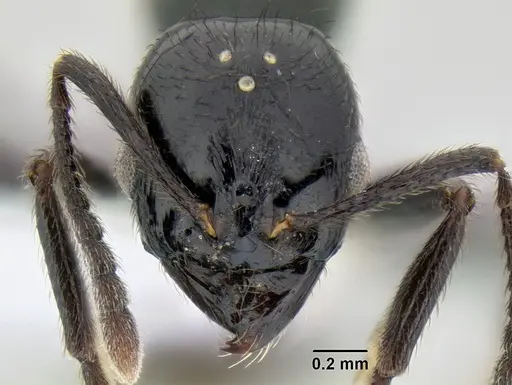
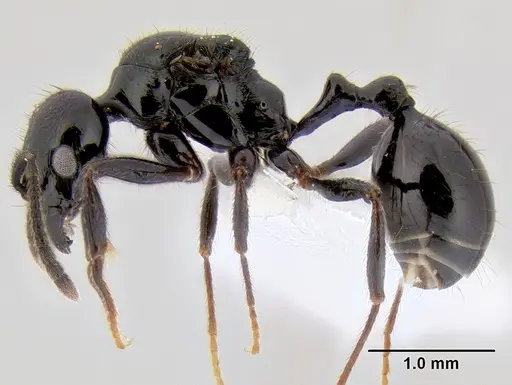
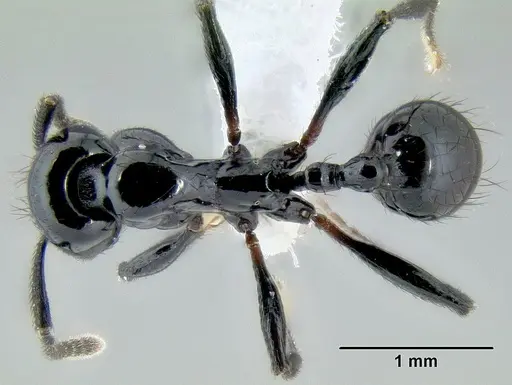
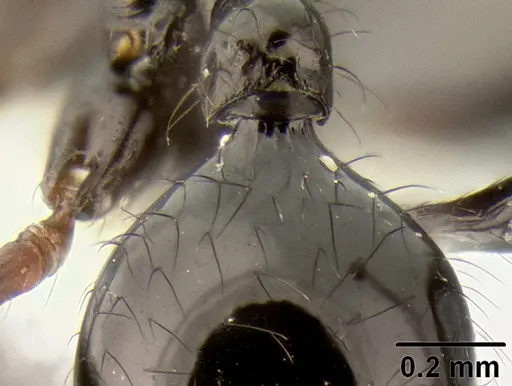
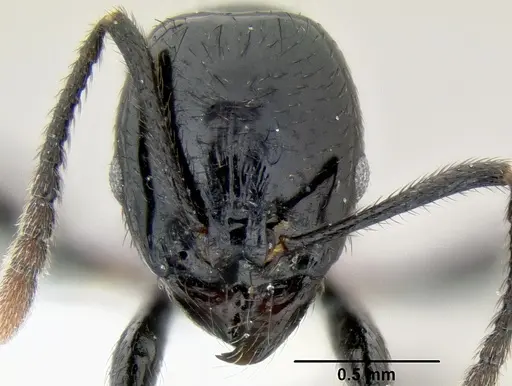
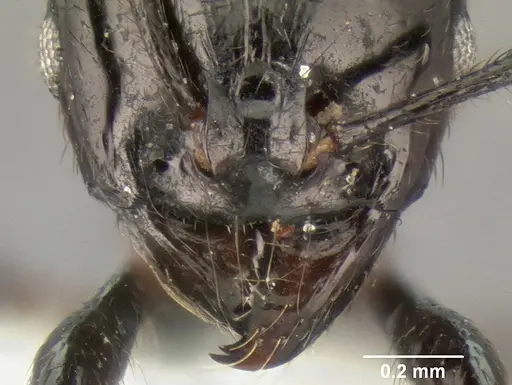
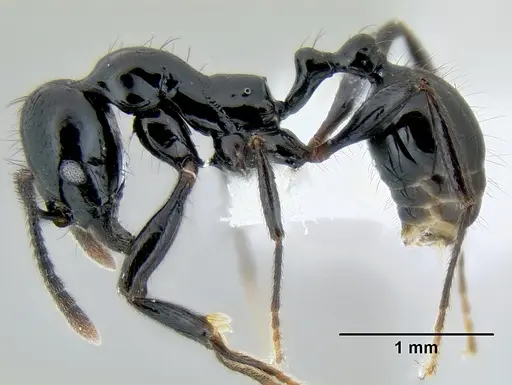
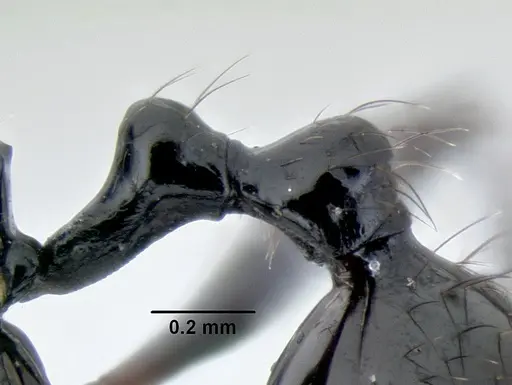
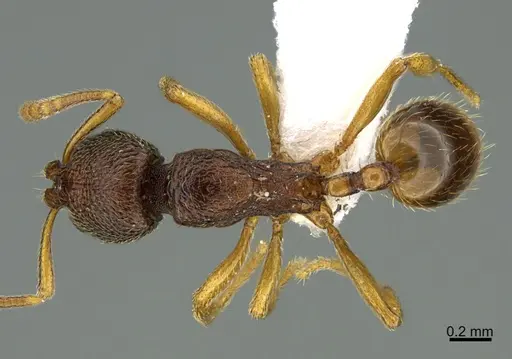
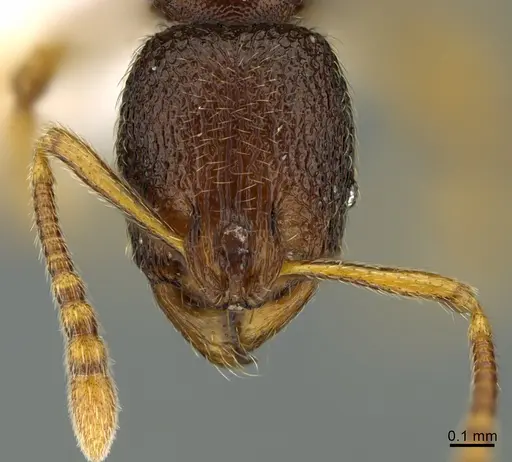
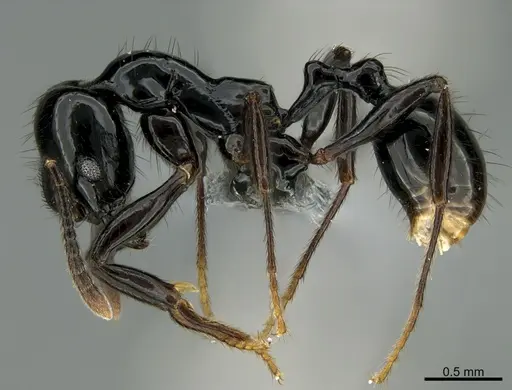
Stenamma atribellum is a medium to large-sized ant species native to the cloud forests of Honduras. Workers measure 0.88-0.99mm in head length and have a distinctive almost completely smooth and shiny black body with subtle brownish patches on the appendages [1][2]. The species gets its name from the Latin words for 'black beast', atr meaning black and bellum meaning beast, referring to its predominantly dark coloration [2]. The gaster (the rear body segment) has an unusual elongated constriction at the front, and the propodeal spines are reduced to tiny tubercles, making this species quite distinctive among Stenamma ants [1]. This ant is known only from a single nest collection in Parque Nacional Cusuco at approximately 2030m elevation, making it one of the rarest and least-studied ant species in captivity [1][2].
Quick Summary
- Difficulty: Expert
- Origin & Habitat: Honduras, specifically Parque Nacional Cusuco in Cortés department, cloud forest at 1550-2030m elevation [1][2]. The single known nest was collected underneath the bark of a large log near the edge of dwarf forest [1][2]. This is a true cloud forest specialist requiring high humidity and cool temperatures.
- Colony Type: Single-queen colonies (monogyne). The only documented wild colony had at least 100 workers with a single queen and brood [1]. Colony structure in captivity is unconfirmed beyond this single observation.
- Colony: Monogyne
- Size & Growth:
- Queen: Queen measures approximately 9.9mm head length (HL 0.99mm, HW 0.89mm) [2]. Workers are 0.88-0.99mm head length (HL), making them medium to large for the genus [1][2].
- Worker: Workers measure 0.88-0.99mm head length (HL),0.77-0.88mm head width (HW), with a mesosoma length of 1.19-1.32mm [2].
- Colony: At least 100 workers documented in the single known wild colony [1]. Colony size potential is unknown but likely moderate based on genus patterns.
- Growth: Growth rate is unconfirmed for this species. Based on typical Stenamma patterns, expect moderate growth, likely several months to first workers under ideal conditions.
- Development: Development timeline is unconfirmed for this species. Based on related Stenamma species, estimate 6-10 weeks from egg to first worker at optimal temperature. (No direct development data exists for this species. Estimates are based on typical Stenamma genus behavior.)
- Antkeeping:
- Temperature: Cloud forest species from 1550-2030m elevation suggests they prefer cool conditions. Keep nest area around 18-22°C, avoiding overheating. A gentle gradient allowing workers to self-regulate is ideal.
- Humidity: High humidity is essential, think damp cloud forest floor. Keep nest substrate consistently moist but not waterlogged, with some drier areas available. Target 70-85% relative humidity in the nest area.
- Diapause: Diapause requirements are unconfirmed. As a tropical cloud forest species from high elevation, they may have reduced seasonal activity but likely do not require true hibernation. More research needed.
- Nesting: In nature, they nest under loose bark of logs in cloud forest [1][2]. In captivity, a naturalistic setup with damp substrate and bark pieces, or a Y-tong/plaster nest with high humidity works well. Avoid dry conditions entirely.
- Behavior: Stenamma ants are generally non-aggressive and secretive. Workers are moderate-sized and likely forage in leaf litter and on logs. They are not known to sting and pose no danger to keepers. Escape risk is moderate, use standard barrier methods but this is not a particularly escape-prone species.
- Common Issues: extreme rarity, this species is virtually unavailable in the antkeeping hobby, making acquisition nearly impossible, high humidity requirements mean colonies can fail quickly if substrate dries out, cloud forest elevation means they are sensitive to overheating, keep away from direct heat sources, virtually no captive husbandry information exists, keepers are essentially pioneering all care methods, cold-sensitive despite high elevation origin, they need cool but stable temperatures, not cold
Housing and Nest Setup
Stenamma atribellum requires high-humidity housing that mimics cloud forest conditions. A naturalistic setup with damp soil, leaf litter, and pieces of bark works well since this species naturally nests under loose bark on logs [1]. Alternatively, a Y-tong (acrylic) nest or plaster nest with a water reservoir can maintain the humidity they need. The key is keeping the substrate consistently moist, these ants will not tolerate dry conditions. Provide a water tube or moisture reservoir, but avoid flooding. Ventilation should be adequate to prevent mold while retaining humidity. Given their tiny size and secretive nature, provide plenty of dark, enclosed spaces for the colony to feel secure.
Feeding and Diet
Feeding habits are unconfirmed for this specific species, but Stenamma ants are generally omnivorous with a preference for protein. Based on genus patterns, offer small protein sources like fruit flies, small crickets, and mealworm pieces. They likely also accept sugar sources such as honey water or sugar water, especially once workers are established. Feed small amounts initially and remove uneaten food to prevent mold in the humid environment. Given their cloud forest origin, they may have lower metabolic demands than tropical species, avoid overfeeding.
Temperature Management
This is a cloud forest species from 1550-2030m elevation in Honduras, suggesting they prefer cool, stable temperatures. Keep the nest area at approximately 18-22°C, avoid temperatures above 25°C which could be harmful. Room temperature is likely suitable for most keepers, but monitor for overheating if using any heating equipment. They appear to be sensitive to temperature extremes. A gentle thermal gradient allowing workers to choose their preferred temperature zone is ideal. Do not place the nest near windows with direct sunlight or heating devices. [1][2]
Humidity Requirements
High humidity is critical for this species, they come from cloud forest habitat where moisture is constantly present. Keep the nest substrate damp but not waterlogged. The substrate should feel moist to the touch at all times. Using a water tube or moisture reservoir connected to the nest helps maintain consistent humidity. Mist the outworld occasionally, but rely on substrate moisture rather than misting. Adequate ventilation is still needed to prevent mold, but avoid excessive airflow that dries the nest. Expect condensation on nest walls in well-humidified setups. [1][2]
Colony Founding
Colony founding behavior has not been documented for Stenamma atribellum specifically. Most Stenamma species are claustral, meaning the queen seals herself in a chamber and raises her first workers entirely on stored fat reserves without foraging. However, this specific behavior is unconfirmed for S. atribellum. If you obtain a founding queen, provide a small test tube or setup with damp substrate and leave her completely undisturbed for 6-12 weeks. Do not feed the founding queen, if she is claustral, she will not eat and may become stressed. Wait for nanitic (first) workers to appear before offering any food.
Behavior and Temperament
Stenamma atribellum is expected to be docile and non-aggressive based on genus patterns. Workers are moderate-sized and likely forage primarily in leaf litter and on decaying wood, hunting small invertebrates. They are not known to sting and pose no danger to keepers. The colony is likely secretive, with workers spending most of their time hidden within the nest or under bark. Activity levels may be lower than many common ant species. They probably do not form large, visible foraging trails. This species is best suited for keepers who enjoy observing subtle, secretive ant behavior rather than active foragers.
Frequently Asked Questions
Is Stenamma atribellum available in the antkeeping hobby?
No. This species is extremely rare in captivity. It is known only from a single nest collection in Honduras and has never been widely available in the antkeeping trade. Most keepers will not find this species for sale.
How do I keep Stenamma atribellum?
Keep them in a high-humidity setup with damp substrate, a naturalistic terrarium or Y-tong nest works well. Maintain temperatures of 18-22°C and humidity around 70-85%. Provide protein foods and sugar water once workers are established. However, since this species has never been kept in captivity, all recommendations are based on genus patterns rather than confirmed husbandry.
What do Stenamma atribellum ants eat?
Diet is unconfirmed for this specific species. Based on typical Stenamma behavior, they likely accept small protein sources like fruit flies, small insects, and may also consume honey or sugar water. Start with tiny protein offerings and observe what the colony accepts.
Do Stenamma atribellum ants sting?
No. Stenamma ants are not known to have functional stingers. They are completely harmless to keepers and pose no stinging or biting danger.
How big do Stenamma atribellum colonies get?
The only documented wild colony had at least 100 workers [1]. Maximum colony size is unknown but is likely moderate, probably several hundred workers at most based on genus patterns.
Do Stenamma atribellum need hibernation?
Diapause requirements are unconfirmed. As a tropical cloud forest species from high elevation, they likely do not require true hibernation but may have reduced activity during cooler periods. More research is needed on their seasonal biology.
What is the egg to worker timeline for Stenamma atribellum?
The development timeline is unconfirmed for this species. Based on typical Stenamma genus patterns, expect approximately 6-10 weeks from egg to first worker at optimal temperature (around 20°C). This is only an estimate.
Can I keep multiple Stenamma atribellum queens together?
Not recommended. The single documented wild colony had only one queen [1]. Combining unrelated queens of this species has not been studied and is not recommended. Stick to single-queen colonies.
What makes Stenamma atribellum different from other ants?
This species has a distinctive elongated constriction at the front of the gaster (abdomen) and an almost completely smooth, shiny black body [1]. It is also one of the rarest ant species in captivity, known only from a single collection in Honduras.
Is Stenamma atribellum good for beginners?
No. This species is rated Expert difficulty due to its extreme rarity, specific humidity requirements, and complete lack of captive husbandry information. It is not recommended for beginners and is virtually unavailable in the hobby.
References

This caresheet is licensed under CC BY-SA 4.0 .
Literature
Loading...Loading products...