

Stenamma alas
- Scientific Name
- Stenamma alas
- Tribe
- Stenammini
- Subfamily
- Myrmicinae
- Author
- Longino, 2005
- Distribution
- Found in 3 countries
Stenamma alas Overview
Stenamma alas is an ant species of the genus Stenamma. It is primarily documented in 3 countries , including Costa Rica, Ecuador, Panama. Detailed taxonomic data and occurrence records can be further explored via authoritative databases such as AntWeb or the Global Biodiversity Information Facility (GBIF).
Stenamma alas
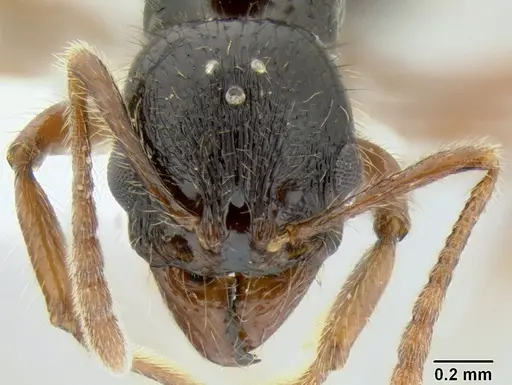
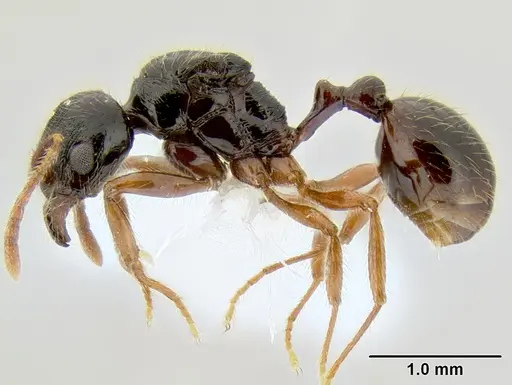
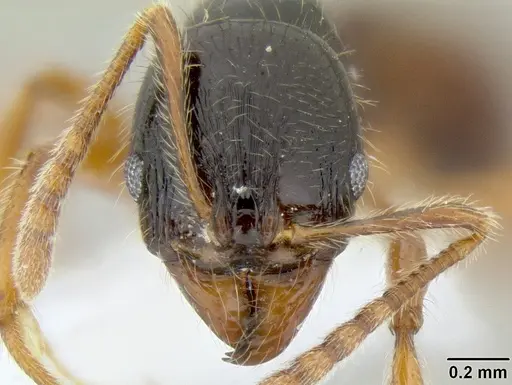
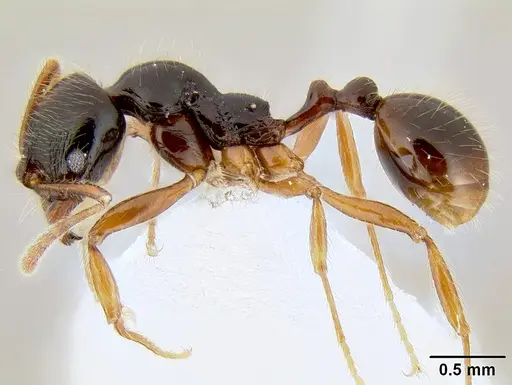
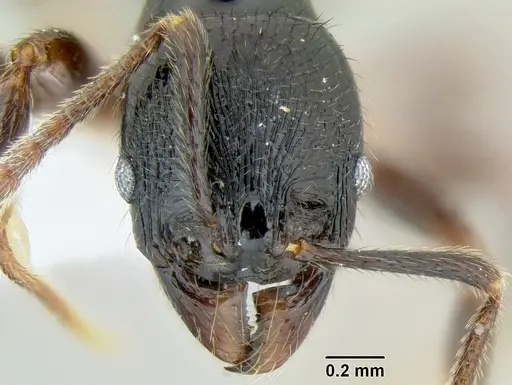
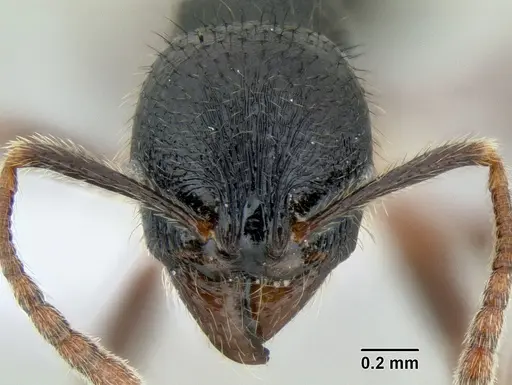
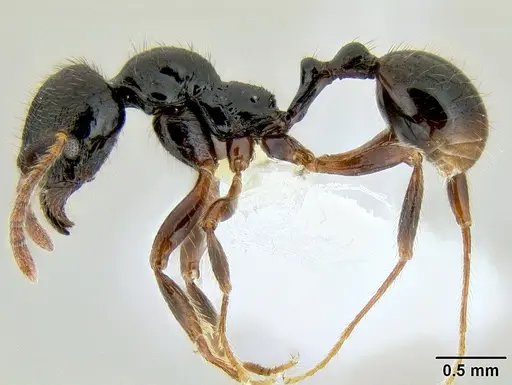
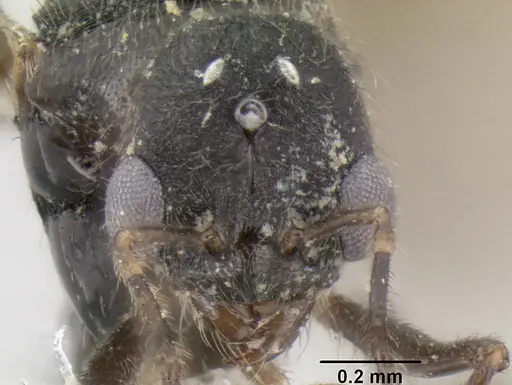
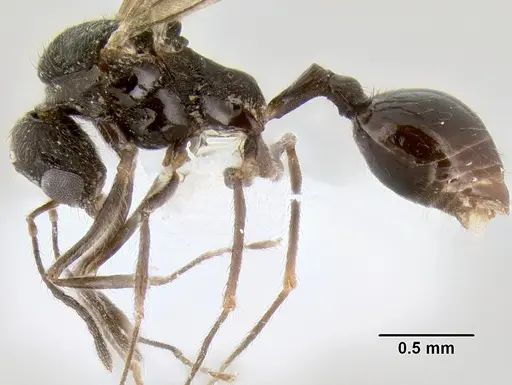
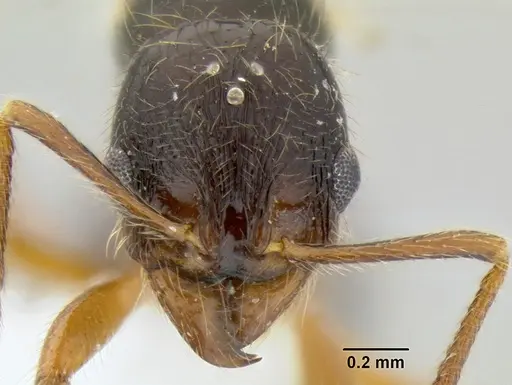
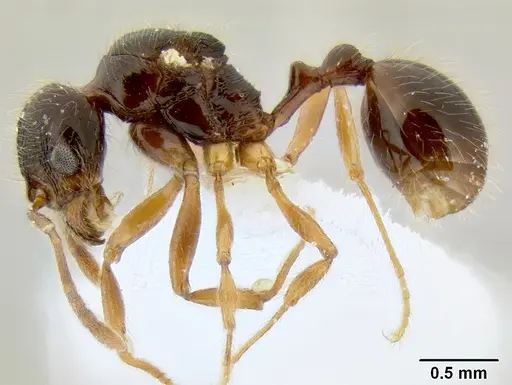
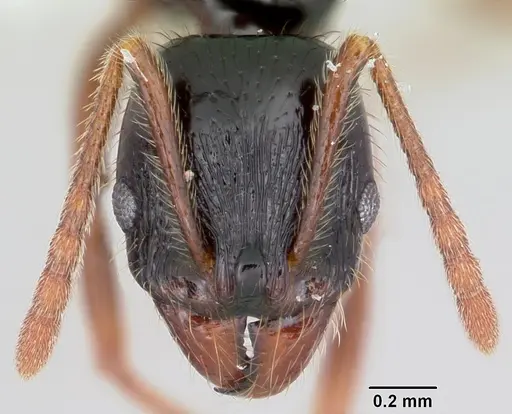
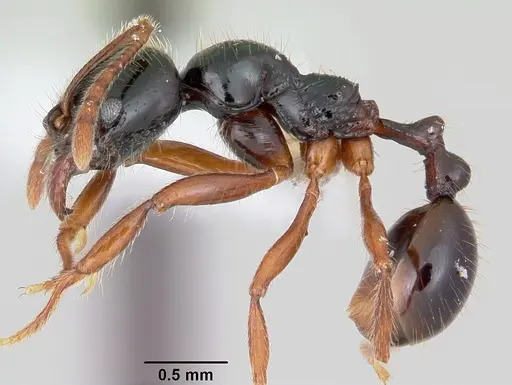
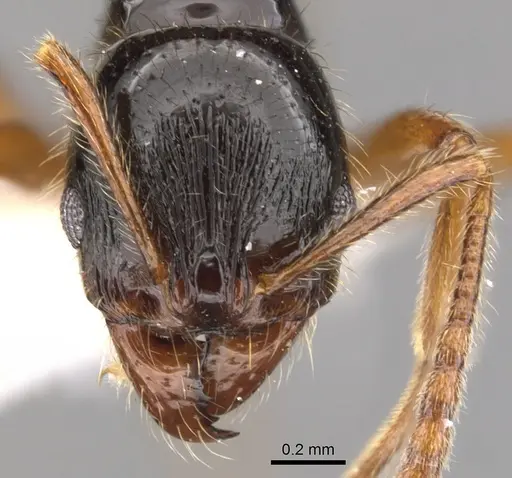
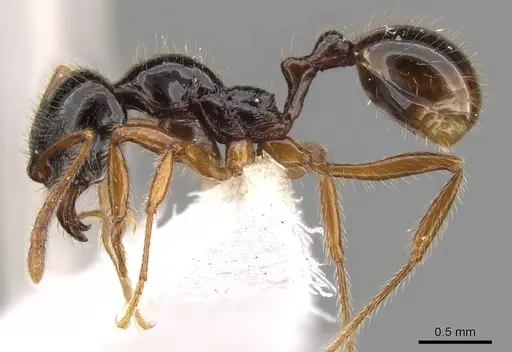
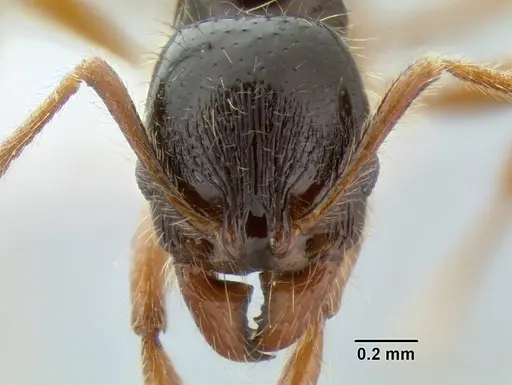
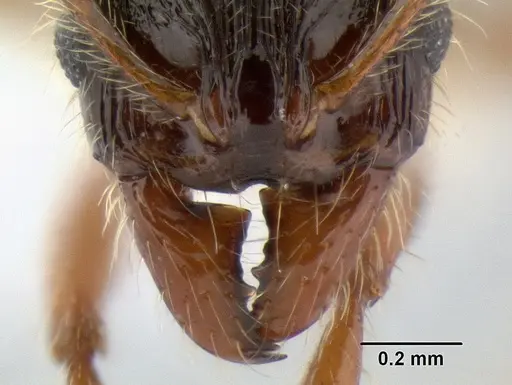
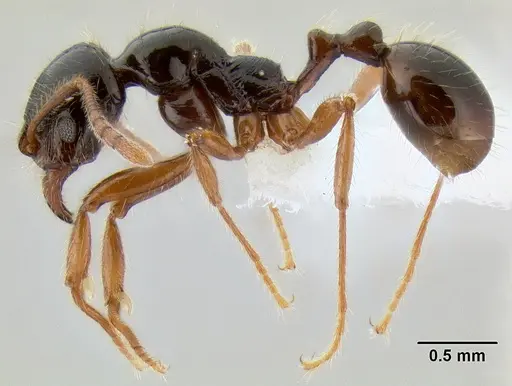
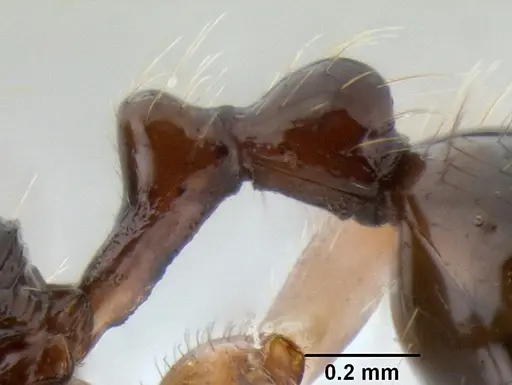
Stenamma alas is a medium to large-sized ant species native to Central and South America, ranging from Costa Rica to Ecuador [1][2]. Workers measure 0.77-0.98mm in head length, while queens are slightly larger at 0.82-0.94mm [1]. The species has a distinctive appearance with a mostly black to dark red-brown body and uniformly orange-brown appendages, though some populations have darker legs [2]. One of the most notable features is the fan of carinulae (fine lines) extending from the frontal lobes across the face, and the completely smooth and shiny promesonotum (middle body section) [2]. Unlike many ants, S. alas lacks propodeal spines entirely [2].
This species is famous for its remarkable nesting behavior. In the wild, S. alas builds nests in nearly vertical clay banks along streams or trail cuts, constructing a horizontally oriented ear-like turret that protrudes from the bank [1][3]. The most fascinating defensive behavior involves a small clay pebble that workers maintain near the nest entrance, when army ants or other predators approach, workers quickly emerge and seal the entrance with this pebble [1][3]. Colonies are monogyne (single queen) and contain up to 250 workers, typically maintaining 2-3 nests in close proximity with only one actively occupied [1][2].
Quick Summary
- Difficulty: Medium
- Origin & Habitat: Stenamma alas is found in wet forest habitats from Costa Rica to Ecuador, at elevations ranging from 50 to 1800 meters [1][2]. The species is most abundant at mid-elevations between 300-800m [3]. As a specialized inhabitant of clay bank environments, these ants nest in nearly vertical clay banks along streams or in vertical cuts along trails [1][2].
- Colony Type: Monogyne, single queen colonies with up to 250 workers [1][2]. Colonies maintain multiple closely spaced nests (1-5), but only one nest contains the queen, brood, and most workers. Ergatoid replacement reproductives have not been documented in this species.
- Colony: Monogyne
- Size & Growth:
- Queen: 0.82-0.94 mm head length [1]
- Worker: 0.77-0.98 mm head length [1]
- Colony: Up to 250 workers [1][2]
- Growth: Moderate, inferred from typical Stenamma development patterns
- Development: Estimated 6-10 weeks based on related Stenamma species and tropical temperature conditions (Development time is not directly documented for this species. As a tropical Myrmicinae, development likely falls in the 6-10 week range at optimal temperatures.)
- Antkeeping:
- Temperature: Keep at 22-26°C, these are tropical ants from wet forest habitats [1]. Room temperature within this range is suitable. Avoid temperatures below 20°C or above 30°C.
- Humidity: Moderate to high humidity, they naturally inhabit damp clay banks in wet forest [1]. Keep the nest substrate consistently moist but not waterlogged. Provide a water tube for drinking access.
- Diapause: No true diapause, as a tropical species, they do not require hibernation [1]. However, activity may slow slightly during cooler periods.
- Nesting: Specialized nesting requirements, in captivity, provide a naturalistic setup with clay or compacted soil that allows for their unique turret-building behavior. A Y-tong or plaster nest with a chamber depth of at least 8cm works well. They prefer nests with horizontal orientation.
- Behavior: Foragers are solitary, slow-moving, and freeze when disturbed, a defensive response to avoid detection [1][2]. Workers are not aggressive and rely on their door-pebble defense system rather than confrontation. They are generalist scavengers, accepting a variety of organic matter including protein sources and sugar. Escape risk is moderate, use standard barrier methods but they are not particularly prone to escaping. The species does not have a functional stinger (Myrmicinae, they can bite but rely on chemical defenses).
- Common Issues: tropical species may struggle if kept too cool, maintain warm temperatures year-round, colonies may fail if nesting material is too dry, clay banks in their natural habitat stay damp, slow growth compared to temperate species requires patience, wild-caught colonies may have parasites that need treatment, multi-nest structure means they may benefit from having extra space to explore
Housing and Nest Setup
Stenamma alas requires specialized housing that mimics its natural clay bank habitat. In the wild, these ants excavate horizontal tunnels about 8cm deep,2cm wide, and 5mm high into vertical clay banks [3]. For captivity, a naturalistic setup works best, use a mixture of compacted clay and soil in a container that allows for this horizontal tunnel structure. A Y-tong (acrylic) nest with chambers scaled to their medium size also works well, though they may not exhibit full turret-building behavior in artificial setups.
The key requirement is providing damp, compact substrate that holds its shape. Standard test tubes are not ideal for established colonies due to their tunneling behavior. Instead, use a formicarium with a dirt chamber or a naturalistic setup with a deep soil layer (at least 10cm) against one side to create a vertical banking effect. The nesting area should remain consistently moist but never waterlogged, the substrate should hold its shape when pressed without dripping [1].
Escape prevention is straightforward with this species, they are not strong climbers and standard barrier methods work well. However, ensure all connections between the outworld and nest are secure, as workers may attempt to expand their tunnels through small gaps.
Feeding and Diet
Stenamma alas is a generalist scavenger in the wild. Workers have been observed returning to the nest with cookie baits and small pieces of unidentified organic matter, suggesting they accept a wide variety of food sources [1][2]. For captive colonies, offer a balanced diet including protein sources like small insects (fruit flies, small mealworms, crickets) and sugar sources (honey water, sugar water).
Feed protein 2-3 times per week, adjusting based on colony size. Keep a constant supply of sugar water or honey available, replace every few days to prevent fermentation. Remove uneaten prey after 24-48 hours to prevent mold. Workers are slow-moving foragers, so place food near the nest entrance and give them time to discover it. A small dish or platform works well for delivering liquid sugars.
Because foragers freeze when disturbed, place food in the outworld and allow the ants to find it naturally rather than placing it directly at the nest entrance. This encourages natural foraging behavior.
Temperature and Seasonal Care
As a tropical species from Central and South American wet forests, Stenamma alas requires warm temperatures year-round. Maintain the nest area at 22-26°C, with room temperature typically falling within this range being suitable [1]. Avoid temperatures below 20°C, as prolonged cool conditions can weaken the colony and slow brood development.
No diapause or hibernation is required, this is a non-diapausing tropical species [1]. However, you may notice reduced activity during cooler winter months if your room temperature drops. A heating cable on one side of the nest can create a gentle gradient if your room runs cool, but ensure only part of the nest is heated rather than creating hot spots.
Monitor humidity more closely during heating periods, as warming can dry out the nest substrate faster. The clay bank habitat naturally provides stable, humid conditions, so aim to replicate this with consistent substrate moisture.
Unique Behaviors and Defense
The most remarkable aspect of Stenamma alas is its sophisticated anti-predator behavior. In the wild, workers maintain a small clay pebble just below the nest entrance [1][3]. When army ants or other predaceous ants approach, workers quickly emerge and seal the entrance by pushing this pebble into the opening. This behavior has likely evolved specifically as a defense against army ant raids, which are a major threat in Neotropical forests [1].
In captivity, you may observe this behavior if the colony feels threatened, workers may block the entrance using substrate particles or debris. This is normal defensive behavior and indicates a healthy, alert colony. The slow, deliberate movement and freezing response when disturbed is also characteristic, this helps them avoid detection by predators.
Colonies also maintain multiple nests (1-5) in close proximity, though only one is actively occupied at a time [1]. This multi-nest structure may be a risk-spreading strategy. In captivity, providing some extra space or multiple chambers can accommodate this natural behavior.
Colony Growth and Development
Stenamma alas colonies grow to a maximum of approximately 250 workers, which is fairly large for the genus Stenamma [1][2]. Colonies are monogyne, containing a single egg-laying queen. Observed colony sizes in the wild range from 80 to 196 workers, with some colonies producing 18-49 alate (winged) queens [3].
Development from egg to worker is estimated at 6-10 weeks based on related Stenamma species and tropical temperature conditions, though this has not been directly studied for S. alas. First workers (nanitics) will be smaller than mature workers, which is normal.
Growth rate is moderate, faster than some temperate species but not as rapid as tropical pioneers. Patience is required, especially in the founding stage. Queens are likely claustral (seal themselves in and raise first workers alone), though founding behavior has not been directly documented for this species.
Frequently Asked Questions
How long does it take for Stenamma alas to produce first workers?
Estimated 6-10 weeks from egg to first worker at optimal temperatures (22-26°C). This is based on typical Stenamma development patterns rather than direct observation of this specific species. The first workers (nanitics) will be smaller than fully-grown workers.
Can I keep Stenamma alas in a test tube setup?
Test tubes are not ideal for established colonies. These ants are specialized clay bank nesters that excavate horizontal tunnels. A naturalistic setup with compact, damp soil or a Y-tong/plaster nest with appropriately sized chambers works better. Test tubes can work for founding queens but transfer to a more suitable nest once the colony reaches 20+ workers.
Do Stenamma alas ants sting?
Stenamma alas does not have a functional stinger. As a Myrmicinae species, they lack the specialized sting apparatus of subfamilies like Ponerinae. They can bite if handled, but their primary defense is the door-pebble behavior and freezing response, not chemical defense.
How big do Stenamma alas colonies get?
Colonies reach up to 250 workers at maturity [1][2]. This is fairly large for Stenamma but modest compared to many Myrmicinae. Colonies remain monogyne (single queen) throughout their life.
What do Stenamma alas eat?
They are generalist scavengers. Offer protein sources (small insects like fruit flies, tiny mealworms) 2-3 times per week and keep sugar water or honey available constantly. They accept a wide variety of organic matter in captivity.
Do Stenamma alas need hibernation or diapause?
No, as a tropical species from Costa Rica to Ecuador, they do not require hibernation [1]. Keep them at warm temperatures (22-26°C) year-round. Activity may slow slightly during cooler periods but no special winter care is needed.
Are Stenamma alas good for beginners?
This species is rated as medium difficulty. While not the most challenging ant to keep, their specialized nesting requirements (damp clay banks) and tropical temperature needs make them better suited for keepers with some experience. Their slow growth and specific humidity requirements require attention.
Why do my Stenamma alas keep blocking their nest entrance?
This is normal behavior, in the wild, workers use a clay pebble to seal the entrance when threatened by predators like army ants [1][3]. If your colony is doing this, it indicates they feel threatened. Check for vibrations, disturbances, or other stressors. This is actually a sign of a healthy, defensive colony.
Can I keep multiple Stenamma alas queens together?
No, colonies are monogyne with a single egg-laying queen [1][2]. Multiple unrelated queens will fight. The species does not exhibit pleometrosis (multiple queen founding) and colonies maintain only one active queen.
What temperature range is best for Stenamma alas?
Keep nest temperatures between 22-26°C. These are tropical wet forest ants from Costa Rica and Ecuador [1]. Room temperature within this range is ideal. Avoid temperatures below 20°C or above 30°C.
References

This caresheet is licensed under CC BY-SA 4.0 .
CASENT000005886
View on AntWeb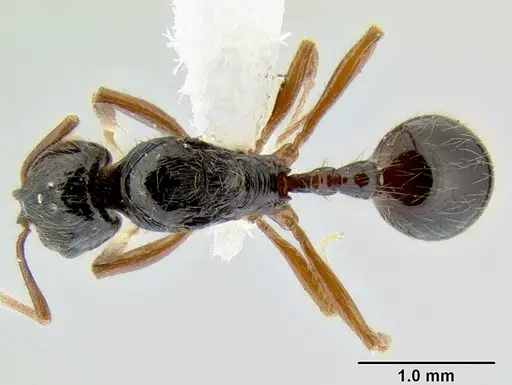
CASENT0600040
View on AntWeb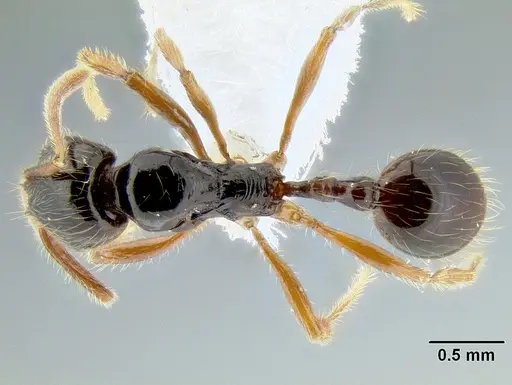
CASENT0600114
View on AntWeb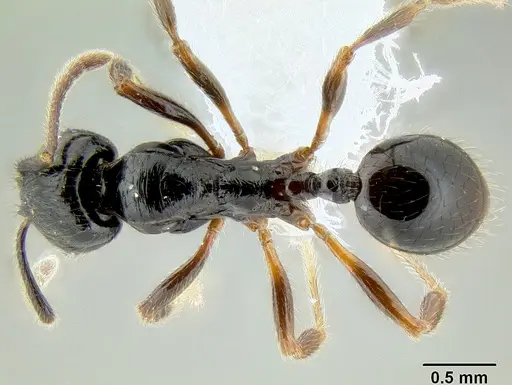
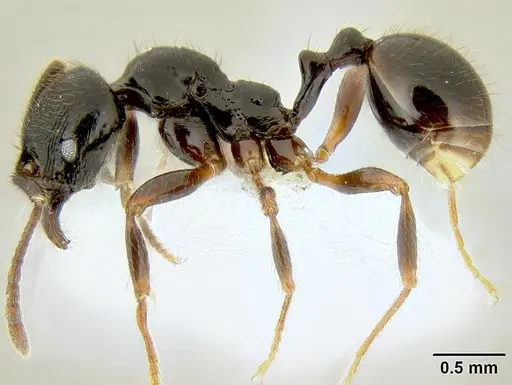
CASENT0606832
View on AntWeb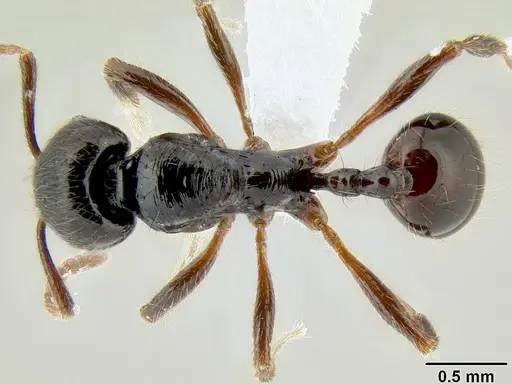
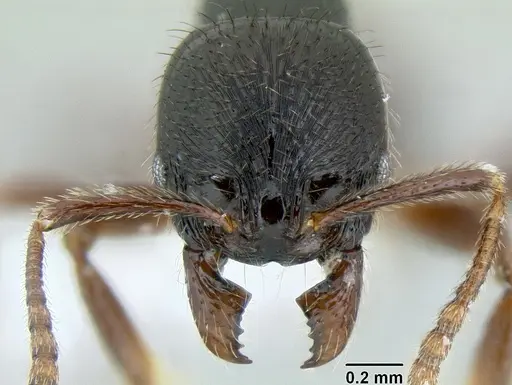
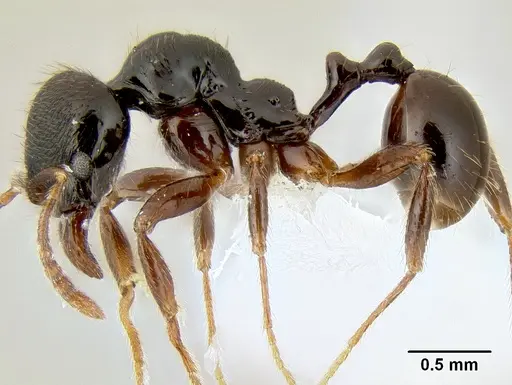
CASENT0606870
View on AntWeb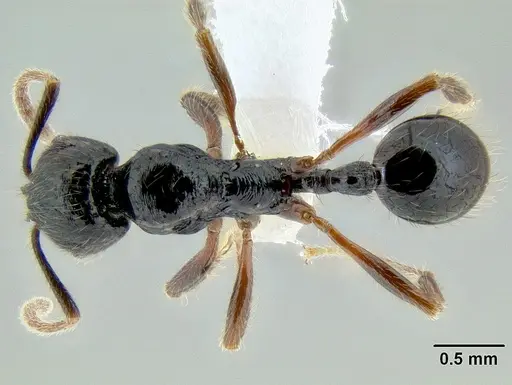
CASENT0623103
View on AntWeb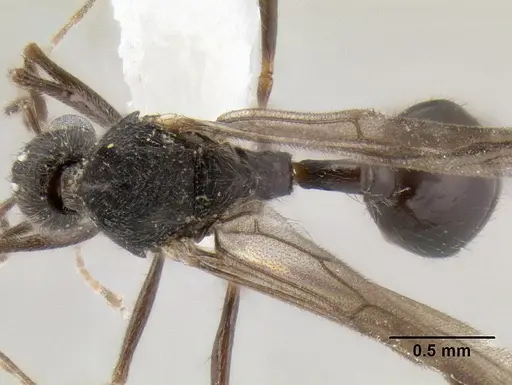
CASENT0623104
View on AntWeb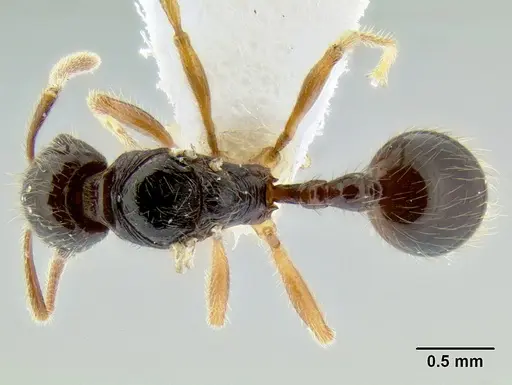
JTLC000005593
View on AntWeb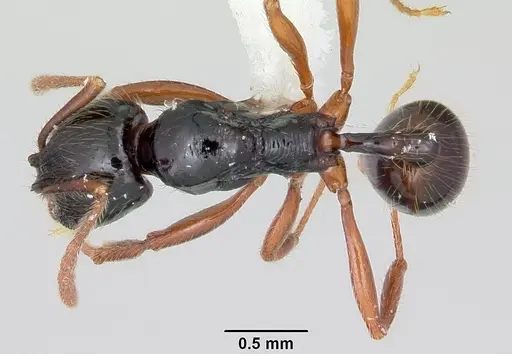
JTLC000005879
View on AntWeb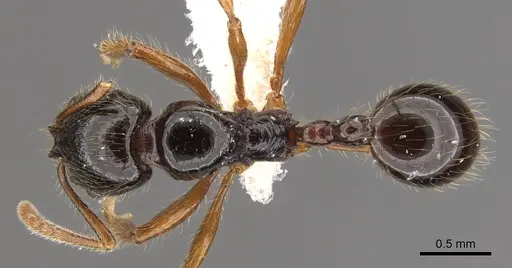
JTLC000005880
View on AntWeb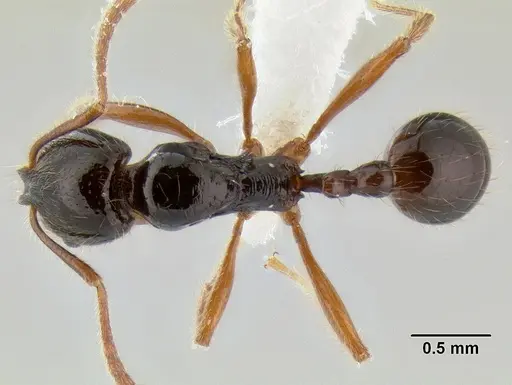
Literature
Loading...Loading products...