Strumigenys louisianae - "Miniature Trap-jaw Ant"
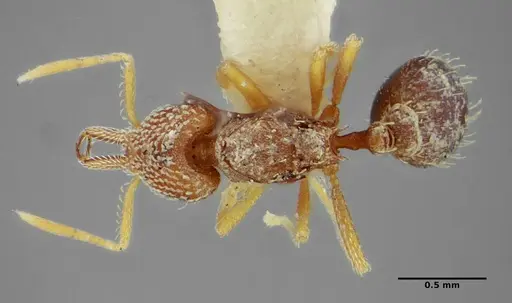
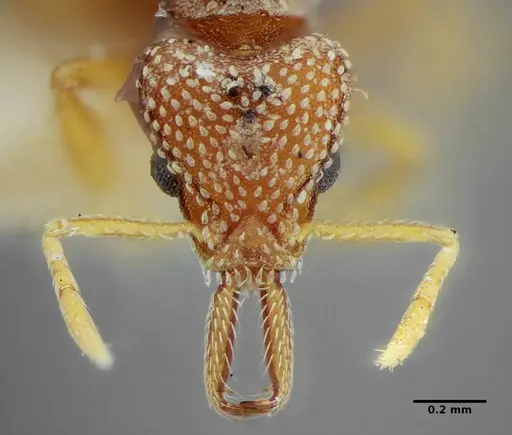
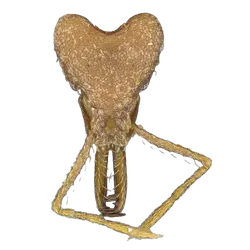
The Miniature Trap-jaw Ant, Strumigenys louisianae, is a fascinatingly tiny ant species known for its distinctive trap-jaw mandibles. These ants typically measure a mere 1 to 2 millimeters in length and possess a sleek, slender body, often brown or yellowish in color. Their most remarkable feature is their specialized mandibles, which can snap shut at incredible speeds to capture their preferred prey: small arthropods, particularly springtails. These are cryptic ants, often found navigating the intricate world of leaf litter and decaying wood.
- Difficulty: Medium
- Origin & Habitat: New World, widespread across tropical and subtropical Americas, from the southeastern United States (ranging from Florida to New York and west to Missouri, Oklahoma, and Texas) down to Argentina. in Primarily found in areas with high humidity and warm temperatures, including forests, grasslands, and even urban environments like lawns and gardens, especially where irrigation maintains moisture. They commonly nest in moist soil, leaf litter, decaying wood, and sometimes within hollow structures like old acorns or twigs..
- Colony Type: Polygyne (can have multiple queens), semi-claustral (queen forages for small prey during founding) founding.
- Size & Growth:
- Queen: 2.0-2.5mm
- Worker: 1.0-2.0mm
- Colony: Small (typically 15-400 individuals). Slow to Medium growth.
- Antkeeping:
- Temperature: Prefers warm temperatures, ideally between 24-28°C. Consistent warmth is beneficial for steady brood development..
- Humidity: Requires consistently high humidity, ideally ranging from 70-90%. They are very sensitive to dry conditions and can perish quickly if humidity drops..
- Diapause: Required. 3-4 months at 10-15°C.
- Nesting: Thrives in nests that can retain high moisture, such as naturalistic setups with moist soil or decaying wood. Artificial nests made of materials like hydrostone are excellent as they absorb and retain water well. Small test tube setups or petri dishes with a moist substrate are suitable for founding and small colonies..
- Behavior: Low (primarily towards prey, not typically aggressive towards handlers or other ant species unless threatened) aggressiveness.
- Common Issues: Rapid colony death due to insufficient humidity, Colony stalling or dying without a consistent supply of live springtails, Mold growth in overly wet conditions without proper ventilation, Difficulty in observation due to their minute size and cryptic nature.
One of the most crucial aspects of caring for Strumigenys louisianae is their highly specialized diet. These miniature trap-jaw ants are dedicated predators, feeding almost exclusively on tiny soil arthropods, with springtails (Collembola) being their preferred prey. It's highly recommended to establish a robust culture of springtails before acquiring a Strumigenys colony to ensure a consistent and reliable food source. Without this specific live prey, colonies will struggle significantly.
Their remarkable trap-jaw mandibles are not just for show; they are a sophisticated hunting tool. These ants will patiently stalk their prey, mandibles wide open, and with incredible speed, snap them shut to immobilize the springtail. Observing this unique hunting behavior is a highlight for many keepers. However, their slow movement during stalking and tiny size can make observation challenging, requiring patience and keen eyes.
Humidity management is paramount for Strumigenys louisianae. They originate from humid environments and are extremely intolerant of dry conditions. A lapse in maintaining high humidity can quickly lead to colony collapse. Nests made from materials that wick and retain moisture effectively, like hydrostone, are often superior to drier setups. Regular hydration of the nest is not just recommended, it's essential for their survival and well-being.
Due to their widespread distribution, including temperate zones, temperate populations of Strumigenys louisianae will require a period of diapause. Even if your colony originated from a tropical region, a cool down period can be beneficial for the long-term health and reproductive cycle of the queen. Researching the specific origin of your colony, if possible, can help tailor the diapause period to their natural rhythms.
Frequently Asked Questions
What makes Strumigenys louisianae unique among ant species?
Strumigenys louisianae stands out due to its incredibly fast, trap-jaw mandibles, which snap shut at high speed to ambush tiny springtails. They’re also exceptionally small, making them masters of the micro-habitat in leaf litter.
What do Strumigenys louisianae ants eat, and is their diet difficult to provide?
These miniature trap-jaw ants are highly specialized predators, primarily feeding on live springtails (Collembola) and other minute soil arthropods. Yes, providing their diet can be challenging, as you'll need to maintain a thriving culture of springtails to keep them well-fed.
How large do Strumigenys louisianae colonies get?
Strumigenys louisianae colonies are on the smaller side, typically maxing out at a few hundred workers, ranging from about 15 to 400 individuals. They're not the kind of supercolony builders you might find with other ant species.
What type of nest is best for Strumigenys louisianae?
Due to their high humidity requirements, nests made of hydrostone or naturalistic setups with moist soil and leaf litter are ideal. They also do well in simple test tube setups for founding queens, provided there's sufficient moisture.
Do Strumigenys louisianae require diapause?
Given their wide range stretching into temperate regions, Strumigenys louisianae populations from colder climates will generally require a diapause period, typically 3-4 months at cooler temperatures (10-15°C). It’s a crucial step for the long-term health of your queen and colony if they are from such a region.
Are Strumigenys louisianae good ants for beginner antkeepers?
While captivating, Strumigenys louisianae are considered a medium-difficulty species. Their specialized diet and critical humidity needs pose challenges that might be overwhelming for absolute beginners. Experience with other ant species or a solid understanding of springtail culturing is highly recommended.
How fast do Strumigenys louisianae colonies grow?
Their colony growth rate is generally slow to medium. Queens can take a while to produce their first workers, but once the initial brood emerges (around 8-12 weeks from egg to worker), growth can pick up, though the total colony size remains modest.
Can I keep multiple Strumigenys louisianae queens together?
Yes, Strumigenys louisianae is a polygyne species, meaning colonies can naturally have multiple queens. This can be an advantage for colony growth and resilience in captivity.
Are Strumigenys louisianae ants aggressive?
Towards humans, they are not aggressive. Their sting is used to subdue their tiny prey. They typically coexist peacefully with other larger ant species in the wild, not posing a threat to them.
What's the best way to observe these tiny ants?
Due to their minute size and cryptic foraging habits, observing Strumigenys louisianae requires patience. A good quality macro lens and a calm environment are essential. Providing a humid spot in an outworld might encourage them to settle, making photography or observation easier.
Where are Strumigenys louisianae naturally found?
These widespread ants inhabit tropical and subtropical regions across the New World, from the southern United States all the way down to Argentina. They're common in humid, forested areas, especially in leaf litter and decaying wood.
How do Strumigenys louisianae hunt their prey?
They employ a 'stalk and snap' strategy. Workers slowly approach their springtail prey with their specialized, open mandibles. When close enough, the mandibles rapidly snap shut, trapping and immobilizing the prey, often followed by a sting to ensure it's subdued.
Can Strumigenys louisianae be kept in an open setup or do they escape easily?
Given their incredibly small size, even tiny gaps can be escape routes. A secure setup is crucial. While they prefer humid conditions, their small size means they can squeeze through openings larger ants might not. Many keepers use sealed containers or very fine mesh in outworlds.
What are the common pitfalls to avoid when keeping Strumigenys louisianae?
The most common issues are insufficient humidity leading to desiccation, and a lack of their specific live prey (springtails), which can cause the colony to starve. Ensuring a consistent moisture gradient and a thriving feeder culture are key to success.