

Sphinctomyrmex stali
- Scientific Name
- Sphinctomyrmex stali
- Subfamily
- Dorylinae
- Author
- Mayr, 1866
- Distribution
- Found in 1 countries
Sphinctomyrmex stali Overview
Sphinctomyrmex stali is an ant species of the genus Sphinctomyrmex. It is primarily documented in 1 countries , including Brazil. Detailed taxonomic data and occurrence records can be further explored via authoritative databases such as AntWeb or the Global Biodiversity Information Facility (GBIF).
Sphinctomyrmex stali
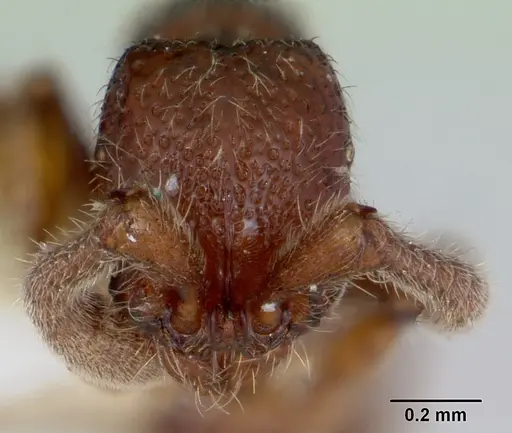
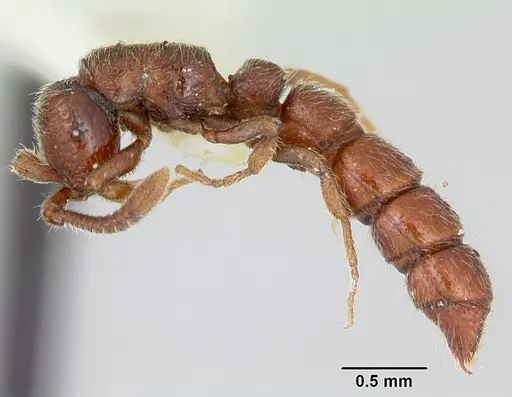
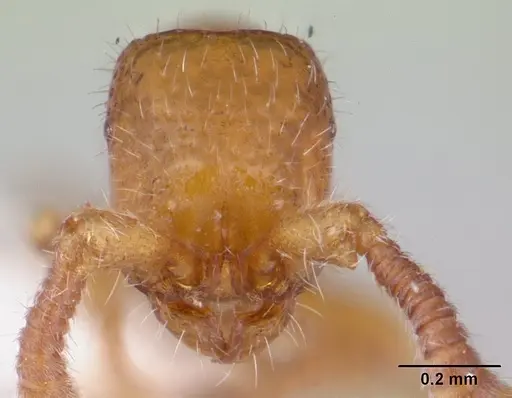
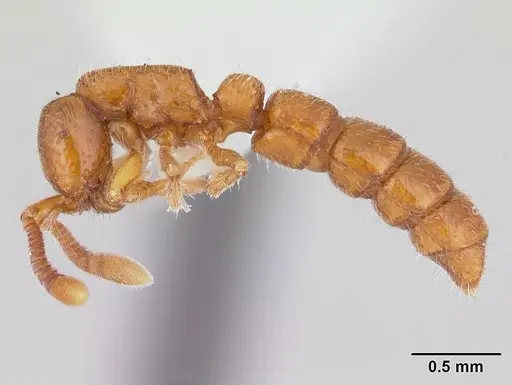
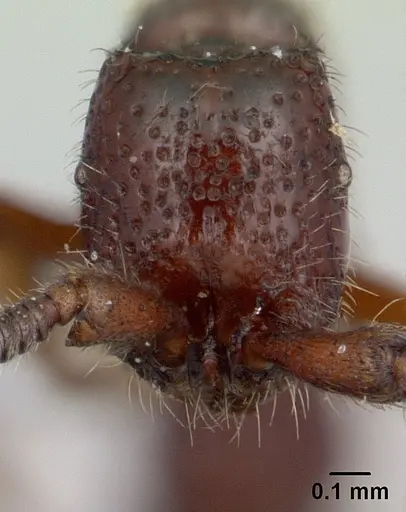
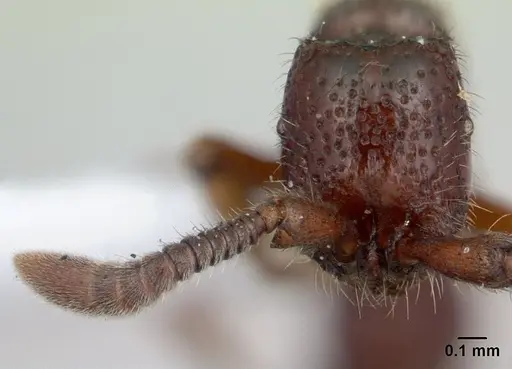
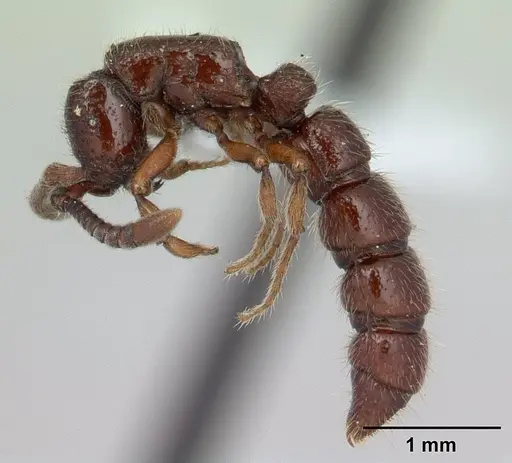
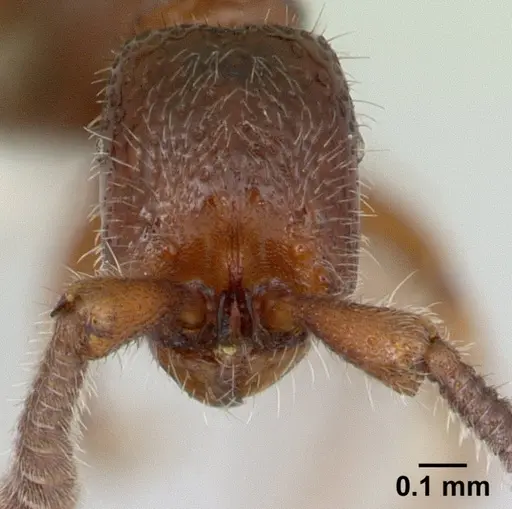
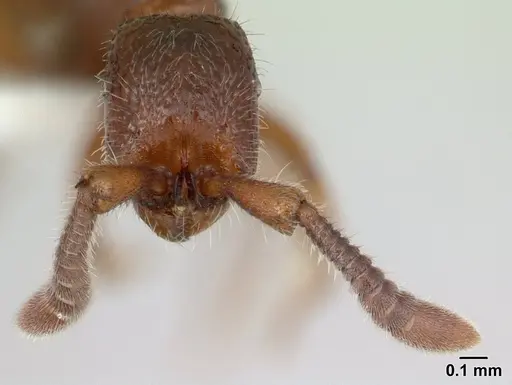
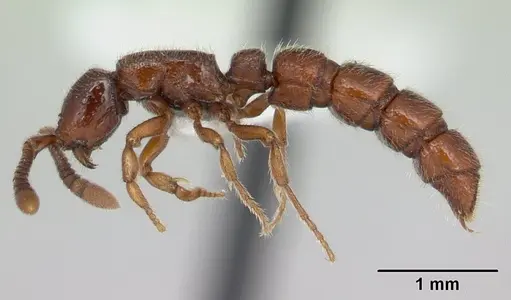
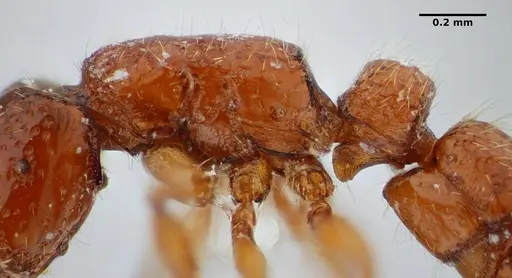
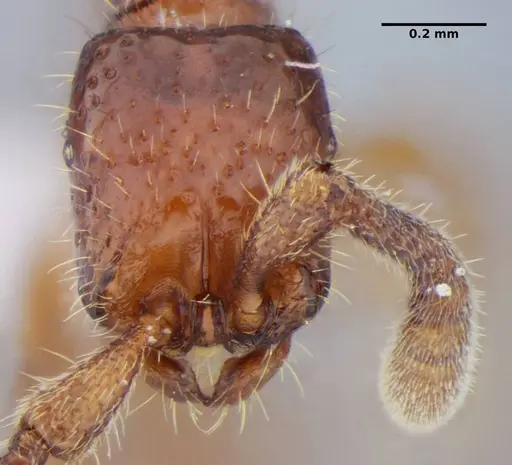
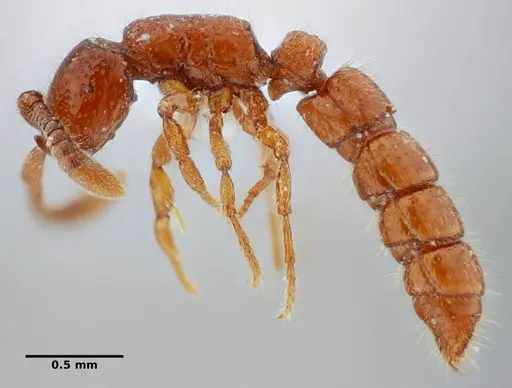
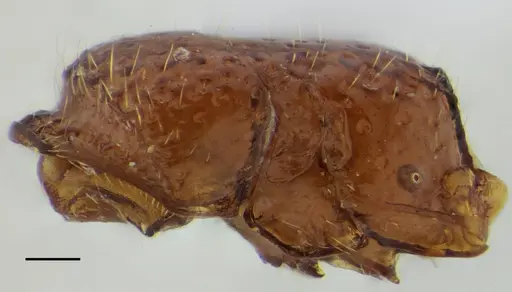
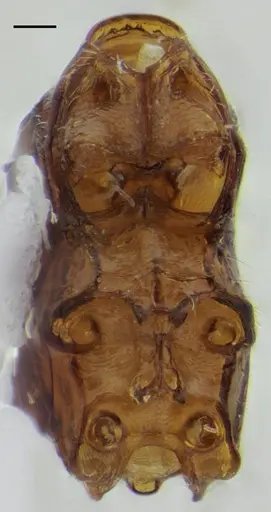
Sphinctomyrmex stali is a small predatory ant and the type species of the genus Sphinctomyrmex, belonging to the Dorylinae subfamily (army ant relatives). Workers measure 3.3-4.6mm with a highly variable body color ranging from pale yellow to black, though they are commonly reddish-brown with lighter appendages. The most distinctive feature is the deeply constricted abdominal segments (segments IV-VII), which give them a segmented appearance. Their eyes are extremely reduced to vestigial, barely visible against the head surface. This species is native to the southeastern Brazilian Atlantic Forest, found primarily in submontane forests above 600m elevation in Santa Catarina and São Paulo states [1][2].
This species is polygynous, meaning colonies can have multiple reproductive queens. Interestingly, most documented reproductive females are ergatoids (wingless queens) rather than the typical alate (winged) form. A single leaf-litter sample collected in São Bonifácio, Santa Catarina yielded six workers and two ergatoids, confirming multiple queens can coexist in one colony. This is one of the few Sphinctomyrmex species where ergatoid reproduction has been documented [1][2].
Quick Summary
- Difficulty: Expert
- Origin & Habitat: Southeastern Brazilian Atlantic Forest, from Santa Catarina to southern Bahia. Found in submontane forests above 600m elevation, with most specimens collected from Santa Catarina and São Paulo. This is a primary forest specialist, research shows it occupies primary forest but is absent from secondary forest and rubber plantations [3][4].
- Colony Type: Polygynous (multi-queen) colonies. Multiple ergatoid (wingless) queens have been documented in single colonies. Both alate (winged) and ergatoid reproductive forms exist, though ergatoids are more commonly collected [1][2].
- Colony: Polygyne
- Size & Growth:
- Queen: Ergaoid queens: 3.9-4.2mm [1]. Alate queen: ca. 6.0mm (known only from holotype) [1].
- Worker: 3.3-4.6mm TL (highly variable) [1].
- Colony: Small colonies, single leaf-litter samples yield only 6-8 workers with 2 ergatoids. Males have never been collected [1].
- Growth: Unknown, no captive breeding studies available. Based on related Dorylinae, expect moderate growth rate.
- Development: Unknown, no direct development data exists for this species. Estimates based on related Dorylinae suggest 6-10 weeks at optimal temperature. (Development timeline is unconfirmed. Related army ant relatives typically have faster development, but Sphinctomyrmex is not a typical army ant.)
- Antkeeping:
- Temperature: Based on their submontane forest habitat in southern Brazil, they likely prefer cooler temperatures than typical tropical ants. Aim for 18-22°C as a starting point and observe colony activity. Avoid overheating.
- Humidity: High humidity required, think damp forest floor. Keep the nest substrate consistently moist but not waterlogged. The Atlantic Forest is a humid environment.
- Diapause: Unknown, no studies on overwintering behavior. As a species from subtropical Brazil with limited elevation range, they may not require true hibernation but may have reduced activity during cooler months.
- Nesting: In nature, they are cryptic leaf-litter ants collected using subterranean sampling methods. They likely nest in soil or rotting wood in humid, shaded microhabitats. A naturalistic setup with moist substrate (like a terrarium-style formicarium) would best replicate their natural conditions. Avoid dry, exposed setups.
- Behavior: As a Dorylinae ant (army ant relative), they are predatory and likely hunt small invertebrates. Workers are slow-moving and cryptic, foraging in leaf litter rather than forming large raiding columns. Their extremely reduced eyes suggest they rely more on chemical cues than vision. They are not aggressive toward keepers and pose no stinging risk (Dorylinae have functional stingers but these are small, cryptic ants that would rather flee). Escape risk is moderate, they are small but not extremely so.
- Common Issues: this is a primary forest specialist, they are extremely sensitive to habitat changes and may not survive in modified environments, predatory diet makes them difficult to feed, they need live small invertebrates, not sugar water, very limited distribution in the wild means wild-caught colonies are rare and potentially harmful to native populations, no captive breeding data exists, this species has never been established in antkeeping, their cryptic behavior and small colony size make them difficult to observe and maintain
Housing and Nest Setup
Sphinctomyrmex stali is a cryptic leaf-litter ant that has been collected exclusively using subterranean sampling methods in the wild. This indicates they nest in soil or decaying wood beneath the forest floor. A naturalistic setup is essential, a terrarium-style formicarium with several inches of moist substrate (a mix of soil and rotting wood) would best replicate their natural conditions. The setup should maintain high humidity and provide dark, humid chambers for nesting. Test tubes may work for founding colonies but will likely be too exposed for established colonies. Ensure the nest area remains consistently moist but never waterlogged. Provide a moisture gradient so ants can choose their preferred humidity zone [5][1].
Feeding and Diet
As a Dorylinae ant (army ant relative), Sphinctomyrmex stali is predatory and likely hunts small invertebrates in the leaf litter. Their diet should consist primarily of small live prey such as springtails, tiny isopods, and other micro-arthropods. Do not rely on sugar sources, while not explicitly studied, Dorylinae are carnivorous predators, not honeydew feeders. Offer prey items twice weekly, adjusting based on consumption. Uneaten prey should be removed to prevent mold. Given their extremely small size and cryptic nature, prey items should be appropriately sized, no larger than the ant's head width. The fact that they are found in primary forest leaf-litter samples suggests they are specialized predators on small soil invertebrates [1][6].
Temperature and Seasonal Care
This species comes from submontane forests in southeastern Brazil, typically above 600m elevation. This habitat suggests they prefer cooler, more stable temperatures than typical tropical ants. Aim for 18-22°C as a starting point, avoid temperatures above 25°C. Room temperature is likely appropriate for most keepers. If your room is warmer, consider using a cooling method or positioning the nest in a cooler area. No specific data exists on diapause or winter requirements. Given their origin in a subtropical region with mild winters, they likely do not require true hibernation but may reduce activity during cooler months. Monitor colony behavior and reduce feeding during periods of low activity [1][2].
Colony Structure and Reproduction
Sphinctomyrmex stali is polygynous, colonies can have multiple ergatoid (wingless) queens. A single leaf-litter sample yielded six workers and two ergatoids, confirming multiple reproductive females can coexist. This is unusual among ants and means your colony may have several egg-laying queens. The species has two known reproductive forms: alate (winged) queens known only from the original holotype, and ergatoid (wingless) queens which are more commonly collected. Males have never been documented, suggesting ergatoid reproduction may be the primary reproductive strategy. This means colonies likely reproduce through budding (where a queen leaves with workers) rather than nuptial flights. If you obtain a colony with ergatoids, do not separate them, they work together [1][2].
Behavior and Temperament
This is a cryptic, slow-moving ant that forages in leaf litter rather than forming visible foraging trails. Their extremely reduced eyes (vestigial, barely visible) suggest they rely primarily on chemical signals rather than vision. They are not aggressive and will flee from threats rather than engage. As Dorylinae, they possess a stinger, but given their tiny size and cryptic nature, they pose no realistic threat to keepers. They are not escape artists in the typical sense, they are small but not extremely so, and they are slow-moving. However, excellent escape prevention is still recommended for any small ant. Their most notable behavior is the deeply constricted abdominal segments (segments IV-VII), which is a distinctive morphological feature of the genus. Colonies are small and quiet, spending most of their time hidden in the nest substrate [1].
Field Collection and Ethics
Sphinctomyrmex stali is a primary forest specialist that has never been documented in secondary forest or modified habitats. It is absent from rubber plantations and regenerating areas. This extreme habitat specialization makes wild populations vulnerable. If you encounter this species in the antkeeping hobby, it is almost certainly wild-caught. Responsible antkeepers should avoid purchasing wild-caught colonies of habitat specialists. Additionally, this species is only known from a limited range in southeastern Brazil, collecting from the wild could harm already small populations. For these reasons, this species is not recommended for most antkeepers. If you are determined to keep it, ensure your source is from a reputable breeder who has established captive colonies, though no such breeding programs are known to exist [3][4].
Frequently Asked Questions
Is Sphinctomyrmex stali a good beginner ant?
No. This species is not recommended for beginners and is best considered an expert-only ant. There is no captive breeding data, and they have extremely specific habitat requirements, they are primary forest specialists that have never been found in modified habitats. Their predatory diet requires live small invertebrates, and no information exists on their care in captivity. Additionally, they are extremely rare in the hobby and likely wild-caught if available [3][4].
What do Sphinctomyrmex stali ants eat?
As a Dorylinae ant (army ant relative), they are predatory and eat small live invertebrates. Based on their small size and leaf-litter habitat, they likely hunt micro-arthropods like springtails, tiny isopods, and other small soil creatures. Do not offer sugar water or honey, they are carnivores. Feed small live prey items appropriate to their size twice weekly [1][6].
How big do Sphinctomyrmex stali colonies get?
Colonies appear to remain small. The largest wild sample collected contained only six workers with two ergatoid queens. Based on this, colonies likely max out at under 100 workers. This is a cryptic species with small colony sizes, not a large colony former like typical army ants [1].
What temperature do Sphinctomyrmex stali need?
Based on their submontane forest habitat in southeastern Brazil (above 600m elevation), they prefer cooler temperatures than typical tropical ants. Aim for 18-22°C. Avoid temperatures above 25°C. Room temperature is likely appropriate for most keepers. No specific thermal requirements have been documented [1][2].
Can I keep multiple Sphinctomyrmex stali queens together?
Yes, this species is naturally polygynous. Multiple ergatoid queens have been documented coexisting in single colonies in the wild. Do not separate queens if your colony contains multiple ergatoids, they work together reproductively. However, combining unrelated foundresses is not recommended as it has not been studied [1].
How long do Sphinctomyrmex stali take to develop from egg to worker?
This is unknown, no development data exists for this species. Estimates based on related Dorylinae suggest 6-10 weeks at optimal temperature, but this is speculative. No captive breeding success has been documented [1].
Do Sphinctomyrmex stali need hibernation?
Unknown. As a species from subtropical Brazil with limited elevation range, they likely do not require true hibernation. Their native region has mild winters. They may reduce activity during cooler months, but this is not a true diapause. Monitor your colony and adjust feeding accordingly [2].
Why are my Sphinctomyrmex stali dying?
Without captive breeding data, colony failure is extremely likely. Common issues likely include: too dry conditions (they need consistently moist substrate), wrong temperature (they prefer cooler 18-22°C range), inappropriate food (they need live prey, not sugar), and habitat specialist stress (they cannot adapt to modified environments). This species has never been successfully kept long-term in captivity based on available records. If your colony is declining, review all parameters and consider that this species may simply not be viable in captive conditions [3][4].
References

This caresheet is licensed under CC BY-SA 4.0 .
CASENT0173063
View on AntWeb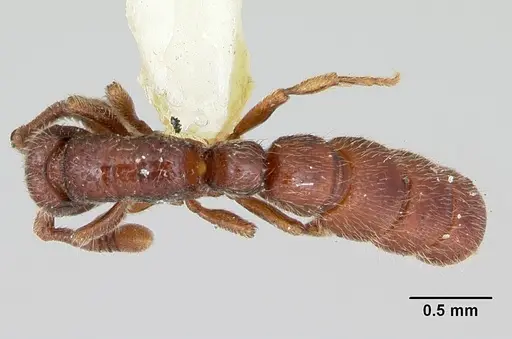
CASENT0178850
View on AntWeb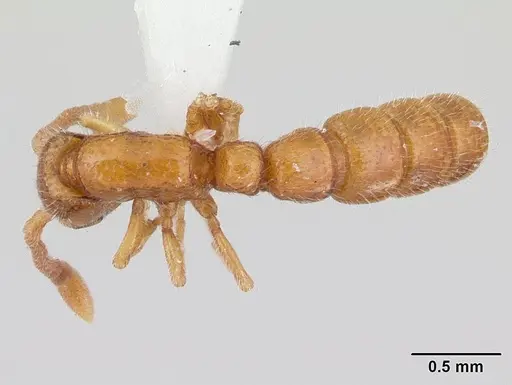
CASENT0178865
View on AntWeb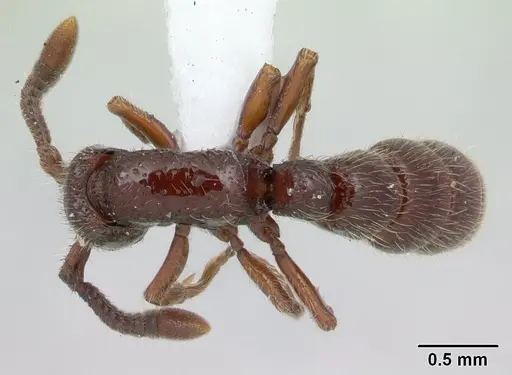
CASENT0178866
View on AntWeb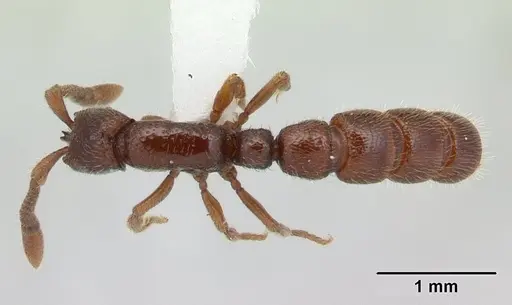
UFV-LABECOL-004332
View on AntWeb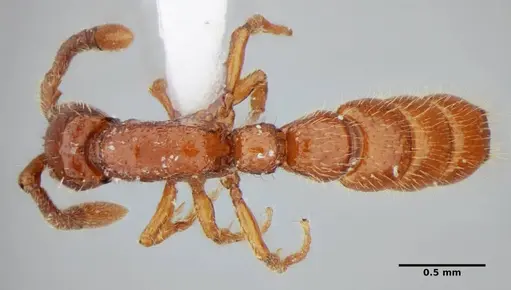
UFV-LABECOL-007249
View on AntWeb
Literature
Loading...Loading products...