

Solenopsis wolfi
- Scientific Name
- Solenopsis wolfi
- Tribe
- Solenopsidini
- Subfamily
- Myrmicinae
- Author
- Emery, 1915
- Distribution
- Found in 1 countries
Solenopsis wolfi Overview
Solenopsis wolfi is an ant species of the genus Solenopsis. It is primarily documented in 1 countries , including Greece. Detailed taxonomic data and occurrence records can be further explored via authoritative databases such as AntWeb or the Global Biodiversity Information Facility (GBIF).
Solenopsis wolfi
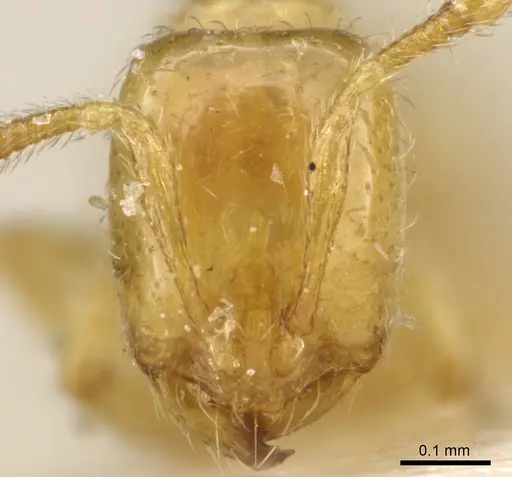
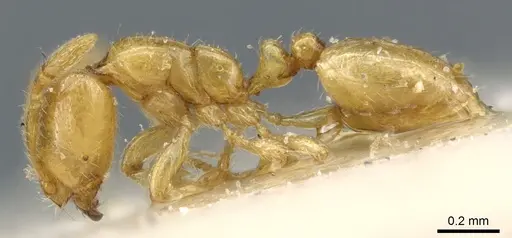
Solenopsis wolfi is a tiny ant species native to the Mediterranean and Balkan regions of Europe. Workers measure just 2-3mm, making them one of the smaller ant species you'll encounter. They have a yellowish to light brown coloration with a smooth, glossy body. Queens are also relatively small at around 4-5mm (microgynes), which distinguishes them from larger related species like S. fugax [1]. This species belongs to the Solenopsis lusitanica group, which contains several similar-looking small ants that require careful identification [2]. They nest in soil, often under stones or in rocky areas in warm, dry habitats across their range from Croatia through Greece to Iran.
Quick Summary
- Difficulty: Easy
- Origin & Habitat: Mediterranean and Balkan regions including Croatia, Greece, Serbia, Slovenia, and Iran. They prefer warm, dry, open habitats with sparse vegetation, typical Mediterranean terrain [1][3]. Found from sea level up to around 1000m in Greece.
- Colony Type: Likely monogyne (single queen colonies), though colony structure is not well documented for this species. Related Solenopsis species typically form single-queen colonies.
- Size & Growth:
- Queen: Approximately 4-5mm (microgynes) [1]
- Worker: 2-3mm [1]
- Colony: Likely several hundred workers at maturity based on genus patterns
- Growth: Moderate
- Development: Estimated 6-8 weeks at optimal temperature based on related species (Development time inferred from genus-level data for Solenopsis species, not directly studied for this specific species)
- Antkeeping:
- Temperature: Keep at 24-28°C, they are a Mediterranean species that prefers warm conditions. A gentle heat gradient in the nest area works well.
- Humidity: Low to moderate, they prefer dry conditions. Keep the nest substrate slightly moist but allow portions to dry out. Avoid excessive moisture.
- Diapause: Likely required for 2-3 months during winter. Reduce temperature to around 10-15°C in winter months. This aligns with their Mediterranean distribution where winters are mild but distinct [1].
- Nesting: Y-tong (AAC) nests work well for their small size. They also do well in naturalistic setups with sandy soil and stones. Provide a dry to moderately humid nest environment.
- Behavior: These ants are relatively docile compared to their tropical fire ant relatives. Workers are small and typically non-aggressive. They are generalist foragers, collecting nectar, small insects, and honeydew. Their small size means excellent escape prevention is essential, they can squeeze through surprisingly small gaps. They are primarily ground-nesting and may form small colonies under stones or in soil cavities.
- Common Issues: escape prevention is critical due to their tiny 2-3mm size, use fine mesh and tight-fitting lids, slow colony growth can frustrate beginners, don't overfeed or disturb the colony, winter diapause is likely required, sudden temperature drops can be harmful, small colony size makes them vulnerable, avoid moving or disturbing the nest frequently, limited research means some care aspects are estimates based on related species
Housing and Nest Setup
For these tiny ants, a Y-tong (AAC) nest with narrow chambers works perfectly. The small chambers match their size and help them feel secure. You can also use a naturalistic setup with a shallow layer of sandy soil and flat stones on top, this mimics their natural habitat of nesting under stones in Mediterranean areas [3]. Because workers are only 2-3mm, escape prevention must be excellent. Apply Fluon or similar barriers to the rim of any formicarium, and ensure your test tube setups have tight-fitting cotton plugs. A small outworld connected to the nest allows for foraging space. Keep the nest relatively dry, these are not rainforest ants.
Temperature and Heating
Solenopsis wolfi comes from warm Mediterranean regions, so they do best at 24-28°C. In their native Greece and Croatia, they experience hot summers and mild winters [1]. During the active season (spring through fall), maintain warm temperatures. A small heating cable on one side of the nest creates a gentle gradient that ants can choose from. Avoid temperatures above 30°C, as this can stress the colony. In winter, allow a natural diapause by reducing to around 10-15°C for 2-3 months. This cooling period matches their natural seasonal cycle and helps maintain colony health long-term.
Feeding and Diet
These are generalist feeders that accept a variety of foods. Offer sugar water or honey as an energy source, they will readily drink from a soaked cotton ball. For protein, provide small live prey like fruit flies, pinhead crickets, or mealworm pieces. They are opportunistic foragers and will collect small insects in nature. Feed small amounts 2-3 times per week, removing any uneaten food after 24 hours to prevent mold. A constant sugar source (honey water) should be available. Because workers are tiny, prey items should be appropriately sized, fruit flies and springtails are ideal. [1]
Colony Development
Colony growth is moderate but starts slowly. A newly mated queen will lay eggs after sealing herself in a claustral chamber, this behavior is inferred from related Solenopsis species since it hasn't been directly documented for S. wolfi. The first brood develops over 6-8 weeks at warm temperatures. Initial workers (nanitics) will be smaller than mature workers. Colonies likely reach several hundred workers at full size. The slow initial growth can test beginner patience, but once established, colonies are relatively hardy. Avoid disturbing the queen during founding, this is the most vulnerable stage. [1]
Seasonal Care and Overwintering
In their native Mediterranean habitat, these ants experience distinct seasons with warm summers and cooler, but not freezing, winters [1]. From late autumn through early spring, reduce temperatures to 10-15°C to allow natural dormancy. This diapause period of 2-3 months is likely important for colony health and reproductive cycling. During dormancy, reduce feeding significantly, the colony will be less active and require less food. Do not feed during deep dormancy. In early spring, gradually increase temperatures back to 24-28°C to trigger renewed activity and egg-laying.
Frequently Asked Questions
How long does it take for Solenopsis wolfi to produce first workers?
Expect first workers (nanitics) around 6-8 weeks after the queen lays eggs, at optimal warm temperatures of 24-28°C. This is an estimate based on related Solenopsis species, development time hasn't been directly studied for S. wolfi specifically.
What size colony does Solenopsis wolfi reach?
Based on related species, colonies likely reach several hundred workers at maturity. They are not among the largest ant species, but established colonies can be quite populous. Growth is moderate, expect several months to reach 50+ workers.
Do Solenopsis wolfi ants need hibernation?
Yes, a winter diapause of 2-3 months is recommended. Reduce temperatures to 10-15°C during winter months. This matches their natural Mediterranean seasonal cycle and helps maintain colony health.
Can I keep Solenopsis wolfi in a test tube setup?
Yes, test tube setups work well for founding colonies. Use a small test tube with a water reservoir and cotton plug. Because they are tiny (2-3mm workers), ensure the cotton is packed tightly to prevent escapes. Once the colony grows to 50+ workers, consider moving to a small formicarium.
What do Solenopsis wolfi ants eat?
They are generalist feeders. Offer sugar water or honey constantly, and provide small live prey like fruit flies, springtails, or tiny crickets 2-3 times per week. Remove uneaten food after 24 hours to prevent mold issues.
Are Solenopsis wolfi good for beginners?
Yes, they are considered an easy species to keep. They are relatively docile, tolerate a range of conditions, and are not demanding. The main challenges are their tiny size (requiring good escape prevention) and slower colony growth. They are forgiving of minor care mistakes.
How do I identify Solenopsis wolfi from similar species?
Solenopsis wolfi workers are very small (2-3mm) with a yellowish to light brown coloration. They belong to the Solenopsis lusitanica group. Positive identification often requires examining the queen size (microgynes at 4-5mm) and comparing with type specimens. Related species like S. fugax have larger sexual forms [1]. For casual antkeepers, focusing on general care rather than precise identification is practical.
What temperature range is ideal for Solenopsis wolfi?
Keep them at 24-28°C during the active season. They are Mediterranean ants that prefer warmth. A slight temperature gradient in the nest allows ants to choose their preferred spot. Avoid temperatures below 15°C except during winter dormancy.
Why are my Solenopsis wolfi escaping?
Their tiny 2-3mm size means they can escape through remarkably small gaps. Apply escape barriers like Fluon to all edges, use fine mesh for ventilation, and ensure any connections between nest and outworld are sealed. Check all seams and gaps, if you can see light through a crack, they can probably squeeze through.
References

This caresheet is licensed under CC BY-SA 4.0 .
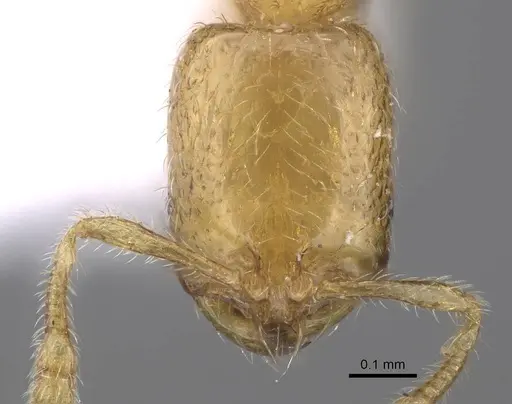
CASENT0904622
View on AntWeb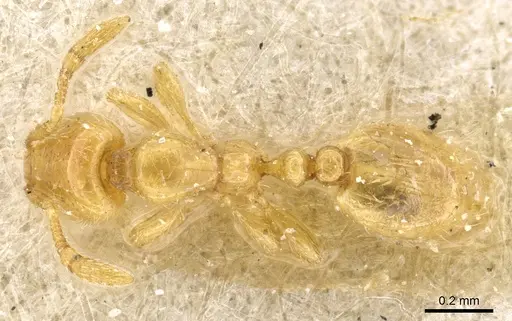
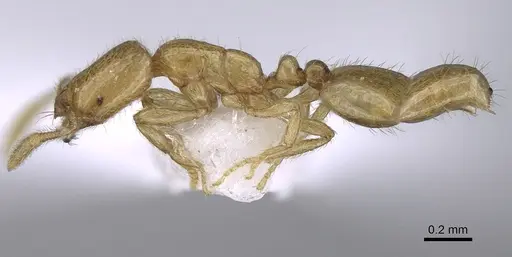
CASENT0914244
View on AntWeb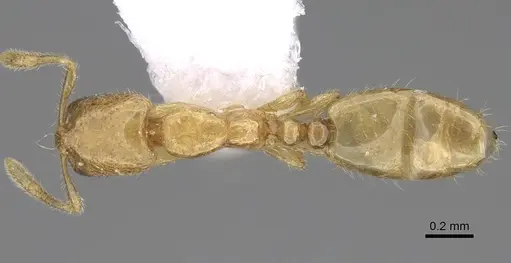
Literature
Loading...Loading products...