

Solenopsis westwoodi
- Scientific Name
- Solenopsis westwoodi
- Tribe
- Solenopsidini
- Subfamily
- Myrmicinae
- Author
- Forel, 1894
- Distribution
- Found in 1 countries
Solenopsis westwoodi Overview
Solenopsis westwoodi is an ant species of the genus Solenopsis. It is primarily documented in 1 countries , including Argentina. Detailed taxonomic data and occurrence records can be further explored via authoritative databases such as AntWeb or the Global Biodiversity Information Facility (GBIF).
Solenopsis westwoodi
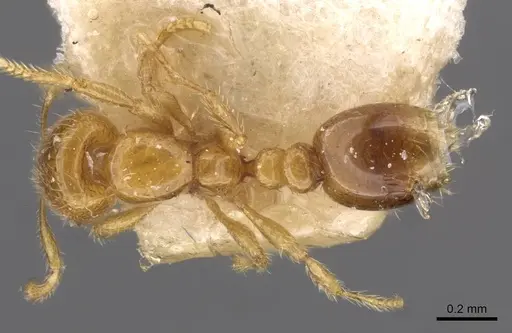
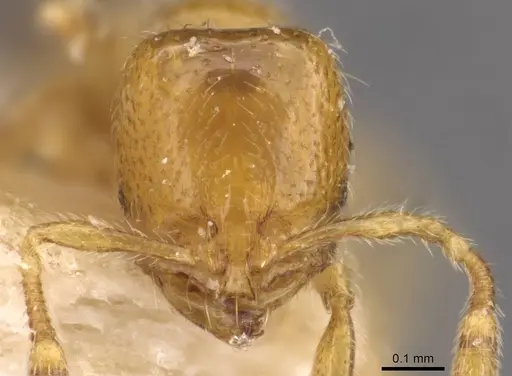
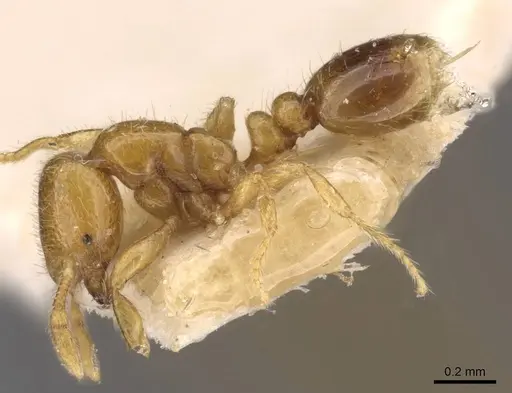
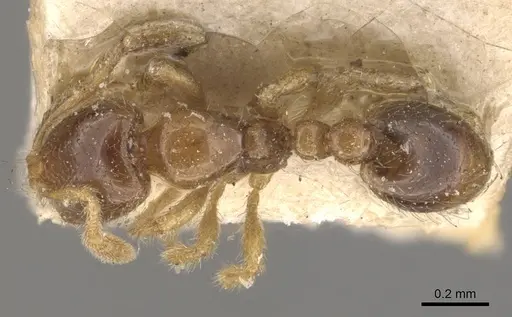
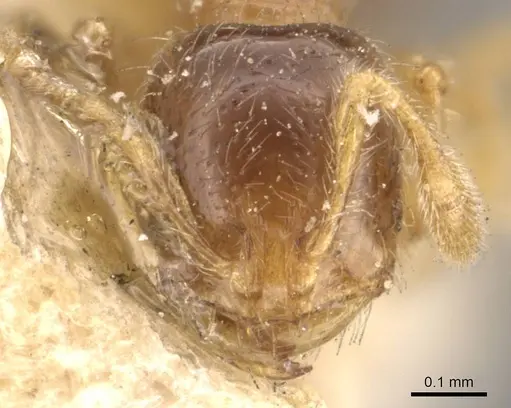
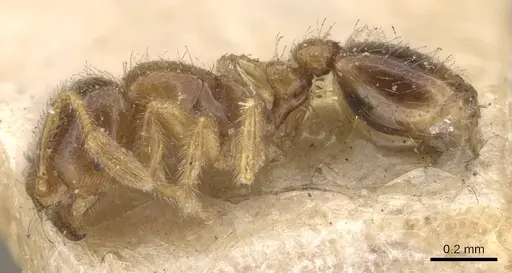
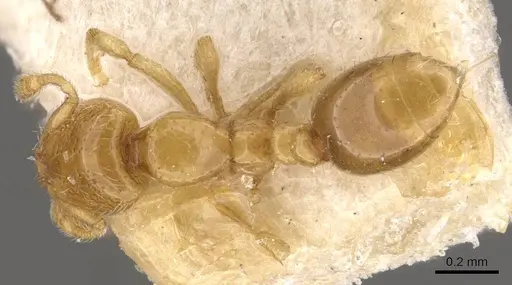
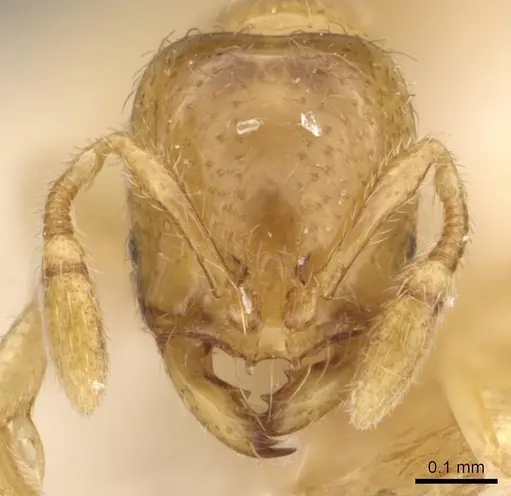
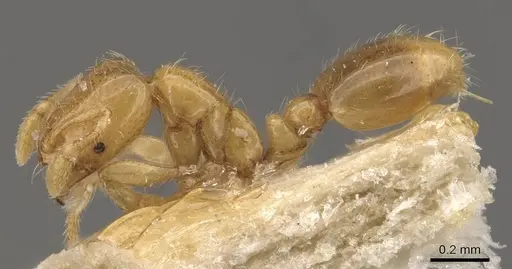
Solenopsis westwoodi is a small thief ant belonging to the Solenopsis fugax species complex. Workers measure just 1.44-1.56mm and are medium brown in color, while queens are larger at around 4mm and have a distinctive golden brown body with yellowish appendages [1]. The species is found across Argentina, Paraguay, and southern Brazil, where it nests in close association with other ant species, particularly leafcutter ants (Atta and Acromyrmex) [1]. This close association with host colonies is characteristic of thief ants, which specialize in stealing food and resources from their neighbors.
What makes S. westwoodi interesting is its membership in the fugax complex, a group of New World thief ants known for their kleptoparasitic lifestyle. Unlike many ants that forage openly, these tiny ants use their small size and stealth to infiltrate nearby nests and make off with brood, food stores, or other resources. The species has well-developed clypeal teeth that help with this specialized feeding strategy [1].
Quick Summary
- Difficulty: Medium
- Origin & Habitat: Argentina, Paraguay, and southern Brazil. In the wild, these ants are typically found nesting in association with leafcutter ants (Atta and Acromyrmex) in the Buenos Aires region and surrounding areas [1]. They prefer warm, humid Neotropical environments.
- Colony Type: Colony structure is not fully documented in scientific literature. Based on related species in the Solenopsis genus, they are likely monogyne (single queen) colonies, though this requires confirmation for this specific species.
- Colony: Monogyne
- Founding: Claustral
- Size & Growth:
- Queen: Approximately 4mm in total length [1]
- Worker: 1.44-1.56mm [1]
- Colony: Likely small to moderate colonies based on related Solenopsis species, probably under 500 workers at maturity
- Growth: Moderate, based on typical Solenopsis development patterns
- Development: Estimated 5-8 weeks at optimal temperatures based on genus-level data for related species (Development time is estimated from related species in the genus, specific data for S. westwoodi is not available)
- Antkeeping:
- Temperature: Keep at 24-28°C. These are Neotropical ants that prefer warm conditions. A heating cable on one side of the nest can create a suitable gradient
- Humidity: High humidity is essential, aim for 70-80% relative humidity. Keep the nest substrate consistently moist but not waterlogged
- Diapause: Not required. As a Neotropical species from Argentina/Brazil, they do not experience harsh winters and do not need a diapause period
- Nesting: Y-tong (AAC) nests or test tube setups work well for these small ants. They prefer tight, humid chambers. Given their association with leafcutter ants in the wild, they may benefit from a naturalistic setup with multiple connected chambers
- Behavior: These are shy, secretive ants that prefer to stay hidden. Workers are tiny (under 2mm) and very quick-moving. They are not aggressive and will flee from confrontation rather than fight. Their main defense is escaping and hiding. Escape prevention is critical due to their small size, they can easily slip through standard barrier setups. They are primarily nocturnal and will establish foraging trails to nearby food sources
- Common Issues: escape prevention is critical due to their tiny 1.5mm worker size, use fine mesh and tight-fitting barriers, colonies may be difficult to establish from queen alone due to limited documented breeding data, they rely on proximity to other ant colonies in the wild, may struggle without enrichment or stimulus in captivity, high humidity requirements can lead to mold issues if ventilation is poor, their kleptoparasitic nature means they may be shy about foraging in open spaces
Housing and Nest Setup
For Solenopsis westwoodi, you'll want to use small, tight-fitting enclosures due to their tiny worker size of just 1.44-1.56mm [1]. A Y-tong (AAC) formicarium with narrow chambers works exceptionally well, the tight spaces mimic their natural nesting in small crevices near host ant colonies. Alternatively, a well-humidified test tube setup can work for founding colonies. The key is providing small, humid chambers rather than large open spaces. These ants do best with a humidity gradient, so place a water reservoir on one end of the nest. Avoid naturalistic setups with large open areas, these shy ants will avoid exposed spaces and may not forage properly. Escape prevention is absolutely critical: use fluon barriers and ensure all connections are sealed, as they can slip through gaps that would stop larger ants.
Feeding and Diet
Solenopsis westwoodi is a thief ant, which means in the wild they specialize in stealing food from other ant colonies, particularly from leafcutter ants (Atta and Acromyrmex) where they have been found nesting [1]. In captivity, you should offer small protein sources like fruit flies, pinhead crickets, and mealworm pieces. They will also accept sugar water or honey as an energy source. Because of their tiny size, food items must be appropriately sized, even a small mealworm piece may be large for them. Feed small amounts every 2-3 days and remove any uneaten food within 24 hours to prevent mold. Their feeding behavior is secretive, they may not forage openly, so place food near nest entrances and provide dark covering to encourage foraging.
Temperature and Humidity
Being from Argentina, Paraguay, and Brazil, these ants need warm, humid conditions. Keep the nest area at 24-28°C, use a heating cable on one side of the nest to create a gentle temperature gradient if your room temperature is below this range. Place the heating on top of the nest, not underneath, to avoid evaporating moisture too quickly. Humidity should stay high at 70-80%. The substrate should feel consistently moist but never waterlogged. You can achieve this by connecting a water reservoir to the nest or using a test tube with a water section. Mist the nest occasionally, but monitor for condensation buildup which can drown small ants. Good ventilation is essential to prevent mold while maintaining humidity, small holes or mesh panels work well. [1]
Colony Development
Queens of Solenopsis westwoodi measure approximately 4mm and are golden brown with yellowish appendages [1]. They are likely claustral founders, meaning they seal themselves in a small chamber and raise their first workers alone using stored fat reserves, this is typical for Solenopsis species. After the claustral founding period, the first workers (nanitics) will emerge and begin foraging. Colony growth is likely moderate, expect 6-10 weeks from egg to first worker at optimal temperatures based on related species. Colonies probably reach several hundred workers at maturity. The founding process can be slow, so patience is key. Once established, colonies should grow steadily if provided with adequate heat, humidity, and protein food.
Behavior and Temperament
These are shy, non-aggressive ants that prefer to avoid confrontation. Their small size and secretive nature mean they spend most of their time hidden in nest chambers. Workers are fast-moving and will quickly retreat if threatened. They are not known to sting and pose no danger to keepers. The most notable behavior is their kleptoparasitic nature, in the wild, they nest near other ant species and steal food and resources. In captivity, you might observe them establishing hidden foraging trails and investigating other ant colonies if present. They are primarily nocturnal, so you'll see most activity in the evening and night hours. Their tiny size means excellent escape prevention is mandatory, they can squeeze through remarkably small gaps. [1]
Frequently Asked Questions
How long does it take for Solenopsis westwoodi to raise first workers?
Based on related Solenopsis species, expect 6-10 weeks from egg to first worker at optimal temperatures (24-28°C). The exact timeline for S. westwoodi has not been specifically documented, so this is an estimate from genus-level data.
Can I keep multiple Solenopsis westwoodi queens together?
This is not recommended. While colony structure is not fully documented for this species, Solenopsis species are typically monogyne (single queen). Combining unrelated queens risks fighting and colony failure. If you have multiple foundress queens, house them separately.
What do I feed Solenopsis westwoodi?
Offer small protein sources like fruit flies, tiny crickets, or small mealworm pieces. They will also accept sugar water or honey. Food must be appropriately sized for their tiny 1.5mm workers. Remove uneaten food within 24 hours to prevent mold.
Are Solenopsis westwoodi good for beginners?
This species is rated as medium difficulty. While not aggressive, they require excellent escape prevention due to their tiny size, and they need specific warm, humid conditions. They may be challenging for complete beginners but are manageable for those with some antkeeping experience.
Do Solenopsis westwoodi need hibernation?
No, they do not require hibernation. Being from Argentina, Paraguay, and Brazil, they are adapted to year-round warm conditions and do not experience cold winters that would trigger diapause.
Why are my Solenopsis westwoodi escaping?
Their tiny 1.5mm worker size means they can slip through gaps that stop larger ants. Use fluon barriers on all surfaces, ensure lids fit tightly, and check all tube connections. Even small gaps at tubing connections can allow escape. Consider using fine mesh over any ventilation holes.
How big do Solenopsis westwoodi colonies get?
Based on related species in the genus, colonies likely reach several hundred workers at maturity. Specific colony size data for S. westwoodi is not available, but they are not considered to form large colonies.
When will my queen lay eggs?
After claustral founding (sealing herself in), queens typically lay eggs within the first 1-2 weeks. The timeline can vary based on temperature and individual queen health. Be patient and avoid disturbing the founding chamber for several weeks after the queen seals herself in.
References

This caresheet is licensed under CC BY-SA 4.0 .
Literature
Loading...Loading products...