

Solenopsis wasmannii
- Scientific Name
- Solenopsis wasmannii
- Tribe
- Solenopsidini
- Subfamily
- Myrmicinae
- Author
- Emery, 1894
- Distribution
- Found in 4 countries
Solenopsis wasmannii Overview
Solenopsis wasmannii is an ant species of the genus Solenopsis. It is primarily documented in 4 countries , including Argentina, Brazil, Colombia. Detailed taxonomic data and occurrence records can be further explored via authoritative databases such as AntWeb or the Global Biodiversity Information Facility (GBIF).
Solenopsis wasmannii
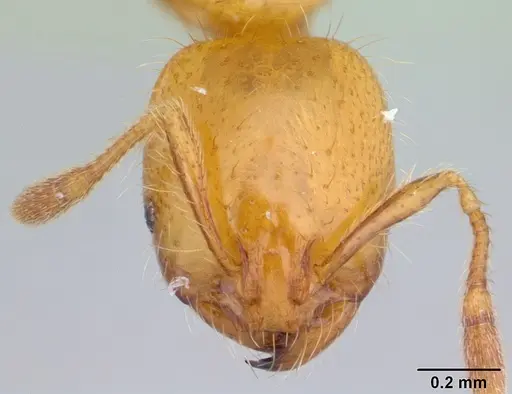
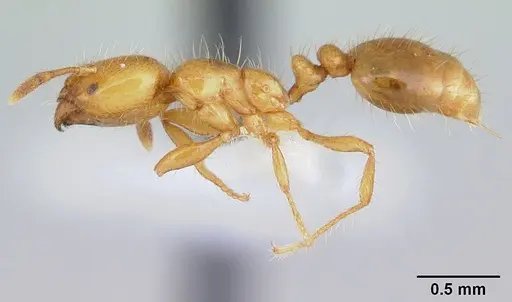
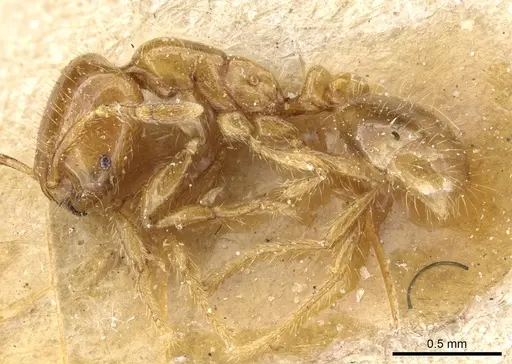
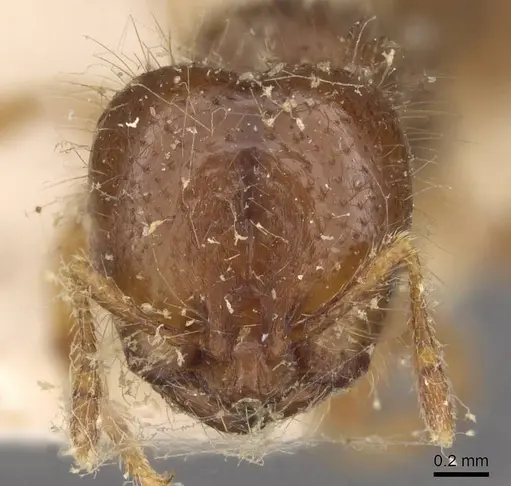
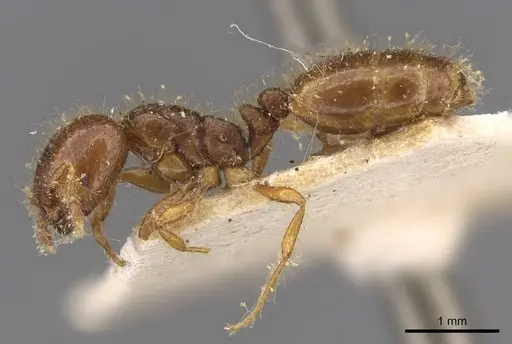
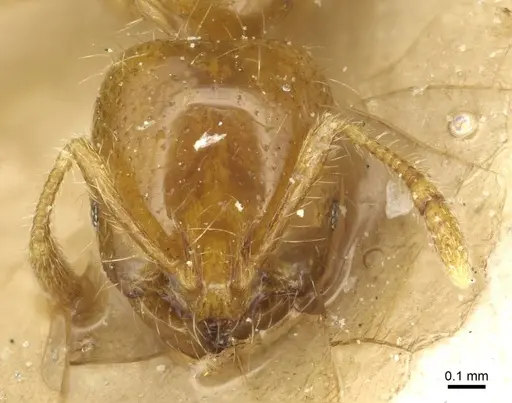
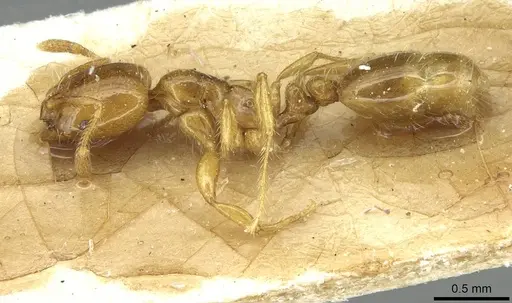
Solenopsis wasmannii is a polymorphic thief ant species belonging to the Solenopsis wasmannii species complex, found throughout the Neotropical region including Argentina, Bolivia, Brazil, Chile, and Paraguay [1]. Workers are highly polymorphic, ranging from 1.80mm minor workers to large majors over 5mm in length, with the largest majors having distinctly enlarged heads similar to Pheidole majors [2]. Minor workers display five well-developed clypeal teeth on their mouthparts, while major workers have four reduced teeth with the medial tooth often absent [1]. The species nests in ground locations, with specimens collected under stones in cerrrado forest at 450m elevation and in ground nests in tropical dry forest at 1400m in Bolivia [1]. This species is notable for being one of the few smaller Solenopsis that shows strong polymorphism, making it visually distinctive among thief ants.
Quick Summary
- Difficulty: Medium
- Origin & Habitat: Native to the Neotropical region of South America, found in Argentina, Bolivia, Brazil, Chile, and Paraguay. Inhabits tropical dry forests, cerrado (forest savanna), and Atlantic Forest remnants at elevations ranging from 450m to 1400m [1].
- Colony Type: Single-queen colonies (monogyne) based on typical Solenopsis genus patterns. Colonies contain polymorphic workers with distinct minor and major castes.
- Colony: Monogyne
- Founding: Claustral
- Size & Growth:
- Queen: 6-9mm [1]
- Worker: 1.80-5.28mm (polymorphic, minors 1.80mm to majors over 5mm) [1]
- Colony: Unknown for this specific species, related Solenopsis species typically reach several thousand workers
- Growth: Moderate, based on typical tropical Solenopsis development
- Development: Estimated 4-6 weeks at tropical temperatures (25-28°C) (Development time inferred from related tropical Solenopsis species, specific data for S. wasmannii not available)
- Antkeeping:
- Temperature: Keep at 24-28°C, these are tropical ants from South America that prefer warm conditions [1]. A heating cable on one side of the nest can create a temperature gradient.
- Humidity: Moderate to high humidity (60-80%). They naturally inhabit forest floor environments, so keep the nest substrate slightly moist but not waterlogged.
- Diapause: No, as a tropical species, they do not require hibernation. Keep temperatures stable year-round.
- Nesting: Ground-nesting species that naturally nests under stones and in soil. In captivity, a Y-tong (AAC) nest or naturalistic setup with soil substrate works well. Provide a moisture reservoir or hydration chamber.
- Behavior: As a thief ant, they are opportunistic foragers that scavenge and steal from other ant colonies. Workers are moderately aggressive when defending their nest but primarily avoid confrontation. They have a functional stinger in the Myrmicinae subfamily and can deliver a mild sting if handled roughly. Escape prevention is important, use fluon on nest edges and ensure formicarium lids fit tightly. They are primarily nocturnal/foragers active day and night in their natural habitat.
- Common Issues: tropical temperature requirements mean colonies can suffer if kept too cool, small colony founding stage is fragile and prone to mold if humidity is not managed, escape prevention needed, small workers can fit through tiny gaps, polymorphic colony structure means slower initial growth as major workers develop later
Housing and Nest Setup
Solenopsis wasmannii is a ground-nesting species that naturally nests under stones and in soil cavities in forest habitats. For captive care, a Y-tong (acrylic) nest works well, or you can use a naturalistic setup with a soil-filled chamber. Because they are polymorphic with majors reaching over 5mm, ensure chambers are appropriately sized, not too tight for the larger workers but with some narrow passages for the smaller minors. Include a hydration setup like a water reservoir or moisture chamber to maintain humidity. A test tube setup works for founding colonies, but be prepared to move them to a larger formicarium once the colony reaches 50-100 workers. They do best with a small outworld for foraging where you can offer food [1].
Feeding and Diet
As thief ants, Solenopsis wasmannii are opportunistic feeders with a varied diet. In captivity, offer protein sources like small insects (fruit flies, pinhead crickets, mealworms), and they will readily accept sugar sources including honey water, sugar water, and occasionally seeds. They are foragers that will scavenge protein and sweet liquids. Feed them small prey items 2-3 times per week, and keep a constant supply of sugar water available. Remove uneaten prey after 24-48 hours to prevent mold. In the wild, they steal brood and food from other ant colonies, so they are adaptable foragers [1].
Temperature and Seasonal Care
These are tropical ants requiring warm temperatures between 24-28°C. They originate from South American regions with warm climates, so avoid temperatures below 20°C for extended periods. Use a heating cable on one side of the nest to create a gentle gradient if your room temperature is below their ideal range. Place the heating on TOP of the nest, not underneath, to prevent excessive drying. Unlike temperate species, they do not require a winter diapause, maintain stable temperatures year-round. Sudden temperature drops can stress colonies and slow brood development. Monitor with a thermometer placed near the nest [1].
Colony Development and Growth
Solenopsis wasmannii colonies start with a claustral queen who seals herself in a chamber and raises the first brood on stored fat reserves. The first workers (nanitics) are typically smaller minors and emerge within 4-6 weeks at optimal tropical temperatures. As the colony grows, you will see increasing numbers of larger major workers develop, this species is notably polymorphic with major workers having enlarged heads. Colony growth is moderate, expect 6-12 months to reach 100 workers under good conditions. Major workers typically appear once the colony has several dozen workers. The queen can live for many years, and colonies can eventually reach several thousand workers.
Behavior and Temperament
This species is generally calm and not particularly aggressive toward keepers. They are primarily nocturnal foragers in the wild. When threatened, minor workers may swarm while majors use their enlarged heads to block nest entrances, similar to Pheidole defense behaviors. They have a functional stinger and can deliver a mild sting if provoked, though this is not dangerous to healthy humans. They are not escape artists at the worker level but small minors can slip through tight gaps, so use standard escape prevention with fluon on edges. They are not territorial toward other ant species and will avoid conflict when possible, focusing on scavenging rather than direct confrontation.
Frequently Asked Questions
How long does it take for Solenopsis wasmannii to produce first workers?
Expect first workers (nanitics) to emerge in 4-6 weeks after the queen lays eggs, assuming temperatures are maintained at 24-28°C. This is typical for tropical Solenopsis species. The exact timing depends on temperature and feeding.
What do Solenopsis wasmannii ants eat?
They are opportunistic feeders that accept both protein and sugar. Offer small insects like fruit flies or pinhead crickets 2-3 times weekly, and keep honey water or sugar water constantly available. They will also scavenge other food sources.
What temperature do Solenopsis wasmannii need?
Keep them at 24-28°C. These are tropical ants from South America and need warm conditions year-round. Avoid temperatures below 20°C for extended periods.
Are Solenopsis wasmannii good for beginners?
They are rated as medium difficulty. They are more challenging than common species like Lasius or Tetramorium because they require tropical temperatures and have specific humidity needs. However, they are not as aggressive or difficult as some other Solenopsis species.
How big do Solenopsis wasmannii colonies get?
Based on related Solenopsis species, mature colonies can reach several thousand workers. They are polymorphic with both small minors and large majors over 5mm.
Do Solenopsis wasmannii need hibernation?
No, they do not require hibernation. As a tropical species from South America, they need stable warm temperatures year-round. Do not expose them to cold temperatures.
What size formicarium do I need for Solenopsis wasmannii?
Start with a test tube for founding colonies. Move to a small formicarium (Y-tong or similar) once the colony reaches 50-100 workers. They eventually need moderate space as colonies grow.
Why are my Solenopsis wasmannii dying?
Common causes include: temperatures below 20°C, too dry or too wet conditions, mold from overfeeding, or stress from frequent disturbances. Check temperature and humidity first. Ensure food is removed before it molds.
Can I keep multiple queens together?
Not recommended. Solenopsis wasmannii is monogyne (single-queen colonies). Combining unrelated foundresses has not been documented for this species and typically leads to fighting.
References

This caresheet is licensed under CC BY-SA 4.0 .
CASENT0178149
View on AntWeb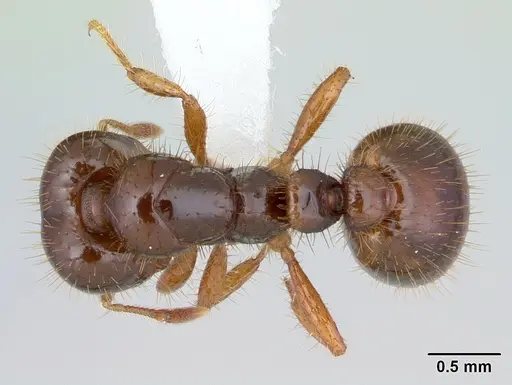
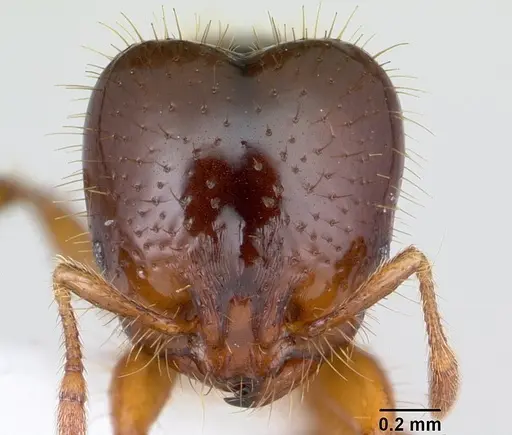
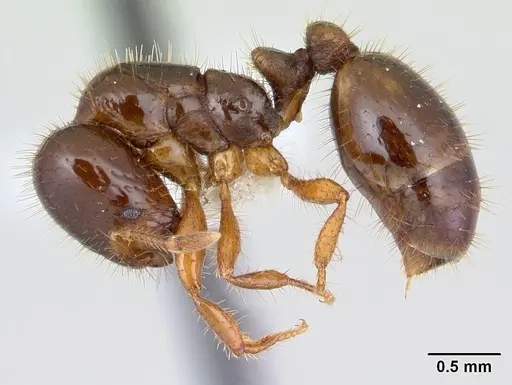
CASENT0178150
View on AntWeb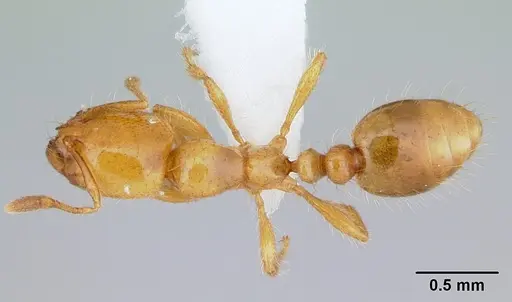
CASENT0905759
View on AntWeb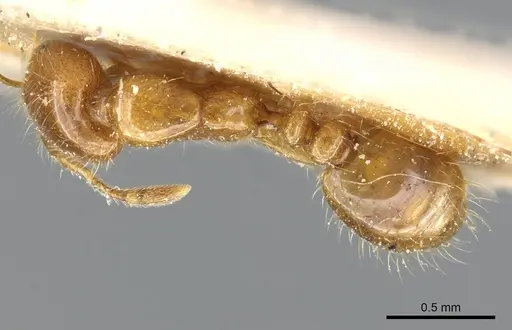
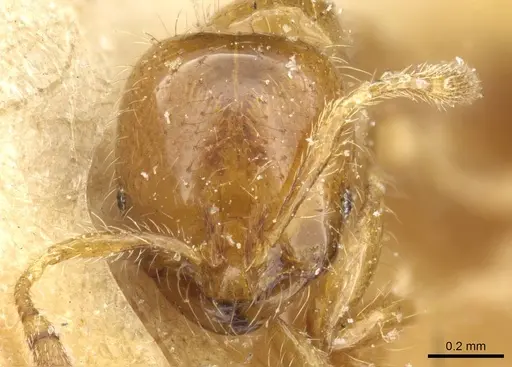
CASENT0908805
View on AntWeb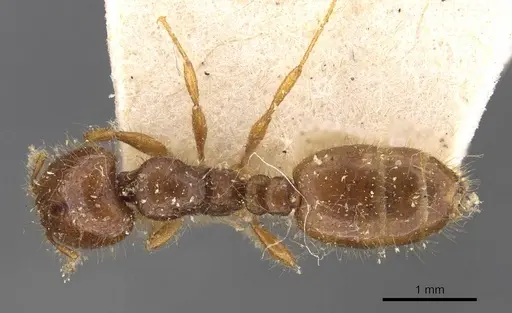
CASENT0913950
View on AntWeb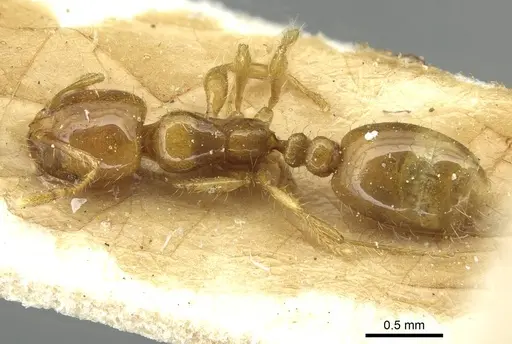
Literature
Loading...Loading products...