

Solenopsis vinsoni
- Scientific Name
- Solenopsis vinsoni
- Tribe
- Solenopsidini
- Subfamily
- Myrmicinae
- Author
- Pacheco & Mackay, 2013
- Distribution
- Found in 2 countries
Solenopsis vinsoni Overview
Solenopsis vinsoni is an ant species of the genus Solenopsis. It is primarily documented in 2 countries , including Colombia, Costa Rica. Detailed taxonomic data and occurrence records can be further explored via authoritative databases such as AntWeb or the Global Biodiversity Information Facility (GBIF).
Solenopsis vinsoni
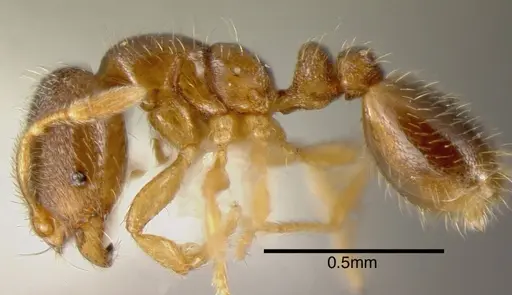
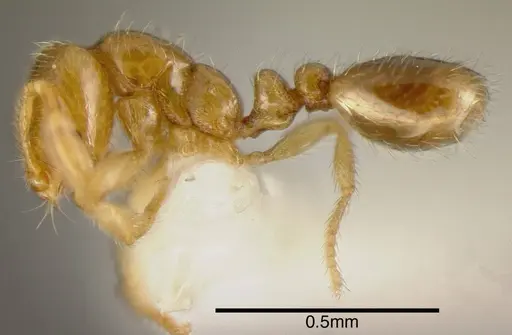
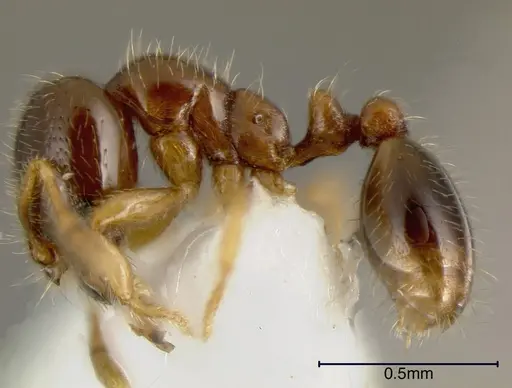
Solenopsis vinsoni is a small thief ant belonging to the Solenopsis fugax species complex. Workers are dimorphic, meaning they come in two sizes: majors at 1.68-1.74mm and minors at 1.14-1.26mm [1]. Both castes are yellow to pale brownish-yellow and covered in abundant yellowish hairs. Queens are larger at 3.72-3.84mm with medium brown bodies and lighter brown appendages. This species was formally described in 2013 and is found across the Neotropical region from Mexico south to Colombia, typically in wet cloud forests and tropical forest habitats at elevations ranging from 10m to 1200m [2][3].
This species is part of the famous fugax complex, which contains thief ants known for their secretive habits and ability to nest in small, concealed spaces. Like other Solenopsis, they have a stinger in the Myrmicinae subfamily and can deliver a painful sting for their size. Their small size and pale coloring make them somewhat challenging to spot in the wild, but they are often collected using subterranean baits, indicating they forage underground.
Quick Summary
- Difficulty: Medium
- Origin & Habitat: Neotropical region from Mexico (Tabasco, Chiapas) south through Costa Rica, Panama, Guatemala, and Colombia. Found in wet montane cloud forest at 600-1200m elevation, tropical forest (10m), and riparian tropical rain forest. Specimens collected from litter samples and subterranean Vienna sausage baits in clay soils [1][2][3].
- Colony Type: Colony structure is unconfirmed for this species. Based on typical Solenopsis patterns in the fugax complex, likely single-queen (monogyne) colonies. Further research needed on queen number and colony social structure.
- Founding: Claustral
- Size & Growth:
- Queen: 3.72-3.84mm [1], from type specimens
- Worker: Major: 1.68-1.74mm, Minor: 1.14-1.26mm [1]
- Colony: Unknown, likely small to moderate based on typical Solenopsis fugax complex patterns
- Growth: Moderate, inferred from related species in the genus
- Development: 6-8 weeks, estimated based on typical Solenopsis development at tropical temperatures (Development time is estimated based on related species. Warmer temperatures within their range may accelerate development.)
- Antkeeping:
- Temperature: Keep at 24-28°C, these are Neotropical ants from cloud forests and tropical areas. A heating cable on one side of the nest creates a gentle gradient. Avoid temperatures below 20°C for extended periods.
- Humidity: High humidity required, think damp forest floor. Keep the nest substrate consistently moist but not waterlogged. Their natural habitat in wet cloud forests and tropical forests has high ambient moisture. Mist occasionally and provide a water source.
- Diapause: Unlikely, as a Neotropical species from low elevations, they likely do not require a true diapause. However, some reduction in activity during cooler months may occur. Do not hibernate below 15°C.
- Nesting: They naturally nest in soil and leaf litter, often underground. In captivity, a test tube setup works well for founding colonies. For established colonies, a naturalistic setup with moist soil or a plaster/acrylic nest with small chambers works well. They prefer tight, enclosed spaces.
- Behavior: Thief ants are secretive and somewhat shy. They are not aggressive toward humans but can sting if threatened, the sting is painful relative to their tiny size. Workers are small (1-2mm) and excellent at escaping through tiny gaps. They are primarily scavengers and may steal from other ant colonies. Foraging occurs both underground and on the surface. Activity level is moderate, they establish quiet, hidden colonies.
- Common Issues: escape prevention is critical, tiny workers squeeze through the smallest gaps, use fine mesh and tight-fitting lids, colonies are slow to establish, new keepers may lose patience with the slow growth rate, high humidity requirements can lead to mold if ventilation is poor, wild-caught colonies may have parasites or diseases that cause colony failure, small size makes them easy to accidentally crush or lose during transfers
Housing and Nest Setup
For founding colonies, a simple test tube setup works well. Fill the tube with water and plug with a cotton ball, then place the queen in the empty portion. Keep the tube horizontal in a dark, quiet location. The queen will seal herself into a chamber and begin laying eggs. Once workers emerge (nanitics), you can continue in the test tube or transfer to a small formicarium.
For established colonies, these ants do well in naturalistic setups with moist soil or in acrylic/plaster nests with small chambers. They prefer tight spaces rather than open areas. A small Y-tong nest or a plaster nest with chambers scaled to their tiny size works well. Avoid tall, open spaces, these are small ants that feel secure in compact quarters.
Escape prevention is critical. Workers are only 1-2mm and can squeeze through gaps you wouldn't believe. Use fluon on the edges of formicaria, ensure all lids fit tightly, and consider fine mesh on any ventilation holes. [1]
Feeding and Diet
Solenopsis vinsoni is a thief ant, meaning they are omnivorous scavengers that will collect protein from various sources. In captivity, they readily accept small insects like fruit flies, pinhead crickets, and mealworms. They also consume honey, sugar water, and honeydew.
Feed small amounts of protein 2-3 times per week. Remove any uneaten prey after 24-48 hours to prevent mold. Keep a constant source of sugar water or honey available. Because they are small, offer appropriately sized prey, nothing larger than they can handle.
In the wild, they are often collected using Vienna sausage baits, showing they will scavenge on protein-rich human foods. This makes them easy to feed in captivity. [1]
Temperature and Seasonal Care
As a Neotropical species from Costa Rica, Panama, and Colombia, Solenopsis vinsoni prefers warm conditions. Keep the nest at 24-28°C for optimal brood development. Temperatures below 20°C for extended periods may slow or stop brood development.
A heating cable placed on one side of the nest creates a temperature gradient, allowing ants to regulate their own temperature by moving between warmer and cooler areas. This is especially helpful during founding when the queen needs stable warmth.
Unlike temperate species, they do not require a true hibernation diapause. However, if your room temperature drops significantly in winter, you may notice reduced activity. This is normal and they should recover when temperatures warm again. [1]
Behavior and Handling
These are shy, secretive ants that prefer to stay hidden. They are not aggressive and will flee rather than fight when disturbed. However, they do possess a stinger and can deliver a surprisingly painful sting for their tiny size, comparable to a sharp pinch.
Workers are primarily nocturnal or crepuscular, becoming more active in dim light. They establish quiet colonies that grow gradually. Unlike some Solenopsis species, they are not known for being aggressive or forming large, aggressive swarms.
Their small size means they are expert escape artists. Always check for tiny gaps around lids and connections. A single worker can slip through a gap barely wider than a sheet of paper. [1]
Colony Growth Expectations
Solenopsis vinsoni is a dimorphic species with major and minor workers. The majors are slightly larger and may have slightly different roles in the colony, though both castes forage.
Colony growth is moderate. Expect 6-10 weeks from egg to first worker (nanitic) at optimal temperatures. The first workers will be small (nanitics) and subsequent generations will grow in size. Colonies likely reach several hundred workers at maturity, though exact maximum size is unknown for this species.
Be patient with founding colonies, the first few months are slow as the queen raises her first brood alone. Once workers establish, growth typically accelerates. [1]
Frequently Asked Questions
How long does it take for Solenopsis vinsoni to have first workers?
Expect first workers (nanitics) to emerge 6-8 weeks after the queen lays eggs, assuming temperatures around 26-28°C. This is typical for Solenopsis species in tropical conditions. The first workers will be small but will begin helping with colony tasks.
Can I keep Solenopsis vinsoni in a test tube?
Yes, test tubes work well for founding colonies. Use a standard test tube setup with a water reservoir plugged with cotton. The queen will seal herself in and raise her first brood in the tube. Once the colony reaches 20-30 workers, consider moving to a small formicarium.
What do Solenopsis vinsoni eat?
They are omnivorous scavengers. Offer small insects (fruit flies, pinhead crickets, mealworms) as protein sources 2-3 times per week. Keep a constant supply of sugar water or honey. They will also scavenge on other food sources. In the wild, they are attracted to protein baits like Vienna sausage.
Are Solenopsis vinsoni good for beginners?
They are rated as medium difficulty. They require warm temperatures and high humidity, which is manageable for committed beginners. The main challenges are their tiny size (escape prevention is critical) and relatively slow colony growth compared to some faster-growing species. Experienced antkeepers will have more success.
How big do Solenopsis vinsoni colonies get?
Exact maximum colony size is unknown for this recently described species. Based on related species in the fugax complex, colonies likely reach several hundred workers at maturity. Growth is moderate, expect several months to a year to reach 50+ workers.
Do Solenopsis vinsoni need hibernation?
No, they do not require hibernation. As a Neotropical species from Costa Rica, Panama, and Colombia, they are adapted to year-round warm conditions. Do not expose them to temperatures below 15°C. Some reduction in activity during cooler months is normal but they remain active year-round at room temperature.
Why are my Solenopsis vinsoni escaping?
Their tiny size (1-2mm) makes them expert escape artists. They can squeeze through gaps barely visible to the naked eye. Use excellent escape prevention: apply fluon to formicarium edges, use tight-fitting lids, and cover any ventilation holes with fine mesh (at least 0.5mm). Check connections between nest areas and outworlds carefully.
What temperature do Solenopsis vinsoni need?
Keep them at 24-28°C. These are Neotropical ants from cloud forests and tropical areas that prefer warm, stable temperatures. Use a heating cable on one side of the nest to create a gradient if your room is cooler. Avoid temperatures below 20°C for extended periods.
Can I keep multiple Solenopsis vinsoni queens together?
This has not been documented for this specific species. Based on typical Solenopsis patterns, they likely form single-queen colonies. Combining unrelated queens is not recommended as it may result in fighting. If you catch a founding queen, house her alone until she establishes her colony.
References

This caresheet is licensed under CC BY-SA 4.0 .
CASENT0636202
View on AntWeb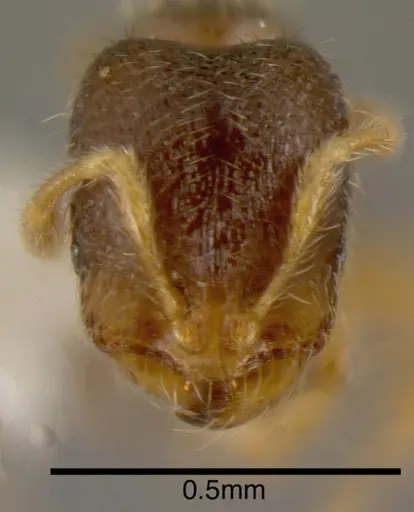
CASENT0636203
View on AntWeb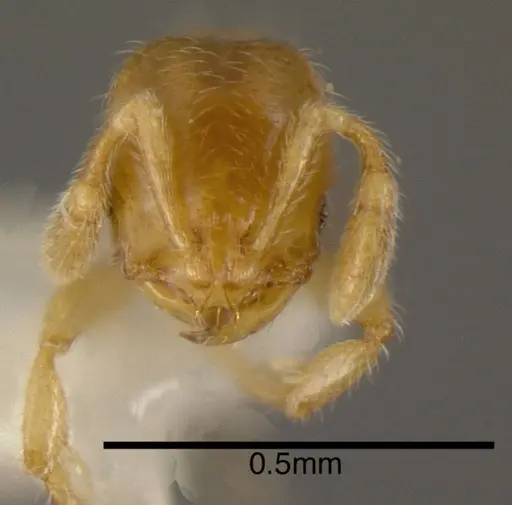
CBUMAGENT42019
View on AntWeb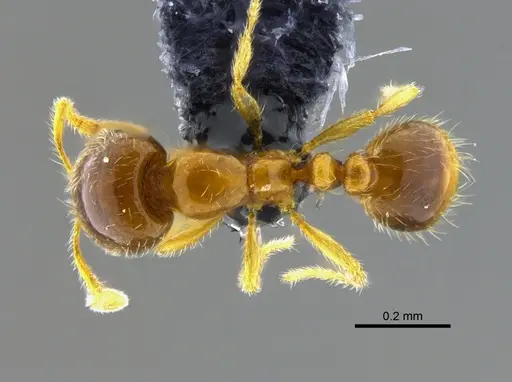
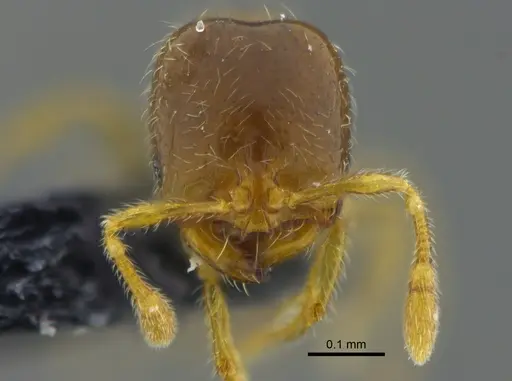
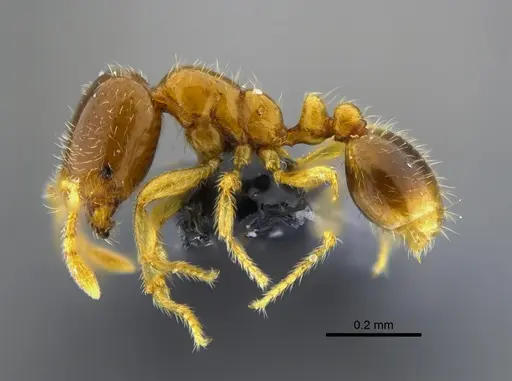
INBIOCRI002281510
View on AntWeb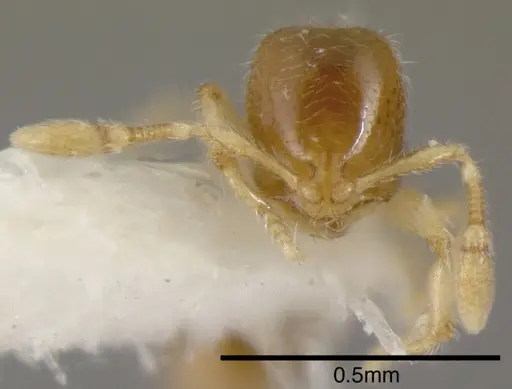
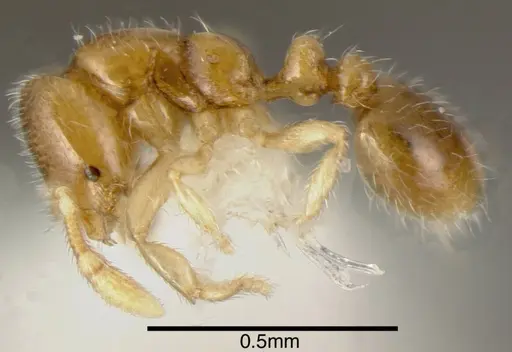
INBIOCRI002728554
View on AntWeb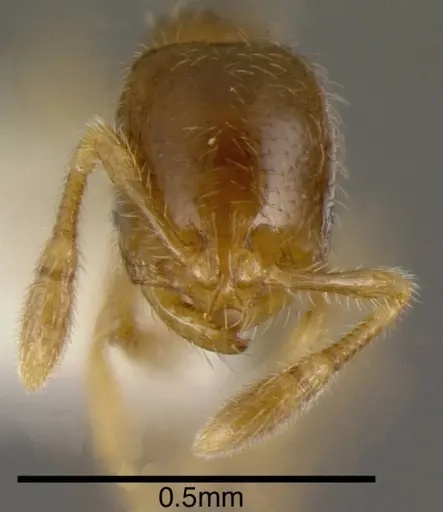
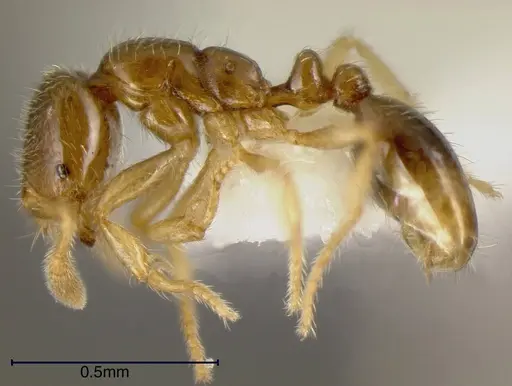
INBIOCRI002728559
View on AntWeb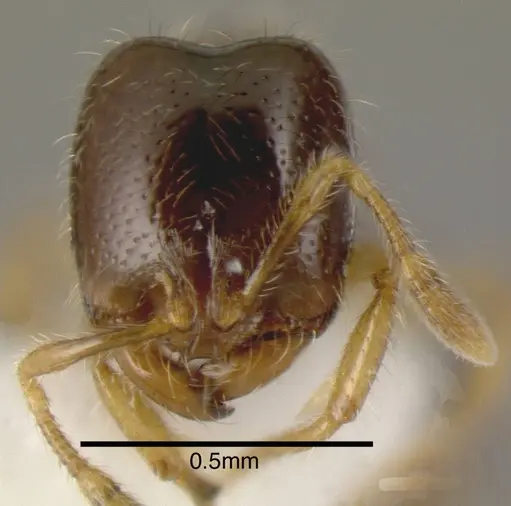
Literature
Loading...Loading products...