

Solenopsis tridens
- Scientific Name
- Solenopsis tridens
- Tribe
- Solenopsidini
- Subfamily
- Myrmicinae
- Author
- Forel, 1911
- Distribution
- Found in 1 countries
Solenopsis tridens Overview
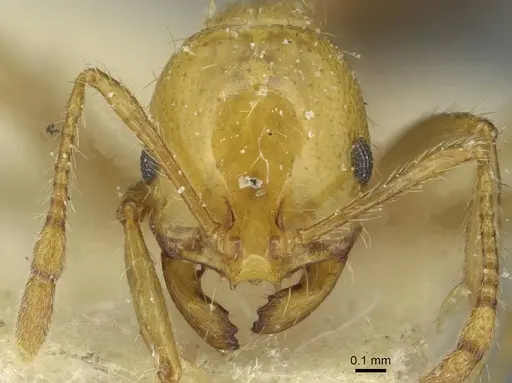
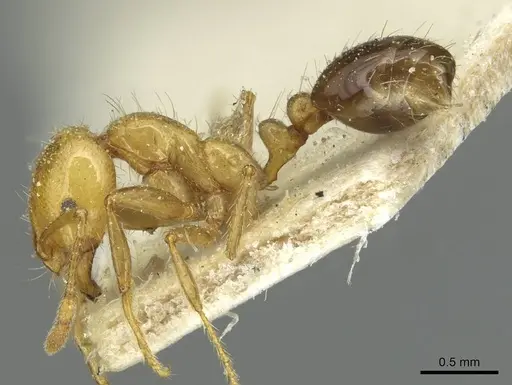
Solenopsis tridens is an ant species of the genus Solenopsis. It is primarily documented in 1 countries , including Brazil. Detailed taxonomic data and occurrence records can be further explored via authoritative databases such as AntWeb or the Global Biodiversity Information Facility (GBIF).
Solenopsis tridens
Solenopsis tridens is a small fire ant species native to the seasonally dry tropical forests of northeastern Brazil and parts of Argentina. Workers are monomorphic, meaning they all grow to the same size, and belong to the tridens species group within the Solenopsis genus. The species was first described by Forel in 1911 from Bahia, Brazil, and remains endemic to this region. These ants are part of the Myrmicinae subfamily and are known for their characteristic fire ant behaviors, including aggressive defense of their nests and the ability to deliver painful stings. The species has been recorded in various Brazilian states including Bahia, Maranhão, and Piauí, where it inhabits the unique Caatinga ecosystem, a seasonally dry tropical forest biome known for its extreme heat and drought conditions.
Quick Summary
- Difficulty: Medium
- Origin & Habitat: Native to northeastern Brazil (Bahia, Maranhão, Piauí) and parts of Argentina. Inhabits seasonally dry tropical forests (Caatinga) and restinga ecosystems [1][2]. The Caatinga is characterized by extreme heat, prolonged dry seasons, and sparse vegetation.
- Colony Type: Colony structure is not well documented in scientific literature. Based on typical Solenopsis patterns, likely forms single-queen colonies (monogyne) with claustral founding, though this requires confirmation for this specific species.
- Colony: Monogyne
- Founding: Claustral
- Size & Growth:
- Queen: Estimated 5-7mm based on related Solenopsis species [3]
- Worker: Estimated 2-4mm, monomorphic workers typical of the tridens species group
- Colony: Likely reaches several hundred workers based on typical fire ant colony sizes in similar ecosystems
- Growth: Moderate, based on related species in the saevissima group
- Development: Estimated 5-8 weeks at optimal temperature based on related Solenopsis species (Development time inferred from genus-level data for fire ants, specific timing for S. tridens has not been directly studied)
- Antkeeping:
- Temperature: Keep at 24-30°C, these are tropical ants from hot Brazilian ecosystems. A heating cable on one side of the nest creates a temperature gradient they can regulate themselves [4].
- Humidity: Moderate humidity around 50-70%. The Caatinga has distinct wet and dry seasons, so they can tolerate some dryness. Keep the nest substrate slightly moist but allow portions to dry out between waterings.
- Diapause: No, as a tropical species from northeastern Brazil, they do not require hibernation. Keep them warm year-round [1].
- Nesting: In nature they nest in soil, often under stones or in rotting wood in dry forest areas. In captivity, a Y-tong (AAC) nest or test tube setup works well. Provide a moisture gradient so ants can choose their preferred humidity zone.
- Behavior: Fire ants are defensive and will aggressively protect their colony. They can deliver painful stings, this is a species you should handle with care. Workers are small but active foragers. Escape prevention is important as they are small and persistent. They are omnivorous, feeding on protein sources and sugar. Based on their distribution in the Caatinga, they are likely heat-tolerant and can handle drier conditions than many other ant species.
- Common Issues: stings, these ants can sting and the pain can be significant, so handle with care and avoid disturbing the nest, escape risk, small workers can squeeze through tiny gaps, use fine mesh and tight-fitting lids, overheating, while heat-tolerant, direct heat sources can dry out the nest too quickly, aggressive defense, colonies may attack and sting when their nest is disturbed, slow colony growth, fire ant colonies can take time to establish, patience is needed
Temperature and Heating
Solenopsis tridens comes from the hot, dry Caatinga region of northeastern Brazil, so they handle warmth well. Keep the nest area at 24-30°C for optimal brood development. A heating cable placed on one side of the nest creates a temperature gradient that lets the ants choose their preferred zone. Avoid temperatures below 20°C for extended periods, these are true tropical ants. While they can tolerate brief temperature spikes above 30°C, prolonged extreme heat will dry out the nest quickly, so monitor moisture levels when using heating elements. Room temperature in a warm home is often sufficient, but a small heat gradient helps during colony establishment. [4][1]
Feeding and Diet
Like other fire ants, Solenopsis tridens is omnivorous and will accept both protein and sugar sources. Feed protein-rich foods like small insects (fruit flies, small crickets, mealworms) twice weekly. They also readily accept sugar water, honey, or diluted syrup as an energy source. In their natural Caatinga habitat, they likely forage for small arthropods and may tend aphids or collect honeydew. Remove uneaten food after 24-48 hours to prevent mold. A constant sugar source (like a cotton ball soaked in sugar water) works well for established colonies. Young colonies may focus more on protein as they grow their brood.
Nesting and Setup
In the wild, Solenopsis tridens nests in soil, often under stones or in partially rotten wood in dry forest areas. For captivity, a Y-tong (AAC) formicarium works well because it provides dark chambers and allows you to create a humidity gradient. Alternatively, a simple test tube setup with a water reservoir works for founding colonies. The nest material should retain some moisture but not stay constantly wet, these ants come from a seasonally dry habitat. Provide an outworld area for foraging where you can offer food. Escape prevention is critical since fire ants are small and persistent, use tight-fitting lids and consider fluon barriers on the edges of formicariums. [1]
Colony Development
Queens are likely claustral founders, they seal themselves in a chamber and raise the first workers (nanitics) entirely on stored fat reserves without foraging. This founding process takes several weeks to a couple months depending on temperature. Once the first workers emerge, the colony begins growing. Fire ant colonies typically grow at a moderate pace, reaching several hundred workers over time. The workers are monomorphic, meaning all workers are the same size rather than having major worker castes. Brood development likely takes 5-8 weeks from egg to worker at optimal temperatures. Be patient with founding colonies, they are most vulnerable in the early stages. [3]
Handling and Temperament
Solenopsis tridens is a fire ant and will defend its colony aggressively. Workers can deliver a painful sting, so avoid disturbing the nest unnecessarily. When working with the colony, use caution and consider using tools rather than your hands. If threatened, fire ants will swarm and sting repeatedly. These ants are active foragers and workers will quickly discover and attack any perceived threat to the colony. For these reasons, they are better suited for intermediate to experienced antkeepers rather than complete beginners. Always use excellent escape prevention, their small size means they can exploit even tiny gaps in enclosure setups.
Seasonal Care
As a tropical species from northeastern Brazil, Solenopsis tridens does not require hibernation or diapause. Keep them warm year-round at 24-30°C. The Caatinga region has distinct wet and dry seasons, so the ants likely experience some seasonal variation in humidity in the wild, but they do not face cold winters. Simply maintain consistent warmth and moderate humidity throughout the year. Avoid placing the colony near cold windows or air conditioning vents that might cause temperature drops. If your room temperature drops below 20°C regularly, use a small heater or heating cable to maintain appropriate conditions. [1]
Frequently Asked Questions
How long does it take for Solenopsis tridens to raise first workers?
Based on related Solenopsis species, expect 5-8 weeks from egg to first worker at optimal temperature (around 26-28°C). Claustral founding queens seal themselves in and raise nanitics on stored fat reserves, so this process cannot be rushed. Be patient, founding colonies are vulnerable and disturbing them can cause the queen to abandon or eat her brood.
What do Solenopsis tridens eat?
They are omnivorous. Feed small insects (fruit flies, pinhead crickets, mealworms) as a protein source twice weekly. They also accept sugar water, honey, or diluted syrup. A constant sugar source works well for established colonies. Remove uneaten food after 24-48 hours to prevent mold issues.
What temperature do Solenopsis tridens need?
Keep them at 24-30°C. These tropical ants from Brazil's Caatinga region handle heat well. A heating cable on one side of the nest creates a gradient they can regulate themselves. Avoid temperatures below 20°C for extended periods.
Are Solenopsis tridens good for beginners?
This species is better suited for intermediate antkeepers. While not the most difficult species, their painful stings and aggressive defense behavior make them less ideal for complete beginners. They also require warm, stable temperatures year-round. If you are new to antkeeping, consider starting with a less defensive species.
How big do Solenopsis tridens colonies get?
Based on related species in the saevissima group, colonies likely reach several hundred workers over time. Specific colony size data for S. tridens has not been documented, but fire ant colonies in similar ecosystems typically reach moderate sizes compared to some other ant genera.
Do Solenopsis tridens need hibernation?
No, they do not require hibernation. As a tropical species from northeastern Brazil, they need warm conditions year-round. The Caatinga region does not experience cold winters, so there is no evolutionary pressure for diapause. Keep them at 24-30°C consistently.
What kind of nest should I use for Solenopsis tridens?
A Y-tong (AAC) formicarium works well for established colonies. For founding colonies, a simple test tube setup with a water reservoir is sufficient. The key is providing a humidity gradient so ants can choose their preferred moisture zone. Escape prevention is critical, use fine mesh and tight-fitting lids.
Where is Solenopsis tridens found in the wild?
This species is endemic to northeastern Brazil, particularly the Bahia region, with records also from Maranhão, Piauí, and parts of Argentina. They inhabit the Caatinga, a seasonally dry tropical forest ecosystem known for extreme heat and drought conditions [1][2][5].
Why is my Solenopsis tridens colony not growing?
Check that temperatures are in the 24-30°C range, too cold slows development significantly. Ensure the queen is still alive and laying eggs. Verify humidity is appropriate, too wet or too dry can cause brood deaths. Also make sure they are accepting food, young colonies need protein to raise brood. If the colony is still in founding stage, be patient as this phase naturally takes several weeks.
References

This caresheet is licensed under CC BY-SA 4.0 .
CASENT0908804
View on AntWeb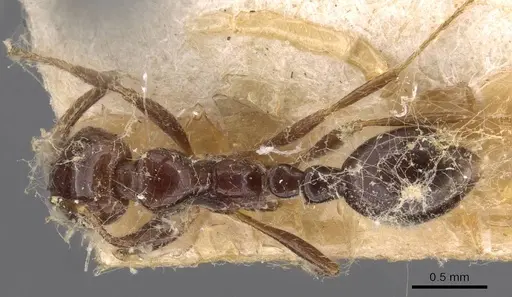
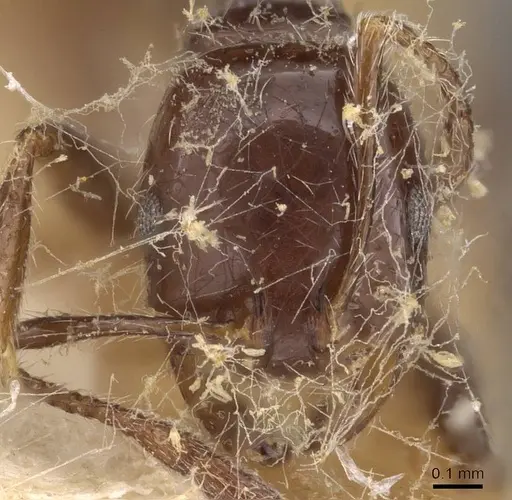
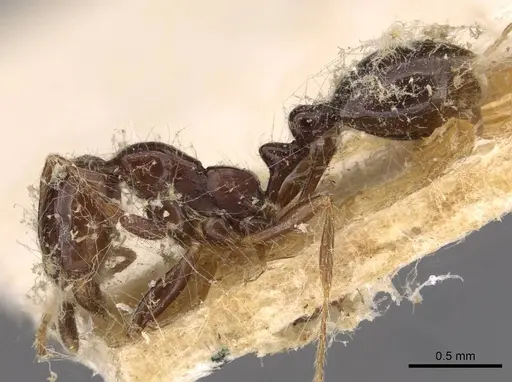
CASENT0913943
View on AntWeb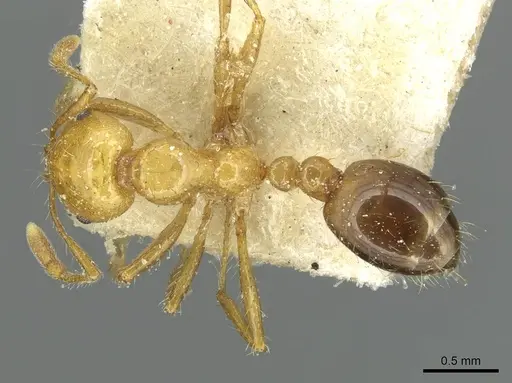
Literature
Loading...Loading products...