

Solenopsis tennesseensis
- Scientific Name
- Solenopsis tennesseensis
- Tribe
- Solenopsidini
- Subfamily
- Myrmicinae
- Author
- Smith, 1951
- Distribution
- Found in 2 countries
Solenopsis tennesseensis Overview
Solenopsis tennesseensis is an ant species of the genus Solenopsis. It is primarily documented in 2 countries , including Mexico, United States of America. Detailed taxonomic data and occurrence records can be further explored via authoritative databases such as AntWeb or the Global Biodiversity Information Facility (GBIF).
Solenopsis tennesseensis
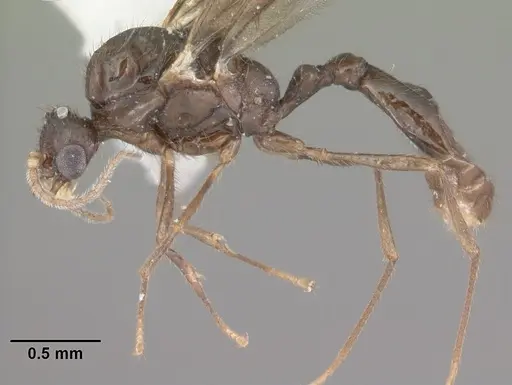
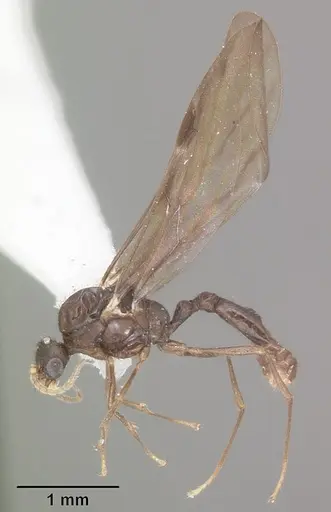
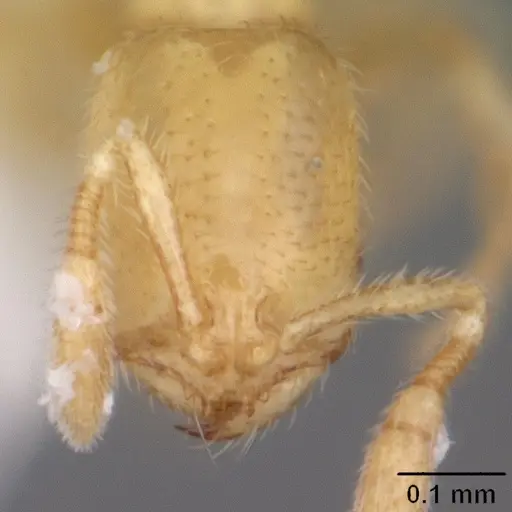
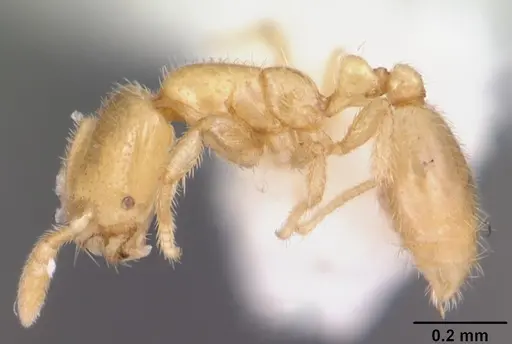
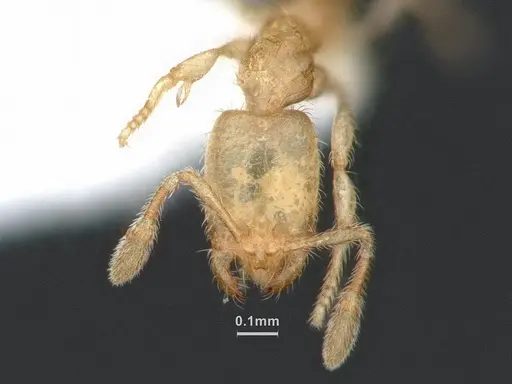
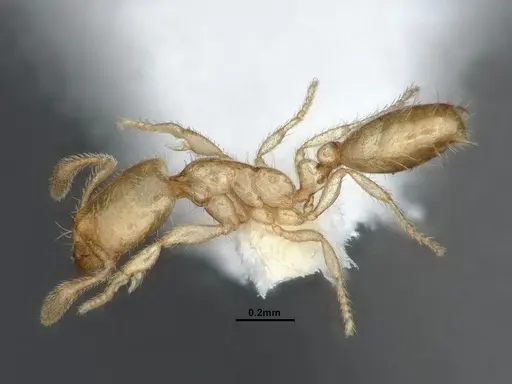
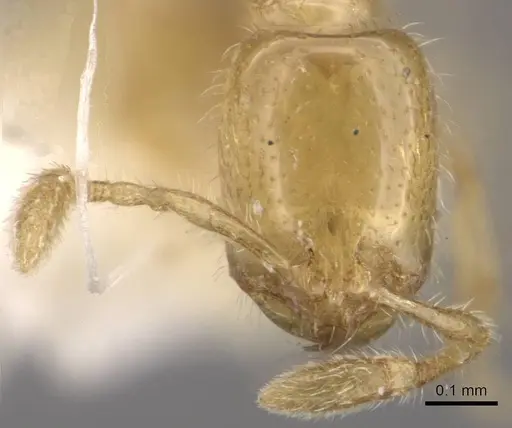
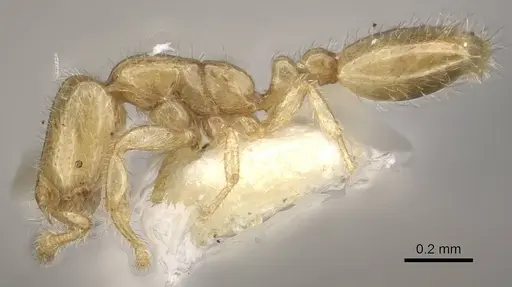
Solenopsis tennesseensis is a member of the Solenopsis pygmaea species complex, making it one of the smallest ants you can keep. Workers measure just 1.08-1.50mm, earning it the nickname of 'minute, pale-yellow ant' in field surveys [1]. These tiny ants are easily recognized by their elongated, flattened heads and remarkably hairy bodies, they have erect and suberect hairs covering all body surfaces, including their gasters [2]. Their eyes are tiny, containing just a single ommatidium, which reflects their largely subterranean lifestyle.
This species is a true thief ant, they specialize in stealing food and resources from other ant colonies rather than foraging openly. They nest underground and are typically found in sandy habitats, from urban lawns to pine forests. In areas with dense populations, you might find about five nests per square meter [2]. Their distribution spans the southeastern United States from Florida to Texas, with isolated records as far west as California and Kansas [3][4].
Quick Summary
- Difficulty: Expert
- Origin & Habitat: Native to the southeastern United States and Mexico. Found in sandy habitats including pine forests, sandhill areas, and urban lawns. Completely subterranean, they nest under stones and in soil, rarely appearing on the surface except to forage [2][5].
- Colony Type: Colony structure is unconfirmed. Like other Solenopsis species in the pygmaea complex, they likely form small colonies with single queens, but this has not been directly studied.
- Size & Growth:
- Queen: Unconfirmed, likely around 3-4mm based on genus patterns, but no specific measurements available
- Worker: 1.08-1.50mm [2]
- Colony: Likely small, probably under 100 workers based on typical pygmaea complex patterns
- Growth: Unknown, likely slow due to their tiny size and subterranean lifestyle
- Development: Unconfirmed, likely 6-10 weeks based on related Solenopsis species at optimal temperature (No specific development data exists for this species. Expect slower growth compared to larger ant species.)
- Antkeeping:
- Temperature: Keep cool, research shows occurrence is negatively affected by increasing soil temperature [5]. Aim for 18-22°C, avoiding overheating. This is cooler than most ant species prefer.
- Humidity: Moderate to high, they prefer sandy, slightly moist substrate. Keep the nesting area damp but not waterlogged. Their natural habitat includes soil depths of 10-20cm where conditions are more stable [5].
- Diapause: Likely yes, as a temperate to subtropical species, they probably require a winter rest period. Specific duration is unconfirmed.
- Nesting: Use a naturalistic setup with sandy substrate or a Y-tong/plaster nest with fine chambers. They are completely subterranean and prefer tight, dark spaces. Avoid large, open areas, these ants feel safest in small chambers scaled to their tiny size.
- Behavior: Thief ants that rarely come to the surface. They establish foraging tunnels underground to raid other ant nests. Extremely docile and non-aggressive toward humans, they cannot sting effectively and pose no danger. However, their tiny size makes escape prevention critical, they can squeeze through the smallest gaps. Activity level is low compared to surface-foraging ants.
- Common Issues: escape prevention is critical, their tiny 1mm size means they can slip through standard barrier gaps, slow growth and small colony sizes mean progress is hard to observe, beginners may lose patience, temperature sensitivity, they avoid warm conditions, so overheating easily kills colonies, difficulty feeding, their subterranean lifestyle means they rarely discover food placed in the open, hard to collect and house, their tiny size makes them challenging even for experienced keepers
Housing and Nest Setup
Housing Solenopsis tennesseensis presents unique challenges due to their extremely small size. These ants are completely subterranean and prefer dark, tight spaces, they naturally nest under stones and in sandy soil at depths of 10-20cm [5]. For captivity, a naturalistic setup with a deep layer of sandy substrate works best. You can also use a Y-tong (AAC) nest with the smallest available chamber sizes, as large open spaces stress these tiny ants.
The key is creating a setup that mimics their natural underground environment. Use fine, sandy soil as the substrate, they prefer sandy habitats and are apparently restricted to such areas in the wild [6]. The nesting area should be kept dark and humid, with only one side gently heated if needed. Avoid test tubes unless modified with very fine barriers, as their 1mm size allows them to squeeze through standard setups.
Escape prevention cannot be overstated: these ants are about 1mm long, smaller than many springtails. Use fluon on all edges and ensure any connections between outworld and nest are sealed with cotton or fine mesh. Even tiny gaps that other ants cannot pass through will not stop this species.
Feeding and Diet
As thief ants, Solenopsis tennesseensis specialize in stealing food from other ant colonies rather than foraging openly. In captivity, they will likely accept small protein sources like micro-arthropods. Offer tiny prey items scaled to their size, they cannot tackle anything larger than themselves. Live springtails, small fruit flies, and tiny mealworms are appropriate options.
Research shows this species does not remove seeds [2], so they are not seed-eaters. Sugar sources may be accepted, but their subterranean lifestyle means they rarely discover food placed in the open. Place food directly in or near their nesting chambers rather than in an open foraging area. Due to their small size and cryptic habits, they may be difficult to feed, be patient and experiment with different food placements.
Feed sparingly and remove uneaten food promptly to prevent mold in their sensitive, humid nest environment.
Temperature and Seasonal Care
This species has unusual temperature requirements compared to most ant species kept in captivity. Research shows their occurrence is negatively affected by increasing soil temperature, they are more prevalent in cooler underground environments [5]. This means you should keep them cooler than most ant species, around 18-22°C, and avoid any heating that would warm the nest area.
A heating cable on one side of the nest is risky, these ants will avoid heated areas. Instead, aim for stable room temperature within their preferred range. If your room is naturally warmer, consider moving them to a cooler location or using a small cooling method. Their preference for cooler temperatures aligns with their subterranean lifestyle and distribution in temperate-to-warm regions.
Regarding winter care, specific diapause requirements are unconfirmed. However, as a species found as far north as Tennessee and Kansas, they likely experience seasonal temperature changes and may benefit from a cool winter period (around 10-15°C) for several months. Reduce feeding during any winter rest and maintain light moisture in the substrate.
Behavior and Colony Dynamics
Solenopsis tennesseensis is one of the most cryptic ant species you can keep. They are completely subterranean and rarely come to the surface, in the wild, they can only be collected with subterranean Vienna sausage baits placed underground [2]. This means your colony will spend most of its time hidden in the nest, making them less interactive than larger ant species.
Their thief ant lifestyle means they establish underground foraging networks to raid other ant colonies. In captivity, you may observe them sending small foragers to investigate food placed in their enclosure. They are not aggressive toward humans and cannot sting effectively, their tiny size and docile nature make them completely harmless to keepers.
Colony growth appears to be slow. In the wild, dense populations reach about five nests per square meter, suggesting they form small, scattered colonies rather than massive supercolonies [2]. Expect your colony to remain small, likely under 100 workers even at maturity. This makes them a species for observation rather than impressive colony displays.
Frequently Asked Questions
How long does it take for Solenopsis tennesseensis to produce first workers?
The egg-to-worker timeline is unconfirmed for this species. Based on related Solenopsis species in the pygmaea complex, expect 6-10 weeks at optimal temperature. However, their slow, cryptic lifestyle suggests it may take longer, be patient with founding colonies.
Can I keep Solenopsis tennesseensis in a test tube setup?
Standard test tubes are too large and risky for this species. Their 1mm size means they can easily escape through gaps around cotton. If using test tubes, you must use additional barriers like fluon and possibly fine mesh. A naturalistic setup with sandy substrate is more appropriate.
What temperature do Solenopsis tennesseensis need?
Keep them cool, around 18-22°C. Research shows their occurrence decreases with increasing soil temperature [5]. They prefer cooler underground conditions and will avoid heated areas. This is cooler than most ant species require.
Are Solenopsis tennesseensis good for beginners?
No, this is an expert-level species. Their tiny 1mm size makes escape prevention extremely difficult, their subterranean lifestyle makes them hard to observe and feed, and their specific temperature requirements are unusual. They are best suited for experienced antkeepers who can provide specialized care.
How big do Solenopsis tennesseensis colonies get?
Colony size is unconfirmed but likely small, probably under 100 workers based on typical pygmaea complex patterns. They form small, scattered colonies in the wild rather than large supercolonies. Do not expect impressive colony displays.
What do Solenopsis tennesseensis eat?
As thief ants, they primarily accept small protein sources like micro-arthropods (springtails, tiny fruit flies). Sugar sources may be accepted but are not a primary food. Place food directly in the nest area rather than in an open foraging space since they rarely come to the surface.
Do Solenopsis tennesseensis need hibernation?
Likely yes, though specific requirements are unconfirmed. As a species found in temperate regions (Tennessee, Kansas), they probably experience seasonal temperature changes. A cool winter period around 10-15°C for several months is likely appropriate.
Why are my Solenopsis tennesseensis dying?
Common causes include: overheating (they prefer cool temperatures), escape through tiny gaps, starvation due to not finding food in their cryptic setup, and mold from overwatering. Review your temperature, escape prevention, and feeding placement. Their sensitivity to warm conditions is the most likely issue.
References

This caresheet is licensed under CC BY-SA 4.0 .
CASENT0104511
View on AntWeb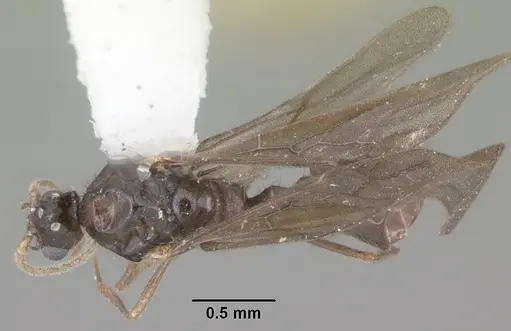

CASENT0104524
View on AntWeb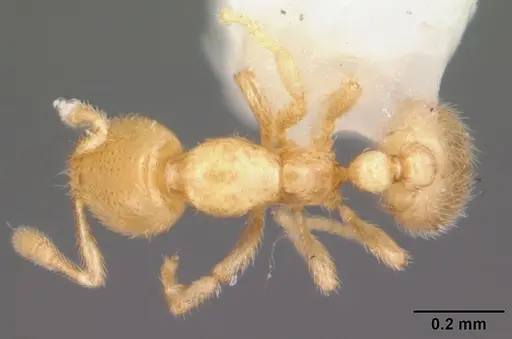
CASENT0884279
View on AntWeb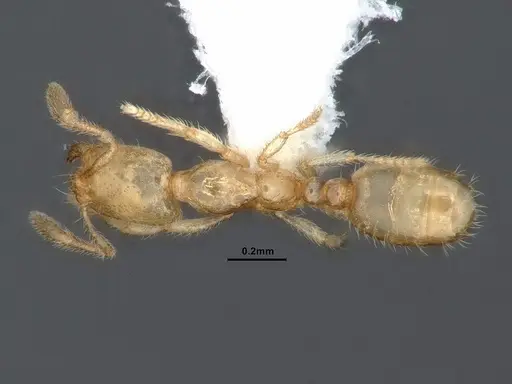
CASENT0911149
View on AntWeb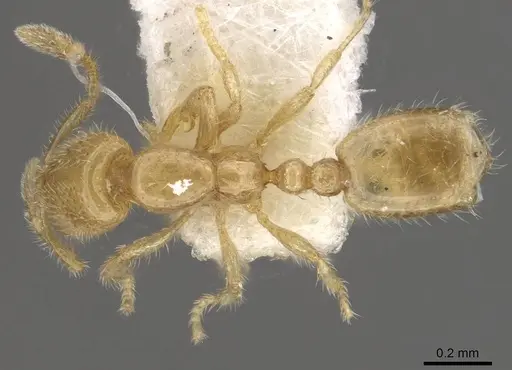
Literature
Loading...Loading products...