

Solenopsis sulfurea
- Scientific Name
- Solenopsis sulfurea
- Tribe
- Solenopsidini
- Subfamily
- Myrmicinae
- Author
- Roger, 1862
- Distribution
- Found in 4 countries
Solenopsis sulfurea Overview
Solenopsis sulfurea is an ant species of the genus Solenopsis. It is primarily documented in 4 countries , including Argentina, Peru, Paraguay. Detailed taxonomic data and occurrence records can be further explored via authoritative databases such as AntWeb or the Global Biodiversity Information Facility (GBIF).
Solenopsis sulfurea - "Sulfurea Thief Ant"
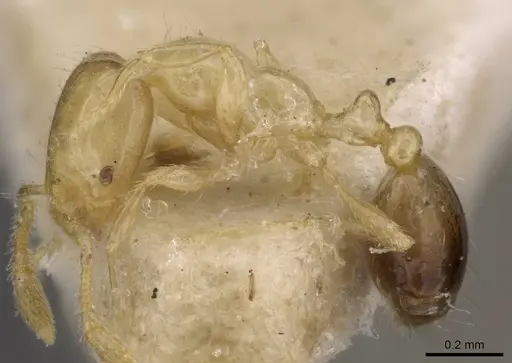
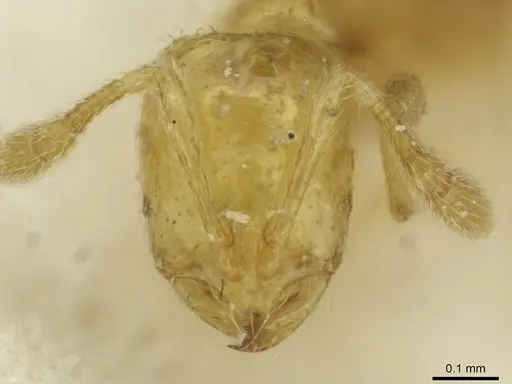
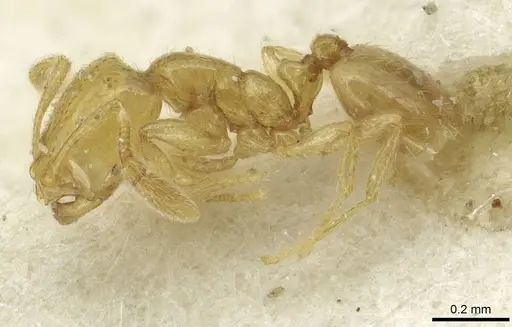
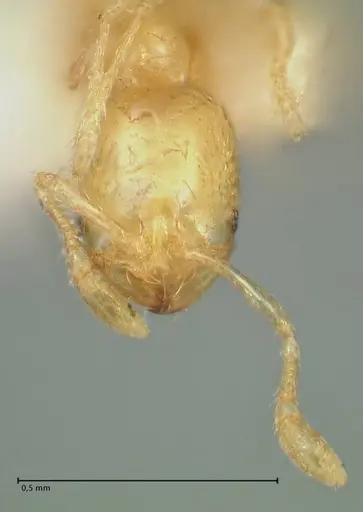
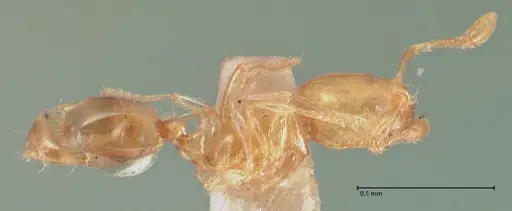
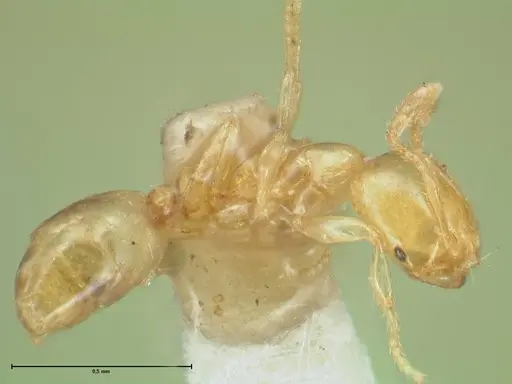
Solenopsis sulfurea is a small, rather cryptic ant species belonging to the 'thief ant' complex within the widespread Solenopsis genus. These ants are notable for their minute size, with workers typically ranging from 1.22 to 1.46 mm in total length. They can be concolorous yellow to pale yellow, or sometimes bicolored with a yellow body and a brown gaster. The queen is described as golden brown and slender, measuring between 4.08 and 4.20 mm. They are characterized by their 10-segmented antennae with a 2-segmented club. Solenopsis sulfurea often establish their nests cryptically within the soil, sometimes under stones, and are known for their 'thief ant' behavior, pilfering food and brood from other ant species' nests.
- Difficulty: Medium
- Origin & Habitat: South America, specifically Paraguay, and Argentina in Humid subtropical tall forests, leaf litter, and soil..
- Colony Type: Monogyne or Polygyne, though information specifically for S. sulfurea is limited, many Solenopsis species exhibit flexibility in queen number., claustral. the queen seals herself in a burrow to raise her first brood. founding.
- Size & Growth:
- Queen: 4.08-4.2mm
- Worker: 1.22-1.46mm
- Colony: Medium (thousands), potentially ranging from small to large depending on specific conditions. Some Solenopsis species can reach hundreds of thousands.. Fast. Many Solenopsis species, including some fire ants, are known for rapid colony growth. growth.
- Antkeeping:
- Temperature: Optimal temperature for brood development and foraging is generally between 24-30°C (75-86°F). Maintaining a slight temperature gradient within the nest is beneficial..
- Humidity: Brood-tending workers of Solenopsis species show a marked preference for saturated atmospheres (near 100% RH), likely due to the brood's susceptibility to desiccation. High humidity is crucial for larval development..
- Diapause: Not required. Not specified at Not specified.
- Nesting: Prefer nests in soil or a mixture of sand and clay, mimicking their natural subterranean habits. They can also do well in artificial setups like acrylic formicariums or test tubes if kept moist..
- Behavior: Medium (towards perceived threats or other ant species for food) aggressiveness.
- Common Issues: Escapes, Humidity fluctuations, Colony stalling, Mold in nest, Mites.
Keeping Solenopsis sulfurea presents a unique challenge, primarily due to their 'thief ant' nature and incredibly small size. These tiny workers are notorious escape artists, and even experienced antkeepers can find them challenging to contain. It’s absolutely critical to ensure your formicarium is completely escape-proof, as a small gap can quickly lead to a room full of highly mobile, stinging ants. Many Solenopsis species, if not properly fed, watered, or given enough space, will focus all their energy on finding a way out, and they are remarkably good at it.
While not typically considered a 'fire ant' in the same aggressive pest sense as species like Solenopsis invicta, Solenopsis sulfurea does belong to a genus known for its potent sting. The sting, while painful, is generally comparable to a bee or wasp sting for most people, leaving itchy red welts. However, multiple stings can be a serious concern, and for individuals with allergies to ant venom, an anaphylactic reaction is a real possibility. Always exercise extreme caution when handling these ants, and be aware of potential allergic responses.
Humidity management is paramount for the health of a Solenopsis sulfurea colony, especially for the delicate brood. Research indicates that Solenopsis workers actively move their brood to areas of high humidity, sometimes near saturation, to prevent desiccation. In a captive setup, this means providing a consistent and ample moisture source within the nest. Drying out can quickly lead to colony stress, brood loss, and ultimately, failure. Consider nest materials that retain moisture well, like plaster or certain types of soil mixes.
The growth rate of Solenopsis sulfurea can be surprisingly fast once the colony establishes. What might start as a modest founding queen and her first few workers can quickly scale up into a bustling colony of thousands. This rapid expansion means you need to be prepared for colony upgrades sooner rather than later. Having larger formicariums ready will prevent overcrowding, which can be another factor driving escape attempts or overall colony decline. A well-fed and appropriately heated colony will grow even more rapidly.
Frequently Asked Questions
What kind of nest setup is best for Solenopsis sulfurea?
For Solenopsis sulfurea, you'll want a secure formicarium, ideally one made from plaster or acrylic that can maintain good humidity. They also do well in test tubes with a hydration setup, especially for founding colonies. Since they're tiny, ensure the nest is escape-proof – even the smallest gaps can be an issue. Think small holes, well-sealed connections, and maybe even a fluon barrier in the outworld for extra security.
What do Solenopsis sulfurea eat?
These ants are generalist feeders. They’ll readily accept a varied diet, including protein sources like small feeder insects (mealworms, crickets), sugar water, and fresh fruits. For rapid growth and a healthy colony, focusing on a good supply of protein and liquid sugars is usually best. Make sure to offer small quantities and remove any uneaten food promptly to prevent mold.
Do Solenopsis sulfurea sting, and is it painful?
Yes, Solenopsis sulfurea can sting. While they are not as infamous as some larger 'fire ant' species, their sting can still cause a burning sensation, similar to a bee or wasp sting, often resulting in red, itchy welts. For most people, a single sting isn't severe, but multiple stings can be quite painful. Be cautious, especially if you or anyone in your household has known insect sting allergies, as anaphylaxis is a potential risk.
How fast do Solenopsis sulfurea colonies grow?
Solenopsis sulfurea colonies can grow surprisingly quickly! After the initial founding stage, once the first workers arrive, the colony can really take off. With consistent feeding and proper heating, you can expect significant population increases, potentially reaching thousands of workers within a few months to a year. Be ready for nest upgrades!
Do Solenopsis sulfurea need to hibernate (diapause)?
While some Solenopsis species require a diapause period, specific information for Solenopsis sulfurea regarding obligatory diapause is limited. Generally, many species from tropical or subtropical climates don't have a strict diapause requirement. However, some sources suggest they can withstand relatively colder temperatures for a short, optional diapause. If you're unsure, maintaining stable warm temperatures year-round is often a safe bet for tropical species.
What temperature and humidity are ideal for Solenopsis sulfurea?
These ants thrive in warmer conditions. Aim for temperatures between 24-30°C (75-86°F) for optimal development and foraging activity. Humidity is equally crucial, especially for the brood. They prefer high humidity, sometimes close to 100% relative humidity, to prevent desiccation of their larvae. Ensure a good moisture gradient in their nest.
Are Solenopsis sulfurea considered 'thief ants'?
Yes, Solenopsis sulfurea are indeed part of the 'thief ant' complex within the Solenopsis genus. This means they often nest near or even inside the nests of other larger ant species, from which they 'steal' food and brood. This lestobiotic behavior is a fascinating aspect of their natural history.
What is the size difference between the queen and workers?
There's a noticeable size difference between the queen and her workers. Solenopsis sulfurea workers are quite small, typically ranging from 1.22 to 1.46 mm in total length. The queen is significantly larger and more robust, measuring between 4.08 and 4.20 mm.
Can I keep multiple queens together (polygyny)?
Information specific to Solenopsis sulfurea on polygyny is not widely detailed. However, many species within the Solenopsis genus, particularly some fire ants, exhibit polygynous colonies, meaning they can have multiple fertile queens. If you acquire a colony with multiple queens, observe their behavior closely, as intraspecies aggression can sometimes occur even in polygynous setups. Always be prepared to separate them if necessary.
What are the common challenges when keeping Solenopsis sulfurea?
The main challenges with Solenopsis sulfurea revolve around their small size and escape artist tendencies. Keeping them contained requires diligent attention to your setup's security. Humidity control is also vital, as their brood is highly sensitive to drying out. Furthermore, like many active species, they can quickly deplete food and water resources, so consistent feeding and hydration are key to preventing colony stress and potential escapes.
How aggressive are Solenopsis sulfurea?
While not as notoriously aggressive as the larger 'fire ant' species, Solenopsis sulfurea can still be quite defensive, especially if their nest is disturbed. They are known to sting when provoked. Their 'thief ant' nature also implies an aggressive foraging strategy towards other ant species to acquire food and brood.

This caresheet is licensed under CC BY-SA 4.0 .
CASENT0178130
View on AntWeb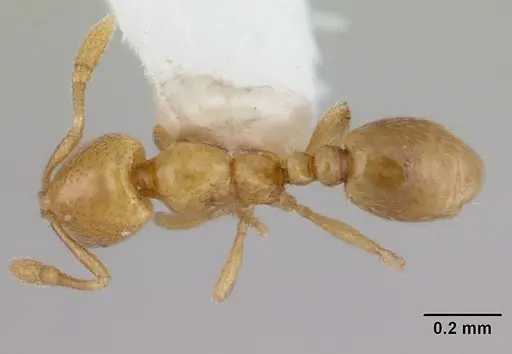
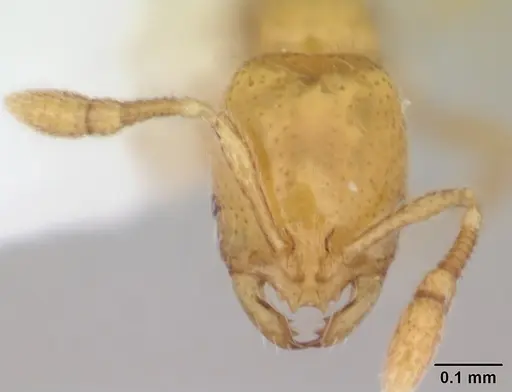
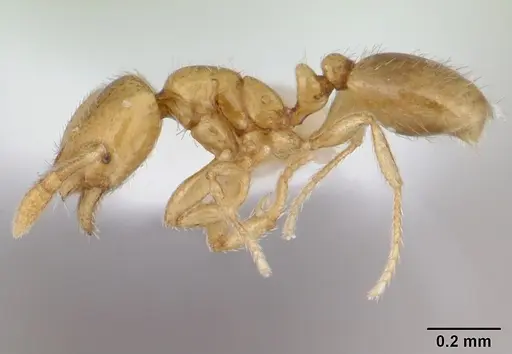
CASENT0904624
View on AntWeb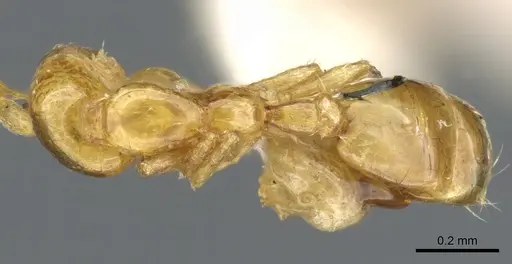
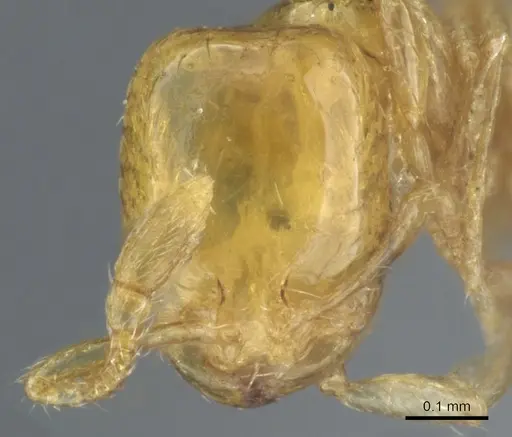
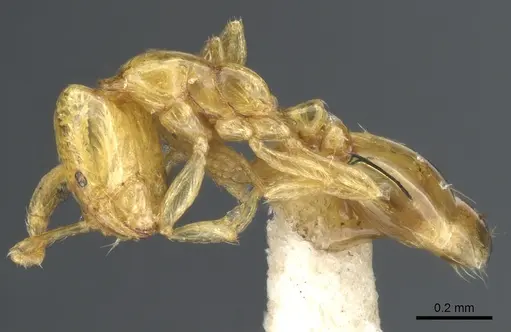
CASENT0908807
View on AntWeb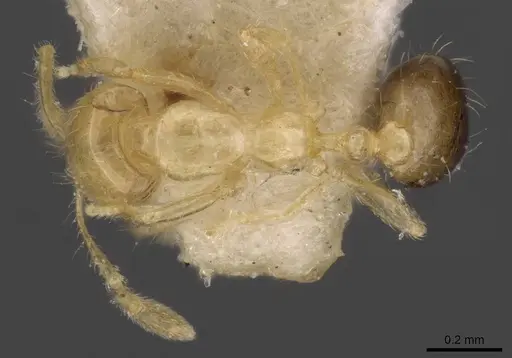
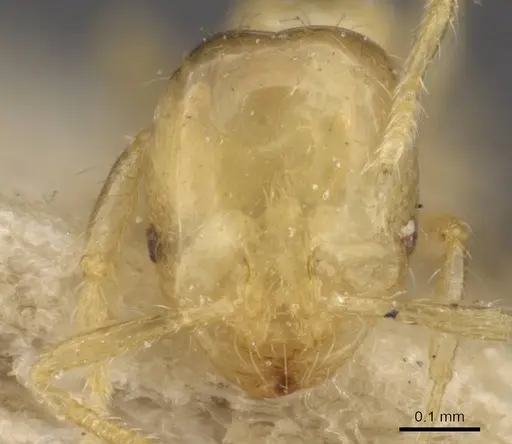
CASENT0913873
View on AntWeb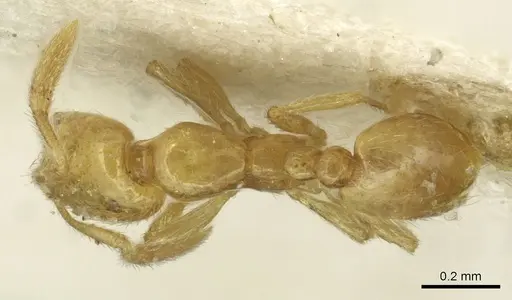
FOCOL1890
View on AntWeb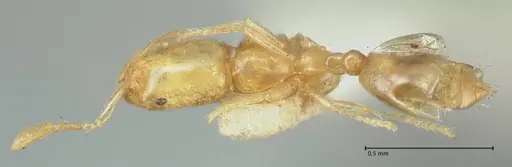
FOCOL1891
View on AntWeb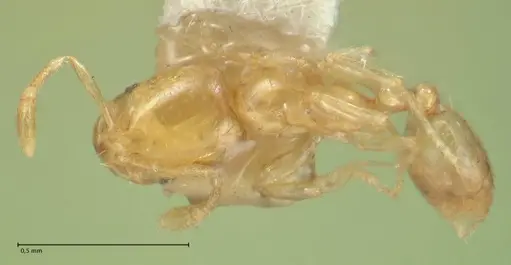
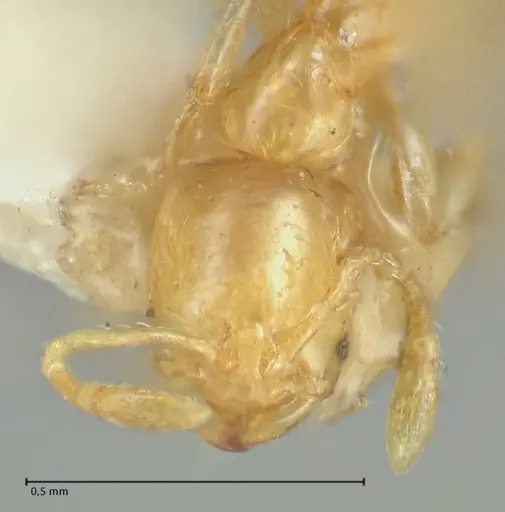
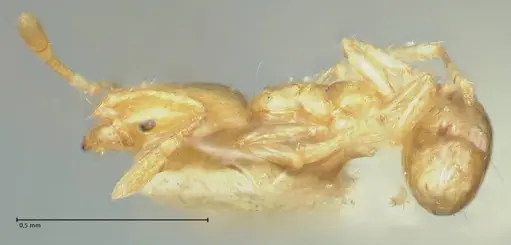
FOCOL1892
View on AntWeb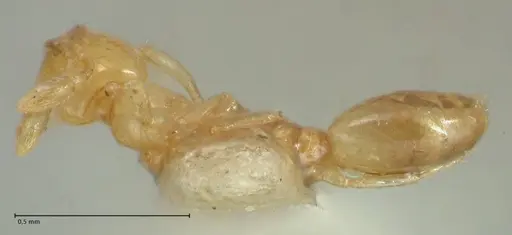
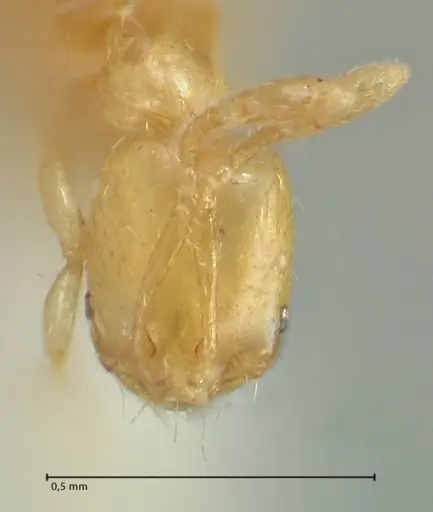
Literature
Loading...Loading products...