

Solenopsis subtilis
- Scientific Name
- Solenopsis subtilis
- Tribe
- Solenopsidini
- Subfamily
- Myrmicinae
- Author
- Emery, 1896
- Distribution
- Found in 2 countries
Solenopsis subtilis Overview
Solenopsis subtilis is an ant species of the genus Solenopsis. It is primarily documented in 2 countries , including Bolivia, Plurinational State of, Costa Rica. Detailed taxonomic data and occurrence records can be further explored via authoritative databases such as AntWeb or the Global Biodiversity Information Facility (GBIF).
Solenopsis subtilis - "Subtle Thief Ant"
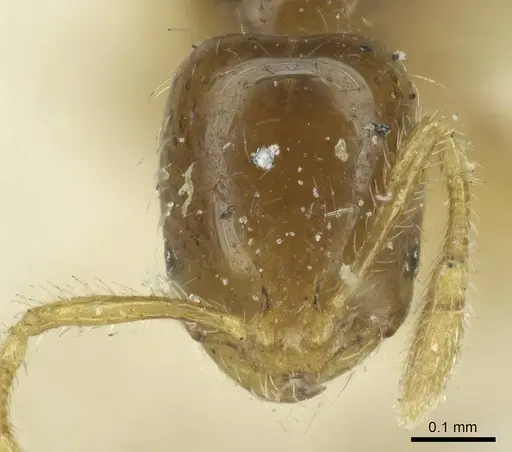
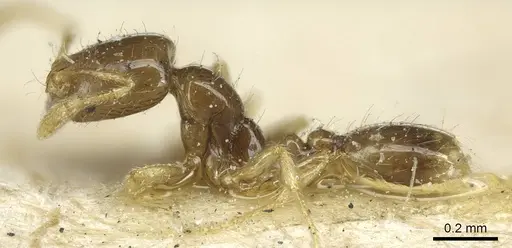
Solenopsis subtilis is a small, New World thief ant, part of the 'molesta' species complex. These ants are generally light brown with yellowish appendages, known for their compact clypeus and eyes with 3-5 ommatidia. They are primarily subterranean, often nesting in leaf litter in forests, and are known for their 'thief ant' behavior, where they steal food and brood from other ant colonies. Like other Solenopsis species, they can inflict a painful sting, though specific details for S. subtilis are limited.
- Difficulty: Medium
- Origin & Habitat: New World (Americas) in Lowland forest, cloud forest, transition montane/cloud forest, and montane evergreen forest between 1000-1800 m elevation. They are often found in leaf litter extractions..
- Colony Type: Monogyne, claustral founding.
- Size & Growth:
- Queen: 2.7mm+
- Worker: 1.5-1.8mm
- Colony: Small (hundreds). Medium growth.
- Antkeeping:
- Temperature: Maintain temperatures between 24-30°C (75-86°F) to promote healthy brood development and activity. Optimal temperatures are crucial for growth, especially for species within the Solenopsis genus..
- Humidity: A higher humidity level, around 90-95%, is crucial for the successful hatching and development of eggs. Worker ants, especially those tending to brood, show a strong preference for saturated atmospheres (near 100% RH) to prevent desiccation of the larvae and pupae..
- Diapause: Not required. Not specified at Not specified.
- Nesting: As subterranean ants, they prefer nests that mimic their natural underground environment. Acrylic or plaster formicariums with good humidity regulation are suitable. They are known escape artists, so a secure, escape-proof setup is essential..
- Behavior: Medium (towards handler, food or other ants) aggressiveness.
- Common Issues: Escape artists, Humidity fluctuations, Mold in nest, Colony stalling.
Solenopsis subtilis, as a 'thief ant', displays a unique and fascinating behavior. In the wild, they often establish their nests very close to, or even within, the colonies of larger ant species or termites, a practice known as lestobiosis. This allows them to pilfer food resources and even brood from their unsuspecting neighbors. Replicating this specific behavior in captivity might be challenging, but understanding it highlights their predatory and opportunistic nature, which should inform their captive diet and feeding strategies.
Given their common name, 'thief ants', it's worth noting that many species in the Solenopsis genus are incredibly adept at escaping. They can exploit even the tiniest gaps in their setup, so an escape-proof enclosure is not just recommended, but absolutely vital. A fluon barrier, a tight-fitting lid, and diligent inspection for any weak points in the formicarium are essential to prevent a mass breakout. Ignoring this critical aspect can lead to a challenging and frustrating ant-keeping experience.
While Solenopsis subtilis workers are quite small, ranging from 1.5 to 1.8 mm, their queen is larger, about 2.7 mm. This size difference is typical for many ant species and understanding the size of your queen is helpful for identification and for selecting appropriate nest setups. Ensure that any nest you choose has chambers and tunnels large enough for the queen to comfortably move and turn around, but small enough to feel secure.
Humidity control is paramount for Solenopsis subtilis, especially for the well-being of their brood. Eggs, in particular, require high humidity, ideally above 55%, with optimal survival rates seen between 90-95% relative humidity for successful hatching. Maintaining consistent high humidity within a section of their nest is crucial for colony health and development, as fluctuations can quickly lead to desiccation and a decline in the colony's overall vitality. Consider a nest setup that allows for a stable moisture gradient.
Like many members of the Solenopsis genus, Solenopsis subtilis can sting. While detailed information on the sting severity of this specific species is limited, other Solenopsis species, commonly known as 'fire ants,' are notorious for their painful, burning stings, which can cause pustules and localized reactions. It's prudent to handle these ants with caution, especially larger colonies, and to avoid direct contact to prevent potential discomfort or allergic reactions. Always prioritize safety when working with your ant colonies.
Frequently Asked Questions
What's the best setup for a Solenopsis subtilis colony?
For Solenopsis subtilis, a plaster or acrylic formicarium with excellent humidity regulation is highly recommended. These 'thief ants' are masters of escape, so make sure your setup is completely escape-proof with tight-fitting lids and a fluon barrier. Remember, they thrive in environments that mimic their natural subterranean and humid habitats.
How do I feed my Solenopsis subtilis colony?
Solenopsis subtilis are omnivorous, much like their fire ant cousins. Offer them a varied diet of protein-rich foods like small feeder insects (pre-killed mealworms or crickets are good choices) and a consistent source of sugar water. Ensure you remove any uneaten food promptly to prevent mold growth, which can harm your colony.
Are Solenopsis subtilis queens polygynous or monogynous?
Solenopsis subtilis queens are typically monogyne, meaning a single queen leads the colony. While some Solenopsis species can be polygyne, for S. subtilis, you'll generally find one queen establishing and heading the colony.
Do Solenopsis subtilis sting? How bad is it?
Yes, like many ants in the Solenopsis genus, Solenopsis subtilis workers can sting. While specific details on the severity for this particular species are limited, other 'fire ant' species are known for their painful, burning stings that can cause localized pustules. Always handle with care and avoid direct contact.
What temperature and humidity do Solenopsis subtilis need?
These ants thrive in warmer conditions, ideally between 24-30°C (75-86°F). Humidity is critically important, especially for their brood development, with optimal egg hatching requiring 90-95% relative humidity. Aim for a consistently humid environment within a section of their nest.
How fast do Solenopsis subtilis colonies grow?
Solenopsis subtilis colonies have a medium growth rate. They start small, but once established, they can grow steadily. Providing consistent food, optimal temperatures, and proper humidity will help them expand their numbers effectively.
Do Solenopsis subtilis need diapause (hibernation)?
Based on available information and their natural habitat, Solenopsis subtilis typically do not require a diapause period. They originate from tropical and subtropical regions where harsh winters are not a factor, allowing them to remain active year-round.
What kind of substrate is best for their nest?
Given their subterranean nature, Solenopsis subtilis prefer substrates like sand, loam, or fine gravel in their natural habitat. In an artificial setup, a nest that incorporates a wetted substrate or material that retains moisture well would be beneficial, though acrylic or plaster setups are more common for ease of viewing and maintenance.
How long does it take for Solenopsis subtilis eggs to become workers?
Under optimal conditions, the journey from egg to adult worker for Solenopsis subtilis usually takes about 3 to 4 weeks. This relatively quick development contributes to their colony's growth once a queen is established and laying consistently.
What's unique about Solenopsis subtilis behavior?
Solenopsis subtilis are classic 'thief ants', a truly fascinating aspect of their biology! They're known for their lestobiotic lifestyle, where they nest near or even inside other ant colonies to pilfer food and brood. This specialized behavior makes them quite intriguing to observe, showcasing a unique form of interspecies interaction.

This caresheet is licensed under CC BY-SA 4.0 .
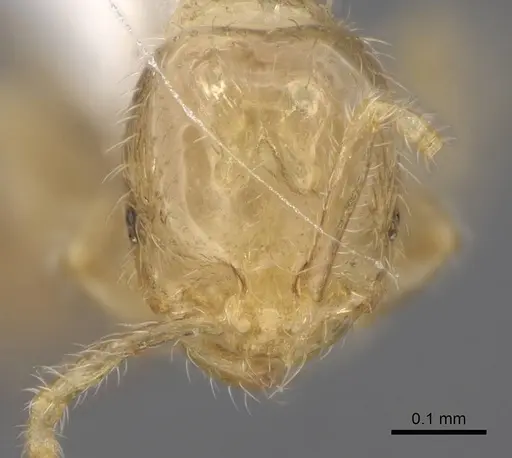
CASENT0916031
View on AntWeb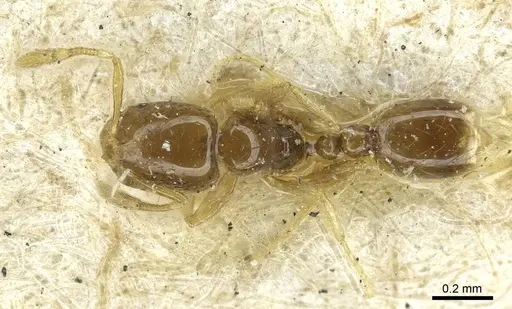
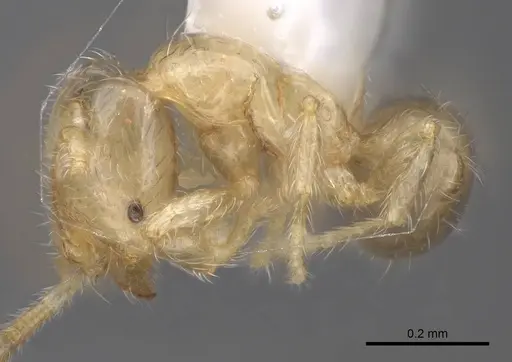
CASENT0923111
View on AntWeb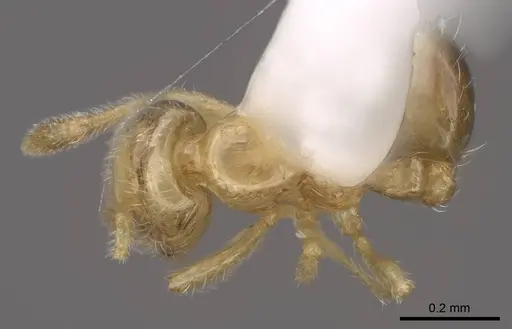
Literature
Loading...Loading products...