

Solenopsis subterranea
- Scientific Name
- Solenopsis subterranea
- Tribe
- Solenopsidini
- Subfamily
- Myrmicinae
- Author
- MacKay & Vinson, 1989
- Distribution
- Found in 8 countries
Solenopsis subterranea Overview
Solenopsis subterranea is an ant species of the genus Solenopsis. It is primarily documented in 8 countries , including Colombia, Costa Rica, Guatemala. Detailed taxonomic data and occurrence records can be further explored via authoritative databases such as AntWeb or the Global Biodiversity Information Facility (GBIF).
Solenopsis subterranea
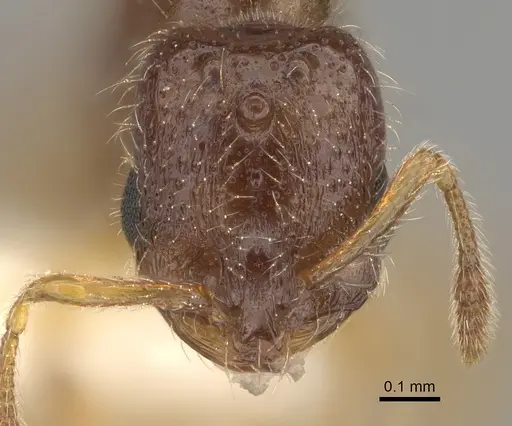
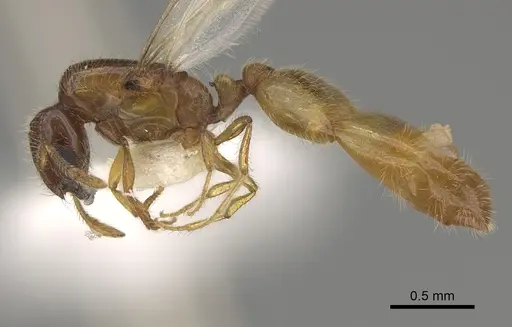
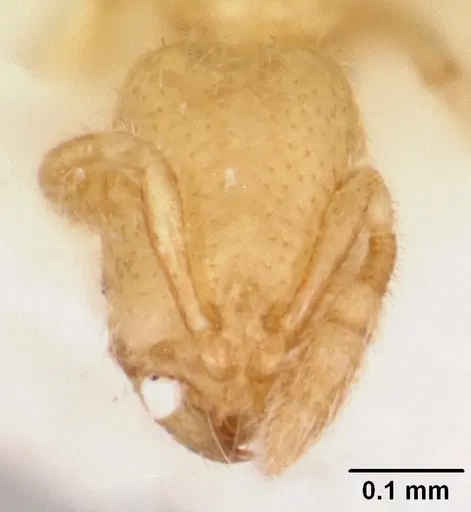
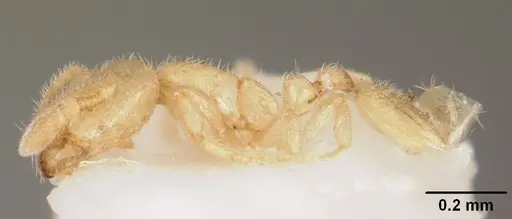
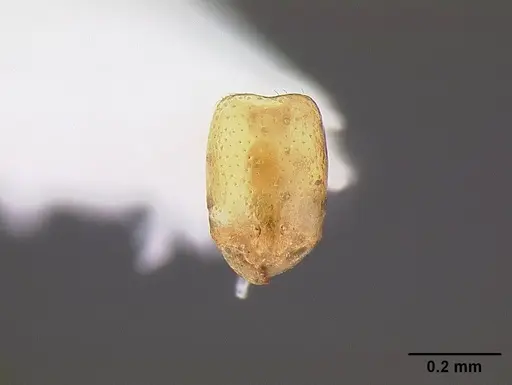
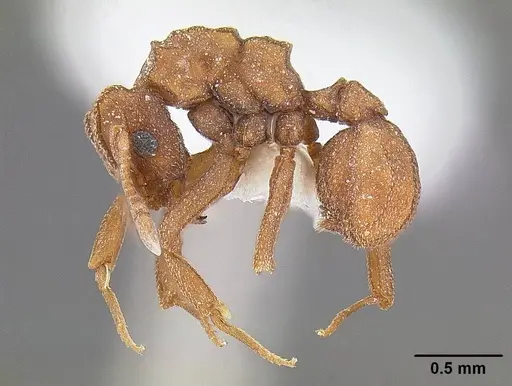
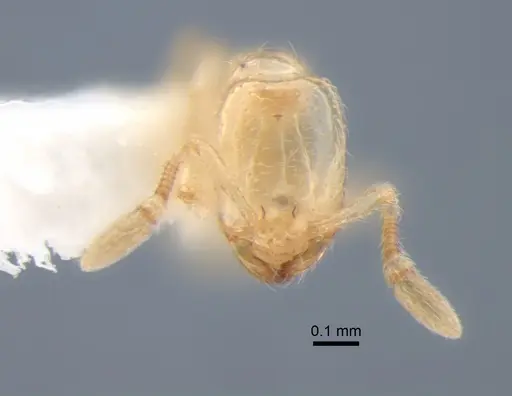
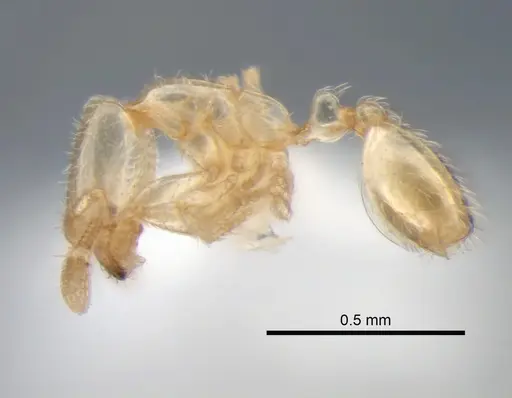
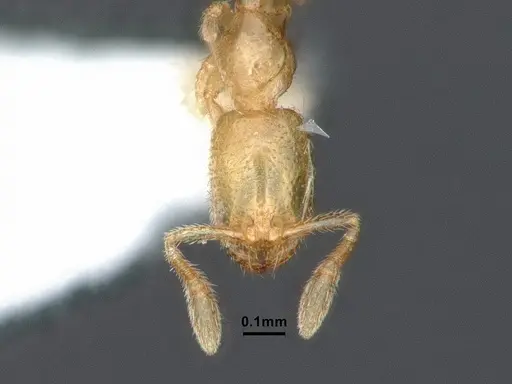
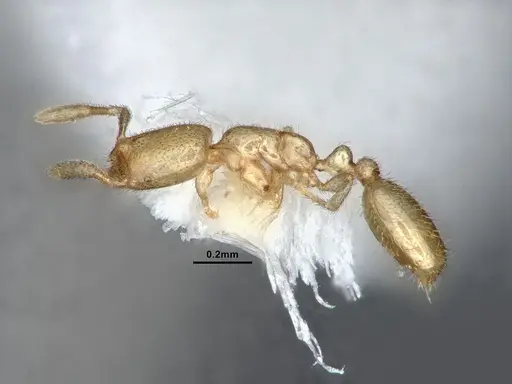
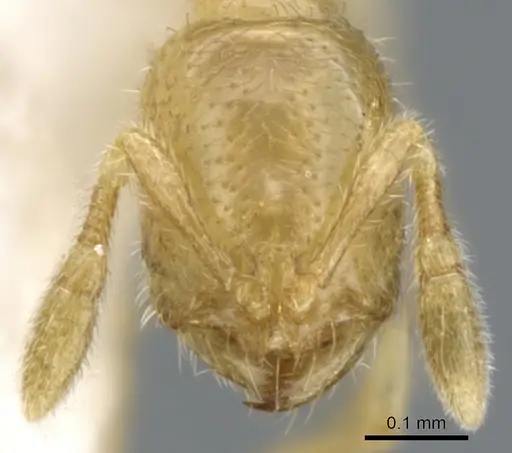
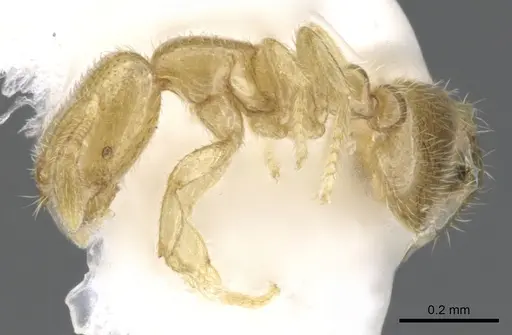
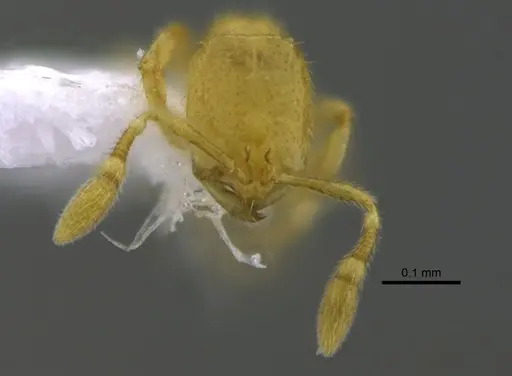
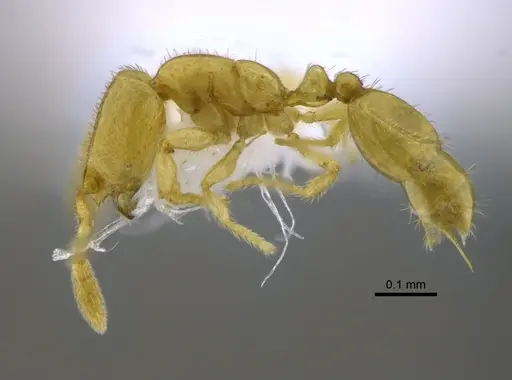
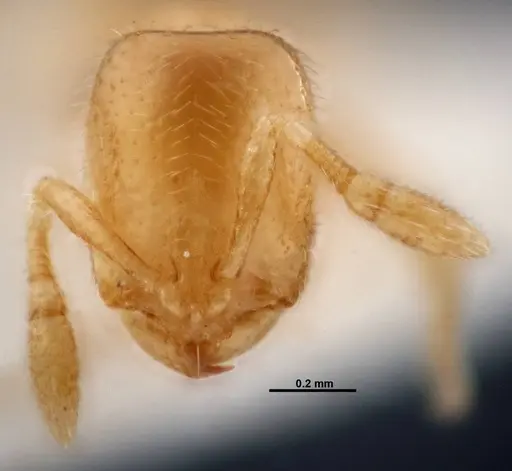
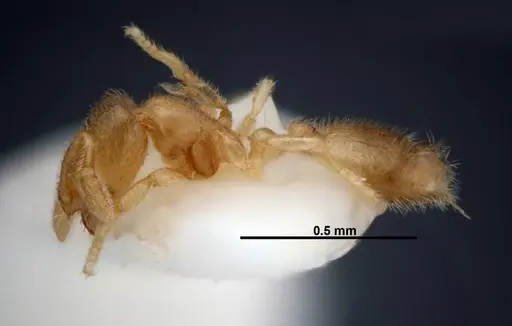
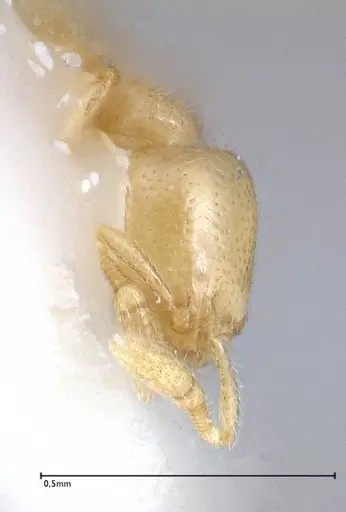
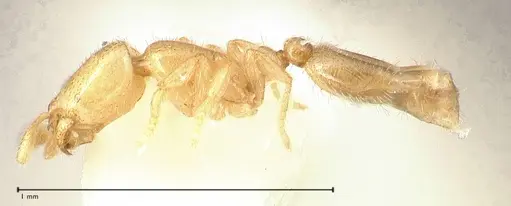
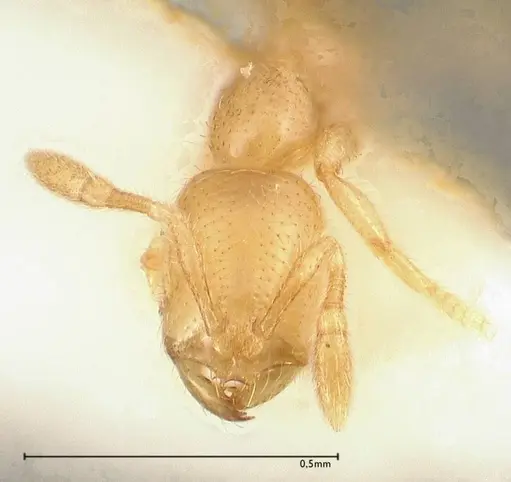
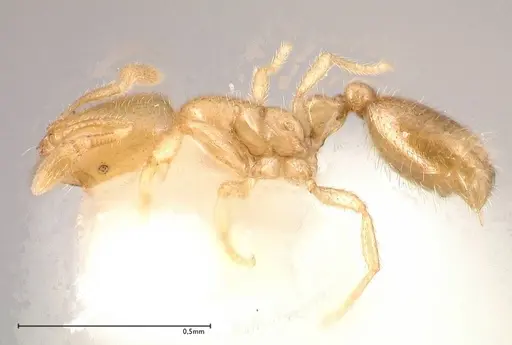
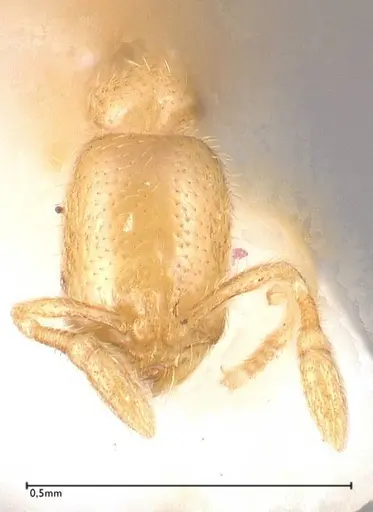
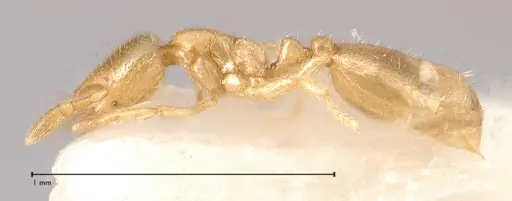
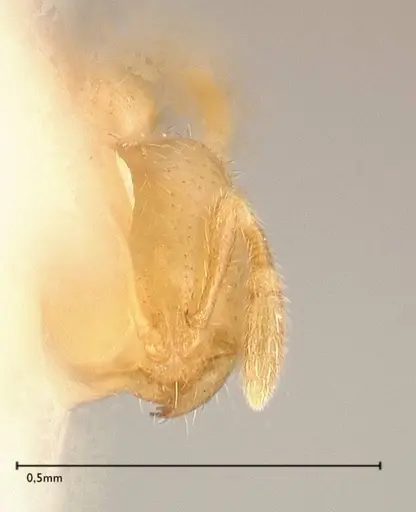
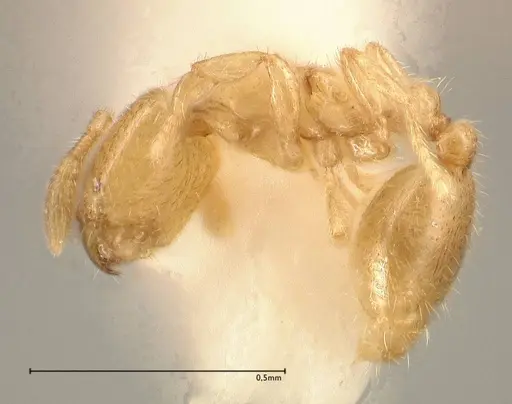
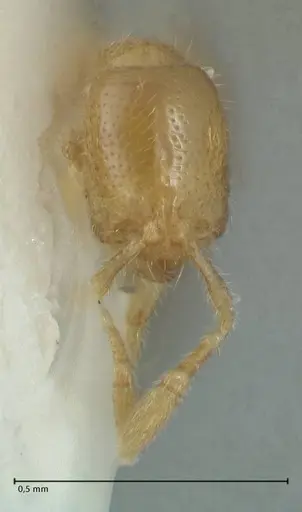
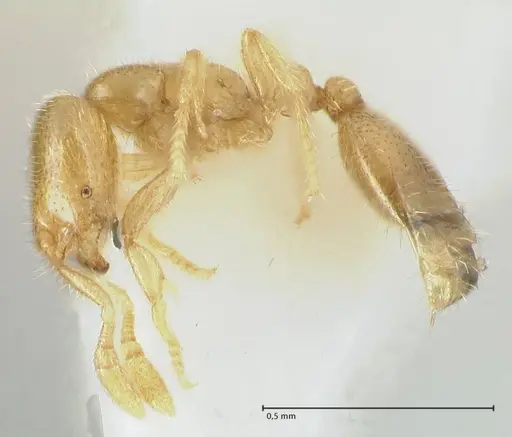
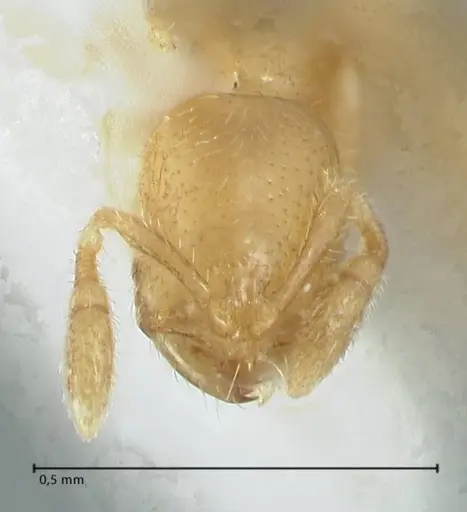
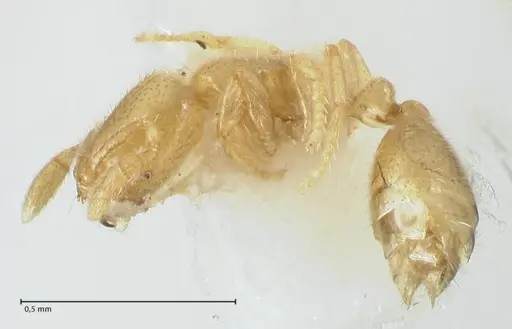
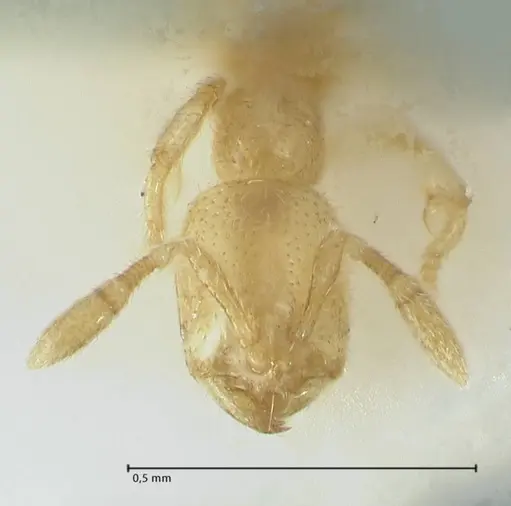
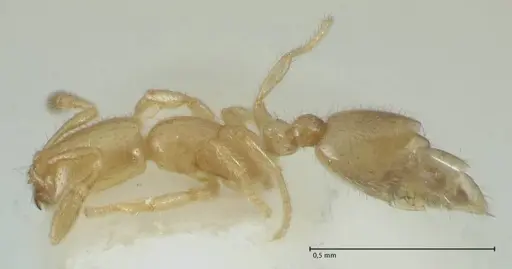
Solenopsis subterranea is an exceptionally tiny thief ant, measuring just 1.02-1.14mm in total length, making it one of the smallest ant species in North America [1]. Workers have an elongated, coarsely punctated head with minute eyes that are barely visible, and short erect hairs covering their head and mesosoma. They belong to the Solenopsis pygmaea species complex, a group of minute thief ants known for their small size and subterranean lifestyle [1].
This species is rarely seen above ground because it lives almost entirely underground. Researchers catch them using subterranean bait traps placed 10cm deep in the soil [1]. Their distribution stretches from Louisiana and Texas through Central America (Guatemala, Honduras, Costa Rica, Mexico) down to South America (Colombia, Venezuela) [2][3][4].
Quick Summary
- Difficulty: Hard
- Origin & Habitat: Found from Texas and Louisiana south through Central America to Colombia and Venezuela. In the US they inhabit open grassy areas in oak forests, while in Venezuela they live in brushy grasslands and in Mexico they prefer weedy areas in pine and hardwood forests [1]. This is a fully subterranean species that nests and forages underground.
- Colony Type: Colony structure is not well documented. Only worker castes have been collected, no queens or males have been described in the scientific literature. Based on related species in the Solenopsis pygmaea complex, they likely form small colonies with single queens.
- Size & Growth:
- Queen: Unknown, no queens have been described in scientific literature [1]
- Worker: 1.02-1.14mm total length (very small) [1]
- Colony: Likely small, probably under 100 workers based on related pygmaea complex species
- Growth: Unknown, likely moderate based on related species
- Development: Estimated 6-8 weeks at warm temperatures based on related Solenopsis species (Direct development data not available for this species. Estimates based on genus-level patterns for small Solenopsis.)
- Antkeeping:
- Temperature: Keep at 24-28°C. These are warm-climate ants from tropical and subtropical regions. A gentle heat gradient allows them to regulate their temperature.
- Humidity: High humidity is essential. They are subterranean ants that naturally live in damp soil. Keep the nest substrate consistently moist but not waterlogged.
- Diapause: Likely minimal or no true diapause given their tropical distribution. They may show reduced activity in cooler months but probably don't require hibernation.
- Nesting: Y-tong (AAC) nests or plaster nests work well. They need a compact nest with small chambers scaled to their tiny size. A layer of moist soil or sand as substrate helps maintain humidity.
- Behavior: These ants are extremely small and nearly blind, with eyes that have only a single ommatidium. They are shy and reclusive, spending most of their time underground. As thief ants, they likely raid the nests of other ant species for brood and food. Their tiny size means escape prevention must be excellent, they can squeeze through the smallest gaps. They are not aggressive and will flee from threats.
- Common Issues: Their extreme tiny size makes them difficult to house and feed, standard ant keeping equipment may be too large, Escape prevention is critical, they can squeeze through gaps invisible to the naked eye, High humidity requirements can lead to mold problems if ventilation is poor, Limited information on captive care means keepers are largely experimenting, Finding appropriately sized live prey is challenging, they need micro-prey like springtails and micro-arthropods
Housing and Nest Setup
Housing Solenopsis subterranea presents unique challenges due to their extremely small size. Standard test tubes and formicarium chambers are often too large for these tiny ants. Y-tong (AAC) nests with the smallest available chambers work best, or you can create a custom setup with very narrow passages. A naturalistic setup with a shallow container of moist soil or sand mimics their natural subterranean habitat well. The nest chamber should be barely larger than a few workers at a time, these ants don't need spacious accommodations. Use fine mesh (at least 0.5mm or finer) on all openings because they can escape through gaps that seem impossibly small. A humidity chamber or water reservoir connected to the nest helps maintain the moisture they need. [1]
Feeding and Diet
As thief ants, Solenopsis subterranea likely raids the nests of other ant species and feeds on their brood, but they also probably consume small insects and honeydew like other Solenopsis species. In captivity, you should offer tiny live prey, springtails are an ideal size, as are very small fruit flies and micro-arthropods. They may accept small pieces of insects but their tiny size limits what they can handle. Sugar sources like diluted honey or sugar water may be accepted, but their small size makes foraging on liquid difficult. Offer food in very small quantities and remove uneaten food promptly to prevent mold in the humid setup they require. [1]
Temperature and Humidity
These ants come from warm regions (Texas to South America) so they need temperatures in the 24-28°C range. A heating cable on one side of the nest creates a temperature gradient they can choose from. They are subterranean, meaning they naturally live in damp soil conditions. Keep the nest substrate consistently moist, think of the damp earth several inches below the surface. A humidity level around 70-80% is ideal. However, balance this with adequate ventilation to prevent mold growth, which can be deadly to small colonies. Use a well-draining substrate that holds moisture without becoming waterlogged. [2][1]
Behavior and Temperament
Solenopsis subterranea is an extremely reclusive species that spends nearly all its time underground. Their tiny eyes (containing only about one ommatidium) suggest they have very limited vision. They are not aggressive and will retreat from threats rather than fight. As a member of the pygmaea complex, they likely exhibit typical thief ant behavior, raiding other ant nests for brood and food. Workers probably forage individually underground rather than in visible trails. Their small colony size and reclusive nature means you'll see less activity than with larger, more visible ant species. This is a species best appreciated for its rarity and unusual biology rather than entertaining behavior. [1]
Frequently Asked Questions
How small are Solenopsis subterranea workers?
Workers are extremely tiny at just 1.02-1.14mm in total length, making them one of the smallest ant species in North America [1].
Can I keep Solenopsis subterranea in a test tube?
Standard test tubes are likely too large for these tiny ants. A Y-tong nest with very small chambers or a custom naturalistic setup with fine substrate works better. The chambers should be barely larger than a few workers.
What do Solenopsis subterranea eat?
They likely accept tiny live prey like springtails, micro-arthropods, and very small fruit flies. As thief ants, they may also raid other ant nests for brood. Sugar sources may be accepted but are not their primary food.
Do Solenopsis subterranea need hibernation?
Probably not. Their range includes tropical and subtropical regions, so they likely don't require a true diapause. They may show reduced activity in cooler months but can be kept at stable warm temperatures year-round.
Are Solenopsis subterranea good for beginners?
No. Their extreme tiny size, specific humidity requirements, and limited available care information make them a species for experienced antkeepers only. Even experts will be largely experimenting with their care.
Where does Solenopsis subterranea live in the wild?
They are fully subterranean, living underground in damp soil. In the US they inhabit open grassy areas in oak forests, while in Central and South America they live in various tropical and subtropical habitats [1].
How do I catch Solenopsis subterranea?
They are rarely collected above ground. Researchers catch them using subterranean bait traps placed about 10cm deep in the soil, baited with small insects like mealworms [1]. Finding a wild colony is extremely difficult.
Why can't I find much information about keeping this ant?
Solenopsis subterranea is one of the least-studied ant species in North America. Only workers have ever been collected, no queens or males have been described. Their captive care has not been documented in antkeeping literature.
How big do colonies get?
Colony size is not well documented, but based on related species in the pygmaea complex, colonies likely remain small, probably under 100 workers. They are not large colony-forming ants.
References

This caresheet is licensed under CC BY-SA 4.0 .
CASENT0005808
View on AntWeb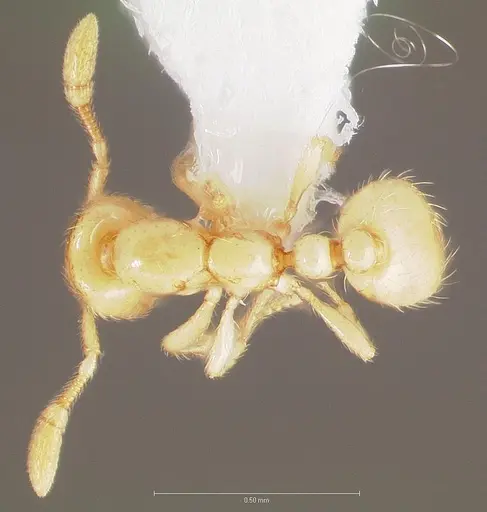
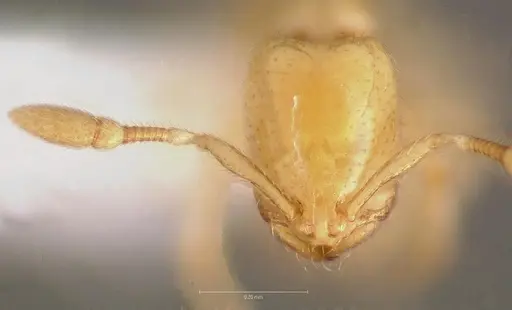
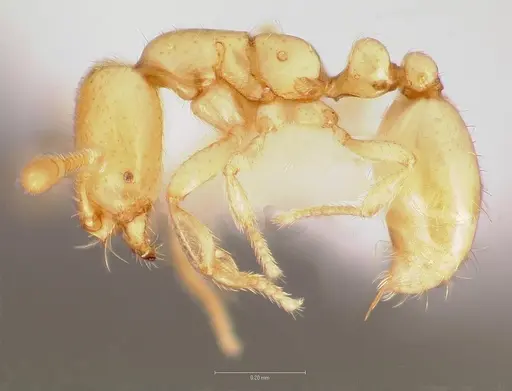
CASENT0100082
View on AntWeb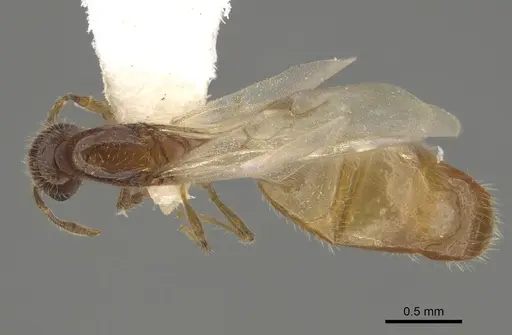
CASENT0104887
View on AntWeb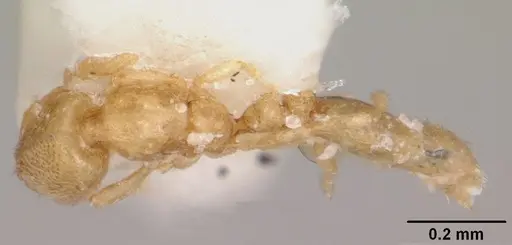
CASENT0844189
View on AntWeb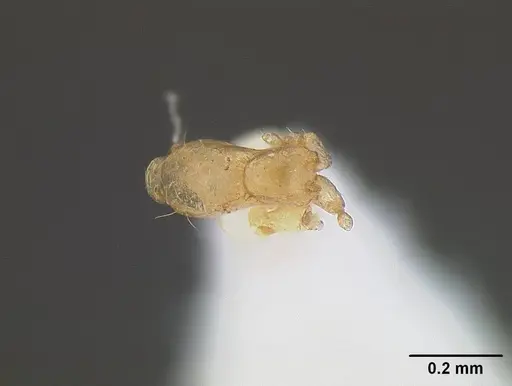
CASENT0882123
View on AntWeb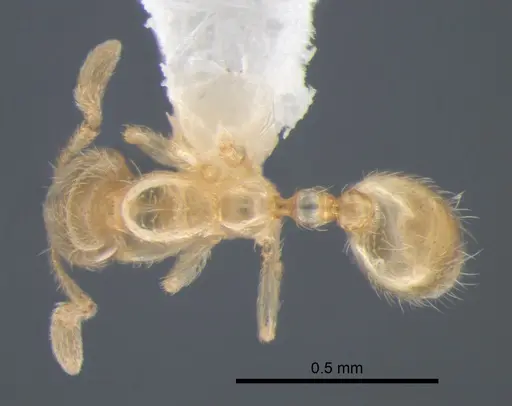
CASENT0884280
View on AntWeb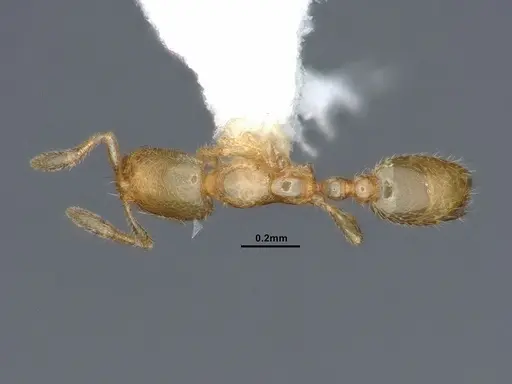
CASENT0902337
View on AntWeb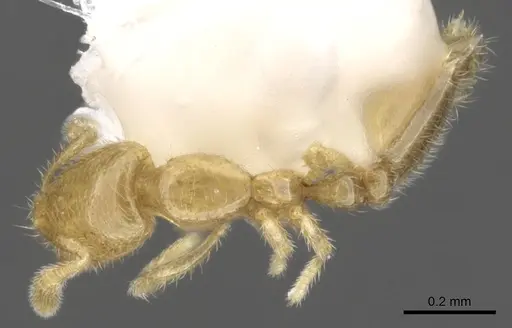
CBUMAGENT42043
View on AntWeb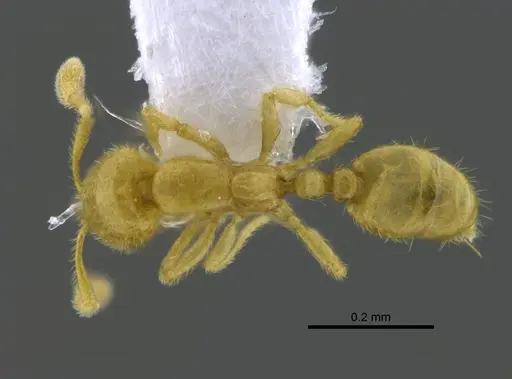
FMNHINS0000049900
View on AntWeb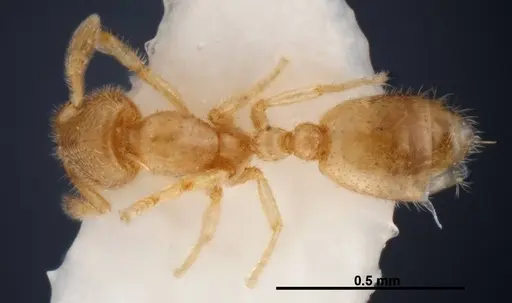
FOCOL0641-1
View on AntWeb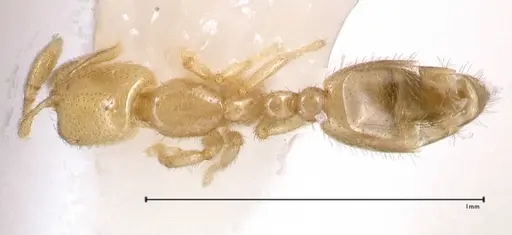
FOCOL0641-2
View on AntWeb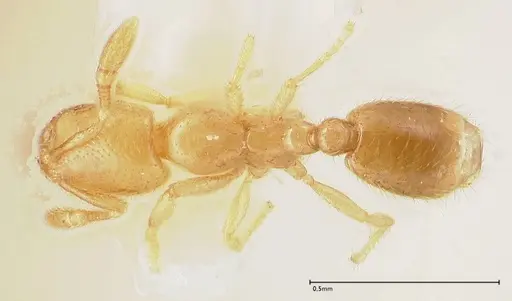
FOCOL0641-3
View on AntWeb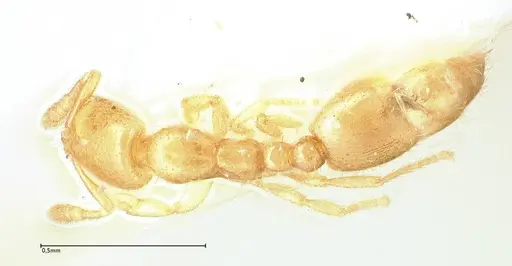
FOCOL0641-4
View on AntWeb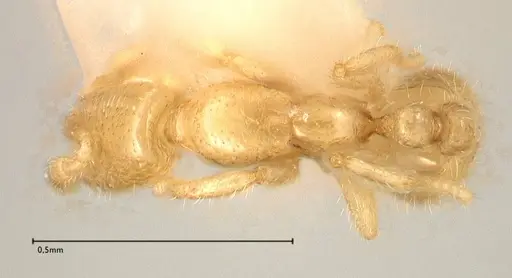
FOCOL1782-1
View on AntWeb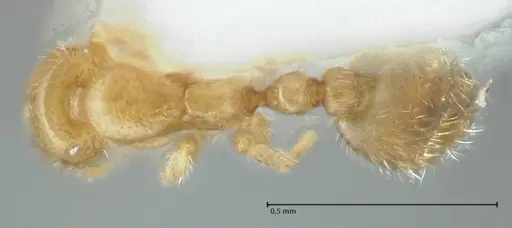
FOCOL1782-2
View on AntWeb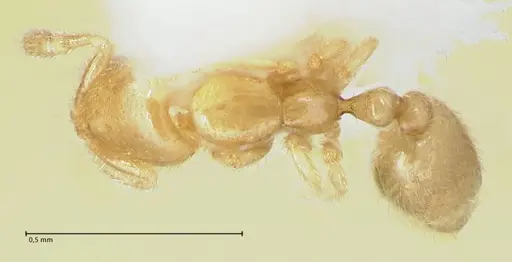
FOCOL1782-3
View on AntWeb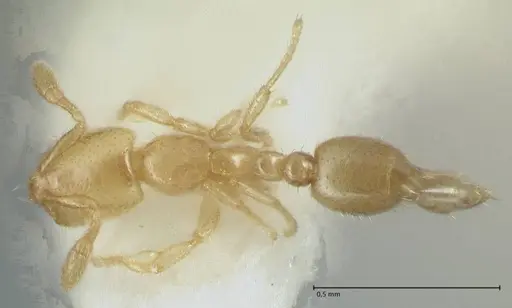
Literature
Loading...Loading products...