

Solenopsis papuana
- Scientific Name
- Solenopsis papuana
- Tribe
- Solenopsidini
- Subfamily
- Myrmicinae
- Author
- Emery, 1900
- Common Name
- Ant
- Distribution
- Found in 8 countries
Solenopsis papuana Overview
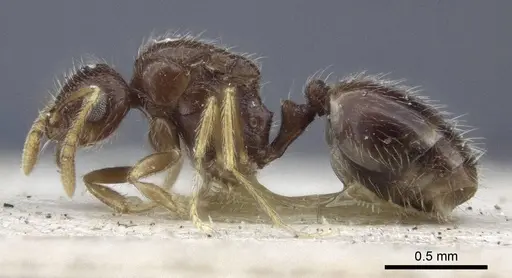
Solenopsis papuana (commonly known as the Ant) is an ant species of the genus Solenopsis. It is primarily documented in 8 countries , including Fiji, Ghana, Guam. Detailed taxonomic data and occurrence records can be further explored via authoritative databases such as AntWeb or the Global Biodiversity Information Facility (GBIF).
Solenopsis papuana - "Ant"
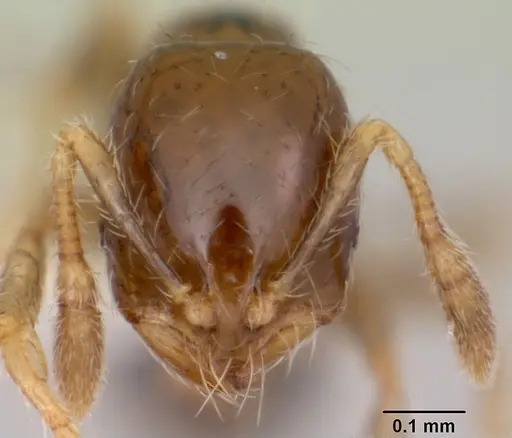
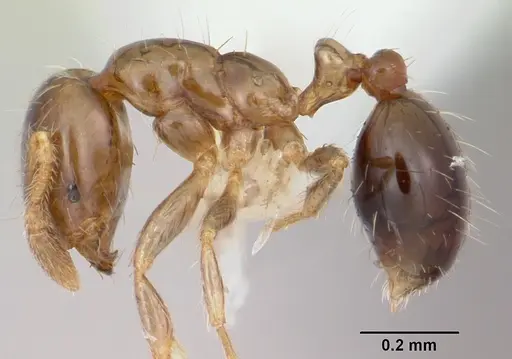
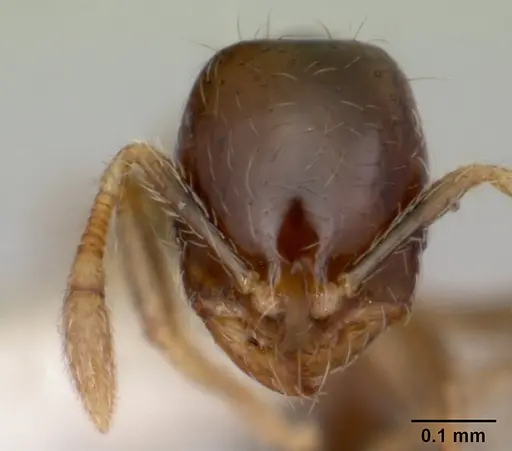
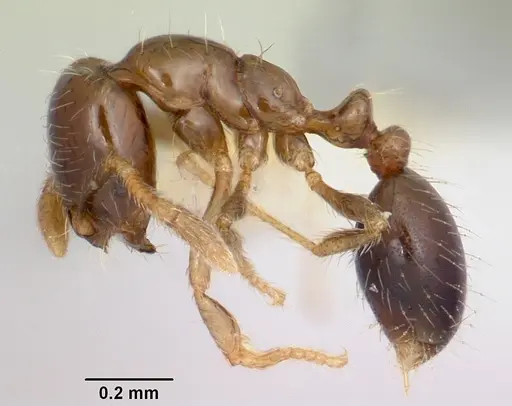
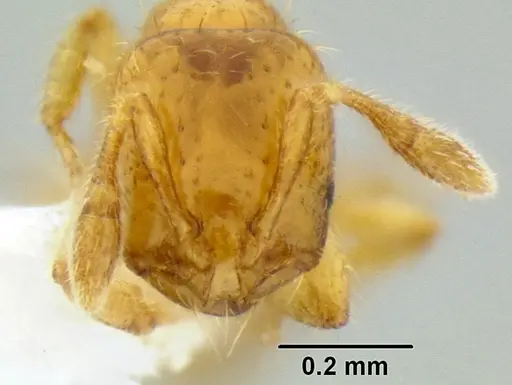
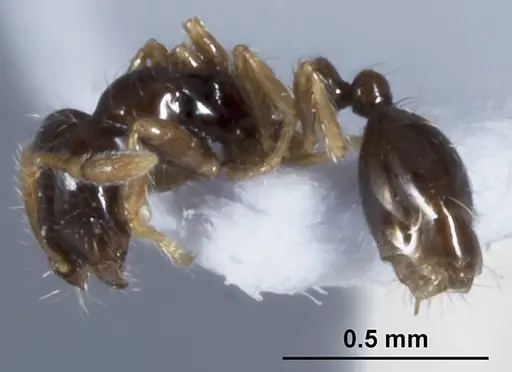
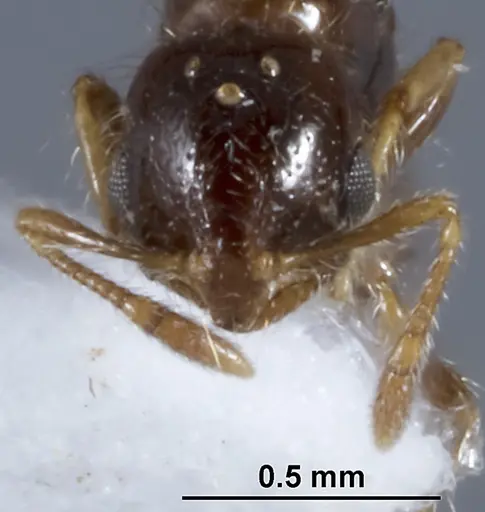
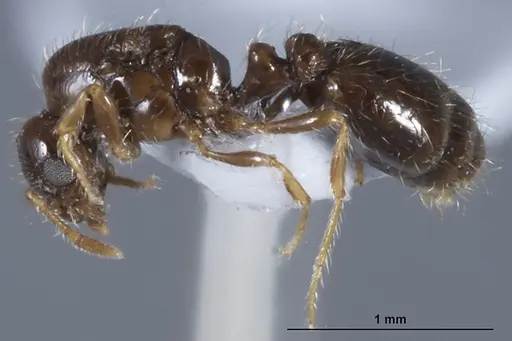
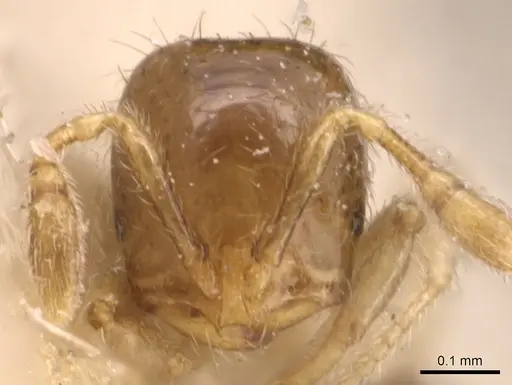
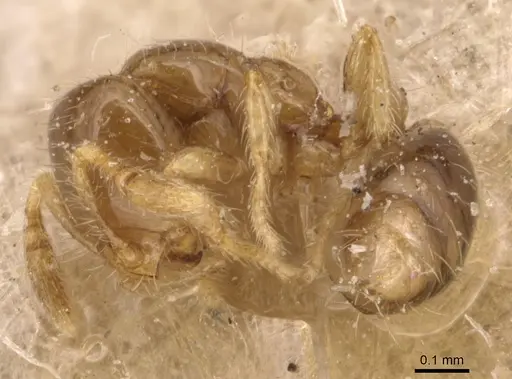
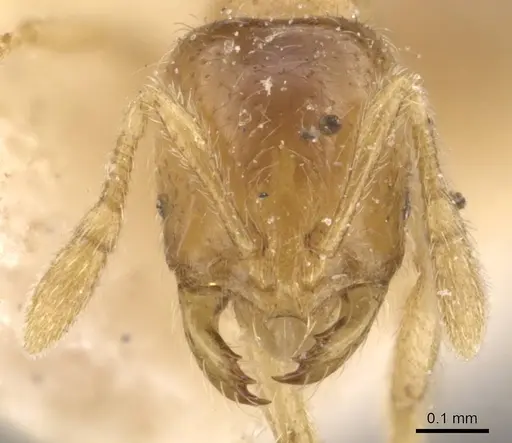
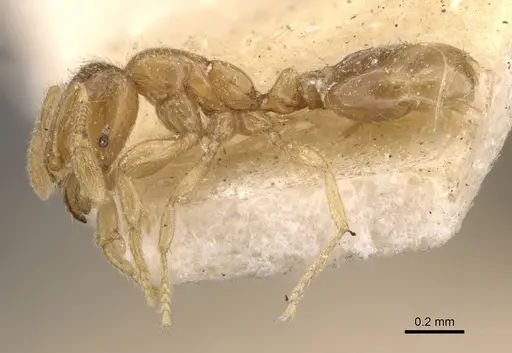
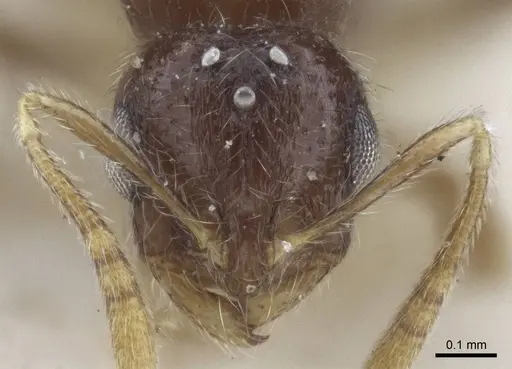
Solenopsis papuana is a tiny ant species native to the Papuan region (Papua New Guinea) that has spread across much of the Pacific. Workers measure approximately 1.5mm and range in color from pale yellow to brownish-yellow or even dark brown, color is quite variable in this species [1][2]. The species gets its 'thief ant' name from its habit of nesting in soil and leaf litter where it forages and scavenges. Queens and males have been described, with workers being monomorphic (all the same size) [3].
This species has become invasive in Hawaii, where it was first detected in 1967 and has since spread to multiple islands including Kauai, Molokai, Lanai, and Hawaii [4]. It is one of the few ant species to successfully infiltrate undisturbed mesic and wet upland forests in Hawaii, reaching high densities in soil and leaf litter [4]. Research has shown that suppressing these ants can increase native Hawaiian picture-winged Drosophila fly reproduction by 2.4-fold, demonstrating their significant impact on native ecosystems [1].
Quick Summary
- Difficulty: Easy
- Origin & Habitat: Native to Papua New Guinea and surrounding Pacific islands. Found across Fiji, Samoa, Tonga, Solomon Islands, French Polynesia, Micronesia, and has been introduced to Hawaii (1967) and possibly Australia [5][6][7]. In its native range, it lives in wet to mesic forests between 300-1,100m elevation, nesting under rocks or wood on the ground [8].
- Colony Type: Polygyne (multiple-queen) colonies can contain over 1,000 workers [8]. This is a ground-nesting species that spends most of its time in soil and leaf litter.
- Colony: Optionally polygyne
- Founding: Claustral
- Size & Growth:
- Queen: Approximately 3-4mm (estimated based on genus)
- Worker: Approximately 1.5mm [1][9]
- Colony: Up to 1,000+ workers in mature colonies [8]
- Growth: Moderate, based on typical Solenopsis development patterns
- Development: Estimated 5-7 weeks at optimal tropical temperatures (around 24-28°C) (Development time inferred from related Solenopsis species. Warm temperatures will accelerate development.)
- Antkeeping:
- Temperature: Keep at 24-28°C, these are tropical ants that prefer warm, stable conditions. Room temperature within this range works well.
- Humidity: Moderate to high (60-80%). Keep the nest substrate consistently moist but not waterlogged. They naturally live in forest floor environments with damp soil and leaf litter.
- Diapause: No, these are tropical ants that do not require hibernation. Maintain warm temperatures year-round.
- Nesting: Ground-nesting species that thrives in setups with moist substrate. Test tubes with a water reservoir work well, or a small naturalistic setup with soil/leaf litter. They prefer dark, humid enclosed spaces.
- Behavior: These ants are generalist feeders, they prey on small insects, scavenge, and tend honeydew-producing insects [1]. They can sting, and while their sting is described as painful in some contexts [10], Hawaii specimens have not caused reported stinging complaints [11]. Workers are active in the soil and leaf litter layer, often approaching food from underneath [4]. They will recruit vigorously to food baits and can defend resources using their stings [2]. Escape prevention is critical due to their tiny 1.5mm size, they can squeeze through very small gaps.
- Common Issues: escape prevention is critical due to tiny 1.5mm size, use fine mesh barriers and tight-fitting lids, tendency to stay in substrate means they may not be visible unless you provide proper foraging space, can form large colonies quickly, ensure adequate space as colony grows, do NOT release in non-native regions, this is an invasive species in Hawaii and Pacific islands, wild-caught colonies may carry parasites that can cause colony failure
Housing and Nest Setup
Solenopsis papuana is a tiny ground-nesting ant that requires careful escape prevention. A test tube setup with a water reservoir works well for founding colonies, use a small diameter tube since these ants are only about 1.5mm. For established colonies, a small formicarium with moist soil or plaster works nicely since they naturally nest in soil and leaf litter. Keep the nest area dark, these ants prefer dim conditions and will be most active when the setup is not in bright light. An outworld for foraging should be provided, but ensure all connections are sealed with fluon or other barrier since they can squeeze through tiny gaps. A small foraging arena is sufficient since they don't travel far from the nest [4].
Feeding and Diet
These ants are generalist feeders that accept a variety of foods. In captivity, they will readily take small live prey like fruit flies, pinhead crickets, and other tiny insects. They also scavenge dead insects and will consume protein-based baits. Sugar sources like honey water or sugar water are accepted, and they will tend honeydew-producing insects in their natural habitat [1]. Feed small amounts every 2-3 days, removing any uneaten prey after 24 hours. Their small size means even tiny prey items are appropriate, don't offer anything larger than they can handle. SPAM and peanut butter have been shown to attract them effectively in field studies [4].
Temperature and Seasonal Care
As a tropical Pacific species, Solenopsis papuana prefers warm temperatures in the range of 24-28°C. They do not require any diapause or winter cooling period, maintain consistent warmth year-round. Room temperature within this range is ideal. If your room is cooler, a heating cable on one side of the nest can provide a gentle warmth gradient. Avoid temperatures below 20°C for extended periods. Since they naturally live in wet to mesic forests, they appreciate humidity but the nest should not be constantly wet, aim for damp substrate rather than saturated. [8][1]
Behavior and Colony Dynamics
This species forms polygyne colonies with multiple queens, which can grow quite large, over 1,000 workers in established colonies [8]. Workers are most active in soil and leaf litter, where they forage and tend to honeydew-producing insects. They will occasionally forage up to 2 meters up tree trunks but are generally ground-dwelling [1]. When food is discovered, they recruit nestmates effectively and will defend resources using their stings [2]. They tend to approach baits from underneath, which is a distinctive foraging behavior [4]. The colony will establish multiple chambers in the substrate as it grows.
Legal and Ethical Considerations
IMPORTANT: Solenopsis papuana is an invasive species in Hawaii and has significant negative impacts on native arthropod populations. It should NEVER be released in non-native regions. If you no longer want your colony, do not release it outdoors, instead, freeze the colony to humanely end it or find another antkeeper who can take it. This species has also been intercepted at New Zealand borders [12][9], highlighting its potential to spread through human travel and trade. Responsible antkeeping means preventing any accidental release.
Frequently Asked Questions
How long does it take for Solenopsis papuana to raise first workers?
Based on typical Solenopsis development patterns, expect approximately 5-7 weeks from egg to first worker at optimal temperatures (24-28°C). The claustral queen will seal herself in and raise the first brood alone using stored fat reserves. Once workers emerge (called nanitics), they will be smaller than mature workers.
Can I keep multiple queens together in one colony?
Yes, Solenopsis papuana is polygyne, meaning colonies naturally have multiple queens. You can introduce multiple foundresses together, though some may eventually be eliminated. The species is adapted to multi-queen colony structure.
What do Solenopsis papuana eat?
They are generalist feeders accepting small live prey (fruit flies, tiny crickets), dead insects, and sugar sources (honey water, sugar water). In the wild they also scavenge and tend honeydew-producing Hemiptera. Feed small prey items every 2-3 days and provide constant access to sugar water.
Are Solenopsis papuana good for beginners?
Yes, they are considered easy to keep due to their tolerance of varying conditions, small colony size at founding, and lack of special overwintering requirements. The main challenges are their tiny size requiring excellent escape prevention, and their invasive status requiring responsible ownership.
How big do Solenopsis papuana colonies get?
Mature colonies can reach over 1,000 workers [8]. They grow moderately fast, expect several months to a year to reach 100+ workers under good conditions. Provide adequate nest space as the colony expands.
Do I need to hibernate Solenopsis papuana?
No, these are tropical ants from the Pacific region and do not require hibernation or diapause. Keep them warm year-round at 24-28°C. They are active throughout the year in their native habitat.
Why are my Solenopsis papuana escaping?
This species is extremely small (only about 1.5mm) and can squeeze through tiny gaps. Use fine mesh (at least 0.5mm or smaller), apply fluon to all connection points, and ensure lids fit tightly. Check all tubing connections and any gaps around the outworld.
What is the best nest type for Solenopsis papuana?
A test tube setup works well for founding colonies. For established colonies, a small formicarium with moist soil or plaster provides the damp, dark environment they prefer. They are ground-nesters that naturally live in soil and leaf litter, so avoid dry, exposed setups.
References

This caresheet is licensed under CC BY-SA 4.0 .
CASENT0103246
View on AntWeb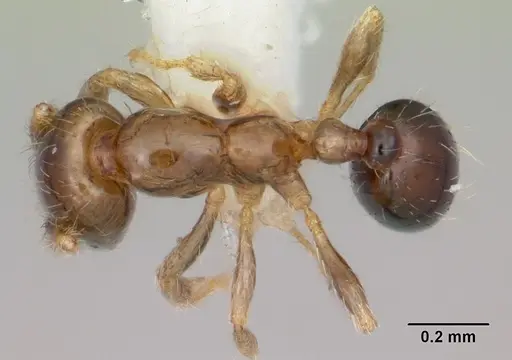
CASENT0103247
View on AntWeb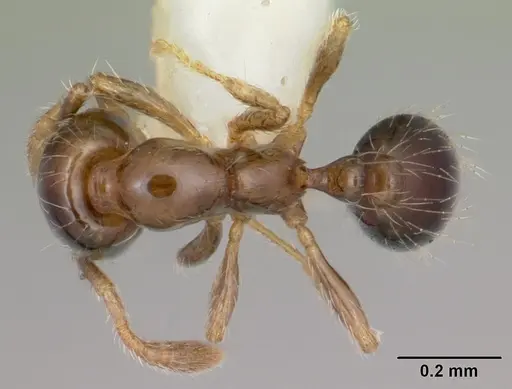
CASENT0106272
View on AntWeb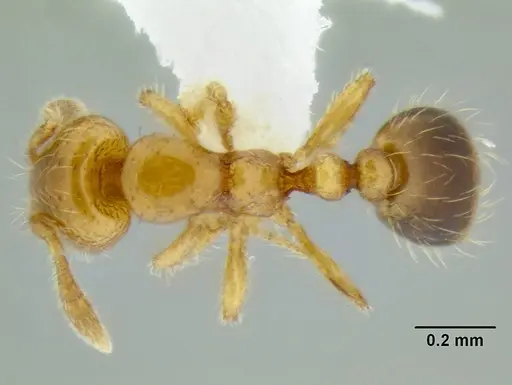
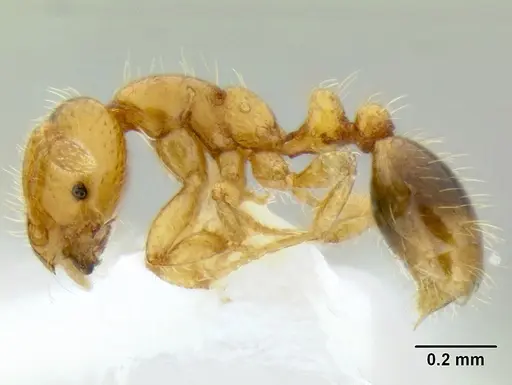
CASENT0171089
View on AntWeb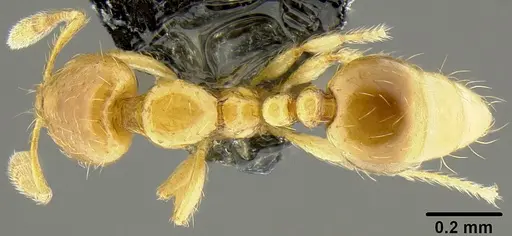
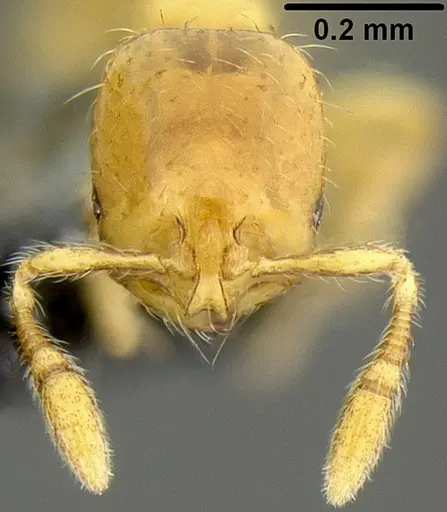
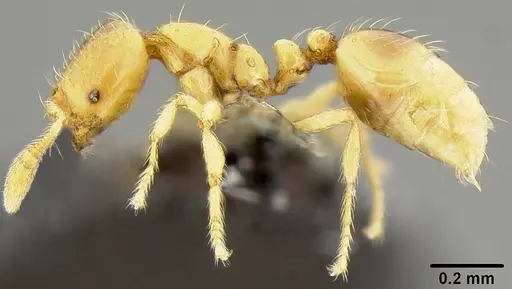
CASENT0178442
View on AntWeb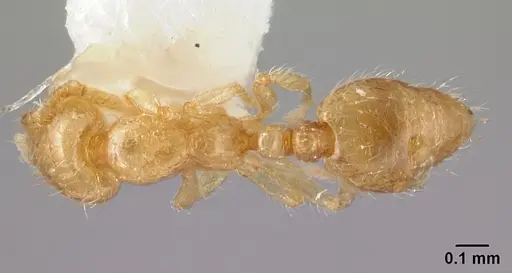
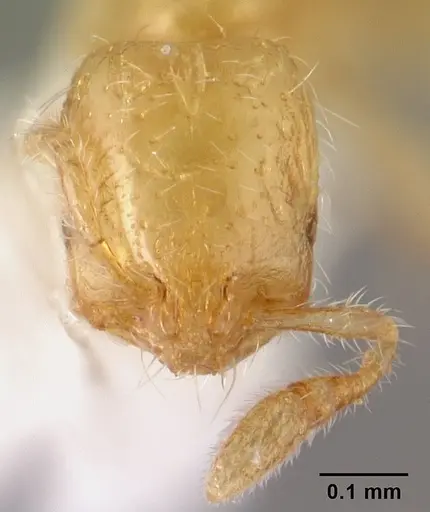
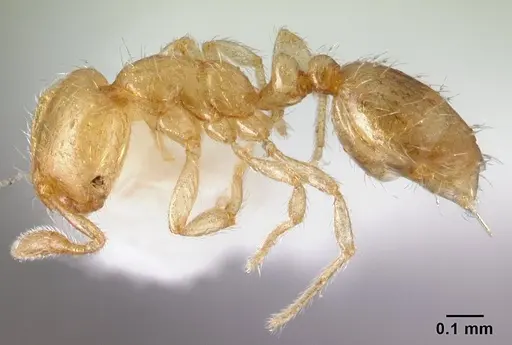
CASENT0199735
View on AntWeb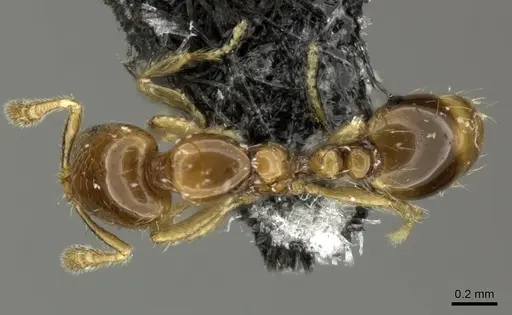
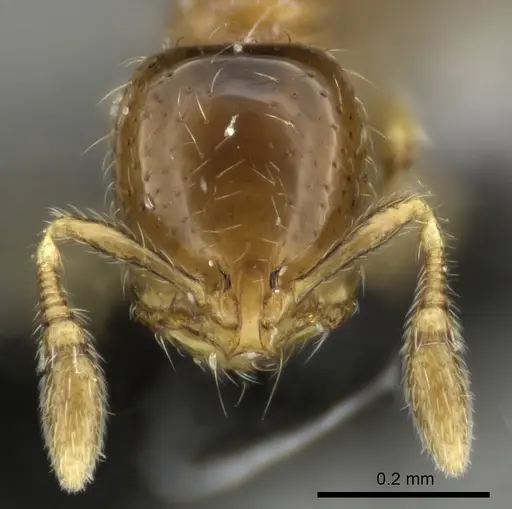
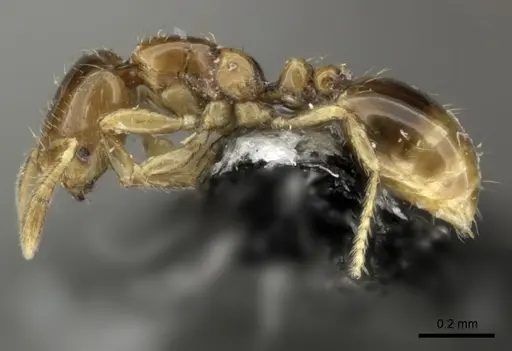
CASENT0872756
View on AntWeb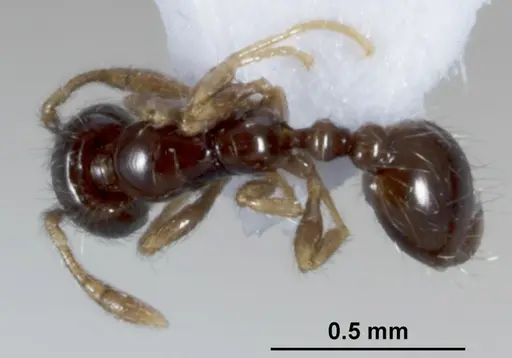
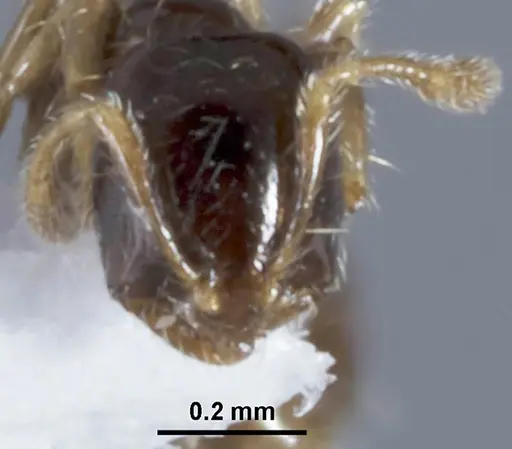
CASENT0872757
View on AntWeb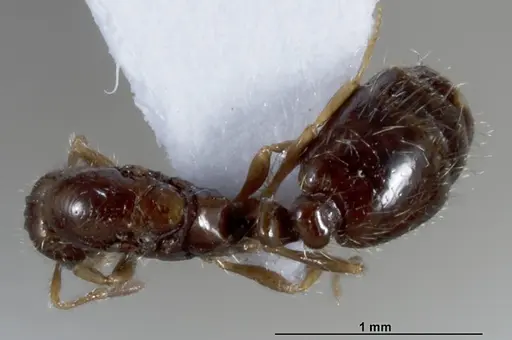
CASENT0904638
View on AntWeb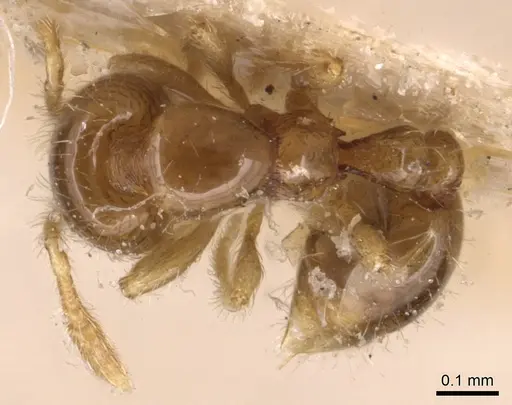
CASENT0908875
View on AntWeb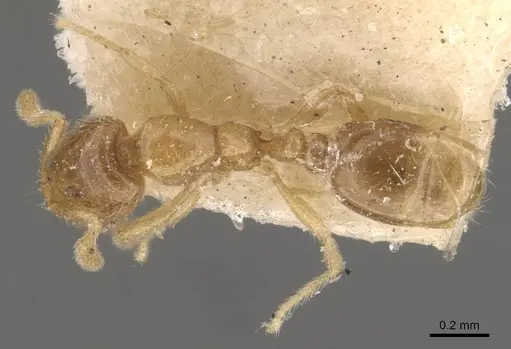
CASENT0916609
View on AntWeb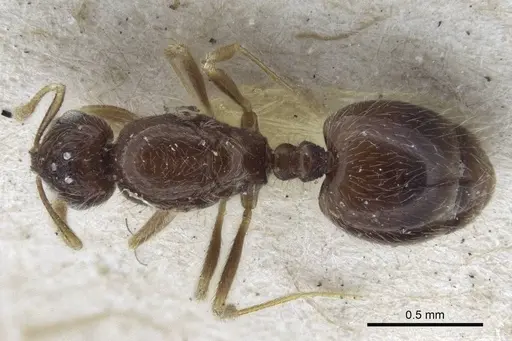
Literature
Loading...Loading products...