

Solenopsis overbecki
- Scientific Name
- Solenopsis overbecki
- Tribe
- Solenopsidini
- Subfamily
- Myrmicinae
- Author
- Viehmeyer, 1916
- Distribution
- Found in 1 countries
Solenopsis overbecki Overview
Solenopsis overbecki is an ant species of the genus Solenopsis. It is primarily documented in 1 countries , including Singapore. Detailed taxonomic data and occurrence records can be further explored via authoritative databases such as AntWeb or the Global Biodiversity Information Facility (GBIF).
Solenopsis overbecki
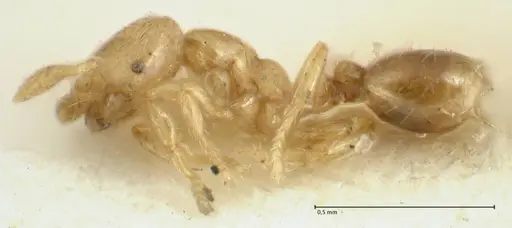
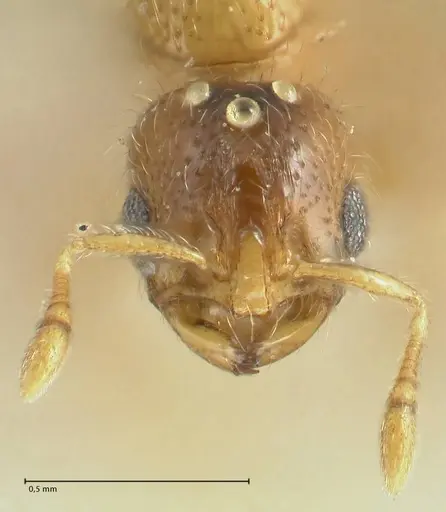
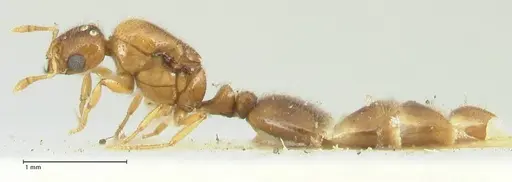
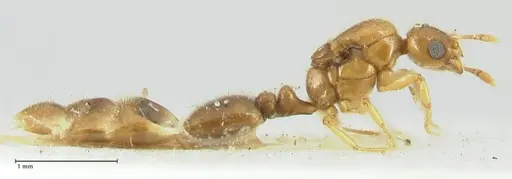
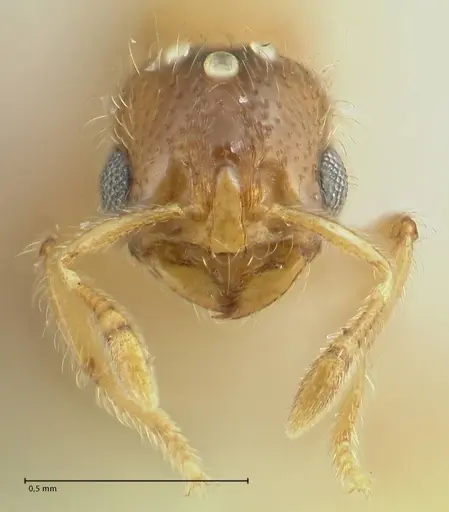
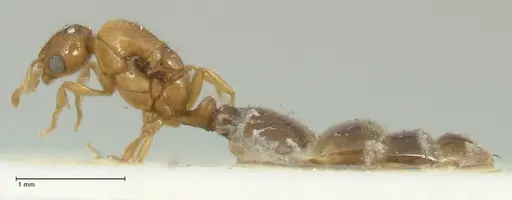
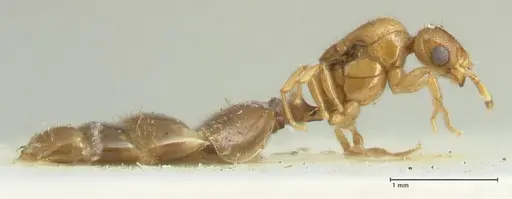
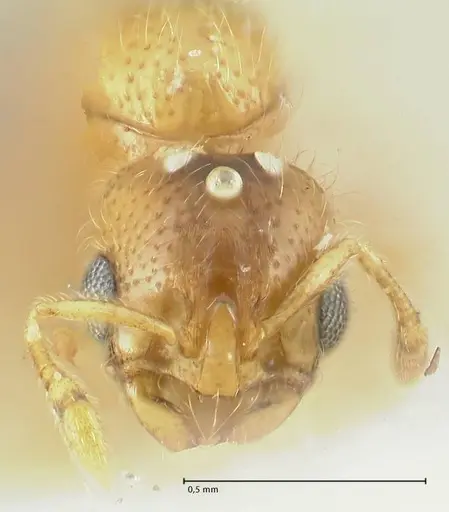
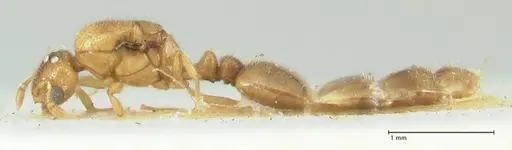
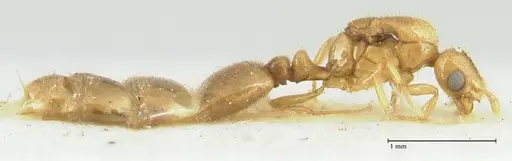
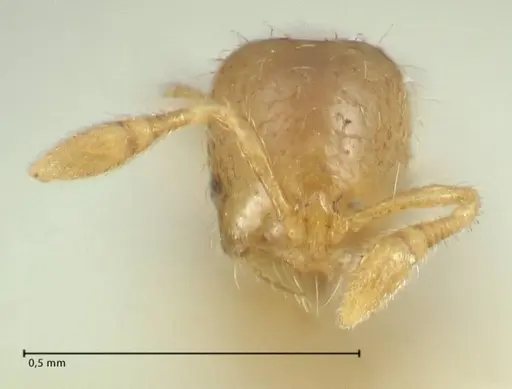
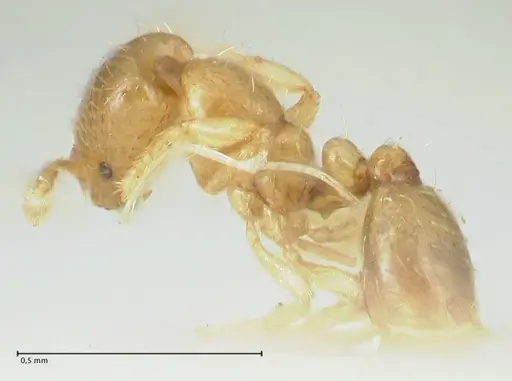
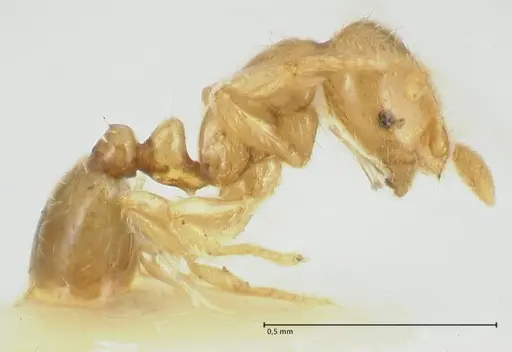
Solenopsis overbecki is a tiny ant species native to Singapore, first described by Viehmeyer in 1916. Workers are small and reddish-brown, typically measuring 2-4mm. This species nests in narrow passages within rotting wood and branches lying on the ground, preferring damp, shaded microhabitats in tropical forest environments. The colony structure is polygynous, meaning multiple queens coexist in a single nest, a notable trait for antkeepers to understand when housing them [1][2].
Quick Summary
- Difficulty: Medium
- Origin & Habitat: Singapore (Indomalaya Region), found in rotting wood branches on the ground in tropical forest habitats [1][2]
- Colony Type: Polygynous, colonies contain multiple queens (documented with 4 wingless queens) that coexist in the same nest [1][2]
- Colony: Polygyne
- Size & Growth:
- Queen: Estimated 4-5mm based on genus patterns
- Worker: Estimated 2-4mm based on genus patterns
- Colony: Unknown, likely small to moderate sized colonies typical of tropical Solenopsis
- Growth: Moderate, inferred from tropical species development patterns
- Development: Estimated 4-6 weeks at 26-28°C based on typical Solenopsis development (Development time is estimated from related tropical Solenopsis species, specific data for S. overbecki is not available)
- Antkeeping:
- Temperature: Keep at 26-28°C, these are tropical ants from Singapore requiring warm conditions year-round. A heating cable on one side of the nest creates a suitable gradient.
- Humidity: High humidity required, think damp forest floor. Keep the nest substrate consistently moist but not waterlogged. The nesting wood should retain moisture well.
- Diapause: No, as a tropical species from Singapore, they do not require hibernation. Maintain warm conditions year-round.
- Nesting: These ants naturally nest in rotting wood with narrow passages. In captivity, a Y-tong (AAC) nest or plaster nest works well, both hold moisture and provide the tight chambers these tiny ants prefer. Avoid dry, airy setups.
- Behavior: Solenopsis are small ants with a sting, use excellent escape prevention regardless of behavior. They are typically less aggressive than their fire ant relatives but will defend if threatened. Workers are active foragers, likely hunting small prey and collecting honeydew. Their tiny size means they can squeeze through very small gaps, fine mesh barriers are essential.
- Common Issues: escape prevention is critical, they are tiny and can squeeze through the smallest gaps, tropical warmth must be maintained year-round, cool temperatures will slow or stop colony development, wild-caught colonies may have parasites that can devastate captive colonies, overheating is a risk, direct sunlight or heating cables too close can kill colonies, small colony size makes them vulnerable, stress from disturbance can cause queen death
Housing and Nest Setup
Solenopsis overbecki naturally nests in rotting wood with narrow passages, so your setup should mimic this. A Y-tong (AAC) nest works excellently, the porous ceramic holds moisture well and provides the tight chambers these tiny ants prefer. Plaster nests are another good option for the same reasons. Test tubes can work for founding colonies but may need upgrading as the colony grows. The key is maintaining humidity while preventing escapes, these ants are tiny and determined. Use fluon on the rim and fine mesh on any ventilation holes. [1][2]
Temperature and Heating
As a tropical species from Singapore, S. overbecki needs warm conditions year-round. Aim for 26-28°C in the nest area. Room temperature may be sufficient if your home stays in this range, otherwise use a heating cable placed on top of the nest (not underneath, excessive bottom heat can dry out the nest too quickly). Create a gentle temperature gradient so ants can move between warmer and cooler areas. Avoid direct sunlight which can cause dangerous hot spots. Cold temperatures will slow or stop brood development entirely.
Feeding and Diet
Like most Solenopsis species, these ants are omnivorous. They likely accept small live prey like fruit flies, pinhead crickets, and other tiny insects. Sugar sources are also important, offer diluted honey, sugar water, or honeydew. Feed small amounts every 2-3 days and remove uneaten food to prevent mold. For a newly founded colony, a drop of honey nearby the test tube often gets accepted quickly. Protein should be offered 2-3 times per week for growing colonies.
Colony Structure and Multi-Queen Care
This species is polygynous, colonies naturally have multiple queens. This is unusual compared to many ant species and affects how you house them. Unlike monogyne species where extra queens must be removed, multiple S. overbecki queens can coexist peacefully. When starting a colony, you might even be able to introduce multiple foundresses together. However, established colonies may be sensitive to disturbance, so avoid frequent nest inspections. The presence of multiple queens can help the colony survive if one queen dies, making them somewhat more resilient than single-queen species [1][2].
Escape Prevention
Escape prevention is absolutely critical with this species. Their tiny worker size (2-4mm) means they can squeeze through gaps that would stop larger ants. Use fluon (insect barrier) on all rim surfaces, cover ventilation holes with fine mesh (at least 0.5mm), and check all connections between nest parts regularly. Even a tiny gap at a tube connection can become an escape route. When feeding, do so in the outworld and remove prey remains promptly. A moat of water or fluon around the nest entrance adds another barrier layer.
Frequently Asked Questions
How long does it take for Solenopsis overbecki to get their first workers?
Based on typical Solenopsis development, expect first workers (nanitics) in about 4-6 weeks at optimal temperatures of 26-28°C. This timeline is an estimate since specific development data for S. overbecki is not available. Cooler temperatures will significantly slow development.
Can I keep multiple queens together in one colony?
Yes, this is actually recommended for S. overbecki. They are naturally polygynous, meaning colonies have multiple queens. Unlike many species where extra queens fight, these queens coexist peacefully. You can try introducing multiple foundresses together during colony founding [1][2].
What temperature do Solenopsis overbecki need?
Keep them at 26-28°C year-round. As a tropical species from Singapore, they do not tolerate cool temperatures well. If your room temperature is below this range, use a heating cable on top of the nest to maintain warmth. Avoid temperatures below 22°C for extended periods.
Do Solenopsis overbecki need hibernation?
No, they do not need hibernation. As a tropical species from Singapore, they expect warm conditions year-round. Maintain temperatures of 26-28°C throughout the year. Attempting to cool them for winter will likely harm or kill the colony.
What do Solenopsis overbecki eat?
They are omnivorous. Offer small live prey like fruit flies, pinhead crickets, or other tiny insects 2-3 times per week. Also provide sugar sources like diluted honey or sugar water constantly. Remove uneaten food promptly to prevent mold.
Are Solenopsis overbecki good for beginners?
They are intermediate difficulty. The main challenges are escape prevention (due to their tiny size) and maintaining tropical warmth year-round. If you can provide consistent heat and have experience with escape-prone tiny ants, they can be rewarding. Their polygynous nature actually makes them more forgiving than some species.
How big do Solenopsis overbecki colonies get?
Colony size is not well documented, but based on related species, they likely reach dozens to a few hundred workers. They are not among the largest Solenopsis species. Growth rate is moderate, expect several months to reach significant numbers.
When should I move my colony to a formicarium?
Wait until the colony has at least 20-30 workers before moving. For Solenopsis, this often means 6-12 months after founding. Moving too early can stress the colony. Use a formicarium with good moisture retention like Y-tong or plaster.
Why are my Solenopsis overbecki escaping?
They are naturally tiny and excellent escape artists. Check all connection points, use fluon on rims, and ensure ventilation holes have fine mesh (0.5mm or smaller). Even tiny gaps at tube connections can allow escapes. Inspect your setup daily and seal any gaps immediately.
References

This caresheet is licensed under CC BY-SA 4.0 .
CASENT0908878
View on AntWeb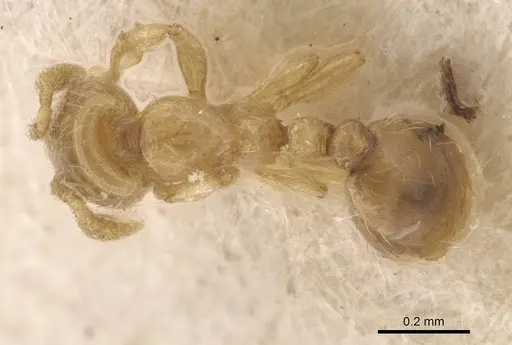
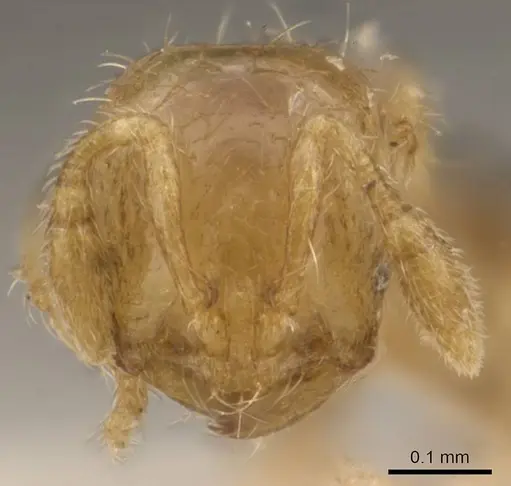
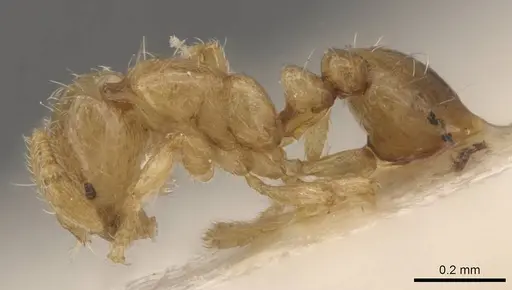
FOCOL1870
View on AntWeb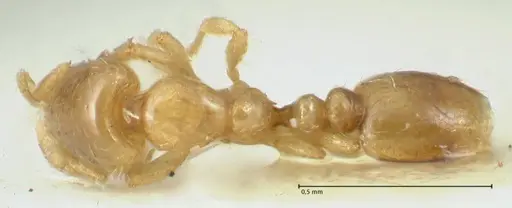
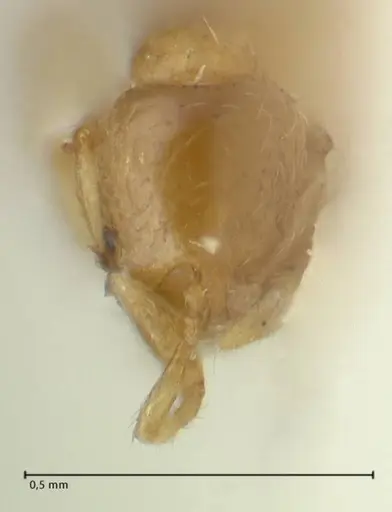
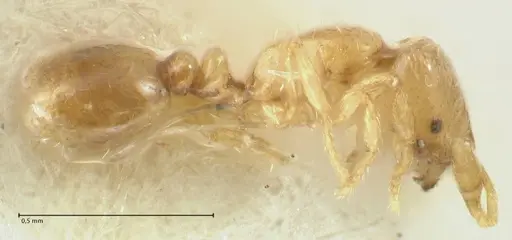
FOCOL1871
View on AntWeb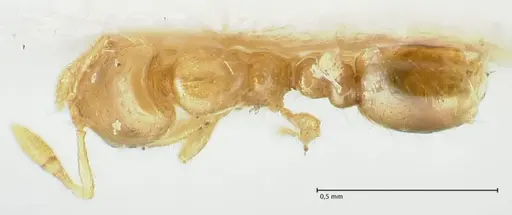
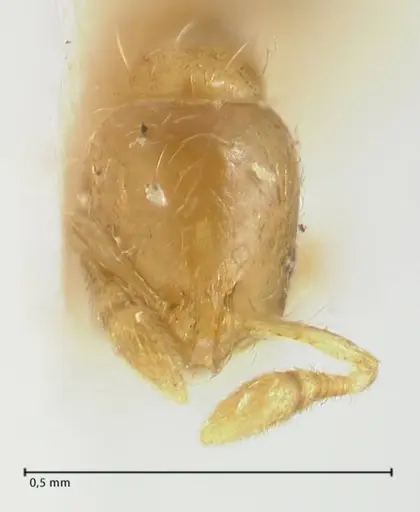
FOCOL1872
View on AntWeb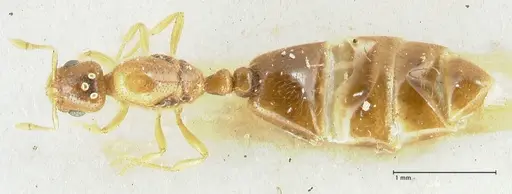
FOCOL1873
View on AntWeb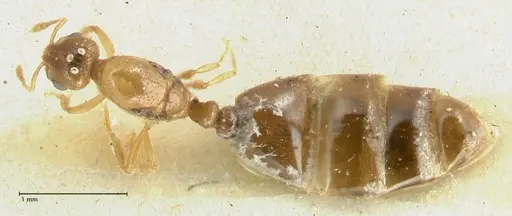
FOCOL1874
View on AntWeb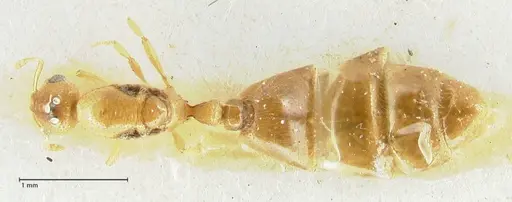
FOCOL1875
View on AntWeb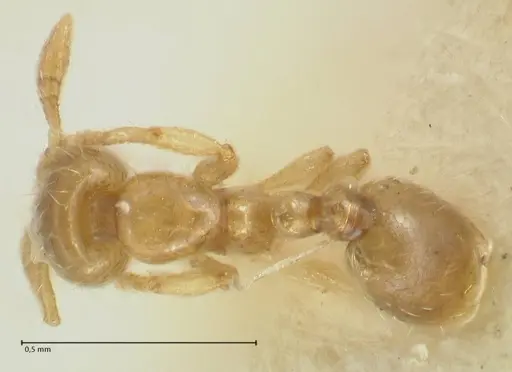
Literature
Loading...Loading products...