

Solenopsis orbula
- Scientific Name
- Solenopsis orbula
- Tribe
- Solenopsidini
- Subfamily
- Myrmicinae
- Author
- Emery, 1875
- Distribution
- Found in 4 countries
Solenopsis orbula Overview
Solenopsis orbula is an ant species of the genus Solenopsis. It is primarily documented in 4 countries , including Spain, France, Greece. Detailed taxonomic data and occurrence records can be further explored via authoritative databases such as AntWeb or the Global Biodiversity Information Facility (GBIF).
Solenopsis orbula
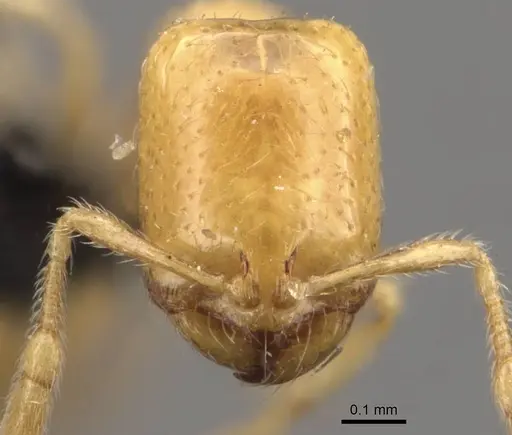
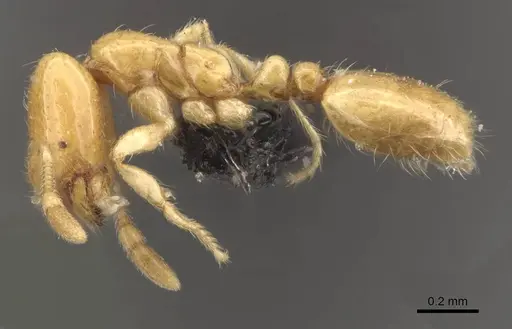
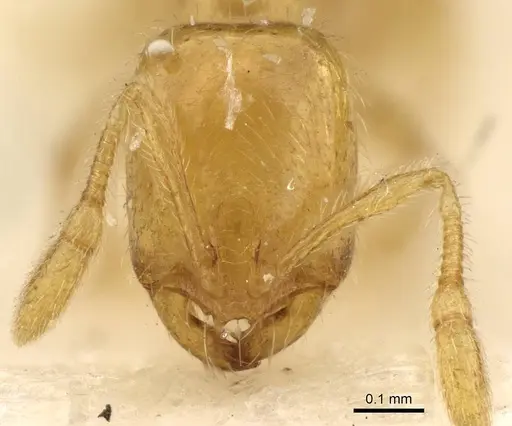
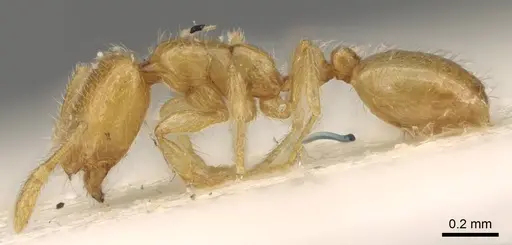
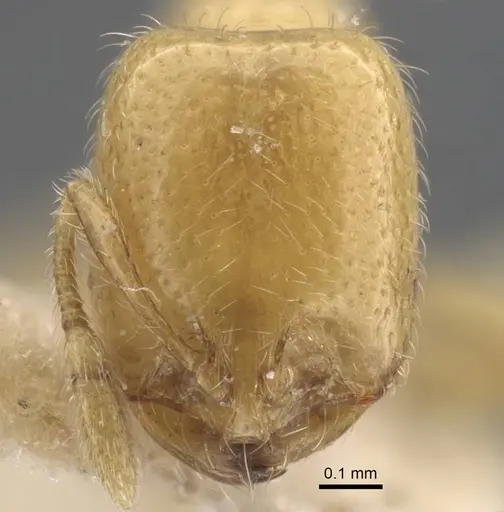
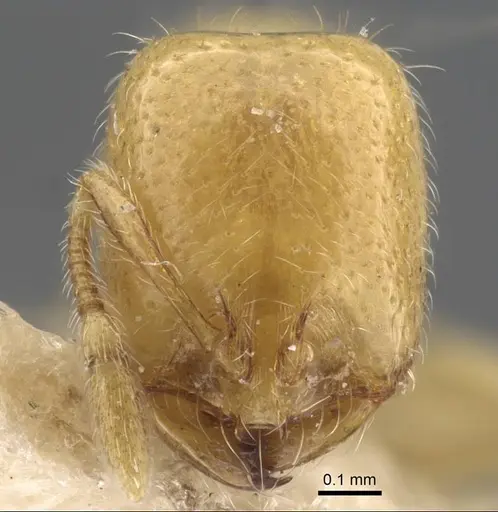
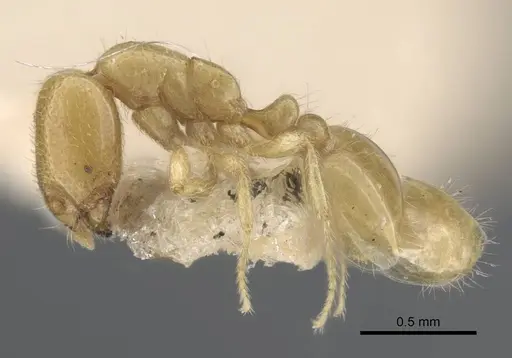
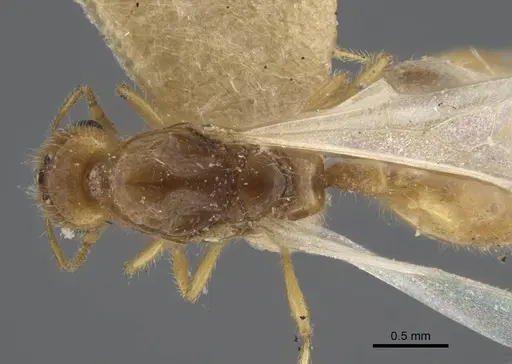
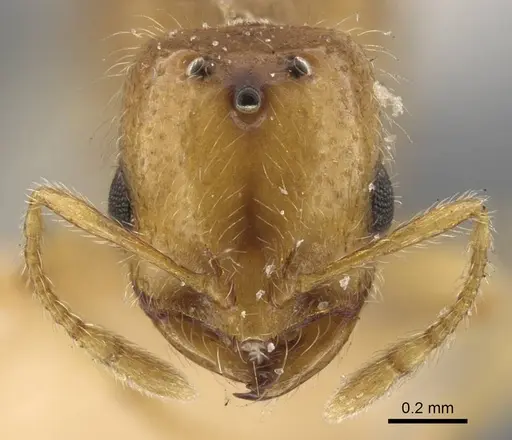
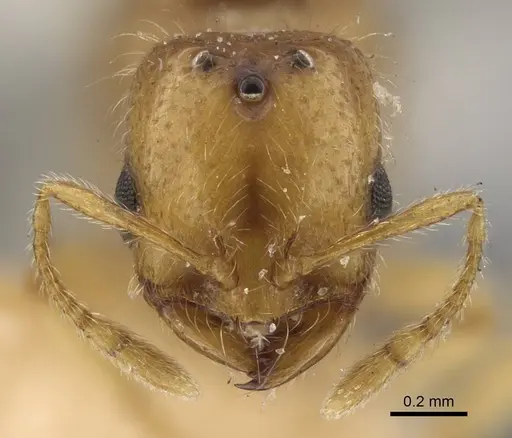
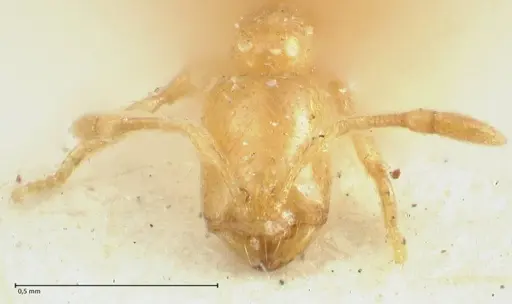
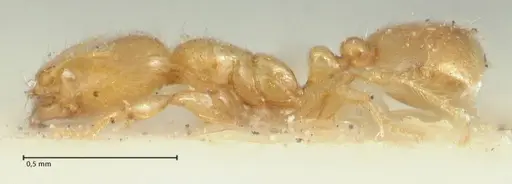
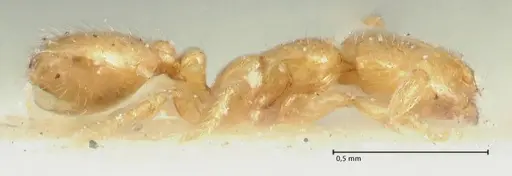
Solenopsis orbula is a tiny Mediterranean ant species originally described from Corsica by Emery in 1875. Workers measure just 1-1.5mm and are remarkably small even for thief ants, one of the smallest ant species in Europe [1]. They have distinctive elongated, rectangular-shaped heads, with the largest workers developing contrasting dark heads that stand out against their otherwise yellowish bodies [2][3]. This species belongs to the orbula group, characterized by exceptionally small queens and males [3]. Found across the Mediterranean region from Spain and France through Italy, Malta, Albania, Turkey, and into the Middle East (Israel), they prefer humid areas with vegetation and typically nest under stones [4][2].
Quick Summary
- Difficulty: Medium
- Origin & Habitat: Mediterranean region including Corsica, Sardinia, Sicily, Spain, France, Albania, Turkey, Israel, Malta, and North Africa. They inhabit humid areas overgrown with bushes or deciduous trees and nest under stones [4][2].
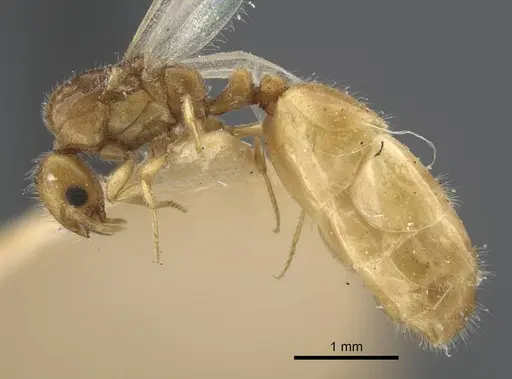
- Colony Type: Monogyne, colonies have a single queen [4]. The queen is small-sized with a remarkably thin mesosoma and elongated rectangular-shaped head [2].
- Colony: Monogyne
- Size & Growth:
- Queen: Queen head width 0.62-0.63mm, mesosoma length 1.94mm [3]. Small queen caste with thin mesosoma [2].
- Worker: 1-1.5mm [1]. Workers are polymorphic with major workers having darker heads [2][3].
- Colony: Unknown maximum, likely small colonies typical of tiny Solenopsis species.
- Growth: Moderate, inferred from small colony size typical of the genus.
- Development: Estimated 6-8 weeks at optimal temperature based on related Solenopsis species. (Development time inferred from genus patterns, no specific data available for this species.)
- Antkeeping:
- Temperature: Keep at room temperature around 20-24°C. As a Mediterranean species, they prefer warmth but can tolerate typical indoor temperatures. Provide a gentle heat gradient if possible.
- Humidity: Moderate to high humidity. In nature they inhabit humid areas with vegetation [4]. Keep the nest substrate moist but not waterlogged, with some drier areas for the ants to choose from.
- Diapause: Unknown, Mediterranean species may have reduced activity in winter but diapause requirements are unconfirmed.
- Nesting: Natural nesting under stones in humid areas. In captivity, they do well in test tubes or small acrylic nests with moist substrate. Their tiny size means they need tight chambers and excellent escape prevention.
- Behavior: As thief ants, they are likely secretive and forage in small spaces. They are small and non-aggressive toward humans, these ants cannot sting and pose no danger. Their tiny size makes them excellent escape artists, use fine mesh barriers and tight-fitting lids. They are rarely aggressive and will typically flee from disturbance.
- Common Issues: escape prevention is critical due to their very small 1-1.5mm size, they can squeeze through standard barrier gaps, colonies remain small, don't expect large worker populations, wild-caught colonies may have parasites given their rarity, humidity requirements must be balanced, too dry causes desiccation, too wet causes drowning in tiny test tube setups, slow growth means patience is required, don't overfeed or disturb founding colonies
Housing and Nest Setup
Solenopsis orbula is an excellent candidate for test tube setups given their tiny 1-1.5mm worker size. Use standard test tubes with a water reservoir, the small diameter suits their miniature stature. Because they nest under stones in the wild, they do well in naturalistic setups with flat stones placed on moist soil or plaster nests with narrow chambers [4]. Escape prevention is absolutely critical, these ants will squeeze through gaps that seem impossible. Use fluon on container edges and ensure all ventilation holes have fine mesh (at least 0.3mm). A small outworld area for feeding is sufficient since they don't travel far. Keep the nest area humid but provide a dry outworld area where they can forage.
Feeding and Diet
Like other Solenopsis species, Solenopsis orbula is likely omnivorous with a preference for small protein sources. In the wild, thief ants typically feed on honeydew from aphids, small insects, and other ant brood. In captivity, offer small protein sources like fruit flies, pinhead crickets, or tiny mealworms. They will likely accept sugar water or honey as an energy source. Feed small amounts twice weekly and remove uneaten prey within 24 hours to prevent mold. Their tiny size means even a single fruit fly is a substantial meal for the colony.
Temperature and Seasonal Care
As a Mediterranean species, Solenopsis orbula prefers warmer temperatures in the 20-24°C range. They can tolerate typical room temperature without additional heating. Nuptial flights occur in July across their range (Sardinia, Tuscany, Sicily) [2][5], indicating they are active during warm summer months. During winter, reduce feeding and allow the colony to slow down, but do not cool them dramatically below 15°C unless diapause is confirmed. Monitor colony activity, if workers become less active in winter, reduce feeding frequency accordingly.
Colony Founding
Colony founding behavior has not been directly documented for this species. Like other Solenopsis, they are likely claustral, the queen seals herself in a chamber and lives off stored fat reserves until her first workers emerge. Queens are small (head width 0.62-0.63mm) with remarkably thin mesosoma [2][3], which may indicate limited fat storage compared to larger ant species. This means founding colonies may be more vulnerable and require careful handling. Keep founding tubes dark and undisturbed, and do not check on them frequently. Expect 6-8 weeks for the first nanitic workers to emerge based on genus patterns.
Behavior and Temperament
Solenopsis orbula is a secretive, non-aggressive species. As thief ants, they likely avoid confrontation and prefer to stay hidden. They pose no danger to keepers, being in the Myrmicinae subfamily but in the Solenopsidini tribe (which includes other small thief ants), they have small stingers that are rarely used and cause minimal discomfort even if deployed. Their tiny size makes them difficult to observe, but their elongated rectangular heads (especially in major workers with dark heads) are distinctive and interesting to watch. They are not escape artists in terms of climbing smooth surfaces, but their small size means they will find any gap in barrier setups.
Frequently Asked Questions
How long does it take for Solenopsis orbula to have first workers?
Estimated 6-8 weeks from egg to worker at optimal temperature (around 22-24°C). This is based on genus patterns since specific development data is not available for this species. Founding queens may take longer as they are small with limited fat reserves.
Can I keep Solenopsis orbula in a test tube?
Yes, test tubes are ideal for this tiny species. Use standard test tubes with a water reservoir, the small diameter suits their 1-1.5mm worker size. Ensure excellent escape prevention as they can squeeze through tiny gaps.
How big do Solenopsis orbula colonies get?
Colony size is not well documented, but based on their tiny worker size (1-1.5mm), colonies likely remain relatively small, probably under 500 workers at maturity. They are not among the large colony-forming ants.
Are Solenopsis orbula good for beginners?
They are moderate difficulty, their tiny size makes them more challenging than larger ants. Escape prevention requires attention, and their small colonies grow slowly. Experienced antkeepers will find them rewarding due to their interesting morphology (elongated heads, polymorphic workers).
What do Solenopsis orbula eat?
They likely accept small protein sources like fruit flies, tiny insects, and may supplement with sugar water or honey. Feed small amounts twice weekly and remove uneaten food promptly.
Do Solenopsis orbula need hibernation?
Diapause requirements are unconfirmed. As a Mediterranean species, they may have reduced winter activity but probably do not require true hibernation. Keep them at room temperature (15-20°C) during winter months and reduce feeding.
Why are my Solenopsis orbula dying?
Common causes include: escape through tiny gaps (check barriers), desiccation from too-dry conditions, drowning in flooded test tubes, or stress from too-frequent disturbance. Their small size makes them vulnerable, ensure proper humidity and minimal handling.
When do Solenopsis orbula have nuptial flights?
Nuptial flights occur in July across their Mediterranean range, including Sardinia, Tuscany, and Sicily [2][5]. This is when winged queens and males emerge for mating.
References

This caresheet is licensed under CC BY-SA 4.0 .
CASENT0904640
View on AntWeb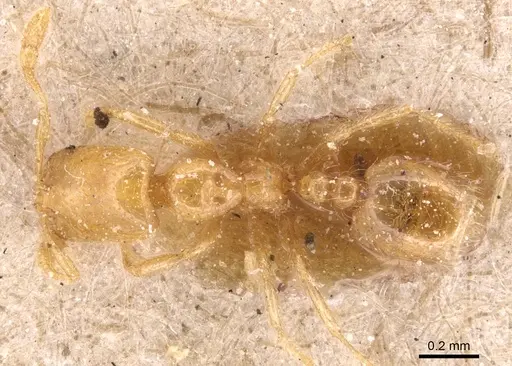
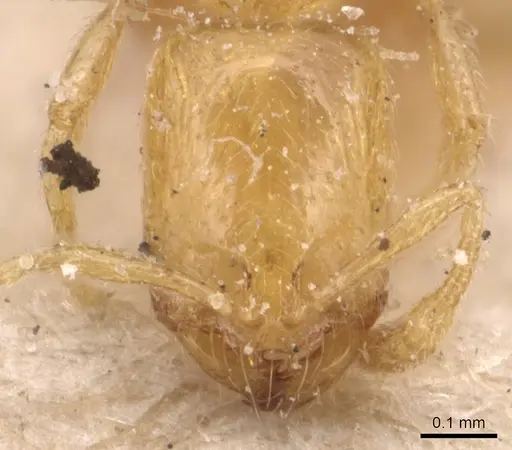
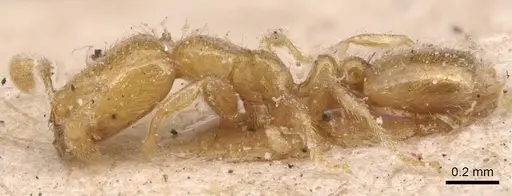
CASENT0908869
View on AntWeb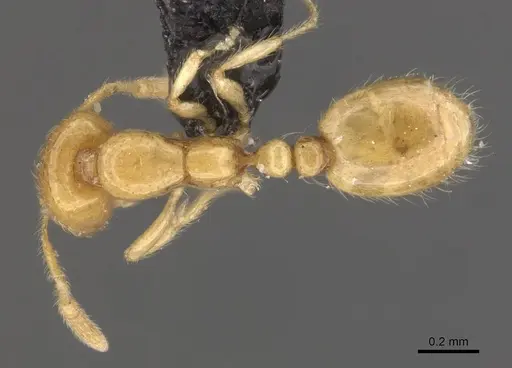
CASENT0914171
View on AntWeb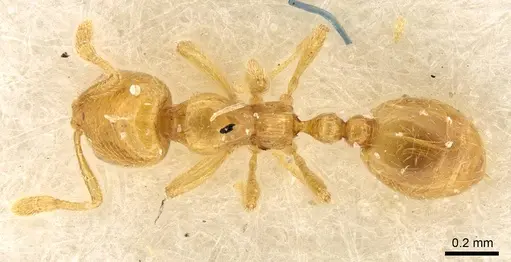
CASENT0917215
View on AntWeb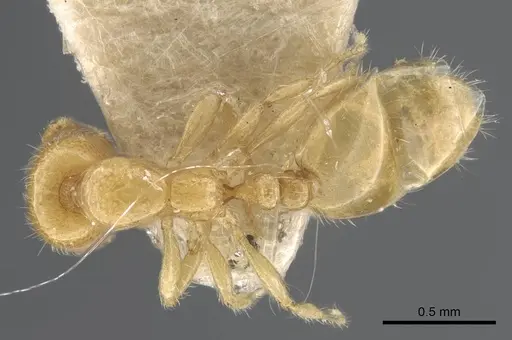
CASENT0917216
View on AntWeb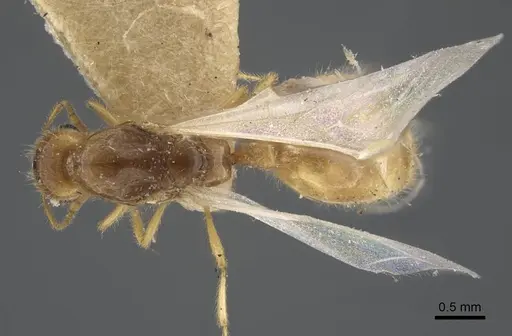
FOCOL1867
View on AntWeb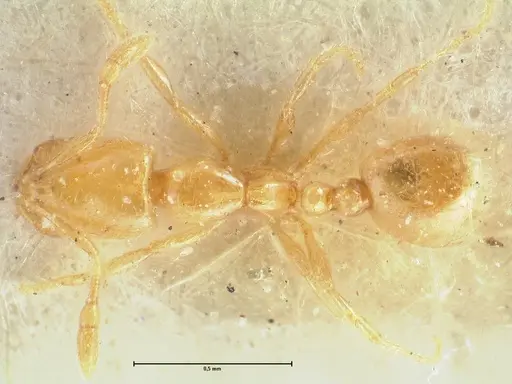
Literature
Loading...Loading products...