

Solenopsis metanotalis
- Scientific Name
- Solenopsis metanotalis
- Tribe
- Solenopsidini
- Subfamily
- Myrmicinae
- Author
- Emery, 1896
- Distribution
- Found in 1 countries
Solenopsis metanotalis Overview
Solenopsis metanotalis is an ant species of the genus Solenopsis. It is primarily documented in 1 countries , including Argentina. Detailed taxonomic data and occurrence records can be further explored via authoritative databases such as AntWeb or the Global Biodiversity Information Facility (GBIF).
Solenopsis metanotalis
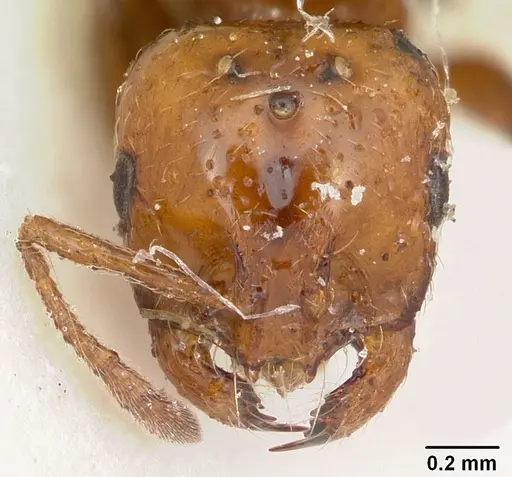
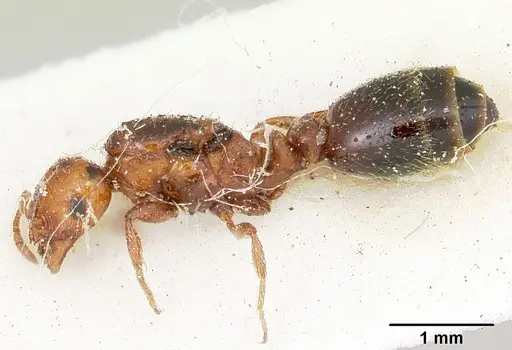
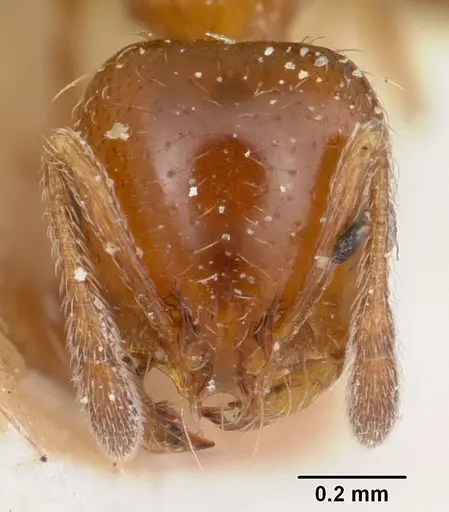
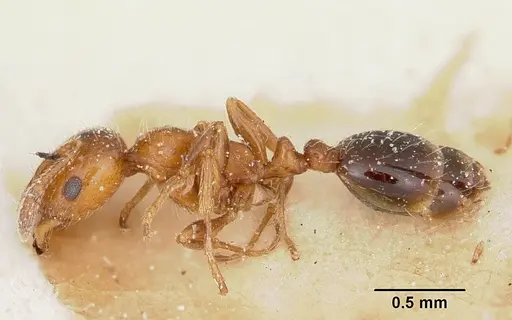
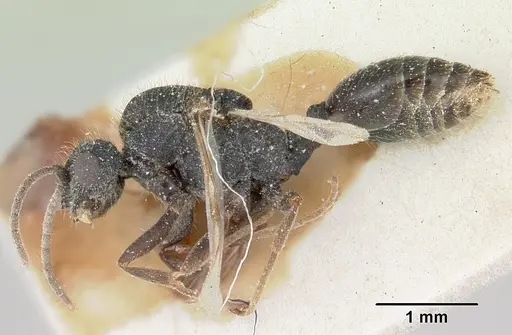
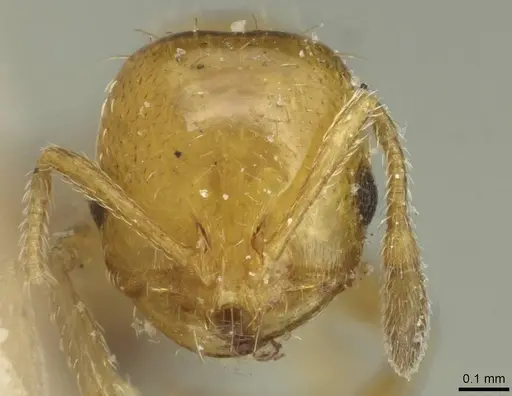
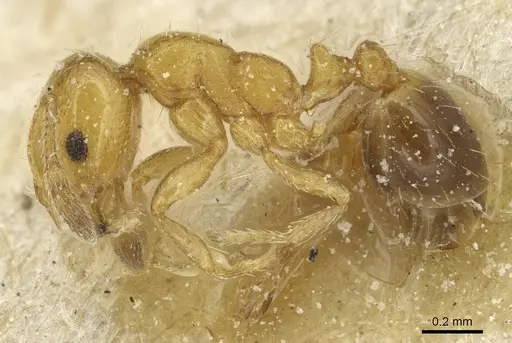
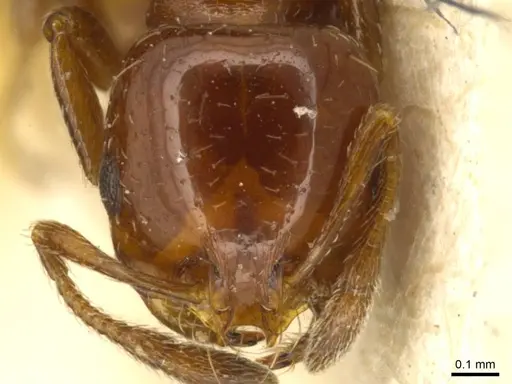
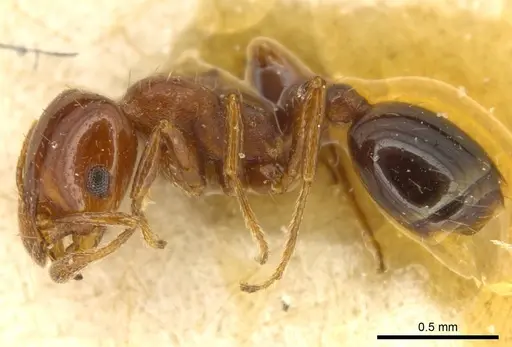
Solenopsis metanotalis is a small thief ant species belonging to the nigella species complex within the Solenopsis genus. Workers measure 2.1-2.3mm and are bicolored with a reddish-brown head and mesosoma contrasting against a darker brown gaster. Queens are larger at around 4.4mm with the same bicolored pattern. This species is distinguished by its notably large eyes (the largest in its species group), well-developed clypeal teeth, and fully striated mesosoma [1]. Found across the La Plata basin in southern South America, including Argentina, Uruguay, Bolivia, and Brazil, these ants inhabit areas with wet soils and have been collected at elevations up to 1796m in creosote bush shrubland [2][1].
Quick Summary
- Difficulty: Medium
- Origin & Habitat: Native to the La Plata basin in southern South America (Argentina, Uruguay, Bolivia, Brazil). Found in wet soils in creosote bush desert shrubland at elevations around 1796m. The species has been recorded in Argentina's Santa Fe province, Entre Ríos, and Mendoza, as well as Uruguay [2][3][4].
- Colony Type: Likely monogyne (single queen colonies). Colony structure is typical of small Solenopsis thief ants.
- Colony: Monogyne
- Founding: Claustral
- Size & Growth:
- Queen: 4.44mm [1]
- Worker: 2.1-2.34mm [1]
- Colony: Likely small to moderate (under 500 workers based on related species)
- Growth: Moderate
- Development: 6-10 weeks (estimated based on related Solenopsis species) (Development time estimated from genus patterns, specific data for S. metanotalis is not available)
- Antkeeping:
- Temperature: Keep at 24-28°C. These are subtropical ants from southern South America that prefer warm conditions. A heating cable on one side of the nest creates a suitable gradient.
- Humidity: Require moderate to high humidity. In nature they inhabit wet soils, so keep the nest substrate consistently moist but not waterlogged. Provide a water tube as a moisture source.
- Diapause: Not required. Being from a subtropical region, they do not need a true hibernation. However, they may reduce activity slightly during cooler winter months if room temperature drops.
- Nesting: Small chambers work well. These tiny ants do well in test tubes for founding colonies, then can be moved to small acrylic or Y-tong nests. They prefer tight-fitting chambers scaled to their 2mm worker size.
- Behavior: Thief ants by nature, they are predatory and will raid smaller ant colonies for brood. Workers are active foragers, both on the ground surface and in leaf litter. They have a functional stinger and can deliver a mild sting if handled roughly. Their small size (2mm workers) means they can escape through tiny gaps, excellent escape prevention is essential. They are not aggressive toward humans but will defend their nest. Workers are fast-moving and curious.
Housing and Nest Setup
For founding colonies, a simple test tube setup works well. Use a small test tube with a water reservoir sealed with cotton, the ants will drink from the condensation. Since workers are only 2mm tall, ensure the cotton is packed tightly to prevent escapes. Once the colony reaches 20-30 workers, you can transition to a small acrylic formicarium or Y-tong nest. These ants prefer tight chambers, avoid large open spaces. A nest area of roughly 3-4 chambers is sufficient for a developing colony. Keep the outworld small as well, a foraging area of 5-10cm is adequate for a colony under 100 workers. Because of their tiny size, apply fluon or use fine mesh on all openings, they can squeeze through gaps that seem impossible for their size [1].
Feeding and Diet
Solenopsis metanotalis is a predatory thief ant, meaning they naturally hunt small invertebrates and will raid the nests of other ant species for brood. In captivity, offer small protein sources like fruit flies, pinhead crickets, small mealworms, and other tiny insects. They will also scavenge on dead insects. You can offer sugar water or honey as an energy source, though some thief ants prefer protein over sweets. Feed small prey items 2-3 times per week for a growing colony. Remove uneaten prey after 24 hours to prevent mold. A constant water source is essential, a test tube water feeder works well. The key is offering appropriately-sized prey, items should be no larger than the ant's head to make them manageable [1][2].
Temperature and Seasonal Care
These ants come from subtropical southern South America and prefer temperatures in the 24-28°C range. Room temperature (around 22°C) may be slightly cool, using a heating cable on one side of the nest creates a thermal gradient that lets ants choose their preferred temperature. Place the heating cable on top of the nest, not underneath, to avoid drying out the substrate too quickly. They do not require a true diapause or hibernation, but if your room temperature drops significantly in winter, activity may slow. Avoid temperatures below 18°C for extended periods. Maintain humidity by keeping the nest substrate moist, these ants naturally inhabit wet soils in their native range [2][1].
Behavior and Defense
As a member of the Solenopsidini tribe, S. metanotalis has a functional stinger. However, given their tiny 2mm size, the sting is mild and rarely felt by humans. They are not aggressive but will sting if threatened or handled roughly. Their primary defense is escaping, their small size allows them to slip through incredibly tiny gaps. Excellent escape prevention is critical: use fluon on container edges, fine mesh on ventilation holes, and ensure all lids fit tightly. In the wild, these thief ants raid other ant colonies to steal brood as food. This predatory behavior means they should be kept well away from other ant colonies if you keep multiple species. Workers are fast-moving and active foragers, constantly exploring their territory [1].
Growth and Development
Colony growth is moderate. A claustral queen seals herself in a small chamber and raises the first brood alone on her stored fat reserves. The first workers (nanitics) will be smaller than mature workers but are functional. Expect 6-10 weeks from egg to first worker at optimal temperatures (around 26°C). Growth rate depends on feeding and temperature, warmer conditions within their range speed development. A mature colony likely reaches several hundred workers. Unlike some Solenopsis species that form supercolonies, S. metanotalis appears to maintain typical single-queen colony structure. Patience is key, small Solenopsis colonies grow steadily but not rapidly [1][2].
Frequently Asked Questions
Can I keep Solenopsis metanotalis in a test tube?
Yes, test tubes work well for founding colonies. Use a small test tube with a water reservoir sealed with cotton. Since workers are only 2mm, pack the cotton very tightly to prevent escapes. Once the colony reaches 20-30 workers, consider moving to a small acrylic or Y-tong nest with appropriately-sized chambers.
How long until first workers with Solenopsis metanotalis?
Expect 6-10 weeks from egg to first worker at optimal temperatures (around 26°C). This is typical for small Solenopsis species. The claustral queen seals herself in and raises the first brood alone using stored fat reserves. Nanitics (first workers) will be smaller than mature workers.
What do Solenopsis metanotalis eat?
They are predatory thief ants. Feed small protein sources like fruit flies, tiny mealworms, small crickets, and other small insects. They will also scavenge on dead insects and may accept sugar water or honey. Offer appropriately-sized prey no larger than the ant's head. Feed 2-3 times per week and remove uneaten food promptly.
Are Solenopsis metanotalis good for beginners?
They are medium difficulty. Their small size makes escape prevention challenging, and they require warm, humid conditions. However, they are not aggressive and don't require complex setups. If you can maintain proper temperature (24-28°C) and have experience with tiny ants, they can be rewarding. Beginners might prefer larger, more forgiving species.
Do Solenopsis metanotalis need hibernation?
No, they do not require true hibernation. Being from subtropical southern South America, they prefer year-round warmth. However, if room temperature drops significantly in winter, activity may slow naturally. Avoid temperatures below 18°C for extended periods.
How big do Solenopsis metanotalis colonies get?
Based on related species in the nigella complex, colonies likely reach several hundred workers at maturity. They are not known for forming large supercolonies like some Solenopsis species. A mature colony probably contains 300-500 workers.
Why are my Solenopsis metanotalis escaping?
Their tiny 2mm size allows them to squeeze through impossibly small gaps. Use excellent escape prevention: apply fluon to container edges, use fine mesh (at least 0.5mm) on ventilation, and ensure all lids fit tightly. Check all seams and connections, they will find any weakness.
Can I keep multiple queens together?
Solenopsis metanotalis is typically monogyne (single queen). Combining unrelated queens is not recommended and has not been documented. Single-queen colonies are the natural structure for this species.
What temperature do Solenopsis metanotalis need?
Keep them at 24-28°C. These subtropical ants prefer warm conditions. A heating cable on one side of the nest creates a gradient. Room temperature alone (around 22°C) may be slightly cool. Avoid temperatures below 18°C.
References

This caresheet is licensed under CC BY-SA 4.0 .
CASENT0103206
View on AntWeb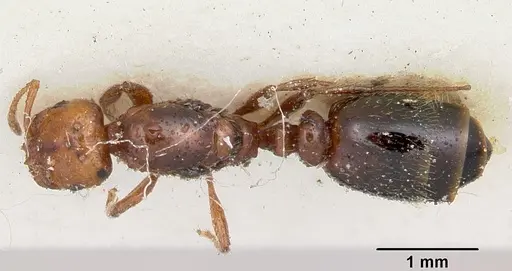
CASENT0103208
View on AntWeb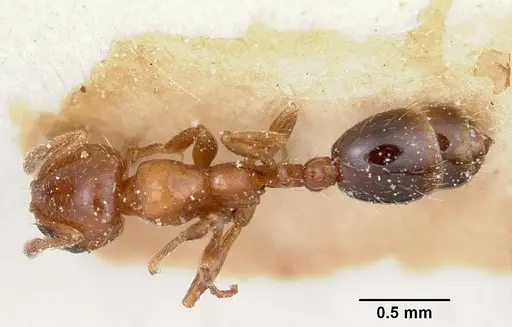
CASENT0103209
View on AntWeb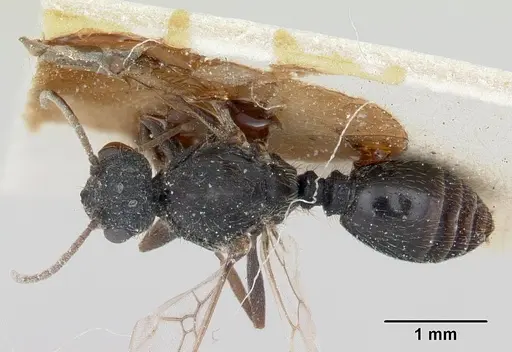
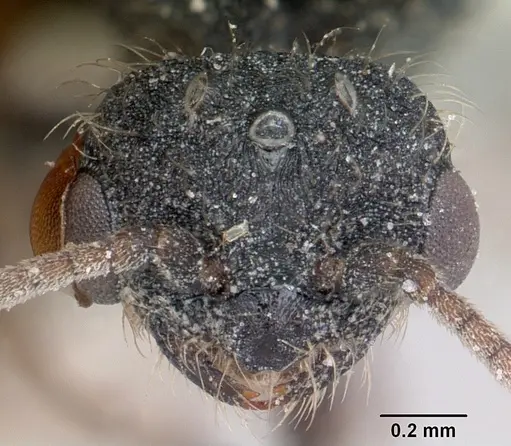
CASENT0913934
View on AntWeb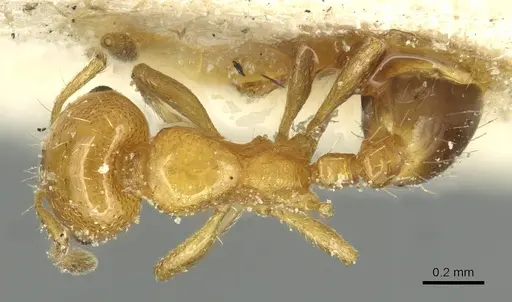
CASENT0916026
View on AntWeb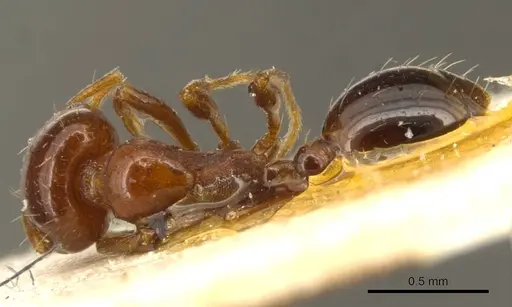
Literature
Loading...Loading products...