

Solenopsis latro
- Scientific Name
- Solenopsis latro
- Tribe
- Solenopsidini
- Subfamily
- Myrmicinae
- Author
- Forel, 1894
- Distribution
- Found in 3 countries
Solenopsis latro Overview
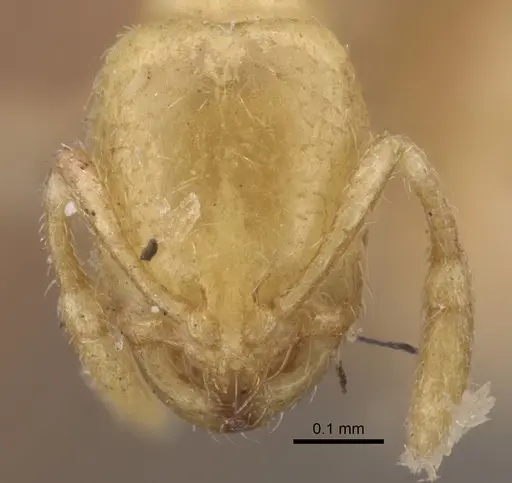
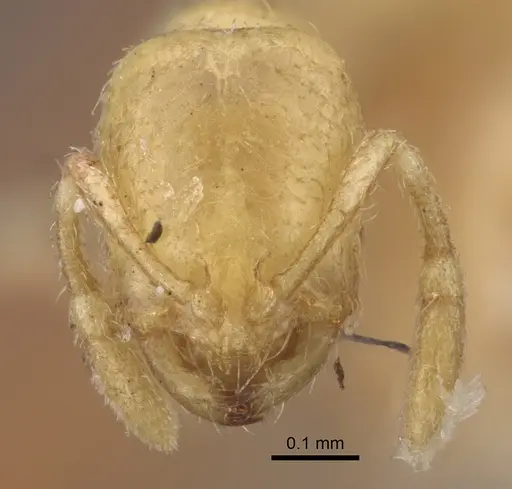
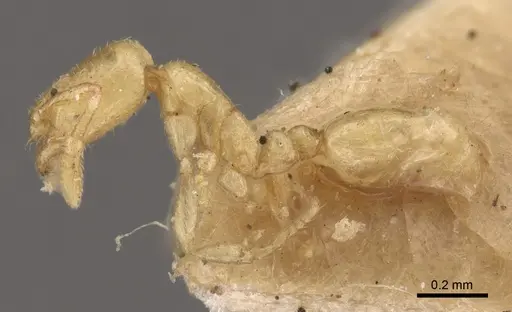
Solenopsis latro is an ant species of the genus Solenopsis. It is primarily documented in 3 countries , including Algeria, Spain, Italy. Detailed taxonomic data and occurrence records can be further explored via authoritative databases such as AntWeb or the Global Biodiversity Information Facility (GBIF).
Solenopsis latro
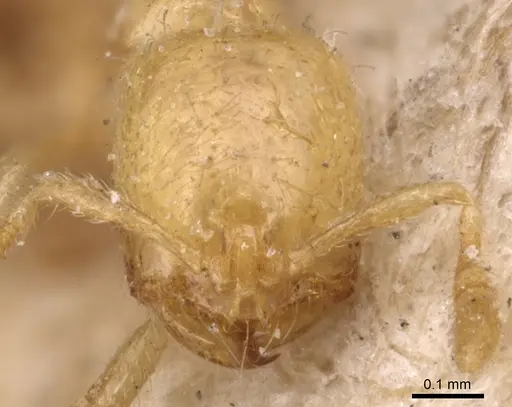
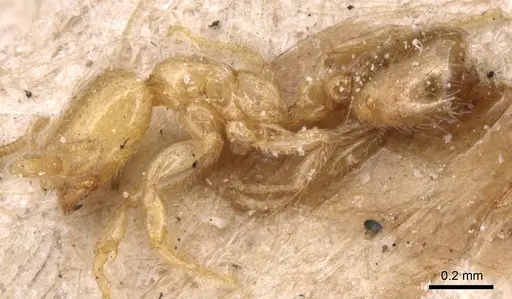
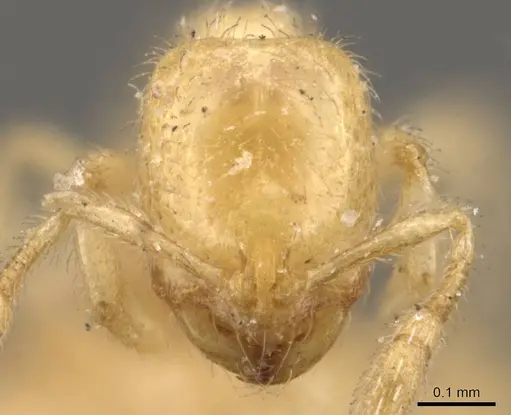
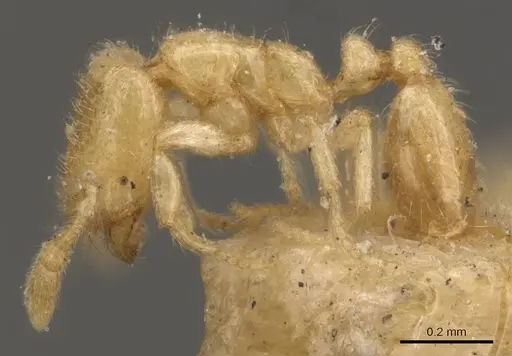
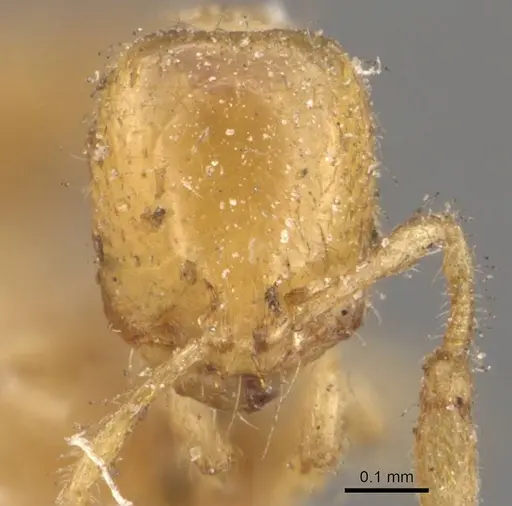
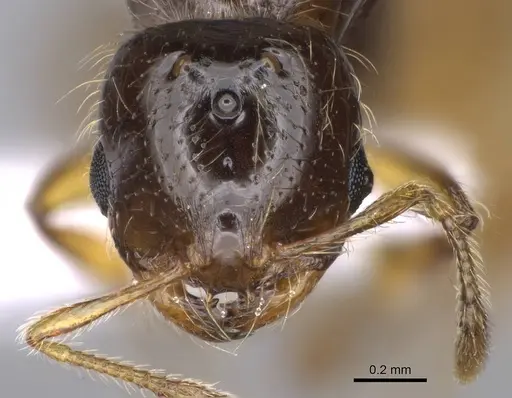
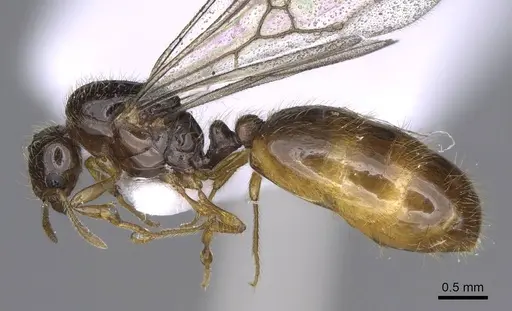
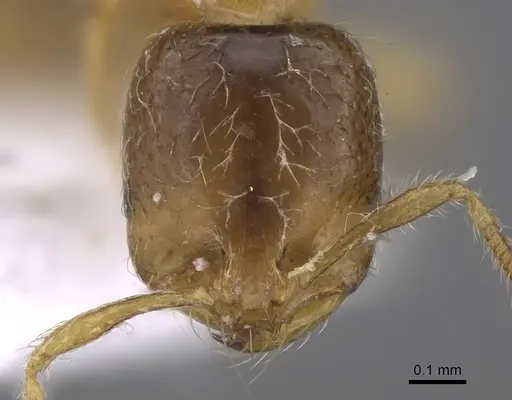
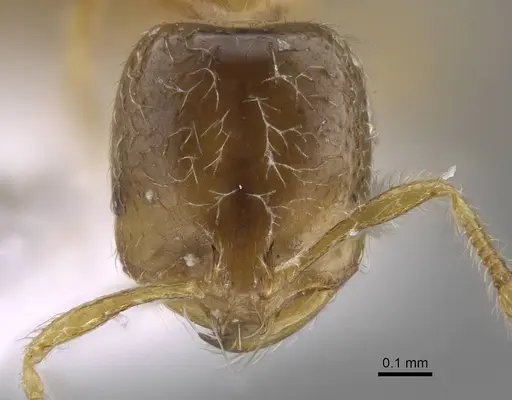
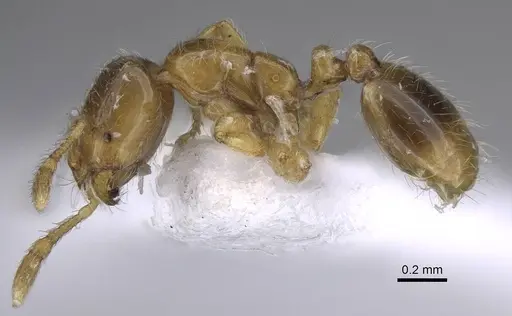
Solenopsis latro is a small ant species native to the Mediterranean region, ranging from North Africa across to Turkey and Greece [1]. Workers measure 2.5-3mm with a brownish coloration and distinctive two-segmented antennal club [2]. This species belongs to the Myrmicinae subfamily and is known for its small size and ground-nesting habits. The species is one of the most widely distributed Solenopsis in the Iberian Peninsula, found across numerous provinces from Alicante to Pontevedra [3]. These ants inhabit dry pastures, rocky maquis, and agricultural areas, typically nesting in soil under stones at elevations ranging from 30m to nearly 800m [4][5]. They forage primarily in the top ground layer, moving through leaf litter and soil [6].
Quick Summary
- Difficulty: Easy
- Origin & Habitat: Mediterranean region, native to Algeria, Greece, Israel, Italy (Sardinia, Sicily), Morocco, Portugal, Serbia, Spain, and Turkey [1]. Found in dry pastures, rocky maquis, and agricultural olive orchards at elevations of 30-793m [4][5].
- Colony Type: Single-queen colonies (monogyne), colony structure is typical of most Solenopsis species in the region, though detailed studies are limited for this specific species
- Colony: Monogyne
- Founding: Claustral
- Size & Growth:
- Queen: Estimated 4-5mm based on genus patterns
- Worker: 2.5-3mm [2]
- Colony: Estimated several hundred workers based on typical Solenopsis colony sizes
- Growth: Moderate
- Development: Estimated 6-8 weeks based on related Solenopsis species (Development time inferred from genus-level data for similar Mediterranean Solenopsis)
- Antkeeping:
- Temperature: Keep at room temperature (20-26°C). This species naturally inhabits warm Mediterranean climates, so a gentle gradient from 22-28°C is ideal. They can tolerate brief temperature fluctuations typical of indoor environments.
- Humidity: Moderate humidity (50-60%). These ants naturally inhabit relatively dry Mediterranean areas, so avoid overly damp conditions. Keep the nest substrate lightly moist but not waterlogged.
- Diapause: Yes, a brief winter rest period of 8-12 weeks at 10-15°C is recommended, mimicking Mediterranean winters. Reduce feeding during this period.
- Nesting: Prefers dry to moderately moist nesting conditions. In captivity, a small test tube setup or Y-tong nest works well. They naturally nest under stones in soil, so provide a compact chamber with some substrate depth. Avoid overly humid conditions that can cause mold.
- Behavior: These are small, ground-dwelling ants that forage in leaf litter and soil layers [6]. They are not aggressive and typically avoid confrontation with larger ants. Workers are active foragers but stay close to the nest. Due to their small size (2.5-3mm), they can squeeze through small gaps, excellent escape prevention is essential. They are not known for stinging and pose no danger to keepers.
- Common Issues: escape prevention is critical due to their tiny 2.5-3mm size, they can squeeze through standard test tube cotton if not careful, overheating can be fatal, avoid temperatures above 30°C despite their Mediterranean origin, colonies may fail if kept too humid, these ants prefer drier conditions than many tropical species, slow founding phase, like most Solenopsis, claustral queens may take weeks to lay eggs and months to raise first workers, wild-caught colonies may carry parasites that can devastate captive colonies
Housing and Setup
Solenopsis latro is a small species that requires appropriately scaled housing. A standard test tube setup works well for founding colonies, use a small diameter tube (around 10-12mm) to match their tiny size. For established colonies, a Y-tong (AAC) nest with narrow chambers or a small acrylic formicarium works best. These ants naturally nest under stones in soil, so providing a thin layer of substrate (1-2cm) in a naturalistic setup mimics their natural microhabitat. Avoid large, open spaces, they prefer compact, cozy chambers. Escape prevention is critical: use fluon on test tube rims and ensure any connections between outworld and nest are tightly sealed. A small outworld (like a plastic container 5-10cm across) is sufficient for foraging. [4][6]
Feeding and Diet
In the wild, Solenopsis latro forages in the top soil layer and leaf litter, likely feeding on small insects, honeydew, and other organic matter [6]. In captivity, offer small protein sources like fruit flies, small mealworms, or tiny pieces of insects. Sugar can be provided as diluted honey or sugar water, though acceptance varies. Feed small amounts 2-3 times per week, remove uneaten food within 24 hours to prevent mold. During founding, the queen does not need food as she feeds the first larvae from her stored fat reserves (claustral founding). Once workers arrive, begin offering tiny amounts of protein. These ants are small, so portion sizes should be correspondingly tiny, a piece of insect the size of a pinhead is plenty.
Temperature and Seasonal Care
Solenopsis latro originates from Mediterranean climates, so they prefer warm conditions. Keep the nest area at 22-26°C for optimal activity and brood development. A heating cable on one side of the nest can create a gentle gradient (never exceed 30°C). During summer months, room temperature is usually sufficient. In winter, they benefit from a diapause period, reduce temperature to 10-15°C for 8-12 weeks to mimic natural seasonal cycles. This winter rest helps maintain colony health and may trigger reproductive behavior in spring. Reduce feeding during diapause but ensure a small water source is always available. Do not cool below 5°C or heat above 32°C. [5][4]
Colony Development
Like other Solenopsis species, S. latro has claustral founding, the queen seals herself in a small chamber and raises the first brood alone, feeding larvae from her stored fat reserves [1]. This founding phase can take 4-8 weeks before eggs appear, and another 4-8 weeks before the first workers (nanitics) emerge. Initial colonies grow slowly, the first batch of workers will be small (nanitics) and the colony may take several months to reach 20-30 workers. Growth rate is moderate, with colonies potentially reaching several hundred workers over 1-2 years under good conditions. Be patient during founding, disturbing the queen or exposing the nest to excessive light can cause abandonment. Once established, colonies are fairly resilient but still require stable conditions.
Behavior and Temperament
This is a peaceful, non-aggressive species that poses no threat to keepers. Workers are small (2.5-3mm) and forage primarily in soil and leaf litter layers [6]. They are not known for stinging, while some Solenopsis species can sting, this species is too small to cause any discomfort. Their small size means they are excellent escape artists, even tiny gaps in test tube cotton or formicarium seals can allow them to squeeze through. They are ground-dwelling and do not climb smooth surfaces well, but can still escape through seams and gaps. Activity level is moderate, workers are most active during warmer months and may reduce activity in cooler temperatures. They do not exhibit unusual behaviors like slave-making or temporary parasitism.
Natural History and Distribution
Solenopsis latro is native to the Mediterranean region, with a distribution spanning from North Africa (Algeria, Morocco) through Southern Europe (Spain, Portugal, Italy including Sardinia and Sicily, Greece) to Turkey and the eastern Mediterranean (Israel) [1]. In Spain, it is one of the most widely distributed Solenopsis species, recorded from over 20 provinces across the Iberian Peninsula [3]. The species is found at elevations ranging from near sea level (30m in Sicily) up to nearly 800m in some regions (192-793m in southeastern Spain) [4][5]. Natural habitats include dry pastures, rocky maquis, and agricultural areas, particularly olive orchards where they nest under stones within 50cm of tree trunks [7]. This species is part of the Holomediterranean zoogeographic element, meaning it is distributed throughout the Mediterranean basin.
Frequently Asked Questions
How long does it take for Solenopsis latro to raise first workers?
From egg to first worker typically takes 6-8 weeks under optimal conditions (24-26°C). The claustral founding phase alone can last 4-8 weeks before eggs even appear, so expect 3-4 months from founding to nanitics. Patience is key, do not disturb the queen during this time.
What do Solenopsis latro ants eat?
Feed small protein sources like fruit flies, tiny mealworms, or small insect pieces. They will also accept sugar water or diluted honey. Offer food 2-3 times weekly and remove uneaten portions within 24 hours to prevent mold.
What temperature do Solenopsis latro ants need?
Keep them at 22-26°C. They naturally inhabit warm Mediterranean climates and can tolerate brief periods outside this range. A gentle gradient with one side slightly warmer works well. Avoid temperatures above 30°C or below 10°C.
Do Solenopsis latro ants need hibernation?
Yes, a winter rest period of 8-12 weeks at 10-15°C is recommended. This mimics their natural Mediterranean seasonal cycle and helps maintain colony health. Reduce feeding during this period but always provide access to water.
How big do Solenopsis latro colonies get?
Colonies typically reach several hundred workers over 1-2 years. They are not among the largest Solenopsis species, but established colonies can be quite populous. Growth is moderate, expect several months to reach 50 workers.
Can I keep multiple Solenopsis latro queens together?
This species is monogyne, single-queen colonies are standard. Combining unrelated foundress queens is not recommended as they may fight. In the wild, colonies establish with one founding queen.
Why are my Solenopsis latro escaping?
Their tiny 2.5-3mm size allows them to squeeze through remarkably small gaps. Use fluon on all test tube rims, ensure connections are sealed with tape or plug cotton firmly, and check for any gaps larger than 1mm. Escape prevention must be excellent.
Are Solenopsis latro good for beginners?
Yes, they are a good beginner species, small, peaceful, and not demanding in their temperature or humidity requirements. Their main challenges are escape prevention (due to tiny size) and patience during the slow founding phase. They are forgiving of minor husbandry mistakes.
What kind of nest should I use for Solenopsis latro?
A small test tube setup works perfectly for founding colonies. For established colonies, use a Y-tong (AAC) nest with narrow chambers or a small acrylic formicarium. They prefer compact spaces and naturally nest under stones in soil, so a naturalistic setup with thin substrate also works well.
Where is Solenopsis latro found in the wild?
This species lives throughout the Mediterranean, from Algeria and Morocco in North Africa, through Spain, Portugal, Italy, Greece, to Turkey and Israel. It is particularly widespread in the Iberian Peninsula, found in over 20 Spanish provinces. They inhabit dry pastures, rocky maquis, and agricultural areas like olive orchards.
How often should I feed Solenopsis latro?
Feed small amounts of protein 2-3 times per week. Always have sugar water or honey available. Remove uneaten food within 24 hours. During diapause (winter), reduce feeding to once weekly or less. Adjust based on colony size, larger colonies can handle more food.
References

This caresheet is licensed under CC BY-SA 4.0 .
CASENT0904642
View on AntWeb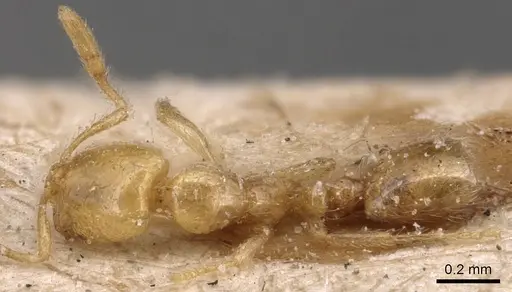
CASENT0908862
View on AntWeb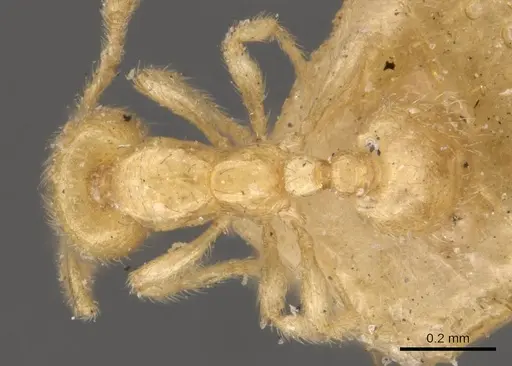
CASENT0908863
View on AntWeb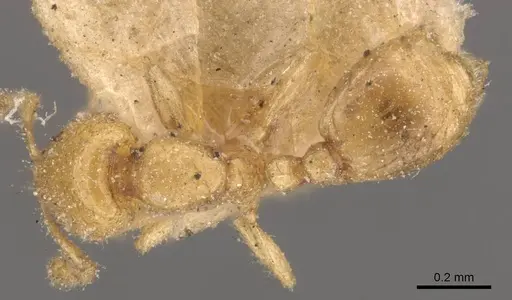
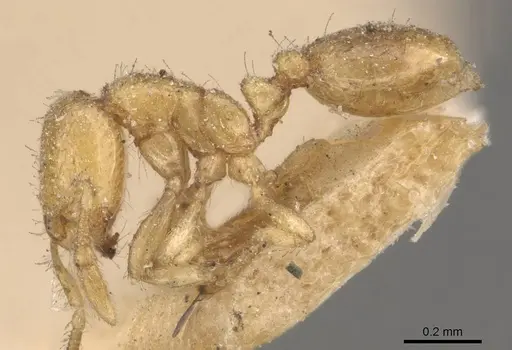
CASENT0914170
View on AntWeb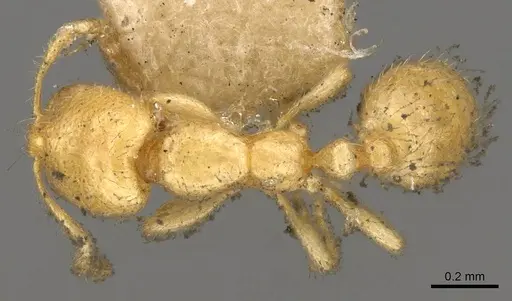
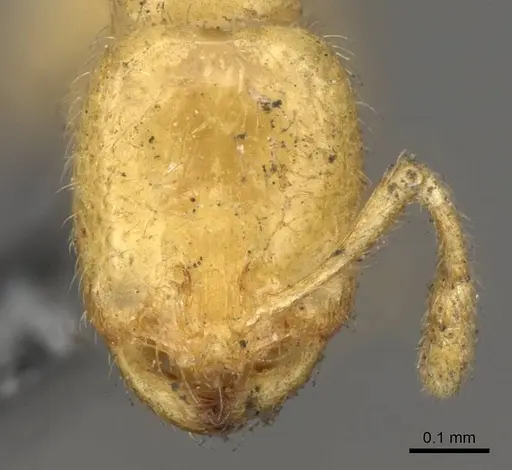
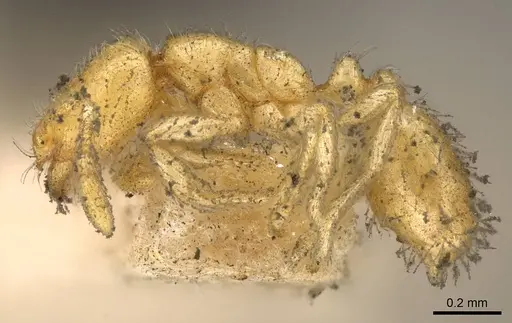
CASENT0914245
View on AntWeb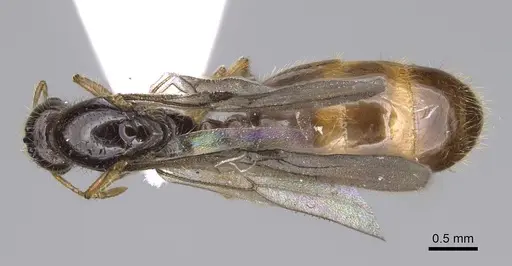
CASENT0914246
View on AntWeb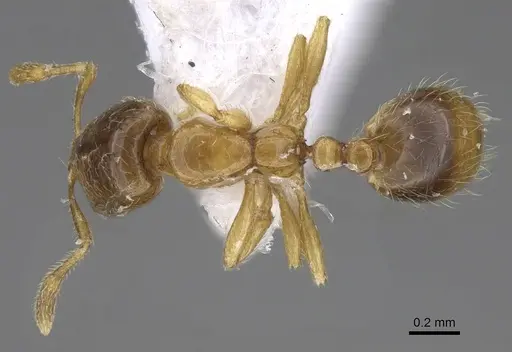
CASENT0917820
View on AntWeb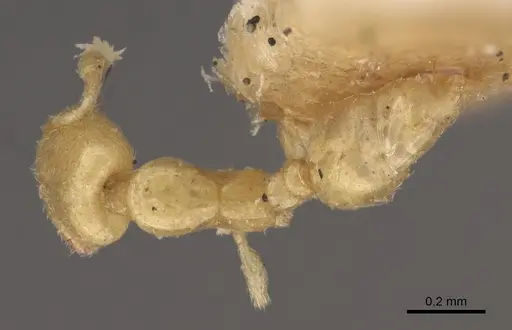
Literature
Loading...Loading products...