

Solenopsis globularia
- Scientific Name
- Solenopsis globularia
- Tribe
- Solenopsidini
- Subfamily
- Myrmicinae
- Author
- Smith, 1858
- Common Name
- Ant
- Distribution
- Found in 10 countries
Solenopsis globularia Overview
Solenopsis globularia (commonly known as the Ant) is an ant species of the genus Solenopsis. It is primarily documented in 10 countries , including Brazil, Costa Rica, Dominican Republic. Detailed taxonomic data and occurrence records can be further explored via authoritative databases such as AntWeb or the Global Biodiversity Information Facility (GBIF).
Solenopsis globularia - "Globular Thief Ant"
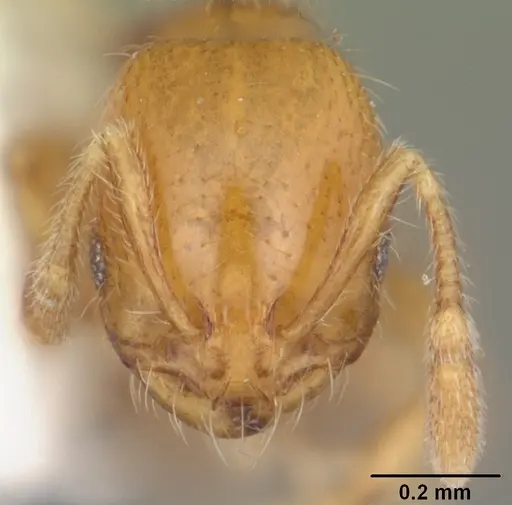
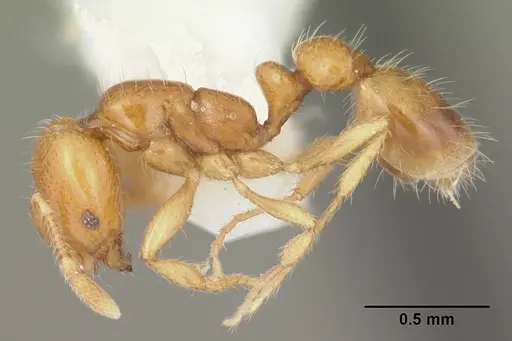
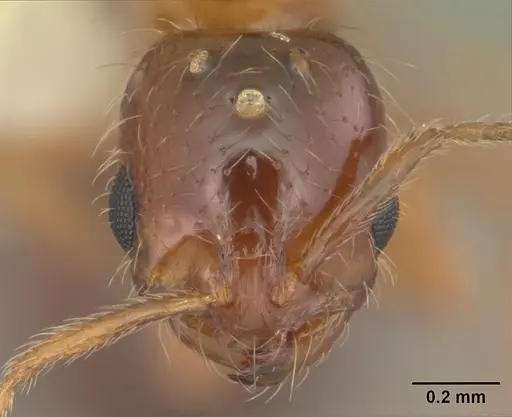
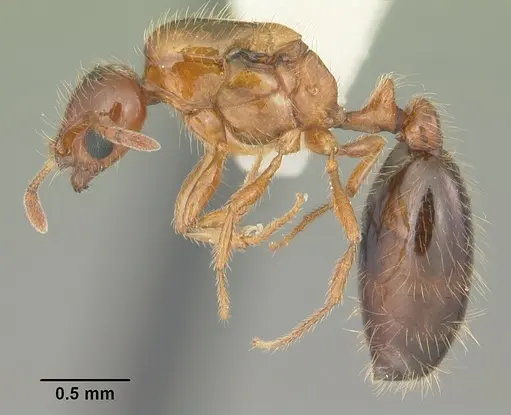
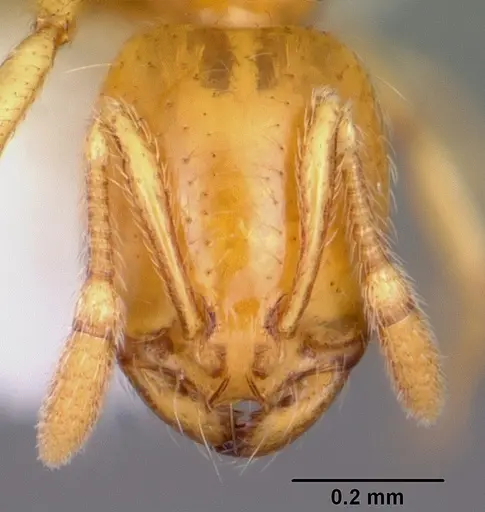
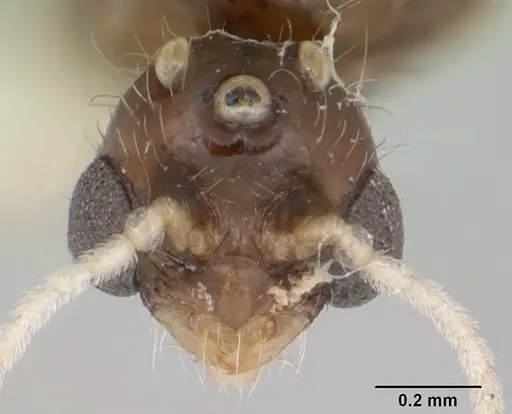
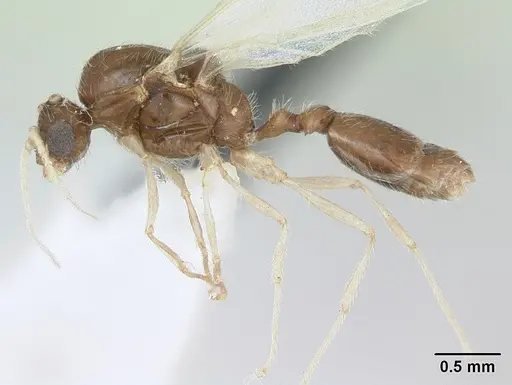
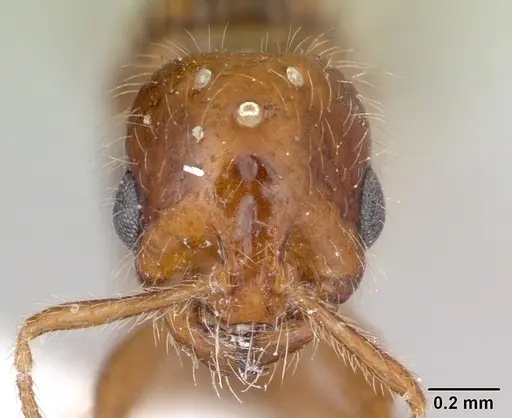
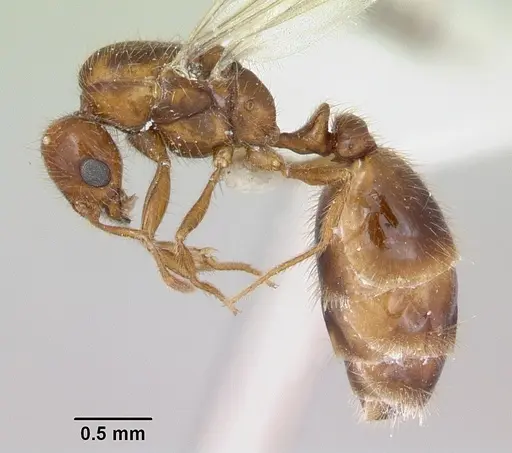
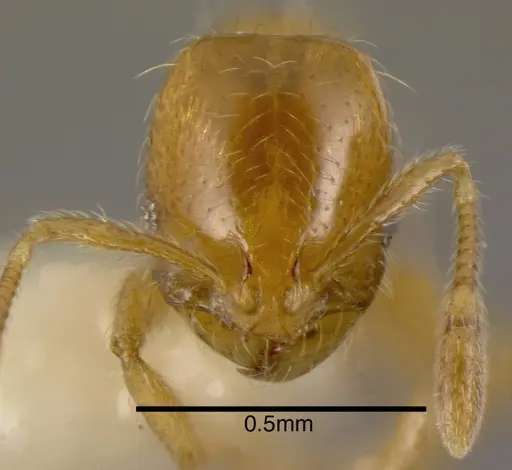
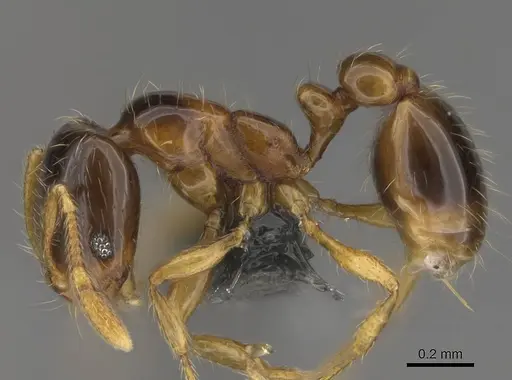
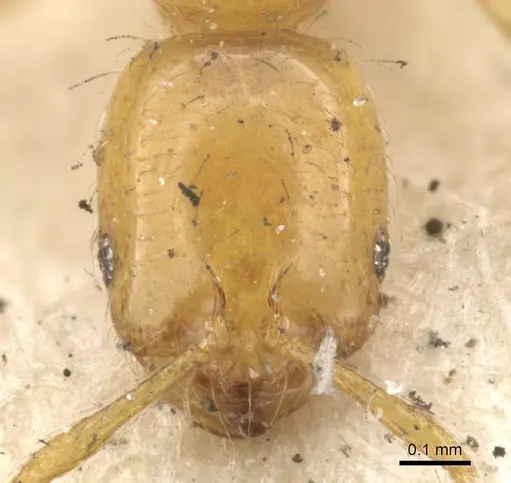
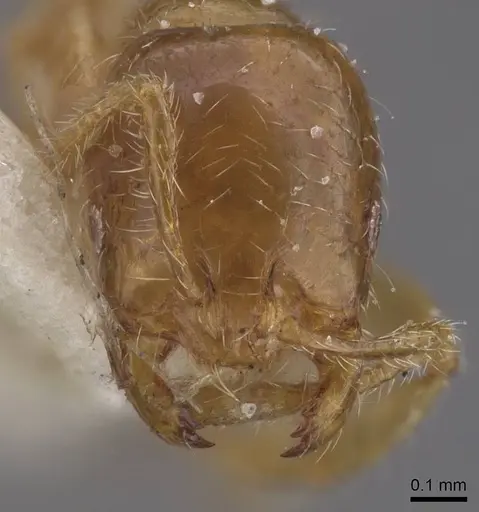
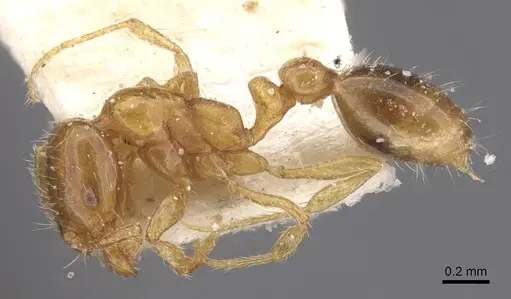
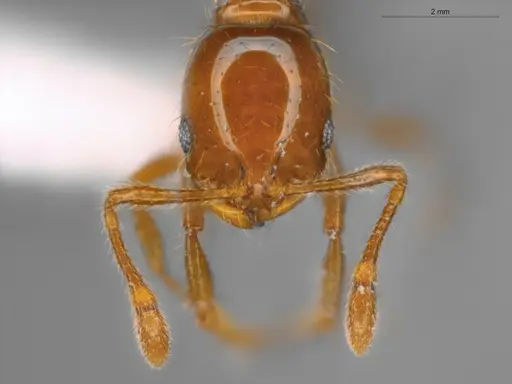
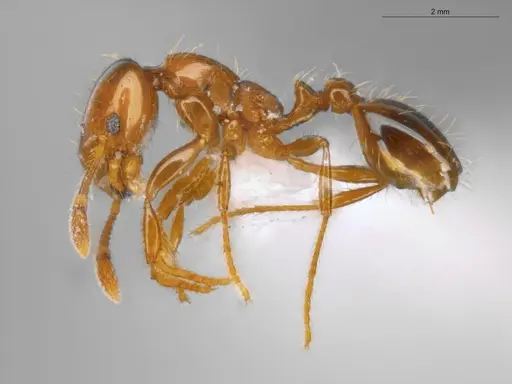
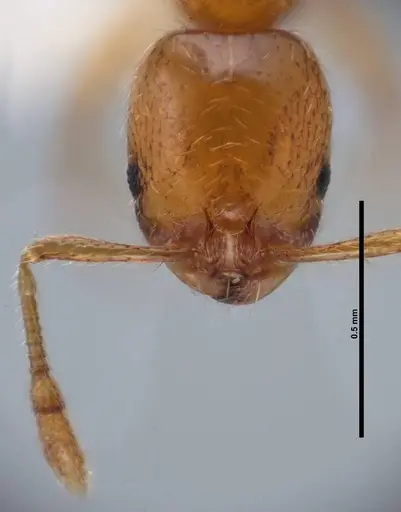
Solenopsis globularia is a fascinating ant species within the diverse Solenopsis genus, often referred to as 'thief ants'. These ants are known for their unique physical characteristic: a greatly dilated or 'globose' postpetiole, which makes them quite distinctive. They exhibit polymorphism, meaning workers can vary in size, with the largest workers reaching around 2 mm in total length. Their coloration can range from pale yellow to dark brown. While some Solenopsis species, like the well-known fire ants, are aggressive and have painful stings, Solenopsis globularia is an intermediate-sized thief ant, mildly polymorphic, and is not known to sting humans. They are New World ants and are widely distributed.
- Difficulty: Medium
- Origin & Habitat: New World (North, Central, and South America), with exotic populations in Africa, Atlantic islands, and Pacific islands. in Predominantly coastal areas, under rocks, in driftwood, rotten logs on beaches, and can also be found in varied habitats like grasslands, weedy areas, forests, rocky arid thorn scrub, and even urban areas..
- Colony Type: Polygynous (multiple queens are possible) and lestobiotic (living in other ant species' nests to steal food/brood)., claustral (though they may be semi-claustral or temporary parasitic in certain circumstances, as some solenopsis are known to steal brood from other species). founding.
- Size & Growth:
- Queen: 4.0-5.5mm
- Worker: 1.86-2.16mm
- Colony: Medium (thousands), potentially large as some Solenopsis species can form enormous colonies.. Medium, with consistent protein leading to faster growth. growth.
- Antkeeping:
- Temperature: Maintain temperatures between 24-30°C (75-86°F) for optimal development and activity..
- Humidity: Keep humidity levels around 50-70%. They often live in soil, driftwood, and under rocks, suggesting a need for some moisture..
- Diapause: Not required. Not specified at Not specified.
- Nesting: Artificial nests such as plaster, acrylic, or naturalistic setups with soil or a mix of sand and clay are suitable. They are known to nest under rocks, driftwood, and rotten logs in the wild..
- Behavior: Low (towards handler) aggressiveness.
- Common Issues: Mold in nest, Mites, Colony stalling (due to improper diet or environment), Humidity fluctuations, Escape artists (due to small size).
Solenopsis globularia are part of the 'thief ant' group, which means they are minute and often live within the nests of other larger ant species. They are known for pilfering food and even brood from their unsuspecting hosts. This lestobiotic behavior is a fascinating aspect of their natural history and is something to consider when setting up their formicarium; ensuring they have a secure environment is paramount.
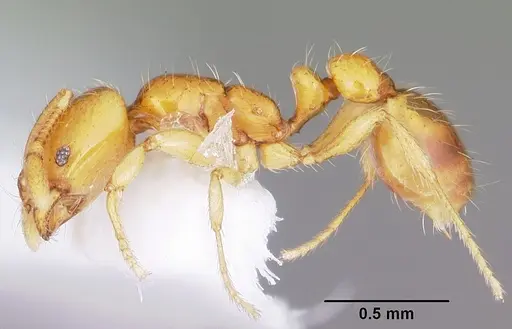
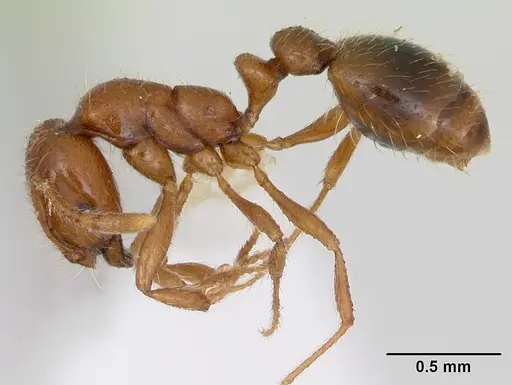
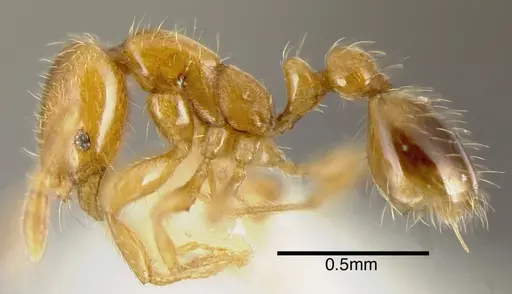
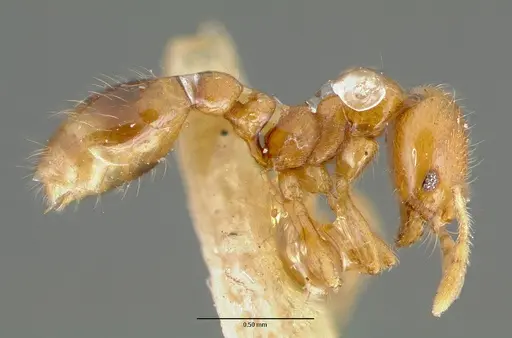
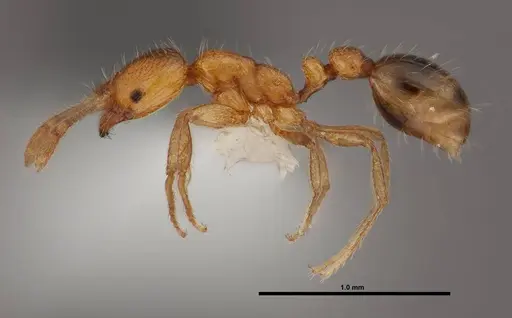
A defining characteristic of Solenopsis globularia is their uniquely 'globose' or greatly enlarged postpetiole. This anatomical feature distinguishes them from many other small Solenopsis species. Observing this distinctive segment can be quite rewarding for ant keepers, allowing for easy identification within the hobby.
Despite being related to the notoriously aggressive 'fire ants,' Solenopsis globularia workers are considered mildly polymorphic and are not known to sting humans. While some larger Solenopsis species are certainly a concern due to their painful stings, this particular species presents less of a direct threat to handlers, making them a more manageable option for some ant enthusiasts. However, care should still be taken during handling to avoid stressing the colony.
Their natural habitat ranges widely, from coastal areas to forests, and they are often found under rocks, in driftwood, and rotten logs. Mimicking these diverse environmental conditions in a captive setup, especially regarding humidity and substrate, will contribute significantly to the colony's well-being. Providing varied nesting opportunities, perhaps with sections of wood or rock, could also prove beneficial for their comfort and security.
Colony growth for Solenopsis species, including S. globularia, is often linked to their diet. Studies on related fire ant species suggest that protein-rich foods, such as insects, promote significantly faster growth and brood production compared to other food sources like beef liver. Therefore, a consistent supply of various small insects will be crucial for the thriving and expansion of your Globular Thief Ant colony.
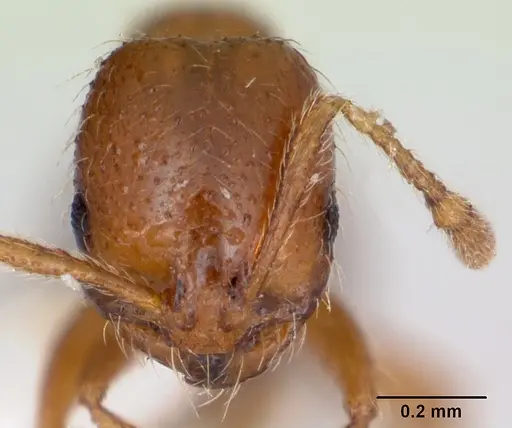
As with many smaller ant species, identifying specific 'thief ants' can be a challenge due to their minute size and similar appearance. However, the distinctly enlarged postpetiole of S. globularia workers provides a reliable identification marker. Observing your colony closely with a magnifying glass will allow you to appreciate these unique morphological traits.
Frequently Asked Questions
What makes Solenopsis globularia unique among ant species?
The most distinguishing feature of Solenopsis globularia is their greatly enlarged, 'globose' postpetiole. This 'bulbous' segment, located between their mesosoma and gaster, is quite noticeable and sets them apart from other Solenopsis species. It's a key identifier for these fascinating ants.
Are Solenopsis globularia considered 'fire ants'?
While Solenopsis globularia belongs to the same genus as the notorious 'fire ants,' they are generally classified as 'thief ants' and are much smaller. Unlike their more aggressive relatives, S. globularia is not known to sting humans and is considered mildly polymorphic rather than a major stinging pest.
What kind of enclosure is best for a Solenopsis globularia colony?
For these small ants, a secure formicarium is essential. Plaster or acrylic setups work well, and they thrive in naturalistic environments with soil or a sand-clay mix. Remember, they are adept escape artists, so ensure your setup is escape-proof!
What do Solenopsis globularia eat?
Like many ant species, they are omnivorous. In the wild, they consume various small insects and plant secretions. For your captive colony, offer a diet rich in protein, such as small feeder insects like mealworms or crickets, along with sugar water. A consistent supply of insect protein will greatly benefit their colony growth.
How large do Solenopsis globularia colonies get?
Solenopsis globularia colonies can reach a medium size, potentially housing thousands of individuals. While they may not form the massive 'supercolonies' seen in some fire ant species, a thriving colony will still be a joy to observe with its intricate social dynamics.
Do Solenopsis globularia require a diapause (hibernation)?
Information regarding a mandatory diapause for Solenopsis globularia specifically is not widely documented, given their broad distribution across tropical and subtropical regions. However, providing a cooler period for temperate-zone sourced colonies can often be beneficial for their long-term health and reproductive cycles. Always research the specific geographic origin of your queen for tailored advice.
What are common issues when keeping Solenopsis globularia?
Keep an eye out for common antkeeping issues like mold growth, especially in humid setups, and potential mite infestations. Maintaining proper humidity levels and regularly cleaning the outworld and nest are crucial for preventing these problems. Colony stalling can also occur if their dietary and environmental needs aren't met.
How big are Solenopsis globularia queens and workers?
Queens are moderately large, typically around 4 mm in total length, and can sometimes reach up to 5.5 mm. Workers are smaller, with the largest individuals being about 2 mm.
Where do Solenopsis globularia naturally build their nests?
These ants are often found nesting under rocks, in driftwood, and within rotten logs, particularly in coastal areas. They also inhabit diverse environments like grasslands and forests, sometimes without obvious surface entrance holes.
Is it true that Solenopsis globularia 'steal' from other ants?
Yes, Solenopsis globularia are indeed known as 'thief ants' due to their lestobiotic behavior. They often establish their nests near or within the nests of other larger ant species and 'pilfer' their food and even brood. This unique foraging strategy is a fascinating aspect of their biology.
What is their growth rate like in captivity?
With a consistent and protein-rich diet, particularly small feeder insects, Solenopsis globularia colonies can exhibit a medium to fast growth rate. Providing ample protein ensures healthy brood development and colony expansion.
Do I need special lighting for my Solenopsis globularia colony?
Indirect light is generally sufficient for most ant species, including Solenopsis globularia. Avoid direct sunlight, as it can quickly overheat the nest and stress your colony. A natural light cycle is usually adequate.
How can I tell the different castes apart in Solenopsis globularia?
Solenopsis globularia exhibits polymorphism, meaning their workers come in different sizes, typically minor and major castes. You'll observe a size variation among the workers, with major workers being noticeably larger. The queen will be considerably larger than any worker and have a more developed thorax, especially after her nuptial flight.
Are these ants easy for a beginner ant keeper?
Solenopsis globularia is rated as 'Medium' difficulty. While not as challenging as some expert-level species, their small size and specific environmental needs, along with their 'thief ant' behaviors, mean they require a bit more attention and understanding than a truly 'Easy' beginner species. They are a rewarding species for those with some basic antkeeping experience.

This caresheet is licensed under CC BY-SA 4.0 .
CASENT0104501
View on AntWeb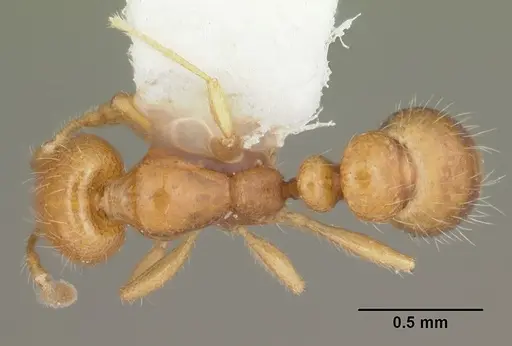
CASENT0104502
View on AntWeb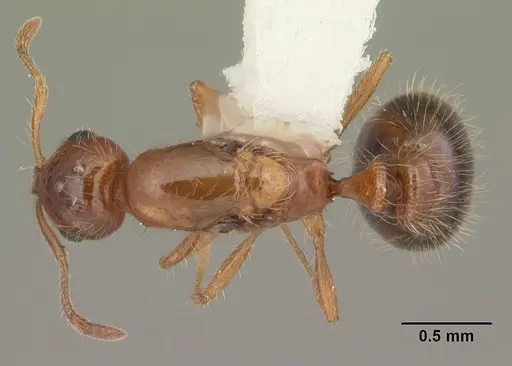
CASENT0104814
View on AntWeb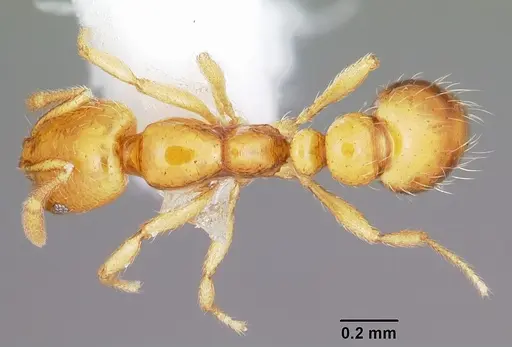
CASENT0173279
View on AntWeb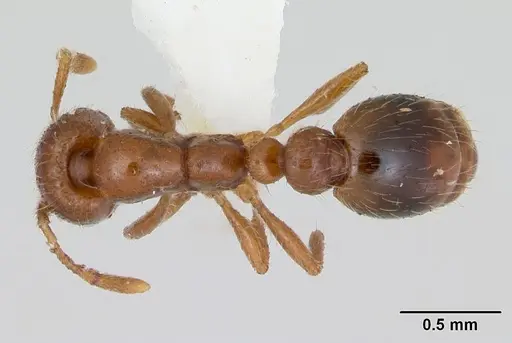
CASENT0173280
View on AntWeb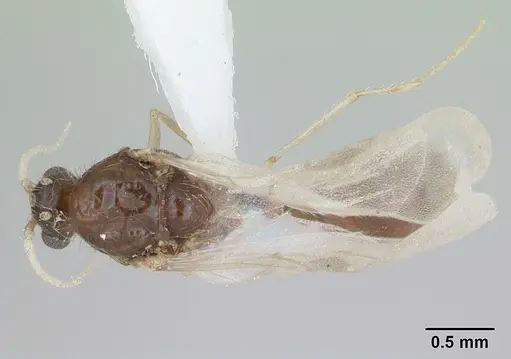
CASENT0173281
View on AntWeb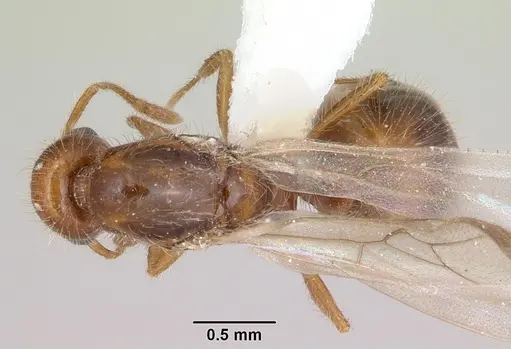
CASENT0636195
View on AntWeb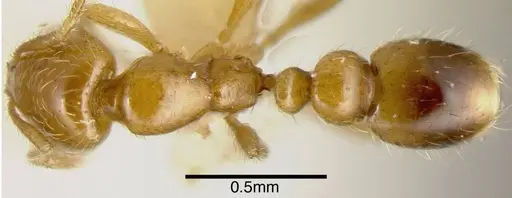
CASENT0729798
View on AntWeb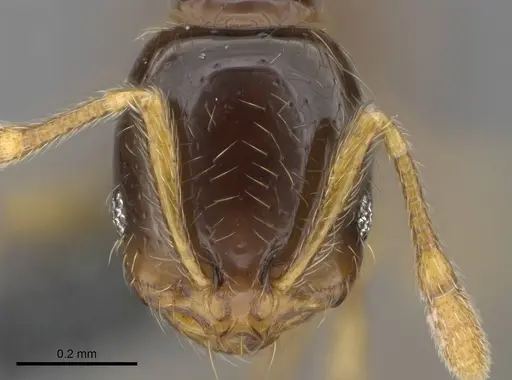
CASENT0766374
View on AntWeb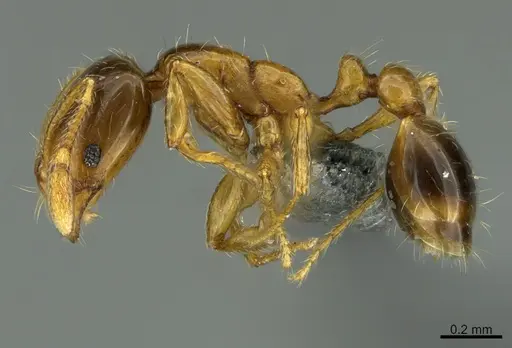
CASENT0902338
View on AntWeb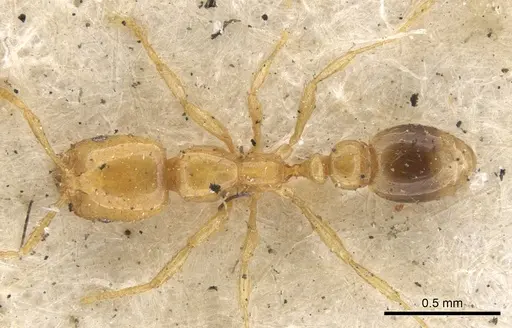
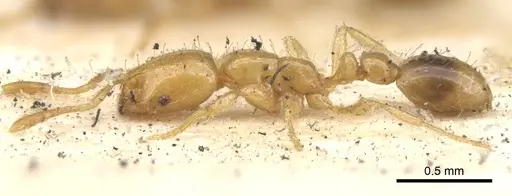
CASENT0908833
View on AntWeb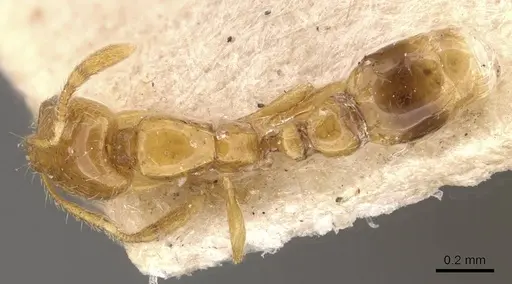
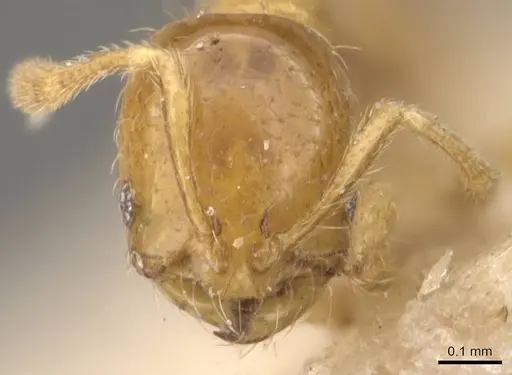
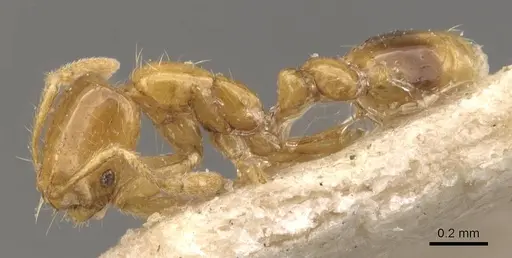
CASENT0913898
View on AntWeb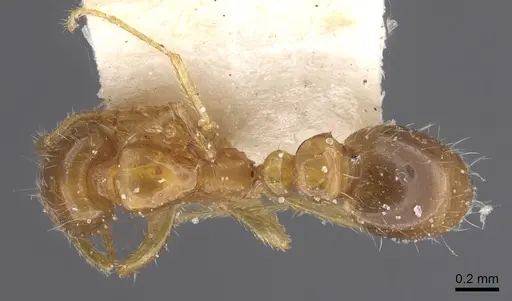
CASTYPE00446
View on AntWeb

CASTYPE00447
View on AntWeb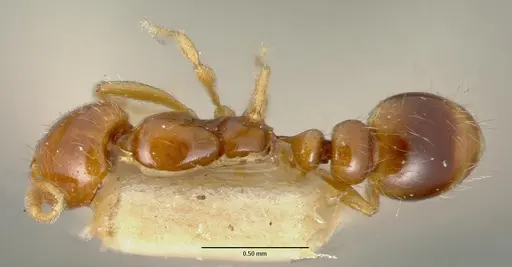


ECOFOG-SAV18-0008-05
View on AntWeb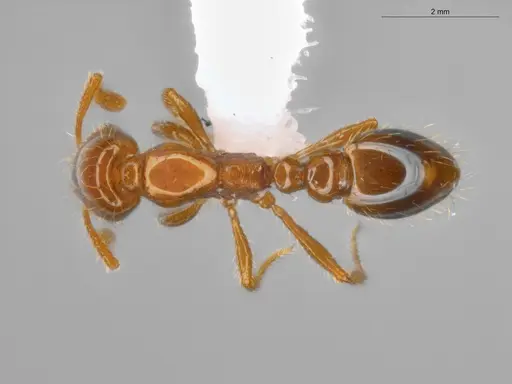
FMNHINS0000078524
View on AntWeb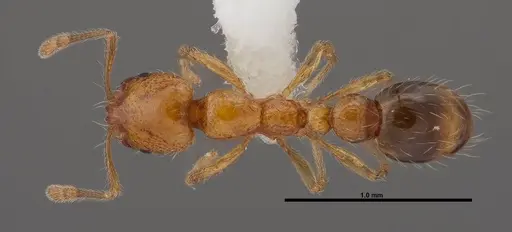
Literature
Loading...Loading products...