

Solenopsis germaini
- Scientific Name
- Solenopsis germaini
- Tribe
- Solenopsidini
- Subfamily
- Myrmicinae
- Author
- Emery, 1895
- Distribution
- Found in 2 countries
Solenopsis germaini Overview
Solenopsis germaini is an ant species of the genus Solenopsis. It is primarily documented in 2 countries , including Argentina, Chile. Detailed taxonomic data and occurrence records can be further explored via authoritative databases such as AntWeb or the Global Biodiversity Information Facility (GBIF).
Solenopsis germaini
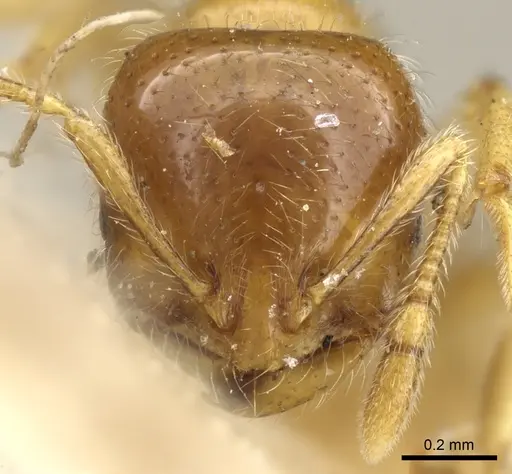
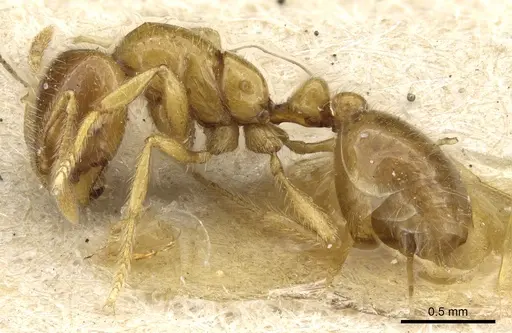
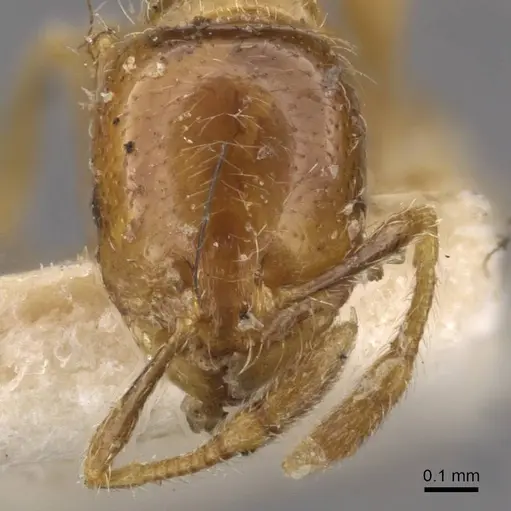
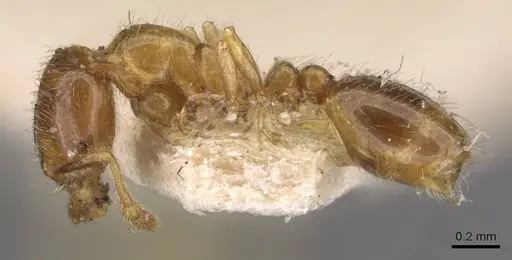
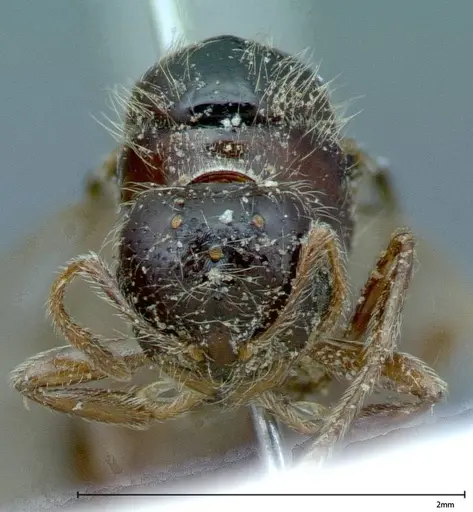
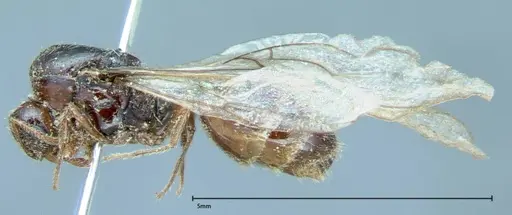
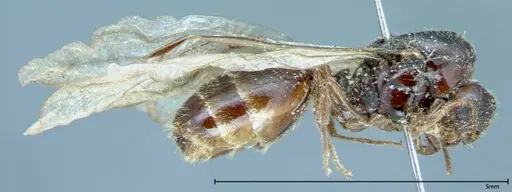
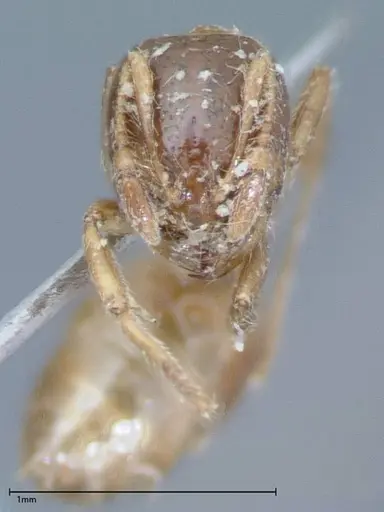
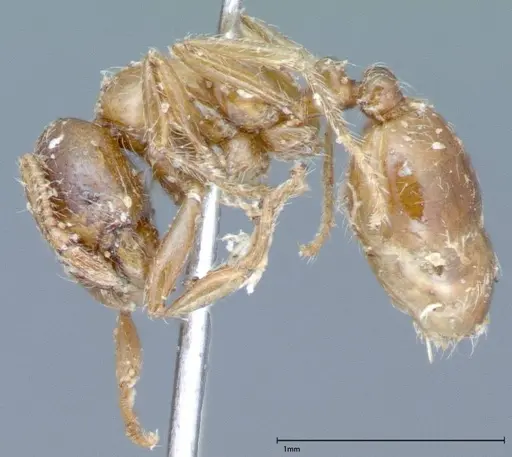
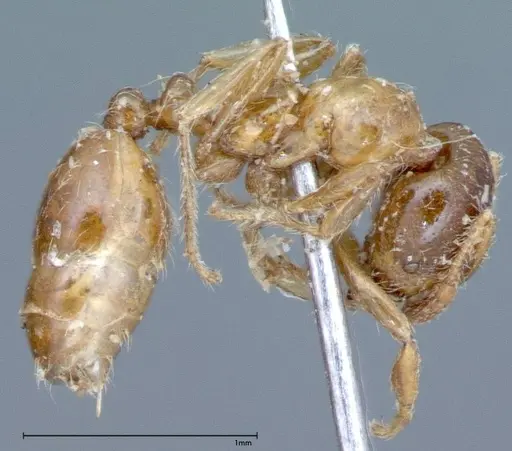
Solenopsis germaini is a small to medium-sized thief ant native to Argentina and Chile, where it is very common [1]. Workers measure 1.8-2.5mm and have a robust golden-brown body with coarse punctures on the head. The head is nearly square, and they possess well-developed clypeal teeth including both lateral and extralateral teeth. Queens are significantly larger at 5.7-6.2mm and appear dark brown. This species belongs to the Solenopsis fugax species complex, a group of thief ants known for their habit of nesting near other ant species and raiding their colonies for brood [1].
What makes S. germaini stand out is its adaptability to diverse habitats, it's been found nesting in ground nests at 1050m elevation in shrub steppe in Argentina, under logs in Araucaria forests at the same elevation, and under stones in coastal scrub at just 10m elevation in Chile [1]. This flexibility suggests a hardy species that can tolerate varying conditions. The species is monomorphic, meaning all workers are roughly the same size, unlike its relative S. patagonica which shows worker size variation.
Quick Summary
- Difficulty: Medium
- Origin & Habitat: Argentina and Chile in the Neotropical region. Found in shrub steppe at 1050m elevation, Araucaria forests, and coastal scrub at 10m elevation [1].
- Colony Type: Likely monogyne (single queen colonies) based on typical Solenopsis patterns, though colony structure has not been directly studied for this species.
- Colony: Monogyne
- Founding: Claustral
- Size & Growth:
- Queen: 5.7-6.2mm
- Worker: 1.8-2.5mm
- Colony: Unknown, likely several hundred workers based on typical Solenopsis colony sizes
- Growth: Moderate, estimated based on related species
- Development: 6-10 weeks at optimal temperature (Development time is estimated based on typical Solenopsis development. Warmer temperatures within safe ranges may accelerate development.)
- Antkeeping:
- Temperature: Keep at 22-26°C, they come from temperate to warm regions of Argentina and Chile and prefer moderate warmth. A heating cable on one side of the nest can create a gradient.
- Humidity: Moderate humidity around 50-70%. They nest in soil and under stones, so keep the substrate slightly moist but not waterlogged. Allow some drying between waterings.
- Diapause: Unknown, the Chilean and Argentine range suggests they may tolerate cooler winter temperatures, but specific diapause requirements have not been documented. Consider a cool period around 10-15°C during winter months if keeping temperate populations.
- Nesting: Ground-nesting species that does well in test tubes for founding colonies. For established colonies, a naturalistic setup with soil or a Y-tong/plaster nest works well. They prefer nesting in darker, sheltered areas under stones or logs in the wild [1].
- Behavior: As a thief ant, they are opportunistic and may attempt to raid neighboring ant colonies for brood. Workers are active foragers and will explore widely for food. They have a functional stinger and may sting if threatened, though their small size limits the effectiveness of their defense. Escape prevention is important due to their small worker size, use fine mesh barriers and tight-fitting lids. They are generally less aggressive than some larger Solenopsis species but will defend their colony if disturbed.
- Common Issues: escape prevention is critical due to tiny worker size, they can squeeze through standard mesh, slow founding phase, claustral queens may take months to produce first workers, colonies may fail if disturbed during founding, queens seal themselves in and need complete darkness and quiet, wild-caught colonies may contain parasites that can devastate captive colonies, overheating can kill colonies quickly, avoid temperatures above 30°C
Housing and Nest Setup
For founding colonies, a simple test tube setup works well. Fill a test tube about one-third with water, plug with a cotton ball, and place the queen in the tube. Keep it dark and undisturbed for 4-8 weeks while she lays eggs and raises her first workers. The queen will seal herself into a chamber she creates at the water line, using the cotton as both water source and wall.
Once the colony reaches 20-30 workers, you can move them to a formicarium. A Y-tong (acrylic) nest or a naturalistic setup with soil works well. These ants prefer darker nesting areas and will often nest away from direct light. Provide an outworld for foraging, a simple plastic container connected to the nest works. Because of their small size, ensure all connections are tight and use fine mesh on any ventilation holes.
Feeding and Diet
Solenopsis germaini is an opportunistic feeder that will accept a variety of foods. In captivity, they readily take sugar sources like honey water or sugar water (change every 2-3 days to prevent mold). For protein, offer small insects like fruit flies, pinhead crickets, or mealworm pieces. They are thief ants by nature, so they may attempt to raid other ant colonies if given the opportunity, this is normal behavior but keep them separated from other ant species in your collection.
Feed small amounts 2-3 times per week for established colonies. Remove uneaten prey after 24 hours to prevent mold. They are small ants, so portion sizes should be tiny, a drop of sugar water or a piece of insect barely visible to the eye is enough for a small colony. As the colony grows, you can gradually increase food amounts.
Temperature and Seasonal Care
Keep your colony at 22-26°C during the active season. This species comes from temperate regions of Argentina and Chile, so they can tolerate a range of conditions but prefer warmth. A heating cable placed on one side of the nest creates a temperature gradient that allows ants to regulate their own temperature by moving between warmer and cooler areas.
During winter, consider providing a cool period around 10-15°C for 2-3 months if you suspect your colony originates from temperate populations. This mimics natural seasonal cycles and may help promote healthy colony development. However, since specific diapause requirements are not documented for this species, observe your colony's behavior, if they remain active and healthy without cooling, they may not require a formal diapause. Avoid temperatures above 30°C as this can be fatal.
Behavior and Colony Dynamics
This species exhibits typical thief ant behavior, workers are active foragers that explore their surroundings and may attempt to invade neighboring ant colonies to steal brood. This is their natural foraging strategy and is not a sign of aggression toward humans. Workers are small but determined, and they have a functional stinger that can deliver a mild sting if the colony is severely threatened.
Colony growth is moderate. A newly mated queen will lay eggs shortly after founding, and the first workers (nanitics) will emerge in approximately 6-10 weeks under optimal conditions. These first workers are typically smaller than mature workers. The colony will grow steadily as more workers are produced, with population growth depending on food availability and temperature. Colonies likely reach several hundred workers at maturity.
Frequently Asked Questions
How long does it take for Solenopsis germaini to produce first workers?
Expect first workers (nanitics) to emerge in 6-10 weeks after the queen lays eggs, assuming temperatures around 24-26°C. This is typical for Solenopsis species. The exact timing depends on temperature and how well the queen is feeding. Some queens may take longer, so be patient and avoid disturbing the founding tube.
Can I keep multiple Solenopsis germaini queens together?
Not recommended. While colony structure is not fully documented for this species, Solenopsis species are typically monogyne (single queen colonies). Combining unrelated queens typically results in fighting, and even if they initially tolerate each other, stress and competition often lead to queen deaths. It's best to house each queen separately for founding.
What do Solenopsis germaini eat?
They accept a varied diet including sugar sources (honey water, sugar water) and protein (small insects like fruit flies, pinhead crickets, mealworm pieces). As small thief ants, they are opportunistic feeders and will scavenge. Feed small amounts 2-3 times per week, removing uneaten food after 24 hours to prevent mold.
Are Solenopsis germaini good for beginners?
They are rated as medium difficulty. While smaller than some beginner species, they are relatively hardy once established. The main challenges are their small size (requiring excellent escape prevention), the slow founding phase requiring patience, and their tendency to escape through tiny gaps. If you can provide proper housing and are patient through the founding stage, they can be rewarding to keep.
When should I move Solenopsis germaini from a test tube to a formicarium?
Move them once the colony reaches 20-30 workers and the test tube is becoming crowded. Signs that a move is needed include workers frequently clustering near the cotton plug, condensation disappearing quickly, or the queen moving away from the water reservoir. Make sure the new enclosure has appropriate connections and escape prevention, these tiny ants can squeeze through surprisingly small gaps.
Do Solenopsis germaini need hibernation?
Specific diapause requirements are not documented for this species. They come from Argentina and Chile, which have temperate to cool winters in the southern parts of their range. A cool period around 10-15°C for 2-3 months during winter may be beneficial, but many keepers successfully keep them active year-round at room temperature. Observe your colony's behavior, if they slow down significantly in winter, a cool period may help.
Why are my Solenopsis germaini escaping?
Their small worker size (1.8-2.5mm) means they can escape through gaps that seem impossible. Use fine mesh (at least 0.5mm or smaller), ensure all tube connections are tight, and consider using fluon or other barriers on smooth surfaces. Check all seams and lid edges regularly, these determined little ants will find any weakness in your setup.
How big do Solenopsis germaini colonies get?
Colony size is not directly documented, but based on related Solenopsis species, mature colonies likely reach several hundred workers. Growth is moderate, expect several months to reach 50 workers, and a year or more to reach larger sizes. Colony growth depends on temperature, feeding frequency, and colony health.
References

This caresheet is licensed under CC BY-SA 4.0 .
CASENT0904632
View on AntWeb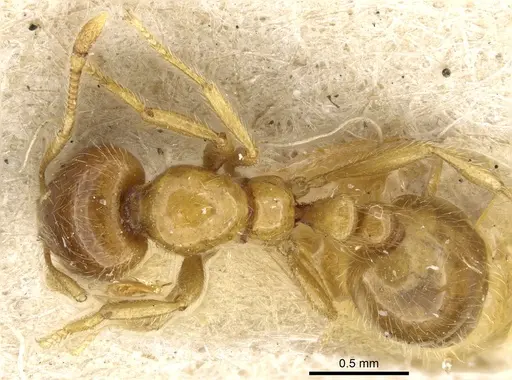
CASENT0908795
View on AntWeb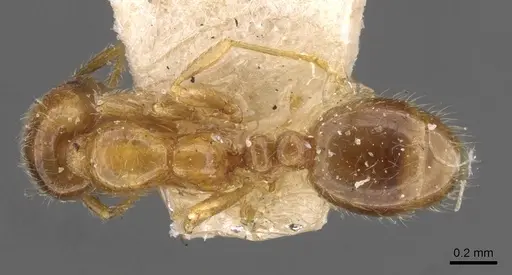
FOCOL0043
View on AntWeb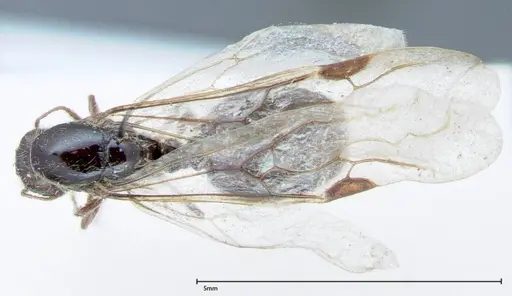
FOCOL0044
View on AntWeb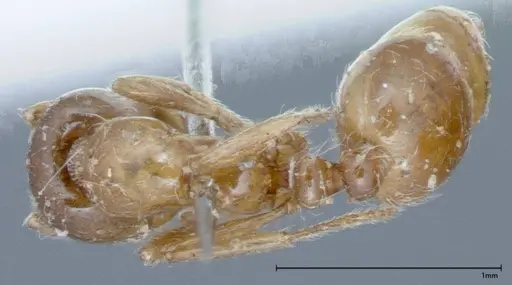
FOCOL0045
View on AntWeb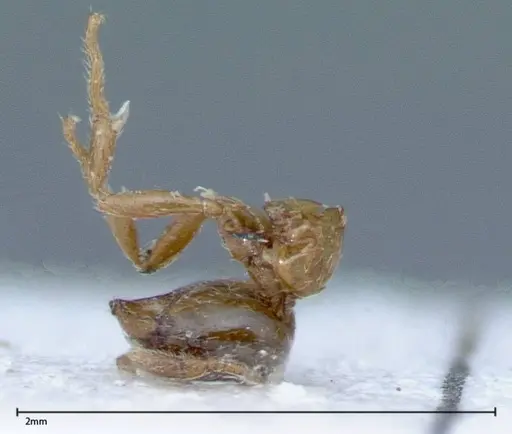
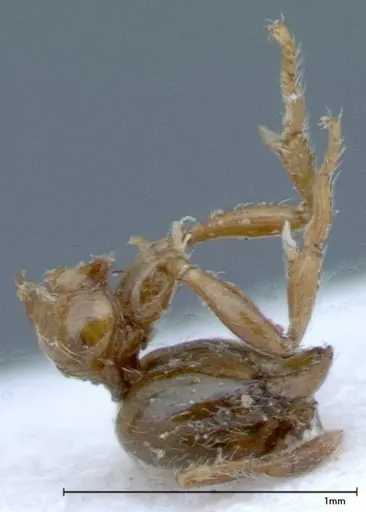
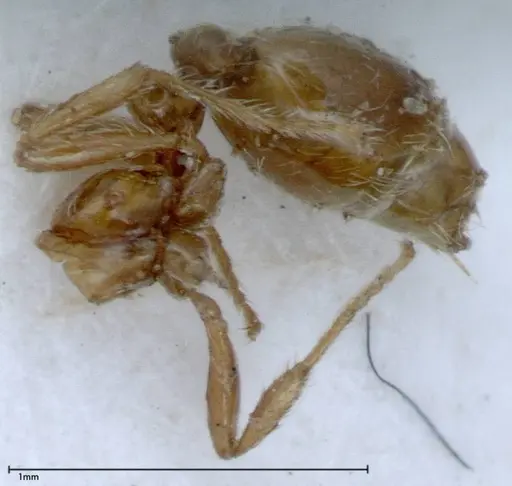
FOCOL1882
View on AntWeb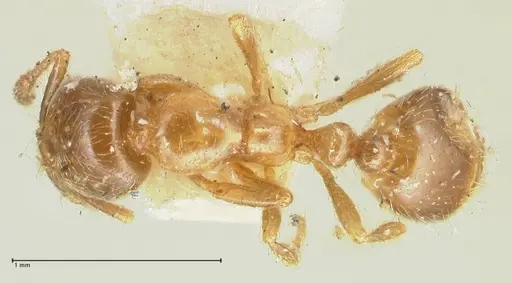
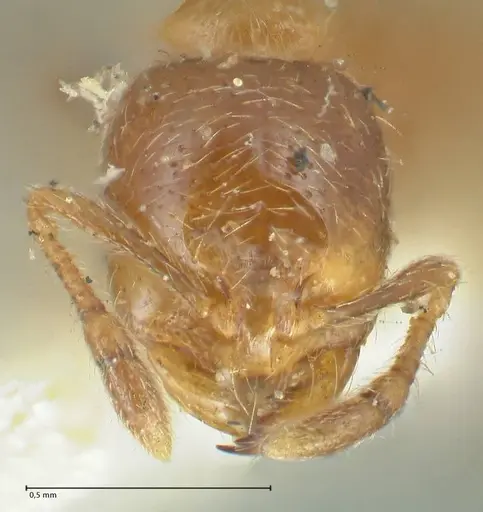
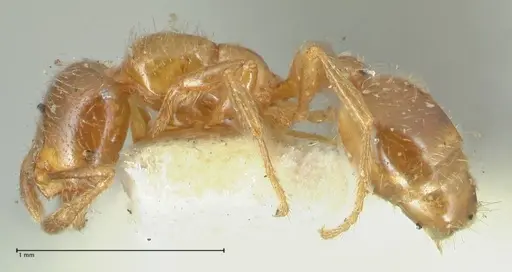
Literature
Loading...Loading products...