

Solenopsis froggatti
- Scientific Name
- Solenopsis froggatti
- Tribe
- Solenopsidini
- Subfamily
- Myrmicinae
- Author
- Forel, 1913
- Distribution
- Found in 1 countries
Solenopsis froggatti Overview
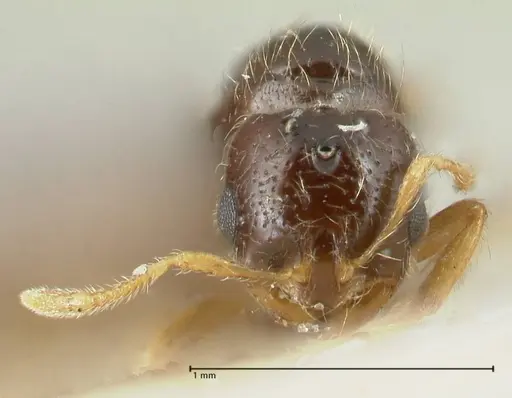
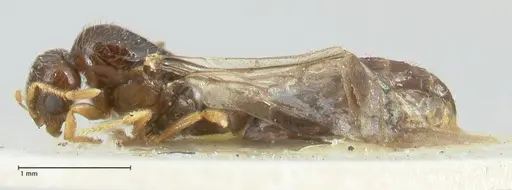
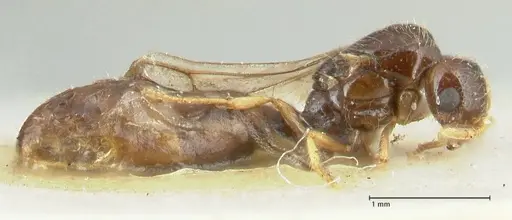
Solenopsis froggatti is an ant species of the genus Solenopsis. It is primarily documented in 1 countries , including Australia. Detailed taxonomic data and occurrence records can be further explored via authoritative databases such as AntWeb or the Global Biodiversity Information Facility (GBIF).
Solenopsis froggatti
Solenopsis froggatti is a small to medium-sized fire ant species native to Australia, specifically documented in Tasmania including the Hobart area [1]. Workers are typically 3-6mm with the characteristic reddish-brown to dark coloration typical of fire ants, and they possess a potent stinger [1]. This species was originally described by Forel in 1913 from Tasmania, with queens later described by Viehmeyer in 1925 [1]. As a member of the Myrmicinae subfamily and Solenopsidini tribe, these ants have functional stingers and are capable of delivering painful stings when threatened [1].
What makes S. froggatti particularly interesting is its origin from Tasmania's unique sclerophyll forest ecosystems, a far cry from the tropical origins of many common fire ant species. This temperate distribution suggests different seasonal care requirements than typical tropical Solenopsis. Like other fire ants, they are omnivorous foragers with a reputation for being aggressive defenders of their nests [1].
Quick Summary
- Difficulty: Medium
- Origin & Habitat: Native to Tasmania and southeastern Australia. Found in sclerophyll forest communities in north-eastern Tasmania, indicating preference for dry, open woodland habitats with eucalyptus and other drought-tolerant vegetation [2]. The temperate climate of Tasmania means this species experiences distinct seasons and likely requires seasonal temperature cycling.
- Colony Type: Colony structure is not fully documented for this species. Based on typical Solenopsis patterns, likely single-queen (monogyne) colonies, though some related species can form multi-queen colonies. Ergatoid (wingless) replacement reproductives may be present as documented in related fire ant species.
- Colony: Monogyne
- Founding: Claustral
- Size & Growth:
- Queen: Estimated 6-8mm based on genus patterns, direct measurements not available for this species
- Worker: Estimated 3-6mm based on genus patterns, direct measurements not available for this species
- Colony: Likely several thousand workers at maturity based on typical Solenopsis colony development
- Growth: Moderate, fire ants typically establish relatively quickly once founding is complete
- Development: Estimated 6-8 weeks at optimal temperature based on related Solenopsis species (Development time estimated from genus-level data, specific temperature requirements for this species are unconfirmed)
- Antkeeping:
- Temperature: Keep nest area around 20-24°C. Tasmania experiences cool winters, so this species likely tolerates cooler temperatures than tropical fire ants. A gentle temperature gradient allows ants to self-regulate. Avoid overheating, they prefer moderate, stable conditions over high heat.
- Humidity: Moderate humidity around 50-70%. Sclerophyll forests are relatively dry environments, so avoid overly damp conditions. The nest substrate should have some moisture but allow for drying periods between waterings.
- Diapause: Yes, Tasmania has distinct winters with temperatures dropping significantly. Provide a winter rest period of 8-12 weeks at 10-15°C during the colder months, simulating their natural seasonal cycle.
- Nesting: Y-tong (AAC) nests work well for fire ants, the porous material helps maintain appropriate moisture balance. Test tube setups are suitable for founding colonies. Provide a connection to an outworld for foraging. Naturalistic setups with dry substrate and minimal moisture retention also suit their sclerophyll forest origins.
- Behavior: Fire ants are aggressive defenders with a potent stinger. Workers will readily attack threats and can deliver painful stings. They are active foragers that hunt insects and collect sweet liquids. Escape prevention is important, workers are small enough to exploit gaps in lids and connections. They typically establish clear foraging trails and can rapidly colonize new areas of the outworld. Unlike some tropical fire ants, this temperate species may show reduced activity during cooler periods.
- Common Issues: stinger inflicts painful stings, handle with caution and use gloves when servicing the colony, escape prevention requires fine mesh and tight-fitting lids due to small worker size, winter dormancy is essential, colonies that aren't cooled for hibernation may decline over time, aggressive behavior means rehousing or connecting new outworlds requires careful planning, founding colonies are vulnerable, queens should be left undisturbed during claustral founding
Temperature and Seasonal Care
Solenopsis froggatti originates from Tasmania, a temperate region with distinct seasons. This means their care differs significantly from tropical fire ant species. During the active season (spring through autumn), maintain nest temperatures around 20-24°C. This moderate range reflects their native sclerophyll forest habitat where extreme heat is uncommon.
Winter care is critical for this species. Tasmania experiences cold winters, and your colony will need a diapause period. Reduce temperatures to 10-15°C for 8-12 weeks during winter. This can be achieved by moving the colony to a cooler location or using a refrigerator set to appropriate temperatures. Do not feed during hibernation but ensure some moisture is available. Gradual temperature changes are important, avoid sudden shifts that could stress the colony [1].
Feeding and Diet
Like other fire ants, S. froggatti is omnivorous and will accept a variety of foods. Protein sources are essential for brood development, offer small insects like fruit flies, small crickets, or mealworms. They are active hunters and will readily take live prey. Sugar sources are also important: provide honey water, sugar water, or occasional sweet fruits.
Feed protein 2-3 times per week, offering amounts the colony can consume within a day or two. Keep sugar water available constantly, replacing every few days to prevent fermentation. Remove uneaten prey after 24-48 hours to prevent mold. During hibernation, suspend feeding entirely. Fire ants often prefer to forage in the evening or night, so observe feeding activity at different times [1].
Nesting and Housing
For founding colonies, a simple test tube setup works well. Fill a test tube with water and plug the occupied end with cotton, leaving the other end open for the queen. Place the tube in a dark, quiet location and leave it completely undisturbed until workers emerge, typically 4-8 weeks.
Established colonies do well in Y-tong (AAC) formicariums. The porous nature of YTong helps maintain appropriate humidity while allowing for both moist and dry zones within the nest. Fire ants generally prefer drier conditions than many tropical species, so avoid over-wetting the nest. Connect the nest to an outworld using a tube or short foraging area. Ensure all connections are secure, fire ants are adept at finding and exploiting gaps [1].
Behavior and Defense
Fire ants are named for their characteristic defensive behavior, when threatened, they swarm and deliver multiple stings. S. froggatti is no exception. Workers are small but aggressive, and the stinger delivers a burning sensation that can last for hours. This is a species to handle with extreme caution.
When servicing the colony, use gloves and work slowly to minimize disturbance. If you need to move or connect the colony, do so in a well-lit area where you can see any escaping workers. Fire ants can climb smooth surfaces but are stopped by fluon barriers applied to container edges. Their foraging behavior is organized, they establish pheromone trails to food sources and can rapidly mobilize many workers [1].
Colony Development
A newly mated queen will seal herself in a claustral chamber and lay eggs without foraging. She feeds the first brood from her stored fat reserves and metabolic byproducts. The first workers (nanitics) are typically smaller than mature workers and emerge after 6-8 weeks under optimal conditions. Once nanitics emerge, the queen stops caring for brood directly, workers take over all colony maintenance and foraging.
Colony growth is moderate. After the first workers emerge, expect several months to reach 50-100 workers, and a year or more to reach several hundred. Fire ant colonies can eventually grow to several thousand workers. The colony will expand into the outworld as it grows, establishing foraging territories. Regular feeding and appropriate temperature will support steady growth [1].
Frequently Asked Questions
Does Solenopsis froggatti sting?
Yes, absolutely. This is a fire ant species with a functional stinger that delivers a painful, burning sting. Handle with extreme caution, wear gloves when working near the colony and avoid allowing workers to contact bare skin. Their sting is more painful than many common ant species [1].
What temperature do Solenopsis froggatti ants need?
Keep them at 20-24°C during the active season. This temperate species from Tasmania doesn't need the high temperatures some tropical fire ants require. During winter, provide 8-12 weeks of hibernation at 10-15°C [2][1].
How long does it take for Solenopsis froggatti to raise first workers?
Expect 6-8 weeks from egg to first worker under optimal conditions. The queen seals herself in during claustral founding and raises the first brood alone. Once workers emerge, the colony enters a growth phase [1].
Do Solenopsis froggatti need hibernation?
Yes, hibernation is recommended. As a species from temperate Tasmania, they expect cold winter months. Provide 8-12 weeks at 10-15°C during winter. Skip feeding during this period but ensure some moisture is available. Gradual temperature changes are important [2][1].
What do Solenopsis froggatti eat?
They are omnivorous. Offer protein sources like small insects (fruit flies, small crickets, mealworms) 2-3 times per week. Keep sugar water or honey water available constantly. They are active hunters and will readily take live prey [1].
Is Solenopsis froggatti good for beginners?
This is not an ideal beginner species. Their painful sting requires careful handling, and their aggressive defense of the nest means servicing the colony requires caution. Additionally, their hibernation requirements differ from many common tropical ant species. Consider starting with a less defensive species [1].
How big do Solenopsis froggatti colonies get?
Based on typical Solenopsis patterns, colonies can reach several thousand workers at maturity. Growth is moderate, expect several months to reach 50-100 workers and a year or more to reach several hundred [1].
Can I keep multiple Solenopsis froggatti queens together?
This species is likely monogyne (single queen) based on typical Solenopsis patterns. Combining unrelated queens is not recommended and may result in fighting. If you obtain a colony, assume single-queen structure [1].
What type of nest is best for Solenopsis froggatti?
Y-tong (AAC) formicariums work well for established colonies, the porous material helps manage humidity appropriately for this relatively dry-adapted species. Test tubes are suitable for founding colonies. Avoid overly humid conditions [1].
Why is my Solenopsis froggatti colony dying?
Common causes include: incorrect temperature (too hot or too cold), improper humidity (too wet), lack of hibernation during winter, stress from excessive disturbance during founding, or escape leading to lost workers. Check each of these factors. Fire ants from temperate regions have different needs than tropical species [1].
Are Solenopsis froggatti ants invasive?
This species is native to Australia/Tasmania. If you keep them elsewhere, do not release them, they could become invasive in non-native regions. Always keep ant colonies contained and never release non-native species [1].
When should I move Solenopsis froggatti to a formicarium?
Wait until the colony has 50-100 workers and the test tube is becoming crowded. Fire ants often do well moving to a formicarium once they have an established worker population. Ensure the new nest has appropriate humidity and connections to an outworld [1].
References

This caresheet is licensed under CC BY-SA 4.0 .
CASENT0908876
View on AntWeb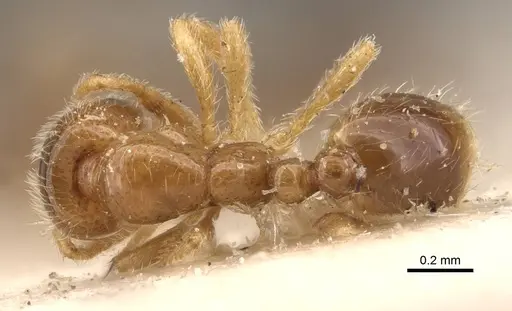
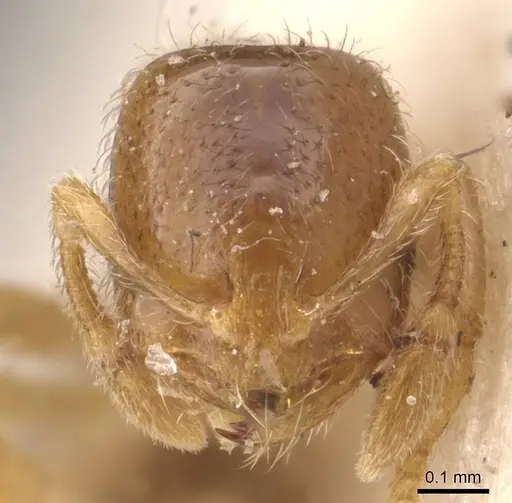
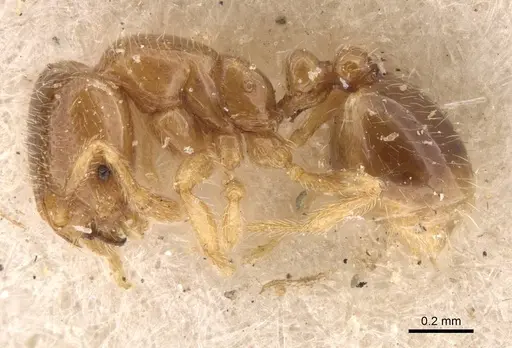
FOCOL1876
View on AntWeb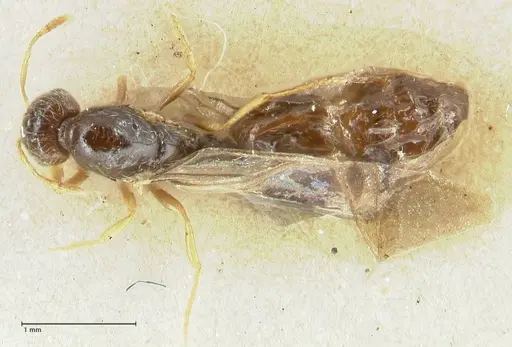
Literature
Loading...Loading products...