

Solenopsis dentata
- Scientific Name
- Solenopsis dentata
- Tribe
- Solenopsidini
- Subfamily
- Myrmicinae
- Author
- Collingwood & Kugler, 1994
- Distribution
- Found in 1 countries
Solenopsis dentata Overview
Solenopsis dentata is an ant species of the genus Solenopsis. It is primarily documented in 1 countries , including Israel. Detailed taxonomic data and occurrence records can be further explored via authoritative databases such as AntWeb or the Global Biodiversity Information Facility (GBIF).
Solenopsis dentata
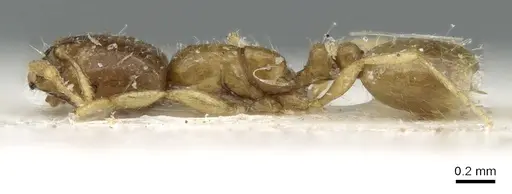
Solenopsis dentata is a tiny yellow ant species endemic to Israel, first described in 1994. Workers measure just 1.72-2.33mm and are yellow with a distinctive toothlike projection on the postpetiole (the segment behind the waist) that makes them easy to identify under magnification. Queens are larger at 3.57-3.92mm with a brownish-black body. This species is known only from Israel, where it has been found in multiple locations across the southern Coastal Plain and Jordan Valley regions [1].
Almost nothing is known about the biology of this species in the wild. The few specimens collected were found under stones, suggesting they nest in soil or under ground-level cover. Based on related Solenopsis species, they are likely generalist foragers that scavenge and hunt small invertebrates, but this remains unconfirmed. Their tiny size and limited distribution make them an unusual member of a genus best known for larger, more aggressive fire ants.
Quick Summary
- Difficulty: Unknown, too little is known to assess difficulty
- Origin & Habitat: Endemic to Israel, found in the southern Coastal Plain and Jordan Valley regions. Specimens have been collected under stones in areas ranging from lowland coastal plain to foothills[1].
- Colony Type: Unknown, colony structure has not been documented
- Size & Growth:
- Queen: 3.57-3.92mm
- Worker: 1.72-2.33mm
- Colony: Unknown, no colony size data exists
- Growth: Unknown
- Development: Unknown, no development data exists for this species. Based on typical Solenopsis patterns, expect 4-8 weeks at warm temperatures, but this is an estimate. (Development timeline is unconfirmed. Related Solenopsis species typically develop from egg to worker in 4-8 weeks under optimal conditions.)
- Antkeeping:
- Temperature: Unknown, no thermal studies exist. Based on its Israeli distribution (Mediterranean climate), aim for roughly 20-26°C with room for adjustment based on colony behavior.
- Humidity: Unknown, no humidity data exists. Keep substrate moderately moist, similar to other small soil-nesting ants from temperate regions.
- Diapause: Unknown, no seasonal data exists. Israeli ants may experience mild winter dormancy given the temperate climate in parts of their range.
- Nesting: Likely soil-nesting based on specimens found under stones. A test tube setup or small acrylic nest with moist substrate would be appropriate starting points.
- Behavior: Almost completely unknown. Based on genus-level patterns, they are likely generalist foragers but their temperament, activity level, and defensive behaviors have not been documented. Their tiny size (under 2.5mm for workers) means escape prevention is important, they can slip through very small gaps.
- Common Issues: lack of biological data makes proper care difficult to determine, no information on acceptable foods makes feeding challenging, colony size and growth rate are unknown, no information on whether they can be kept in groups or require single queen isolation, no data on overwintering requirements or diapause needs
Identification and Appearance
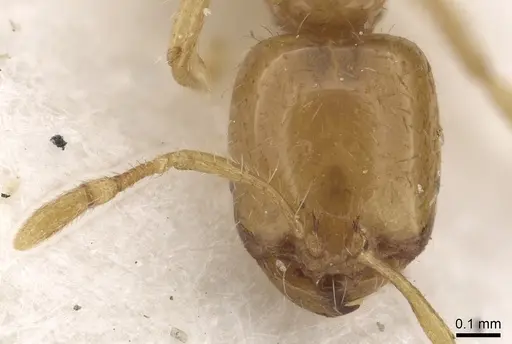
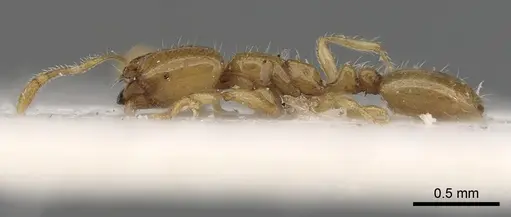
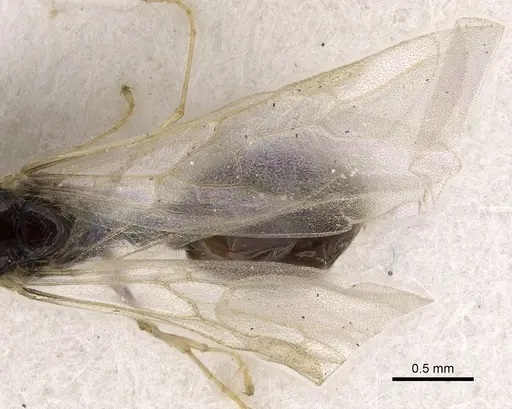
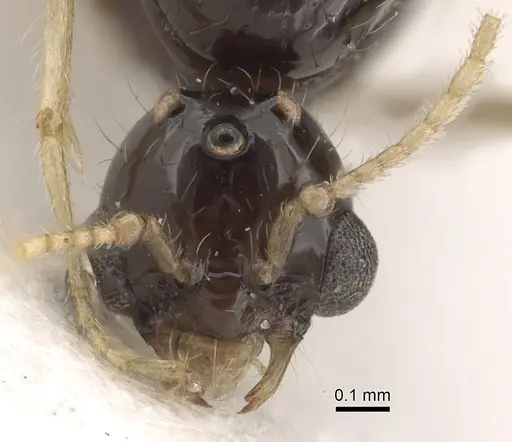
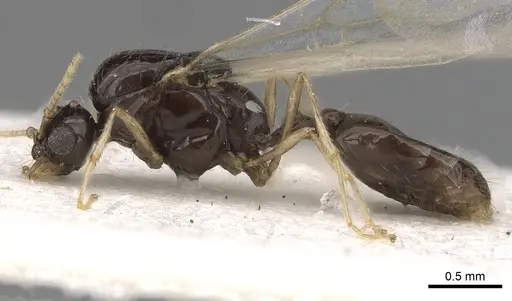
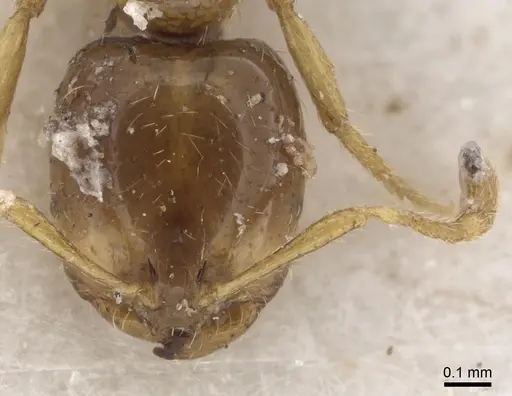
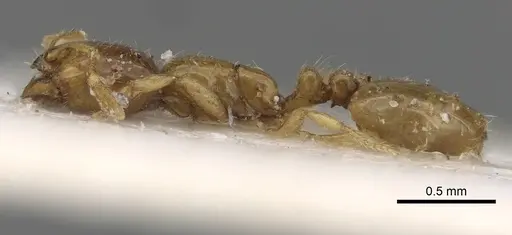
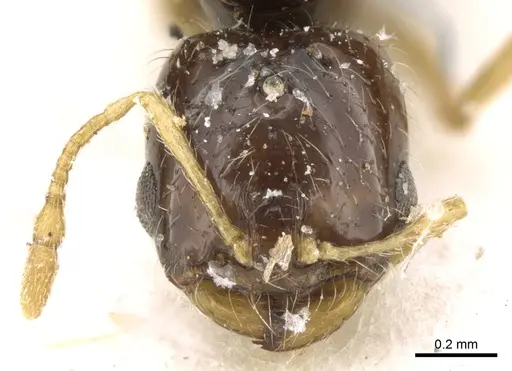
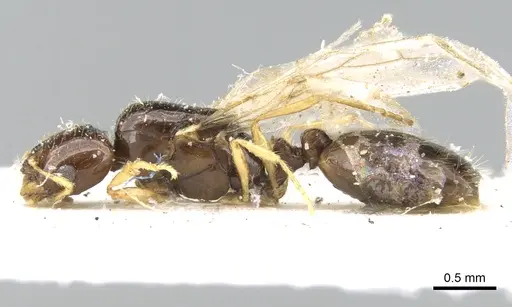
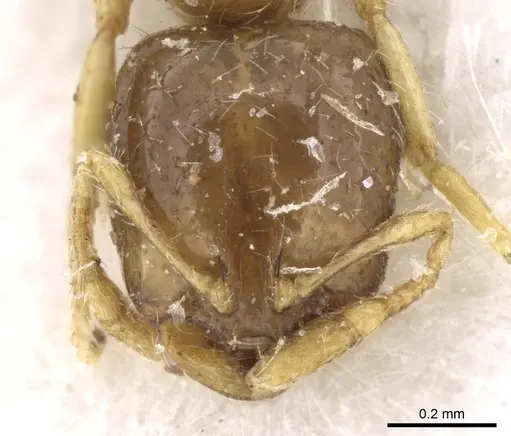
Solenopsis dentata is a distinctive tiny ant. Workers are yellow and measure just 1.72-2.33mm, making them one of the smaller Solenopsis species. The most diagnostic feature is the toothlike projection on the underside of the postpetiole (the segment behind the petiole), visible when viewed from the side. Queens are larger at 3.57-3.92mm with a brownish-black body, while males are 2.9-3.1mm and also dark colored. The workers have relatively small eyes with only 7 ommatidia, and the head is only slightly longer than wide. Under magnification, the fine long hairs covering the body are visible. This species can be distinguished from most other Solenopsis by that distinctive postpetiole projection, a feature not found in related species. [1]
Distribution and Habitat
This species is known only from Israel, making it endemic to that region. Specimens have been collected from multiple locations: Yavne in the southern Coastal Plain, Jerusalem in the Judean Hills, Tel Aviv on the coast, Qiryat Anavim, Yeroham in the Northern Negev, Meron in Upper Galilee, and Zekharya in the foothills of Judea. The distribution spans regions 7 (Jordan Valley and southern Golan) and 9 (southern Coastal Plain) in Israel's regional classification [1]. All collected specimens were found under stones, suggesting they nest in soil or under ground cover rather than in exposed locations. The range covers both Mediterranean coastal areas and more arid interior regions.
What We Don't Know
This is one of the least-studied ant species in the hobby. Literally nothing has been published about the biology of Solenopsis dentata, no observations of foraging, colony structure, nuptial flights, development, or any aspect of their natural history exist [2]. The original description only covers physical measurements and morphology. This means keepers are essentially working from genus-level inferences and will need to document their own observations. Related Solenopsis species are typically generalist omnivores that scavenge and hunt small invertebrates, and they usually have claustral founding (queen seals herself in), but these specifics have not been confirmed for S. dentata. The lack of data makes this species more suitable for experienced keepers who can document and experiment with care conditions.
Housing and Nesting
Based on the collection data (specimens found under stones), this species likely nests in soil or under ground-level cover. A standard test tube setup works well for founding colonies, keep the water section moderate and provide a dark, quiet location. Once the colony grows, a small acrylic nest or naturalistic setup with moist soil would be appropriate. Given their tiny size (workers under 2.5mm), ensure any connections between outworld and nest are snug. Escape prevention should be taken seriously despite their small size, they can slip through surprisingly small gaps. A thin barrier of fluon around the rim of the outworld helps prevent escapes. [2]
Feeding and Diet
No specific dietary information exists for this species. Based on typical Solenopsis biology, they likely accept small protein sources like fruit flies, pinhead crickets, and other tiny arthropods, plus sugar sources like honey water or sugar water. Start with small live prey items appropriate to their tiny worker size. Offer sugar water consistently once workers are present. Given the complete lack of documented feeding behavior, keepers should experiment carefully and document what works. Avoid offering prey larger than their workers, these are very small ants. [2]
Temperature and Seasonal Care
No specific temperature data exists for this species. Based on its Israeli distribution (Mediterranean climate with hot summers and mild winters), aim for roughly 20-26°C as a starting point. Room temperature in most homes (around 20-22°C) is likely suitable. If the colony seems sluggish, slightly increasing temperature may help. No information exists about diapause or winter requirements, Israeli ants from coastal and valley regions may not need a true hibernation, but a slight cool period during winter months may be appropriate. Monitor colony activity and adjust accordingly. [2]
Frequently Asked Questions
How long does it take for Solenopsis dentata to develop from egg to worker?
This is unknown, no development data exists for this species. Based on typical Solenopsis patterns, expect roughly 4-8 weeks at warm temperatures (around 24-26°C), but this is an estimate rather than a confirmed timeline. Keepers will need to document their own observations.
What do Solenopsis dentata ants eat?
No specific dietary data exists. Based on genus-level patterns, they likely accept small live prey (fruit flies, tiny crickets, springtails) and sugar sources (honey water, sugar water). Start with small prey items appropriate to their tiny worker size and offer sugar water once workers are present.
Can I keep multiple Solenopsis dentata queens together?
This is unknown, colony structure has not been documented for this species. Without data on whether they are single-queen or multi-queen colonies, combining unrelated queens is not recommended. Start with an isolated founding queen for safety.
How big do Solenopsis dentata colonies get?
This is unknown, no colony size data exists for this species. Related small Solenopsis species typically reach a few hundred workers. Based on their tiny size and limited distribution, large colonies are unlikely.
What temperature should I keep Solenopsis dentata at?
No specific thermal data exists. Based on their Israeli distribution, aim for roughly 20-26°C as a starting point. Room temperature (around 20-22°C) is likely suitable. Adjust based on colony activity, if they seem sluggish, slightly increase temperature.
Do Solenopsis dentata need hibernation or diapause?
This is unknown, no seasonal data exists. Israeli ants from coastal and valley regions may experience mild winter dormancy, but true hibernation requirements have not been documented. A slight cool period (15-18°C) during winter months may be appropriate based on their natural range.
Are Solenopsis dentata good for beginners?
No, this species is not recommended for beginners due to the complete lack of biological data. Every aspect of care (feeding, temperature, humidity, colony structure) is essentially unknown. This species is more suitable for experienced keepers who can experiment and document their own observations to build husbandry knowledge.
Where is Solenopsis dentata found in the wild?
This species is endemic to Israel, known only from that country. Specimens have been collected from multiple locations including Yavne (southern Coastal Plain), Jerusalem, Tel Aviv, and several other sites across the country. All specimens were found under stones.
References

This caresheet is licensed under CC BY-SA 4.0 .
CASENT0281010
View on AntWeb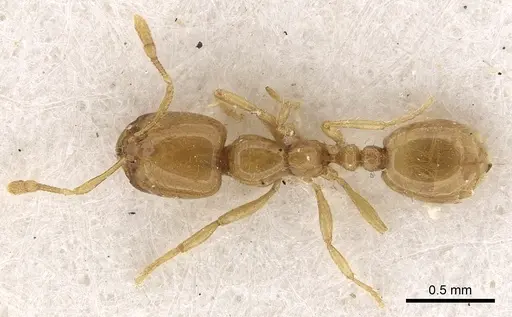
CASENT0281014
View on AntWeb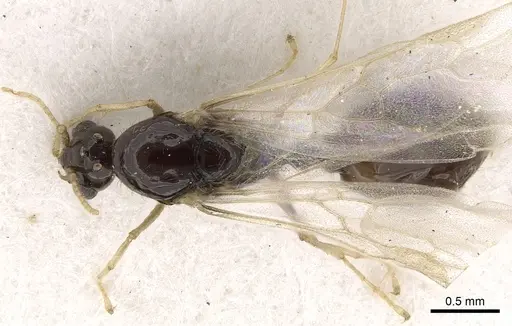
CASENT0281015
View on AntWeb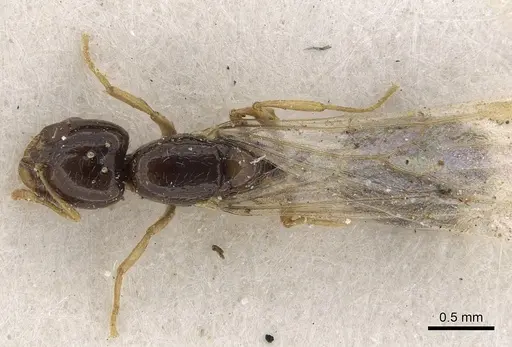
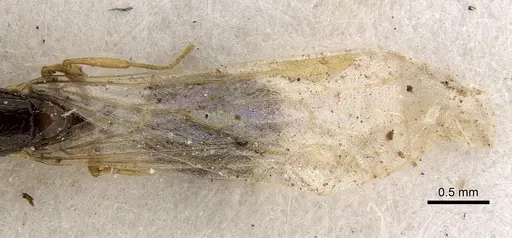
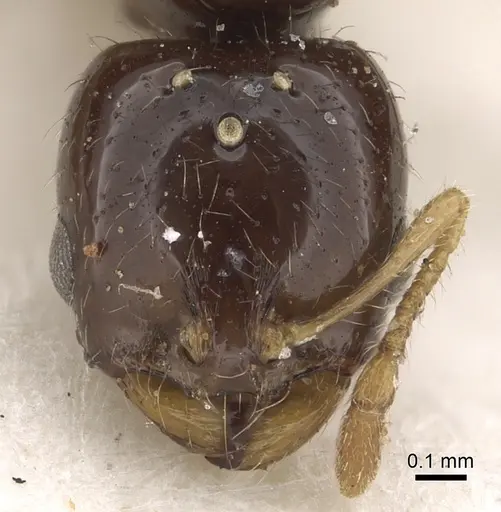
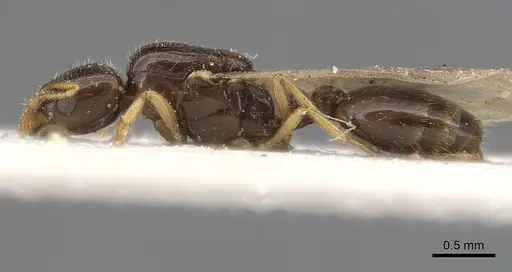
CASENT0281034
View on AntWeb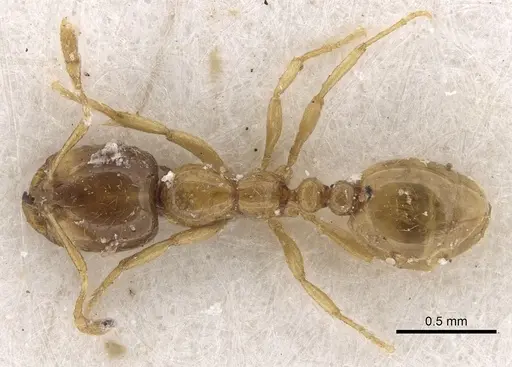
CASENT0906348
View on AntWeb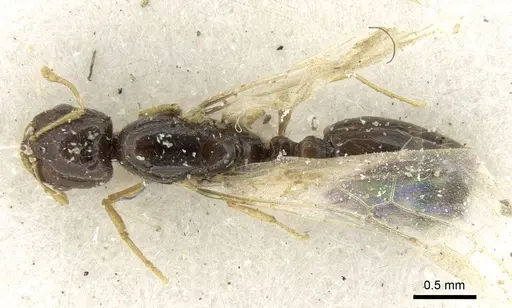
CASENT0906349
View on AntWeb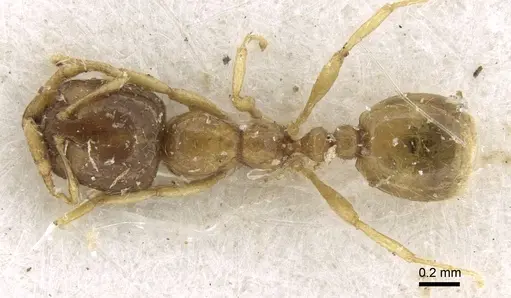
Literature
Loading...Loading products...