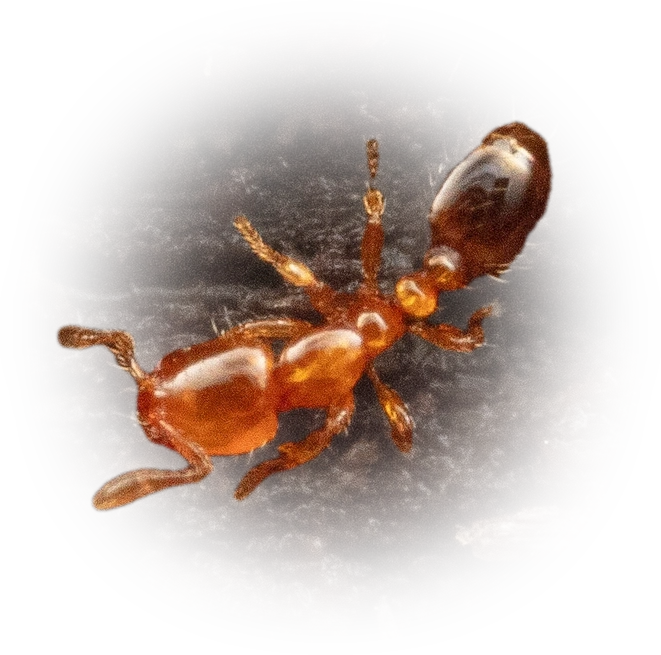

Solenopsis azteca
- Scientific Name
- Solenopsis azteca
- Tribe
- Solenopsidini
- Subfamily
- Myrmicinae
- Author
- Forel, 1893
- Distribution
- Found in 9 countries
Solenopsis azteca Overview
Solenopsis azteca is an ant species of the genus Solenopsis. It is primarily documented in 9 countries , including Barbados, Colombia, Costa Rica. Detailed taxonomic data and occurrence records can be further explored via authoritative databases such as AntWeb or the Global Biodiversity Information Facility (GBIF).
Solenopsis azteca
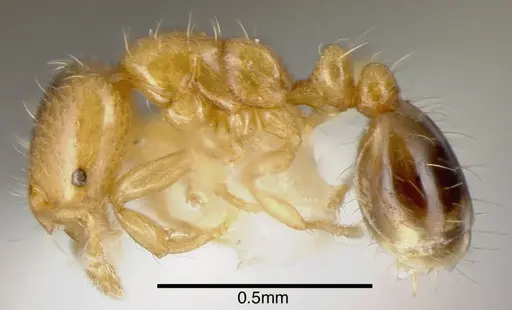
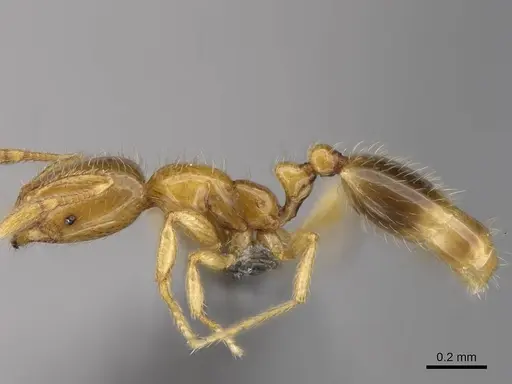
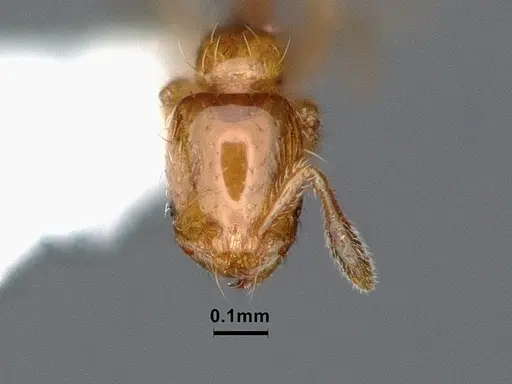
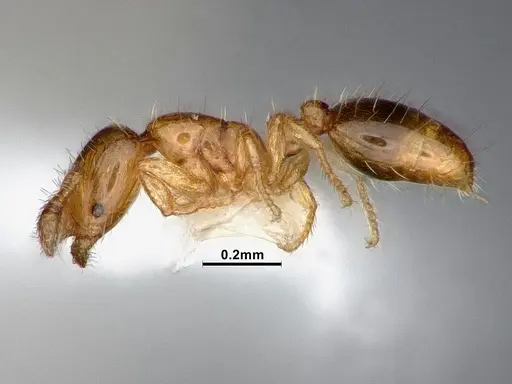
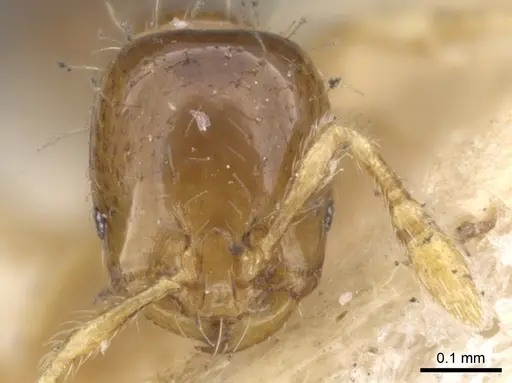
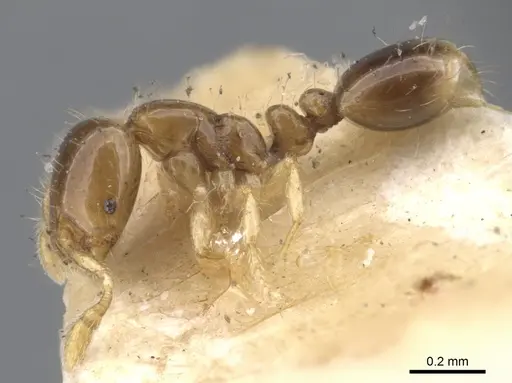
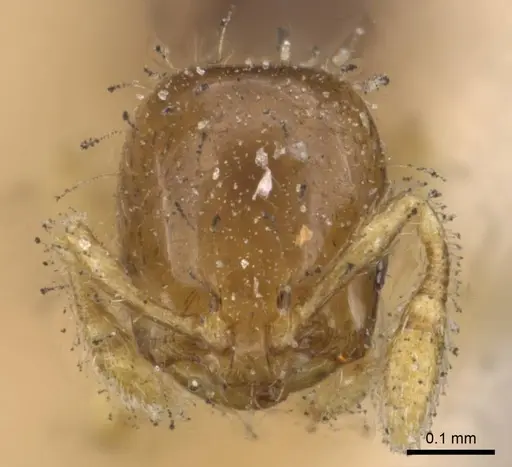
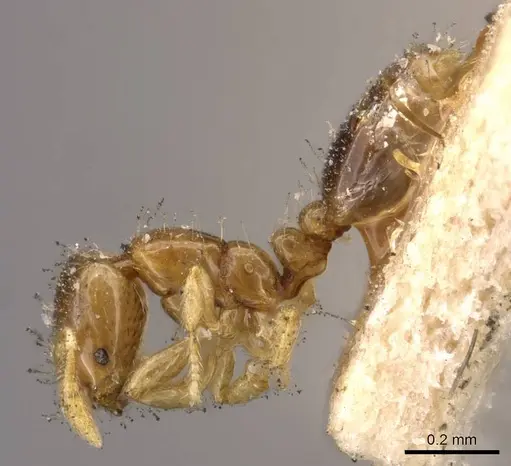
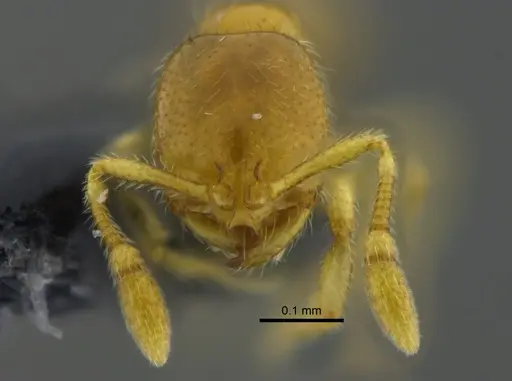
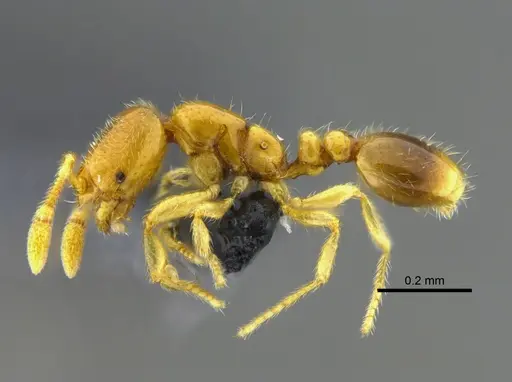
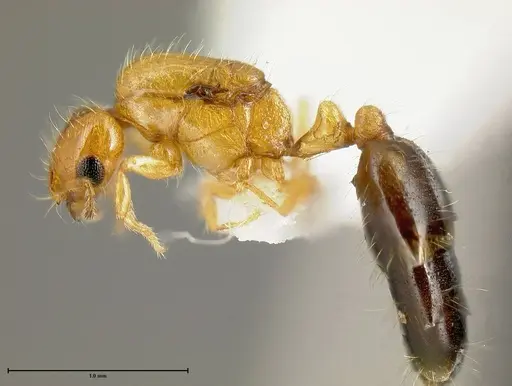
Solenopsis azteca is a tiny thief ant measuring just 1.32-1.36mm for workers, making them one of the smaller ant species you'll encounter [1][2]. Workers range in color from light yellow to light brown, with a nearly square head and short antennae [1]. The queens are significantly larger at 3.48mm and have a distinctive bicolored appearance, golden yellow head and mesosoma with a golden brown abdomen [1][2]. This species belongs to the Solenopsis brevicornis species complex and is found across the Neotropical region from Honduras down through Colombia to northern Venezuela, throughout the Caribbean islands including Puerto Rico, Jamaica, and the Lesser Antilles [3][1].
Quick Summary
- Difficulty: Medium
- Origin & Habitat: Native to the Neotropical region, Honduras south to Colombia and northern Venezuela, throughout the Caribbean [3][1]. Found in leaf litter in dry forests and occasionally in nests with the termite Amitermes medius [1]. Collected in primary tropical forest habitats.
- Colony Type: Single-queen colonies (monogyne) based on typical Solenopsis patterns. Colony size appears small given the tiny worker size.
- Colony: Monogyne
- Founding: Claustral
- Size & Growth:
- Queen: 3.48 mm [1][2]
- Worker: 1.32-1.36 mm [1][2]
- Colony: Likely small, under 500 workers based on tiny worker size and typical litter ant patterns
- Growth: Moderate, estimated 6-10 weeks from egg to worker based on related Solenopsis species
- Development: 6-10 weeks (estimated based on related Solenopsis species) (Development time estimated from genus-level data since species-specific studies are lacking)
- Antkeeping:
- Temperature: Keep at 24-28°C, these are tropical ants that prefer warm conditions. A gentle heat gradient allows them to regulate temperature.
- Humidity: Moderate humidity, they naturally live in leaf litter in dry forests, so keep the nest substrate lightly moist but allow some drying between waterings. Think damp forest floor, not soggy.
- Diapause: No, as a tropical species, they do not require hibernation. Keep them warm year-round.
- Nesting: Y-tong (AAC) nests or plaster nests work well for these tiny ants. They prefer tight chambers scaled to their small size. Naturalistic setups with leaf litter and soil also work since that's their natural microhabitat.
- Behavior: These are shy, secretive ants that prefer to stay hidden in the nest or forage quietly. They are not aggressive and will avoid confrontation. Their tiny size means they can easily slip through small gaps, excellent escape prevention is critical. They are thief ants, meaning they steal food and resources from other ant colonies and termite nests. They are primarily nocturnal foragers.
- Common Issues: escape prevention is critical, they are tiny and will squeeze through the smallest gaps without fine mesh barriers, small colony size means slow population growth that can frustrate impatient keepers, wild-caught colonies may carry parasites that can decimate the colony in captivity, overfeeding can lead to mold problems in their small nests, they are skittish and may abandon broods if disturbed too frequently
Housing and Nest Setup
Because Solenopsis azteca workers are only 1.32-1.36mm, you need excellent escape prevention. Use test tubes for founding colonies and transition to Y-tong (AAC) or plaster nests as the colony grows [1]. The nest chambers should be small and tight, these tiny ants feel exposed in large open spaces. A naturalistic setup with a thin layer of soil and leaf litter mimics their natural habitat in dry forest floors. Keep the nest humid but allow the surface to dry between waterings, they are from dry forest litter, not swampy conditions. Use fine mesh on any openings since they can squeeze through gaps that seem impossible for their size.
Feeding and Diet
As thief ants, they are omnivorous and will take a variety of foods. Offer small live prey like fruit flies, pinhead crickets, and tiny insects, their small size limits what they can tackle. They also accept sugar sources like honey water or sugar water, though they may not take these as eagerly as some other species. In the wild, they have been found associated with termite nests (Amitermes medius), suggesting they may raid termite colonies for food [1]. Feed small amounts of protein 2-3 times per week and keep sugar water available constantly. Remove uneaten prey within 24 hours to prevent mold.
Temperature and Care
Keep your colony at 24-28°C year-round, these are tropical ants that do not tolerate cool temperatures [1]. Room temperature is often sufficient, but you may need a heating cable or mat on one side of the nest during cooler months. They do not require hibernation (diapause) since they come from tropical regions. Avoid temperature fluctuations and keep them away from air conditioning vents or cold windows. The warmth helps with brood development, expect faster growth at the warmer end of their range.
Behavior and Temperament
Solenopsis azteca is a shy, non-aggressive species that prefers to avoid conflict. Workers are small and secretive, spending most of their time in the nest or moving carefully through leaf litter. They are primarily nocturnal, so you may see more activity in the evening and at night. Unlike some Solenopsis species (like the famous fire ants), these are not aggressive and do not have a painful sting. Their tiny size makes them vulnerable, so they rely on staying hidden rather than fighting. They are excellent at finding food sources and will quietly exploit small prey items. [1][2]
Colony Development
Colony growth is relatively slow compared to larger ant species. The queen measures 3.48mm and is claustral, meaning she seals herself in a chamber and raises her first workers alone without foraging [1][2]. First workers (nanitics) will be very small, even tinier than regular workers. Expect 6-10 weeks for the first workers to emerge based on related Solenopsis species. Colonies likely reach several hundred workers at maturity. The small colony size means these ants are best suited for keepers who enjoy watching subtle development rather than rapid colony explosion.
Finding and Collecting
In the wild, Solenopsis azteca is found in leaf litter in dry forests across the Caribbean and Central/South America [1]. They can be collected using pitfall traps, leaf litter extraction (Berlese funnels), or at protein baits like Vienna sausage [1]. Their association with termite nests (Amitermes medius) means checking near termite colonies may yield specimens [1]. If you're in their range (Honduras to Colombia/Venezuela, Caribbean islands), look for them in shaded forest floor areas with accumulated leaf litter.
Legal and Ethical Considerations
Solenopsis azteca is native to the Neotropical region and Caribbean. Do not release this species outside its native range, it could become invasive and harm local ecosystems. If you live in North America or Europe, never release captive colonies. These ants are not established in temperate regions and would not survive release anyway. Always source your ants ethically from reputable breeders rather than collecting from the wild, especially in protected areas. [3][1]
Frequently Asked Questions
How long does it take for Solenopsis azteca to produce first workers?
Expect 6-10 weeks from egg to first worker at optimal temperature (24-28°C). This is estimated from related Solenopsis species since species-specific development data is not available.
Can I keep Solenopsis azteca in a test tube?
Yes, test tubes work well for founding colonies. However, because they are so tiny (1.32-1.36mm workers), you must use excellent escape prevention, these ants can squeeze through tiny gaps. Cover all openings with fine mesh.
What do Solenopsis azteca eat?
They are omnivorous thief ants. Feed small live prey like fruit flies, tiny crickets, and small insects. They also accept sugar sources like honey water. In the wild, they are associated with termite nests and likely raid them for food.
Are Solenopsis azteca good for beginners?
They are rated as medium difficulty. Their tiny size makes them challenging for complete beginners, but they are not aggressive and don't require hibernation. The main challenges are escape prevention and slow colony growth.
Do Solenopsis azteca need hibernation?
No, they are tropical ants from the Caribbean and Central/South America. Keep them warm year-round at 24-28°C. They do not require a diapause period.
How big do Solenopsis azteca colonies get?
Based on their tiny worker size (1.32-1.36mm), colonies likely reach several hundred workers at maturity. They are smaller colony builders compared to many other ant species.
Can I keep multiple queens together?
This species is monogyne, single-queen colonies. Do not attempt to keep multiple unrelated queens together as they will fight. Only one queen should be in each colony.
Where is Solenopsis azteca found in the wild?
They range from Honduras south to Colombia and northern Venezuela, throughout the Caribbean (Jamaica, Puerto Rico, Barbados, Dominica, Grenada, and other islands). They live in leaf litter in dry forests.
References

This caresheet is licensed under CC BY-SA 4.0 .
CASENT0217928
View on AntWeb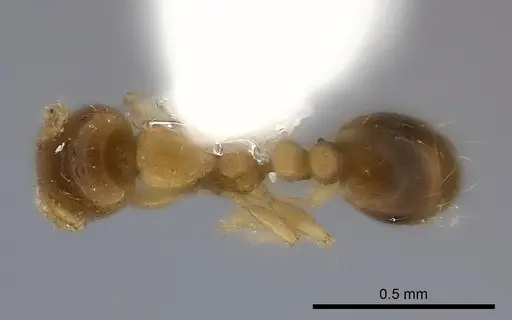
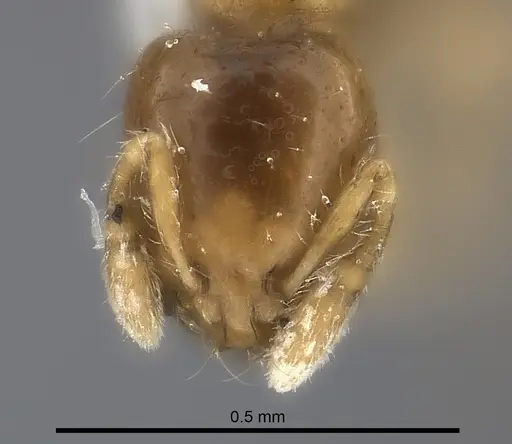
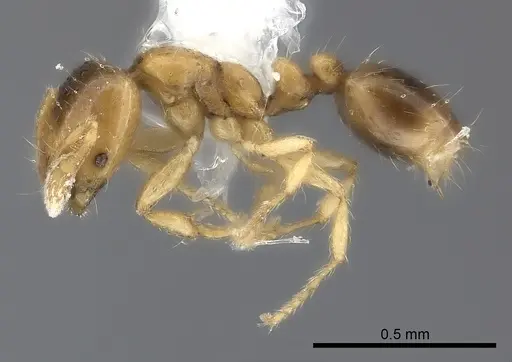
CASENT0636191
View on AntWeb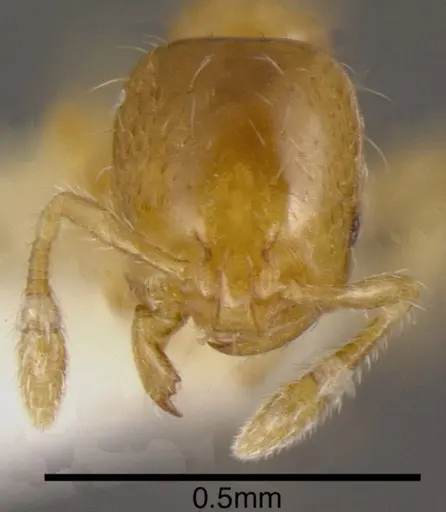
CASENT0766363
View on AntWeb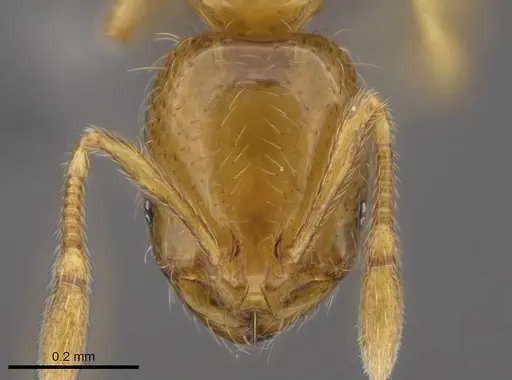
CASENT0884409
View on AntWeb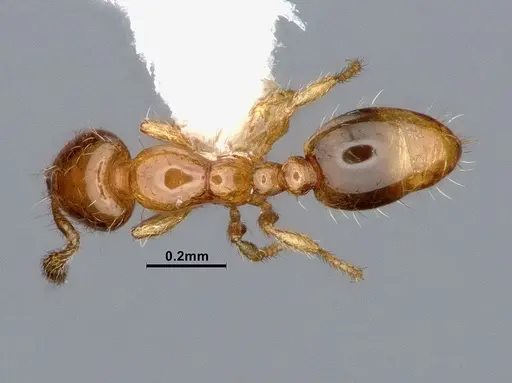
CASENT0902343
View on AntWeb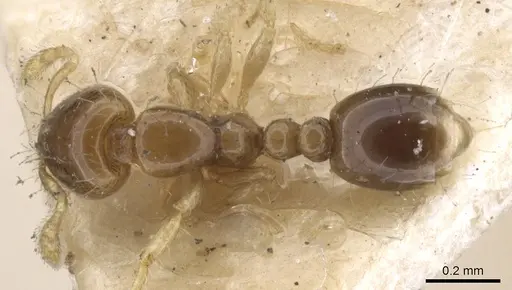
CASENT0908813
View on AntWeb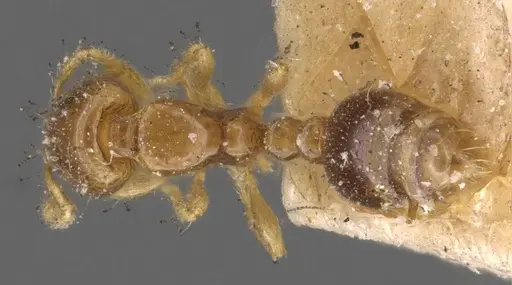
CBUMAGENT42012
View on AntWeb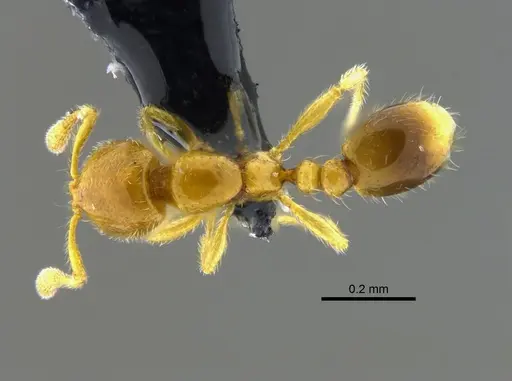
INBIOCRI001253986
View on AntWeb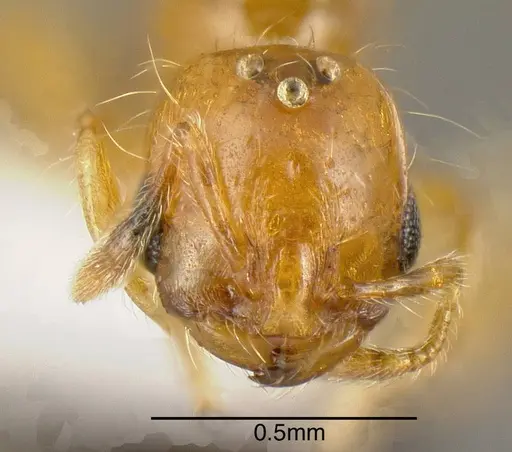
Literature
Loading...Loading products...