

Simopone victrix
- Scientific Name
- Simopone victrix
- Subfamily
- Dorylinae
- Author
- Bolton & Fisher, 2012
- Distribution
- Found in 1 countries
Simopone victrix Overview
Simopone victrix is an ant species of the genus Simopone. It is primarily documented in 1 countries , including Madagascar. Detailed taxonomic data and occurrence records can be further explored via authoritative databases such as AntWeb or the Global Biodiversity Information Facility (GBIF).
Simopone victrix
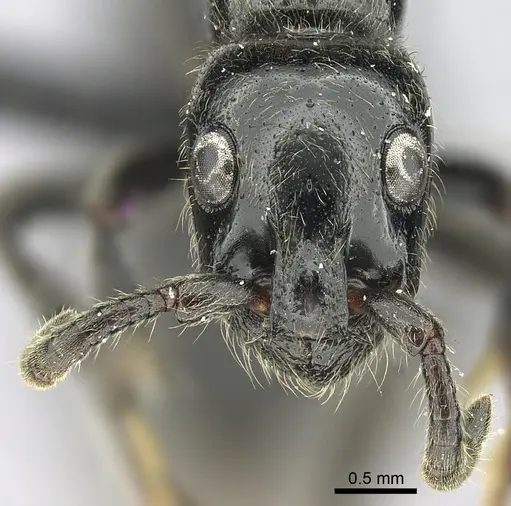
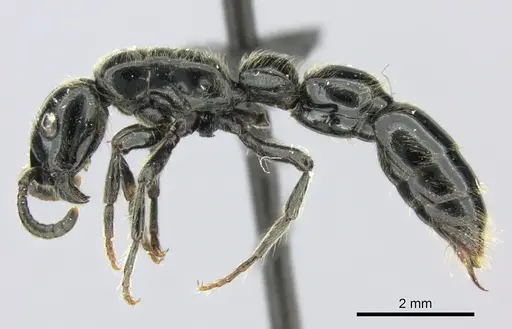
Simopone victrix is a small predatory ant species endemic to Madagascar, belonging to the Dorylinae subfamily (army ants). Workers measure 1.9-2.0mm in head length with a distinct black coloration and relatively short antennae [1]. This species is part of the emeryi species group and can be identified by the dense punctate sculpture on abdominal tergites AV and AVI, a feature that distinguishes it from other species in the silens complex [1]. In the wild, these ants have been collected from low vegetation, rotten logs, and as ground foragers in montane rainforest and rainforest habitats at elevations between 780-1110 meters [2]. As a Dorylinae species, Simopone victrix is predatory, though their specific hunting behaviors and colony structures remain poorly studied in the scientific literature.
Quick Summary
- Difficulty: Expert
- Origin & Habitat: Simopone victrix is found only in Madagascar, specifically in the northern regions including Montagne d'Ambre and the Manongarivo Special Reserve. They inhabit montane rainforest and lowland rainforest environments at elevations of 780-1110 meters [2].
- Colony Type: Colony structure is unconfirmed. As a Dorylinae species, they likely form colonies with a single queen, though Simopone genus biology is poorly documented.
- Size & Growth:
- Queen: Unknown, queen caste has not been described in scientific literature
- Worker: 1.9-2.0mm head length,2.40-2.42mm mesosoma length [1]
- Colony: Unknown, no colony size data available
- Growth: Unknown
- Development: Unknown, no development data available for this species (Development timeline has not been studied. Related Dorylinae species typically develop from egg to worker in 4-8 weeks at tropical temperatures, but this is an estimate.)
- Antkeeping:
- Temperature: Keep at tropical room temperature, roughly 24-28°C. This recommendation is based on their Madagascar rainforest habitat and should be adjusted based on colony activity.
- Humidity: Maintain high humidity consistent with rainforest floor conditions. Keep the nest substrate consistently moist but not waterlogged.
- Diapause: Unknown, no data on overwintering requirements. As a Madagascar species from montane rainforest, they may not require a true diapause but may show reduced activity during cooler periods.
- Nesting: In captivity, a naturalistic setup with moist substrate or a Y-tong/plaster nest works well. They were found in rotting wood and on low vegetation in the wild, suggesting they prefer enclosed dark spaces with humidity.
- Behavior: Behavior is poorly documented for this species. As a Dorylinae member, they are predatory and likely hunt small invertebrates. They are probably moderate to active foragers with some degree of colony coordination. Escape prevention should be moderate, workers are small but not extremely tiny. Their sting capability is unknown, Dorylinae generally have functional stingers but Simopone specific behavior is unstudied.
- Common Issues: very limited biological data makes care recommendations largely speculative, no confirmed information on founding behavior or colony development, dietary requirements are uncertain, likely predatory on small invertebrates, escape risk is present due to small worker size, no data on compatibility with other ant species or colony aggression
Origin and Natural Habitat
Simopone victrix is endemic to Madagascar, found only in the northern regions of the island. The species has been collected from two main areas: the Manongarivo Special Reserve in Antsiranana Province (around 780m elevation) and Montagne d'Ambre National Park (elevations 984-1110m) [1][2]. These locations represent montane rainforest and lowland rainforest habitats, indicating this species prefers damp, shaded forest environments. Specimens have been collected from low vegetation, rotten logs, and as ground foragers, suggesting they forage both on vegetation and on the forest floor [2]. The elevation range of 780-1110m indicates they prefer cooler, more humid conditions than true lowland tropical ants.
Identification and Morphology
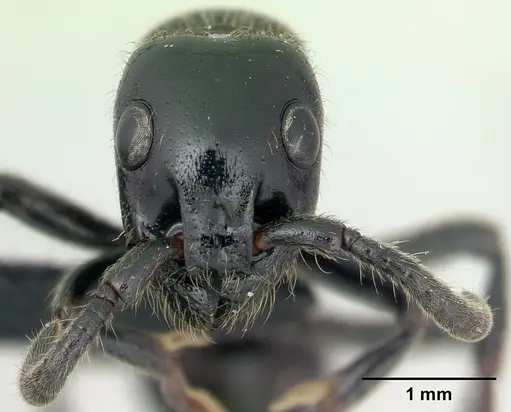
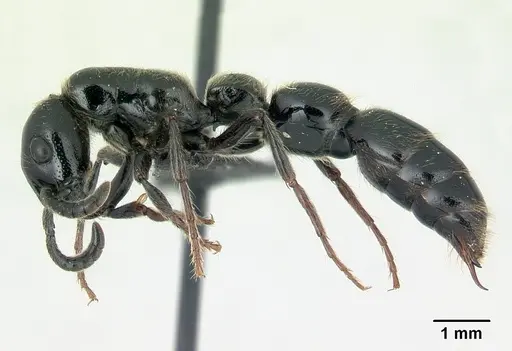
Workers of Simopone victrix measure approximately 1.9-2.0mm in head length with a head width of 1.49-1.58mm [1]. The scapes (antenna segments) are relatively short at 0.62-0.70mm, giving an SI (scape index) of 42-44 [1]. The eyes are moderate-sized and located behind the cephalic midlength. The species is entirely black in color with blackish-brown to black appendages, and the clypeus may have a dull reddish tint [1]. The most distinctive identification feature is the dense punctate (dotted) sculpture covering abdominal tergites AV and AVI, which quickly distinguishes this species from others in the silens complex [1]. This feature is visible under magnification and is a reliable field characteristic for identification.
Temperature and Care
Since Simopone victrix comes from Madagascar's montane rainforest habitats, they prefer temperatures in the tropical range of 24-28°C. The elevation range (780-1110m) suggests they can tolerate slightly cooler conditions than true lowland rainforest species. Use a heating cable on one side of the nest if room temperature falls below this range, placing it on top of the nest to create a gentle temperature gradient. Humidity should be kept high, rainforest floor conditions with consistently moist but not waterlogged substrate. Ensure adequate ventilation while maintaining humidity to prevent mold growth. Monitor colony activity to adjust conditions, if workers appear sluggish, consider slight temperature increases.
Feeding and Diet
As a member of the Dorylinae subfamily (army ants), Simopone victrix is predatory. However, their specific prey preferences are not documented in scientific literature. In captivity, you should offer small live prey items such as fruit flies, springtails, small mealworms, and other micro-arthropods. The small worker size (around 2mm) indicates they likely target very small invertebrate prey. Sugar sources may be accepted occasionally but should not be a primary food source, these are primarily predatory ants. Feed protein prey 2-3 times per week and remove uneaten prey within 24-48 hours to maintain cleanliness.
Nesting Preferences
In the wild, Simopone victrix has been collected from rotten logs and low vegetation, indicating they prefer enclosed, humid nesting sites. For captive care, a naturalistic setup with moist substrate (like a mix of soil and peat) works well, or alternatively a Y-tong/plaster nest that can maintain humidity. The nest should provide dark chambers and narrow passages scaled to their small size. Keep the nest substrate consistently moist by connecting it to a water reservoir. Avoid overly dry conditions or excessive ventilation that could dry out the nest environment. [2]
Behavior and Temperament
The behavior of Simopone victrix is poorly documented in scientific literature. As a Dorylinae species, they are expected to be predatory with some level of coordinated foraging, though the specific hunting strategies of the Simopone genus are not well studied. Workers are small (around 2mm) and likely forage individually or in small groups rather than the large raiding columns characteristic of some army ants. Their temperament is not documented, but Dorylinae ants are generally not aggressive toward humans. Escape prevention should be moderate, while not extremely tiny, their small size means they can escape through small gaps, so use appropriately sized barriers.
Frequently Asked Questions
How long does it take for Simopone victrix to raise first workers?
The egg-to-worker development timeline for Simopone victrix has not been studied. Based on related Dorylinae species in tropical conditions, development likely takes 4-8 weeks, but this is an estimate rather than confirmed data.
What do Simopone victrix ants eat?
As a Dorylinae (army ant) species, Simopone victrix is predatory. Feed small live prey such as fruit flies, springtails, small mealworms, and other micro-arthropods. Their small worker size (around 2mm) indicates they need very small prey items.
Can I keep Simopone victrix in a test tube?
A test tube setup can work for founding colonies, but Simopone victrix prefers humid, enclosed spaces. A test tube with a water reservoir can work for the founding stage, but consider transitioning to a naturalistic or Y-tong setup as the colony grows.
Are Simopone victrix good for beginners?
No. Simopone victrix is not recommended for beginners. This is an expert-level species due to very limited biological data, uncertain care requirements, and the specialized knowledge needed to maintain a species with such minimal documentation.
Do Simopone victrix need hibernation?
Diapause or hibernation requirements for Simopone victrix are unknown. As a Madagascar species from montane rainforest, they likely do not require a true hibernation but may show reduced activity during cooler periods. Monitor your colony and adjust temperature accordingly.
How big do Simopone victrix colonies get?
Colony size for Simopone victrix is unknown, no colony size data exists in scientific literature. Based on related Simopone species and Dorylinae patterns, colonies probably reach dozens to a few hundred workers, but this is speculative.
What temperature should I keep Simopone victrix at?
Keep Simopone victrix at tropical room temperature, roughly 24-28°C. This recommendation is based on their Madagascar montane rainforest habitat. Use a heating cable on one side of the nest if needed to maintain these temperatures.
When should I move Simopone victrix to a formicarium?
There is no specific guidance for this species. Generally, keep founding colonies in test tubes or small setups until the colony reaches 15-20 workers, then consider transitioning to a larger naturalistic setup or Y-tong nest that can maintain humidity.
Why is Simopone victrix difficult to keep?
Simopone victrix is difficult because almost no biological data exists for this species. We have worker measurements and distribution data, but no information on founding behavior, development, diet preferences, colony structure, or specific care requirements. Every aspect of captive care requires inference from related species.
References

This caresheet is licensed under CC BY-SA 4.0 .
CASENT0004512
View on AntWeb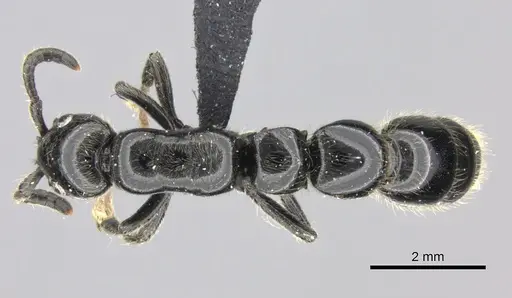
CASENT0134495
View on AntWeb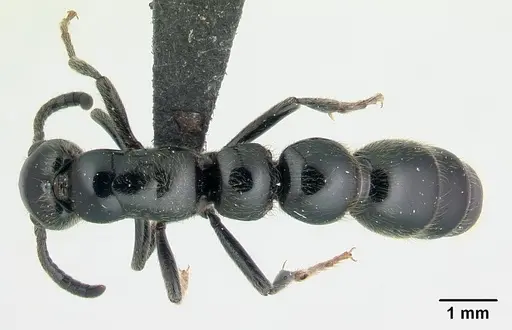
Literature
Loading...Loading products...