

Simopone schoutedeni
- Scientific Name
- Simopone schoutedeni
- Subfamily
- Dorylinae
- Author
- Santschi, 1923
- Distribution
- Found in 2 countries
Simopone schoutedeni Overview
Simopone schoutedeni is an ant species of the genus Simopone. It is primarily documented in 2 countries , including Congo, Democratic Republic of the, Kenya. Detailed taxonomic data and occurrence records can be further explored via authoritative databases such as AntWeb or the Global Biodiversity Information Facility (GBIF).
Simopone schoutedeni
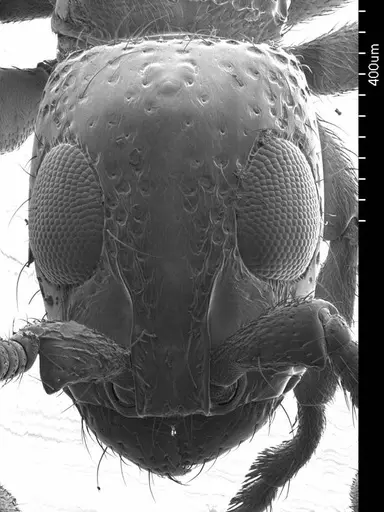
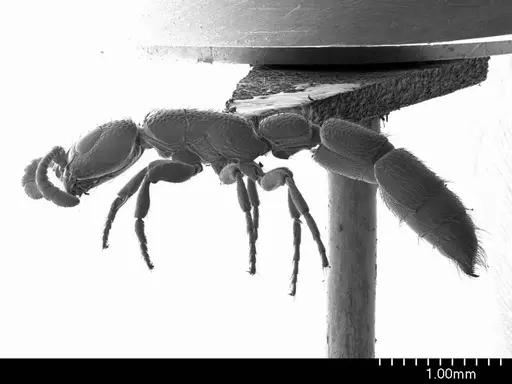
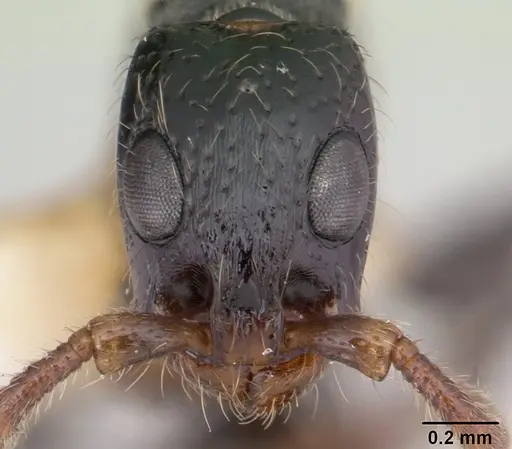
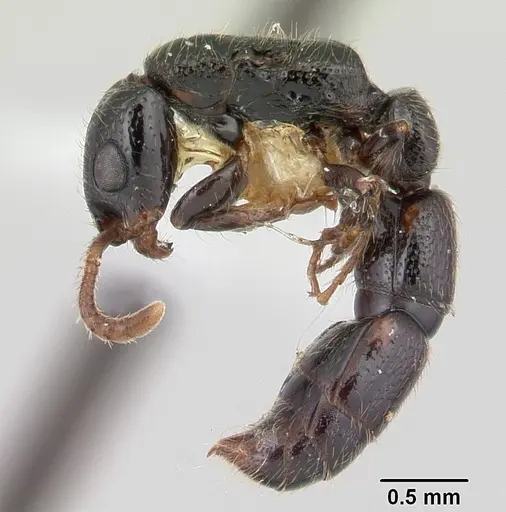
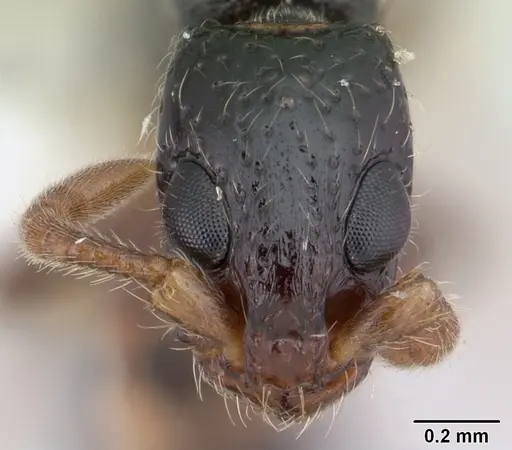
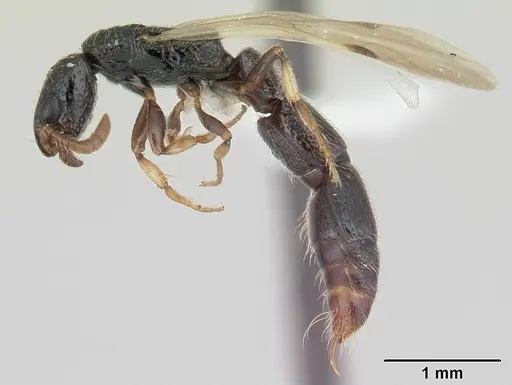
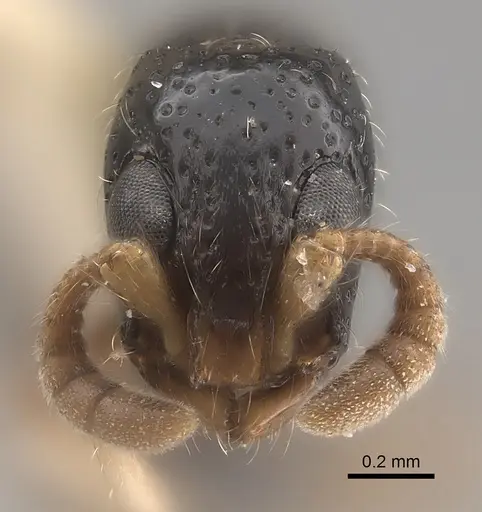
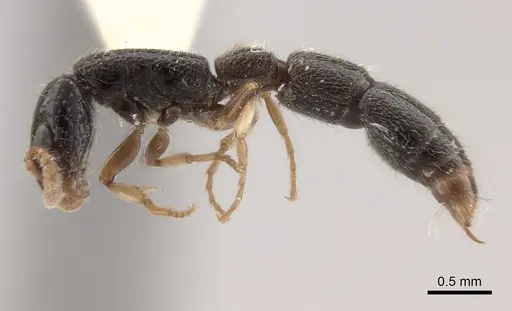
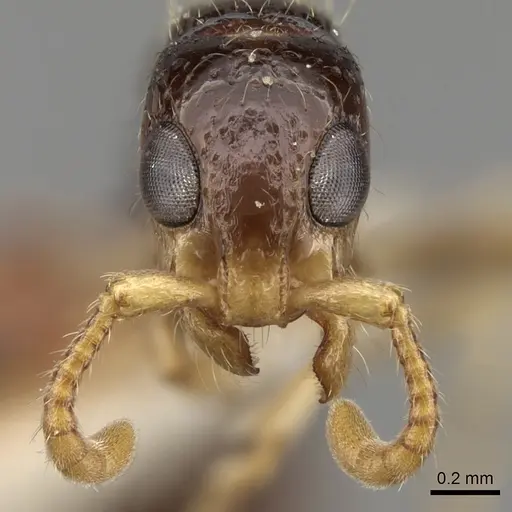
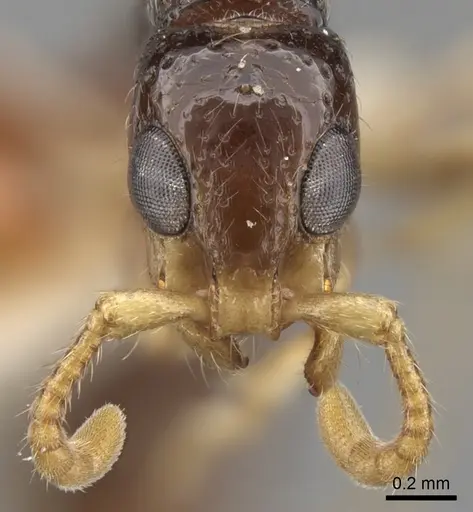
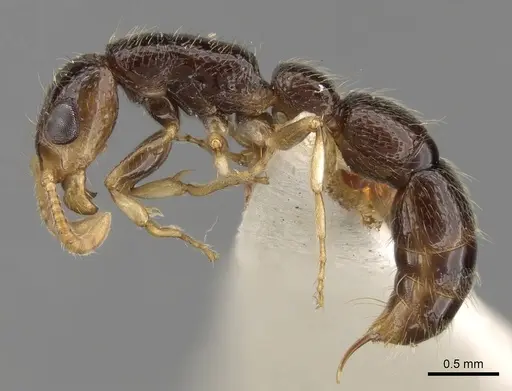
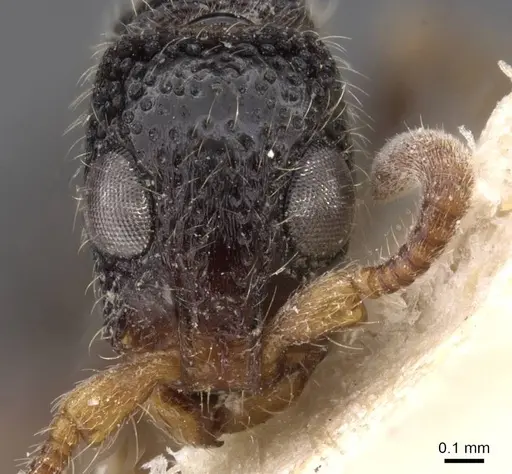
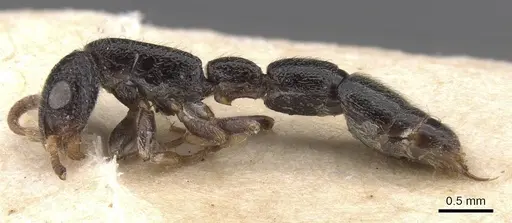
Simopone schoutedeni is a small, distinctive ant species native to Central Africa, found in the Democratic Republic of Congo and Kenya [1]. Workers are approximately 1mm in head length with a black body contrasting sharply with yellow antennae (scapes and funiculi) and yellow legs (tibiae and tarsi), while the middle leg segments (coxae and femora) are brown [1]. The eyes are medium-sized and positioned to just interrupt the outline of the head when viewed from the front, a useful identification feature within its species group [1]. This species belongs to the Dorylinae subfamily, commonly known as army ants, though Simopone represents a specialized branch with different habits than typical raiding army ants. The species was first described in 1923 and remains known only from a single specimen, making captive keeping information extremely limited [1].
Quick Summary
- Difficulty: Expert
- Origin & Habitat: Democratic Republic of Congo and Kenya in tropical Africa. In the wild, these ants have been found dwelling in hollow twigs in forest environments [2].
- Colony Type: Unknown, only a single worker specimen has ever been collected, so colony structure has never been documented. Dorylinae species typically have single-queen colonies, but this cannot be confirmed for S. schoutedeni.
- Size & Growth:
- Queen: Unknown, no queen has ever been described for this species [1]
- Worker: Workers are approximately 1mm in head length (HL 0.98mm), with a body length around 3-4mm total [1]
- Colony: Unknown, no colony collections have been documented
- Growth: Unknown, no development data exists for this species
- Development: Unknown, no breeding or development has ever been documented (This species is known from only a single specimen, making all biological data speculative)
- Antkeeping:
- Temperature: Based on its tropical African distribution, aim for warm conditions around 24-28°C. No specific studies exist for this species.
- Humidity: Based on hollow-twig nesting in forest habitats, provide moderate to high humidity (60-80%) with some dry options. Keep the nest substrate moist but not waterlogged.
- Diapause: Unknown, tropical species from Central Africa may not require formal hibernation, but may slow down during cooler periods.
- Nesting: In nature, they nest in hollow twigs and small dead wood cavities [2]. In captivity, a small naturalistic setup with tight chambers scaled to their tiny size would be appropriate, think small acrylic nests or carefully prepared twig setups.
- Behavior: Behavior is essentially unstudied. As a Dorylinae member, they likely have a functional stinger and may be predatory on small invertebrates, though Simopone species are not typical raiding army ants. Their small size and hollow-twig nesting suggest they may be secretive and slow-moving. Escape prevention is critical due to their tiny size, they can easily slip through standard barrier gaps.
- Common Issues: No captive breeding records exist, this species has never been kept in captivity, Only known from a single museum specimen, so all care recommendations are speculative, Tiny size makes escape prevention challenging, use fine mesh and tight-fitting barriers, No established feeding protocols, diet preferences are unknown, No information on queen founding behavior or colony establishment
Species Overview and Identification
Simopone schoutedeni is an extremely rare ant species that has only ever been found once, a single worker collected in 1921 in the Democratic Republic of Congo [1]. The species belongs to the schoutedeni species group within Simopone, a genus of specialized Dorylinae ants. Workers are distinctive with their black body contrasting against bright yellow antennae and leg ends, while the middle leg segments are brown [1]. The eyes are medium-sized and positioned to just break the outline of the head, which helps distinguish it from related species with smaller or larger eyes [1]. The petiole (AII segment) has remarkably straight, parallel sides, a key identification feature that separates it from similar species where the sides diverge toward the back [1]. This species has never been kept in captivity, and almost nothing is known about its biology beyond where it was found.
Natural History and Habitat
What we know about this species comes from just two observations in the wild. The holotype worker was collected in September 1921 from Kamaiembi near Luebo in the Democratic Republic of Congo [1]. Later, researchers Raignier and van Boven found Simopone schoutedeni living in hollow twigs in Zaire (now DRC), suggesting this species nests in small cavities within dead wood or plant stems [2]. This matches the general pattern for Simopone genus members, which appear to be dwellers in hollow twigs rather than the ground-nesting or raiding habits typical of some other Dorylinae. The species has also been recorded from Kenya, suggesting it may have a broader African distribution than currently known [2]. No colonies have ever been found, no queens have ever been described, and nothing is known about their diet, reproduction, or behavior.
Challenges for Antkeepers
Simopone schoutedeni presents extraordinary challenges for anyone hoping to keep it. This is not a species for beginners, in fact, it may never have been kept in captivity at all. We have no information about what they eat, how they reproduce, what temperature they prefer, or even whether they can be maintained in artificial nests. The complete lack of basic biological data means any attempt to keep this species would be essentially experimental. There are no established protocols, no known successful colonies in captivity, and no experienced keepers to consult. Additionally, the tiny size of these ants (around 3-4mm total length) makes them difficult to house and easy to lose. If you encounter this species, consider whether you have the specialized knowledge and resources to attempt keeping an essentially unknown organism, and be prepared to document your observations carefully for the antkeeping community.
Related Species and Taxonomic Context
Simopone belongs to the Dorylinae subfamily, which includes army ants and other specialized predators. However, Simopone represents an unusual branch of the Dorylinae tree, they are not raiding ants but rather secretive, twig-dwelling species [2]. The schoutedeni species group includes several similar species that can be distinguished by eye size and the shape of the petiole segment. Simopone schoutedeni has medium-sized eyes (ES 0.28) that are intermediate between species with very large eyes (like S. wilburi with ES 0.31-0.35) and those with small eyes (ES 0.20-0.26) [1]. The parallel-sided petiole separates it from S. vepres and S. wilburi, which have diverging sides. Understanding these identification features is important because accurate species identification is essential when working with such poorly-known taxa, many Simopone species look similar and have been confused in museum collections.
Frequently Asked Questions
Can I keep Simopone schoutedeni ants?
It is extremely unlikely you will find this species available. It has never been documented in the antkeeping hobby and is known only from a single museum specimen collected in 1921. No established keeping protocols exist, and no one has successfully maintained a colony.
What do Simopone schoutedeni ants eat?
This is completely unknown. No observations of feeding behavior or gut contents exist for this species. As Dorylinae members, they may be predatory on small invertebrates, but this is speculative.
How big do Simopone schoutedeni colonies get?
Unknown, no colony has ever been documented. The only known specimen is a single worker.
What temperature do Simopone schoutedeni ants need?
No specific data exists. Based on their tropical African distribution (DRC and Kenya), warm conditions around 24-28°C would be a reasonable starting point, but this is entirely speculative.
How do Simopone schoutedeni ants found colonies?
Unknown, no queen has ever been described or observed. Founding behavior is completely unstudied.
Are Simopone schoutedeni good for beginners?
No. This species is absolutely not suitable for beginners, it is arguably one of the most poorly-known ant species in existence with zero captive husbandry information. Even expert antkeepers would struggle with this species due to complete lack of baseline data.
References

This caresheet is licensed under CC BY-SA 4.0 .
ANTWEB1008590
View on AntWeb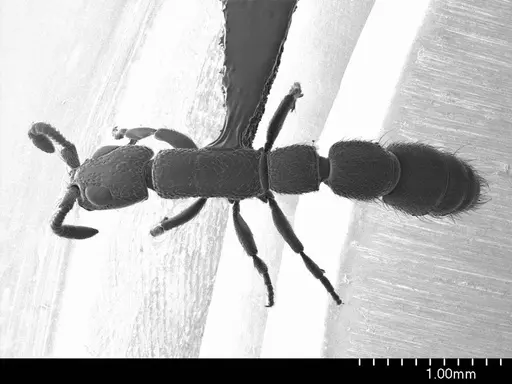
CASENT0178215
View on AntWeb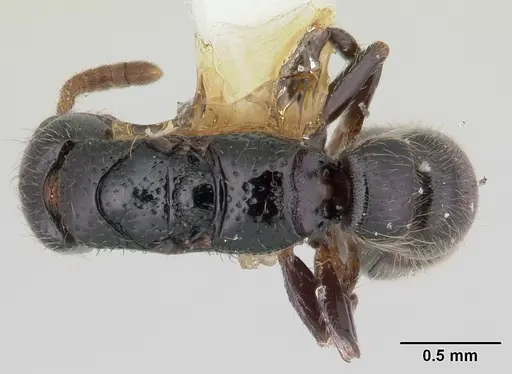
CASENT0178217
View on AntWeb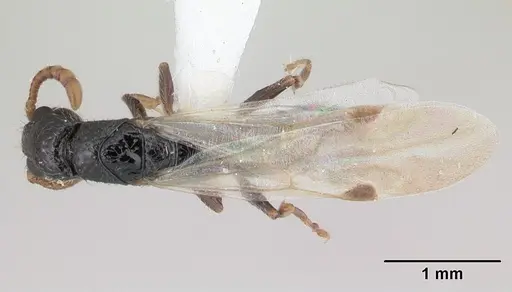
CASENT0217389
View on AntWeb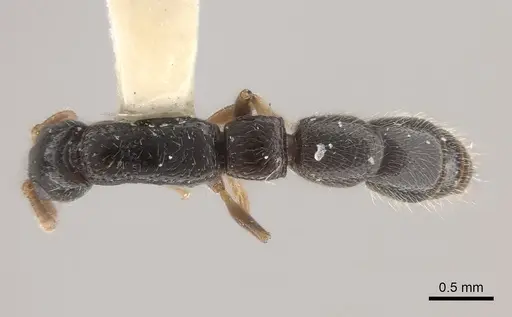
CASENT0281972
View on AntWeb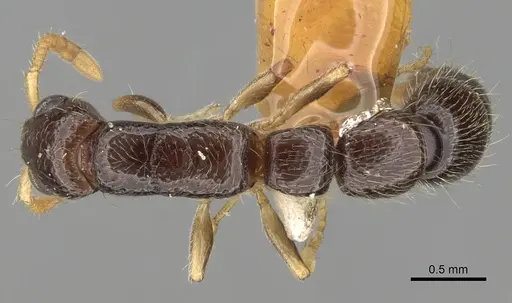
RMCAENT000017723
View on AntWeb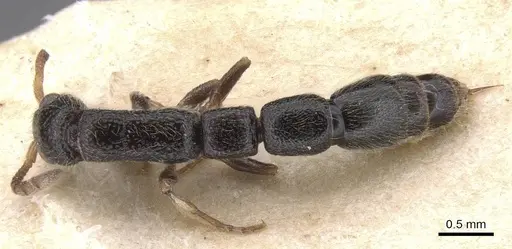
Literature
Loading...Loading products...