

Simopone inculta
- Scientific Name
- Simopone inculta
- Subfamily
- Dorylinae
- Author
- Bolton & Fisher, 2012
- Distribution
- Found in 1 countries
Simopone inculta Overview
Simopone inculta is an ant species of the genus Simopone. It is primarily documented in 1 countries , including Madagascar. Detailed taxonomic data and occurrence records can be further explored via authoritative databases such as AntWeb or the Global Biodiversity Information Facility (GBIF).
Simopone inculta
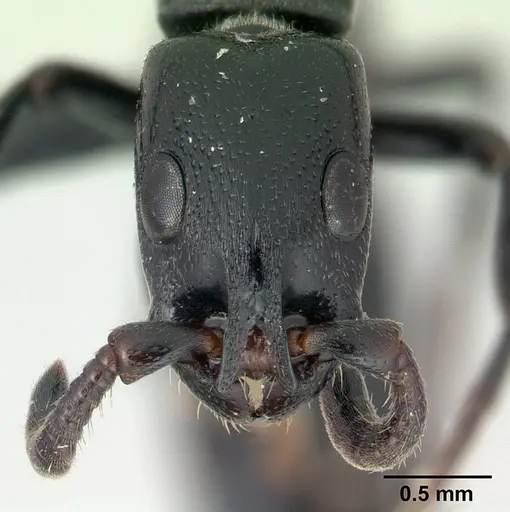
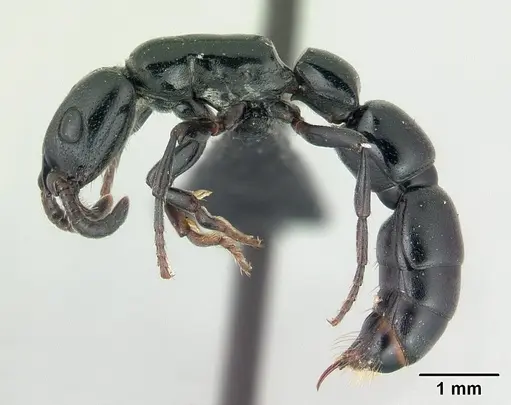
Simopone inculta is a medium-sized predatory ant native to Madagascar, belonging to the subfamily Dorylinae (army ants and their relatives). Workers measure approximately 4-5mm in total length, with a distinctive black body coloration and slightly lighter appendages [1]. The species is characterized by frontal lobes that project far forward beyond the clypeal margin, and the entire body is typically black with dense punctulate sculpture on the head and mesosoma [1]. This species belongs to the emeryi species group and was formally described by Bolton & Fisher in 2012 from specimens collected in the Montagne Français region of northern Madagascar [1].
As a Dorylinae ant, Simopone inculta is predatory in nature, hunting small invertebrates in its natural habitat of tropical dry forest [2]. The genus Simopone contains cryptic, slow-moving ants that typically nest in vegetation or decaying wood, making them specialized predators in their ecosystem [2]. This species remains poorly studied in captivity, with limited information available on its exact colony structure, founding behavior, and specific care requirements.
Quick Summary
- Difficulty: Hard
- Origin & Habitat: Madagascar (Malagasy Region), specifically Prov. Antsiranana, Montagne Français at 180m elevation. Found in tropical dry forest, collected from low vegetation [1][2].
- Colony Type: Unconfirmed, Dorylinae ants are typically polygynous (multiple queens) but Simopone-specific colony structure has not been documented [2].
- Size & Growth:
- Queen: Unknown, estimated 6-8mm based on genus patterns
- Worker: Approximately 4-5mm total length (HL 1.84mm, WL 1.94mm) [1]
- Colony: Unknown, no colony size data available
- Growth: Unknown, likely moderate based on Dorylinae patterns
- Development: Unknown, estimated 6-10 weeks based on related Dorylinae species (Development timeline has not been directly studied for this species. Estimates based on typical Dorylinae development patterns at tropical temperatures.)
- Antkeeping:
- Temperature: Keep at 24-28°C, tropical species requiring warm conditions. A heating cable on one side of the nest can create a temperature gradient.
- Humidity: Moderate humidity around 60-70%. Keep the nest substrate slightly moist but not waterlogged, with some drier areas available.
- Diapause: Unlikely, as a tropical species from Madagascar, they do not require hibernation. Maintain warm temperatures year-round.
- Nesting: In nature they nest in low vegetation and decaying wood. In captivity, a moist test tube setup or acrylic nest with narrow chambers works well. Provide opportunities for climbing as they are often found in vegetation [2].
- Behavior: Simopone ants are slow-moving, cryptic predators that hunt small invertebrates. They are not aggressive toward humans but will defend their colony if threatened. As Dorylinae, they likely forage in columns or as scattered foragers rather than the massive swarms characteristic of true army ants. Their small size (around 4-5mm) means escape prevention is important, use fine mesh barriers and tight-fitting lids. They are likely nocturnal or crepuscular in activity patterns [2].
- Common Issues: Limited availability, this species is rarely available in the antkeeping hobby due to its restricted Madagascar distribution, Specialized diet requirements, as predators, they need a constant supply of small live prey which can be challenging to maintain, Escape risk due to small size, they can squeeze through small gaps so excellent escape prevention is essential, Unknown exact requirements, limited scientific data means keepers must experiment with temperature and humidity, Stress from handling, wild-caught colonies may be stressed from collection and transport, leading to colony failure
Housing and Nest Setup
Simopone inculta can be kept in test tube setups initially, but due to their predatory nature and need for hunting space, transitioning to a small formicarium or naturalistic setup is recommended once the colony establishes. Use a test tube with a water reservoir for founding colonies, ensuring the cotton is packed firmly to prevent flooding. For established colonies, an acrylic nest with narrow chambers or a naturalistic setup with soil and decaying wood works well. Since they are found in low vegetation in the wild, include vertical elements or stems for them to climb on. Keep the nest humid but ensure adequate ventilation to prevent mold buildup. The small worker size (around 4-5mm) means chambers should be appropriately scaled, avoid large, open spaces where they may feel exposed [1][2].
Feeding and Diet
As a Dorylinae ant, Simopone inculta is predatory and requires a protein-rich diet of small live invertebrates. Offer small live prey such as fruit flies (Drosophila), springtails, small mealworms, and other micro-arthropods. Feed small prey items 2-3 times per week, adjusting based on colony size and consumption. Remove any uneaten prey after 24-48 hours to prevent mold and pest issues. While sugar sources are not typically a primary food for predatory Dorylinae, you may occasionally offer a drop of honey or sugar water, but do not rely on these as主食. The key to success with this species is providing a consistent supply of appropriately-sized live prey [2].
Temperature and Seasonal Care
Simopone inculta comes from tropical Madagascar and requires warm temperatures year-round. Maintain nest temperatures between 24-28°C (75-82°F). A heating cable placed on one side of the nest can create a gentle temperature gradient, allowing the ants to regulate their own temperature by moving between warmer and cooler areas. Since they are from a tropical environment, they do not require hibernation or diapause. Avoid temperature drops below 20°C as this can stress the colony and slow or stop brood development. Room temperature within this range is acceptable, but monitor for seasonal fluctuations in your home and adjust heating accordingly. Stable, warm conditions are essential for this tropical species.
Behavior and Colony Dynamics
Simopone ants are cryptic predators known for their slow, deliberate movements. They are not aggressive ants and rarely sting, but they will defend their colony if directly threatened. Workers hunt individually or in small groups, searching for small invertebrates in their territory. The genus Simopone is characterized by their specialized predatory behavior and cryptic nesting habits in vegetation or decaying wood. Colonies are likely smaller than true army ant colonies, possibly reaching several hundred workers at maturity based on Dorylinae patterns. Workers are monomorphic (all the same size) and the species shows considerable size variation in related species, which may also apply to S. inculta [1][2].
Frequently Asked Questions
How long does it take for Simopone inculta to produce first workers?
The exact egg-to-worker development time is unknown for this species. Based on typical Dorylinae development patterns at tropical temperatures (24-28°C), estimates suggest 6-10 weeks from egg to first worker. However, this is an educated guess rather than documented data, actual development time may vary.
Can I keep Simopone inculta in a test tube?
Yes, test tubes work well for founding colonies. Use a standard test tube setup with a water reservoir, ensuring the cotton is packed firmly. Keep the tube humid but not flooded. Once the colony reaches 15-20 workers, consider transitioning to a small formicarium or naturalistic setup that provides hunting space.
What do Simopone inculta eat?
They are predatory ants that need small live invertebrates. Feed them fruit flies, springtails, small mealworms, and other micro-arthropods. Offer prey 2-3 times per week. They do not rely on sugar sources like some other ants, protein is essential for their survival [2].
Are Simopone inculta good for beginners?
No, this species is not recommended for beginners. Limited availability, specialized predatory diet requirements, and the lack of documented care information make it a challenging species. Only experienced antkeepers should attempt this species.
How big do Simopone inculta colonies get?
Colony size is not documented for this species. Based on Dorylinae patterns and related Simopone species, colonies likely reach several hundred workers at maturity. However, this is an estimate as no specific colony size data exists.
Do Simopone inculta need hibernation?
No, they do not require hibernation. As a tropical species from Madagascar, they need warm temperatures year-round (24-28°C). Hibernation or cool periods could stress or kill the colony.
Why are my Simopone inculta dying?
Common causes include: stress from collection/transport (wild-caught colonies), improper diet (need live prey, not just sugar), temperature too cold (below 20°C), humidity issues (too dry or waterlogged), and escape/stress from inadequate housing. This species is poorly documented, so troubleshooting requires careful observation and adjustment of conditions.
When should I move Simopone inculta to a formicarium?
Move them when the test tube becomes crowded or when the colony reaches 15-30 workers. A small formicarium or naturalistic setup with soil and decaying wood works well. Ensure the new enclosure maintains appropriate humidity and provides hunting space for their predatory lifestyle.
Can I keep multiple Simopone inculta queens together?
Colony structure is unconfirmed for this species. Dorylinae ants are often polygynous (multiple queens), but Simopone-specific queen behavior has not been documented. It is not recommended to combine unrelated foundress queens as this has not been studied for this species.
References

This caresheet is licensed under CC BY-SA 4.0 .
CASENT0410475
View on AntWeb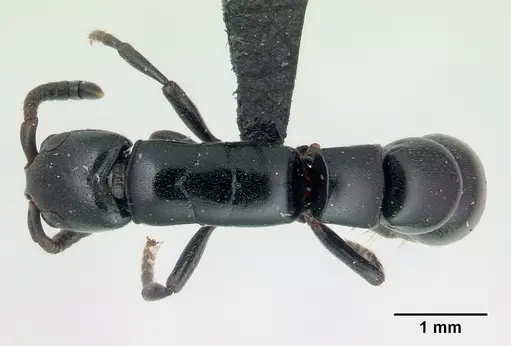
Literature
Loading...Loading products...