

Simopone elegans
- Scientific Name
- Simopone elegans
- Subfamily
- Dorylinae
- Author
- Bolton & Fisher, 2012
- Distribution
- Found in 1 countries
Simopone elegans Overview
Simopone elegans is an ant species of the genus Simopone. It is primarily documented in 1 countries , including Madagascar. Detailed taxonomic data and occurrence records can be further explored via authoritative databases such as AntWeb or the Global Biodiversity Information Facility (GBIF).
Simopone elegans
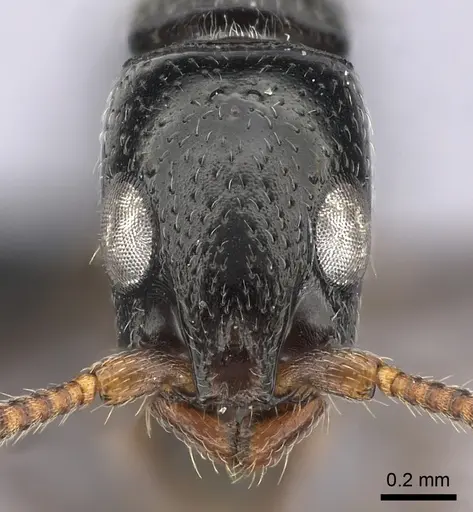
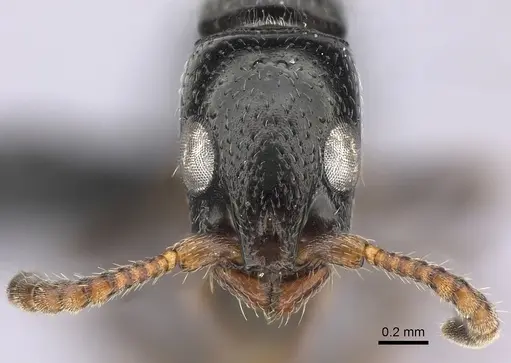
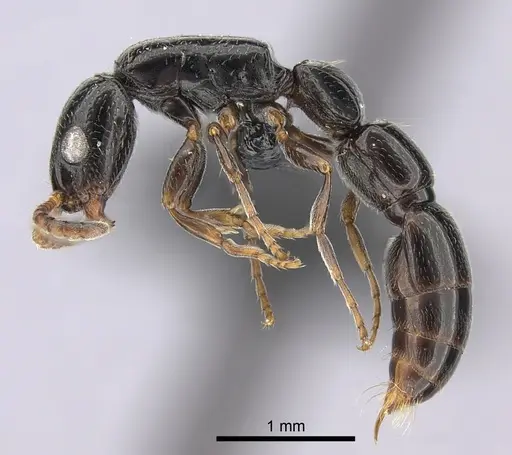
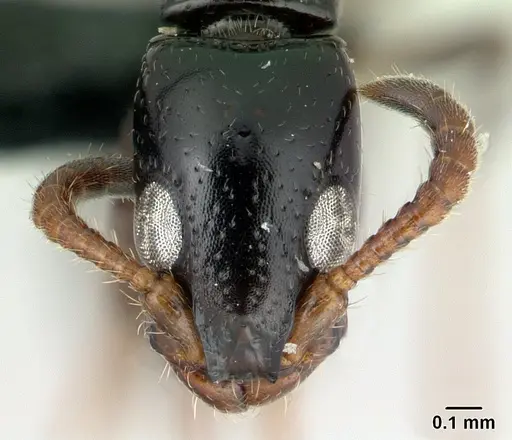
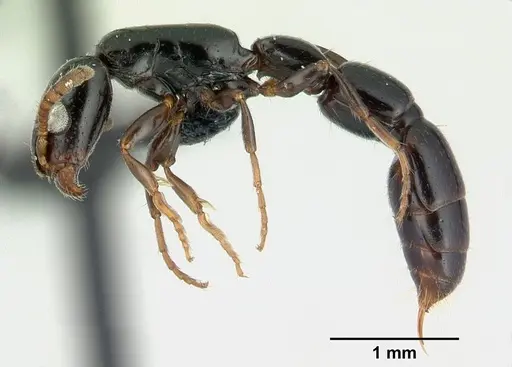
Simopone elegans is a small predatory ant belonging to the Dorylinae subfamily, found only in Madagascar [1][2]. Workers measure 0.58-0.88mm in head width and show notable size variation within colonies, with larger workers having more developed features [1]. The species belongs to the grandidieri group and was described in 2012 by Bolton and Fisher. These ants have distinctive microreticulate sculpture on the head between the eyes and typically lack standing setae on the middle and hind tibiae [1]. They inhabit tropical dry forests and littoral rainforest, nesting in dead twigs above ground and foraging on the ground and low vegetation [2]. As Dorylinae, they are predatory ants, though their specific hunting behaviors remain unstudied.
Quick Summary
- Difficulty: Expert
- Origin & Habitat: Endemic to Madagascar, found in tropical dry forest and littoral rainforest at low elevations (around 10m) [2][1]. Type locality is Prov. Mahajanga, P.N. Baie de Baly [1].
- Colony Type: Colony structure is unconfirmed. Dorylinae typically have single-queen colonies, but this has not been documented for S. elegans.
- Size & Growth:
- Queen: Undocumented, queen caste has not been described for this species
- Worker: 0.58-0.88mm HW (0.88-1.24mm HL) [1]
- Colony: Unknown, no colony size data available
- Growth: Unknown
- Development: Unconfirmed, estimated 4-8 weeks based on typical Dorylinae patterns (Direct development data unavailable, Dorylinae generally have relatively fast development compared to other ant subfamilies)
- Antkeeping:
- Temperature: Likely needs 24-28°C based on Madagascar tropical habitat. Provide a warm area in the nest with a gentle gradient.
- Humidity: Requires moderate to high humidity (60-80%) matching their littoral rainforest and dry forest habitat. Keep substrate consistently moist but not waterlogged.
- Diapause: Unlikely required, Madagascar has mild winters without prolonged cold periods. However, a slight reduction in temperature during winter months may be appropriate.
- Nesting: In nature they nest in dead twigs above ground. In captivity, a small naturalistic setup with twigs or a Y-tong/plaster nest with narrow chambers works well. Provide some vertical structures for foraging.
- Behavior: Behavior is poorly documented. As Dorylinae, they are likely predatory and may exhibit army ant-like group foraging. Their small size (under 1mm) means excellent escape prevention is critical, they can squeeze through tiny gaps. Exercise caution, as Dorylinae ants can deliver painful stings though this specific species' sting potency is unconfirmed.
- Common Issues: very small size makes escape prevention challenging, limited biological data makes captive care uncertain, predatory nature requires live prey, may be difficult to feed, humidity control is critical to prevent desiccation, no established husbandry guidelines in the hobby
Housing and Nest Setup
Simopone elegans is a tiny ant that nests in dead twigs in nature, so a naturalistic setup with small twigs or branches works best [2]. You can use a Y-tong (AAC) nest with very narrow chambers, or a small plaster nest with appropriately scaled passages. Because workers are only 0.58-0.88mm, standard nest chambers may be too large, they prefer tight, confined spaces. Include some vertical structures or small branches in the outworld for foraging. Escape prevention is critical due to their minute size, use fine mesh and seal all gaps thoroughly.
Feeding and Diet
As a Dorylinae ant, Simopone elegans is likely predatory like other army ants, though their specific prey preferences have not been documented. Based on related Simopone species and Dorylinae general biology, they probably hunt small arthropods including springtails, mites, and tiny insects. Offer small live prey such as fruit flies, pinhead crickets, and small mealworms. Due to their tiny size, prey items should be very small, essentially micro-prey. The acceptance of sugar sources is uncertain, offer honey or sugar water occasionally but do not rely on it as a primary food source.
Temperature and Humidity
Simopone elegans originates from tropical Madagascar, so warm temperatures are essential. Aim for 24-28°C in the nest area, with a slight gradient allowing workers to choose their preferred temperature. A heating cable on one side of the nest can help maintain warmth. Humidity should be moderate to high (60-80%), reflecting their presence in both dry forest and littoral rainforest habitats [2]. Keep the substrate consistently moist but avoid waterlogging. Mist occasionally and monitor condensation levels. Adequate ventilation is important to prevent mold while maintaining humidity.
Behavior and Temperament
Specific behavioral observations for S. elegans are limited. As a Dorylinae species, they likely exhibit some army ant characteristics such as group foraging and raiding behavior. Workers have been observed foraging on the ground and on low vegetation in the wild [2]. Their small size (under 1mm) means they are excellent escape artists, excellent barrier maintenance is essential. While sting potency is not documented for this specific species, Dorylinae ants possess functional stingers, so handle with caution. The combination of limited data and potential sting hazard makes this species suitable only for experienced antkeepers.
Colony Acquisition and Founding
Wild colonies of Simopone elegans are not commonly available, and this species is rarely kept in captivity. If acquiring a colony, it would likely be through specialized ant dealers or by collecting from the wild in Madagascar (where collection may be regulated). Founding behavior is unconfirmed, but Dorylinae typically exhibit claustral founding where the queen seals herself in and raises the first brood alone on stored fat reserves. Expect a slow initial colony growth typical of many tropical species. There is no established track record for breeding this species in captivity.
Frequently Asked Questions
Is Simopone elegans a good beginner ant?
No, Simopone elegans is not recommended for beginners. This is an expert-level species due to limited biological data, very small size making escape prevention difficult, and the need for live micro-prey. There are no established husbandry guidelines in the antkeeping hobby.
What do Simopone elegans ants eat?
As a Dorylinae ant, S. elegans is likely predatory. Offer small live prey including fruit flies, tiny crickets, springtails, and other micro-arthropods. Acceptance of sugar sources is uncertain, offer honey or sugar water occasionally but do not rely on it as a primary food source.
How big do Simopone elegans colonies get?
Colony size is unknown, no data exists on maximum colony size for this species. Based on related Simopone species and their small worker size, colonies are likely modest, possibly under a few hundred workers.
Do Simopone elegans ants sting?
Dorylinae ants possess functional stingers, so S. elegans likely can sting. The pain level for this specific species is undocumented, but exercise caution when handling.
What temperature do Simopone elegans need?
Keep them warm at 24-28°C, reflecting their tropical Madagascar habitat. A heating cable on one side of the nest can help maintain appropriate temperatures.
Do Simopone elegans need hibernation?
Diapause is unlikely required. Madagascar has mild winters without prolonged cold periods. A slight temperature reduction during winter months may be appropriate but is not necessary.
How long does it take for Simopone elegans to produce first workers?
Exact development time is unconfirmed. Based on typical Dorylinae patterns, estimate 4-8 weeks from egg to first worker at optimal temperature (around 26°C).
Can I keep Simopone elegans in a test tube?
A test tube setup may work for founding colonies, but due to their small size and twig-nesting nature, a naturalistic setup with small twigs or a Y-tong nest with very narrow chambers is more appropriate. Ensure excellent escape prevention regardless of setup.
Where is Simopone elegans found?
Simopone elegans is endemic to Madagascar, found only in the Malagasy Region. They inhabit tropical dry forest and littoral rainforest at low elevations [2][1].
Why are my Simopone elegans dying?
Common issues include: temperature too low (below 24°C), humidity too low causing desiccation, escape through tiny gaps, starvation due to inadequate live prey, or stress from excessive disturbance. Ensure warm, humid conditions with appropriate micro-prey available.
References

This caresheet is licensed under CC BY-SA 4.0 .
CASENT0492213
View on AntWeb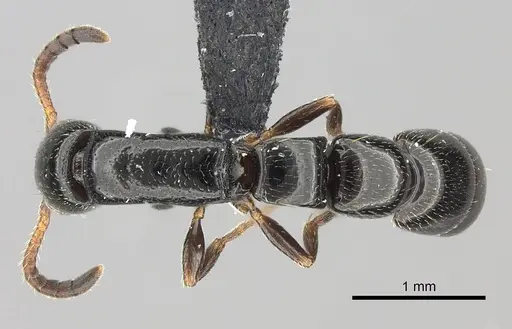
CASENT0499354
View on AntWeb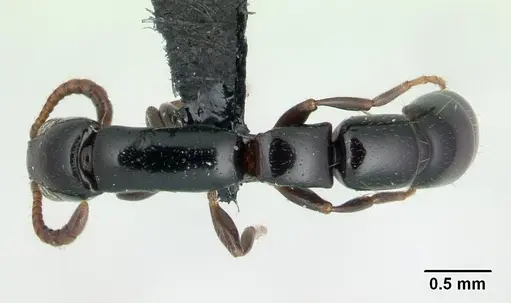
Literature
Loading...Loading products...